
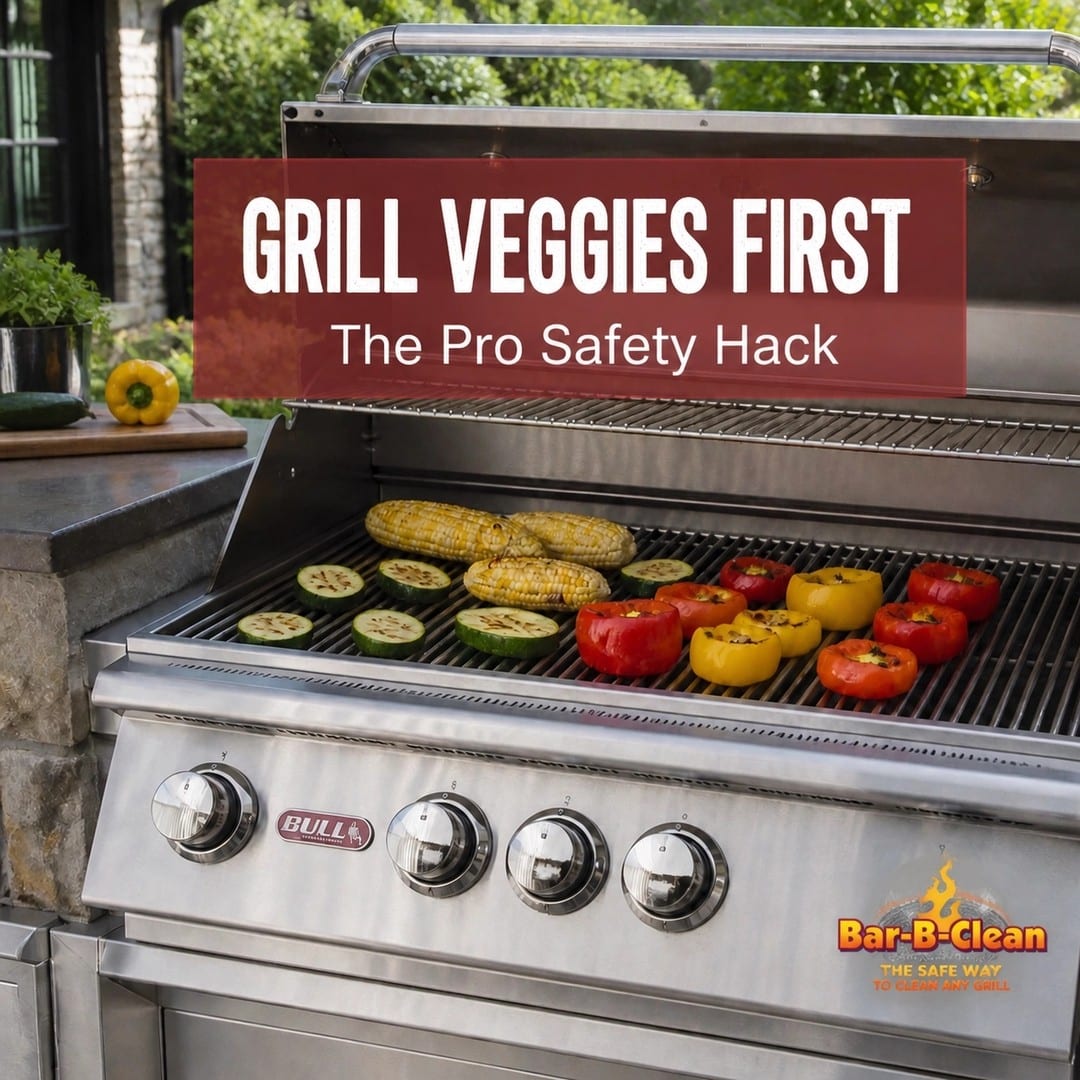
Saturday afternoons have a way of turning perfectly reasonable adults into amateur fire tamers.
One minute, you’re confidently flipping burgers with a spatula in hand. The next, you’re battling flare-ups, wondering why one side of the grill cooks like the surface of the sun while the other side barely warms a hot dog.
The funny thing is that most backyard cooks blame the grill itself. They start browsing shiny new models with more burners, more gadgets, and enough stainless steel to make a spaceship jealous.
Yet the biggest difference between an average cookout and a memorable one rarely comes down to expensive equipment. It comes down to technique.
The best gas grill hacks aren’t flashy.
They won’t magically transform you into a barbecue legend overnight, either. What they will do is help you cook juicier steaks, avoid scorched chicken, keep flare-ups under control, and squeeze far more performance out of the grill sitting on your patio right now.
Over the years, pitmasters and grill veterans have picked up dozens of tricks that never make it into instruction manuals. Some save time. Some improve flavor. A few will make your neighbors suspicious that you’ve secretly enrolled in grilling school.
Let’s fire things up.
Why Most Backyard Grillers Miss These Tricks
Many people buy a gas grill expecting instant perfection. Turn the knobs, ignite the burners, toss on the food, and dinner is served. Unfortunately, grilling has a few more moving parts than microwaving leftovers.
The “Set It and Forget It” Problem
One of the biggest mistakes backyard cooks make is treating a gas grill like an outdoor oven.
A grill is constantly changing:
- Wind shifts temperatures.
- Fat causes flare-ups.
- Different burners create hot spots.
- Thick cuts cook differently from thin ones.
Ignoring those variables often leads to dry chicken and burgers that resemble hockey pucks.
The good news? Learning a handful of gas grill hacks can dramatically improve your results without adding extra work.
What Grill Masters Understand
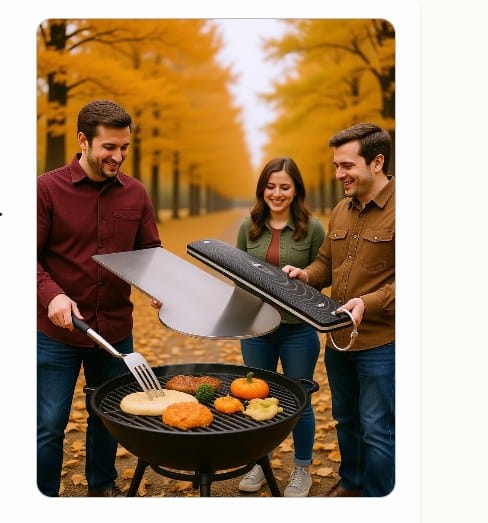
Experienced grillers know that cooking over fire is really about managing heat, timing, and airflow.
A pitmaster doesn’t stare at the flames and hope for the best. They create zones, monitor temperatures, and move food strategically around the grill.
Think of your grill as a kitchen with multiple stations rather than one giant hot plate. And remember: nobody has ever won bragging rights by announcing, “My grill has six burners.” The real flex is serving perfectly cooked ribs.
Master Heat Zones for Better Cooking
Among all the gas grill hacks worth learning, mastering heat zones sits at the top of the list.
Create Two Cooking Zones
Professional kitchens rarely cook everything at the same temperature, and your backyard grill shouldn’t either.
Set up:
- A direct heat zone over lit burners.
- An indirect heat zone with reduced heat or burners turned off.
Direct heat works best for:
- Burgers
- Sausages
- Thin steaks
- Shrimp
- Vegetables
Indirect heat shines when cooking:
- Bone-in chicken
- Thick pork chops
- Whole birds
- Larger cuts of meat
Key takeaway: Different foods require different heat levels.
Sear First, Relax Later
Everyone loves dramatic grill marks. They’re practically social currency at cookouts.
For steaks and chops:
- Sear over high heat for a few minutes per side.
- Move the meat to indirect heat.
- Finish cooking gently.
This technique creates a crispy crust while keeping the inside juicy. Trying to cook a thick steak entirely over blazing flames is like sunbathing with a magnifying glass. Things escalate quickly.
Use the Lid Properly
Many backyard cooks underestimate the power of the grill lid.
Closing the lid turns your grill into a convection oven.
That means:
- More even cooking.
- Better heat circulation.
- Faster cooking times.
- Fewer flare-ups.
Constantly lifting the lid to “check progress” is grilling’s version of opening the refrigerator every five minutes hoping new snacks appear.
Preheating Hacks That Improve Every Meal
Patience isn’t usually associated with backyard cooking, but proper preheating separates great grilling from mediocre grilling.
Give Your Grill More Time Than You Think
One of the simplest gas grill hacks is also the most overlooked. Many people preheat for five minutes and call it good. Most grills perform far better after 10 to 15 minutes of preheating.
Proper preheating helps:
- Prevent sticking.
- Create better grill marks.
- Kill leftover bacteria.
- Stabilize temperatures.
A hot grill is predictable. A half-heated grill is chaos with propane.
Clean While the Grates Are Hot
Cleaning cold grates feels like scrubbing concrete.
Instead:
- Preheat the grill.
- Brush the grates while they’re hot.
- Remove debris before cooking.
Heat loosens old grease and food residue, making cleanup easier. For stubborn buildup, wad aluminum foil into a ball and use tongs to scrub the surface.
Oil the Food, Not the Grates
One of the lesser-known gas grill hacks is skipping the oil-coated grates.
Instead:
- Lightly oil the meat or vegetables.
- Use high-smoke-point oils.
- Avoid pouring oil directly onto the grill.
This reduces flare-ups and distributes seasoning more evenly.
Good options include:
- Avocado oil
- Canola oil
- Peanut oil
Olive oil tastes great, but at high heat it can tap out earlier than expected.
Clever Ways to Prevent Flare-Ups
Flare-ups aren’t always disasters. A quick burst of flame adds flavor. An inferno capable of signaling satellites is another story.
Trim Excess Fat
Fat dripping onto burners creates those dramatic flames.
Before grilling:
- Trim overly thick fat caps.
- Remove excess skin when appropriate.
- Pat marinades dry.
Important: Less dripping means better temperature control.
You don’t need to turn every steak into a lean fitness meal. Just avoid sending an entire stick of butter onto the burners.
Keep a Safety Zone Ready
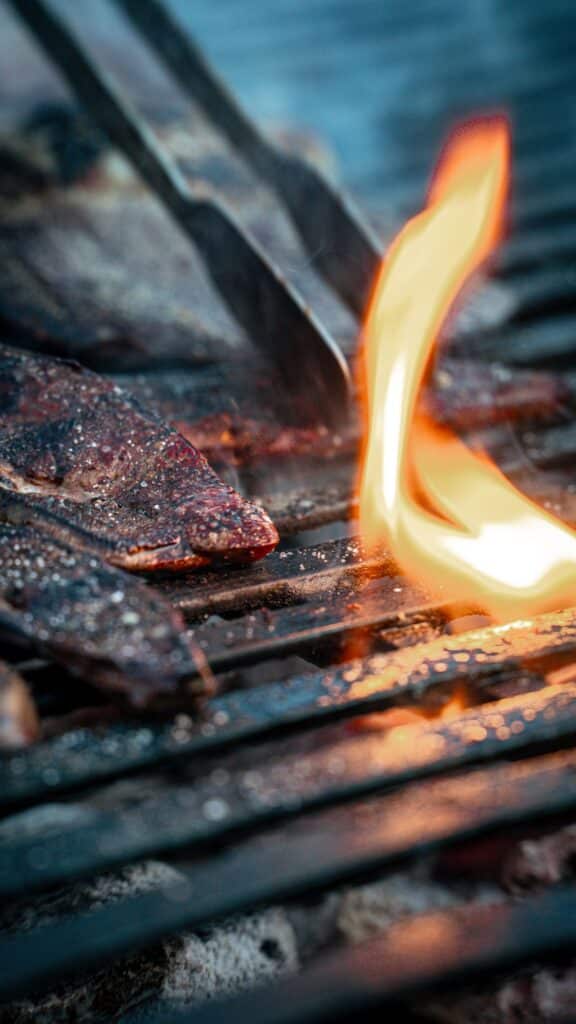
Smart grillers always reserve part of the grill as a rescue area.
When flames rise:
- Move food to indirect heat.
- Close the lid briefly.
- Let the fire settle.
This simple habit prevents overcooking and buys you valuable time.
Stop Flipping Every Thirty Seconds
Constant flipping causes grease to drip repeatedly onto burners.
Instead:
- Let proteins develop a crust.
- Turn them only when necessary.
- Avoid pressing burgers.
Pressing burgers releases flavorful juices and produces an impressive sizzling sound that’s sadly accompanied by disappointment.
Gas Grill Hacks for Better Flavor
Flavor doesn’t come from expensive gadgets. It comes from understanding how heat, smoke, and seasoning work together.
Add Smoke Without Buying a Smoker
One of the smartest gas grill hacks involves borrowing techniques from traditional barbecue.
Create a smoker packet:
- Soak wood chips.
- Wrap them in foil.
- Poke holes in the foil.
- Place the packet near the burners.
Popular woods include:
- Hickory for bold flavor.
- Applewood for pork.
- Cherry for poultry.
- Mesquite for beef.
A small amount of smoke goes a long way. Nobody wants chicken that tastes like it survived a forest fire.
Season Earlier
Timing matters.
For maximum flavor:
- Salt steaks 45 minutes to several hours ahead.
- Season chicken at least an hour before cooking.
- Dry-brine larger cuts overnight.
Dry brining allows salt to penetrate deeper into the meat, improving texture and juiciness. This step costs nothing and delivers restaurant-level results.
Use a Meat Thermometer
Guesswork ruins more meals than bad weather. An instant-read thermometer removes uncertainty.
Recommended temperatures:
- Chicken: 165°F (74°C)
- Pork chops: 145°F (63°C)
- Burgers: 160°F (71°C)
- Medium-rare steak: 130–135°F (54–57°C)
Key takeaway: Cook to temperature, not to time.
Grill timers are suggestions. Thermometers tell the truth.
Little-Known Setup Tricks Pros Use
Many useful gas grill hacks happen before food ever touches the grate.
Find Your Grill’s Hot Spots
Every grill has quirks.
Some areas run hotter because of:
- Burner placement.
- Wind exposure.
- Heat shields.
- Wear and tear.
To test your grill:
- Spread slices of bread across the grates.
- Heat the grill.
- Watch which slices toast first.
The result is essentially a heat map made of bread. It’s scientific, delicious, and slightly confusing to anyone walking by.
Rotate Food Strategically
Once you understand your grill’s hot spots:
- Move thicker cuts toward hotter zones.
- Shift delicate foods away from direct heat.
- Rotate large batches during cooking.
Professional kitchens constantly reposition food because consistency matters.
Use the Warming Rack
That upper rack isn’t decorative.
It’s ideal for:
- Toasting buns.
- Keeping finished food warm.
- Melting cheese.
- Resting meat.
The warming rack acts like a holding station, giving you breathing room when cooking for groups.
Add a Water Pan
A simple metal pan filled with water can help:
- Moderate temperature swings.
- Add moisture.
- Reduce scorching.
This trick works especially well for longer cooks like ribs and chicken quarters. It won’t turn your gas grill into a competition smoker, but it can noticeably improve consistency.
Cleaning and Maintenance Hacks That Extend Grill Life
Grills last longer when they’re maintained properly. Ignore them long enough, and they’ll retaliate at the worst possible moment. Usually during a family gathering.
Burn Off Residue After Cooking
One of the easiest gas grill hacks takes less than ten minutes.
After removing food:
- Close the lid.
- Increase heat for several minutes.
- Burn away leftover grease.
- Brush the grates.
This quick routine reduces buildup and makes future cleanings easier.
Clean the Drip Tray
Few grill components receive less attention than the drip tray.
Unfortunately, grease accumulation can cause:
- Flare-ups.
- Bad odors.
- Reduced airflow.
- Potential fire hazards.
Check and clean the tray regularly, especially during peak grilling season.
Inspect Burners and Connections
Every few months:
- Look for blocked burner holes.
- Check hoses for cracks.
- Test gas connections.
- Tighten loose fittings.
A simple soap-and-water leak test can reveal escaping gas bubbles.
Important safety tip: Never ignore unusual smells or inconsistent flames.
A little maintenance beats emergency grill shopping on the morning of a cookout.
Common Gas Grilling Mistakes Backyard Cooks Make
Even experienced cooks occasionally fall into bad habits.
Cooking Everything on High Heat
High heat has its place, but not every meal needs maximum firepower. Chicken breasts, thick sausages, and pork chops benefit from moderate temperatures. Sometimes the fastest route to dry meat is turning every burner to full blast.
Pressing Burgers
This habit refuses to disappear.
Pressing burgers:
- Forces out juices.
- Dries the meat.
- Adds no flavor.
The sizzling sound is satisfying, but so is eating a juicy burger. Choose wisely.
Skipping the Resting Period
Fresh off the grill, meat needs time to settle. Resting allows juices to redistribute.
General guidelines:
- Steaks: 5–10 minutes.
- Chicken: 5 minutes.
- Large cuts: 15–20 minutes.
Cut too early, and the cutting board gets dinner instead.
Overcrowding the Grill
Space matters.
Packing food tightly causes:
- Uneven cooking.
- Steam buildup.
- Poor browning.
Key takeaway: Leave room for heat and air to circulate.
Sometimes cooking in batches produces better food than trying to feed an army all at once.
Accessories That Make Grilling Easier
You don’t need an arsenal of gadgets, but a few tools genuinely help.
Essential Grilling Gear
Instant-read thermometer
The single best upgrade for accuracy.
Long-handled tongs
Protect your hands and improve control.
Grill basket
Perfect for vegetables, shrimp, and smaller foods.
Smoker box
An easy way to add wood-fired flavor.
Cast-iron griddle insert
Excellent for onions, smash burgers, and breakfast items.
Grill light
Because burgers rarely finish cooking before sunset.
Notice that none of these tools involve Bluetooth, smartphone apps, or technology capable of launching rockets. Simple equipment often delivers the biggest improvements.
Final Thoughts: Small Hacks, Big Results
The best gas grill hacks aren’t secrets hidden in expensive cookbooks or guarded by barbecue champions. Most are simple habits that experienced grillers develop over time: creating heat zones, preheating properly, controlling flare-ups, seasoning earlier, and keeping equipment clean.
Great grilling isn’t about showing off the biggest grill on the block. It’s about understanding how heat behaves and making small adjustments that produce consistently better food. Start with one or two of these techniques during your next cookout.
Try indirect heat for thicker cuts.
Grab a thermometer. Experiment with wood chips. Learn where your grill runs hot.
Before long, you’ll stop fighting your grill and start working with it – and the neighbors may suddenly become very interested in your dinner plans.
FAQs
What is the most useful gas grill hack for beginners?
One of the most effective gas grill hacks is creating two heat zones. Use one side of the grill for direct heat and the other for indirect heat to prevent burning and cook food more evenly.
How long should I preheat a gas grill?
For the best results, preheat your gas grill for 10 to 15 minutes. Proper preheating helps prevent sticking, improves searing, and ensures even cooking.
How can I stop flare-ups on a gas grill?
Trim excess fat from meat, avoid dripping marinades, and keep a cooler zone available so you can quickly move food away from sudden flames.
Can I add smoky flavor to food on a gas grill?
Yes. Place soaked wood chips in a smoker box or a foil packet with small holes and set it near the burners to add smoky flavor to your food.
Should I oil the grill grates or the food?
It’s better to lightly oil the food instead of the grates. This reduces flare-ups and helps distribute the oil and seasonings more evenly.
Do I really need a meat thermometer for grilling?
Absolutely. A meat thermometer removes the guesswork and helps you cook meat to the proper internal temperature without overcooking it.
Featured image credit: @barbcleanasheville
