
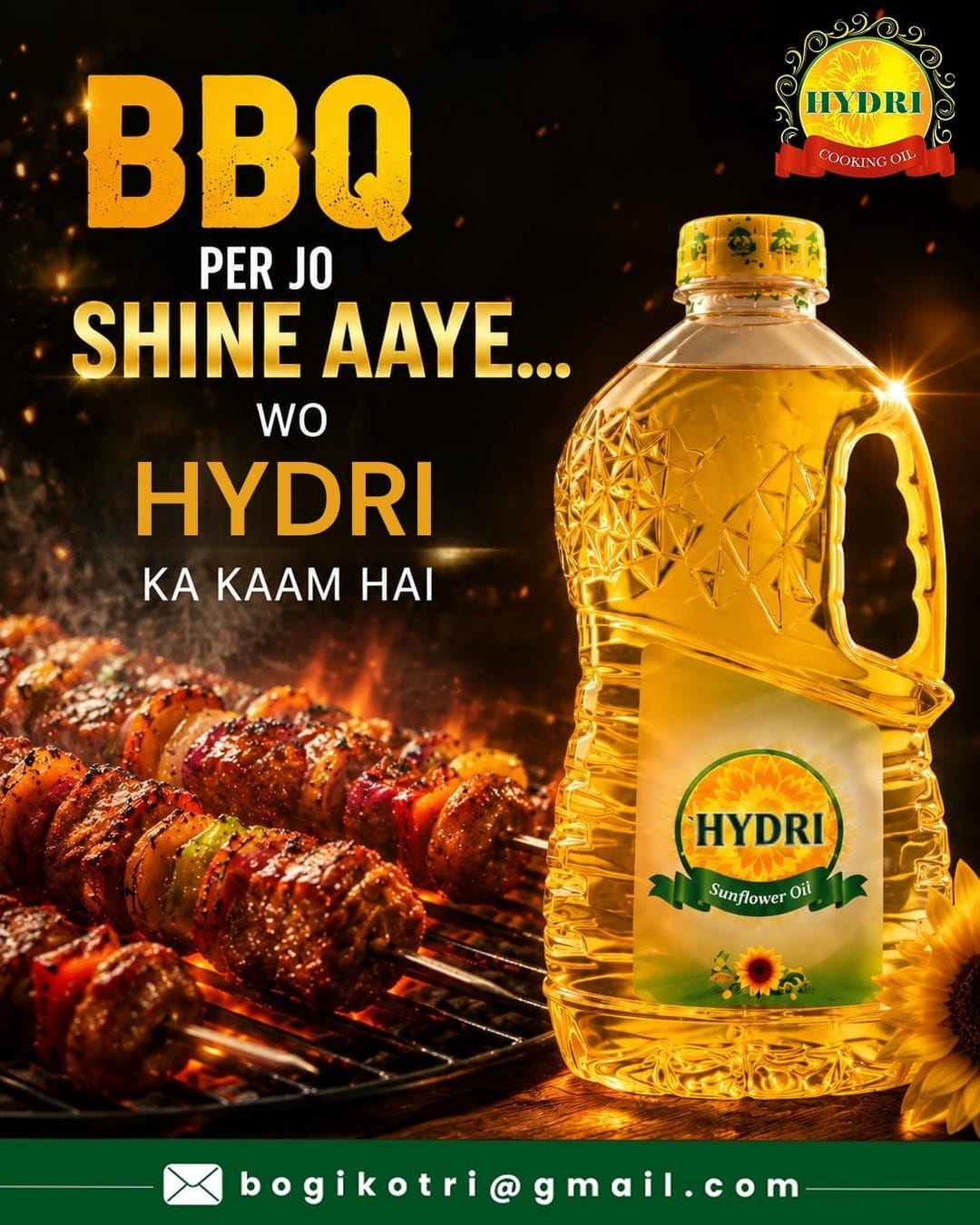
Years ago, during a busy weekend cookout, I spent hours prepping a gorgeous, thick-cut ribeye. I salted it perfectly, dialed my charcoal grill to a blazing heat, and dropped the meat onto the grates, expecting a flawless restaurant-quality sear.
Instead, I was instantly blinded by a massive wall of acrid, white smoke.
Within seconds, the backyard looked like a disaster zone, the kitchen fire alarm was screaming, and my expensive steak was coated in a bitter, black soot that tasted like a campfire gone wrong.
My mistake? I had coated that screaming-hot steak in extra virgin olive oil.
That painful lesson taught me that choosing the wrong fat can ruin a great meal faster than a sudden downpour. When you step out of the kitchen and over an open flame, the rules of cooking change.
You need fats that can handle intense heat without breaking down, flaring up, or turning your food bitter.
Finding the best oils for high-heat grilling isn’t just about stopping food from sticking; it’s about unlocking the science of the perfect sear while protecting the natural flavor of your food.
Let’s dive into how cooking fats behave under pressure and look at the absolute best options for your next backyard cookout.
What is a Smoke Point and Why Does It Matter?
Before we talk about specific bottles, we need to understand the fundamental law of the grill grate: the smoke point.
Every oil has a specific temperature limit where it stops shimmering and starts burning. When an oil is heated past this threshold, its chemical structure breaks down.
The fat molecules split apart, producing a nasty compound called acrolein, which is responsible for that stinging, acrid smoke that burns your eyes.
More importantly, crossing the smoke point destroys the flavor of your food. It introduces free radicals, strips away any health benefits the oil originally had, and leaves behind a distinct, chemical-bitter aftertaste that no amount of barbecue sauce can hide.
To survive a hot grill, you need refined oils.
When an oil is labeled “unrefined” or “cold-pressed” (like extra virgin olive oil), it still contains tiny particles of plant matter, minerals, and enzymes. These particles are great for raw salads, but they burn easily.
“Refined” oils go through a filtering process that removes these volatile compounds. The result is a much clearer oil with a significantly higher smoke point and a neutral flavor profile. On a hot grill, refining is the secret to survival.
The 6 Best Oils for High-Heat Grilling
When you are pushing your grill past 400ºF (204ºC), these six oils are your best options.
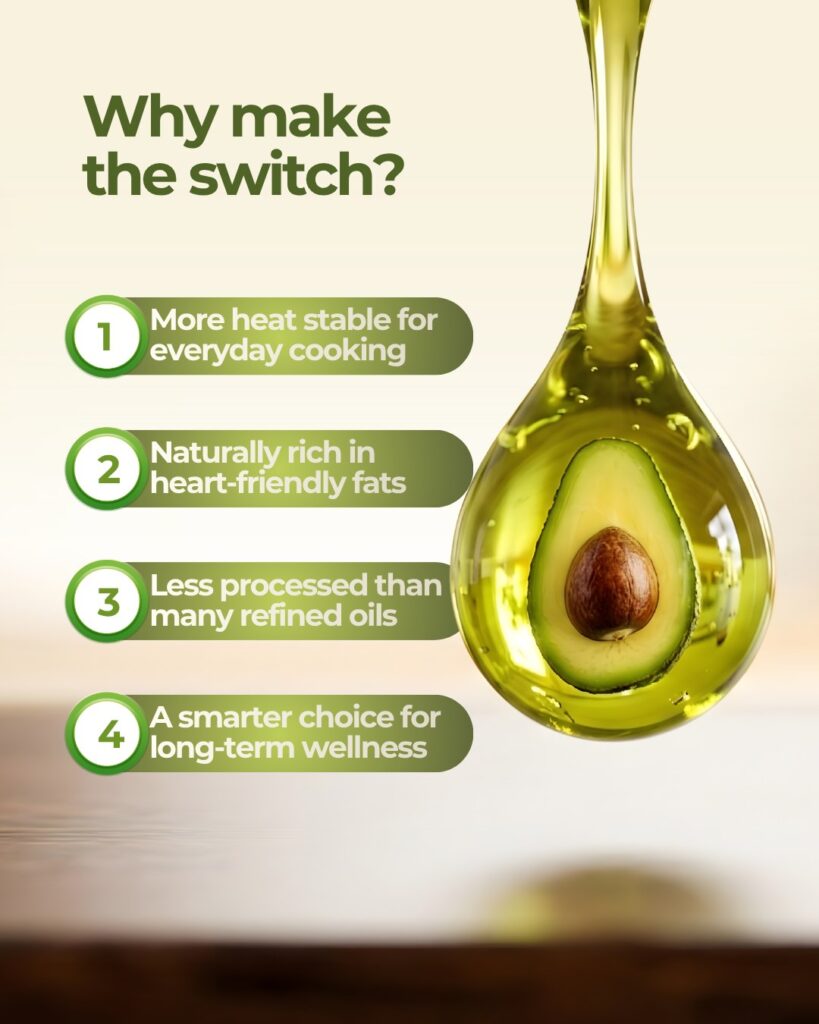
1. Refined Avocado Oil
- Smoke Point: 520ºF (271ºC)
- Flavor Profile: Completely neutral
If you want an oil that can handle absolute maximum heat, refined avocado oil is the undisputed king. Boasting a massive smoke point of 520ºF, this oil can withstand direct flame, intense charcoal heat, and high-temperature cast-iron searing without flinching.
Because it is rich in monounsaturated fats, avocado oil remains highly stable under heat, meaning it won’t break down into harmful compounds when exposed to an open flame.
It is entirely neutral in flavor, so your expensive steaks, tuna loins, or delicate seafood will taste exactly like they are supposed to.
The only real downside is the price tag; it is a premium option, but a little goes a long way when prepping high-end proteins.
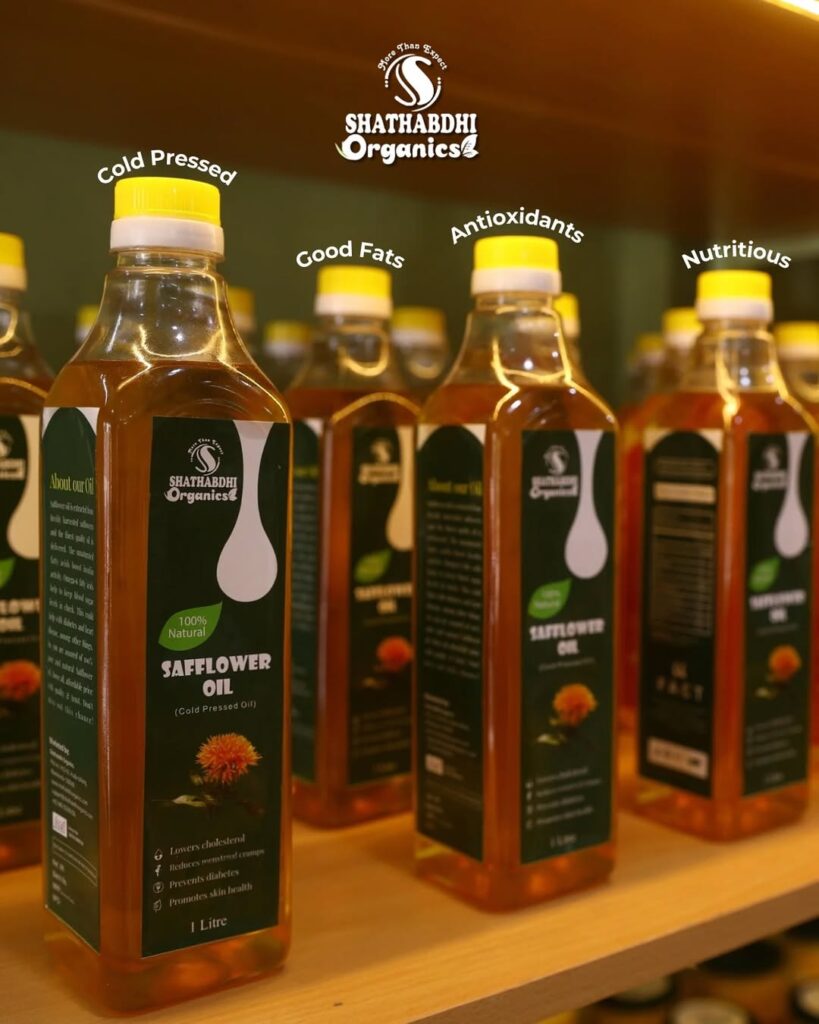
2. Refined Safflower Oil
- Smoke Point: $510^\circ\text{F}$ ($265^\circ\text{C}$)
- Flavor Profile: Totally tasteless
If avocado oil is the luxury sports car of grilling fats, refined safflower oil is the highly reliable, budget-friendly alternative. With a smoke point sitting just below avocado oil at 510ºF, it handles intense heat with ease.
Safflower oil is extracted from the seeds of the safflower plant and undergoes a thorough refining process that strips away all odor and taste. This makes it an excellent choice for everyday grilling.
Whether you are charring a batch of summer vegetables, grilling chicken breasts, or cooking delicate fish like salmon, safflower oil provides excellent lubrication and protection without altering your carefully crafted spice rubs.
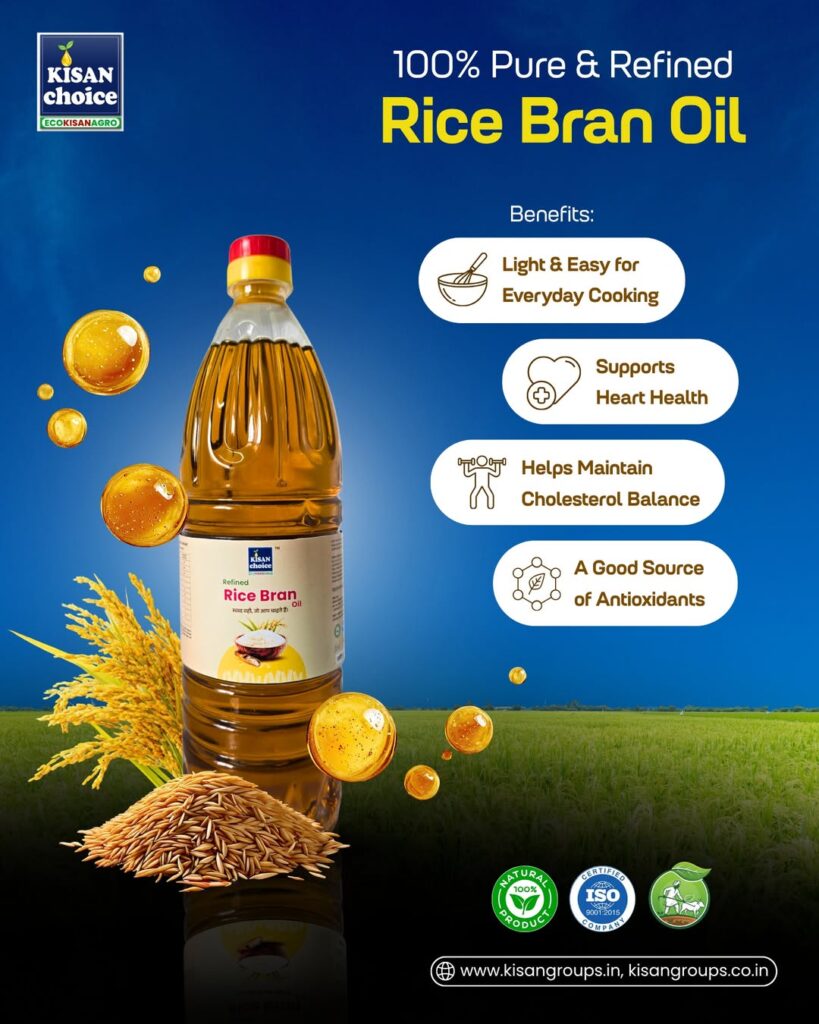
3. Rice Bran Oil
- Smoke Point: 490ºF (254ºC)
- Flavor Profile: Mild, slightly nutty
Popular in professional kitchens and flat-top cooking, rice bran oil is a hidden gem for outdoor cooks. It is packed with natural antioxidants, including vitamin E and oryzanol, which actively resist oxidation and breakdown when exposed to high flames.
Rice bran oil has a very faint, pleasant nuttiness, but it is subtle enough to function as a neutral oil. It is incredibly effective for flat-top grilling, plancha cooking, and smash burgers.
If you like using a grill wok for quick, high-heat stir-fries or shrimp skewers over charcoal, rice bran oil creates a fantastic, clean sear without leaving a heavy residue behind.
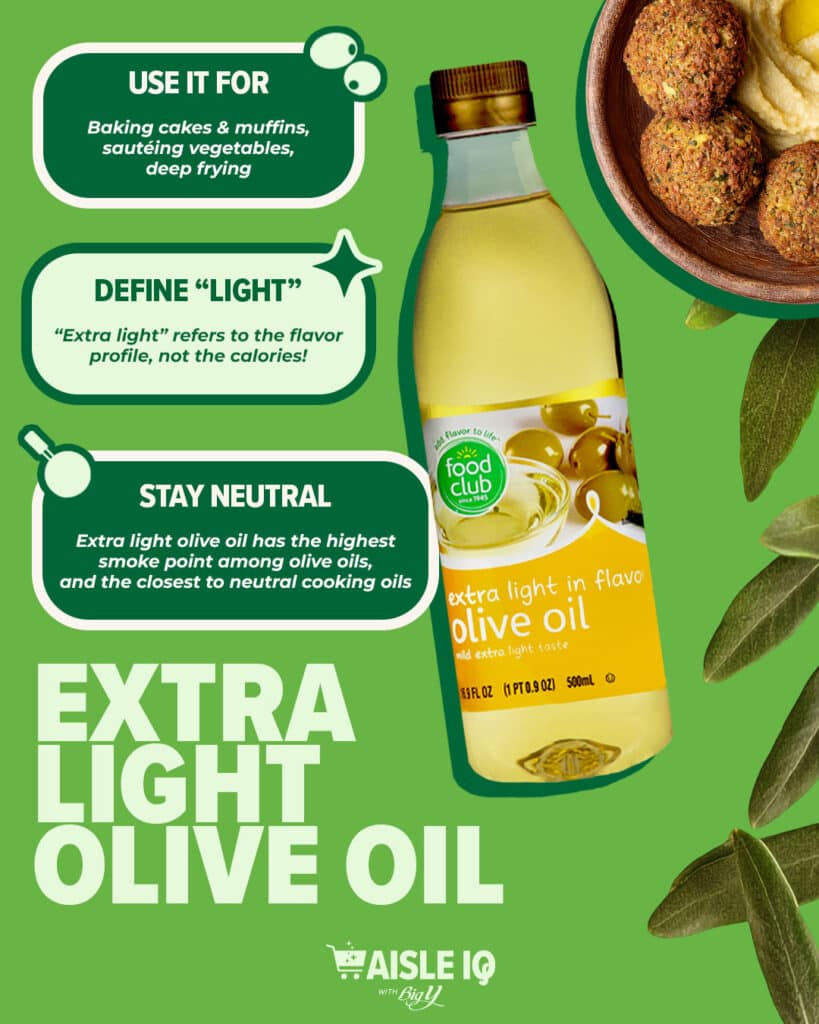
4. Light or Refined Olive Oil
- Smoke Point: 465ºF (240ºC)
- Flavor Profile: Very mild, faint olive undertone
There is a huge misconception in the grilling community that all olive oil is banned from the backyard. That rule only applies to the extra virgin variety. Light olive oil is an exceptional choice for high-heat cooking.
The word “light” does not refer to calories; it refers to the color, flavor, and purity. Because it has been refined to remove the volatile plant particles found in extra virgin varieties, its smoke point jumps up to a respectable 465ºF.
It is highly accessible, affordable, and perfect for Mediterranean-style grilling. Use it for pork chops, chicken marinades, and any dish where a tiny, elegant hint of olive flavor is welcome.
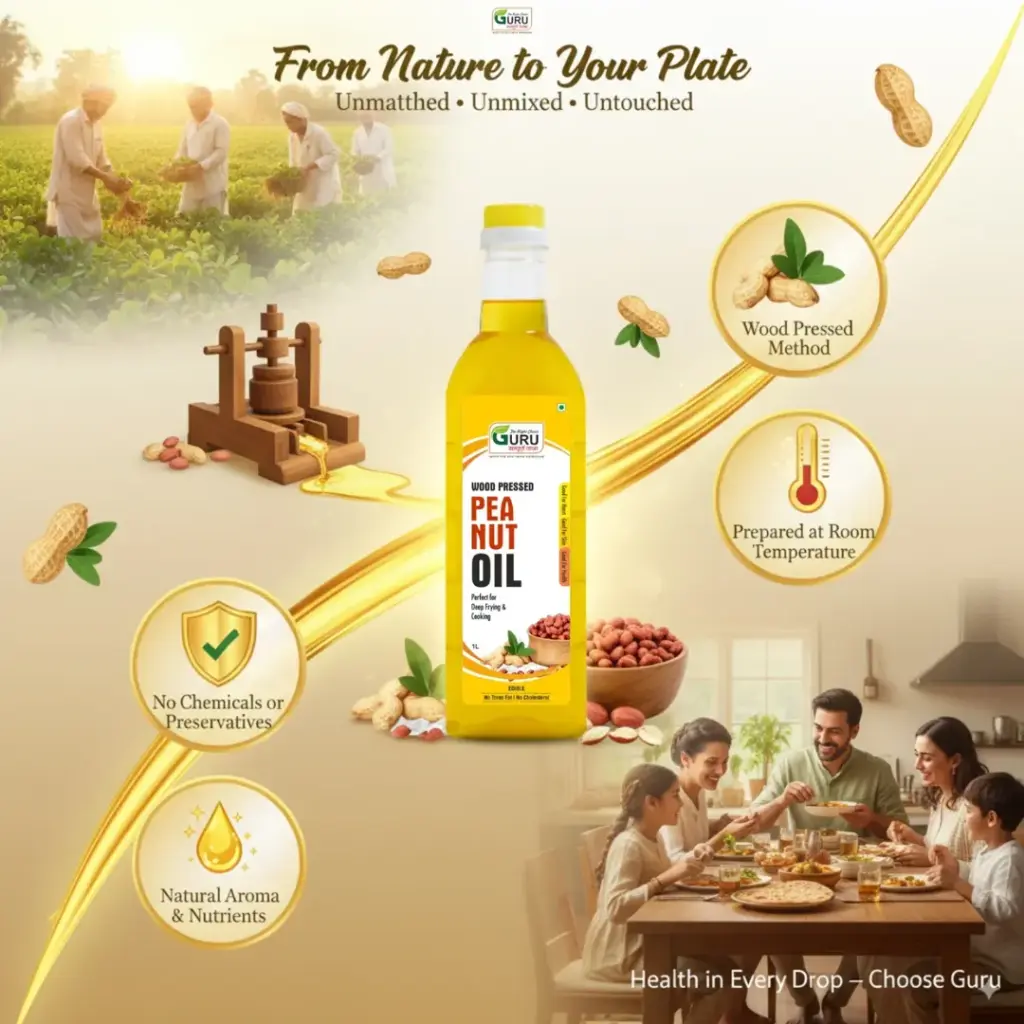
5. Refined Peanut Oil
- Smoke Point: 450ºF (232ºC)
- Flavor Profile: Mildly nutty and savory
There is a reason deep-frying enthusiasts love peanut oil: it handles heat gracefully and adds a wonderful flavor profile to savory foods. On the grill, refined peanut oil performs exceptionally well at 450ºF.
Peanut oil helps create a beautiful, golden-brown crust on meats. It is fantastic for grilling chicken wings, thicker cuts of beef, and even for seasoning your cast-iron grill grates.
Keep in mind that while highly refined peanut oil is generally considered safe for individuals with peanut allergies because the allergenic proteins are removed during processing, it is always best to check with your guests before using it.
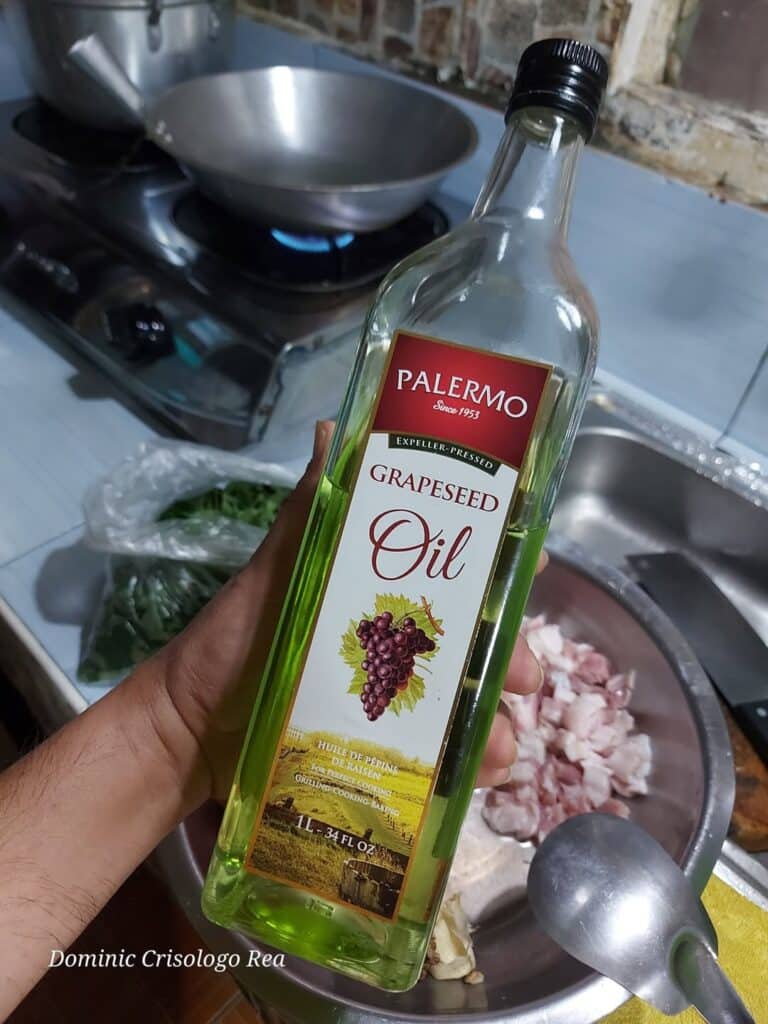
6. Grapeseed Oil
- Smoke Point: 420ºF (216ºC)
- Flavor Profile: Clean and light
Grapeseed oil sits right at the baseline threshold for high-heat grilling. At 420ºF, it handles standard grilling temperatures well, though you’ll want to watch your vents if your charcoal fire gets excessively hot.
Derived from the seeds of wine grapes, this oil is prized by chefs for its light consistency and clean finish. It leaves absolutely no greasy residue or lingering flavor behind, making it the perfect canvas for your spice rubs and marinades.
It is an excellent everyday choice for tossing with vegetables like asparagus or zucchini before they hit the grates, or for a quick wipe down of your grill grates before cooking.
Quick Comparison Table
| Oil Type | Smoke Point | Flavor Profile | Best Grilling Application |
| Refined Avocado Oil | 520ºF (271ºC) | Completely Neutral | High-End Steaks & Maximum Heat Searing |
| Refined Safflower Oil | 510ºF (265ºC) | Completely Neutral | Vegetables, Chicken, & Budget-Friendly Use |
| Rice Bran Oil | 490ºF (254ºC) | Mild & Slightly Nutty | Flat-Tops, Planchas, & Smash Burgers |
| Light Olive Oil | 465ºF (240ºC) | Very Mild / Clean | Marinades, Pork Chops, & Poultry |
| Refined Peanut Oil | 450ºF (232ºC) | Faintly Nutty / Savory | Crispy Chicken Wings & Cast-Iron Prep |
| Grapeseed Oil | 420ºF (216ºC) | Clean & Light | Pre-Oiling Vegetables & Light Grate Prep |
Grilling Oils to Avoid (And Why)
Now that you know what to reach for, let’s talk about the bottles you should leave inside the kitchen cabinet.
- Extra Virgin Olive Oil (EVOO): With a low smoke point between 350ºF and 410ºF, EVOO burns quickly over direct heat. Save this expensive, flavorful oil for drizzling over your meats after they come off the grill.
- Unrefined Coconut Oil: It burns at roughly 350ºF. Unless you want your smoky barbecue brisket to taste like a burnt tropical vacation, keep coconut oil away from the charcoal.
- Butter: Regular butter burns at a low 300ºF because the milk solids scorch almost instantly. If you want that rich, buttery finish on your grilled steaks, use ghee (clarified butter) instead, which has a much safer smoke point of 480ºF.
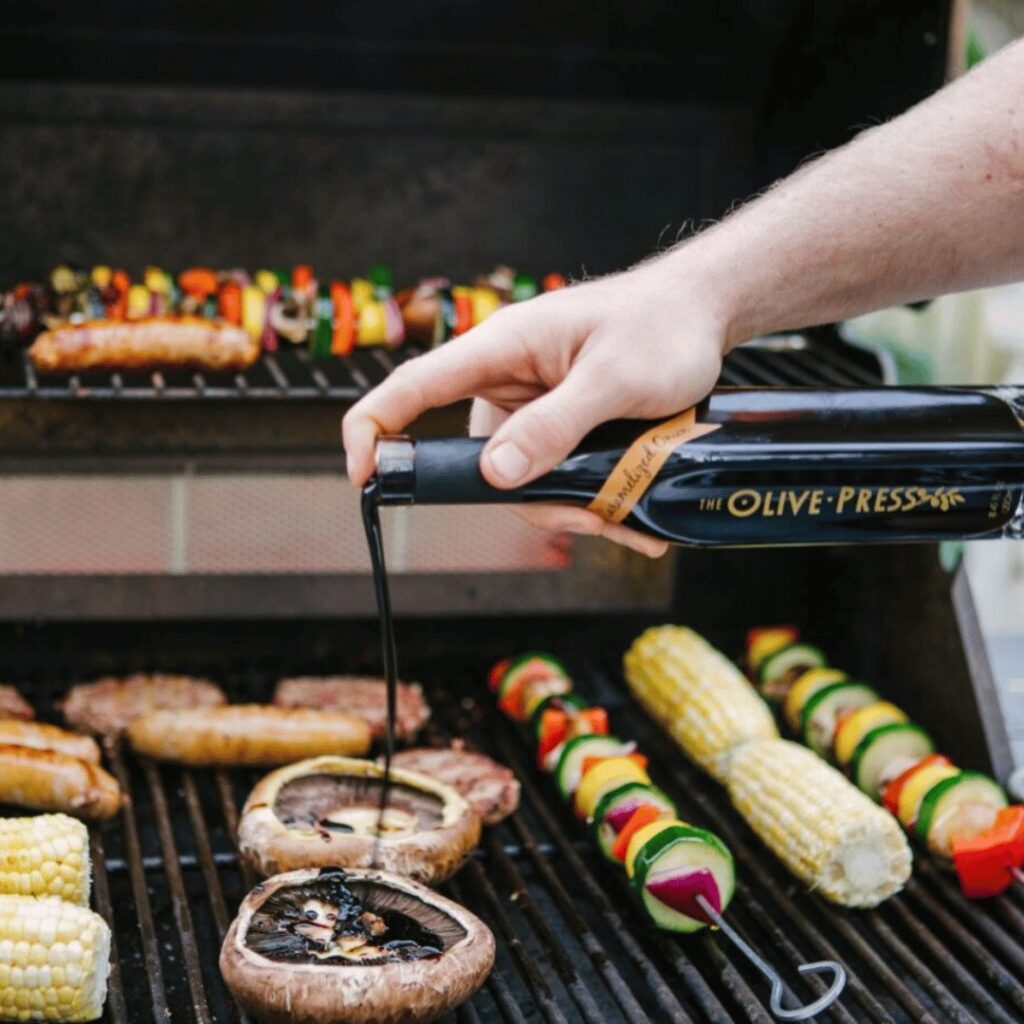
Pro Tips for Oiling Your Grill Safely
Knowing which oil to use is only half the battle; how you apply it matters just as much.
First, always oil the food, not the grates. Lightly brushing your proteins or tossing your vegetables in oil uses less product and prevents excess fat from dripping down into the fire, which causes dangerous flare-ups.
If you do need to oil your grates to prevent lean fish or chicken from sticking, use the paper towel trick.
Fold up a paper towel into a tight pad, grip it with long grilling tongs, dip it lightly into a bowl of your chosen high-heat oil, and rub it smoothly across the clean grates.
Finally, never use aerosol cooking sprays on a hot grill.
The propellants used in those cans are highly flammable. Spraying them directly over an open flame can create a dangerous fireball that can burn you or damage your equipment.
Stick to liquid oils and a brush or paper towel for a safe, controlled cook.
Choosing the right tool for the job is what separates a backyard hobbyist from a true pitmaster.
By stocking your outdoor kitchen with the best oils for high-heat grilling, you’ll get cleaner flavors, better grill marks, and zero bitter smoke. Keep your heat high, your oils refined, and your grill clean.
Frequently Asked Questions
Is canola oil good for high-heat grilling?
Canola oil is a decent, budget-friendly option with a smoke point of around 400ºF (204ºC). While it works fine for standard, everyday grilling, it sits right on the edge of its threshold if your charcoal fire starts getting excessively hot.
If you are planning a high-temperature sear for premium steaks, you are much better off stepping up to refined avocado or safflower oil.
Can you use butter on a grill?
Regular butter has a very low smoke point of around 300ºF (149ºC) because the milk solids inside it burn almost instantly over an open flame, leaving a bitter taste.
If you love that rich, buttery flavor on your steaks or seafood, brush the butter onto your food during the final 60 seconds of cooking, or swap it out entirely for ghee (clarified butter), which can handle heat up to 480ºF (249ºC).
Why does extra virgin olive oil smoke so badly on the grill?
Extra virgin olive oil is “unrefined,” meaning it still contains tiny, delicate particles of olives, minerals, and natural enzymes.
While these particles taste incredible on a cold salad, they burn and scorch easily at temperatures above 350ºF (177ºC). For high-heat grilling, always switch to light or refined olive oil, which has had those volatile particles filtered out.
Should I put oil directly on the grill grates?
It is generally much safer and cleaner to oil the food rather than the grates.
Lightly brushing your meat or tossing your vegetables in a high-heat oil ensures total coverage and prevents excess oil from dripping into the hot coals, which causes dangerous flare-ups and bitter soot.
If you must lubricate your grates for delicate fish, use a rolled-up paper towel dipped in oil and held with long tongs.
What is the healthiest oil for high-heat grilling?
Refined avocado oil is widely considered the healthiest choice for high-heat grilling.
It is incredibly rich in heart-healthy monounsaturated fats and oleic acid, which make it exceptionally stable under direct heat.
Unlike many seed oils, it holds its chemical integrity beautifully at high temperatures, meaning it won’t break down into harmful free radicals when exposed to an open flame.
Featured image credit: @hydricookingoil
