
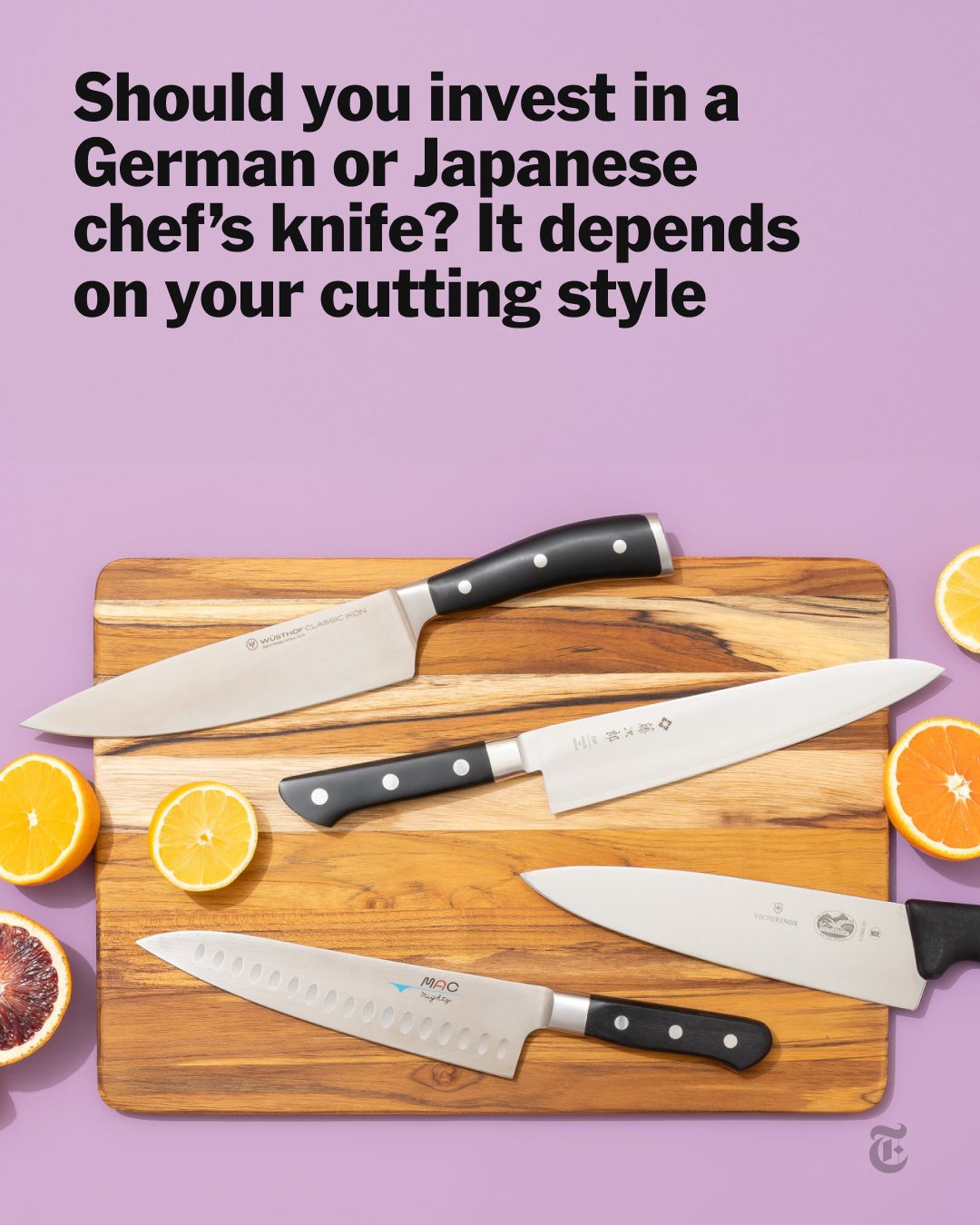
While grills and smokers usually steal the spotlight in an outdoor kitchen, the humble chef knife is often the true MVP, handling everything from trimming brisket and slicing vegetables to preparing ingredients that help every cookout come together seamlessly.
I’ve been cooking outdoors for years, and if there’s one thing I’ve learned, it’s this: your chef knife is the most important tool in your outdoor kitchen after the grill itself.
The debate over Japanese vs German chef knives has been raging among chefs, pitmasters, and serious home cooks for decades. Some swear by the razor-sharp precision of Japanese blades. Others wouldn’t trade the rugged toughness of a German workhorse for anything.
The truth? Both styles have earned their place around the cutting board. The challenge is figuring out which one belongs in your outdoor cooking setup.
Let’s sharpen things up and find out.
Japanese vs German Chef Knives: Quick Comparison
Before diving into specific knives, it helps to understand the fundamental differences. Japanese chef knives are known for their thinner blades, harder steel, and exceptional sharpness. They’re built for precision and finesse.
German chef knives feature thicker blades, softer but tougher steel, and a heavier feel designed for versatility and durability.
Think of it this way:
- A Japanese knife is a sports car.
- A German knife is a pickup truck.
One delivers precision performance. The other keeps working no matter what abuse you throw at it.
And yes, every pitmaster secretly wants both.
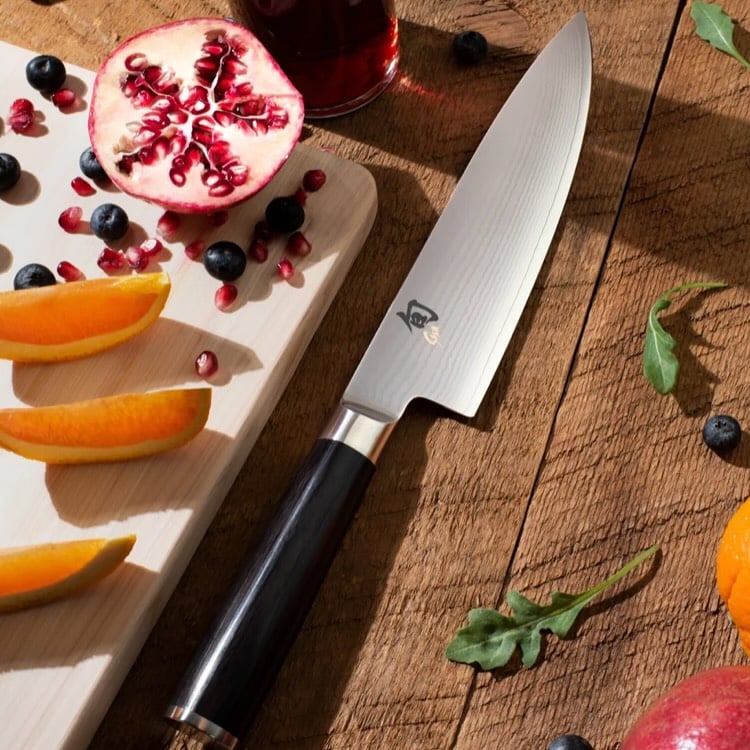
1. Shun Classic 8-Inch Chef Knife (Japanese Pick)
The Shun Classic is often the knife people buy when they’re ready to experience true Japanese craftsmanship.
The blade glides through tomatoes, onions, and herbs with almost ridiculous ease. The first time I used one, I actually checked whether the blade had touched the tomato because it sliced so cleanly.
Why It Stands Out
VG-MAX steel delivers exceptional edge retention, meaning less sharpening and more cooking.
Best Outdoor Use
Perfect for:
- Vegetable prep
- Slicing brisket flat sections
- Trimming proteins
Outdoor Verdict
If precision matters to you more than brute force, the Shun is a fantastic outdoor kitchen companion.
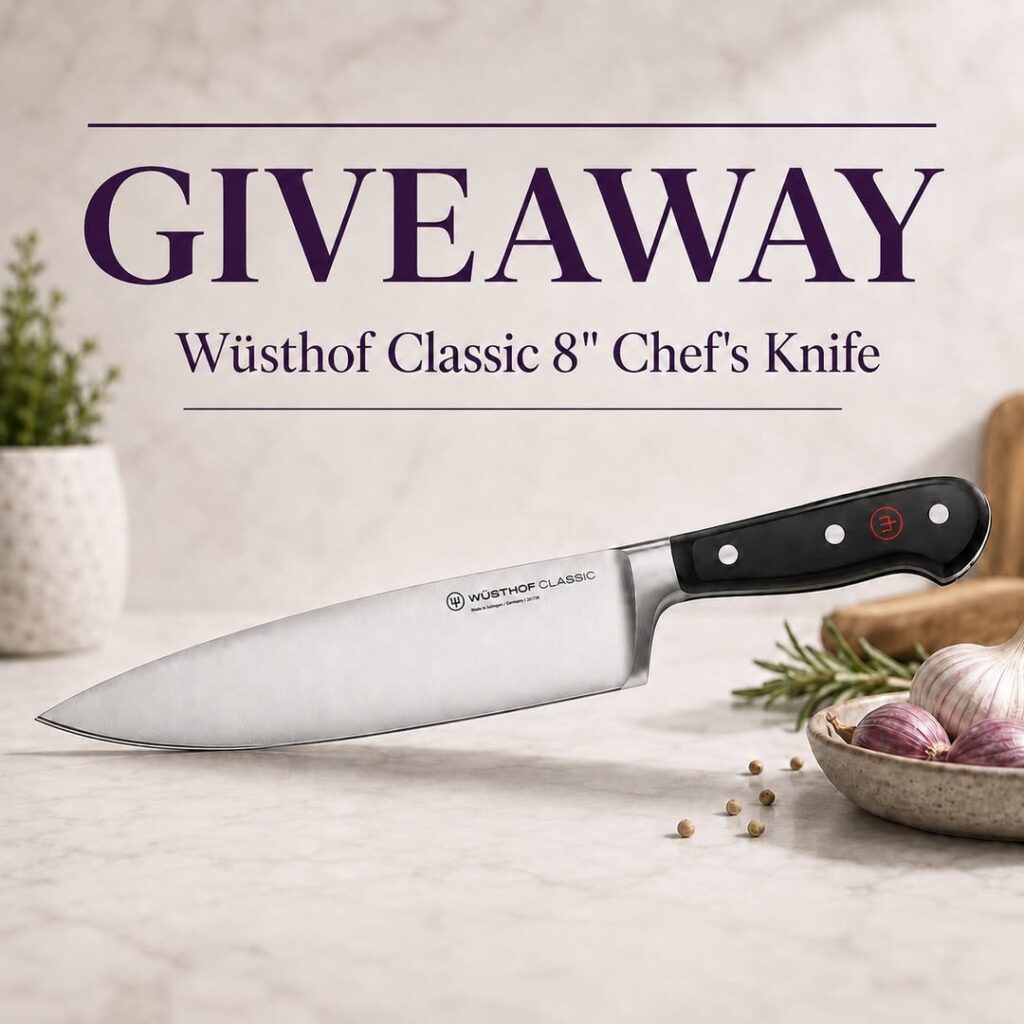
2. Wüsthof Classic 8-Inch Chef Knife (German Pick)
If outdoor kitchens had an official mascot, it might be the Wüsthof Classic. This knife feels substantial in your hand without becoming cumbersome. It’s built to tackle nearly everything from chopping onions to breaking down large cuts of meat.
Why It Stands Out
Exceptional durability and balance make it one of the most trusted knives in the culinary world.
Best Outdoor Use
Ideal for:
- Heavy chopping
- BBQ prep
- Large proteins
Outdoor Verdict
When someone asks me for one knife that can handle almost anything outdoors, the Wüsthof is usually the first recommendation.
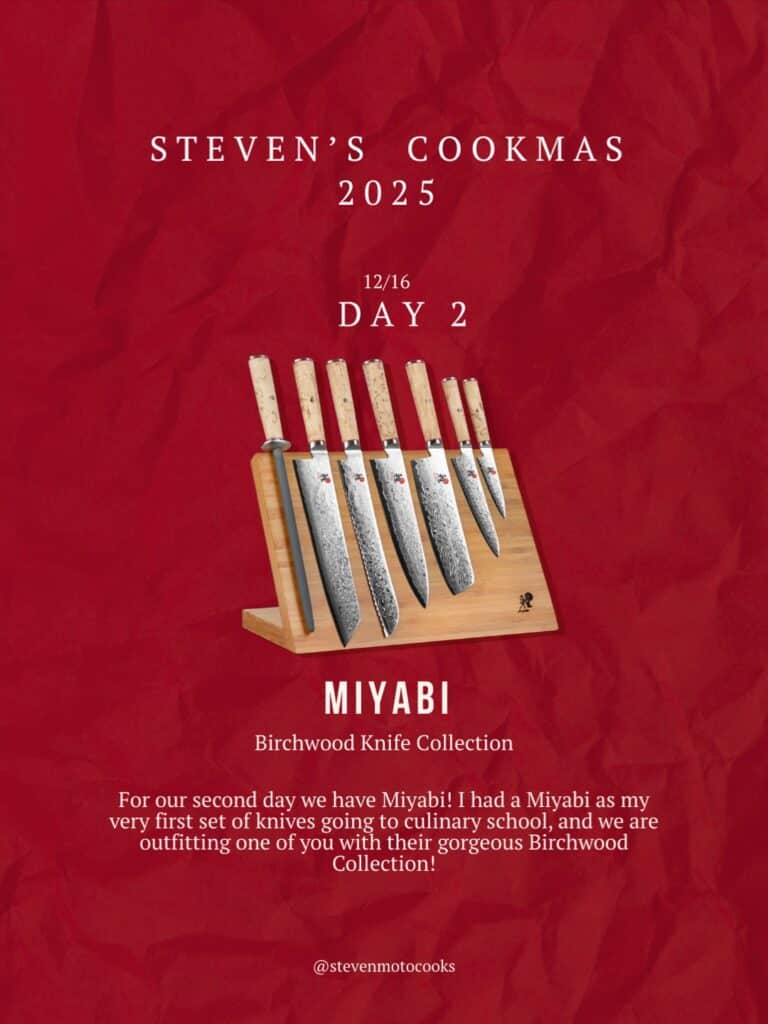
3. Miyabi Kaizen II 8-Inch Chef Knife (Japanese Pick)
The Miyabi Kaizen II combines Japanese precision with stunning aesthetics. Let’s be honest – sometimes we buy gear because it performs well. Other times we buy gear because it makes us look cooler while cooking.
The Miyabi does both.
Why It Stands Out
Ultra-thin blade geometry creates incredibly clean cuts.
Best Outdoor Use
Excellent for:
- Seafood preparation
- Vegetable slicing
- Competition BBQ presentations
Outdoor Verdict
If presentation matters as much as flavor, this knife deserves attention.
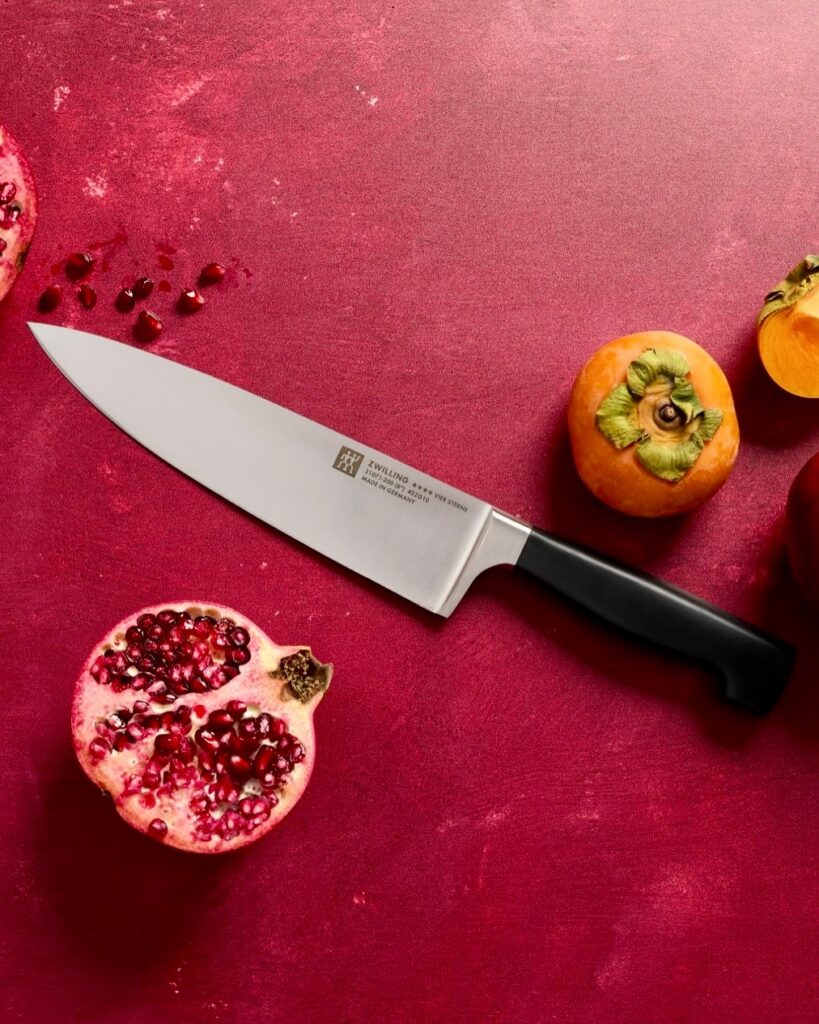
4. Zwilling Pro 8-Inch Chef Knife (German Pick)
Zwilling has spent centuries refining knife-making, and the Pro series showcases that experience beautifully. This knife bridges the gap between traditional German toughness and modern precision.
Why It Stands Out
Comfortable ergonomic design reduces hand fatigue during long prep sessions.
Best Outdoor Use
Perfect for:
- Multi-course outdoor meals
- General prep work
- Frequent grilling sessions
Outdoor Verdict
For cooks who spend entire weekends outdoors with family and friends, the Zwilling Pro is hard to beat.
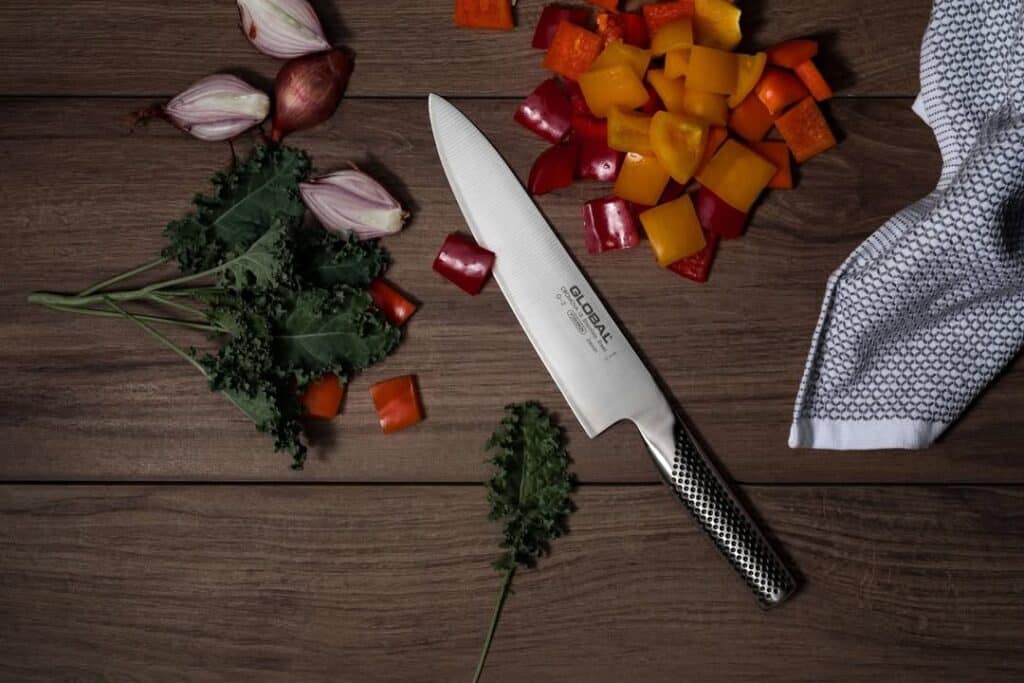
5. Global G-2 8-Inch Chef Knife (Japanese Pick)
The Global G-2 is unlike most knives you’ll encounter. Its seamless stainless-steel design looks futuristic, almost like something designed by a spacecraft engineer who got hungry.
Why It Stands Out
Extremely lightweight construction offers outstanding control.
Best Outdoor Use
Ideal for:
- Fast prep work
- Smaller outdoor kitchens
- Precision slicing
Outdoor Verdict
The lighter weight can be a game-changer if you prefer speed and agility over heft.
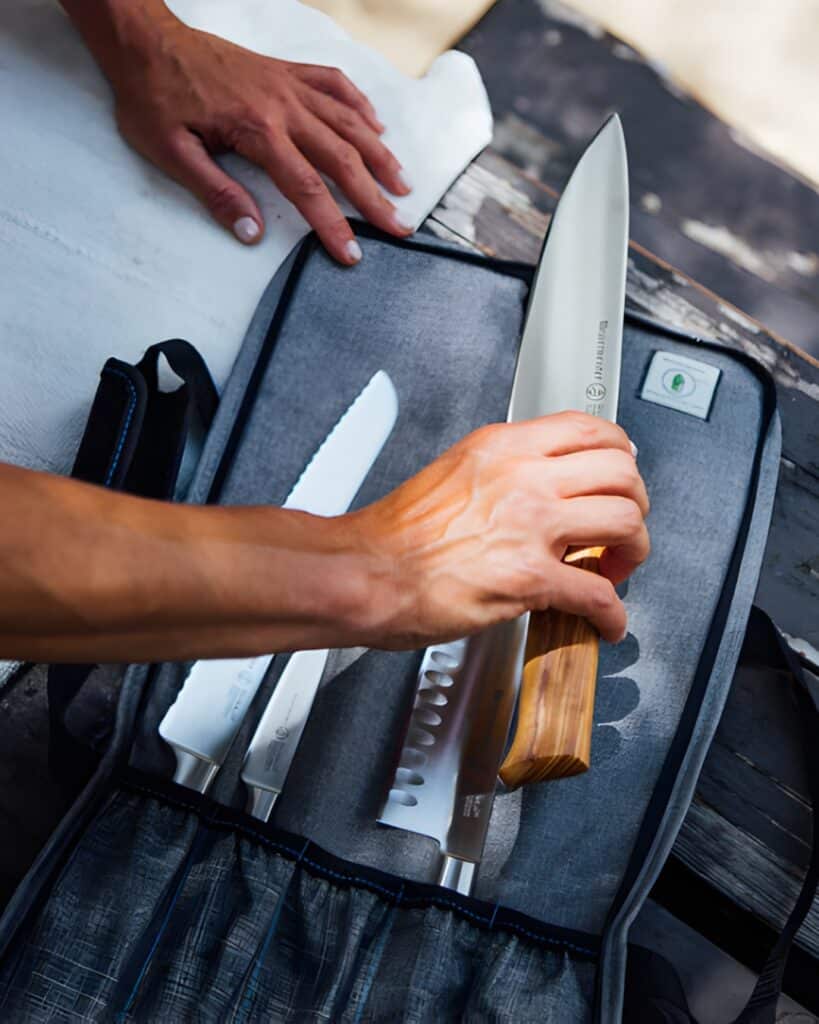
6. Messermeister Meridian Elite 8-Inch Chef Knife (German Pick)
This knife doesn’t always get the same spotlight as Wüsthof or Zwilling, but it deserves serious respect. It’s tough, dependable, and designed for real-world kitchen use.
Why It Stands Out
Forged German steel delivers impressive durability.
Best Outdoor Use
Great for:
- Chopping root vegetables
- Preparing large cuts
- Heavy-duty prep sessions
Outdoor Verdict
Think of it as the dependable pickup truck that starts every morning no matter the weather.
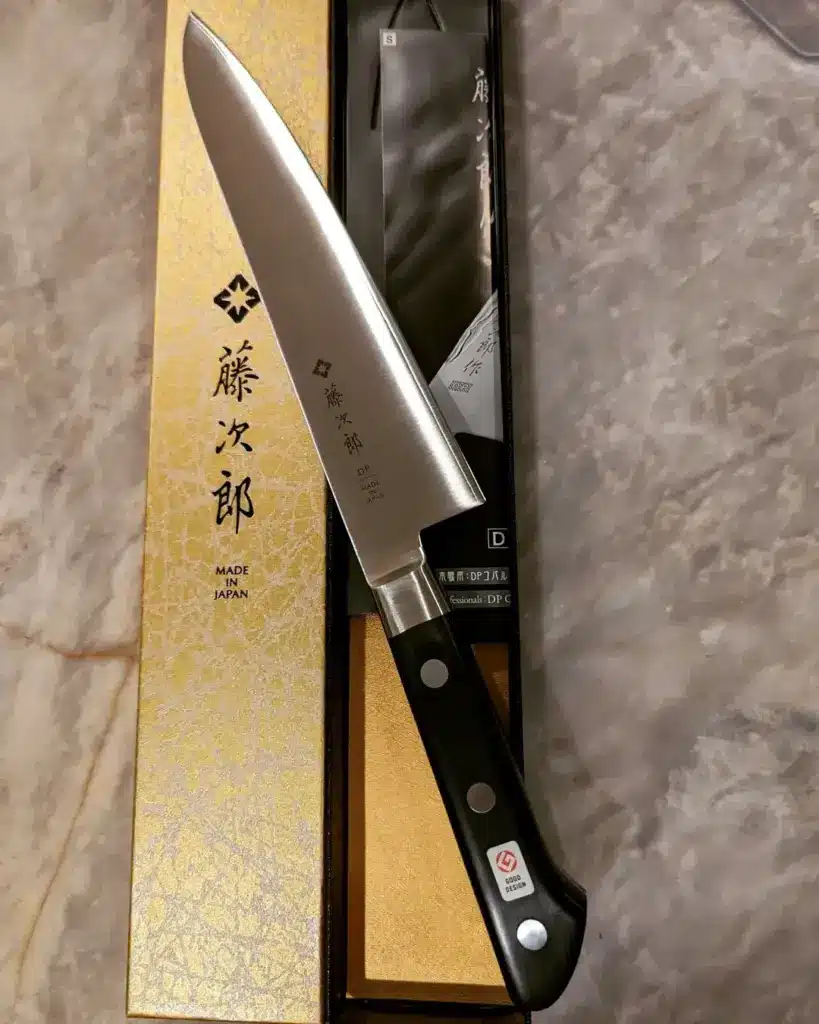
7. Tojiro DP 210mm Gyuto (Japanese Pick)
Not everyone wants to spend premium money on a Japanese blade. That’s where the Tojiro DP shines. Many professional cooks consider it one of the best values in the knife world.
Why It Stands Out
Professional-level sharpness at an accessible price point.
Best Outdoor Use
Excellent for:
- Everyday outdoor cooking
- Backyard BBQs
- Learning Japanese knife techniques
Outdoor Verdict
If you’re curious about the Japanese vs German chef knives debate but don’t want to empty your wallet, start here.
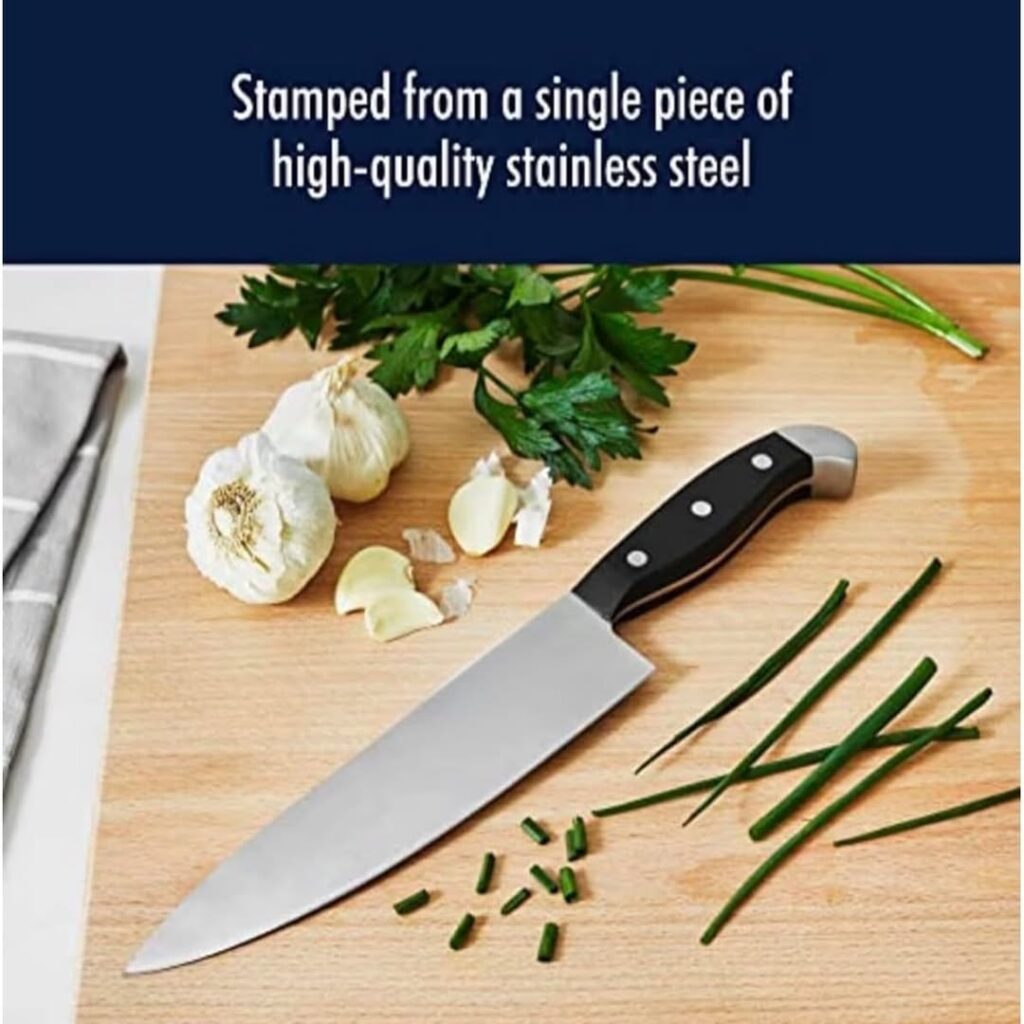
8. Henckels Professional S 8-Inch Chef Knife (German Pick)
The Henckels Professional S has been a trusted kitchen staple for generations. It’s straightforward, reliable, and refreshingly uncomplicated. No gimmicks. No marketing buzzwords. Just solid performance.
Why It Stands Out
Easy maintenance and dependable cutting performance.
Best Outdoor Use
Perfect for:
- Frequent grilling
- Family cookouts
- Everyday outdoor kitchens
Outdoor Verdict
A dependable choice for cooks who value practicality over flash.
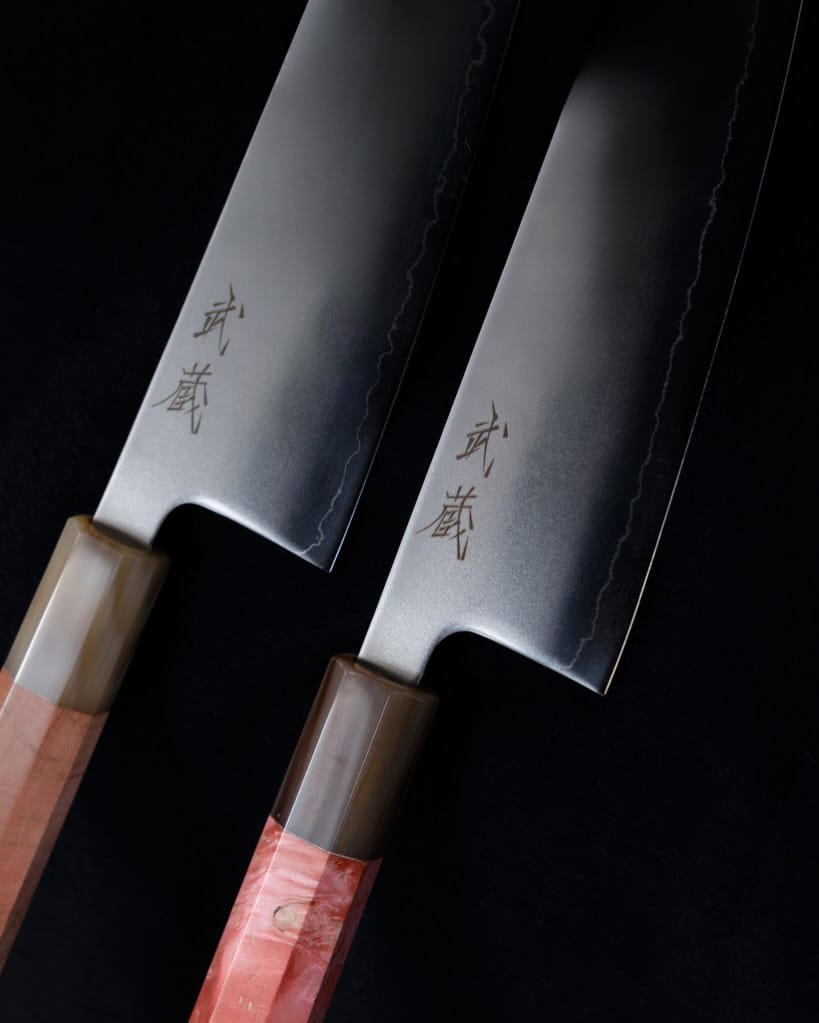
9. Masamoto VG Gyuto 240mm (Japanese Pick)
Among serious knife enthusiasts, Masamoto carries legendary status. Using one feels a bit like driving a high-end sports car for the first time. Suddenly, you understand what everyone has been talking about.
Why It Stands Out
Outstanding craftsmanship and remarkable sharpness.
Best Outdoor Use
Ideal for:
- Precision meat slicing
- Advanced prep work
- Experienced outdoor chefs
Outdoor Verdict
For dedicated cooks who appreciate premium tools, the Masamoto is a dream knife.
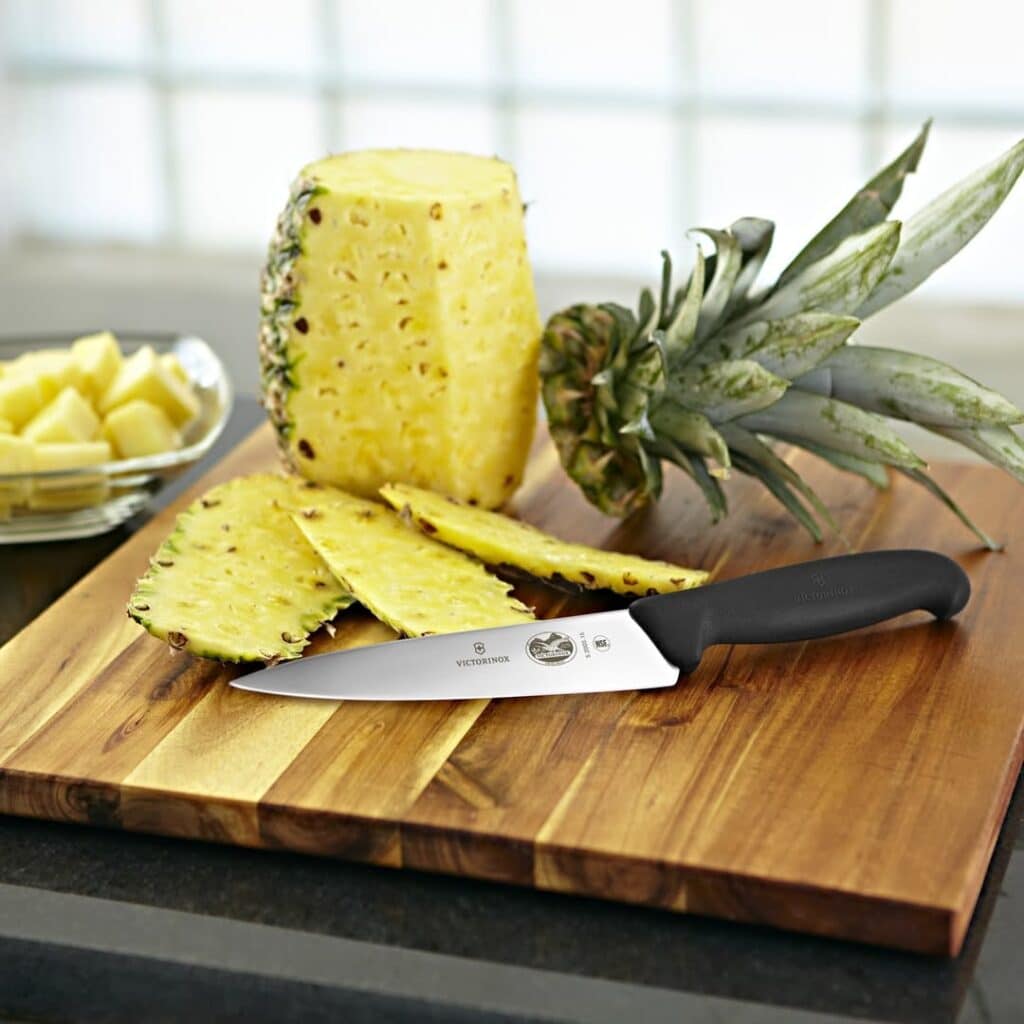
10. Victorinox Fibrox Pro 8-Inch Chef Knife (German-Style Budget Pick)
This knife has developed a cult following for a simple reason: It works. Many culinary schools use Victorinox knives because they offer incredible value and surprising performance.
Why It Stands Out
Affordable, durable, and easy to maintain.
Best Outdoor Use
Excellent for:
- Camping
- Tailgating
- Casual backyard cooking
Outdoor Verdict
Proof that great outdoor cooking doesn’t require expensive equipment.
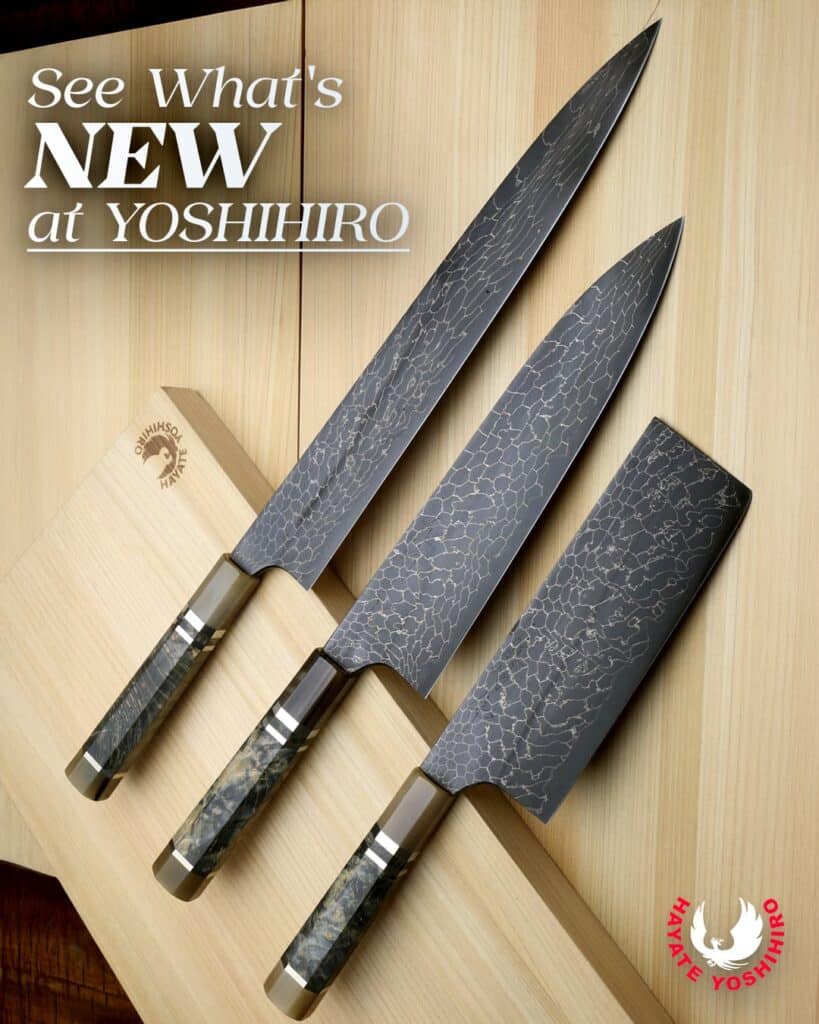
11. Yoshihiro VG-10 Gyuto 210mm (Japanese Pick)
The Yoshihiro VG-10 combines beauty and performance in one impressive package. Its Damascus-style finish catches attention immediately, but the cutting performance is what keeps cooks coming back.
Why It Stands Out
Excellent edge retention paired with striking aesthetics.
Best Outdoor Use
Perfect for:
- Precision slicing
- Entertaining guests
- Premium outdoor kitchens
Outdoor Verdict
A knife that performs as beautifully as it looks.
How to Choose Between Japanese and German Knives
After years behind grills, smokers, and prep tables, I’ve learned there’s no universal winner in the Japanese vs German chef knives debate.
Instead, the best choice depends on how you cook.
Why Knife Weight Matters More Outdoors Than Indoors
One factor often overlooked in the Japanese vs German chef knives debate is knife weight. Outdoor cooking typically involves longer prep sessions, larger ingredients, and less-than-perfect workstations.
A heavier German knife can power through squash, cabbage, and large cuts of meat with less effort, while a lighter Japanese knife reduces hand fatigue during detailed slicing tasks.
Think of it as choosing between a sturdy pickup truck and a nimble sports car.
Neither is automatically better – the right choice depends on how much chopping, trimming, and slicing you tackle during a typical cookout.
The Impact of Humidity, Heat, and Weather on Your Knife
Unlike indoor kitchens, outdoor cooking exposes knives to sunlight, humidity, temperature swings, and moisture. These conditions can affect blade performance and longevity over time.
Japanese knives, which often feature harder steel, may require extra attention to prevent staining or corrosion if left wet. German knives generally offer greater toughness and forgiveness in changing conditions.
If you frequently cook near the coast, beside a pool, or during humid summer afternoons, understanding how weather affects your knife can help you protect your investment and maintain peak performance.
Which Knife Impresses Guests More at the Cutting Board?
Let’s be honest – part of outdoor cooking is putting on a show.
When guests gather around the cutting station, the knife in your hand becomes part of the experience. Japanese chef knives often steal attention with their Damascus patterns, razor-thin blades, and handcrafted appearance, creating instant conversation starters.
German chef knives, meanwhile, project confidence through their rugged, professional look and substantial feel. While performance should always come first, there’s nothing wrong with enjoying a little knife envy.
After all, great barbecue is about creating memorable moments as much as memorable meals.
Choose Japanese Knives If You:
You prioritize precision above all else.
Japanese blades excel when slicing brisket, trimming fish, preparing vegetables, or creating presentation-worthy dishes.
Key benefits include:
- Razor-sharp edges
- Superior slicing performance
- Excellent edge retention
- Lighter handling
Choose German Knives If You:
You want versatility and toughness.
German knives thrive in busy outdoor kitchens where equipment occasionally gets treated less delicately than chefs would prefer.
Benefits include:
- Greater durability
- Easier maintenance
- Excellent versatility
- Better tolerance for rough use
The Best Setup?
Here’s a secret many professional cooks already know:
The ideal outdoor kitchen often includes both styles.
Use a German chef knife for heavy-duty prep and demanding tasks.
Use a Japanese knife for precision slicing and finishing work.
It’s the culinary equivalent of owning both a truck and a sports car.
Outdoor Knife Care Tips
Even the best knife won’t stay sharp if it’s neglected. A few simple habits can dramatically extend the life of your blades. First, never leave knives outdoors overnight. Moisture is relentless.
Second, wipe blades clean immediately after cutting acidic foods like tomatoes, citrus, or marinades.
Third, use quality cutting boards. Stone, glass, and metal surfaces destroy edges faster than a teenager destroys a full tank of gas.
Finally, store knives properly using magnetic holders, sheaths, or knife rolls.
A little maintenance goes a very long way.
Final Verdict: Which Knife Belongs in Your Outdoor Kitchen?
When comparing Japanese vs German chef knives, the answer isn’t about which style is objectively better.
It’s about matching the knife to your cooking style.
If you value durability, versatility, and low maintenance, German knives like the Wüsthof Classic, Zwilling Pro, and Henckels Professional S are excellent choices.
If you prioritize precision, sharpness, and cutting performance, Japanese knives such as the Shun Classic, Miyabi Kaizen II, and Masamoto VG are hard to beat.
For serious outdoor cooks, however, the smartest answer is simple:
Own one of each.
Let the German knife handle the tough jobs. Let the Japanese blade perform the delicate work.
With both styles in your arsenal, you’ll be ready for everything from breaking down large cuts of meat to creating clean, restaurant-quality slices that elevate every outdoor meal.
Featured image credit: @wirecutter
