
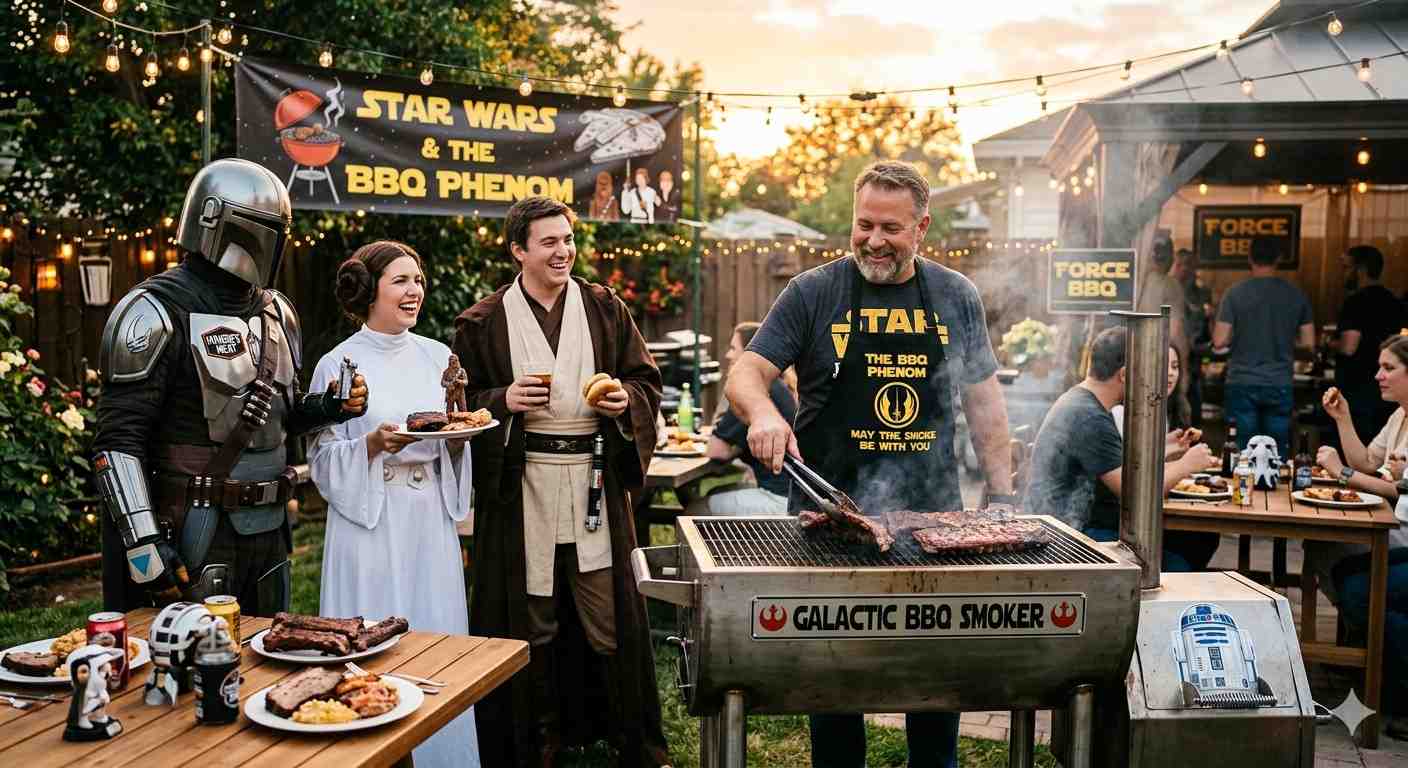
Pull up a lawn chair, grab a cold drink, and let’s talk about two of the greatest cultural forces in human history:
- The Space Opera: A sprawling universe that redefined cinema, launched a multi-billion-dollar empire, and taught us about a mystical energy field binding us together.
- The Pit: The holy art of slow-smoked meat – a culinary tradition born of patience, hard wood, and the magical alchemy of rendering fat into pure gold.
At first glance, a galaxy far, far away and your backyard smoker might seem like they exist in entirely different dimensions:
- The Sci-Fi World: Full of sleek starfighters, high-tech droids, and pristine armor.
- The Barbecue World: Greasy, covered in soot, and smelling intensely of post oak.
But if you dig beneath the surface, you will find an incredible crossover. The intersection of heavy sci-fi fandom and craft barbecue is a booming cultural movement.
We are currently living through the golden era of Star Wars and the BBQ phenom, a glorious reality where the patience of a Jedi Master meets the dedication of a certified pitmaster.
A Pitmaster’s Perspective
To someone who has spent years perfecting the delicate dance of smoke and fire, the Star Wars universe is full of surprisingly familiar faces.
Making a truly legendary brisket takes exactly the kind of dedication, spiritual intuition, and absolute refusal to rush that Luke Skywalker needed to blow up the Death Star.
But it is not just the fans who are making this connection. Over the decades, the actors, directors, and creators who brought the Star Wars saga to life have developed their own deep, deeply passionate relationships with the world of barbecue.
When you spend fourteen hours a day stuck inside a plastic Stormtrooper suit or wearing fifty pounds of synthetic alien fur under blazing studio lights, standard Hollywood salad simply will not cut it.
- You need real, comforting sustenance.
- You need wood-fired soul food.
Let’s pull back the curtain on the galaxy’s most famous faces and see what happens when the casting couch meets the smokehouse.
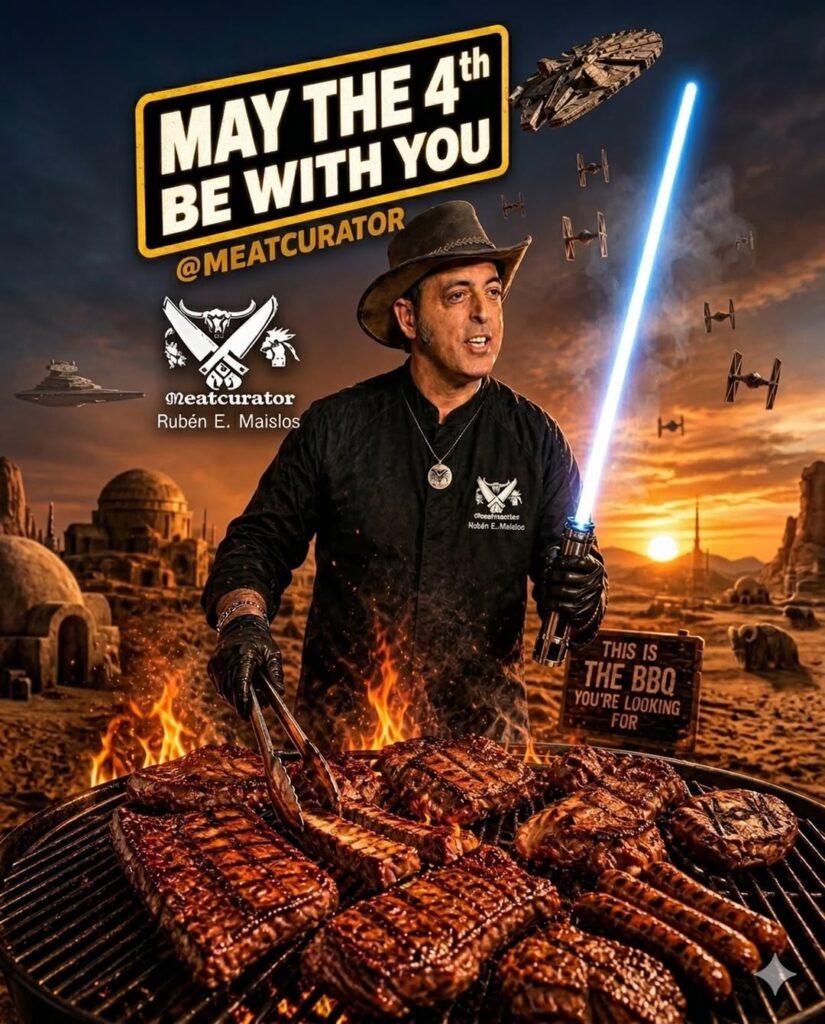
The Jedi Masters of the Grill: Top Cast Perspectives
To understand how deep this culinary love runs, we have to look directly at the people who lived inside the universe.
The Star Wars cast is a diverse group of international actors, many of whom had never tasted authentic, wood-smoked American barbecue until they stepped onto a high-profile movie set or embarked on a grueling global press tour.
Once they got a taste of the smoke ring, their perspective on food changed forever.
Pedro Pascal: The Mandalorian’s Appreciation for Cross-Cultural Charcoal
If anyone understands the need for a heavy, satisfying meal after a long day of work, it is Pedro Pascal.
Spending hours buried inside a suit of Beskar armor – which, in reality, is a heavy, hot, and highly restrictive costume – means he burns through calories like a starship jumping to hyperspace.
When Pascal talks about comfort food, his mind frequently drifts to the primal joy of meat cooked over an open fire.
Pascal’s culinary perspective is beautifully shaped by his international background. Born in Chile and raised partly in Texas, his palate was formed by a unique mix of traditions:
- South American Traditions: He has expressed a deep fondness for the churrasco and asado styles of grilling. This traditional method relies on clean, high-heat charcoal and simple seasonings to let the natural flavor of the beef shine through.
- Texas Smoked Meats: Spending significant time in Texas infused his palate with a permanent craving for low-and-slow American brisket.
He has frequently joked about the meditative quality of watching a fire burn, comparing the focus required to maintain a steady temperature with the strict, unspoken code of his on-screen persona.
For the Mandalorian, high-quality smoked meat isn’t just a meal; it is a lifestyle. This is the way.

Mark Hamill: The Wholesome History of Skywalker and Smoked Meats
You cannot discuss Star Wars royalty without bowing down to Luke Skywalker himself. Mark Hamill is widely known as one of the most interactive, fan-friendly actors on social media, regularly engaging with millions of followers over trivia, jokes, and food.
Over the years, Hamill has shared delightful anecdotes about the catering environments during the filming of the original trilogy in the late 1970s and early 1980s:
- The British Studio Realities: During the production of A New Hope and The Empire Strikes Back, the concept of high-end craft catering did not exist. The cast often survived on basic British studio food, which was notoriously bland at the time.
- The American BBQ Rescue: Hamill has recounted that whenever the production moved to locations where American-style comfort food or authentic smoked meats were available, the energy of the entire cast transformed instantly.
Hamill has a deep, nostalgic appreciation for the classic American barbecue joint – the kind of no-frills, roadside spots that serve pulled pork on paper plates with a side of sweet, molasses-heavy sauce.
To him, barbecue represents community, comfort, and a return to his roots after spending months in cold, damp soundstages overseas.
Jon Favreau: The Culinary Force Behind the Scenes
While he spends most of his time behind the camera as the mastermind of The Mandalorian and the broader Star Wars television universe, Jon Favreau is the definitive bridge between Hollywood and the craft barbecue community.
Favreau is not just a casual fan of good food; he is a fully trained, highly capable culinary enthusiast who embedded himself directly into the world of elite pitmasters while researching his acclaimed film Chef and his subsequent cooking docuseries.
Favreau’s real-life obsession with central Texas-style brisket is legendary in culinary circles. He spent days learning the art of the smoke ring from absolute icons of the barbecue world, focusing heavily on three major skills:
- Trimming: Mastering the precise angles needed to shape a brisket for even airflow.
- Fire Management: Learning how to maintain a perfectly clean burn inside a massive offset smoker.
- Reading Smoke: Knowing how to spot the difference between bitter, dirty smoke and clean, sweet wood draft.
Barbecue is a language of patience, and Jon Favreau understands that creating an epic television universe requires the exact same slow, deliberate curation as smoking a championship-level beef brisket.
Favreau has actively brought this deep culinary appreciation into the production culture of Lucasfilm. On his sets, food is not merely an afterthought handled by a random catering truck.
He routinely organizes high-end, authentic wood-fired meals for his crews, recognizing that a well-fed crew is a happy, productive rebellion. His profound understanding of the smokehouse ethos heavily influences the gritty, blue-collar, lived-in texture of the Star Wars worlds he creates.

John Boyega & Daisy Ridley: The British Perspective on American BBQ
When the sequel trilogy launched with The Force Awakens, a new generation of British actors was suddenly thrust into the global spotlight.
For John Boyega and Daisy Ridley, entering the Star Wars universe also meant embarking on massive, multi-city promotional tours across the United States.
This journey exposed them directly to the fiercely competitive regional landscapes of American barbecue.
Boyega, a proud Londoner, has been vocal and highly entertaining about his first encounters with authentic Southern food culture:
- The British Baseline: Coming from a culture where “barbecue” typically means grilling sausages or burgers on a small backyard kettle grill during a rare sunny afternoon, the sheer scale of American pit cooking blew his mind.
- The Southern Awakening: He has recounted his total amazement at the size of Texas portions, describing his first encounter with a massive, dinosaur-sized beef rib as a near-religious experience.
Ridley, similarly, has shared lighthearted stories about trying to navigate the intense, messy joy of eating slow-cooked pulled pork and sticky ribs while wearing designer clothing during high-stakes press junkets.
The pure amusement of these two young British stars discovering that barbecue is an elite art form rather than a casual weekend hobby added a wonderfully charming chapter to the history of the franchise.
Filming Locations and the Search for Authentic Smoke
To fully appreciate the scope of Star Wars and the BBQ phenom, we must look at the physical geographic locations where these legendary films are built.
The logistics of a massive film production create a unique micro-economy, and food plays a central role in keeping the gears turning.
The UK Studio Grind and the Expat BBQ Craze
The spiritual home of Star Wars production is Pinewood Studios, located just outside London. Because generations of actors and crew members have spent months on end living in the English countryside, a fascinating demand for authentic American comfort food emerged.
- The Early Days: American actors simply had to suffer through a lack of smoked brisket and burnt ends while working overseas.
- The Modern Revolution: The modern era of filmmaking has sparked a massive culinary shift around the studios. The presence of visiting American directors, actors, and executives directly fueled the rise of high-end craft barbecue joints in the United Kingdom.
Local British pitmasters began importing authentic offset smokers from Texas, sourcing specific woods like hickory and oak, and mastering the science of the bark.
Today, when a Star Wars crew is working long hours in London, they no longer have to dream about the smokehouses of the American South.
The craft barbecue movement has successfully expanded across the Atlantic, largely because hungry film crews demanded a taste of home.
On Location: When the Empire Eats Local
When Star Wars productions venture out of the studio and onto practical locations within the United States, they frequently find themselves in or near absolute hotbeds of culinary excellence.
Over the years, various spin-offs, commercial shoots, and massive press events have taken place across three core barbecue regions:
- Atlanta, Georgia: Known for sweet tomato and hickory-heavy styles, providing vital fuel for long, humid outdoor shoots.
- Austin, Texas: The capital of central Texas oak smoke, serving as Favreau’s ultimate culinary inspiration.
- California Coast: Famous for Santa Maria tri-tip cooked over red oak, offering quick, savory fuel for coastal units.
When a production unit sets up camp in a state like Georgia, local pitmasters are often hired to cater for hundreds of crew members at a time. This results in an incredible cultural exchange.
You might see a background actor dressed in full, pristine Mandalorian armor carefully leaning over a plate of vinegar-soaked pulled pork, doing everything in their power to avoid dropping sauce on a custom-molded prop.
These moments highlight the beautiful, grounded reality behind the cinematic magic.
As a pitmaster, I am convinced that the connection between these two worlds runs far deeper than just hungry actors eating lunch.
The fundamental mindset required to master the art of the smoker is practically identical to the mental discipline required to master the ways of the Force.
Patience, Young Padawan: The “Low and Slow” Methodology
In our fast-paced, instant-gratification world, craft barbecue stands as a stubborn, beautiful monument to patience.
You cannot force a tough, collagen-heavy piece of beef brisket to become tender by turning up the heat. If you rush the process, you end up with a tough, ruined piece of shoe leather.
To get it right, you must commit to a slow, steady burn. You have to monitor three critical elements simultaneously:
- The Smoke: Watching for that faint, thin blue wood draft rather than heavy white smoke.
- The Sound: Listening to the subtle, slow sizzle of the fat rendering down into the meat.
- The Touch: Feeling the resistance of the bark with your hands to know exactly when the meat is ready to wrap.
This is exactly what Yoda was trying to teach Luke Skywalker in the swamps of Dagobah.
The Jedi master constantly warned his young apprentice against taking the quick and easy path, emphasizing that true mastery takes time, mindfulness, and deep respect for natural elements.
When you are sitting in the dark at four o’clock in the morning, tending to a fire box, watching clean blue smoke drift out of your stack, you are practicing a form of culinary meditation.
You are trusting the process, reading the subtle signs of nature, and letting time do the heavy lifting.
Barbecue is a masterclass in patience, making it the most inherently Jedi cooking method on earth.
Tribal Fandoms: Regional Styles vs. Star Wars Factions
Another striking parallel between Star Wars and the BBQ universe is the absolute, uncompromising passion of the respective fandoms.
Both communities are divided into intensely loyal factions that will happily argue for hours about which specific version of the craft reigns supreme.
Consider how closely the regional battle lines of American barbecue match the passionate factions within the Star Wars community:
- Central Texas Purists vs. Original Trilogy Purists:
o Texas Purists: They believe in nothing but beef brisket, coarse salt, black pepper, and clean post oak smoke – no sauce allowed under any circumstances.
o Original Trilogy Purists: They believe the franchise peaked between 1977 and 1983, preferring practical effects, matte paintings, and classic storytelling without any modern digital changes.
- Carolina Loyalists vs. Prequel Defenders:
o Carolina Loyalists: They worship the whole hog, slow-cooked over hickory coals and mopped with a sharp, tangy, vinegar-based sauce that cuts right through rich fat.
o Prequel Defenders: They fiercely champion the complex political world-building, grand lightsaber choreography, and deep lore introduced in Episodes I through III.
- Kansas City Enthusiasts vs. Legends Canon Devotees:
o Kansas City Fans: They celebrate variety, heavy smoke, and thick, sweet, molasses-heavy sauces slathered over beautifully caramelized burnt ends.
o Legends Canon Devotees: They remain deeply loyal to the expansive, eclectic universe of novels, comic books, and vintage video games built outside the mainstream films.
The parallels are staggering. A Texas barbecue purist arguing with a Carolina vinegar lover uses the exact same emotional energy, stubborn loyalty, and granular technical knowledge as an Original Trilogy fan debating a Prequel defender.
In both worlds, your specific preferences are not just a casual choice – they are a core part of your identity.

Galactic Grilling: How Fans Combine Both Worlds
The convergence of Star Wars and the BBQ phenom has naturally manifested in the backyard spaces of millions of fans around the world. Fandom is no longer confined to movie theaters, comic book shops, or online forums.
It has claimed the backyard patio, transforming the traditional weekend cookout into an immersive celebration of pop culture.
Industrial designers and creative fabricators have fully embraced this trend, creating an entire market of high-quality, Star Wars-themed cooking gear:
- The Death Star Grill: A backyard charcoal grill meticulously shaped like the Empire’s ultimate weapon, allowing you to sear a perfect ribeye steak using the dark side of live fire.
- Lightsaber Tongs: Heavy-duty grilling tongs shaped like the hilt of Darth Vader’s lightsaber, complete with authentic sound effects that trigger every time you squeeze the handle.
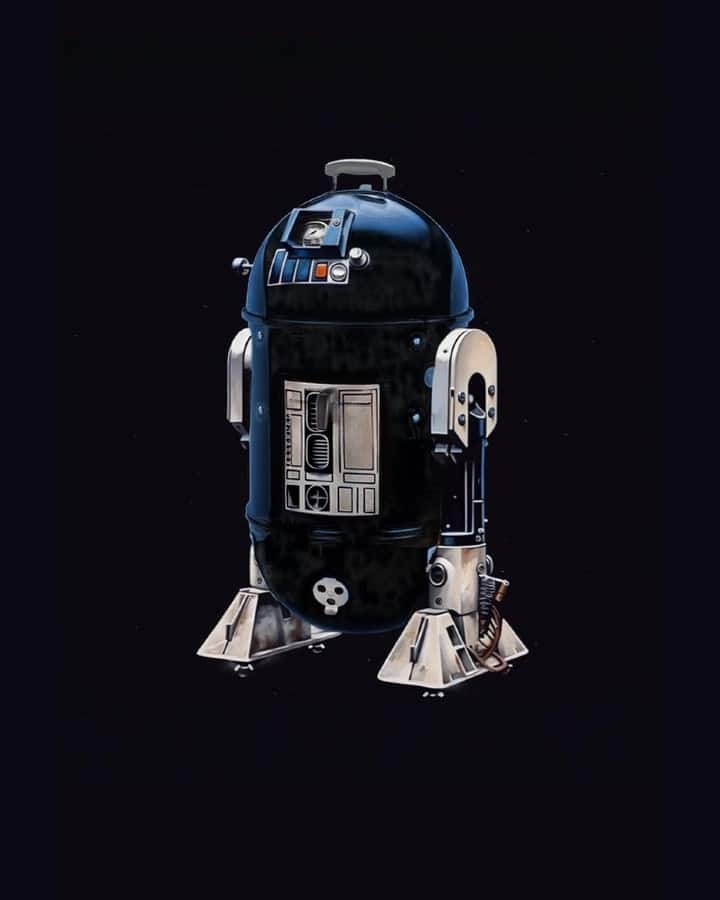
- Custom Starfighter Smokers: Elite fabrication shops regularly build massive, competition-grade offset smokers designed to look like TIE Fighters, imperial walkers, or the iconic hull of the Millennium Falcon.
A TIE Fighter smoker parked on your patio isn’t just a conversation starter; it is a declaration that you take your fandom and your wood smoke equally seriously.
This brilliant combination of fandom and food culture has breathed fresh life into backyard entertaining.
It gives families and communities a fun, interactive way to celebrate their favorite cinematic stories while sharing an incredible, home-cooked meal. It transforms a standard weekend dinner into an unforgettable event.
The Unifying Power of Smoke and Stories
When we look back at the grand scope of Star Wars and the BBQ phenom, we see a beautiful truth.
At their absolute core, both of these cultural giants are designed to do the exact same thing: bring diverse groups of people together to share a meaningful, memorable experience.
A great movie franchise cuts across lines of age, background, and geography, giving people a universal language of heroism, hope, and adventure. A great barbecue pit does the exact same thing:
- It draws people in with the irresistible aroma of wood smoke.
- It slows down our chaotic, fast-paced lives.
- It forces us to sit together around a table, sharing stories while getting our hands dirty.
Whether you are an elite, highly paid Hollywood actor trying to wash off the stress of a massive movie set, a director drawing inspiration from the timeless art of the smokehouse, or a backyard enthusiast smoking a pork shoulder for your family on a Saturday afternoon, you are participating in a beautiful tradition.
You are respecting the craft, honoring the process, and enjoying the rewards of patience.
So, the next time you fire up your smoker, trim a brisket, or adjust your dampeners to catch that perfect, clean draft of wood smoke, take a moment to appreciate the grander universe around you.
Trust your instincts, honor the craft, and never try to rush the magic.
May the smoke be with you, always.
Frequently Asked Questions
What exactly is the connection between Star Wars and the BBQ phenom?
The connection is built on two things: production culture and a shared mindset. Filmmaking and craft barbecue both require incredible patience, precision, and dedication to a slow process.
Additionally, because Star Wars films are massive undertakings with long hours on set, smoked meats have naturally become a staple comfort food for hungry cast and crew members over the decades.
Does Jon Favreau actually know how to cook barbecue?
Yes, he absolutely does. Jon Favreau is widely respected in the culinary community. While preparing for his movie Chef and his follow-up Netflix series The Chef Show, he trained directly under elite Texas pitmasters.
He learned the exact science of trimming beef briskets, regulating offset wood fires, and reading smoke currents. He frequently brings this authentic live-fire cooking culture directly to the sets of his television productions.
Why do European Star Wars cast members get so excited about American BBQ?
Many actors from the UK or Europe grew up with a different definition of a “barbecue,” which traditionally means grilling sausages or burgers over a small charcoal kettle on a sunny afternoon.
When they come to the United States for press tours or film shoots, they are often introduced to real, low-and-slow Southern pit cooking for the first time.
The sheer scale, hours of wood smoking, and massive portions (like giant Texas beef ribs) are completely new and exciting culinary experiences for them.
What are some examples of Star Wars-themed grilling gear available for fans?
The backyard grilling market features several officially licensed and custom-fabricated items for fans:
- Death Star Grills: Portable charcoal grills shaped exactly like the iconic space station.
- Lightsaber Tongs: Heavy-duty tongs designed to look like Darth Vader or Luke Skywalker’s lightsaber hilts, often featuring built-in movie sound effects.
- Custom Starfighter Smokers: High-end, competition-grade offset smokers custom-welded to resemble TIE Fighters or the Millennium Falcon.
How does the philosophy of “low and slow” cooking relate to the Force?
In the movies, Jedi Masters like Yoda constantly teach their students to avoid the quick and easy path, emphasizing that true mastery requires time, presence, and harmony with natural elements.
Barbecue demands the exact same discipline. You cannot rush a tough brisket or pork shoulder by turning up the heat; you have to patiently read the wood smoke, trust the process, and let time do the work.
Where can I find authentic barbecue near major Star Wars filming hubs?
While the historic home of Star Wars is Pinewood Studios near London, a massive craft barbecue movement has popped up around the area to cater to visiting American film crews.
In the U.S., major filming and promotional locations like Atlanta, Georgia and Austin, Texas are world-famous hot spots where you can find incredible local pitmasters serving up authentic regional styles.
Featured image credit: Google Gemini
