
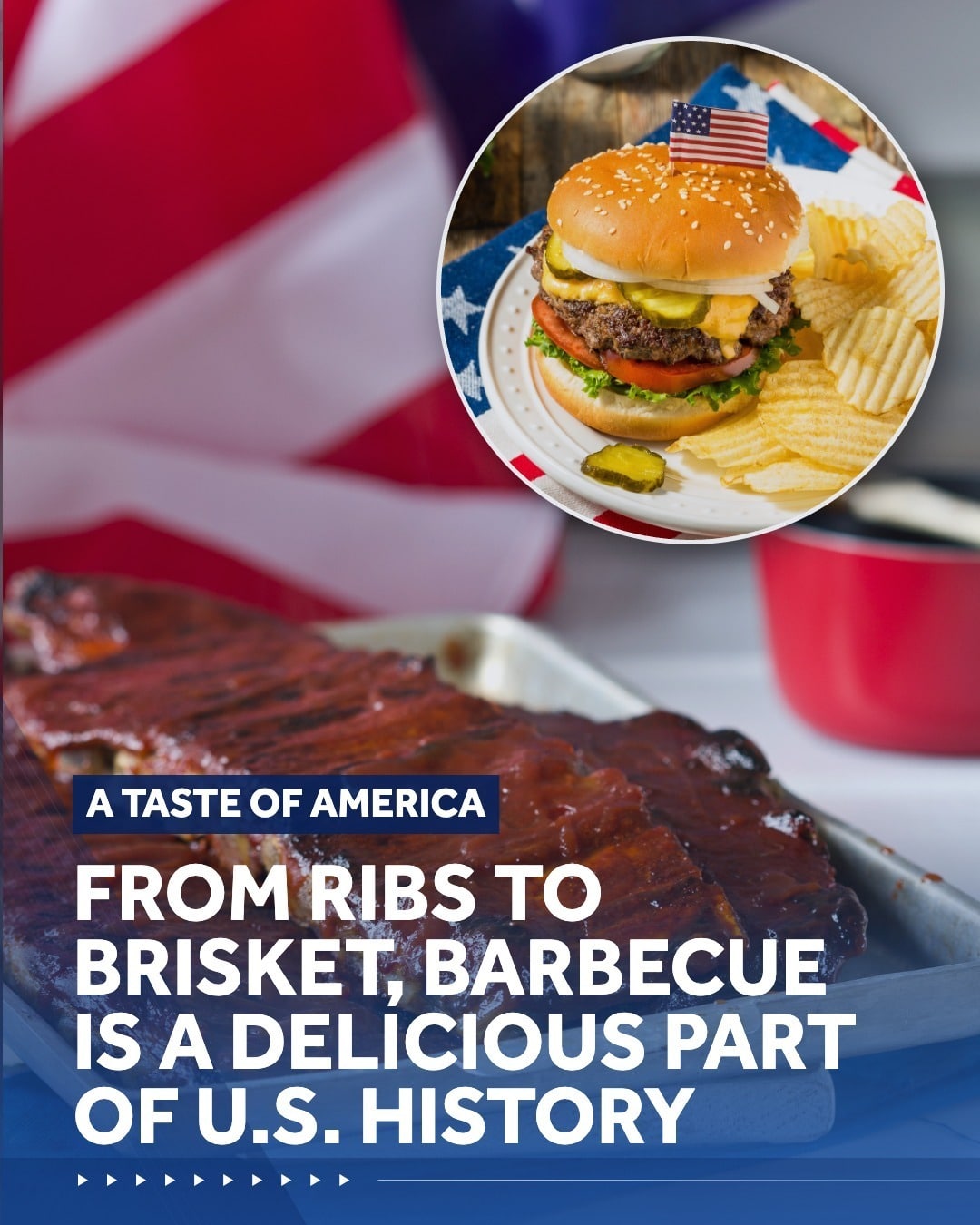
A pure kind of magic lives in the scent of smoke drifting across the backyard on a Saturday afternoon.
You catch that first whiff of sizzling meat, charcoal, and wood smoke, and suddenly everybody becomes your cousin.
Neighbors start “accidentally” wandering over. Someone unfolds a lawn chair they didn’t even bring. And before long, there’s a cooler full of drinks, a paper plate stacked too high, and an uncle arguing that his ribs could beat any pitmaster in Texas.
That right there is America’s favorite outdoor cooking tradition in action. BBQ is not just food in the United States. It’s a ritual. A celebration. A reason to stay outside long after the sun goes down.
It’s one of the few cooking styles where the process matters just as much as the meal itself. Anybody can cook a burger fast. BBQ teaches patience. Real BBQ says, “Sit down awhile. The brisket’s got six more hours.”
And trust me, as someone who’s spent more weekends tending smokers than mowing the lawn, BBQ has a personality all its own.
The story of how BBQ became woven into American culture is full of history, regional pride, family traditions, and a little friendly competition. Actually, scratch that – a lot of competition. Folks will defend their BBQ style harder than their football team.
So pull up a chair. We’re talking smoke, fire, history, and why BBQ became the heartbeat of outdoor cooking in America.
The Origins of BBQ: Where It All Began
Most people think BBQ started in the American South. That’s only part of the story.
Long before backyard grills and championship smokers existed, Indigenous communities were already cooking meat slowly over open flames. They understood something pitmasters still know today:
Low heat plus smoke plus time equals magic.
Early cooking methods involved wooden frames over fire pits, allowing meat to cook slowly while smoke preserved flavor. It wasn’t fancy, but it worked beautifully.
The actual word “barbecue” likely came from the Caribbean word barbacoa, used by the Taíno people. Spanish explorers encountered this style of raised-fire cooking in the Caribbean and brought the term back with them.
And just like that, the seeds of BBQ culture started spreading.
When settlers arrived in the American colonies, they adapted these slow-cooking methods using local ingredients and livestock. Hogs became especially important in the South because pigs were inexpensive, easy to raise, and could feed large communities.
Soon, cooking meat over smoke became more than survival cooking.
It became a gathering.
Back then, BBQ events often marked major occasions:
- Harvest celebrations
- Political rallies
- Church gatherings
- Weddings
- Community festivals
In other words, Americans were turning BBQ into a social tradition before the country even fully became America.
That’s commitment.
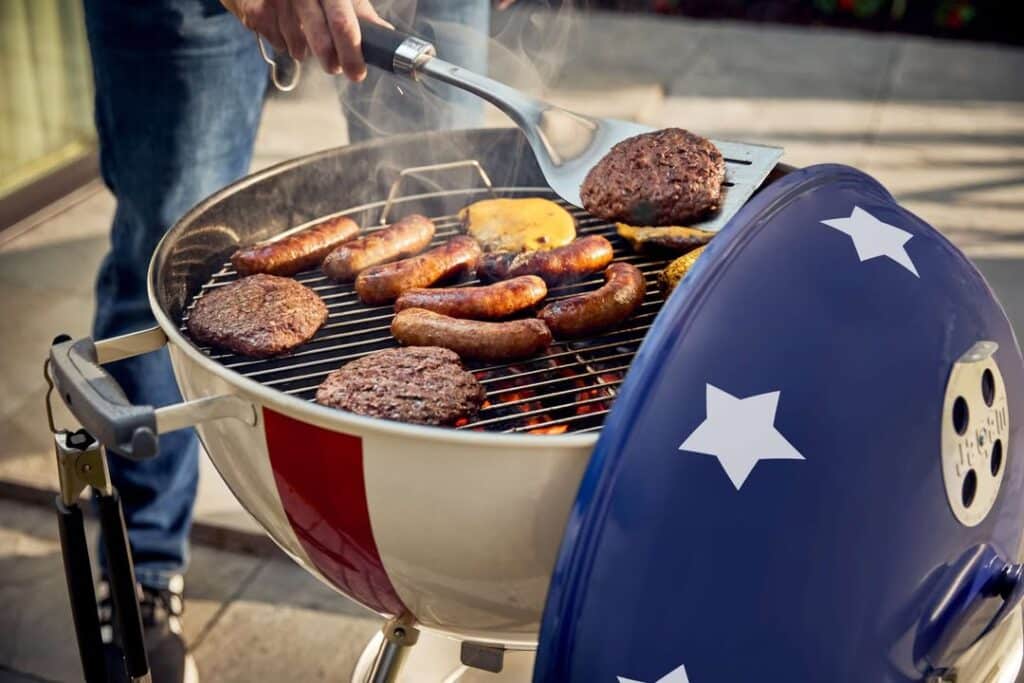
How BBQ Spread Across America
Here’s the funny thing about BBQ: everybody thinks they invented the “right” way to do it.
Travel across America, and you’ll discover that BBQ changes every few hundred miles.
Different meats. Different woods. Different sauces. Different attitudes. And yes, people absolutely judge you for your sauce choices.
The Southern BBQ Explosion
The South became the spiritual home of American BBQ because farming communities relied heavily on slow-cooked meats for feeding large groups affordably.
Pork dominated early Southern BBQ culture. Whole hog cooking became especially popular in the Carolinas, where pitmasters would cook an entire pig overnight using hardwood coals.
That’s not cooking.
That’s a sleep-deprivation endurance sport. But the flavor? Worth every smoky minute. Over time, different regions developed distinct identities.
Regional BBQ Styles That Changed America
Texas BBQ
Texas BBQ is all about beef, especially brisket.
Texans believe good brisket doesn’t need heavy sauce because the meat itself should shine. Salt, pepper, smoke, patience. That’s the formula.
Honestly, Texans talk about brisket the way poets talk about heartbreak.
Carolina BBQ
Carolina BBQ focuses heavily on pork and vinegar-based sauces.
Eastern Carolina BBQ is tangy, peppery, and sharp enough to wake up your taste buds instantly. Western Carolina styles add tomato for a sweeter balance.
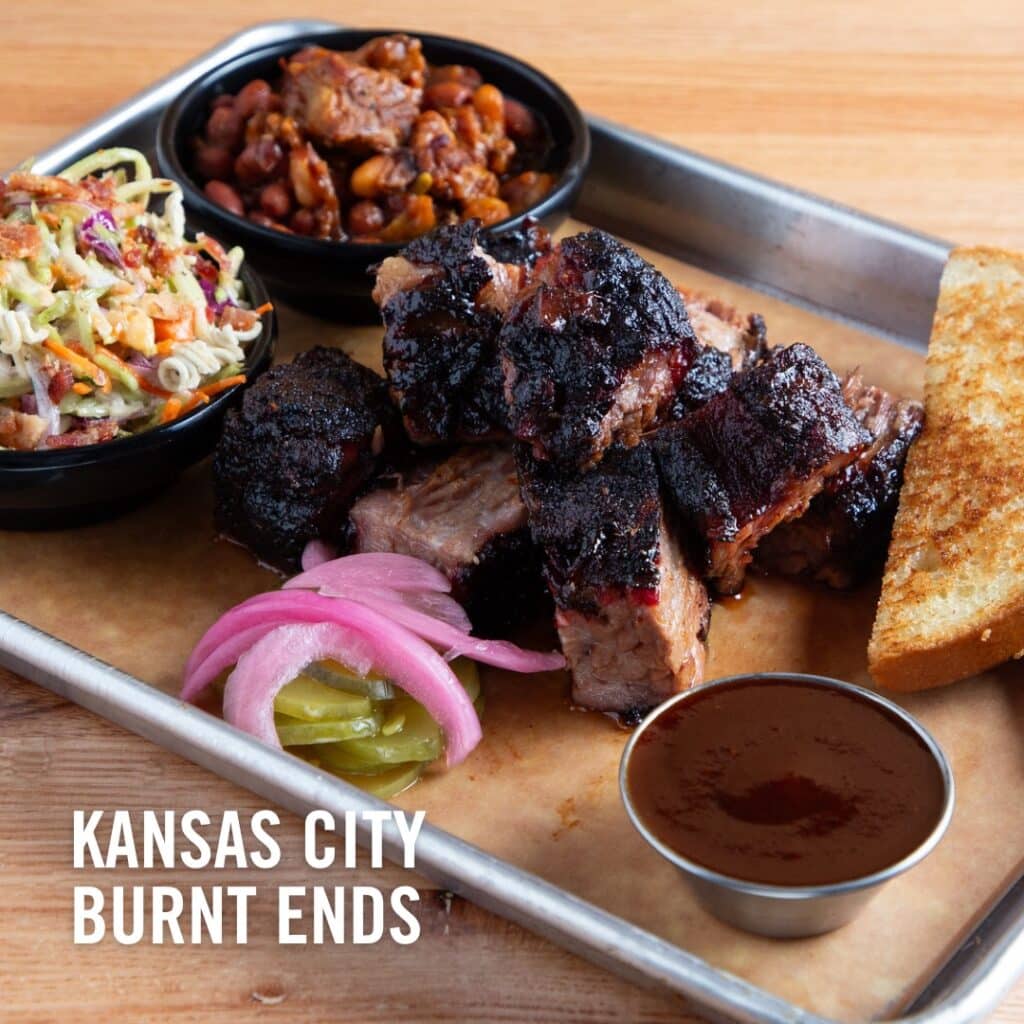
Kansas City BBQ
Kansas City said, “Why choose one meat?”
Their BBQ scene includes ribs, burnt ends, brisket, pork, sausage – basically everything delicious. Thick, sweet tomato-based sauces became a defining feature.
Kansas City BBQ feels like someone looked at moderation and politely ignored it.
Memphis BBQ
Memphis became famous for dry-rub ribs packed with spices and slow smoke flavor.
Wet ribs exist too, but Memphis dry rub has serious fans. The seasoning becomes a flavorful crust that pitmasters guard like secret family treasure.
And no, they usually won’t tell you what’s in it.
I’ve tried.
Why BBQ Became an Outdoor Tradition
You can’t really do authentic BBQ inside the kitchen.
Well… technically you can. But it’s like trying to camp indoors. Something important gets lost.
BBQ naturally belongs outside because fire, smoke, and patience require space.
Early pit cooking involved trenches dug into the ground or brick smoke pits built outdoors. Smoke drifted freely while meat cooked for hours – sometimes overnight.
Eventually, outdoor cooking became part of American home life itself.
The Rise of the Backyard
After World War II, suburban living exploded across America. Families suddenly had:
- Backyards
- Patios
- Driveways
- Outdoor entertaining spaces
And once Americans had backyards, grills moved in almost immediately.
The backyard BBQ became a symbol of relaxation and family life. Dad manned the grill like a king protecting his kingdom while everybody else pretended not to burn the hot dog buns.
Some traditions never change.
BBQ Became Social Glue
One reason BBQ became America’s favorite outdoor cooking tradition is because it slows people down.
You can’t rush smoked meat.
That means people gather. They talk. They hang around the fire. Stories get told. Recipes get debated. Somebody inevitably says:
“You know what this brisket needs?”
That person is usually ignored.
BBQ creates an atmosphere where food becomes part of the experience instead of just fuel.
And honestly, America needed that.
Still does.
The Evolution of BBQ Equipment
Pitmasters love gear almost as much as they love arguing.
The tools have changed dramatically over the decades, but the mission remains the same: create incredible flavor using smoke and fire.
Traditional Smoke Pits
Old-school BBQ pits were simple:
- Brick structures
- Metal grates
- Wood coals
- A lot of trial and error
Temperature control back then mostly involved squinting at the fire and saying things like:
“Yep… feels about right.”
Not scientific, but surprisingly effective.
The Charcoal Grill Revolution
Then came the charcoal grill boom in the mid-20th century.
Portable charcoal grills made outdoor cooking affordable and convenient for everyday families. Suddenly, you didn’t need a giant smoke pit to enjoy backyard BBQ.
Weekend grilling became part of American identity.
And let’s be honest – the sound of lighter fluid spraying onto charcoal is practically a national anthem at this point.
Modern BBQ Technology
Today’s BBQ equipment looks like it belongs in a spaceship.
Modern pitmasters can buy:
- Pellet smokers
- Smart grills
- Wi-Fi thermometers
- Automatic temperature controllers
- High-tech smokers
Some grills now send alerts directly to your phone. Imagine explaining that to a pitmaster from 1920.
“Your brisket texted me.”
Still, despite all the technology, BBQ remains deeply traditional. Fancy gadgets help, but great
BBQ still comes down to:
- Time
- Technique
- Fire management
- Quality ingredients
And patience. Mostly patience.
BBQ and American Holidays
Certain holidays in America practically demand BBQ.
You show up to a Fourth of July party without grilled food, and people start asking uncomfortable questions.
Fourth of July Cookouts
The Fourth of July became deeply tied to outdoor cooking because it combines everything
Americans love:
- Summer weather
- Fire
- Meat
- Gatherings
- Loud celebrations
Honestly, fireworks and BBQ are basically cousins.
Families gather around grills while kids run through sprinklers and somebody inevitably burns corn on the cob. It’s beautiful chaos.
Memorial Day and Labor Day
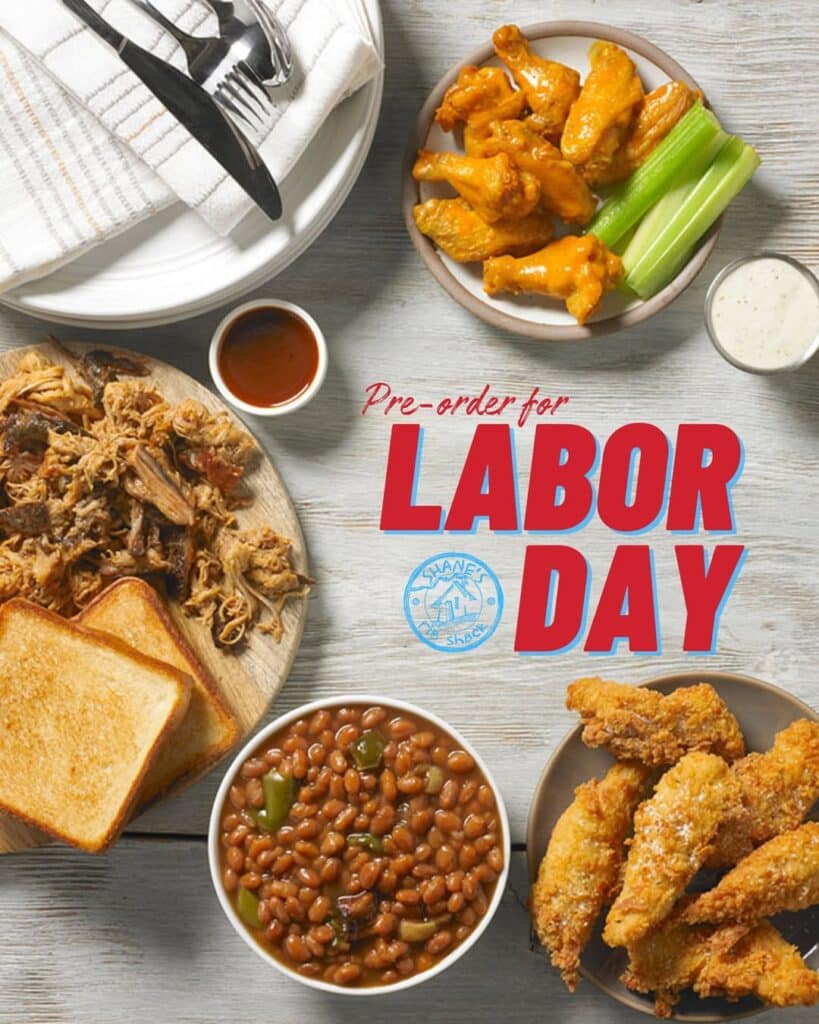
Memorial Day unofficially launches grilling season in America. Labor Day closes it out. Between those holidays, millions of Americans fire up grills nearly every weekend. BBQ becomes part of seasonal living itself.
Tailgating and Sports Culture
American sports culture also helped BBQ grow.
Tailgating turned parking lots into mini outdoor kitchens. Smokers, portable grills, folding tables –
fans transformed game day into a full culinary event.
Sometimes the food outside the stadium is better than the game inside.
I said what I said.
The Cultural Impact of BBQ in America
BBQ became much bigger than cooking.
It became identity.
People proudly represent their local BBQ traditions with serious passion. Entire towns are known for specific styles or signature recipes.
And pitmasters? They’re treated like celebrities in some communities.
Honestly, sometimes deservedly so.
BBQ Means Hospitality
One of the most important things about BBQ culture is generosity.
BBQ meals are designed for sharing. Large platters. Communal sides. Big gatherings.
Good BBQ says:
“There’s enough for everybody.”
That spirit helped BBQ become America’s favorite outdoor cooking tradition across generations and communities.
BBQ Competitions and Festivals
Competitive BBQ exploded in popularity over the last few decades.
Today, pitmasters travel nationwide competing in events focused on:
- Brisket
- Ribs
- Pulled pork
- Chicken
- Sauce creation
These competitions can get intense.
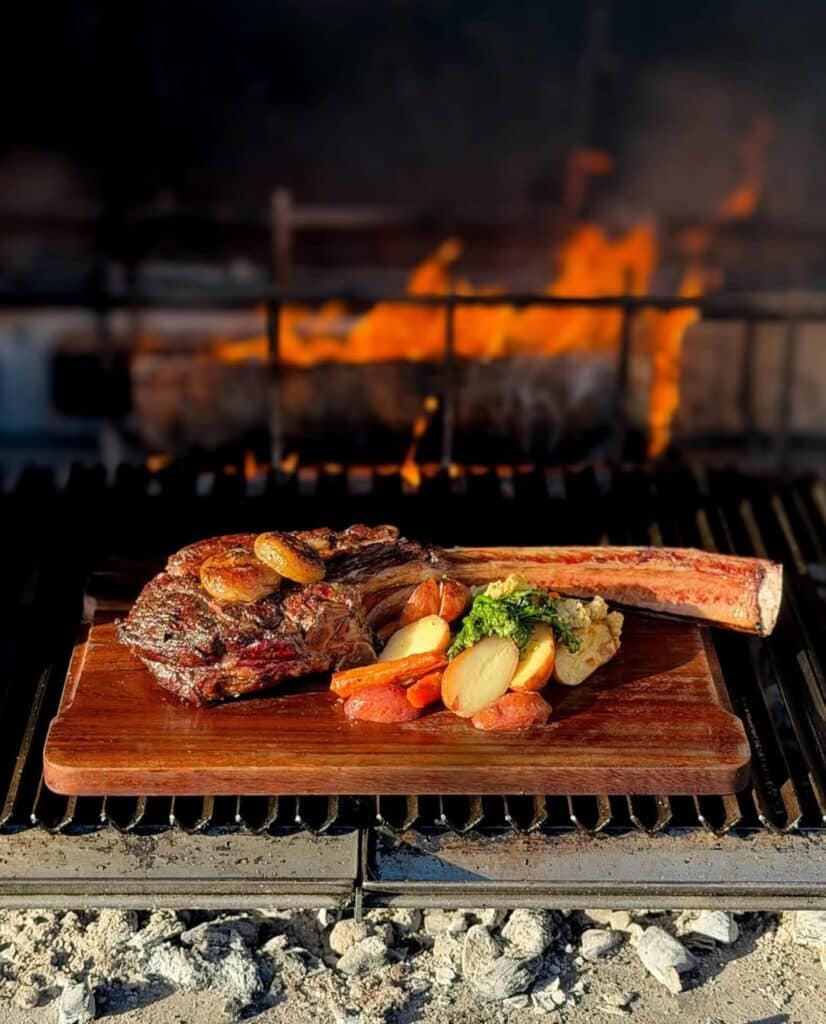
I once saw two grown men debate wood selection with the seriousness of international diplomacy.
Applewood versus hickory apparently matters deeply.
BBQ in Media and Pop Culture
Food television helped bring BBQ culture mainstream.
Cooking shows, YouTube channels, documentaries, and celebrity pitmasters turned backyard smoking into entertainment.
Now everyone wants to master brisket.
And everyone learns the same painful lesson:
Your first brisket is probably going to be terrible. That’s part of the journey.
How BBQ Continues to Evolve
The coolest thing about BBQ is that it never stops evolving.
Traditional techniques remain important, but modern pitmasters constantly experiment with new flavors and ideas.
Fusion BBQ
Today’s BBQ scene blends influences from around the world.
You’ll find:
- Korean BBQ tacos
- Smoked birria
- BBQ ramen
- Cajun smoked seafood
- Asian-inspired dry rubs
Purists may grumble, but great food always evolves. And honestly? Some fusion BBQ dishes are incredible.
Plant-Based BBQ
Even vegetarian BBQ has improved dramatically.
Modern grilling includes:
- Smoked mushrooms
- BBQ jackfruit
- Grilled cauliflower
- Plant-based sausages
The goal remains the same:
Big flavor. Smoke. Community.
Social Media Changed BBQ Forever
Social media turned backyard pitmasters into online celebrities.
Instagram and YouTube are packed with:
- Smoke-ring closeups
- Slicing videos
- Grill tutorials
- Recipe breakdowns
And yes, watching brisket being sliced in slow motion is weirdly satisfying. Humanity is complicated.
Creating the Perfect Backyard BBQ Experience
Want to build your own authentic BBQ tradition?
Start simple.
Too many beginners think they need expensive equipment immediately. You don’t.
You need:
- Heat
- Smoke
- Good seasoning
- Patience
- Hungry friends
Everything else comes later.
Choose the Right Grill
Each grill style offers advantages:
- Charcoal grills give classic smoky flavor
- Gas grills provide convenience
- Pellet smokers offer precision control
- Offset smokers create deep traditional smoke flavor
There’s no perfect grill. Only the one you’ll actually use consistently.
Focus on the Atmosphere
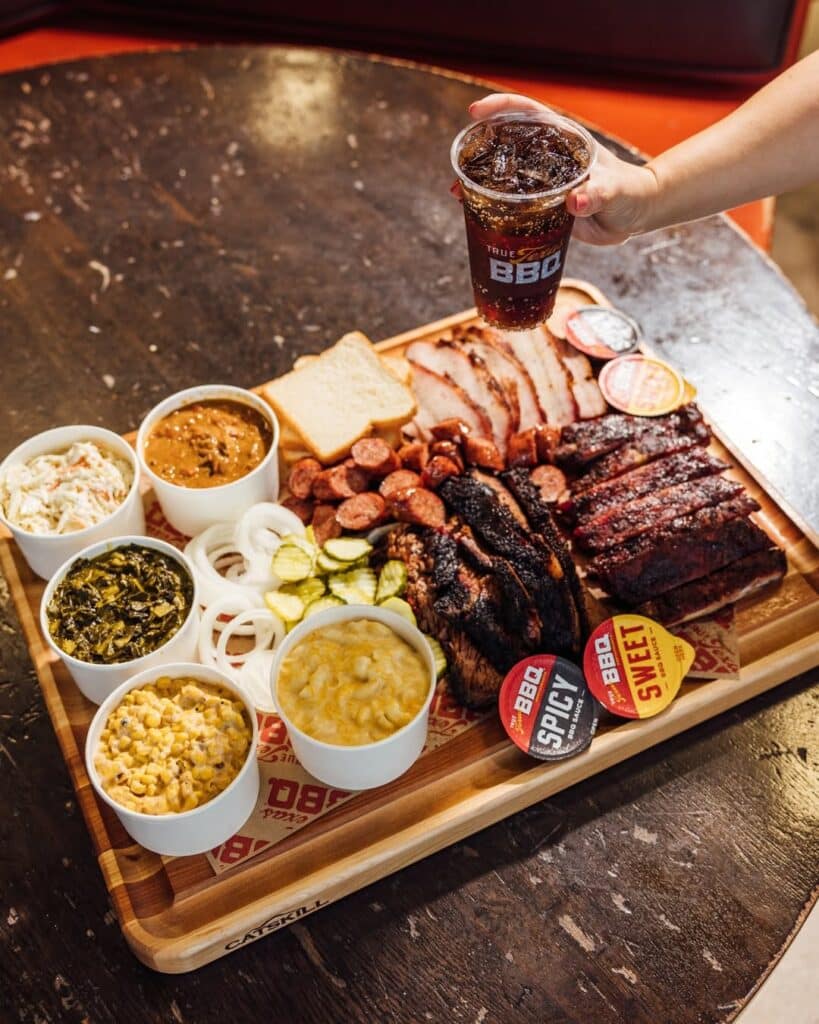
Great BBQ is about more than food. Music matters. Seating matters. Conversation matters. The best backyard BBQs feel relaxed and welcoming. Nobody remembers the perfect potato salad.
They remember laughing around the smoker for six straight hours.
Master the Basics First
Before attempting competition brisket, learn:
- Temperature control
- Proper seasoning
- Fire management
- Resting meat properly
BBQ rewards patience more than perfection.
And remember:
If something goes wrong, sauce can fix a surprising number of mistakes.
Not all of them.
But a surprising number.
Passed Down Through the Smoke: The Living History of American BBQ
The reason BBQ became America’s favorite outdoor cooking tradition goes far beyond flavor.
BBQ represents connection.
It brings people outside. It slows life down. It creates moments where friends, families, and neighbors gather around smoke and fire to share stories and meals together.
From Indigenous cooking traditions to modern pellet smokers, BBQ has evolved alongside America itself. Every region added something unique. Every generation passed techniques forward. And every backyard cookout helped strengthen the tradition.
That’s why BBQ continues thriving today.
Not because it’s trendy.
Because it feels human.
And at the center of every great BBQ is the same simple idea pitmasters have understood for generations:
Good food tastes even better when people gather around it together.
Frequently Asked Questions
History & Origins
Where did American barbecue actually originate?
While many assume BBQ started in the American South, its roots go back much further. Indigenous communities originally cooked meat slowly over open flames using wooden frames.
The word “barbecue” itself likely comes from barbacoa, a term used by the Caribbean’s Taíno people for raised-fire cooking, which Spanish explorers later brought back with them.
Why did pork become so dominant in Southern BBQ?
When European settlers arrived, hogs became the practical choice in the American South because pigs were inexpensive, easy to raise, and could feed large communities affordably.
Long before modern backyard grills, massive slow-cooked meals were used to mark major community milestones. Early Americans turned BBQ into social gatherings for harvest celebrations, political rallies, church functions, and weddings.
Regional Styles
What are the main regional BBQ styles in America?
Barbecue changes every few hundred miles, but the article highlights four distinct powerhouses:
- Texas: Focused almost entirely on beef (specifically brisket) seasoned simply with salt, pepper, smoke, and patience. Sauce is rarely the star here.
- The Carolinas: Centered heavily on pork. Eastern Carolina uses a tangy, peppery vinegar-based sauce, while Western Carolina adds tomato for a sweeter balance.
- Kansas City: The “everything goes” capital. They cook ribs, burnt ends, brisket, pork, and sausage, all slathered in a thick, sweet, tomato-based sauce.
- Memphis: Famous for its slow-smoked ribs packed with a heavily guarded, flavorful spice dry rub (though wet ribs exist too).
The Backyard & Holiday Culture
Why did BBQ move to the backyard after World War II?
Following WWII, suburban living exploded across America. Families suddenly had dedicated outdoor spaces like lawns, patios, and driveways.
Grills moved in almost immediately, making the backyard BBQ a lasting symbol of American relaxation and family life.
Which holidays are most deeply tied to American BBQ?
- Memorial Day: Unofficially launches the outdoor grilling season.
- The Fourth of July: The ultimate mid-summer cookout holiday, combining fire, meat, and outdoor celebrations.
- Labor Day: Closes out the peak grilling season.
- Game Days (Tailgating): Football culture transformed stadium parking lots into mini outdoor kitchens.
Equipment & Modern Evolution
How has BBQ equipment changed over the decades?
It has evolved from traditional, unscientific brick pits and mid-20th-century portable charcoal grills to high-tech modern gear.
Today’s pitmasters utilize pellet smokers, smart grills, Wi-Fi thermometers, and automatic temperature controllers that can literally text your phone when the meat is ready.
What is “Fusion BBQ” and “Plant-Based BBQ”?
As the tradition evolves, pitmasters are experimenting with new ideas:
- Fusion BBQ blends traditional smoke with global flavors, resulting in dishes like Korean BBQ tacos, smoked birria, and BBQ ramen.
- Plant-Based BBQ brings the same big smoke flavors to vegetarian options like smoked mushrooms, BBQ jackfruit, and grilled cauliflower.
Tips for Beginners
Do I need expensive gear to start barbecueing at home?
Not at all. To build an authentic backyard experience, you only need five basic things: heat, smoke, good seasoning, patience, and hungry friends.
What are the most important skills a beginner should master first?
Before attempting advanced meats like competition brisket, beginners should focus on:
- Temperature control
- Proper seasoning
- Fire management
- Resting meat properly
Pro-Tip from the Article: Your first brisket is probably going to be terrible – that is just part of the journey! If something goes wrong, remember that barbecue sauce can fix a surprising number of mistakes.
Good food tastes even better when people gather around it together.
Featured image credit: @wcvb5
