
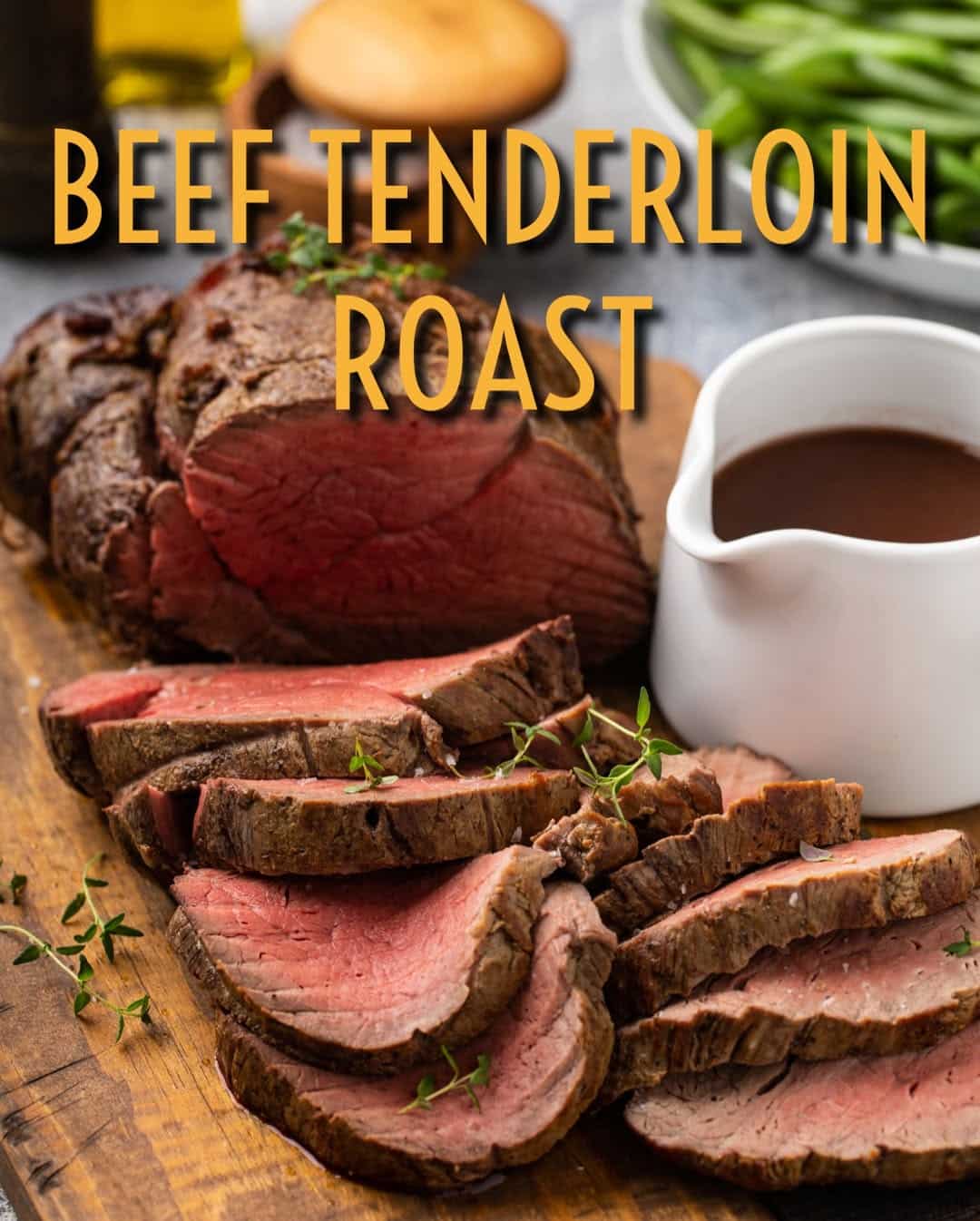
Most dinner guests either compliment the food right away or suddenly stop talking altogether, too distracted by every juicy, flavorful bite to focus on anything except cleaning their plates.
This beef tenderloin recipe creates the second group every single time.
Man-handling smokers, grills, and restaurant stoves for years taught me a valuable lesson: beef tenderloin does not require advanced skills. Expensive? Sure. Intimidating? Only until you realize the secret is mostly patience and temperature control.
That’s it. No culinary wizard robe required.
The beauty of a slow-roasted tenderloin is that it cooks evenly from edge to center. You don’t get that gray overcooked ring wrapped around a tiny pink middle like a sad bullseye.
Instead, you get buttery slices of beef that practically melt under your knife, finished with a silky red wine jus that tastes like it came from a steakhouse charging alarming prices for mashed potatoes.
And yes, your kitchen will smell so good your neighbors may suddenly “drop by.”
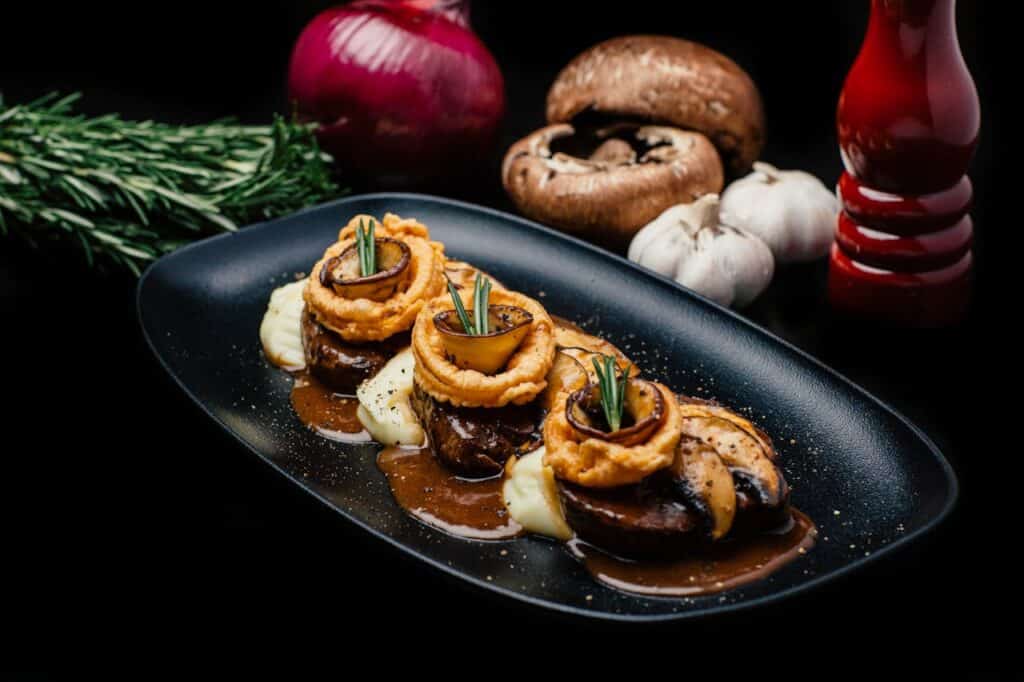
Why This Beef Tenderloin Recipe Works
A lot of people blast tenderloin in a screaming-hot oven and hope for the best. That method works fast, but slow roasting gives you far more control.
Here’s why this method wins:
- Even cooking from edge to edge
- Juicy, tender texture
- Better control over doneness
- Easier timing for dinner parties
- Rich flavor from the finishing sear and jus
Tenderloin is already one of the softest cuts on the animal. It barely does any work during the cow’s life, which explains why it cuts like warm butter. Slow roasting protects that texture instead of bullying it with aggressive heat.
Think of it as treating a luxury car gently instead of taking speed bumps at 70 mph.
What Is Beef Tenderloin?
Beef tenderloin comes from the loin section of the cow and is prized for its tenderness. It’s the same cut used for filet mignon steaks, except here we roast the whole thing.
Cooking the full tenderloin has two major advantages:
- It stays juicier.
- It looks incredibly impressive on the table.
There’s something deeply satisfying about carrying out a perfectly roasted tenderloin while everyone suddenly stops talking and starts staring at dinner like it’s a celebrity entering the room.
Why Dry Brining Changes Everything
One of the biggest upgrades you can make to a beef tenderloin recipe happens long before the roast touches the oven. It’s called dry brining, and it sounds far more complicated than it actually is.
All you do is season the beef generously with salt and let it rest uncovered in the refrigerator for several hours or overnight. That’s it. No secret chef handshake required.
The salt slowly penetrates the meat, helping it retain moisture while improving flavor from the inside out. You also get a noticeably better crust during the final sear because the surface dries slightly in the fridge.
Think of it as giving your tenderloin a VIP backstage pass before the main performance. Once you try dry brining, regular seasoning starts feeling painfully average.
The Secret Power of Carryover Cooking
Here’s the moment that separates confident cooks from panicked ones: understanding carryover cooking. Even after you remove beef tenderloin from the oven, the internal temperature continues rising for several minutes.
That means your roast keeps cooking while resting.
Pulling the tenderloin exactly at your target temperature is one of the fastest ways to accidentally overcook it. A roast removed at 125°F can climb to 130–135°F while resting, especially with larger cuts.
That’s why experienced chefs pull beef slightly early and trust the resting process to finish the job naturally.
This tiny detail makes an enormous difference in a slow-roasted beef tenderloin recipe. Ignore carryover cooking, and your perfect medium-rare can turn medium-well faster than your uncle explains cryptocurrency at Thanksgiving dinner.
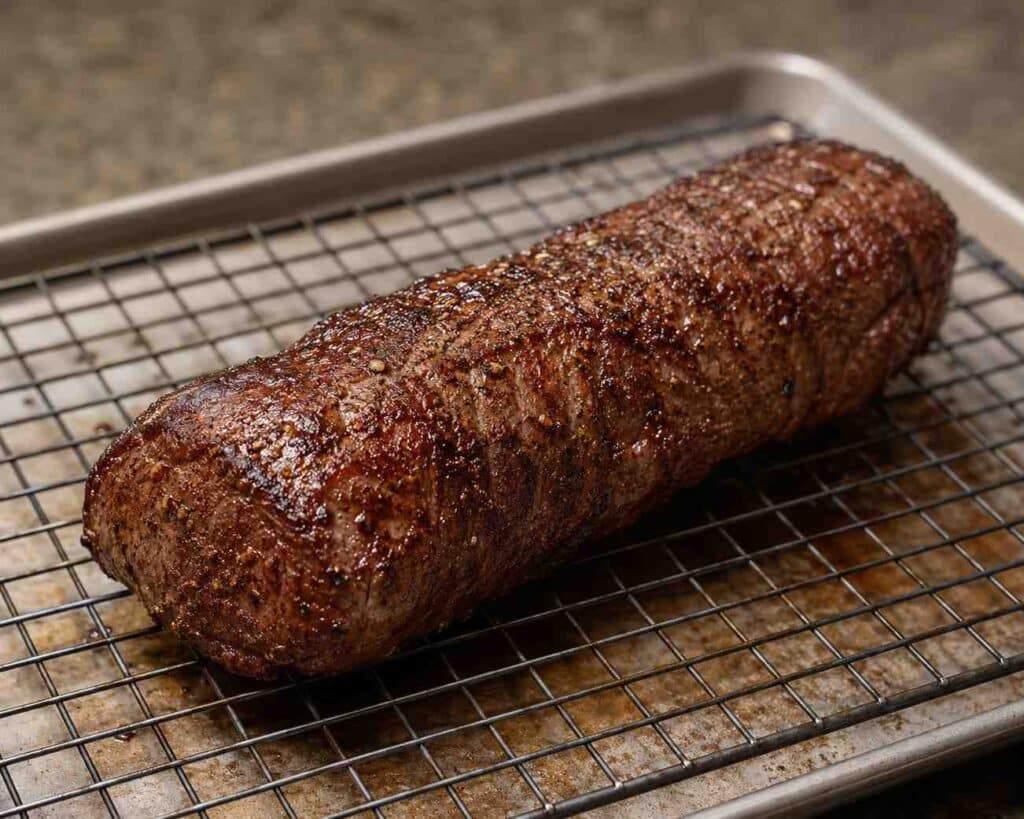
Why Resting on a Wire Rack Beats a Cutting Board
Most people rest beef tenderloin directly on a plate or cutting board. Unfortunately, that traps steam underneath the roast and slowly softens the crust you worked so hard to create. A better option is resting the meat on a wire rack.
Air circulates underneath the tenderloin, helping preserve that beautiful browned exterior while the juices redistribute inside. It’s a small restaurant trick that makes a surprisingly noticeable difference in texture.
Crispy crust on the outside, juicy slices on the inside – that’s the balance you want.
Professional kitchens obsess over details like this because texture matters just as much as flavor. Besides, after spending serious money on premium beef, letting the crust turn soggy feels like buying luxury tires and filling them with marshmallows.
How to Slice Beef Tenderloin Like a Pro
A perfectly cooked roast can still lose points with sloppy slicing. One of the most overlooked parts of serving a beef tenderloin recipe is cutting the meat correctly. Always slice against the grain using a long, sharp knife.
Cutting against the grain shortens the muscle fibers, making every bite feel more tender. Slice with the grain, and suddenly guests are chewing like they’re testing resistance bands at the gym.
Aim for slices about half an inch thick for the ideal balance of tenderness and presentation. Too thin, and the meat cools too quickly. Too thick, and the elegant texture gets lost.
And whatever you do, avoid using a dull knife. Nothing destroys a beautiful tenderloin faster than hacking into it like you’re chopping firewood in winter.
Serving Suggestions
This beef tenderloin recipe pairs beautifully with classic steakhouse sides.
Some favorites include:
- Garlic mashed potatoes
- Roasted carrots
- Crispy potatoes
- Creamed spinach
- Charred asparagus
For wine pairing, go with bold reds like:
- Cabernet Sauvignon
- Malbec
- Bordeaux blends
Or skip the wine pairing entirely and focus on not licking the plate in front of guests.
Professionalism matters.
Common Mistakes to Avoid
Even experienced cooks can trip over tenderloin. Here are the biggest mistakes I see:
Overcooking
Tenderloin is lean. Push it too far and it dries out quickly.
Skipping the Thermometer
Guesswork belongs in poker, not expensive meat.
Forgetting the Rest
Cutting immediately wastes all that juicy goodness.
Using Cheap Stock
Your jus is only as good as the ingredients inside it.
Storing and Reheating
Store leftovers in an airtight container for up to 3 days.
To reheat, place slices in a baking dish with extra jus or stock, cover with foil, and warm gently at 275°F.
Microwaving tenderloin is technically possible, but emotionally devastating.
Final Thoughts
A perfectly cooked tenderloin feels luxurious without needing complicated techniques. This slow-roasted approach gives you reliable results, incredible flavor, and a dining-room moment people genuinely remember.
The combination of tender beef and rich red wine jus hits that perfect balance between rustic comfort and steakhouse elegance.
Most importantly, this beef tenderloin recipe teaches one of the greatest truths in cooking: sometimes slowing down produces the best results.
Especially when beef is involved.
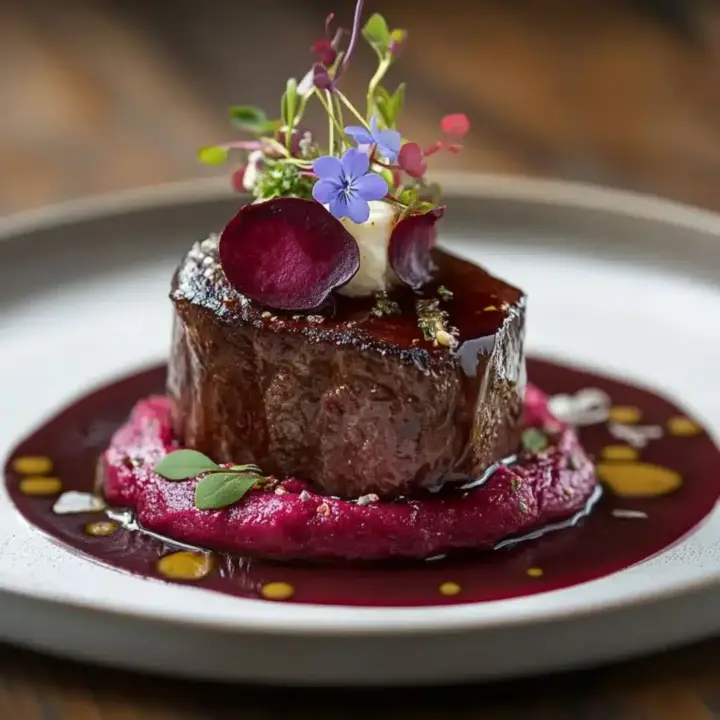
Slow-Roasted Juicy Beef Tenderloin Recipe with Red Wine Jus
Image credit: @chef_zouheir
Ingredients
- For the Beef Tenderloin
- 4–5 pound whole beef tenderloin, trimmed
- 2 tablespoons olive oil
- 4 garlic cloves, minced
- 1 tablespoon kosher salt
- 2 teaspoons black pepper
- Fresh rosemary
- Fresh thyme
- 2 tablespoons butter
- For the Red Wine Jus
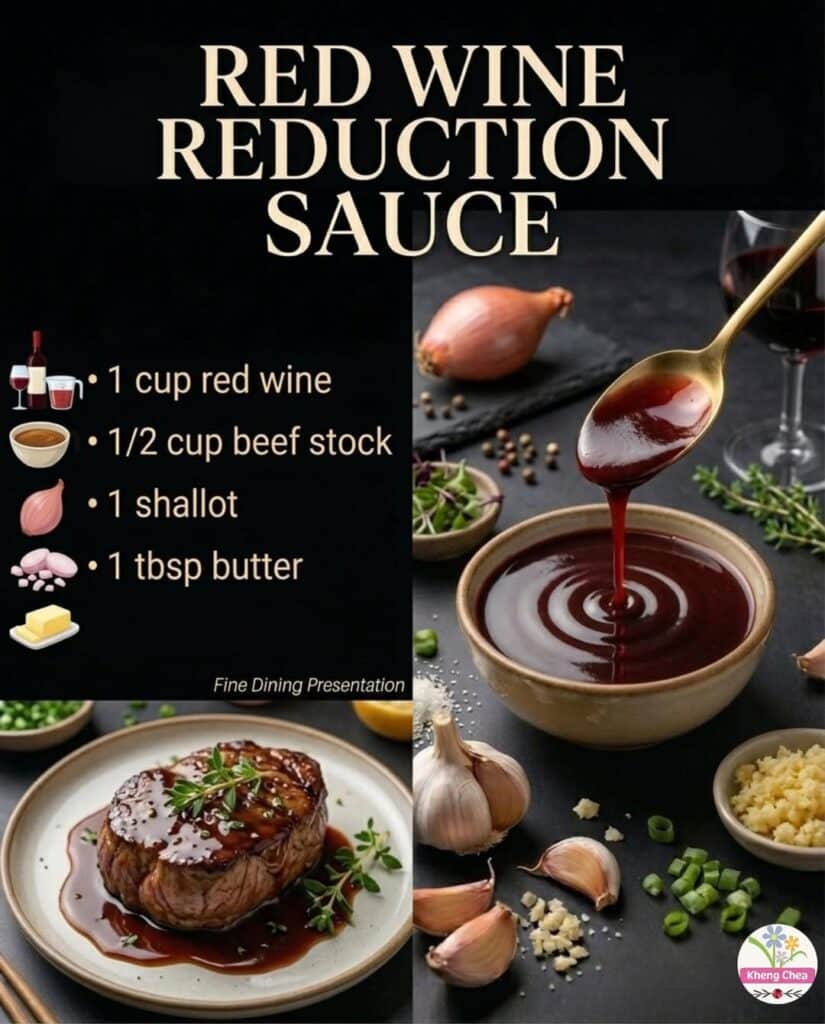
- 1 cup dry red wine
- 2 cups beef stock
- 1 shallot, finely diced
- 1 tablespoon butter
- Fresh thyme sprigs
- Use a wine you’d actually drink. This is not the time for mystery cooking wine that tastes like regret and vinegar.
- A Cabernet Sauvignon or Merlot works beautifully.
- Choosing the Best Beef Tenderloin
- If you’re spending money on tenderloin, buy the best one you can reasonably afford.
- Look for:
- Center-cut tenderloin for even cooking
- Good marbling
- Bright red color
- USDA Choice or Prime if available
- Avoid pre-marinated versions. They often mask lower-quality meat and usually contain enough sodium to preserve a battleship.
- If possible, ask your butcher to trim and tie it for you. Tying helps the roast cook evenly and keeps the shape consistent.
- Preparing the Tenderloin
- Before cooking, let the beef sit at room temperature for about 45 minutes.
- Cold meat straight from the fridge cooks unevenly. You’ll end up with an overdone outside and an undercooked center. That’s not elegant – that’s culinary whiplash.
- Pat the tenderloin dry with paper towels, then rub it with olive oil, garlic, salt, pepper, rosemary, and thyme.
- Don’t be shy with seasoning. A thick roast needs proper coverage.
Instructions
Step 1: Preheat the Oven
Set your oven to 250°F.
Low heat is the secret weapon here. It gently brings the meat to temperature without squeezing out moisture.
Place the tenderloin on a wire rack over a baking sheet or roasting pan.
Step 2: Slow Roast
Cook the tenderloin until the internal temperature reaches:
- 120°F for rare
- 125°F for medium-rare
- 135°F for medium
For most people, medium-rare is the sweet spot for this beef tenderloin recipe. Expect roughly 45 minutes to 1 hour depending on size and thickness. But never trust time alone. Trust a meat thermometer.
A thermometer is cheaper than ruining a $100 roast.
Step 3: Sear for Crust
Once the beef reaches temperature, heat a skillet until blazing hot.
Add butter and quickly sear the tenderloin on all sides until deeply browned.
This final sear creates that beautiful crust and adds serious flavor through caramelization.
And let’s be honest – hearing butter hiss against beef is one of life’s great sounds.
Step 4: Let It Rest
Rest the tenderloin for 15 minutes before slicing. This matters more than people think.
If you slice too early, the juices flood out onto the cutting board instead of staying inside the meat where they belong. Resting allows everything to settle and redistribute.
Translation: juicier steak, happier humans.
Making the Red Wine Jus
While the beef rests, make the sauce.
Using the same skillet, sauté the shallots until softened. Pour in the red wine and scrape up the browned bits from the bottom of the pan. Those little bits are flavor gold.
Add beef stock and thyme, then simmer until reduced by about half. Finish with butter for shine and richness.
A proper red wine jus should be silky and concentrated, not thick like gravy. You want elegance here, not cafeteria meat sauce. Taste and adjust seasoning before serving.
Featured image credit: @lemonblossomsblog
