
The simple act of cooking outdoors feels rewarding in a way indoor cooking rarely does.
Maybe it’s the smell of smoke curling through the air. Maybe it’s the sound of steaks sizzling while your guests hover around pretending they’re “just checking on the food.”
Or maybe it’s because nobody wants to heat up the house in the middle of July just to grill burgers.
But here’s the thing most homeowners realize a little too late: an outdoor kitchen that works beautifully in Arizona might be a complete disaster in Florida. And a setup that survives snowy winters in Colorado could melt under coastal humidity.
That’s why the debate around covered vs open outdoor kitchens matters more than people think.
As someone who’s spent years tending smokers, rebuilding rusted grills, and learning hard lessons from sudden rainstorms that appeared faster than my relatives when ribs are ready, I can tell you this: your climate should drive your decision.
Not Instagram.
Not Pinterest.
And definitely not your neighbor Larry, who built an open outdoor kitchen and now keeps his grill covered with three tarps and what looks suspiciously like a boat cover.
Let’s break it all down the practical way.
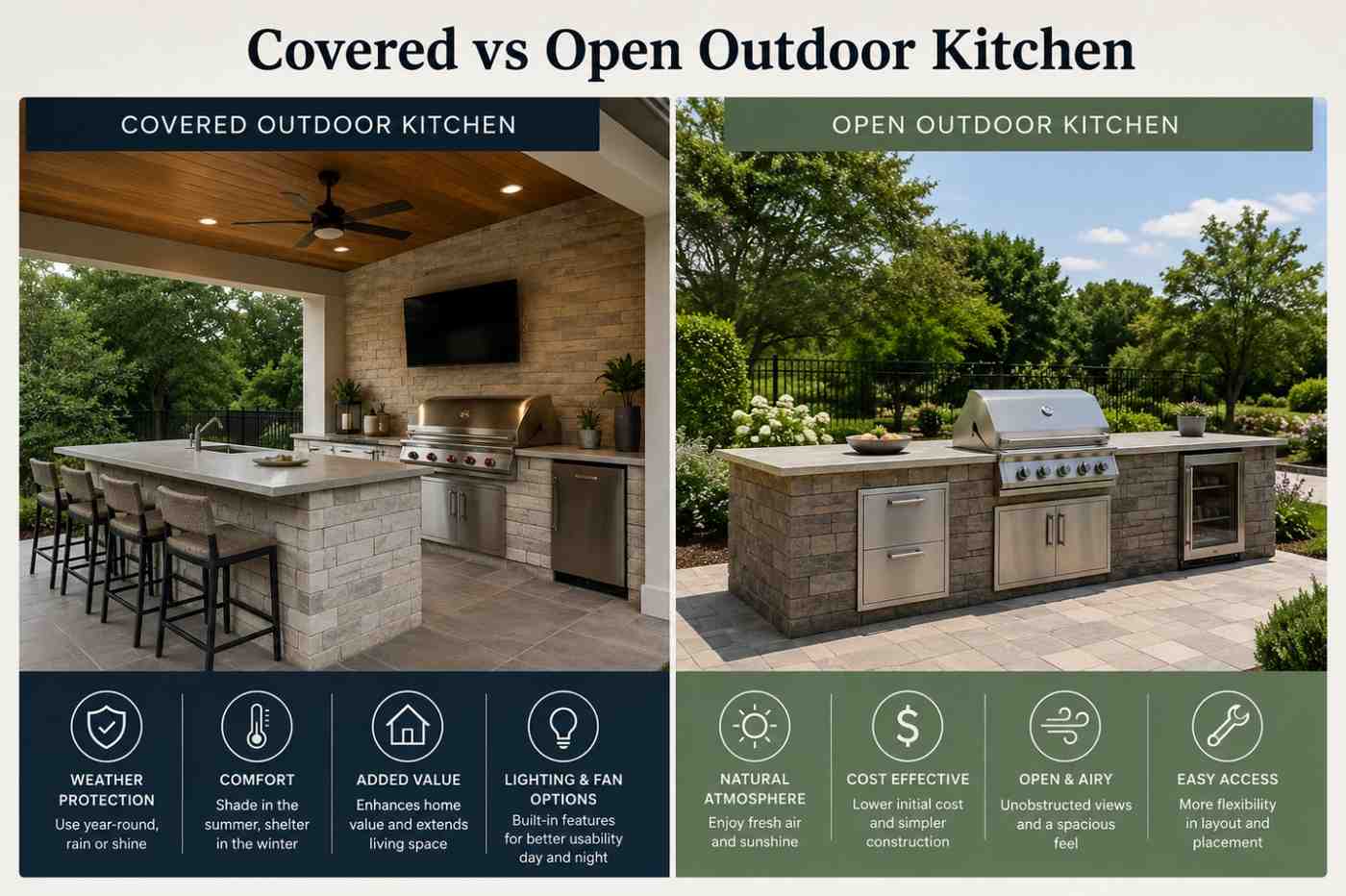
Covered vs Open Outdoor Kitchens: What’s the Difference?
At first glance, the difference seems obvious.
One has a roof. One doesn’t.
But when you really compare covered vs open outdoor kitchens, the differences go way deeper than shade.
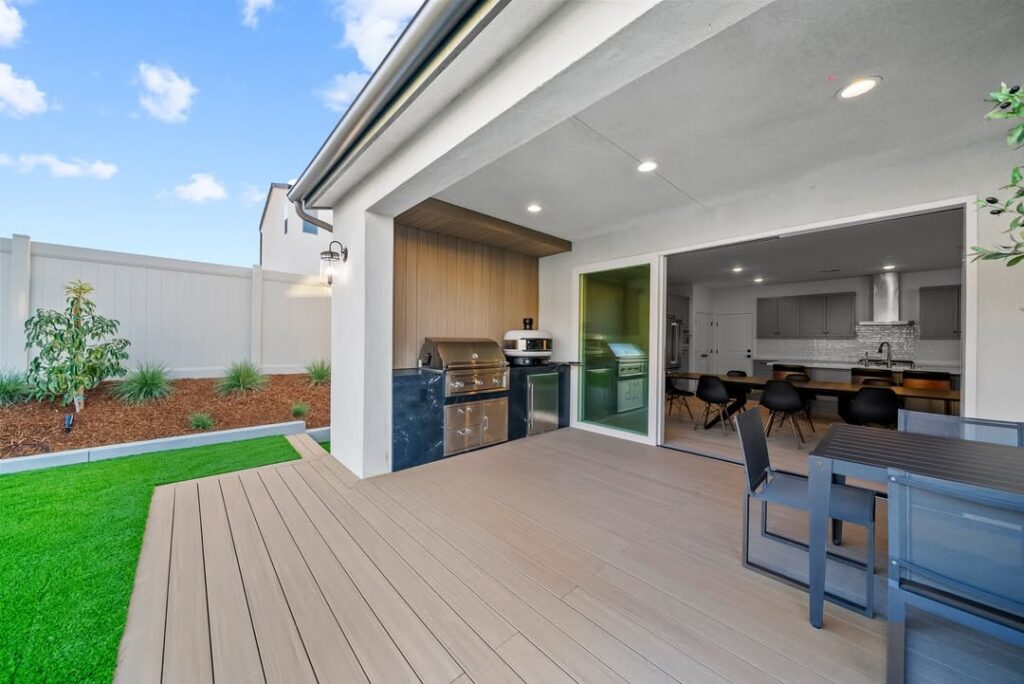
A covered outdoor kitchen includes some type of overhead protection. That could mean:
- A solid roof extension
- A pergola
- A pavilion
- A louvered roof system
- A screened enclosure
Meanwhile, an open outdoor kitchen sits fully exposed to the elements. No roof. No permanent cover. Just fresh air and full exposure to whatever mood the weather wakes up in.
And trust me, weather has moods.
Covered Outdoor Kitchens: The Comfort King
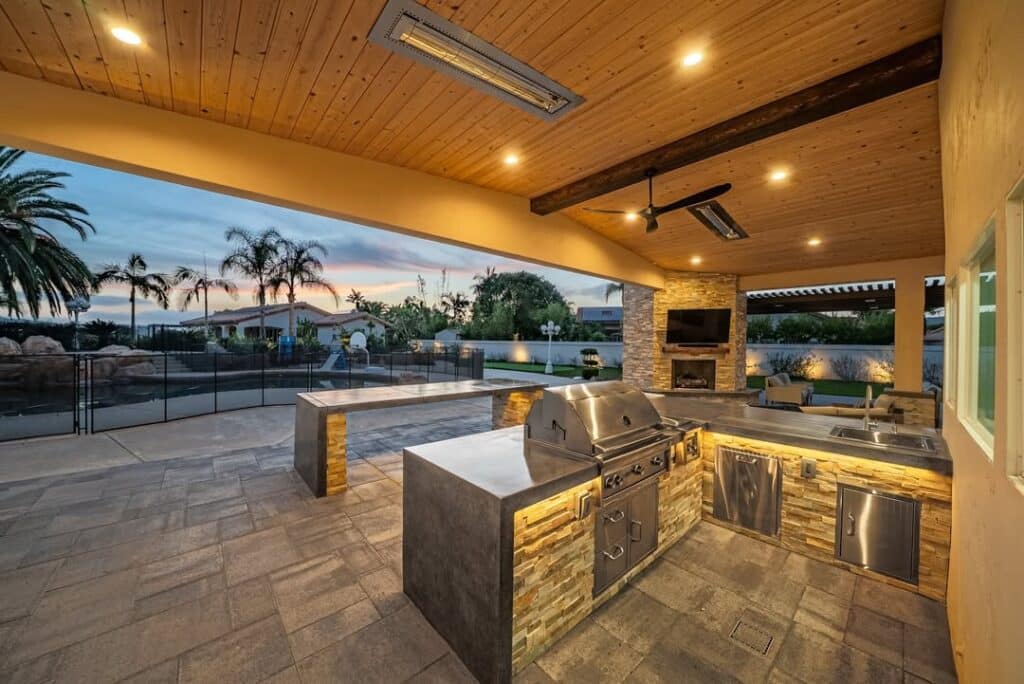
A covered setup feels more like an outdoor living room that happens to smell like brisket.
You get protection from:
- Rain
- Harsh UV rays
- Falling leaves
- Snow
- Bird “surprises” from above
You also gain something pitmasters value deeply: consistency.
Because grilling in direct sunlight while sweating through your shirt feels less like backyard luxury and more like unpaid construction work.
Why Homeowners Love Covered Outdoor Kitchens
The biggest advantage is simple:
You can use them more often.
Rainstorm? Still cooking.
Blazing heat? Still cooking.
Unexpected drizzle during game day? You’re still standing there flipping wings like a backyard hero while everyone else scrambles indoors with paper plates.
Covered kitchens also protect your investment. Outdoor appliances aren’t cheap anymore.
High-end grills, refrigerators, pizza ovens, and cabinets can cost serious money.
Constant exposure shortens their lifespan fast.
Especially in humid climates.
I’ve seen stainless steel rust quicker than a cheap lawn chair near saltwater air.
The Downsides of Covered Kitchens
Nothing’s perfect.
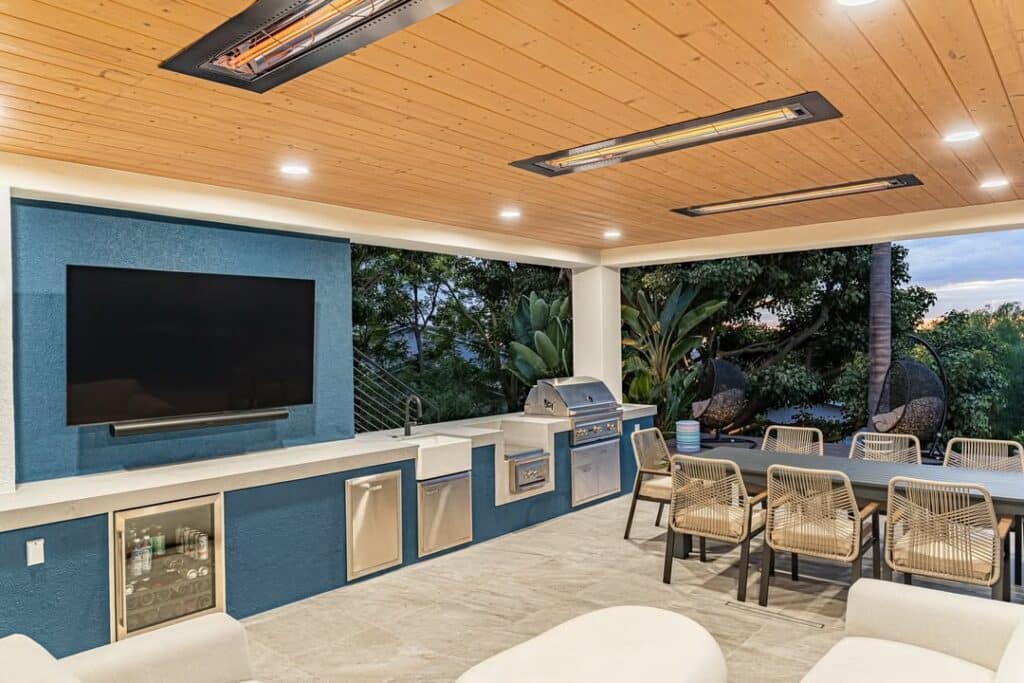
Covered outdoor kitchens cost more. Sometimes a lot more.
Adding roofing structures means:
- More materials
- More labor
- Possible permits
- Additional electrical work
- Ventilation planning
And speaking of ventilation, that’s something many homeowners forget.
Smoke needs somewhere to go.
Without proper airflow, your beautiful covered patio can start looking like a low-budget barbecue fog machine.
Nobody wants guests coughing through pulled pork sandwiches.
Open Outdoor Kitchens: Freedom and Fresh Air
Now let’s talk about the open-air crowd.
Open outdoor kitchens feel relaxed. Casual. Natural.
There’s something great about cooking under the sky with nothing overhead except clouds and maybe a hawk silently judging your burger technique.
Open kitchens usually cost less upfront and feel less visually heavy in smaller backyards.
And honestly?
For certain climates, they work beautifully.
Why People Love Open Outdoor Kitchens
The biggest advantage is airflow.
Smoke disappears quickly. Heat escapes naturally. And you never feel boxed in while cooking.
If you live somewhere with:
- Mild temperatures
- Low rainfall
- Minimal humidity
…an open outdoor kitchen can feel absolutely perfect.
Especially in dry climates where the weather behaves itself most of the year. (If you live somewhere with “surprise thunderstorms” in the forecast every afternoon, we’ll talk soon.)
Open kitchens also create cleaner sightlines across your yard. They feel spacious and modern. Less structure. Less visual clutter.
And let’s be honest: there’s something undeniably cool about grilling beneath open skies at sunset.
Makes you feel like a cooking show host even if you’re burning hot dogs.
The Trade-Offs
Nature always collects payment eventually.
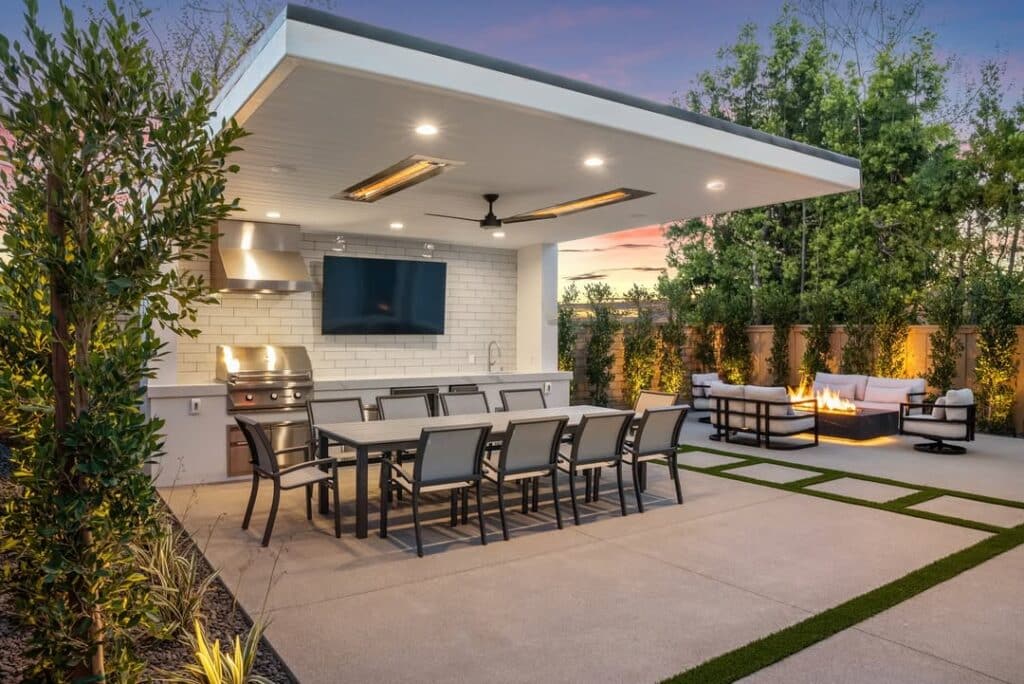
With open kitchens, that payment comes through maintenance.
Rain, UV exposure, pollen, dust, wind, snow, humidity – all of it lands directly on your setup.
That means:
- More cleaning
- Faster wear on appliances
- More covers and protection
- Greater seasonal maintenance
Outdoor cabinetry fades faster. Countertops weather quicker. Metal components take a beating.
And if you leave cushions outside during a surprise storm, congratulations – now your patio furniture weighs 700 pounds.
How Climate Changes Everything
This is where the covered vs open outdoor kitchens conversation becomes serious.
Because climate isn’t just a detail.
It’s the detail.
Hot and Sunny Climates
If you live somewhere brutally sunny, coverage becomes less of a luxury and more of a survival strategy.
Direct sunlight creates several problems:
- Overheated cooking zones
- Faded materials
- Uncomfortable seating areas
- Appliance damage
- UV deterioration
Try standing beside a 700-degree grill in full afternoon sun sometime. It feels like cooking inside a volcano wearing oven mitts.
Covered kitchens thrive in hot climates because they provide:
- Shade
- Cooler surfaces
- Better comfort
- Longer entertaining hours
Pergolas help somewhat, but solid roofs provide the best heat relief.
Fans also become your best friend.
A ceiling fan over an outdoor kitchen might not sound exciting until you experience one in August. Then suddenly it feels like modern engineering deserves a Nobel Prize.
Rainy and Humid Climates
This is where covered kitchens usually dominate. Humidity destroys things slowly and aggressively. Wood swells. Metal corrodes. Mold appears like it pays rent.
If you live in tropical or rainy regions, a covered outdoor kitchen offers major advantages:
- Better moisture protection
- Reduced mildew growth
- Longer appliance lifespan
- Drier cooking surfaces
Open kitchens in humid climates can still work, but material selection becomes critical.
You’ll need:
- Marine-grade stainless steel
- Moisture-resistant cabinetry
- Sealed countertops
- Proper drainage systems
Otherwise, your outdoor kitchen may age like a banana left on a dashboard.
Cold and Snowy Climates
Snow changes the game completely.
Heavy snow loads can damage uncovered appliances and countertops over time.
Covered kitchens help reduce:
- Ice accumulation
- Snow buildup
- Freeze-thaw damage
- Water intrusion
They also extend seasonal usability.
Add patio heaters, fire features, or wind barriers, and suddenly your outdoor kitchen works deep into fall and even winter.
There’s something magical about smoking ribs while snow falls outside.
Mostly because neighbors look at you like you’re slightly insane.
And maybe you are.
But the ribs make it worth it.

Windy and Coastal Areas
Coastal climates are brutal on outdoor kitchens.
Salt air corrodes metal quickly. Strong winds affect flames, smoke control, and comfort.
This is where hybrid designs shine.
A partially covered kitchen often performs best because it balances airflow with protection.
For coastal regions, prioritize:
- Marine-grade stainless steel
- Powder-coated aluminum
- Ventilation-friendly layouts
- Wind-resistant roofing systems
Cheap materials near the coast rarely survive long.
The ocean is beautiful, but it absolutely destroys bargain hardware.
Which Outdoor Kitchen Is Best for Your Climate?
Here’s the practical breakdown.
Best for Hot Climates
Winner: Covered outdoor kitchens
Shade dramatically improves comfort and usability. Especially in places with relentless summer heat.
Best for Mild, Dry Climates
Winner: Open outdoor kitchens
If your weather stays predictable most of the year, open layouts feel incredible. Less structure. More sky. Better airflow. Simple and beautiful.
Best for Four-Season Regions
Winner: Hybrid designs
A pergola, retractable roof, or partial covering provides flexibility throughout changing seasons.
Best for Humid or Tropical Areas
Winner: Covered kitchens
Moisture protection matters too much to ignore. Especially for long-term durability.
Cost Comparison: Covered vs Open Outdoor Kitchens
Money matters. Let’s talk about it.
Open kitchens typically cost less upfront because they require fewer structural components.
No roofing system means:
- Lower labor costs
- Faster installation
- Simpler permitting
Covered kitchens cost more initially but may save money long term through reduced weather damage.
Think of it this way:
An open kitchen is like parking your truck outside year-round.
It works.
But eventually the weather starts collecting interest.
Hidden Costs Homeowners Forget
People often budget for grills and countertops but ignore:
- Drainage
- Ventilation
- Electrical upgrades
- Outdoor lighting
- Weatherproof storage
- Maintenance expenses
The more exposed your kitchen is, the more maintenance becomes part of the ownership experience.
Design Considerations Before You Build
Before choosing between covered vs open outdoor kitchens, ask yourself one important question:
“How do I actually plan to use this space?”
Not fantasy-you.
Real-you.
The version that forgets to cover the grill sometimes and definitely doesn’t host elegant wine tastings every weekend.
Think About Your Lifestyle
If you entertain frequently, covered kitchens offer greater comfort for guests. Nobody enjoys balancing plates during sudden rain showers.
But if you mostly grill casually on weekends and live in a mild climate, an open layout may feel more natural and low-maintenance.
Consider Your Backyard Size
Large covered structures can overwhelm smaller yards. Open kitchens feel lighter visually and preserve openness.
Meanwhile, larger properties often benefit from covered outdoor living spaces that create defined gathering zones.
Don’t Ignore Building Codes
Outdoor roofing structures may require:
- Permits
- HOA approvals
- Inspections
- Fire safety clearances
Always check local regulations before building.
Nothing kills barbecue excitement faster than paperwork violations.
Hybrid Outdoor Kitchens: The Sweet Spot
Honestly, hybrid designs are becoming the smartest option for many homeowners.
You get flexibility without fully committing to either extreme.
Popular hybrid solutions include:
- Pergolas
- Retractable canopies
- Louvered roof systems
- Partial pavilion coverage
These systems let you control sun exposure and airflow depending on weather conditions. And modern motorized roofs are impressive. Push a button and suddenly your patio transforms like a backyard Transformer.
Minus the explosions. Usually.
Maintenance Tips That Actually Matter
No matter which design you choose, maintenance decides how long your outdoor kitchen survives.
Protect Your Appliances
Always use proper covers when appliances aren’t in use. Especially in humid or snowy regions. And please – stop buying the cheapest grill covers possible. Those paper-thin covers last about as long as gas station sunglasses.
Clean Regularly
Outdoor kitchens collect:
- Grease
- Pollen
- Dust
- Moisture
- Insects
Routine cleaning prevents long-term damage. Especially around burners and ventilation areas.
Watch Your Drainage
Poor drainage destroys outdoor spaces quietly. Water pooling near cabinetry or flooring eventually creates structural issues. If rainwater has nowhere to go, it’ll find somewhere to stay.
Usually where you least want it.
Common Mistakes to Avoid
The biggest mistake homeowners make? Choosing style before practicality. A gorgeous open outdoor kitchen means nothing if your climate only allows comfortable use four months a year.
Other common mistakes include:
- Using indoor-rated appliances outside
- Ignoring ventilation needs
- Choosing cheap materials
- Forgetting storage space
- Underestimating maintenance
Outdoor kitchens are exposed environments. Build accordingly.
Time to Decide: Which One Is Right for You?
When it comes to covered vs open outdoor kitchens, there’s no universal winner. Only the right fit for your climate, lifestyle, and budget.
If you live in rainy, humid, snowy, or brutally hot conditions, a covered outdoor kitchen usually delivers better comfort, durability, and year-round usability.
If your climate stays mild and dry most of the year, an open outdoor kitchen can feel beautifully simple and naturally inviting.
And if you want flexibility?
Hybrid designs offer the best of both worlds.
At the end of the day, the best outdoor kitchen is the one you’ll actually use. Because outdoor cooking isn’t really about countertops or roofing systems.
It’s about gathering people together around good food, cold drinks, smoke in the air, and stories that somehow get louder every time the grill lid opens.
Just remember one universal truth from every pitmaster who’s learned the hard way:
The weather always gets a vote.
FAQ
Is a covered outdoor kitchen better for rainy climates?
Yes. Covered outdoor kitchens provide protection from rain, moisture, and humidity, helping appliances and materials last longer.
Are open outdoor kitchens cheaper to build?
Usually, yes. Open outdoor kitchens require fewer materials and less structural work, making them more budget-friendly.
Which outdoor kitchen is easier to maintain?
Covered outdoor kitchens generally need less maintenance because they’re protected from harsh weather and UV exposure.
Can outdoor kitchens be used year-round?
Yes, especially covered or hybrid outdoor kitchens with heaters, fans, or weather protection features.
What materials work best for outdoor kitchens?
Marine-grade stainless steel, sealed stone countertops, and weather-resistant cabinetry are ideal for outdoor use.
Do outdoor kitchens increase home value?
Yes. A well-designed outdoor kitchen can improve outdoor living appeal and boost resale value.
Can I add a roof to my outdoor kitchen later?
Yes. Many homeowners start with an open layout and add pergolas, pavilions, or covered structures later.
Featured image credit: ChatGPT
