
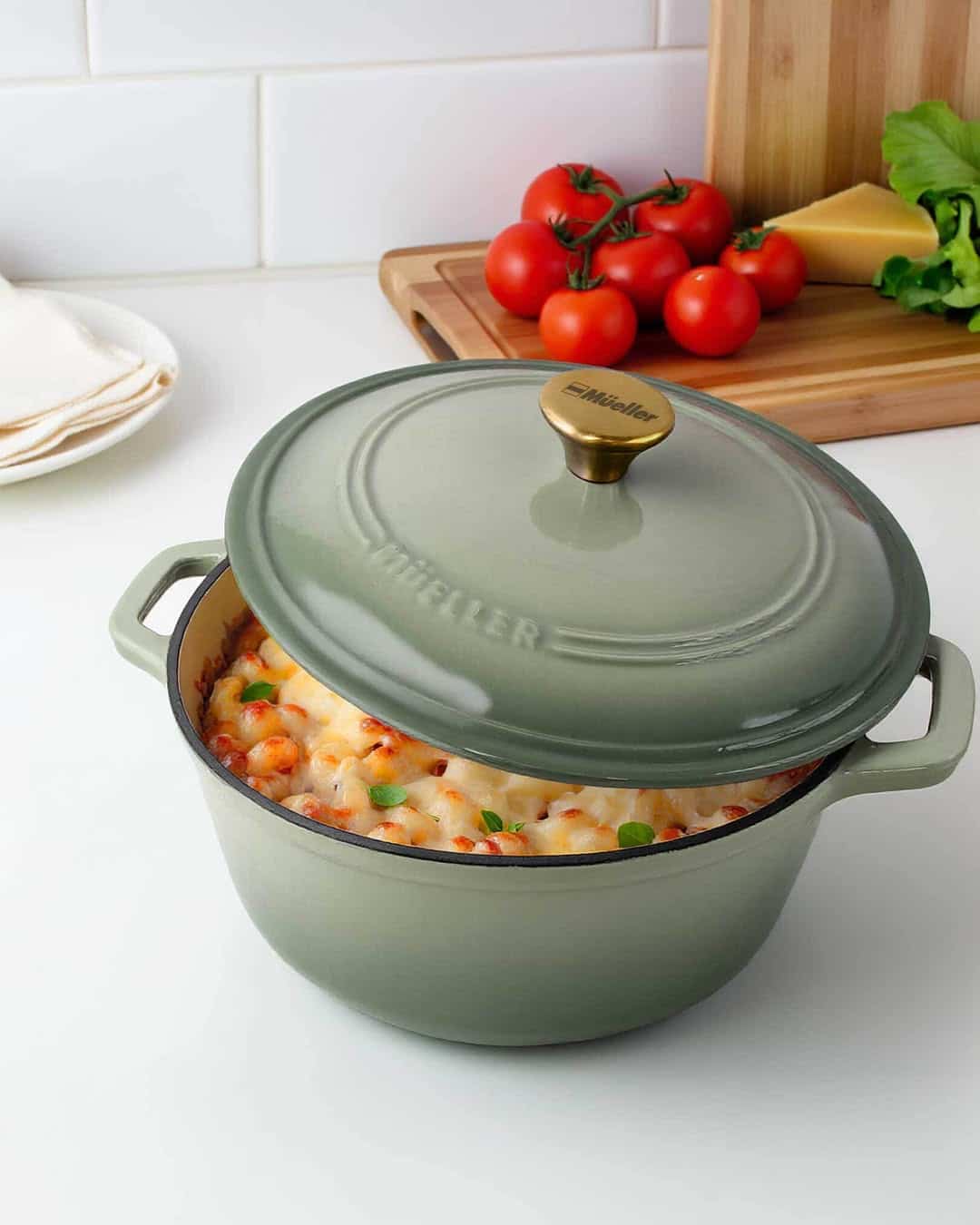
There are two kinds of cookware in this world.
The first kind lives a short, tragic life. It warps after three pasta nights, develops mystery scratches, and eventually retires under the sink next to expired soy sauce packets and batteries that may or may not work.
Then there’s cast iron.
Cast iron doesn’t retire. It develops stories.
And among modern cast iron cookware, Cuisiland Dutch Ovens have carved out a reputation that feels somewhere between cowboy camp gear and heirloom kitchen artillery.
They’re rugged, heavy, unapologetically old-school, and built with the kind of engineering that makes you want to cook something that takes six hours and requires fire.
As a pitmaster, I judge cookware the same way I judge smokers:
- Does it hold heat?
- Does it survive abuse?
- Does it make food taste better?
- And most importantly… can it survive a backyard cookout where someone inevitably says, “I’ll just crank the heat all the way up”?
Good cookware should forgive bad decisions. Great cookware survives them.
That’s where Cuisiland Dutch Ovens shine.
First Impressions: Old-School Charm With Serious Muscle
The first thing you notice about a Cuisiland Dutch oven is the hammered finish.
It looks handcrafted. Almost medieval. Like something a blacksmith would hand you before telling you to “cook the boar slowly.”
And honestly? That’s part of the appeal.
Modern cookware often looks sterile and over-designed. But Cuisiland Dutch Ovens lean into that rugged campfire aesthetic. Thick cast iron. Deep black finish. Chunky handles. A lid that looks ready to stop a home invasion.
You don’t unbox one of these and think, “Cute.”
You think, “This thing could survive a tornado.”
The weight immediately tells you this isn’t decorative cookware pretending to be rugged. These ovens are dense. Serious. Purpose-built.
And yes, your forearms will get a workout.
That’s the tradeoff with cast iron. You’re essentially cooking with a cannonball that happens to make excellent chili.
Still, the heft serves a purpose: heat retention.
A lighter Dutch oven heats quickly. A heavier Dutch oven stays hot longer. That difference matters when you’re braising beef, baking bread, or cooking outdoors in cold wind.
The Engineering Behind the Cast Iron
Here’s where things get interesting.
Most people think cast iron is simple. Melt metal. Pour metal. Cook food.
But the engineering behind Cuisiland Dutch Ovens is more nuanced than that.
Thick Walls Mean Stable Cooking
One thing Cuisiland gets right is wall thickness.
Thin cookware reacts quickly to temperature swings. That sounds good until you’re trying to maintain a steady simmer and suddenly your stew starts boiling like a volcano because someone nudged the burner.
The thicker cast iron in these Dutch ovens creates thermal stability.
That means:
- More even cooking
- Better heat retention
- Fewer hot spots
- Improved browning
This becomes especially noticeable during low-and-slow cooking.
I tested one with a beef chuck roast over charcoal for nearly five hours. Normally, outdoor temperature shifts can mess with cooking consistency. But the Dutch oven held steady like a cast iron thermostat.
That’s engineering doing its job quietly.
The Hammered Finish: More Than Looks?
Let’s address the hammered texture because everybody asks about it.
Does it improve cooking performance?
Not directly.
Your stew doesn’t suddenly taste better because the outside looks like Thor’s cookware collection.
But the hammered exterior does help in a few practical ways:
- It hides scratches better
- It improves grip slightly
- It adds structural texture
- It increases durability against cosmetic wear
Mostly though, it adds personality.
And cookware with personality gets used more often.
That matters more than people realize.
Half the reason old cast iron pans become family treasures is emotional attachment. You remember the meals cooked in them. The camping trips. The bread experiments that almost worked.
The hammered design gives Cuisiland Dutch Ovens that heirloom feel right out of the box.
Lid Design: The Secret Weapon
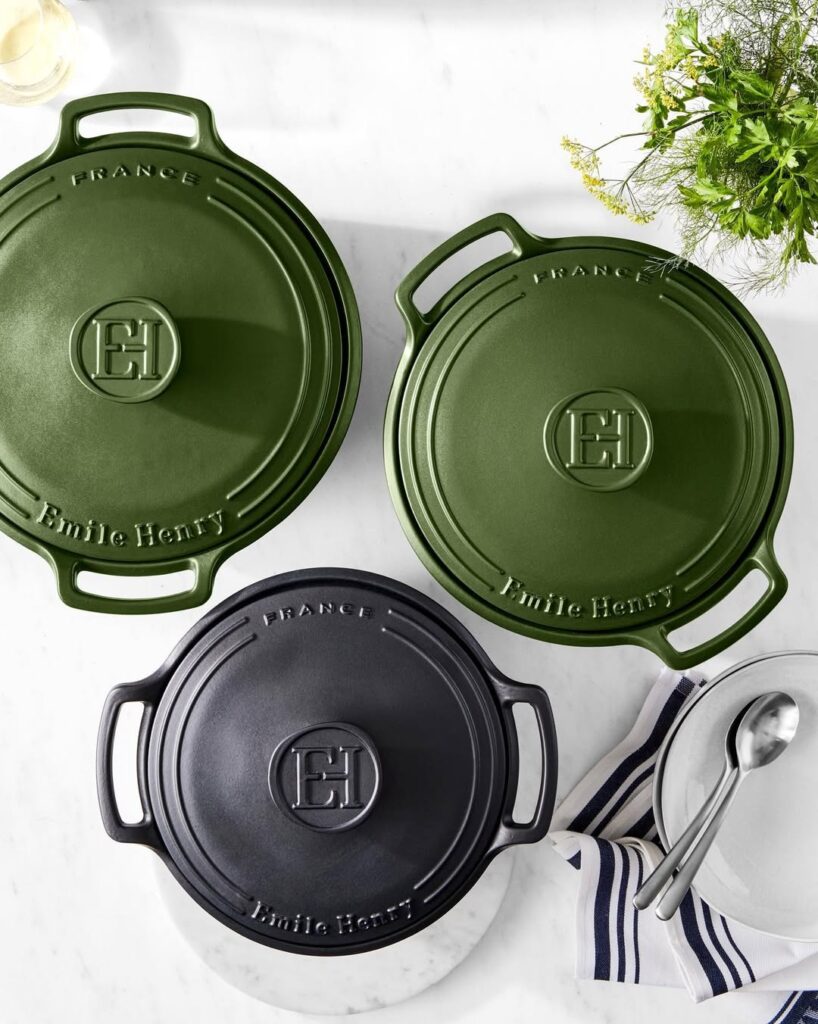
The lid deserves its own standing ovation.
Seriously.
A bad lid leaks moisture and heat. A good lid creates a sealed cooking environment where flavors intensify and meat turns buttery tender.
Cuisiland nails this part.
The heavy lid traps steam exceptionally well, creating what pitmasters love most: self-basting moisture circulation.
As steam rises, it condenses on the lid and falls back onto the food.
Translation?
Juicier meat. Richer stews. Better texture.
This becomes obvious during braising.
I made short ribs in one of these and barely needed to check liquid levels during the cook. The moisture retention was that good.
And for outdoor cooks, the lid lip is a game changer.
You can place hot coals directly on top for true 360-degree heat. That’s essential for baking biscuits, cornbread, or campfire cobblers.
There’s something deeply satisfying about pulling fresh bread from a Dutch oven outdoors while someone nearby burns hot dogs on a folding grill.
Cooking Performance: Where Cuisiland Earns Its Reputation
Pretty cookware is nice.
But if it cooks unevenly, it becomes an expensive kitchen decoration.
Thankfully, Cuisiland Dutch Ovens perform exactly how cast iron should.
Heat Distribution
Cast iron isn’t known for fast heating. It’s known for steady heating.
That distinction matters.
These Dutch ovens take a little longer to preheat than aluminum cookware, but once they’re hot, they maintain temperature beautifully.
I noticed very few hot spots during testing.
Whether searing meat or simmering stew, the cooking surface stayed impressively consistent.
That consistency is huge for:
- Braising
- Deep frying
- Baking
- Smoking side dishes
- Campfire cooking
Especially outdoors where wind can wreck thinner cookware.
Searing Performance: Crust Matters
If you love crusty bark on meat, cast iron becomes addictive.
The thermal mass inside Cuisiland Dutch Ovens creates excellent searing conditions.
I tested:
- Chuck roast
- Pork shoulder cubes
- Chicken thighs
- Steak tips
Every one developed a deep, aggressive crust without needing screaming-hot burner settings.
That’s because cast iron stores energy differently than stainless steel.
When cold meat hits the surface, temperature recovery happens fast.
Translation:
- Better browning
- Less steaming
- More flavor
And flavor is the entire point of cooking.
People buy expensive seasoning blends trying to create flavor while ignoring the Maillard reaction sitting right in front of them.
A good sear solves many culinary problems.
Bread Baking: Shockingly Good
Dutch ovens and bread baking are basically best friends now.
And honestly, I get it.
The enclosed environment inside Cuisiland Dutch Ovens creates steam naturally, which helps bread develop:
- Crispy crust
- Better oven spring
- Chewy texture
- Beautiful color
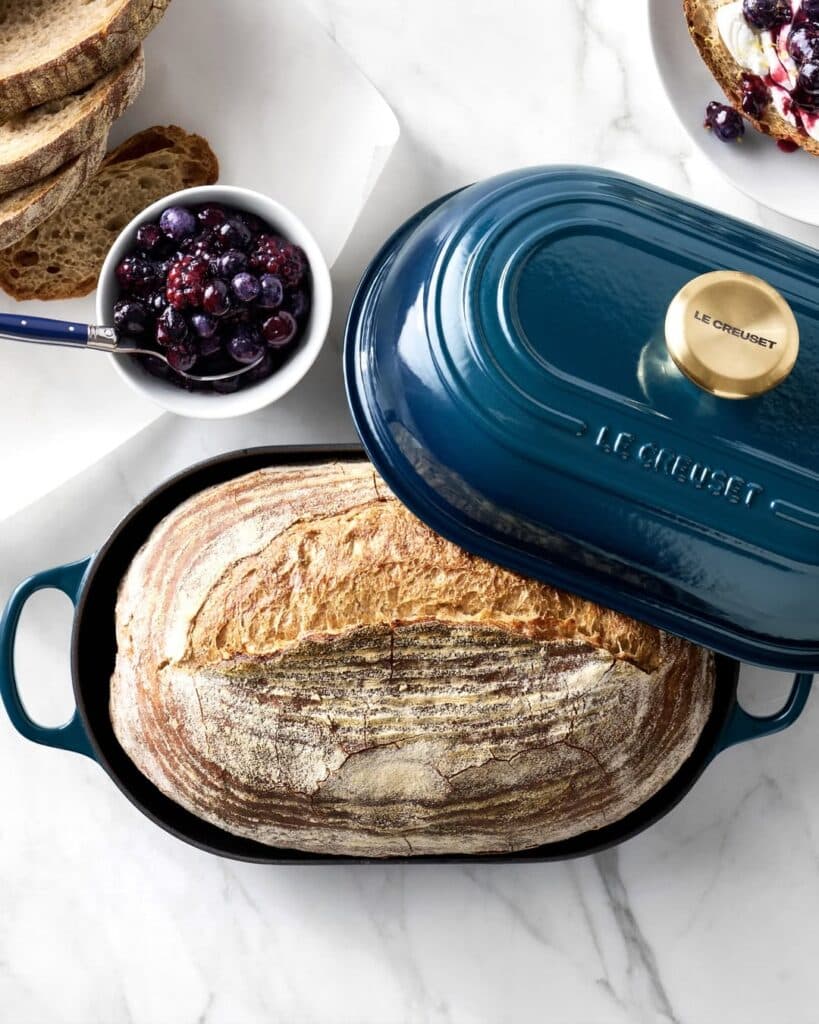
I baked a no-knead loaf in mine that looked suspiciously like something from a fancy bakery where sourdough costs more than gasoline.
The crust cracked perfectly. The crumb stayed airy. The heat retention stayed rock solid.
And unlike thinner cookware, the bottom didn’t scorch aggressively.
That’s a huge win.
Campfire Cooking: This Is Where It Comes Alive
Some cookware claims to be outdoor-ready.
Then you actually take it camping and discover the handles feel like dental instruments and the lid warps after two fires.
Not here.
Cuisiland Dutch Ovens feel purpose-built for live-fire cooking.
The legs stabilize beautifully over coals. The bail handle makes hanging easy. And the lid design handles charcoal placement extremely well.
I tested one during a windy evening cookout making campfire chili.
Normally, outdoor temperature fluctuations become annoying fast. But the Dutch oven maintained heat surprisingly well.
That’s the beauty of heavy cast iron:
it doesn’t panic when conditions change.
Meanwhile, everyone else was chasing paper plates across the yard.
Seasoning and Maintenance
Now we arrive at the section that scares new cast iron owners.
Relax. Cast iron maintenance is dramatically easier than the internet makes it sound.
No, your Dutch oven won’t explode if soap touches it.
No, your ancestors won’t rise from the grave if you scrub it.
Modern Cuisiland Dutch Ovens come pre-seasoned, meaning they already have a baked-in oil layer for protection and nonstick performance.
Out of the box, mine cooked well immediately.
Still, seasoning improves over time.
The more you cook fatty foods, the better the surface gets.
That’s one reason pitmasters love cast iron. It ages like barbecue wisdom and country music.
Cleaning Tips
My cleaning process is simple:
- Warm water
- Soft scrub brush
- Dry thoroughly
- Thin oil coating
That’s it.
No complicated rituals involving moon phases and sacred bacon grease.
The biggest enemy is moisture.
Leave cast iron wet and rust shows up faster than relatives when brisket is done.
Real-World Cooking Tests
I pushed these Dutch ovens through several meals specifically to see where they shine.
Beef Stew Test
Result? Excellent.
The browning stage developed deep flavor quickly, and the long simmer stayed incredibly stable.
The thick walls prevented scorching even during extended cooking.
And the potatoes absorbed flavor beautifully.
That’s the sign of proper moisture retention.
No-Knead Bread Test
This might’ve been the biggest surprise.
The crust quality rivaled dedicated bread ovens.
Steam retention inside the Dutch oven created bakery-level texture without extra gadgets or complicated hydration science.
Which is good because bread forums can become terrifyingly intense.
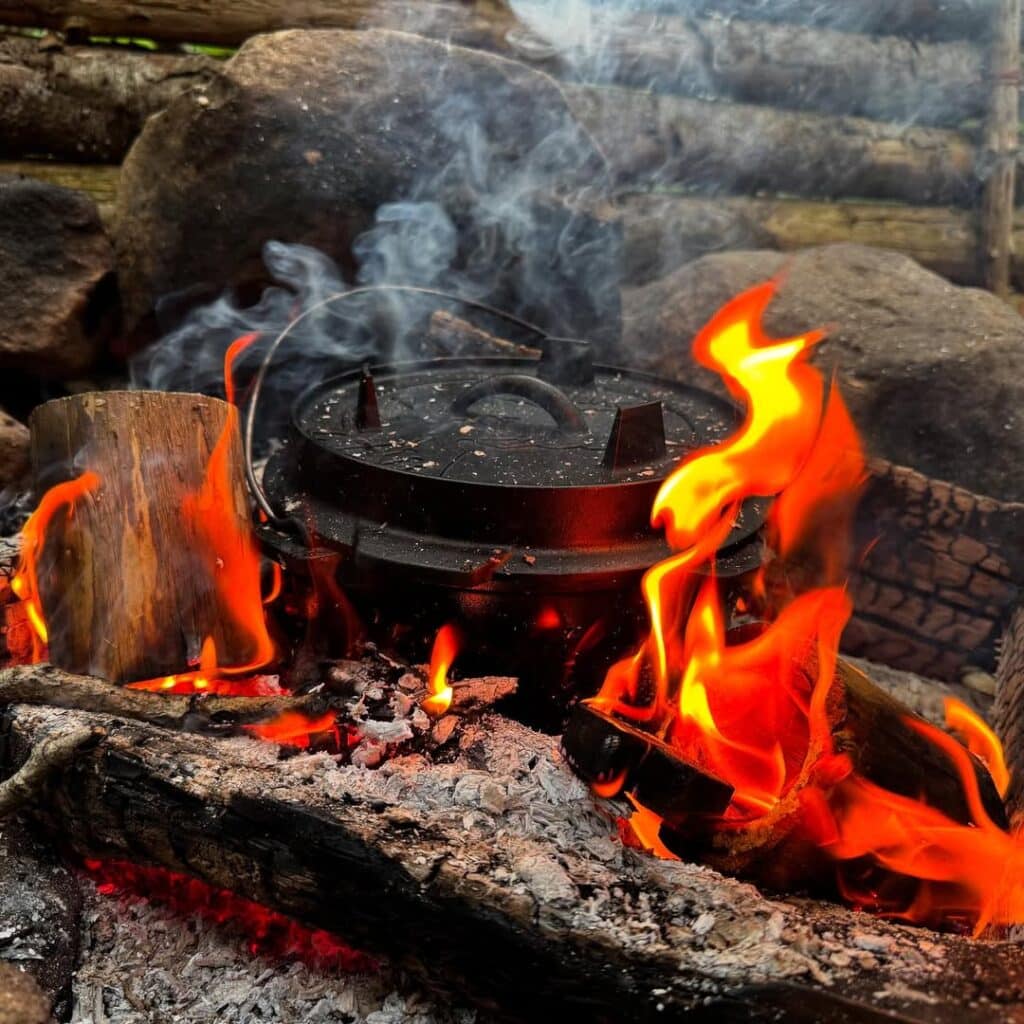
Campfire Chili Test
Outdoor cooking reveals weaknesses fast.
Thin cookware struggles. Cheap lids leak. Handles become awkward.
But Cuisiland Dutch Ovens handled live-fire cooking exceptionally well.
The lid stayed stable. Heat remained consistent. Coal management felt easy.
And the chili developed that slow-cooked depth that only happens when smoke, iron, and time work together.
Slow-Smoked BBQ Ribs Test
If you thought Dutch ovens were only for soups, this test will change your mind.
The goal was to see if we could mimic a backyard smoker using just the stove and a bed of wood chips. I laid a few hickory chips at the bottom, placed the ribs on a small rack inside, and let the Cuisinland do the rest.
- The Result: The seal on the lid is so precise that it held the smoke inside the pot rather than venting it into my kitchen.
- The Texture: After three hours, the meat was “bite-off-the-bone” tender – not mushy, but structurally perfect.
- The Cleanup: Usually, burnt-on BBQ sauce is a death sentence for cookware, but the enamel surface released the caramelized sugar with just a quick soak.
It turns out you don’t need a $1,000 pellet grill when you have a heavy iron lid and a little bit of patience.
The Downsides
No product is perfect.
And yes, there are tradeoffs.
They’re Heavy
Very heavy.
If you struggle lifting large cookware, especially when full, this matters.
A fully loaded Dutch oven feels like carrying a kettlebell full of soup.
Use two hands. Respect gravity.
They Need Maintenance
Cast iron requires care.
Not difficult care. Just consistent care.
You can’t toss it in the dishwasher and disappear emotionally from the relationship.
Longer Preheating
Cast iron rewards patience.
If you rush preheating, food sticks more easily.
These Dutch ovens perform best when gradually heated.
Think barbecue mindset, not microwave mindset.
How Cuisiland Compares to Other Brands
Against Lodge, Cuisiland feels slightly more refined aesthetically while still maintaining rugged functionality.
Against premium enameled brands like Le Creuset, Cuisiland wins heavily on outdoor versatility and price.
Compared to camping-focused brands, Cuisiland strikes a nice middle ground:
- Serious outdoor capability
- Attractive kitchen presentation
- Excellent heat retention
- Strong value
That balance matters.
Some Dutch ovens look great indoors but struggle outdoors. Others feel purely utilitarian.
Cuisiland Dutch Ovens manage both.
Who Should Buy One?
These are perfect for:
- Pitmasters
- Campfire cooks
- Bread bakers
- BBQ enthusiasts
- Slow-cooking fanatics
- People who appreciate heirloom cookware
They’re especially great if you enjoy cooking methods that involve patience and fire.
If your ideal meal takes six hours and makes the neighbors jealous, this cookware makes sense.
If you only cook instant noodles and occasionally microwave coffee, this may be overkill.
Though honestly, chili alone almost justifies owning one.
Top 3 Best Alternatives to Think About
If you love the rugged outdoor-ready feel of Cuisiland Dutch Ovens, the best alternatives come down to three things: heat retention, lid performance, and campfire durability.
Some brands lean more premium and kitchen-focused, while others are built like they expect you to cook chili in the woods during a thunderstorm.
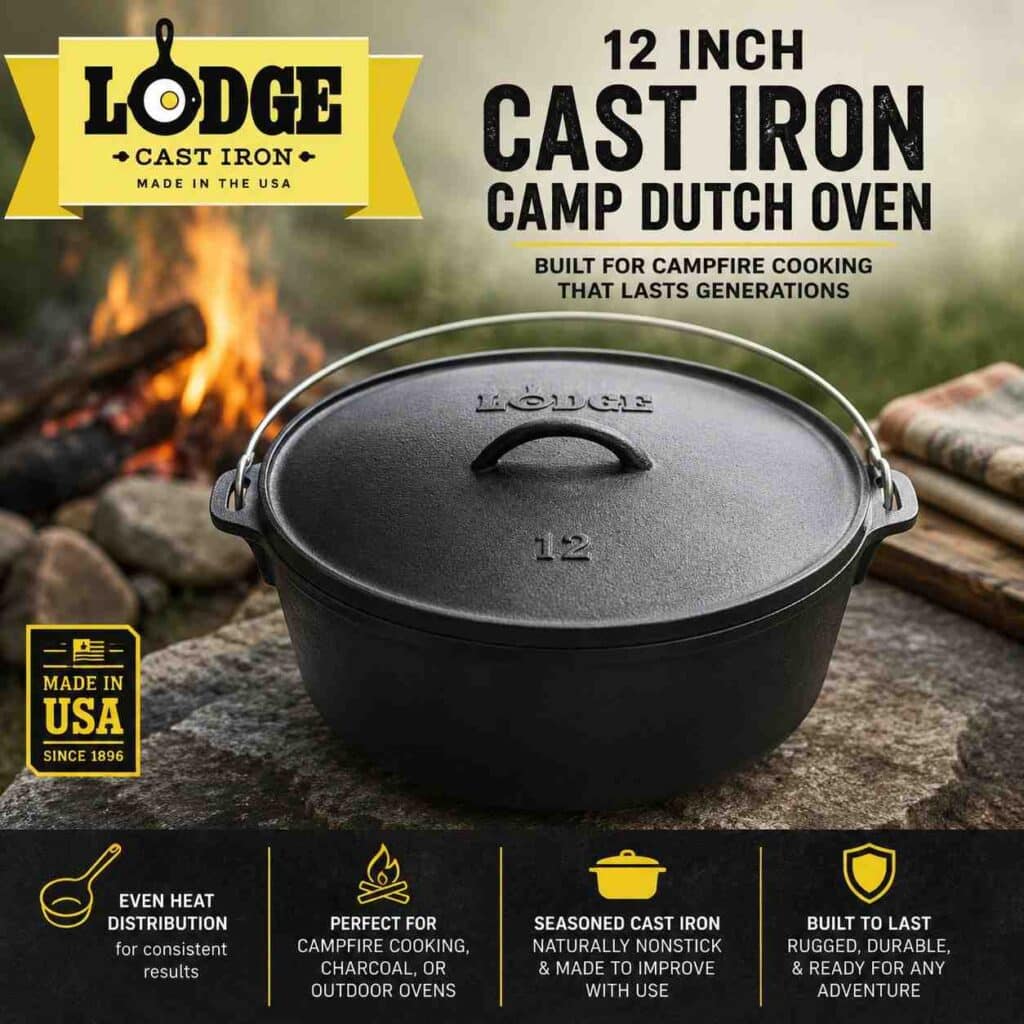
1. Lodge 12 Inch Cast Iron Camp Dutch Oven
The closest match to Cuisiland for rugged campfire cooking, excellent heat retention, and classic cast iron durability.
Lodge is basically the pickup truck of cast iron cookware. It’s dependable, proven, and everywhere for a reason.
What makes it such a strong alternative:
- Excellent heat retention
- Campfire-ready legs and lid
- Proven seasoning quality
- Easier to find replacement accessories
- Great value for the money
For pitmasters and outdoor cooks, Lodge feels very similar to Cuisiland in actual cooking performance. It excels at:
- Braising
- Campfire stews
- Bread baking
- BBQ side dishes
- Coal cooking
The finish isn’t as visually dramatic as Cuisiland’s hammered design, but performance-wise, it’s extremely close.
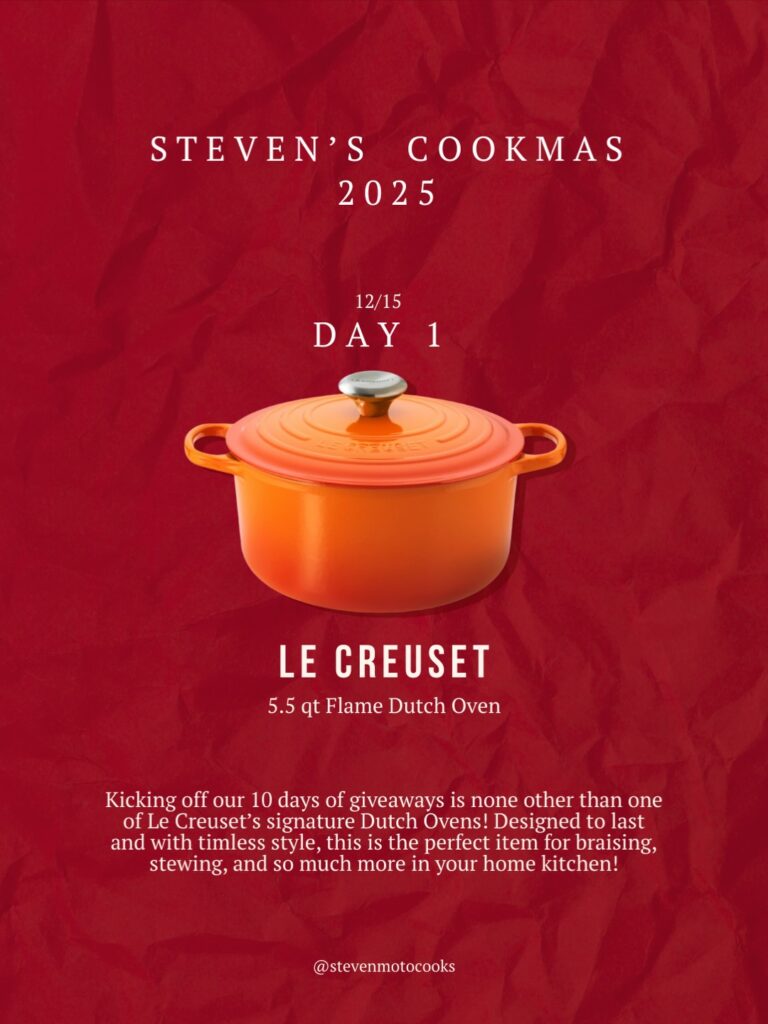
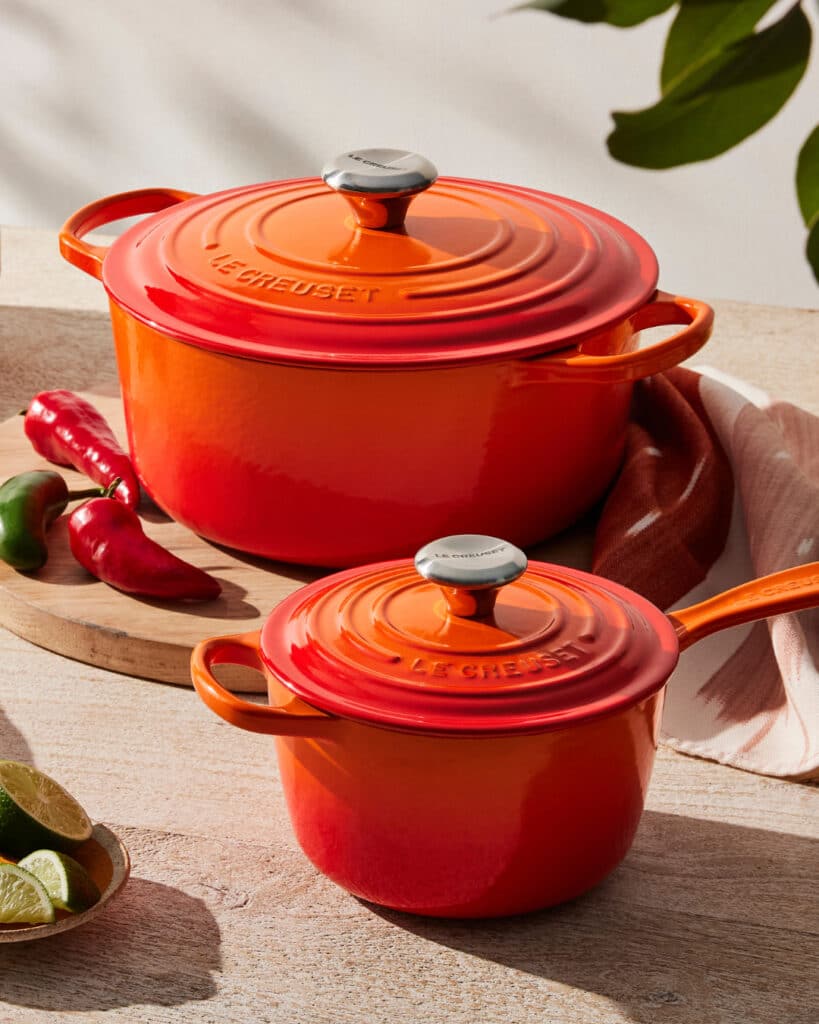
2. Le Creuset Signature Cast Iron Round French Oven
A premium heirloom-grade Dutch oven with exceptional heat control, refined enamel construction, and legendary durability.
This is the luxury steakhouse version of a Dutch oven.
Le Creuset is famous for:
- Outstanding heat distribution
- Durable enamel coating
- Lighter feel compared to raw cast iron
- Superb moisture retention
- Long-term durability
Where it differs from Cuisiland:
- Better for indoor kitchen cooking
- Less ideal for direct campfire abuse
- Much more expensive
- Easier maintenance thanks to enamel coating
If you want heirloom cookware that moves seamlessly from smoker-side beans to a dinner party centerpiece, this is the premium choice.
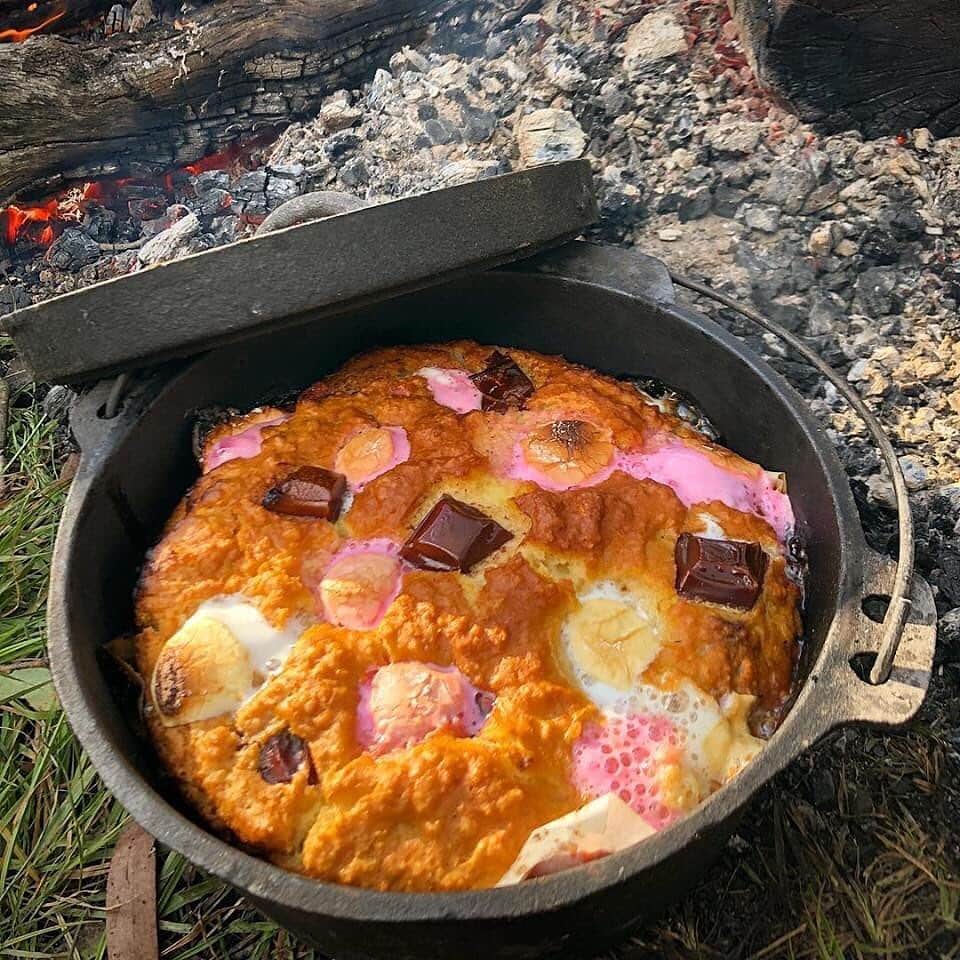
3. Camp Chef Classic 14″ Dutch Oven
A rugged outdoor-focused Dutch oven designed specifically for charcoal, live-fire cooking, and camping performance.
Camp Chef leans heavily into outdoor cooking practicality.
This one shines for:
- Coal cooking
- Camping
- Open-fire cooking
- Large batch meals
- BBQ cookouts
The deeper lid lip handles charcoal beautifully, and the heavy-duty construction feels purpose-built for outdoor use.
Compared to Cuisiland:
- Slightly more utilitarian appearance
- Extremely outdoor-focused
- Excellent value
- Great for large family cooks and tailgates
This is the Dutch oven I’d hand to someone cooking beside a smoker while juggling ribs and baked beans.
Final Verdict: Are Cuisiland Dutch Ovens Worth It?
Absolutely.
What makes Cuisiland Dutch Ovens stand out isn’t flashy technology or gimmicks.
It’s solid engineering.
Thick cast iron. Excellent heat retention. Reliable lid performance. Outdoor-ready durability.
Beautiful rustic styling.
They do exactly what great cookware should do:
make cooking feel enjoyable.
And in an era where appliances keep adding touchscreens nobody asked for, there’s something refreshing about cookware built around physics instead of apps.
Fire. Iron. Time.
That combination still works.
And after plenty of testing, searing, braising, baking, and campfire cooking, I can confidently say these Dutch ovens earn their reputation the old-fashioned way:
By cooking incredibly good food.
FAQ
Are Cuisiland Dutch Ovens pre-seasoned?
Yes. Most Cuisiland Dutch Ovens come pre-seasoned straight from the factory, so they’re ready to cook with right out of the box. That said, the seasoning improves over time the more you cook fatty foods like bacon, chili, or short ribs.
Can you use Cuisiland Dutch Ovens on a campfire?
Absolutely. That’s one of their biggest strengths. The legs, heavy lid, and bail handle make them ideal for charcoal cooking, fire pits, and live-fire camp cooking.
What makes the hammered finish different?
The hammered exterior is mostly aesthetic, but it also helps hide scratches and adds a rugged heirloom look. It gives Cuisiland Dutch Ovens a handcrafted appearance that stands out from smoother cast iron cookware.
Are Cuisiland Dutch Ovens good for bread baking?
Yes. The heavy cast iron and tight-fitting lid create excellent steam retention, which helps produce crispy crusts and strong oven spring for artisan-style bread.
How heavy are Cuisiland Dutch Ovens?
They’re definitely on the heavy side. That extra weight comes from thick cast iron construction, which improves heat retention and cooking stability. Just be prepared to use both hands when it’s full of stew.
Can you use soap to clean a Cuisiland Dutch oven?
A small amount of mild soap is fine occasionally. The old “never use soap” rule mostly comes from older seasoning methods. The key is drying the Dutch oven thoroughly and applying a light coat of oil afterward.
Do Cuisiland Dutch Ovens work on induction cooktops?
Yes. Since they’re made from cast iron, they work very well on induction stoves along with gas grills, ovens, smokers, and charcoal setups.
What foods cook best in Cuisiland Dutch Ovens?
They’re excellent for:
- Beef stew
- Chili
- Braised short ribs
- Pulled pork
- No-knead bread
- Soups
- Campfire cobblers
- Smoked baked beans
Basically, any recipe that benefits from steady heat and long cooking times.
How do you prevent rust on cast iron Dutch ovens?
Dry the Dutch oven immediately after washing, warm it slightly to remove hidden moisture, and apply a thin coat of cooking oil before storage. Moisture is the main enemy of cast iron.
Can you deep fry in a Cuisiland Dutch oven?
Yes. Cast iron holds heat extremely well, making it great for frying chicken, fries, or fish. The stable temperature helps food cook more evenly and stay crisp.
How long do Cuisiland Dutch Ovens last?
With proper care, they can last decades. Cast iron cookware is famous for becoming better with age, and many Dutch ovens get passed down through generations.
Are Cuisiland Dutch Ovens better than enameled Dutch ovens?
It depends on your cooking style. Bare cast iron models like Cuisiland excel at outdoor cooking, high heat, and rugged durability. Enameled Dutch ovens are easier to clean but usually less suited for direct campfire cooking.
Do Cuisiland Dutch Ovens need re-seasoning?
Eventually, yes. Over time, the seasoning layer may thin out or develop dry spots. Re-seasoning is simple: apply a thin layer of oil and bake the Dutch oven at high heat to restore the protective coating.
What size Cuisiland Dutch oven is best for families?
A 5- to 7-quart model works well for most families. It’s large enough for soups, stews, bread, and braises without becoming too difficult to handle.
Can you use metal utensils with Cuisiland Dutch Ovens?
Yes, though wooden or silicone utensils help preserve the seasoning longer. Cast iron is durable, but aggressive scraping can wear down the seasoning layer over time.
Why do pitmasters like cast iron Dutch ovens so much?
Because cast iron handles heat beautifully. Pitmasters love the steady temperatures, strong searing ability, and versatility for cooking everything from smoked chili to barbecue beans and cobblers beside the smoker.
Featured image credit: @muellerhome_
