
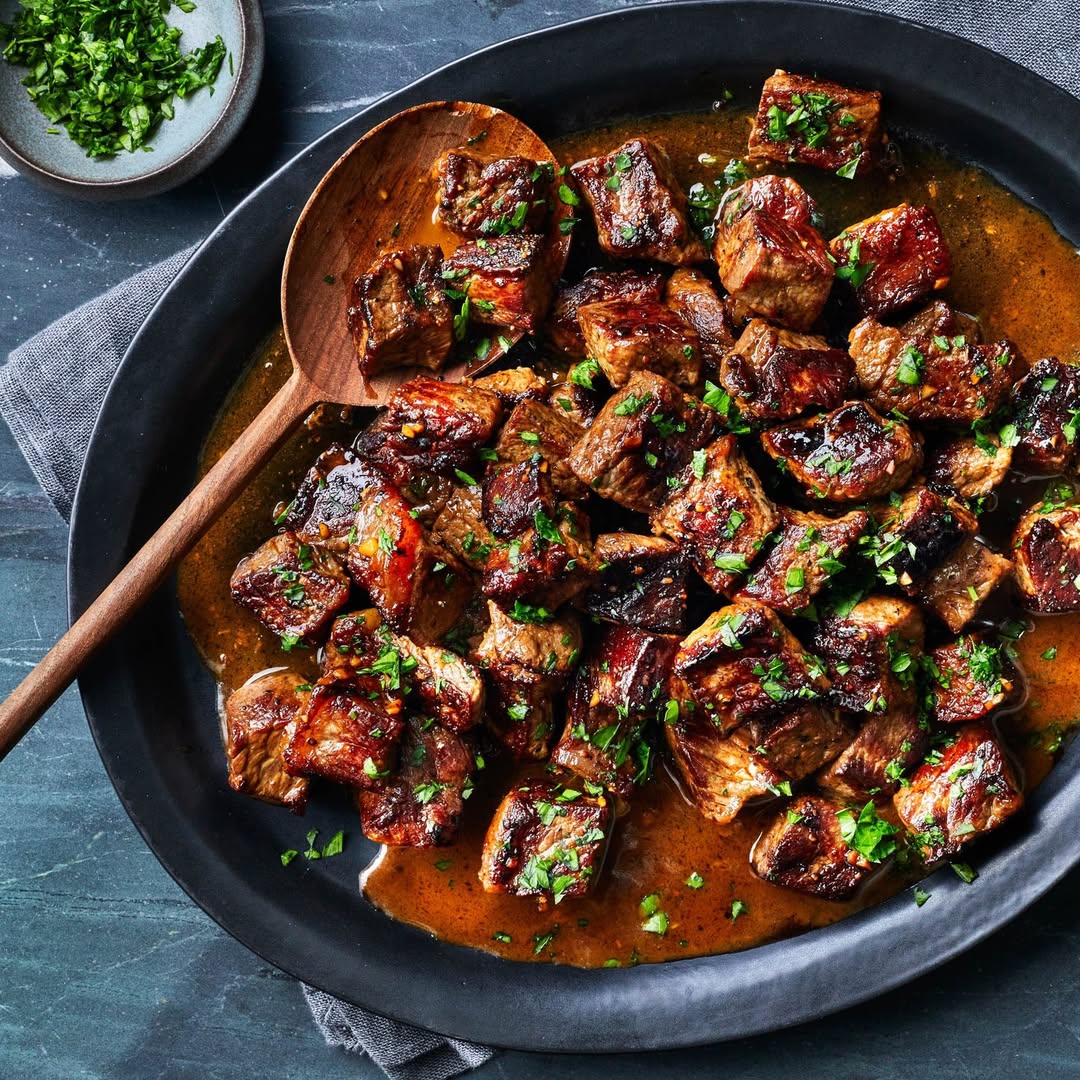
Forty-dollar steaks carry high emotional stakes, especially when the final result resembles an old work boot more than dinner.
What begins as excitement over rich marbling and steakhouse potential can quickly turn into frustration when the meat comes out gray, chewy, unevenly cooked, and painfully far from the tender, juicy experience you imagined.
We’ve all been there. But what if I told you there was a way to get maximum crust, total temperature control, and a faster path to dinner?
Enter the steak bite.
Learning how to cook steak bites is essentially the “cheat code” of the culinary world. By breaking a steak down into uniform cubes, you increase the surface area for seasoning and searing.
It’s high-reward, low-risk, and honestly, eating dinner with a toothpick makes you feel like you’re at a permanent cocktail party. Let’s dive into how to master these nuggets of beefy gold.
The Meat of the Matter: Choosing Your Cut
Before you turn on the stove, we need to talk about the guest of honor.
You can’t turn a piece of luggage into a filet mignon just by cutting it smaller. If you start with a tough, lean cut like round steak, you’re going to be chewing until next Tuesday.
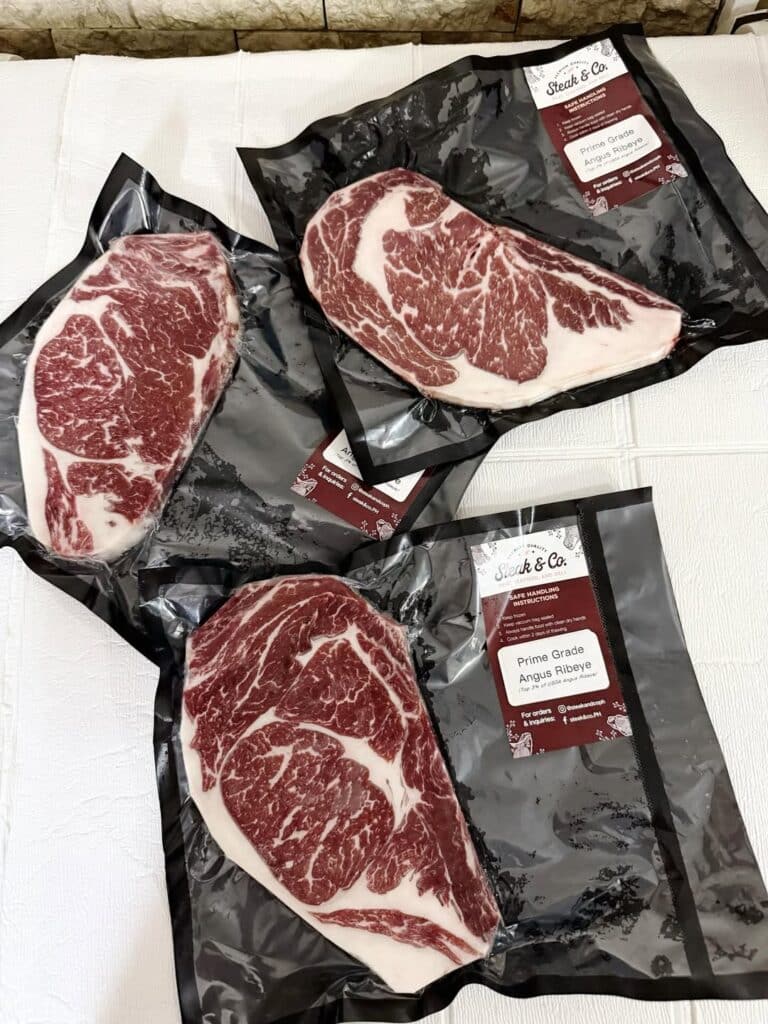
For the absolute best results, top sirloin is your MVP. It is the perfect middle ground: lean enough that you aren’t biting into giant chunks of unrendered gristle, but tender enough to melt after a quick sear.
If you’re feeling flush and want to impress someone – perhaps a date or just your very judgmental cat – ribeye or filet mignon are the luxury choices. The ribeye offers a fatty, rich flavor, while the filet provides that buttery texture that defines “bliss.”
If you’re on a budget, look for chuck eye. It’s often called the “poor man’s ribeye.” It has great marbling but requires you to be a bit more surgical when cubing it to remove any heavy connective tissue.
Whatever you buy, look for heavy marbling – those little white flecks of fat are essentially flavor insurance policies.
The Science of How to Cook Steak Bites
Why do steak bites taste so much better than a standard steak? It’s all down to the Maillard Reaction. This is the chemical reaction between amino acids and reducing sugars that gives browned food its distinctive flavor.
When you cook a whole steak, you have two surfaces of “crust.” When you cook steak bites, you have six.
To achieve this, you must follow the golden rule: Moisture is the enemy of the sear. If your meat is damp when it hits the oil, it will steam. Steamed beef is gray, sad, and tastes like disappointment.
Always pat your steak cubes bone-dry with paper towels before seasoning.
Secondly, do not crowd the pan. If you dump two pounds of beef into a small skillet, the temperature will plummet, the juices will leak out, and you’ll end up boiling your steak in its own grey bath.
Cook in batches. Give those bites some personal space; they’re introverts.
Essential Kitchen Tools
You don’t need a laboratory, but you do need the right gear.
- The Cast Iron Skillet: This is non-negotiable. Cast iron retains heat better than anything else, ensuring that when the cold meat hits the pan, the pan fights back.
- High-Smoke Point Oil: Leave the extra virgin olive oil in the pantry for your salad. For steak bites, you need avocado oil, grapeseed oil, or clarified butter (ghee). These can handle the 400°F+ temperatures required to get a crust without filling your kitchen with a localized smog cloud.
- The Meat Thermometer: Even with small bites, a quick check ensures you hit that perfect medium-rare.
The “Dry Brining” Secret
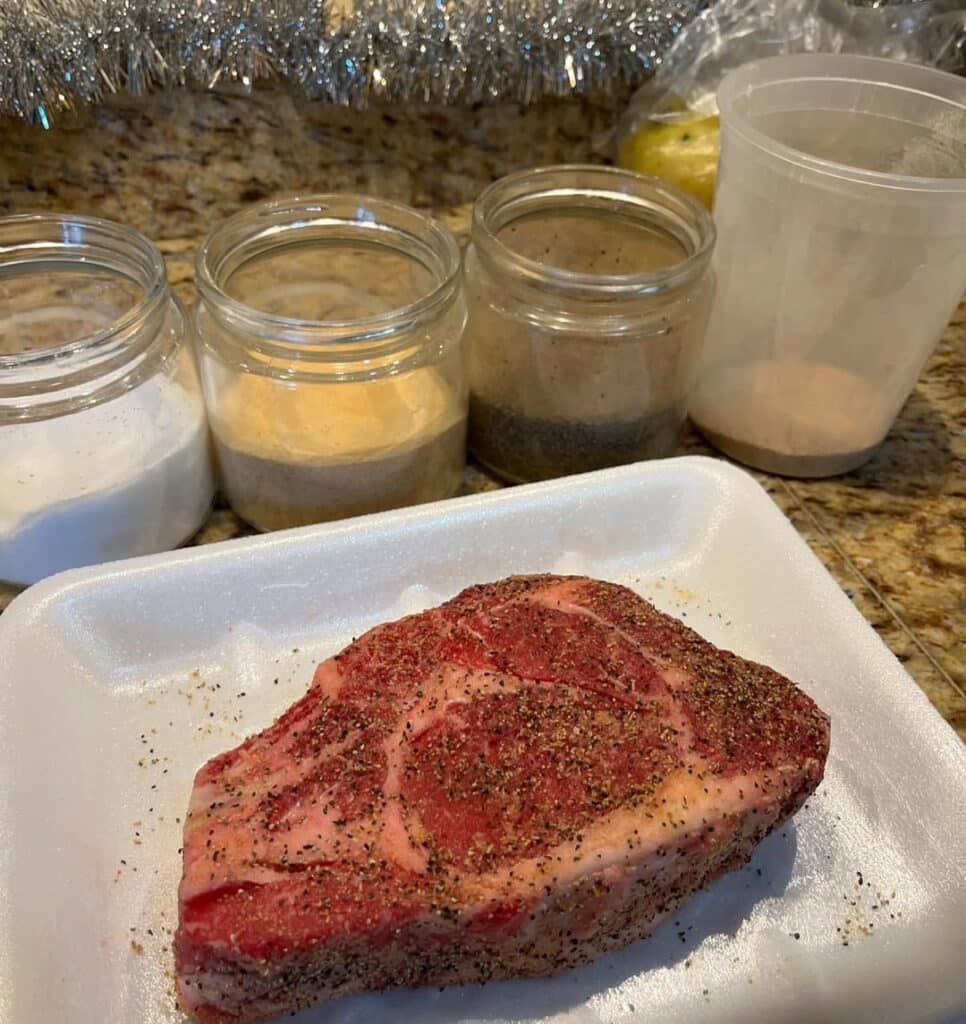
If you have an hour to spare, try dry brining. Sprinkle your steak cubes with salt and let them sit uncovered on a wire rack in the fridge. This allows the salt to penetrate deep into the fibers, breaking down proteins for superior tenderness.
It also dries out the surface even further, ensuring a glass-like crust that shatters when you bite into it.
Deglazing the Liquid Gold
Once the meat is out, don’t you dare wash that pan! The brown bits stuck to the bottom are called fond, and they are flavor concentrated. Pour in a splash of red wine or beef bone broth to deglaze the skillet.
Scrape the bottom with a wooden spoon to create a velvety pan sauce that coats your steak bites in a professional, restaurant-grade glaze.
Mind the Grain
Before you even start cubing, look for the muscle fibers. Even in small bites, you must cut against the grain. If you cut parallel to the fibers, the steak will be stringy and tough to chew.
By slicing across those fibers, you shorten them, ensuring that every piece of your bite-sized bliss is easy to eat and practically falls apart in your mouth.
The “Reverse Sear” for Thick Cuts
If you’ve stumbled upon an ultra-thick chateaubriand or thick-cut ribeye, try the reverse sear. Instead of starting with the pan, roast the whole steak in a low oven until it reaches 105°F.
Then, slice it into cubes and hit them with a flash-sear in a smoking hot skillet. This hybrid method guarantees an edge-to-edge pink interior with a crust so crispy it’s legally audible.
Flavor Profiles: From Texas to Tokyo
Once you master the basic technique, you can treat steak bites like a blank canvas.
- The Tex-Mex: Toss the finished bites in a mix of cumin, chili powder, and a squeeze of lime.
- The Umami Bomb: Swap the butter at the end for a splash of soy sauce, a teaspoon of grated ginger, and a drizzle of toasted sesame oil.
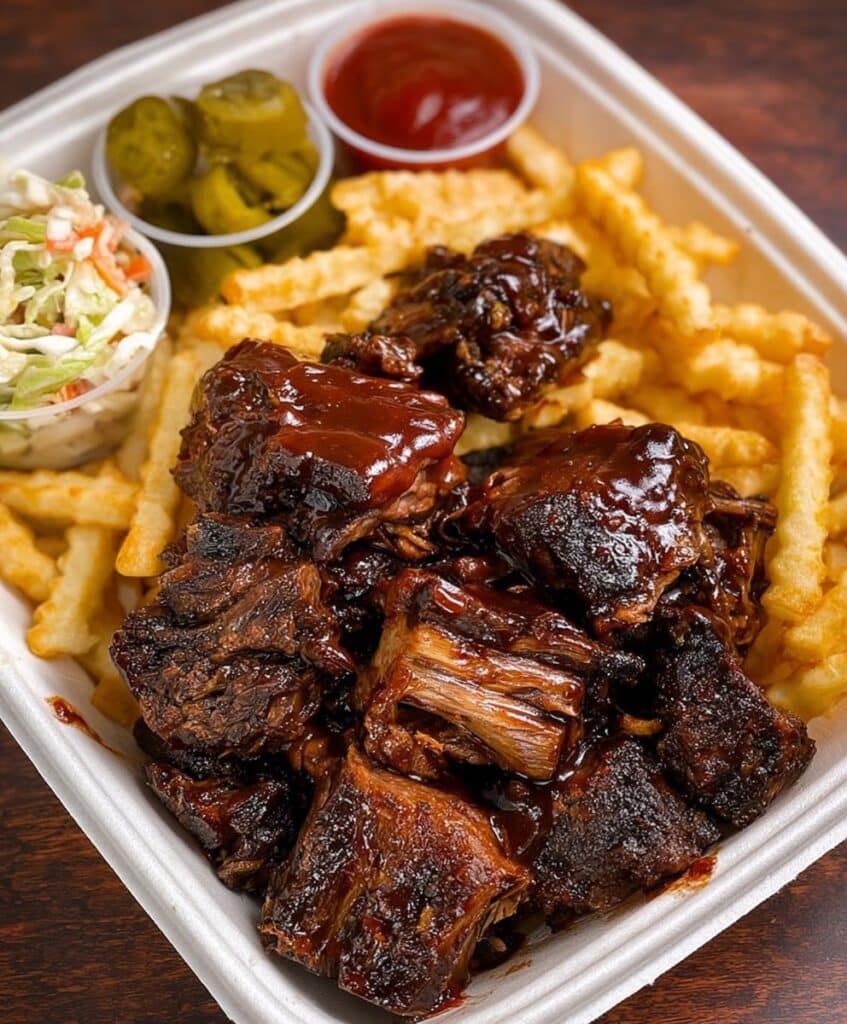
- The Pitmaster: Use a heavy-handed application of smoked paprika and brown sugar in your dry rub to give them a “burnt ends” vibe without the twelve-hour smoke time.
Serving and Pairing
Steak bites are the ultimate social food.
If you’re keeping it healthy, they are perfect for keto and meal prep. Toss them over a bed of cauliflower mash or some garlic-sauteed asparagus. The fat from the steak acts as a natural dressing for the greens.
If you’re having a “cheat day” (or a “cheat year”), serve these over a mountain of garlic mashed potatoes. The leftover garlic butter from the pan can be drizzled over the top like a delicious, artery-clogging gravy.
For a crowd, serve them in a big bowl with a side of creamy horseradish sauce or a bright, acidic chimichurri to cut through the richness.
Storage and Reheating (The “Don’t Ruin It” Phase)
If you have leftovers – though that’s a big “if” – store them in an airtight container for up to three days. When it comes to reheating, step away from the microwave. A microwave will turn your tender steak into a series of rubber erasers.
Instead, toss them back into a hot skillet for 60 seconds just to wake up the fats, or eat them cold right out of the fridge like the culinary warrior you are.
Final Thoughts
Learning how to cook steak bites is about more than just a quick meal; it’s about understanding heat management and the beauty of simplicity. You don’t need a sous-vide machine or a degree from a French institute.
You just need good meat, a hot pan, and the patience to let the sear happen.
Now go and buy a sirloin if you feel the need for some grilling, and create some bite-sized bliss.
Just remember: pat it dry, keep the pan hot, and never, ever skimp on the garlic butter. Your taste buds will thank you, and your dishes will finally look as good as they taste.
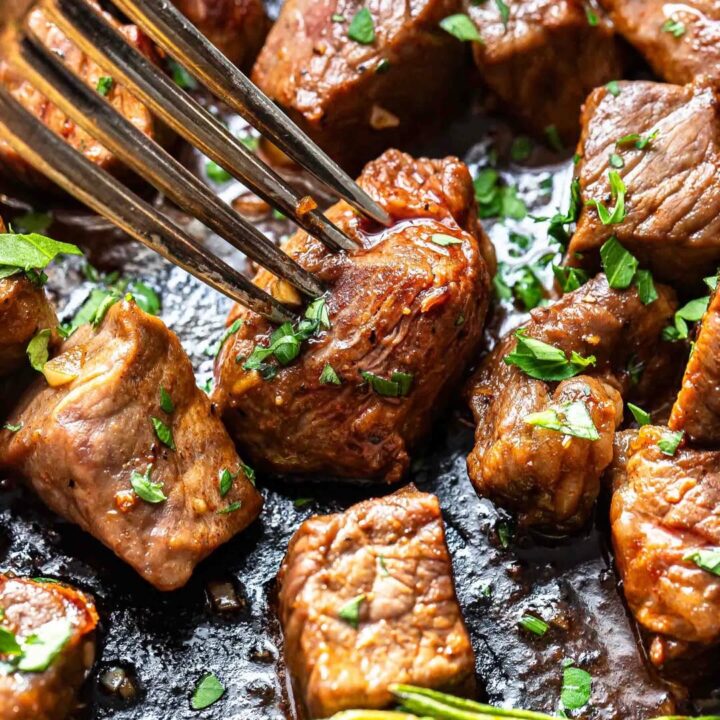
Garlic Butter Steak Bites
Image credit: @reciperunner
Ingredients
- Now, let's get down to the business of how to cook steak bites that people will actually talk about.
- The Setup:
- 1.5 lbs Top Sirloin, cut into 1-inch cubes
- 2 tbsp Avocado Oil
- 3 tbsp Unsalted Butter (the good stuff)
- 4 cloves Garlic, smashed
- 2 sprigs Fresh Rosemary or Thyme
- Kosher Salt and Coarse Black Pepper
Instructions
- Prep: Cube your meat and pat it dry. Season generously with salt and pepper right before cooking. If you salt too early and let it sit, it draws out moisture – and we already talked about why moisture is the villain in this story.
- The Heat: Get your skillet screaming hot over medium-high heat. Add the oil. It should shimmer and almost smoke.
- The Sear: Place the steak bites in a single layer. Let them sit undisturbed for 2 minutes. Resist the urge to poke them. You want a dark, mahogany crust.
- The Flip: Toss them around to sear the other sides for another 1-2 minutes.
- The Butter Baste: Turn the heat down to medium. Drop in the butter, the smashed garlic, and the herbs. As the butter foams, use a spoon to douse the steak bites in that liquid gold for about 30 seconds. This adds a nutty, aromatic finish that takes the dish from "home cook" to "executive chef."
Featured image credit: @foodandwine
