
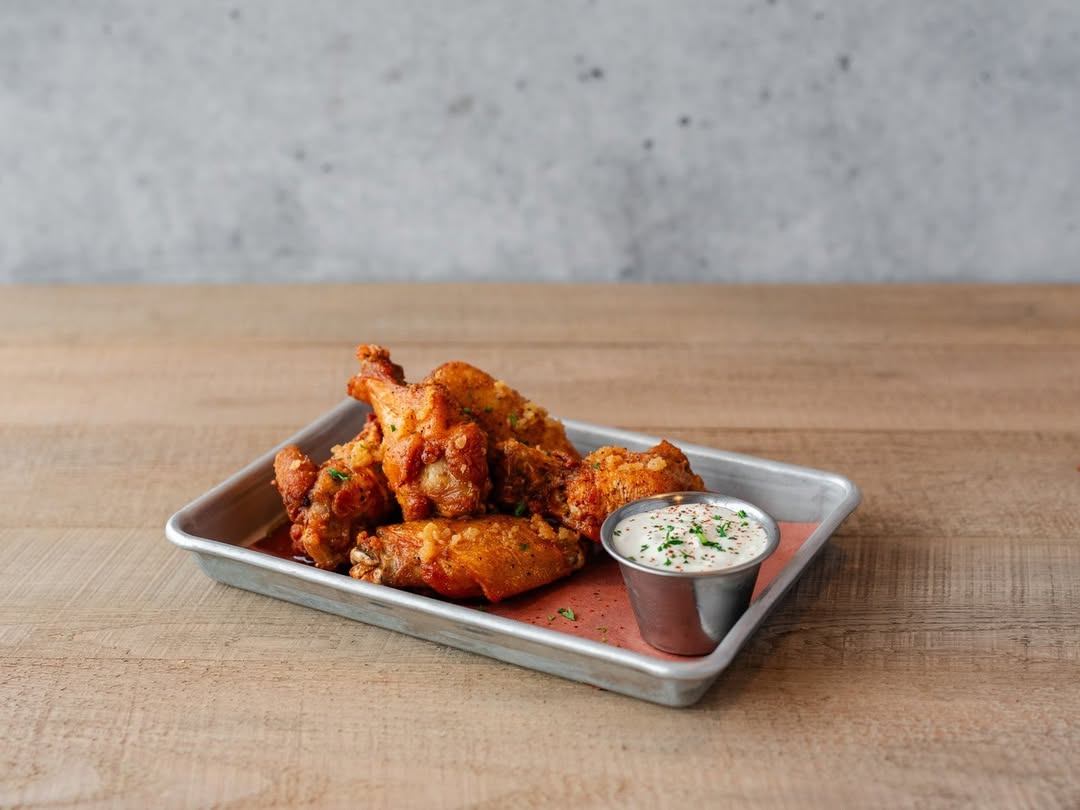
Let me say this straight: once you’ve had properly made smoked chicken wings, there’s no going back to the sad, greasy pile from the fryer.
I’ve been around pits long enough to know – smoke changes everything.
It doesn’t just cook the wings. It builds flavor from the inside out. You get that slow-kissed tenderness, that subtle wood aroma, and if you do it right, skin that bites back just enough.
This guide isn’t fluff. It’s the kind of knowledge you pick up after a few backyard wins… and a couple of very humbling mistakes (ask me about the time I oversmoked wings into tasting like a campfire accident).
By the end, you’ll know:
- How to prep like a pro
- How to nail perfect smoked chicken wings every time
- And how to make 5 flavor styles that people will actually remember
Why Choose Smoked Chicken Wings?
Here’s the thing: frying is fast, baking is easy – but smoking is intentional.
And it shows.
Smoked chicken wings deliver depth you just can’t fake. That wood smoke seeps in gently, layering flavor instead of blasting it.
A few reasons pitmasters swear by it:
- Flavor that builds, not overwhelms
You’re not just tasting sauce – you’re tasting the meat, the seasoning, and the smoke working together. - Juicy inside, lightly crisp outside
When done right, the texture hits that sweet spot. Not rubbery, not dry. - Less grease, more control
No oil baths here. You control the heat, the smoke, the outcome.
Also – and this matters – they smell incredible while cooking. Your neighbors will notice. They always do.
Essential Equipment for Smoking Wings
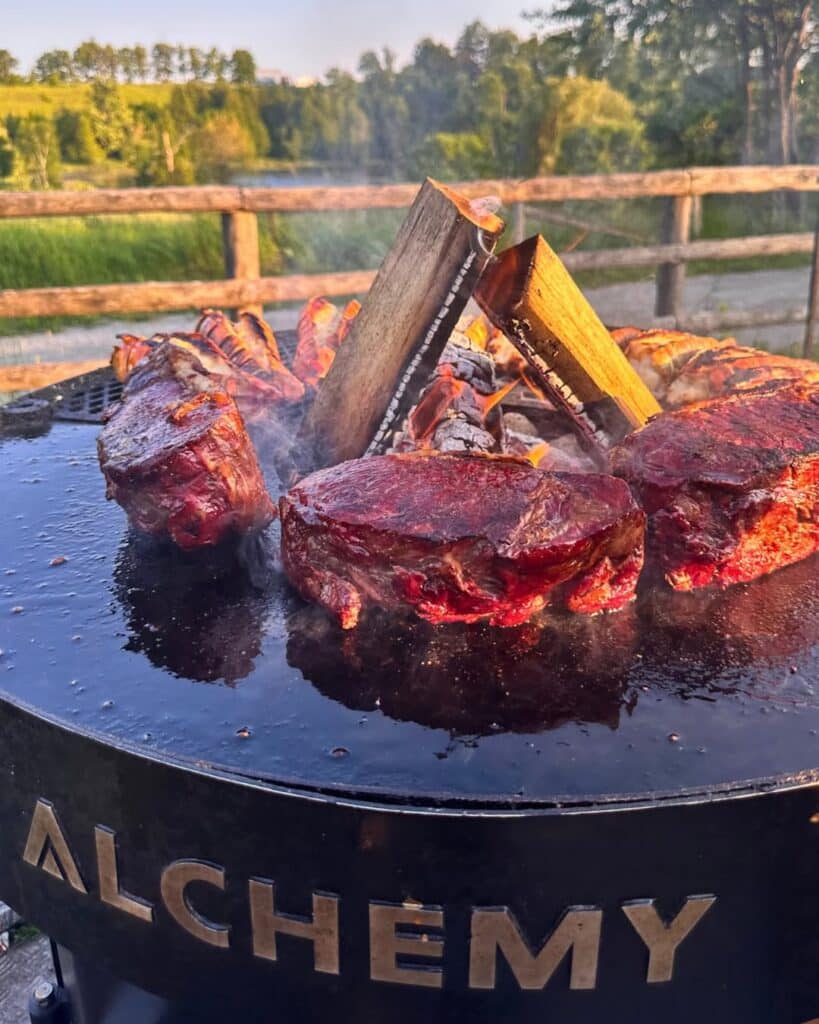
You don’t need a $2,000 setup to make great wings. But you do need to understand your tools.
Types of Smokers
I’ve cooked wings on just about everything that produces smoke:
- Charcoal smoker – Classic, hands-on, best flavor payoff
- Pellet grill – Set it and relax (great for consistency)
- Electric smoker – Beginner-friendly, low effort
Each works. What matters is how you use it.
Must-Have Tools
Don’t skip these:
- A reliable thermometer
Guessing is how you ruin good chicken. - Wood chips or pellets
This is your flavor engine. - Tongs (not a fork!)
Don’t stab your wings – you’ll lose those juices.
Best Wood for Chicken
Chicken is delicate. Treat it that way.
- Mild woods (best choice): apple, cherry
- Stronger woods (use lightly): hickory, mesquite
Too much heavy smoke and your smoked chicken wings will taste like you dragged them through a bonfire. Balance is everything.
Preparing Chicken Wings for Smoking
This is where most people cut corners – and where you quietly win.
Choosing the Right Wings
- Go for fresh if possible
- Split into flats and drumettes for even cooking
Prepping Like a Pitmaster
Here’s a small step that makes a big difference:
Pat them dry. Seriously.
Moisture is the enemy of crispy skin. If your wings are wet, they’ll steam instead of smoke.
Optional but powerful:
- Dry brine (recommended)
Salt the wings and let them sit in the fridge for a few hours – or overnight.
This pulls moisture out, then reabsorbs it with flavor.
Seasoning Basics
Start simple:
- Salt
- Pepper
- Garlic powder
From there, you can build anything. Just remember:
Season before smoking. Sauce after.
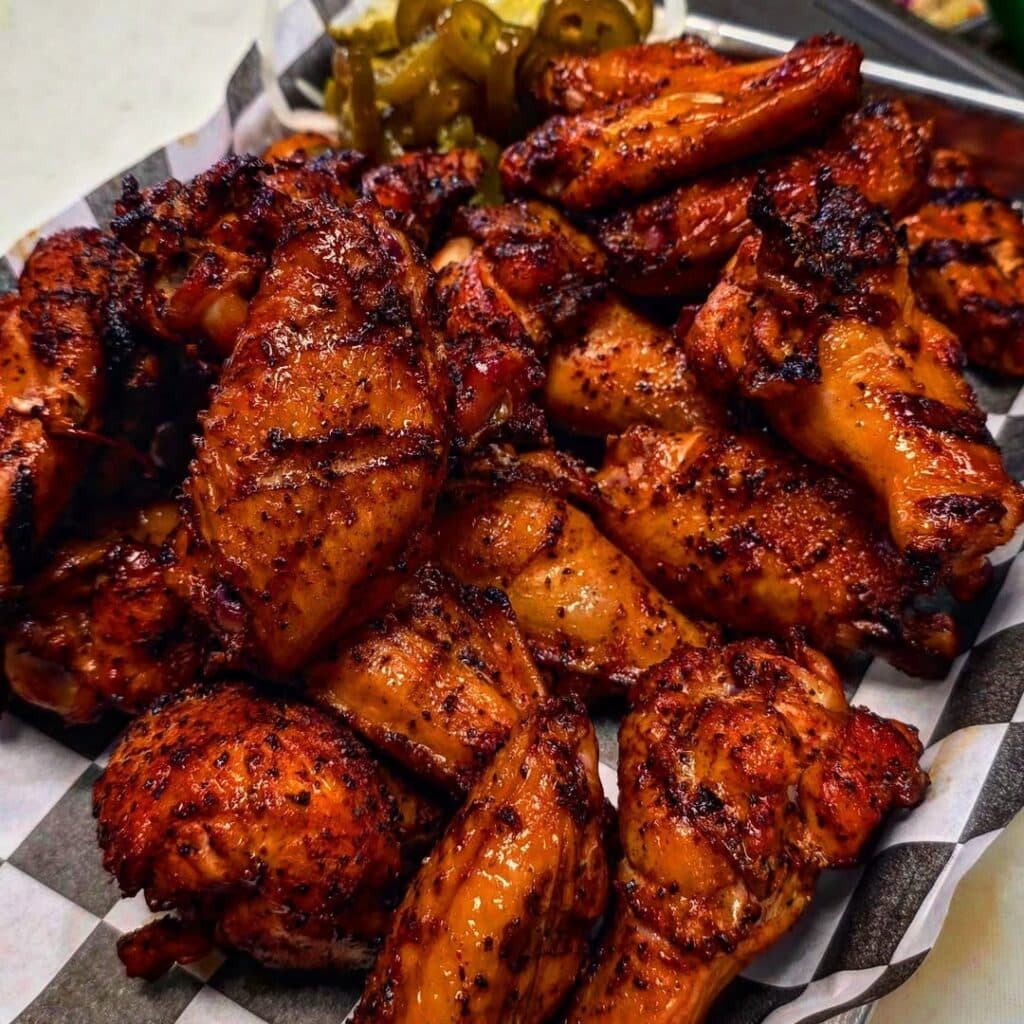
How to Smoke Chicken Wings Perfectly
Let’s keep this clean and practical.
Temperature and Timing
- Ideal temp: 225°F–250°F
- Cook time: 1.5 to 2 hours
Low and steady wins the race here.
The Process
- Preheat your smoker
- Add your chosen wood
- Lay wings out with space between them
- Let the smoke do its job
You’re aiming for an internal temp of 165°F.
How to Get Crispy Skin (The Trick Everyone Wants)
Here’s the honest truth:
Low heat alone won’t give you crispy skin.
So you finish strong:
- Crank the heat up in the last 10–15 minutes
- Or toss them on a hot grill
- Or even a quick oven blast
That final step turns good smoked chicken wings into unforgettable ones.
The 5 Best Smoked Chicken Wing Flavor Styles
Now the fun part.
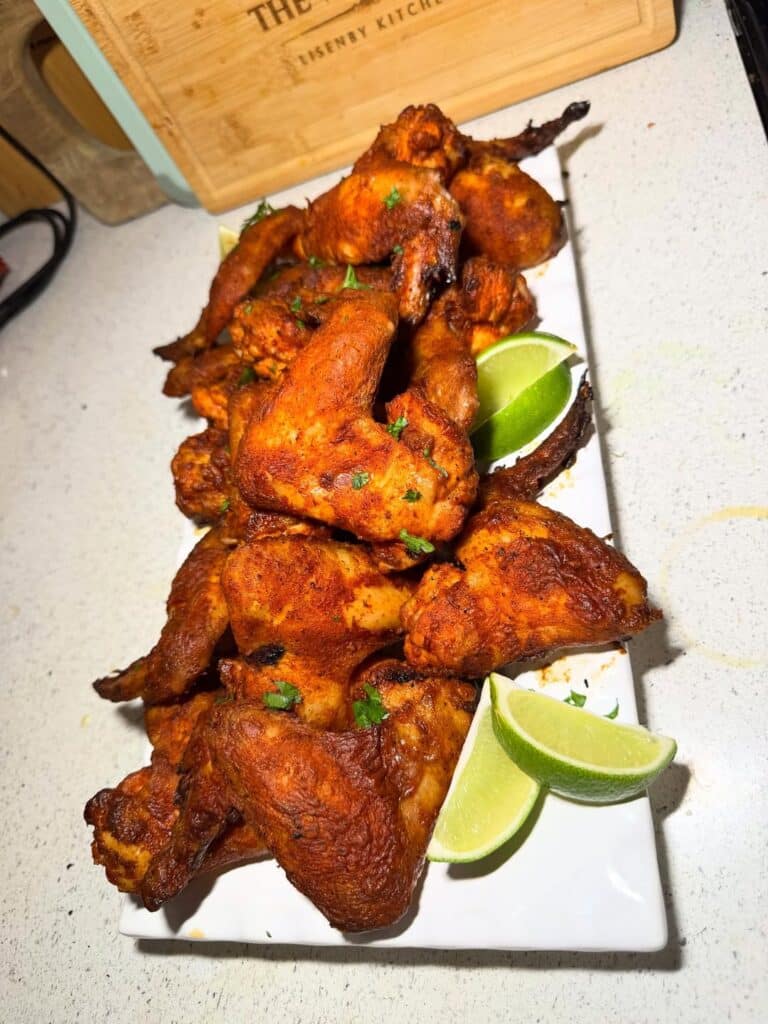
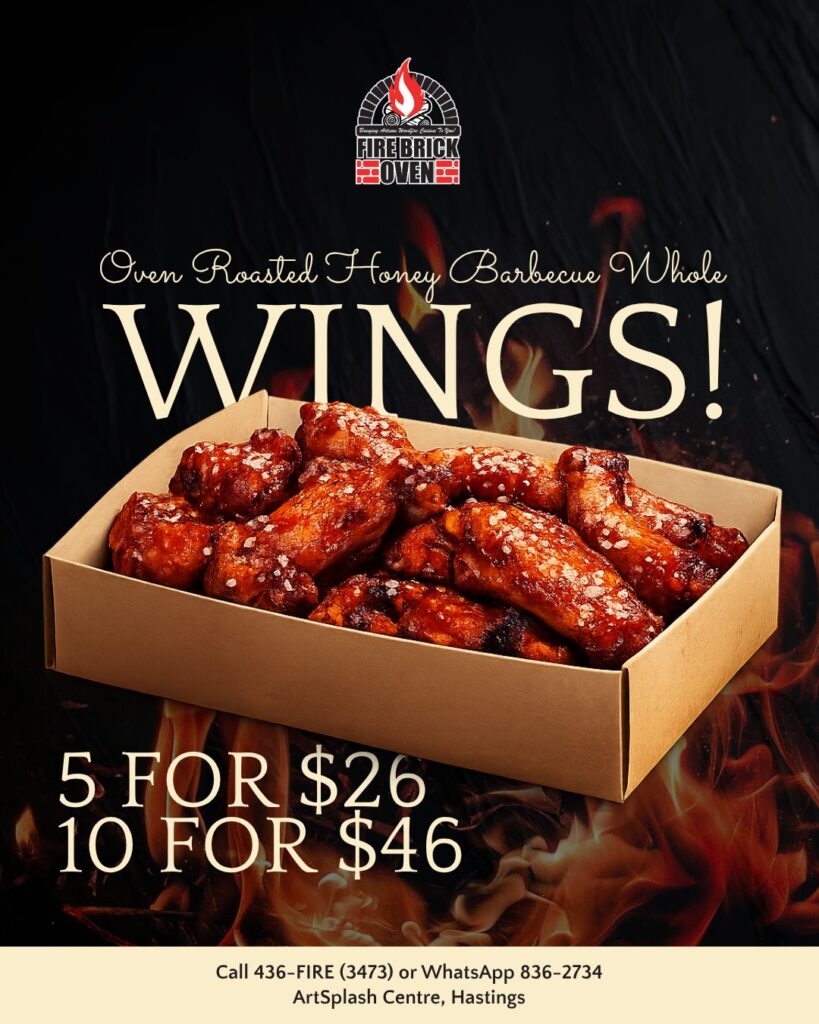
1. Classic Buffalo Smoked Wings
This is the one people expect – and you better not mess it up.
Tangy, spicy, buttery. The holy trinity.
After smoking, toss the wings in a mix of:
- Hot sauce
- Melted butter
- A splash of vinegar
Pro tip: Don’t drown them. Coat, don’t soak.
2. Honey BBQ Smoked Wings
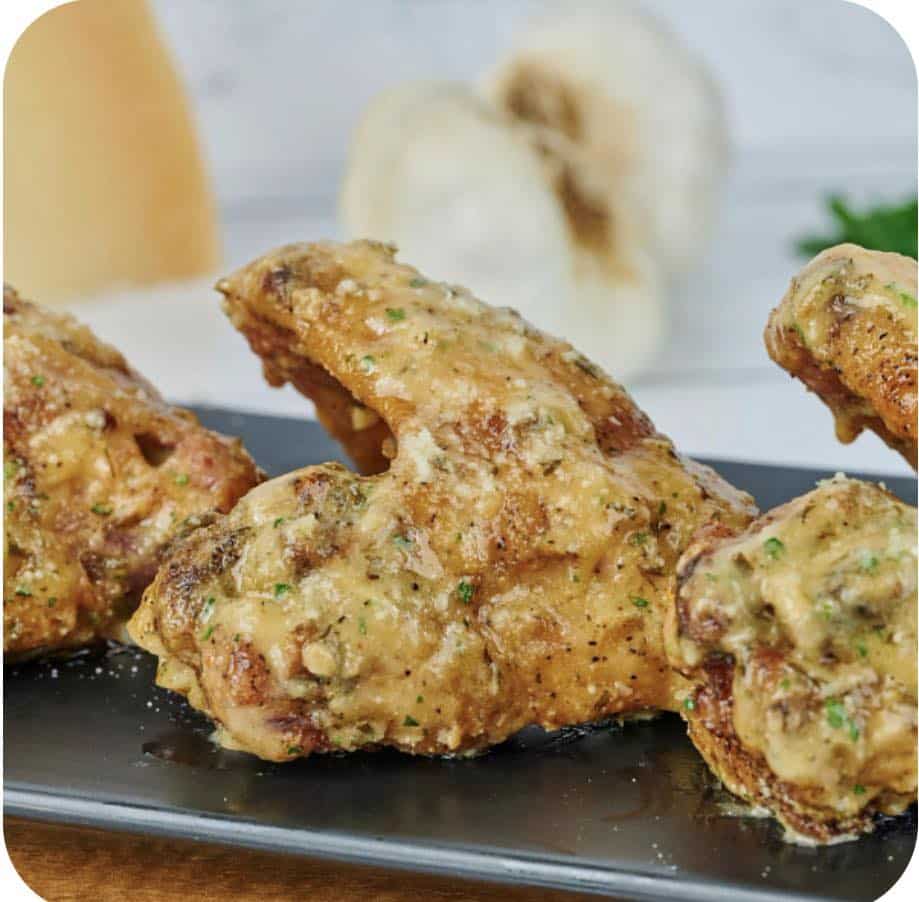
Sweet, smoky, and just sticky enough to make a mess worth cleaning.
Brush on:
- BBQ sauce
- Honey
- A touch of brown sugar
Then give them a quick high-heat finish.
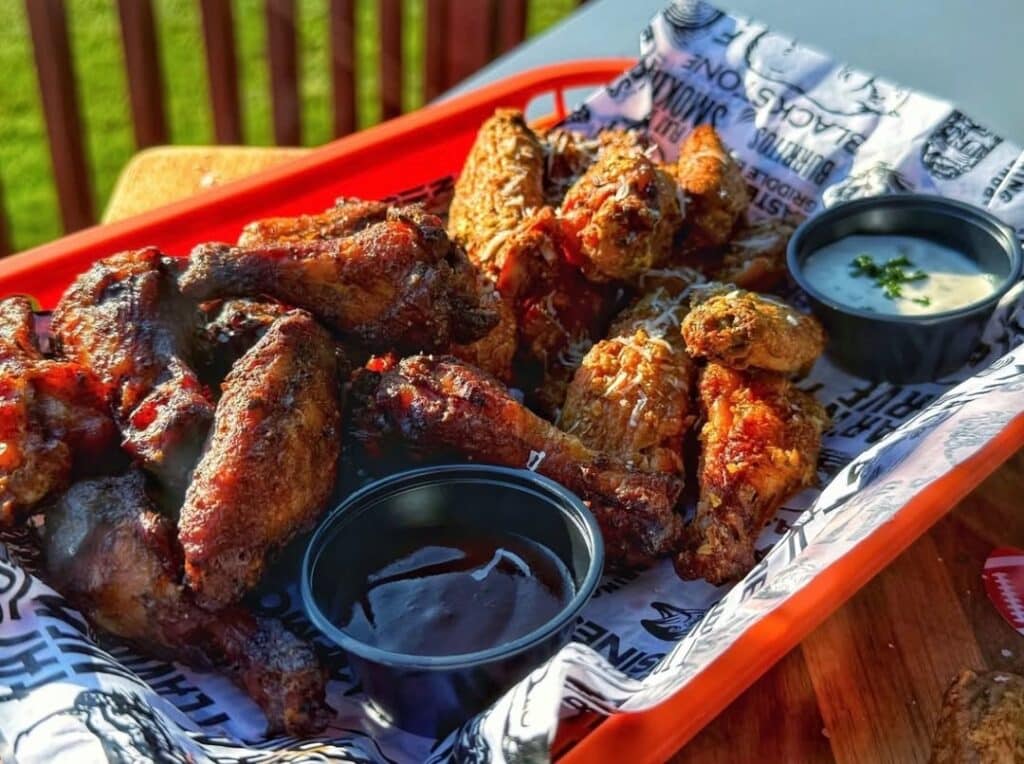
You’ll get that caramelized glaze that makes people lick their fingers when they think no one’s watching.
3. Garlic Parmesan Smoked Wings
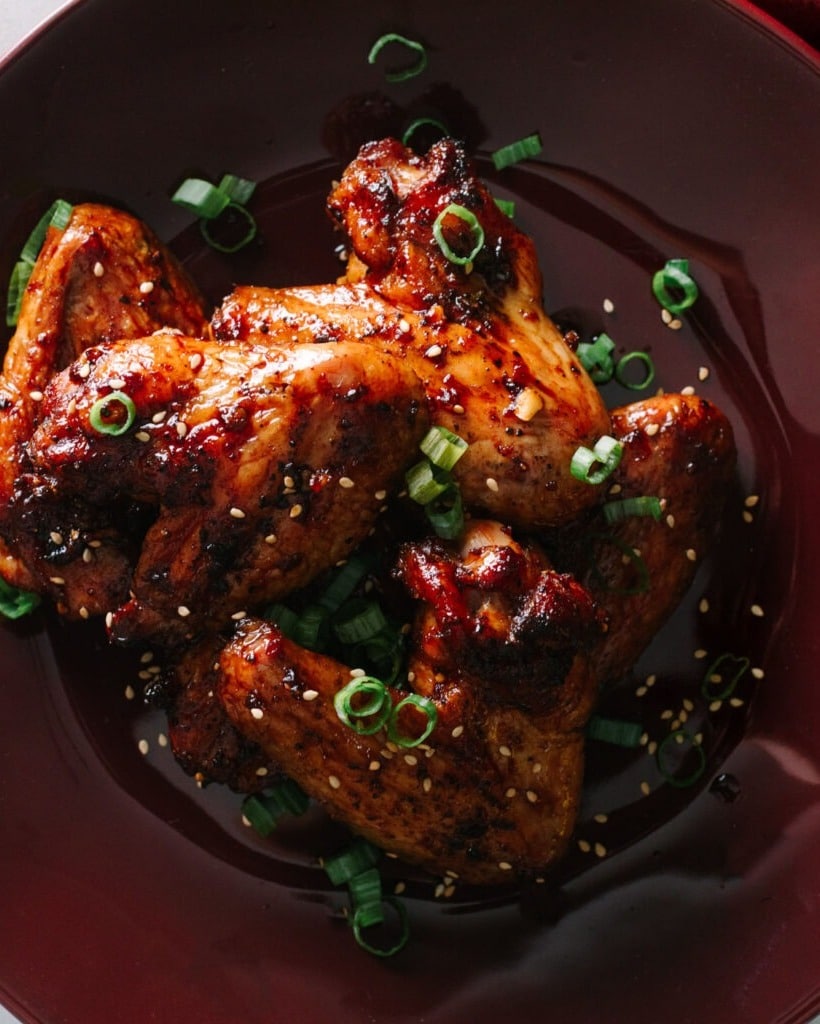
No sauce bath here – this one’s all about bold, dry flavor.
Toss hot wings with:
- Melted butter
- Fresh garlic
- Grated parmesan
It’s rich. It’s savory. It disappears fast.
I’ve seen people who “don’t like wings” change their mind mid-bite with this one.
4. Asian-Inspired Soy Ginger Wings
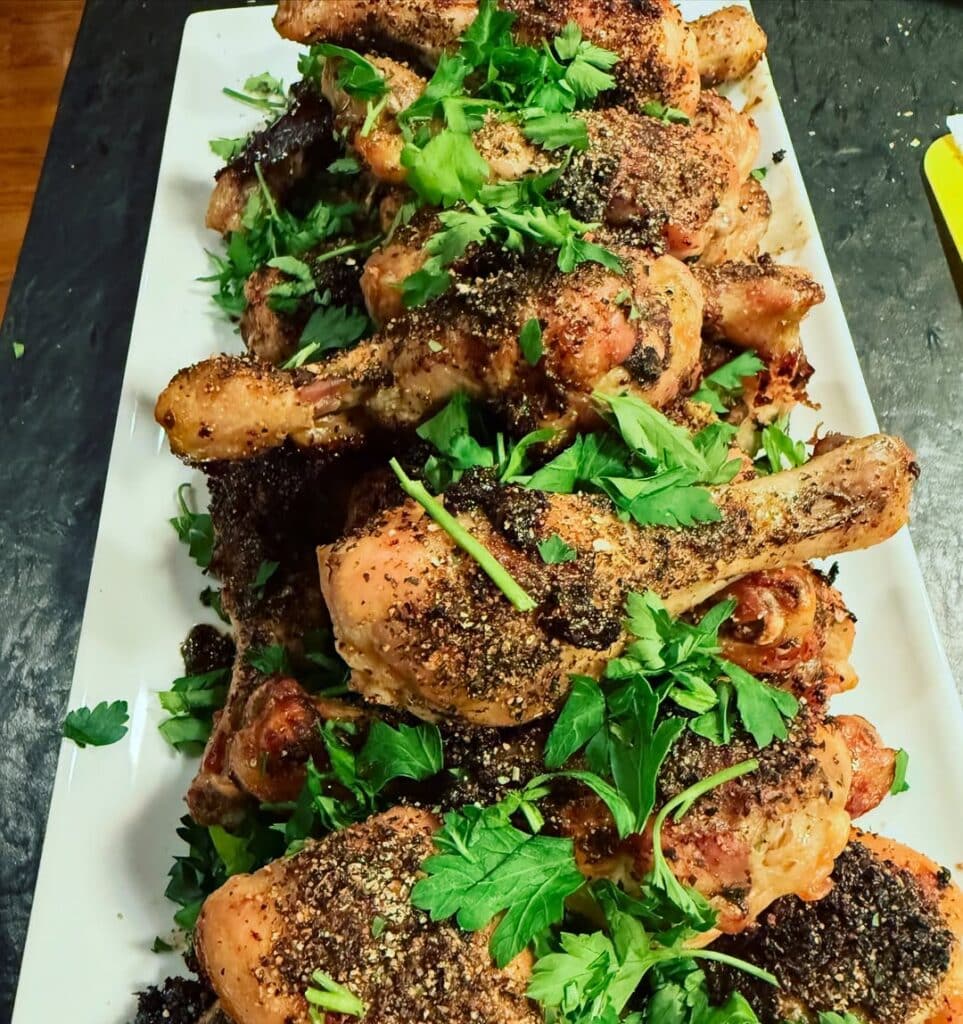
Now we’re layering flavor.
Marinate or glaze with:
- Soy sauce
- Ginger
- Garlic
- A hint of sweetness
Finish with sesame oil for aroma.
These smoked chicken wings hit that sweet-salty-umami balance that keeps you reaching for “just one more.”
5. Lemon Pepper Smoked Wings
Bright, punchy, and dangerously easy to eat.
Toss wings with:
- Lemon zest
- Cracked black pepper
- Butter
Simple, but it cuts through the richness perfectly.
Great for when you want something lighter – but still packed with flavor.
Pro Tips for the Best Smoked Chicken Wings
After years at the pit, here’s what actually moves the needle:
- Give your wings space
Crowding kills airflow – and flavor. - Control your smoke
Thin, clean smoke is what you want. Not thick white clouds. - Trust temperature, not time
Every smoker behaves differently. - Let them rest
Just a few minutes helps juices settle.
Small details. Big results.
The Secret to Layering Flavor in Smoked Chicken Wings
Most folks think flavor comes from the sauce. That’s only half the story.
The real magic in smoked chicken wings comes from layering flavor step-by-step.
Start with a solid base: salt and a simple rub. That’s your foundation. Then comes the smoke – this is where you build depth, not just intensity. Finally, you finish with a glaze, sauce, or butter toss.
Think of it like music. You don’t want everything loud at once – you want balance.
A common mistake? Dumping on a heavy sauce at the end and masking all that careful smoking work.
Instead, aim for flavor that builds with every bite:
- First: seasoning
- Then: smoke
- Finally: finish
When done right, every layer shows up – and your wings taste like they were crafted, not rushed.
Dry Rub vs Wet Marinade: What Works Best?
This debate has started more backyard arguments than sports.
So let’s settle it.
For smoked chicken wings, dry rubs usually win. Why? Because they help develop that slightly crispy exterior while letting the smoke penetrate cleanly.
Wet marinades, on the other hand, can add deep flavor – but they also introduce moisture. And moisture can mess with your skin texture if you’re not careful.
Here’s the pitmaster approach:
- Use dry rubs for texture and bark
- Use marinades when chasing bold, internal flavor
Or better yet – combine both techniques smartly.
Marinate first, then pat dry and apply a rub before smoking.
That way, you get flavor inside and out without sacrificing that bite-through skin.
How to Control Smoke Intensity Like a Pro
Smoke is your best friend… until it isn’t.
Too little, and your smoked chicken wings taste flat. Too much, and suddenly you’re chewing on something that tastes like burnt wood.
What you’re aiming for is clean, thin blue smoke. Not thick white clouds.
Here’s how to stay in control:
- Don’t overload your smoker with wood
- Let the fire stabilize before adding wings
- Keep airflow steady – oxygen matters
And here’s a tip most beginners miss:
Chicken absorbs smoke fast. Faster than beef or pork.
That means you don’t need hours of heavy smoke. In fact, less is often more.
If your wings ever taste bitter, that’s your cue – you pushed the smoke too far.
Dial it back, and let the flavor breathe.
The Role of Airflow in Perfect Smoked Chicken Wings
You can have great seasoning, great wood, and still end up with mediocre wings.
Why? Airflow.
In smoking, airflow controls everything—temperature, smoke quality, and even skin texture.
When air moves properly:
- Heat stays consistent
- Smoke stays clean
- Skin dries out just enough to crisp
When it doesn’t? You get uneven cooking and stale smoke.
Here’s the trick:
Keep your vents slightly open and resist the urge to constantly peek inside. Every time you open the smoker, you mess with the airflow system.
Think of your smoker like a living thing. It needs to breathe.
Master this, and your smoked chicken wings go from good… to seriously dialed in.
Timing Your Sauce: When to Add Flavor Without Ruining Texture
Timing sauce is where a lot of wings go wrong.
Add it too early, and it burns. Too late, and it just sits on top like an afterthought.
For perfect smoked chicken wings, timing is everything.
Here’s the sweet spot:
- Smoke the wings fully first
- Then apply sauce during the final minutes of heat
This allows the sauce to set and caramelize instead of drip off or scorch.
For dry-style wings like garlic parmesan or lemon pepper, skip sauce entirely and toss while hot.
And remember:
Sauce should enhance – not hide – the smoke.
If your sauce is the only thing you taste, you’ve missed the point of smoking.
Resting Your Wings: The Step Most People Skip
You pulled your wings off the smoker. They smell incredible. You want to dive in immediately.
Hold on.
Resting your smoked chicken wings for just a few minutes makes a noticeable difference.
Why?
Because the juices inside the meat are still moving. If you cut or bite too soon, they run out – and take flavor with them.
Give them 5–10 minutes to settle.
During that time:
- The meat reabsorbs moisture
- The skin firms up slightly
- The flavor evens out
It’s a small step, but it separates rushed wings from restaurant-quality results.
Patience pays off here – every single time.
Experimenting with Custom Flavor Blends
Once you’ve mastered the basics, it’s time to play.
This is where smoked chicken wings really get fun.
Start mixing flavors. Try combinations you wouldn’t normally think of:
- Sweet + spicy (honey + chili flakes)
- Citrus + heat (lime + cayenne)
- Savory + herbal (garlic + rosemary)
The goal is to create something that feels like your signature.
Here’s a good rule:
Balance bold flavors with restraint.
You don’t want chaos – you want harmony.
And don’t be afraid to fail a little. Some of the best recipes come from experiments that almost didn’t work.
That’s how you go from following recipes… to creating them.
Common Mistakes to Avoid
Let me save you some frustration:
- Smoking too low for too long
That’s how you get rubbery skin. - Skipping the drying step
No dry skin = no crisp. - Too much smoke
More is not better. It’s just… more. - Saucing too early
You’ll burn it before the wings are ready.
I’ve made every one of these mistakes. You don’t have to.
Serving Suggestions and Pairings
Keep it classic – or mix it up.
- Dips: ranch, blue cheese
- Sides: coleslaw, fries, grilled corn
- Drinks: cold beer, iced tea, lemonade
Honestly, though? Smoked chicken wings don’t need much help. They carry the table.
What wood is best?
Apple and cherry are your safest bets.
Simple, Smoked, and Sought-After
Here’s the takeaway:
Great smoked chicken wings aren’t complicated – but they are deliberate.
You control the smoke.
You control the heat.
You control the flavor.
Start simple. Try one of the five styles. Then tweak it. Make it yours.
Because at the end of the day, the best wings aren’t just the ones that taste good –
They’re the ones people ask you to make again.
Frequently Asked Questions
How long does it really take to cook smoked chicken wings?
On paper, you’re looking at 1.5 to 2 hours at 225°F–250°F.
In reality? It depends on your smoker, airflow, and wing size.
Bigger wings take longer. Cold weather slows things down. And if your smoker runs a little wild (they all do sometimes), your timing shifts.
That’s why pitmasters don’t cook by the clock – we cook by internal temperature.
Hit 165°F, then finish hot for that perfect skin.
What’s the best temperature for smoked chicken wings?
The sweet spot is 225°F to 250°F.
Lower than that, and your skin turns rubbery. Higher, and you risk drying them out before they absorb enough smoke.
Think of it this way:
Low enough to absorb smoke, hot enough to cook clean.
And always remember – you can raise the heat at the end to crisp things up.
How do I get crispy skin on smoked chicken wings?
This is the question everyone asks – and for good reason.
Here’s the truth:
Smoke alone won’t give you crispy skin.
To get that bite-through texture:
- Pat wings completely dry before smoking
- Avoid excess moisture or heavy marinades
- Finish at high heat (grill, oven, or crank the smoker)
That final blast of heat is what transforms good wings into great smoked chicken wings.
Should I sauce wings before or after smoking?
After. Always after.
If you sauce too early, it burns. Sugar in sauces doesn’t play nice with long cook times.
Instead:
- Smoke first
- Sauce during the last few minutes or after cooking
This gives you sticky, caramelized flavor without ruining the texture.
What’s the best wood for smoked chicken wings?
Stick with mild woods.
Top picks:
- Apple
- Cherry
They give you a light, slightly sweet smoke that complements chicken.
Stronger woods like hickory or mesquite? Use them sparingly. Chicken absorbs smoke quickly, and it’s easy to overdo it.
Can I smoke frozen chicken wings?
You can – but you really shouldn’t.
Frozen wings release water as they cook, which leads to:
- Uneven cooking
- Poor smoke absorption
- Rubbery skin
For the best smoked chicken wings, thaw completely and pat them dry before they hit the smoker.
Do I need to flip wings while smoking?
Not constantly.
If your smoker has even heat, you can let them ride most of the way.
That said, flipping once halfway through helps:
- Even out color
- Prevent hot spots from overcooking one side
Just don’t keep opening the smoker every five minutes. You’ll lose heat and mess with airflow.
How do I know when smoked chicken wings are done?
Forget guessing – use a thermometer.
You’re aiming for:
- 165°F internal temperature (minimum safe temp)
But here’s a pitmaster tip:
Take them slightly higher – around 175°F–185°F – for better texture. The extra heat breaks down connective tissue and makes the meat more tender.
Why do my smoked chicken wings taste bitter?
That’s a smoke problem.
Specifically, too much dirty smoke.
Common causes:
- Overloading wood
- Poor airflow
- Thick white smoke instead of thin blue smoke
Clean smoke = clean flavor.
If your wings taste like an ashtray, it’s time to dial things back.
Can I make smoked chicken wings ahead of time?
Yes – and it works better than most people expect.
Smoke them fully, then:
- Store in the fridge
- Reheat at high heat (oven or grill) to crisp them back up
They won’t lose much flavor, and you’ll save yourself stress if you’re cooking for a crowd.
What’s the biggest mistake beginners make?
Easy.
They rush it – or overdo it.
Either:
- Not enough smoke or time
- Or way too much smoke trying to “boost flavor”
Great smoked chicken wings come from balance and patience.
Control your fire. Trust your process. And don’t try to fix everything with sauce.
Featured image credit: @pappasdeltablues
