
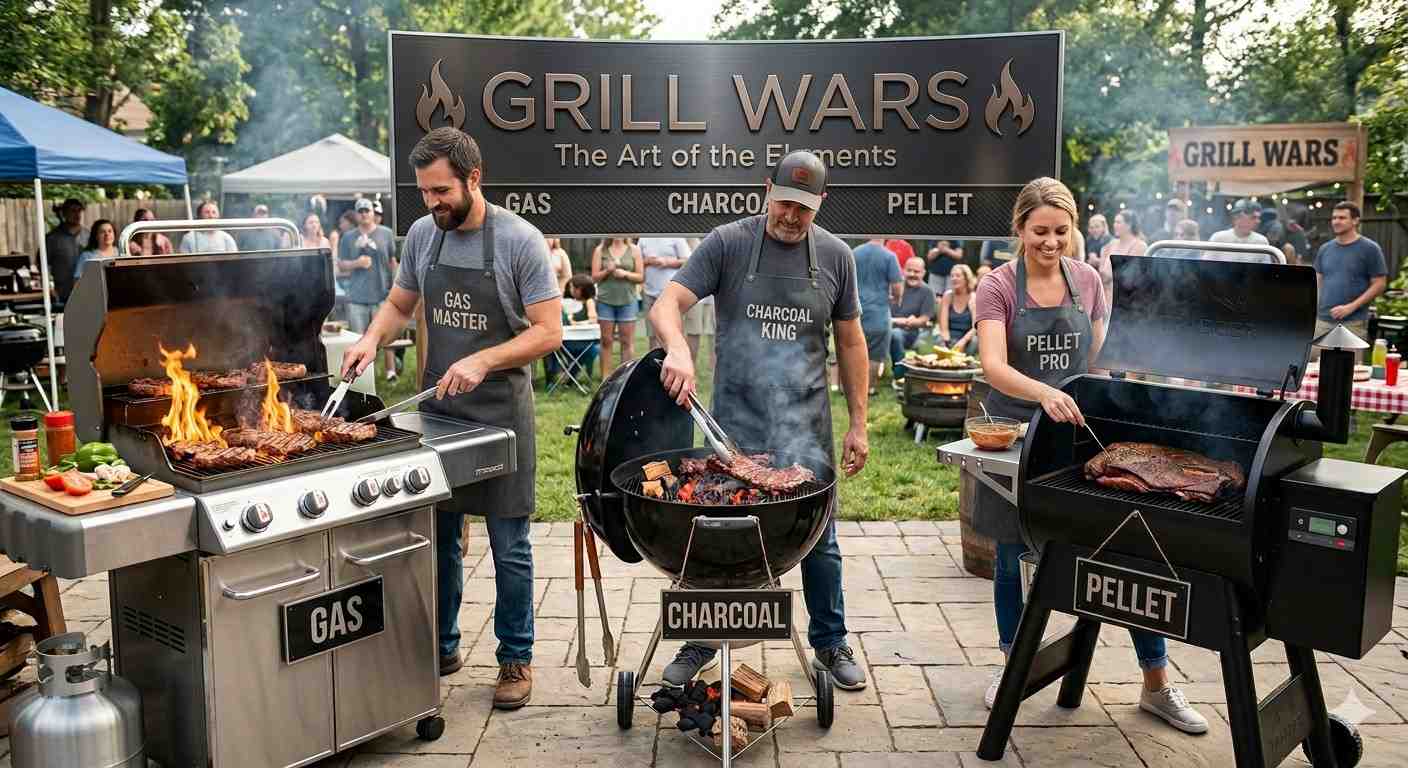
Welcome to the Grill Wars
Every backyard has one.
That one guy who swears charcoal is the only “real” way to grill. Another who treats his gas grill like a kitchen stove outdoors. And then there’s the new-school pitmaster quietly flexing a pellet grill that looks like it runs on Wi-Fi and wizardry.
Welcome to the grill wars.
I’ve spent years behind the fire – burned briskets, rescued steaks, and learned the hard way that your grill doesn’t make you a pitmaster… but it can definitely make your life easier (or harder).
Here’s the honest truth:
There is no perfect grill. Only the one that fits how you cook, how much patience you’ve got, and whether you’re grilling for fun – or just trying to get dinner on the table before everyone gets hangry.
So let’s break it down. No hype. No brand loyalty. Just real talk from someone who’s cleaned more grates than they care to admit.
What Actually Matters When Choosing a Grill
Before you pick a side in the grill wars, you need to know what actually matters. Not what the ads say. Not what your uncle says after three beers.
Here’s what really counts:
- Flavor – That smoky, fire-kissed magic everyone’s chasing
- Ease of use – How fast you can go from “hungry” to “eating”
- Temperature control – Whether your steak comes out perfect or tragic
- Cost – Not just the grill, but the fuel and upkeep
- Cleanup – Because nobody dreams about scrubbing grease at midnight
Here’s the key phrase to remember:
“The best grill is the one you’ll actually use.”
I’ve seen expensive grills collect dust while a beat-up charcoal kettle turns out legendary ribs every weekend.
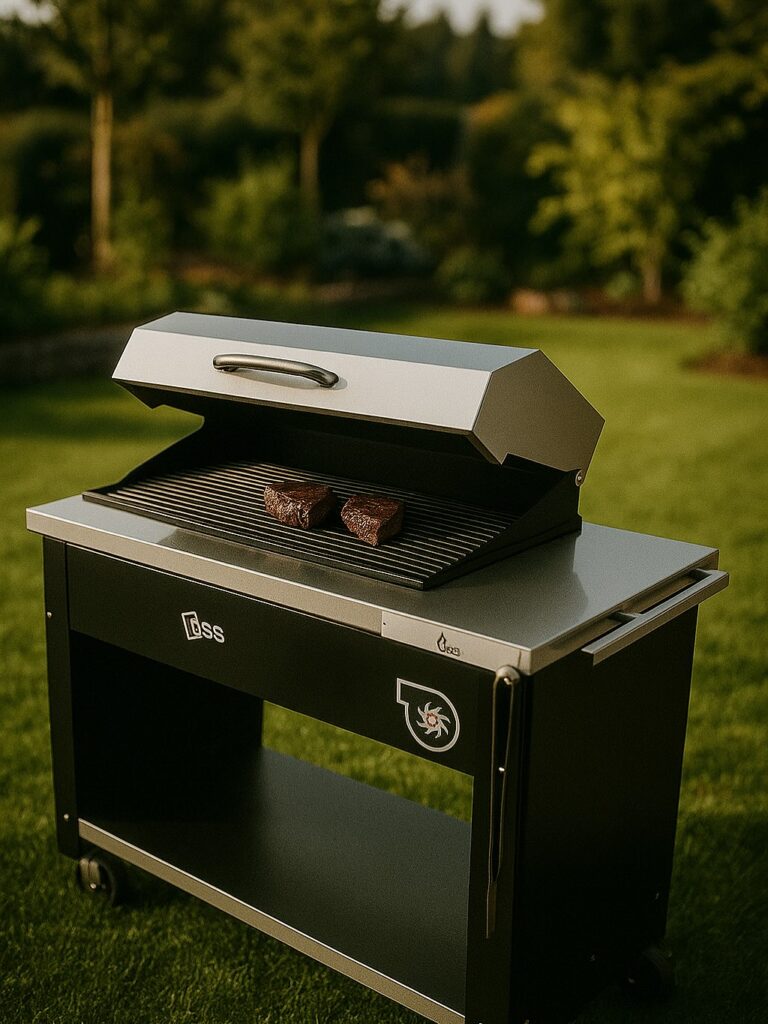
Charcoal Grills: The Classic Flavor King
What Is a Charcoal Grill?
Charcoal grills are the OG of the grill wars. You light charcoal, control airflow, and cook over real fire.
No shortcuts. No buttons. Just heat, smoke, and instinct.
Why Pitmasters Love It
Let me put it plainly:
Charcoal delivers the best flavor. Full stop.
You get that deep, smoky taste that gas just can’t fake.
Key strengths:
- Bold, smoky flavor that screams BBQ
- High heat for perfect steakhouse searing
- Affordable and simple to start with
There’s something almost therapeutic about it.
Lighting the coals. Waiting for that gray ash. Hearing the sizzle.
It’s not just cooking. It’s a ritual.
Where It Fights You
Charcoal isn’t always friendly.
- Takes time to heat up
- Temperature control is more art than science
- Cleanup? Expect ash everywhere
And yes, you will mess up at first. We all do.
I once served chicken that looked amazing on the outside and was basically raw optimism on the inside.
Best For
If you:
- Care deeply about authentic BBQ flavor
- Enjoy the process, not just the result
- Don’t mind getting your hands a little dirty
Then charcoal isn’t just a grill – it’s your lane in the grill wars.
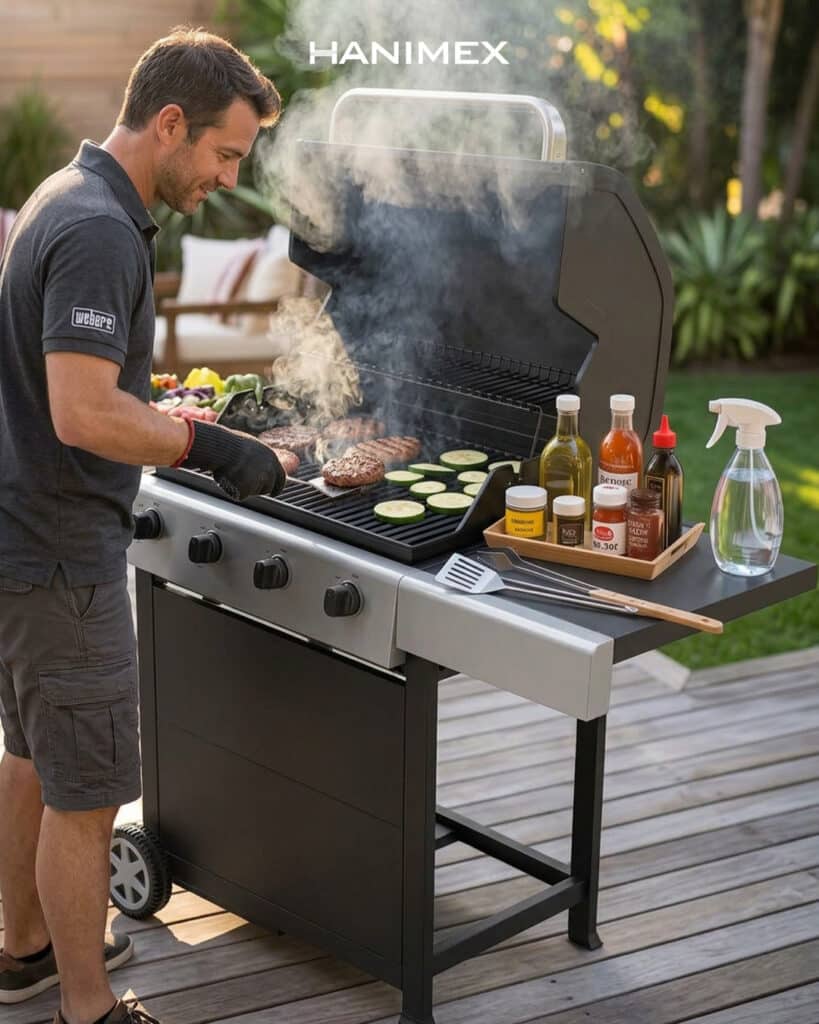
Gas Grills: The Convenience Champion
What Is a Gas Grill?
Gas grills run on propane or natural gas. Turn a knob, hit ignition, and boom – fire. No waiting. No drama.
Why People Swear By It
Gas grills win the grill wars when it comes to speed and simplicity.
Key advantages:
- Heats up in minutes
- Easy, predictable temperature control
- Minimal cleanup
This is the grill you use when it’s a Tuesday night and you just want to eat.
No ceremony. Just results.
The Trade-Off
Let’s be honest:
Flavor takes a hit.
You can still cook great food – but you won’t get that deep charcoal smokiness unless you work for it (wood chips, smoker boxes, etc.).
Other downsides:
- Higher upfront cost than charcoal
- Fuel tanks to refill
- Less of that “BBQ experience”
It’s like comparing a campfire to a stovetop. Both cook food – but one tells a better story.
Best For
Gas is your move if:
- You want fast, reliable grilling
- You cook often and don’t want hassle
- You’re feeding a family, not hosting a BBQ competition
In the grill wars, gas doesn’t try to impress – it just gets the job done.
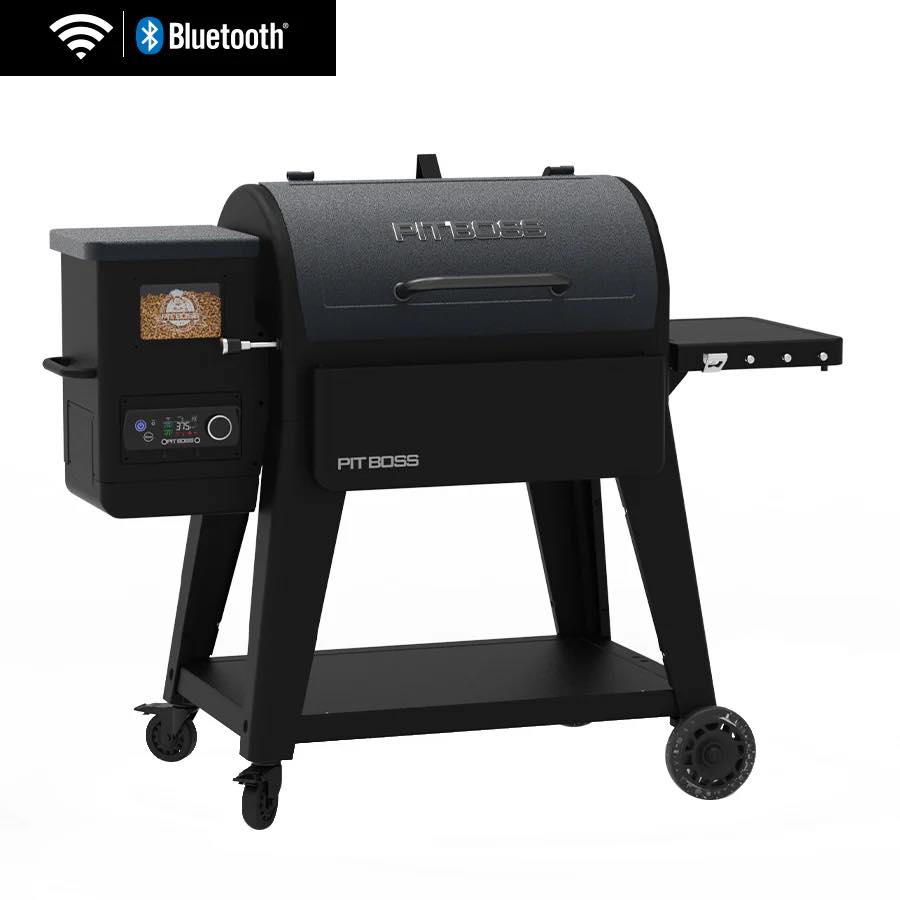
Pellet Grills: The Smart Hybrid Option
What Is a Pellet Grill?
Pellet grills burn compressed wood pellets and use an electric system to control temperature.
Think of it as:
Part grill. Part smoker. Part robot assistant.
Why It’s Gaining Fans Fast
Pellet grills are the quiet disruptor in the grill wars.
You get:
- Real wood-fired flavor
- Precise temperature control
- “Set it and forget it” cooking
You dial in a temp, and the grill does the rest.
I’ve cooked brisket overnight without touching a thing. That’s borderline unfair.
The Downsides Nobody Mentions First
- Expensive upfront
- Needs electricity (no power = no cooking)
- Not great at super high heat searing
It’s not perfect – but it’s incredibly convenient.
Best For
Pellet grills shine if you:
- Love BBQ but hate babysitting the fire
- Want consistent results every time
- Enjoy experimenting (smoking, baking, roasting)
In the grill wars, pellet grills are the strategist – not flashy, but dangerously effective.
Head-to-Head: Breaking Down the Grill Wars
Let’s settle a few rounds clearly.
Flavor
- Charcoal: Deep, smoky, unmatched
- Pellet: Balanced wood flavor
- Gas: Clean but mild
Ease of Use
- Gas: Easiest
- Pellet: Very close second
- Charcoal: Takes effort
Temperature Control
- Pellet: Precision king
- Gas: Reliable
- Charcoal: Skill-based
Cost
- Charcoal: Cheapest to start
- Gas: Mid-range
- Pellet: Premium
Cleanup
- Gas: Quick and easy
- Pellet: Moderate
- Charcoal: Messy
Here’s the punchline:
Each grill wins a different battle in the grill wars. None wins them all.
The Hidden Costs Nobody Talks About
This is where most people get blindsided.
The grill price? That’s just the cover charge.
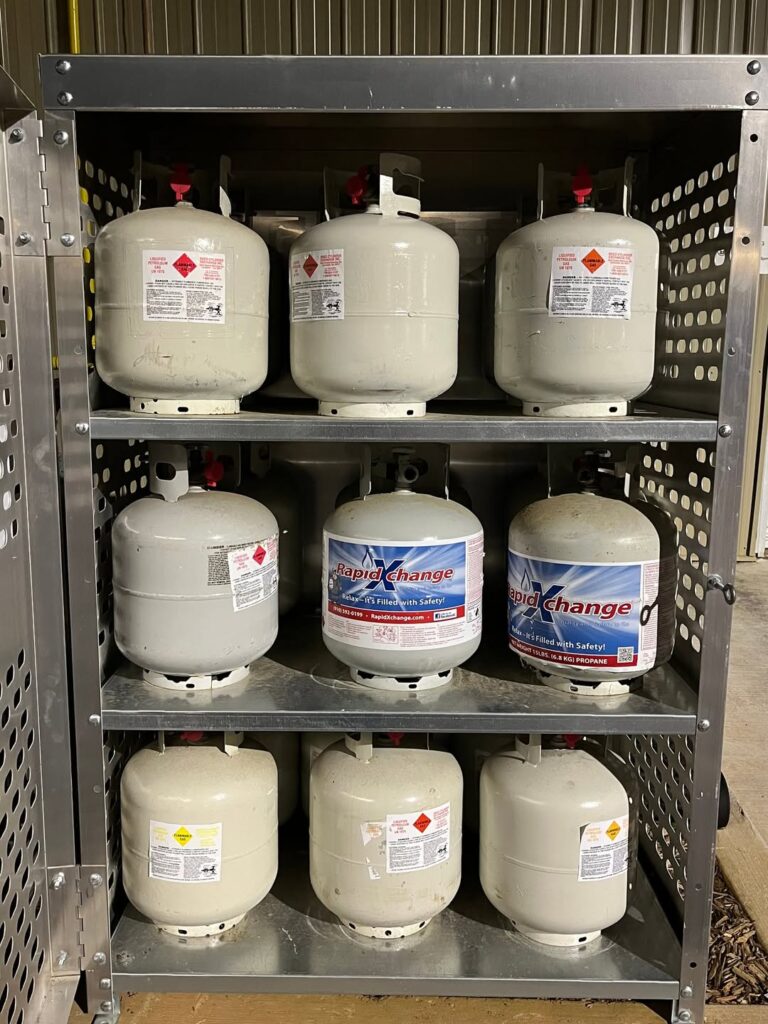
Fuel Costs Add Up
- Charcoal: frequent purchases
- Gas: tank refills
- Pellet: steady supply of wood pellets
Accessories You’ll End Up Buying
- Thermometers (don’t trust built-ins too much)
- Grill covers
- Cleaning tools
Replacement Parts
- Burners wear out
- Igniters fail
- Pellet augers jam
I’ve seen “cheap” grills become expensive over time.
Key truth:
Long-term cost matters more than the price tag.
The Searing Debate: Who Really Gets That Perfect Crust?
Let’s talk about the moment that separates “good” from “you did what to this steak?” – the sear.
In the grill wars, charcoal dominates high-heat cooking. When those coals are blazing, you’re hitting temperatures that create a proper Maillard reaction – that deep brown crust packed with flavor. It’s aggressive. It’s loud. It’s exactly what steak lovers chase.
Gas grills can get hot, sure – but many struggle to match that direct, radiant heat unless you’re working with a high-end setup. Pellet grills? They play it cooler. Great for consistency, but not built for extreme searing without add-ons.
Here’s the honest truth:
If your dream bite includes a crispy crust and juicy center, charcoal gives you the most reliable edge.
Key phrase: “Sear is not just heat – it’s intensity.”
Weather Matters: How Each Grill Handles the Elements
Nobody talks about this enough – weather can wreck your cook.
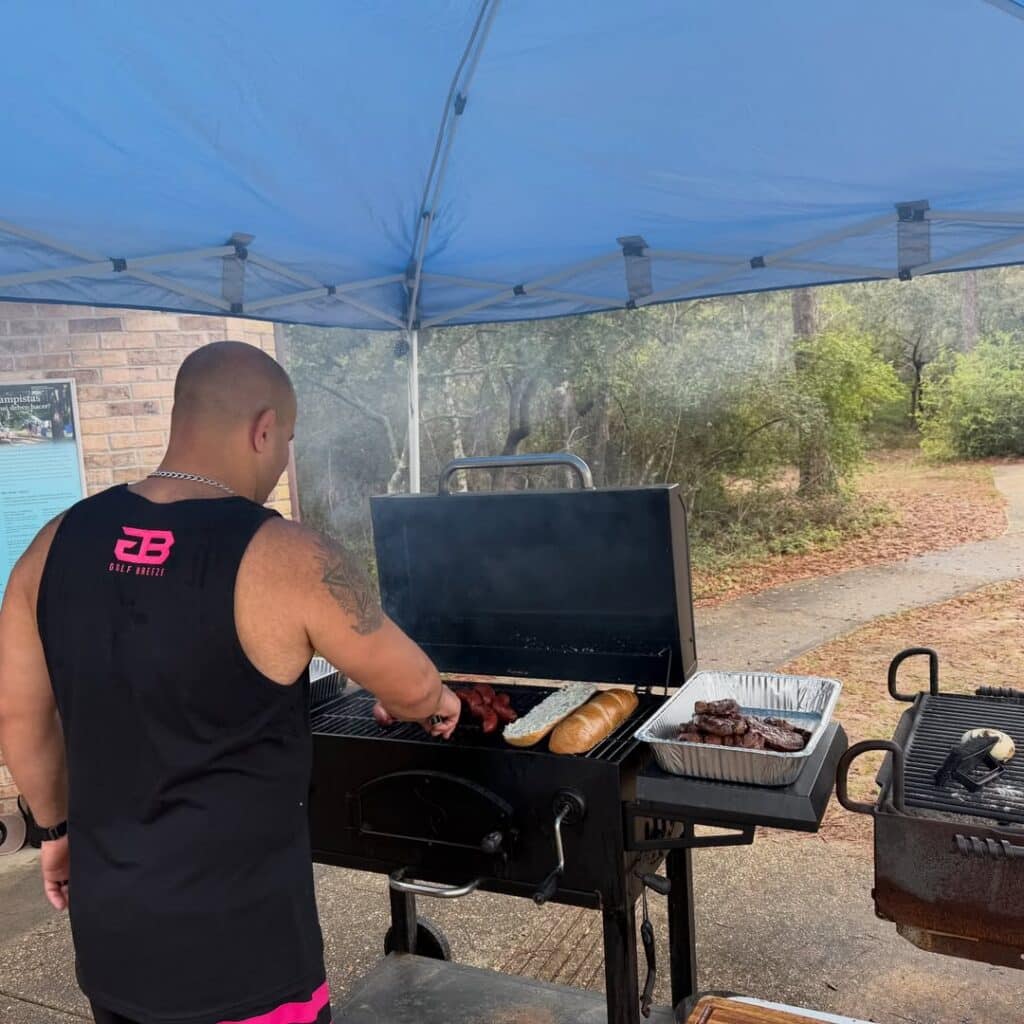
In the grill wars, each grill reacts differently when the wind picks up or the rain rolls in.
Charcoal grills are the most sensitive. Wind messes with airflow, and suddenly your perfectly controlled fire turns into a guessing game. Cold weather? Say goodbye to stable temps.
Gas grills handle weather better. Turn the knob, adjust flame, done. But strong winds can still affect burner performance.
Pellet grills are surprisingly vulnerable. Because they rely on electronic temperature control, cold air forces them to work harder, burning more pellets just to keep up.
I’ve cooked in a light drizzle and ended up babysitting a grill like it owed me money.
Key phrase: “The environment is part of the cook.”
The Smoke Ring Myth: What Actually Creates It
Ah, the legendary smoke ring – that pink halo in brisket that makes people think you’re a BBQ wizard.
Here’s the truth most beginners don’t hear:
The smoke ring isn’t just about smoke.
In the grill wars, all three grills can produce it – but it depends on chemical reactions, not just flavor. Specifically, it’s caused by nitric oxide interacting with meat proteins, not how “smoky” your grill is.
Charcoal and pellet grills naturally create this effect because of how they burn fuel. Gas grills? Not so much – unless you add wood and control conditions carefully.
Here’s the kicker:
You can have incredible BBQ without a smoke ring.
Key phrase: “Smoke ring impresses the eye, not the taste buds.”
Cooking for a Crowd: Which Grill Scales Best?
Grilling for yourself is easy. Grilling for ten hungry people staring at you? That’s pressure.
In the grill wars, scalability matters more than people think.
Gas grills shine here. You get multiple burners, consistent heat zones, and the ability to cook different foods at once. It’s controlled chaos – in a good way.
Charcoal grills can handle crowds, but require planning. You’ll need to manage fuel levels, heat zones, and timing like a chess match.
Pellet grills are the quiet MVP. Large cooking space plus consistent temperature means you can load it up and let it ride.
I’ve fed a crowd on all three – and the real difference isn’t capacity.
It’s how much stress you’re willing to handle while flipping burgers.
Key phrase: “Cooking for many exposes your grill’s limits fast.”
The Learning Curve: How Long Before You Get Good?
Let’s be real – your first few cooks won’t be perfect.
In the grill wars, each grill has its own learning curve, and it matters more than specs.
Charcoal demands patience. You’ll learn airflow, heat zones, and timing through trial and error.
Expect a few overcooked meals – and one or two that make you question everything.
Gas is forgiving. You can get decent results quickly, which builds confidence fast. It’s the easiest entry point.
Pellet grills flatten the curve almost completely. Set the temp, follow the recipe, and you’re in business.
But here’s the pitmaster truth:
Easy doesn’t always mean better – it just means faster results.
Key phrase: “Skill grows fastest where mistakes are allowed.”
Flavor Customization: How Much Control Do You Really Have?
Flavor isn’t just about the grill – it’s about how much control you have over it.
In the grill wars, customization separates casual cooks from serious pitmasters.
Charcoal grills give you full control. Different woods, chunk placement, airflow tweaks – you’re building flavor from the ground up.
Pellet grills offer variety through different pellet types – hickory, apple, mesquite – but the flavor tends to be more subtle and consistent.
Gas grills need help. You’ll rely on wood chips or smoker boxes to introduce smoke flavor.
Here’s the interesting part:
Too much control can overwhelm beginners. Too little can frustrate enthusiasts.
I’ve seen people chase flavor so hard they forget to enjoy the food.
Key phrase: “Flavor control is power – but it comes with responsibility.”
The Experience Factor: Why Grilling Feels Different on Each Setup
This one’s hard to measure – but you feel it immediately.
In the grill wars, the experience of cooking changes depending on your setup.
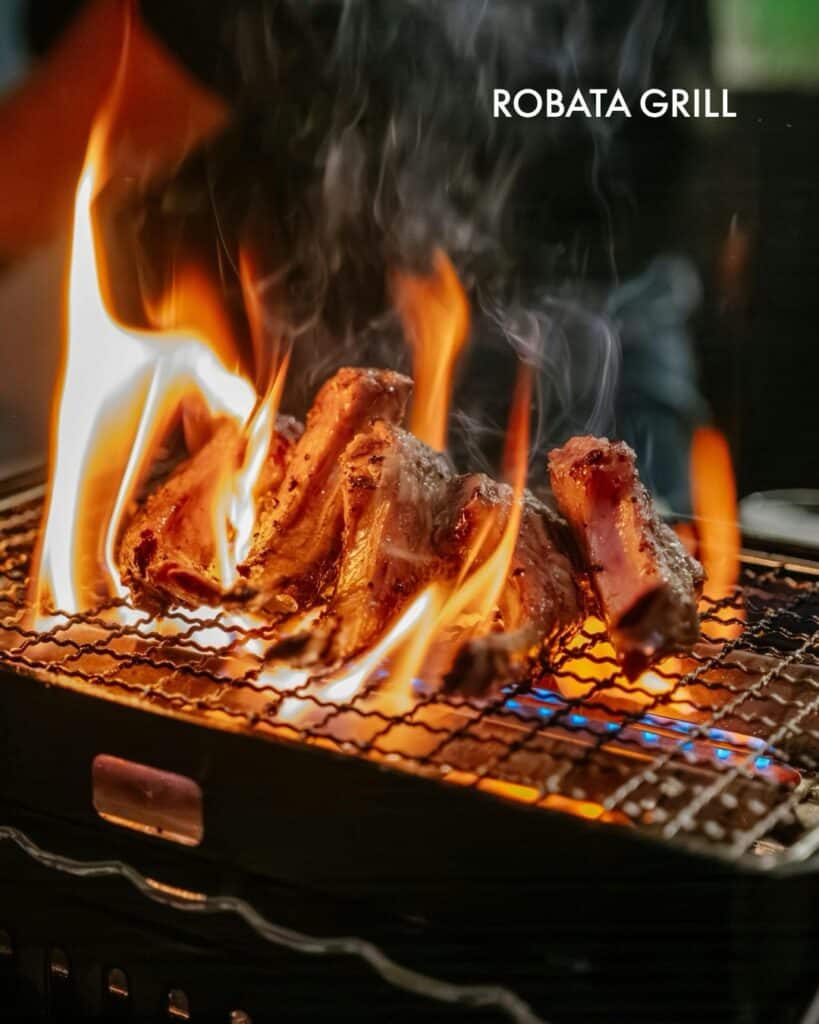
Charcoal grilling feels primal. Fire, smoke, patience. It pulls you in. You’re part of the process.
Gas grilling feels efficient. It’s quick, controlled, and practical. You cook, you eat, you move on.
Pellet grilling feels modern. You’re managing a system, not just a flame. It’s relaxed, almost hands-off.
None of these are better – they’re just different.
Some days, you want to tend a fire like it matters.
Other days, you just want dinner without a struggle.
And that’s the part nobody tells you:
The grill you enjoy using is the one you’ll keep coming back to.
Key phrase: “The experience shapes the habit – and the habit shapes the cook.”
Common Grill Myths (Let’s Clear the Smoke)
“Charcoal is always better”
Not always. It’s better for flavor – but not for convenience.
“Gas grills can’t make good BBQ”
Wrong. With the right technique, gas can still deliver solid results.
“Pellet grills are only for smoking”
Nope. They can grill, bake, roast – even do pizza.
“Expensive grills mean better food”
I’ve eaten incredible BBQ off a $50 setup.
Skill beats equipment. Every time.
Which Grill Should You Actually Buy?
Let’s make this simple.
Choose Charcoal If…
You want:
- Maximum flavor
- A hands-on experience
- That classic BBQ feel
Choose Gas If…
You want:
- Speed and ease
- Reliable results
- Less cleanup
Choose Pellet If…
You want:
- Flavor + convenience
- Precision cooking
- Less guesswork
Here’s my pitmaster take:
If you grill for passion → charcoal
If you grill for practicality → gas
If you want the best balance → pellet
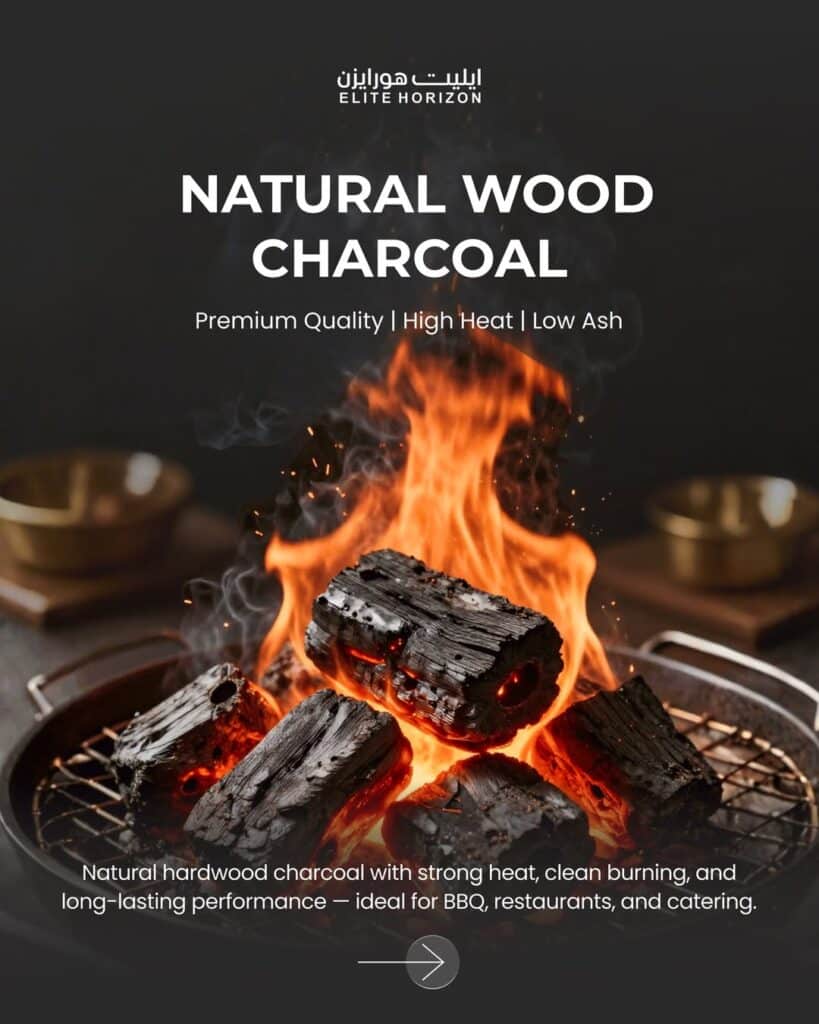
Final Verdict: The Honest Truth
After years in the smoke and flames, here’s what I’ll tell you straight:
The grill wars aren’t about which grill is best.
They’re about which grill fits your life.
- Charcoal gives you soul and flavor
- Gas gives you speed and control
- Pellet gives you comfort and consistency
I still use all three.
Because some days, I want to play with fire.
Some days, I just want to eat quickly.
And some days, I want the grill to do the work while I sit back with a cold drink.
That’s the real secret.
The best grill isn’t the one that wins arguments – it’s the one that keeps you cooking.
FAQ: Quick Answers from the Pit
Is charcoal healthier than gas?
Not really. It’s more about how you cook than what you cook on.
Do pellet grills use a lot of electricity?
No. They use about as much as a small appliance.
Can you get smoky flavor on a gas grill?
Yes – with wood chips or smoker boxes.
Which grill is best for beginners?
Gas. It removes the guesswork so you can focus on cooking.
Featured image credit: Google Gemini
