
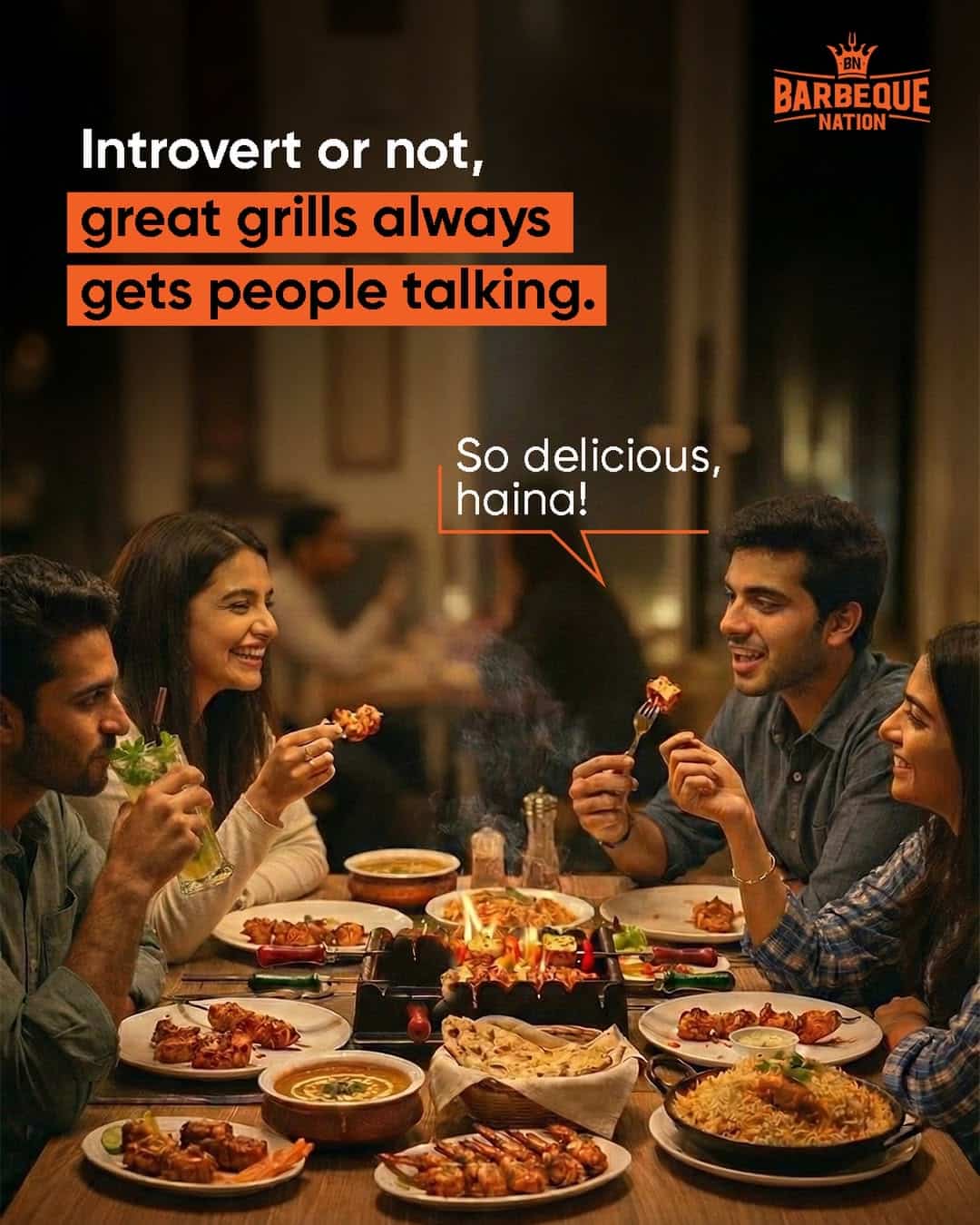
On the grill, luck alone won’t cook meat properly – only skill, patience, and careful control create great BBQ.”
I’ve had people swear their grill is broken because their ribs don’t taste like a restaurant. I’ve tasted those ribs. The grill wasn’t the problem. The process was.
Here’s the truth most folks don’t want to hear:
👉 Restaurant-quality BBQ comes down to small, repeatable details done right every single time.
And the good news? None of those details are out of reach. You don’t need a million-dollar smoker or a secret handshake. You just need to know what actually matters.
Let’s break it down like we’re standing next to the fire.
The Real Difference Between Home BBQ and Restaurant BBQ
The gap between your backyard and a restaurant kitchen isn’t magic – it’s discipline.
In a restaurant, everything is controlled:
- Temperature doesn’t drift
- Seasoning isn’t guessed
- Timing is dialed in to the minute
At home?
You’re juggling drinks, flipping meat, maybe checking your phone… and suddenly your chicken tastes like it gave up halfway through life.
Here’s the kicker:
👉 Restaurants don’t do “a little bit of this, a little bit of that.” They do exact. Every time.
And then there’s flavor layering. A good restaurant doesn’t rely on just sauce.
They build flavor in stages:
- Seasoning
- Smoke
- Fat rendering
- Finishing touches
Think of it like music. Your BBQ shouldn’t be one loud drum. It should be a full band.
Common Reasons Your BBQ Falls Flat (And How to Fix Each One)
You’re Not Using Enough Seasoning
I’m going to say something that might sting a little:
👉 Most home BBQ is under-seasoned. By a lot.
A restaurant seasons like they mean it.
When I train new pit guys, I tell them:
“If you think it’s enough… add a little more.”
Why? Because meat is thick. Salt doesn’t magically teleport to the center.
Fix it:
- Salt early – at least 30–60 minutes before cooking
- Use a proper rub, not just a sprinkle
- Cover every surface evenly
A good rule: You should see the seasoning. Not hunt for it.
You’re Skipping the Smoke Factor
If your BBQ tastes flat, it’s probably missing its soul: smoke.
That deep, slightly sweet, slightly bitter edge? That’s what makes restaurant BBQ hit different.
No smoke = grilled meat, not BBQ. Big difference.
Fix it:
- Use wood chunks or chips (not just charcoal)
- Try hickory for bold flavor, applewood for something lighter
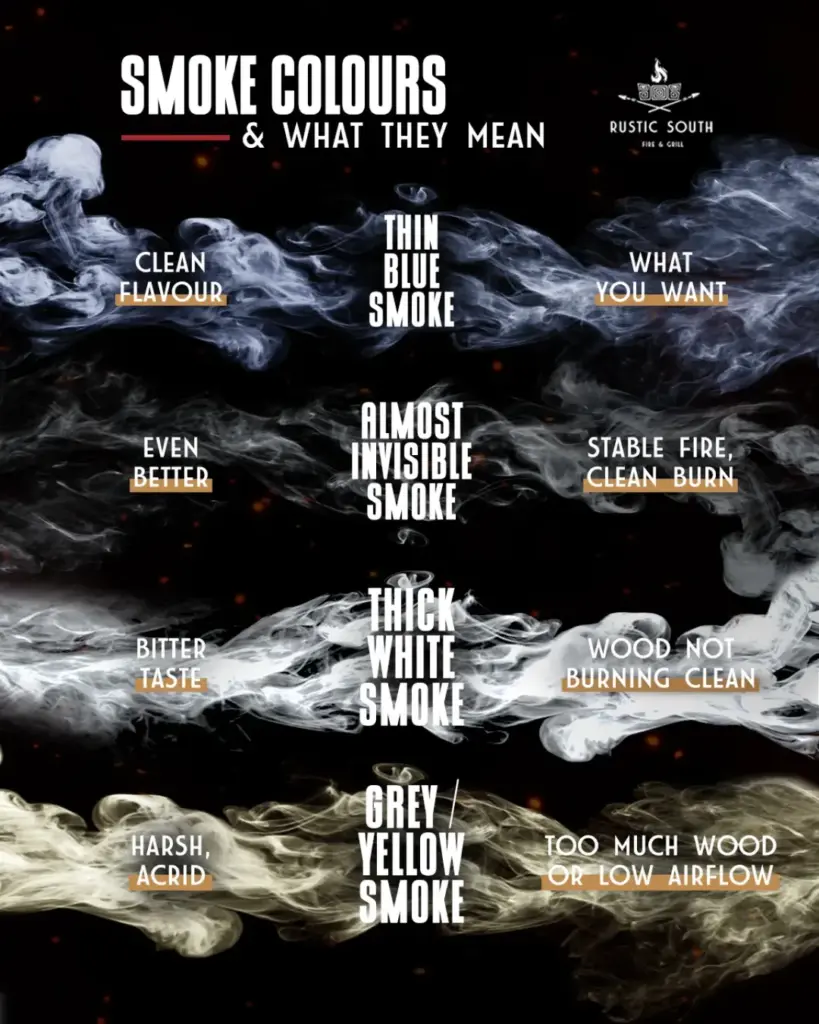
- Keep smoke thin and blue—not thick and angry
Quick pitmaster joke:
👉 “If your smoke looks like a house fire, your meat will taste like one.”
Your Cooking Temperature Is All Over the Place
Temperature swings are the silent killer of BBQ.
A restaurant pit runs steady. Yours? Probably doing mood swings like a teenager.
Too hot: burns outside, raw inside
Too low (and inconsistent): dries everything out
Fix it:
- Aim for low and slow (225–275°F)
- Use a thermometer (not vibes)
- Set up two heat zones
👉 Control heat, and you control everything.
You’re Not Cooking Long Enough
BBQ rewards patience. Not shortcuts.
You can’t rush tenderness. I don’t care how hungry you are.
A restaurant knows this. That’s why brisket cooks for hours, not “until it looks done.”
Fix it:
- Cook to internal temperature, not time
- Let collagen break down properly
- Accept that BBQ takes time
If you’re checking the clock every five minutes…
👉 You’re not cooking BBQ. You’re negotiating with it.
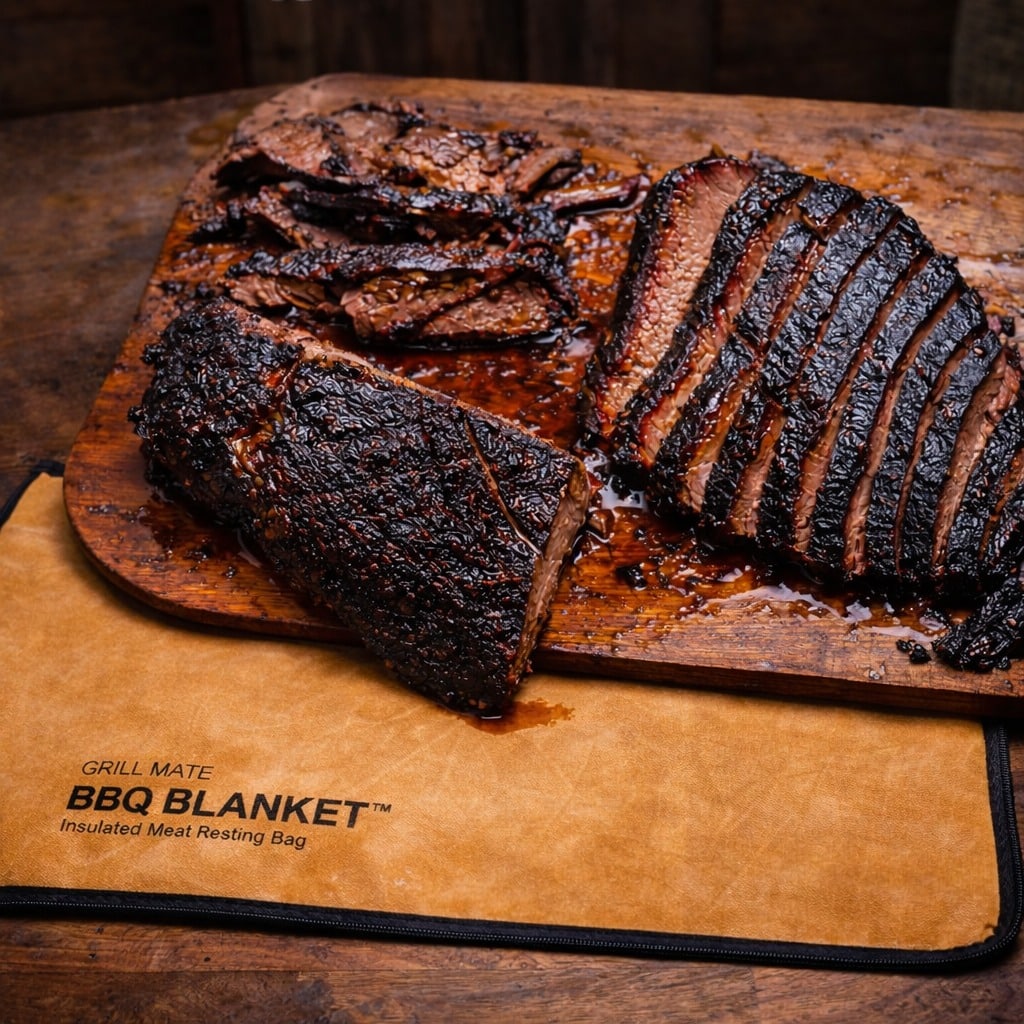
You’re Not Letting Meat Rest
This one hurts because it’s so simple – and so ignored.
You pull meat off the grill and slice immediately?
You just lost half your juices.
A restaurant lets meat rest like it just ran a marathon.
Fix it:
- Rest small cuts: 5–10 minutes
- Rest big cuts: 20–30 minutes
- Tent loosely with foil
👉 Resting isn’t optional. It’s part of cooking.
The Role of Meat Quality in Restaurant-Level BBQ
Even the best pitmaster can’t save a low-quality cut. Restaurants know the secret: start with premium meat. At home, people often skip this, buying cheap or uneven cuts, then expecting magic.
The difference? Flavor, tenderness, and texture.
Key points to remember:
- Choose well-marbled cuts – fat distribution = juiciness
- Freshness matters – older or frozen meat often loses flavor
- Right fat-to-lean ratio – ensures slow rendering and tender results
- Cut-specific advice:
o Brisket: go for a flat with consistent marbling
o Ribs: baby backs are forgiving and tender
Think of meat like the foundation of a skyscraper: skip quality, and the building wobbles.
Restaurants nail the foundation, and that’s why their BBQ tastes effortless.
Marinating vs. Dry Rubs: When and Why
Many home cooks get confused: marinade or dry rub? Restaurants use both – but with purpose. Each technique brings different advantages:
- Marinades:
o Penetrate deeply
o Tenderize tougher cuts
o Add subtle flavor layers
- Dry Rubs:
o Build bark (the crust that holds flavor)
o Concentrate surface seasoning
o Create visual appeal
Timing is everything:
- Marinade too long → texture suffers
- Rub too early → salt can draw moisture out
Pro tip: combine techniques – marinate overnight, then finish with a rub before cooking. Add herbs, spices, or acids (lemon, vinegar, soy) carefully – restaurants balance flavor, so you don’t overwhelm.
Understanding both methods helps you replicate restaurant-level flavor layers at home.
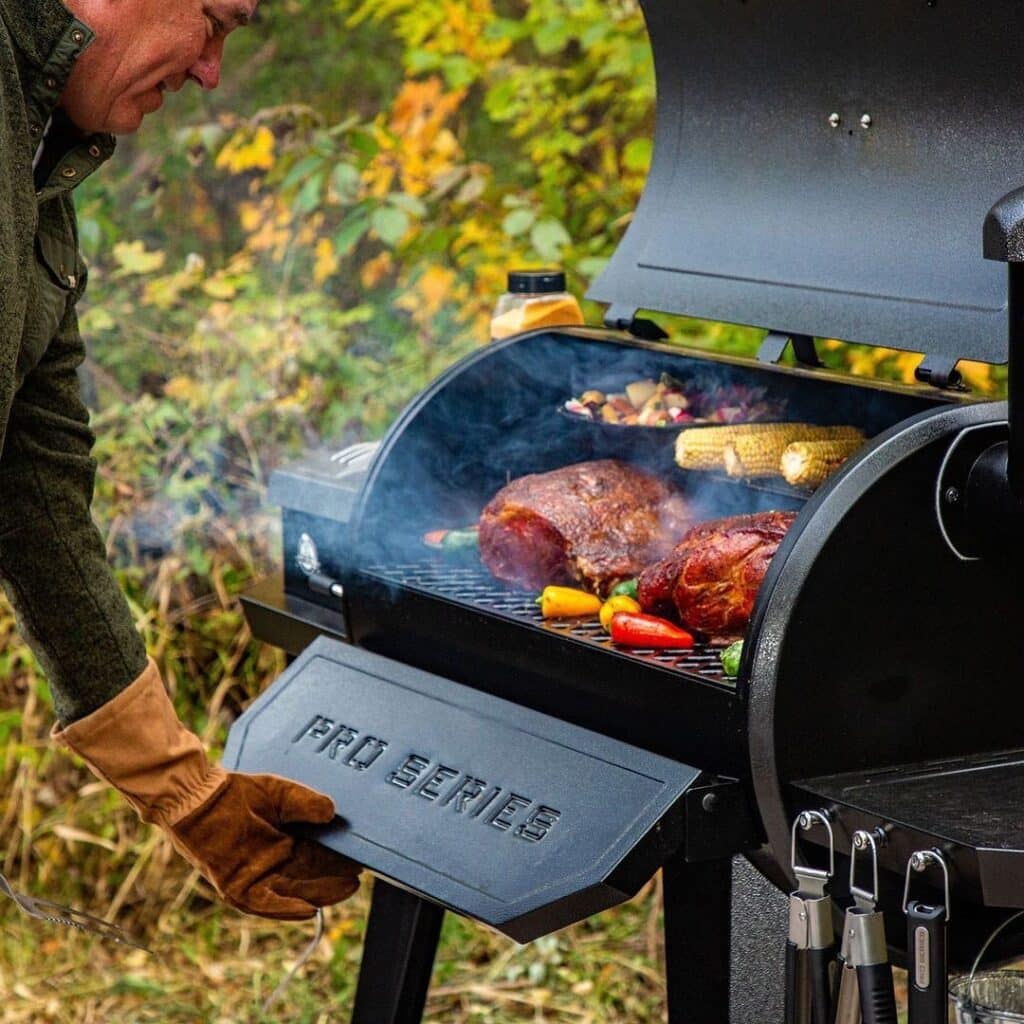
The Importance of Smoke Control and Airflow
Smoke is the soul of BBQ – but too much or too little ruins it. Restaurants treat smoke and airflow like art.
- Smoke:
o Too much = bitter, overpowering meat
o Too little = bland, lifeless flavor
- Airflow:
o Controls oxygen → regulates temperature and smoke density
o Restaurants manage vents, dampers, and chimney height for consistent blue smoke
Home hacks:
- Arrange coals or wood strategically
- Monitor vent openings
- Add wood chunks gradually
Pitmaster tip: smoke early in the cook, not at the finish. Think of airflow mastery as reading a restaurant pit – once you get it, your BBQ hits professional flavor every time.
The Science of Bark Formation
Ah, the bark – that crunchy, flavorful crust that screams “restaurant BBQ.” Bark isn’t decoration; it’s flavor concentrated.
- Forms from:
o Maillard reactions
o Smoke absorption
o Caramelization of sugars in rubs
- Common mistakes:
o Opening the grill too often
o Basting incorrectly or too aggressively
·
Tips for perfect bark at home:
- Resist peeking – let the heat do its job
- Apply rubs evenly
- Maintain consistent cooking temperature
Even minor improvements in bark elevate meat from “good” to restaurant-level delicious. Patience and a bit of science are all it takes.
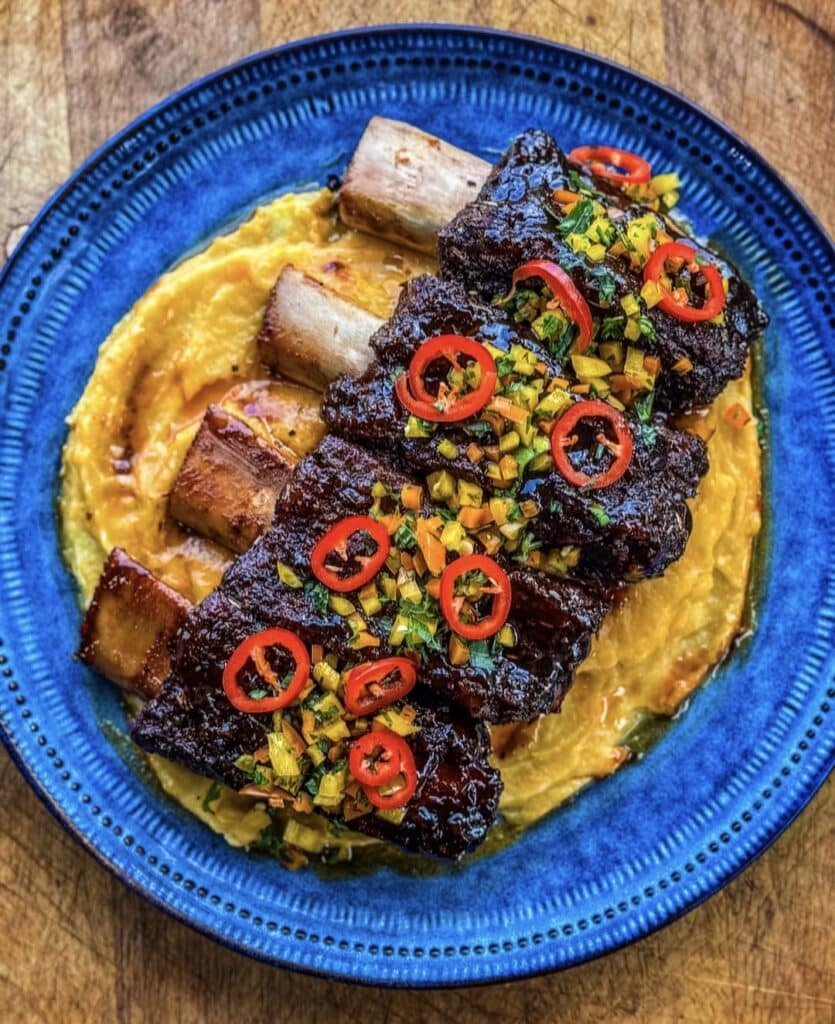
Plating and Presentation: The Final Restaurant Touch
Flavor is king, but presentation seals the deal. Restaurants know your eyes eat first.
Tips to step up your home BBQ:
- Slice against the grain – ensures tenderness
- Stack meats neatly – adds visual appeal
- Garnish thoughtfully – herbs or light sauce drizzle
- Finishing touches: brush with sauce just before serving for shine
At home, BBQ often lands on paper plates. Fine for backyard parties, but to replicate restaurant wow factor: clean slicing, careful layering, and small finishing touches make a big difference.
When your BBQ looks as good as it tastes, your friends will swear it came straight from a restaurant.
The Secret Techniques Restaurants Use
Let’s pull back the curtain a bit.
A restaurant doesn’t rely on one trick – they stack advantages.
First: layering flavor
- Dry rub for base
- Smoke for depth
- Sauce for finish
Second: fat management
Fat = flavor. Period.
A good pitmaster knows how to render it slowly so it melts into the meat.
Third: basting and mopping
Not drowning – just keeping things moist and building layers.
Fourth: consistency
This is the real secret.
👉 Same process. Same result. Every time.
At home, you experiment.
In a restaurant, you execute.
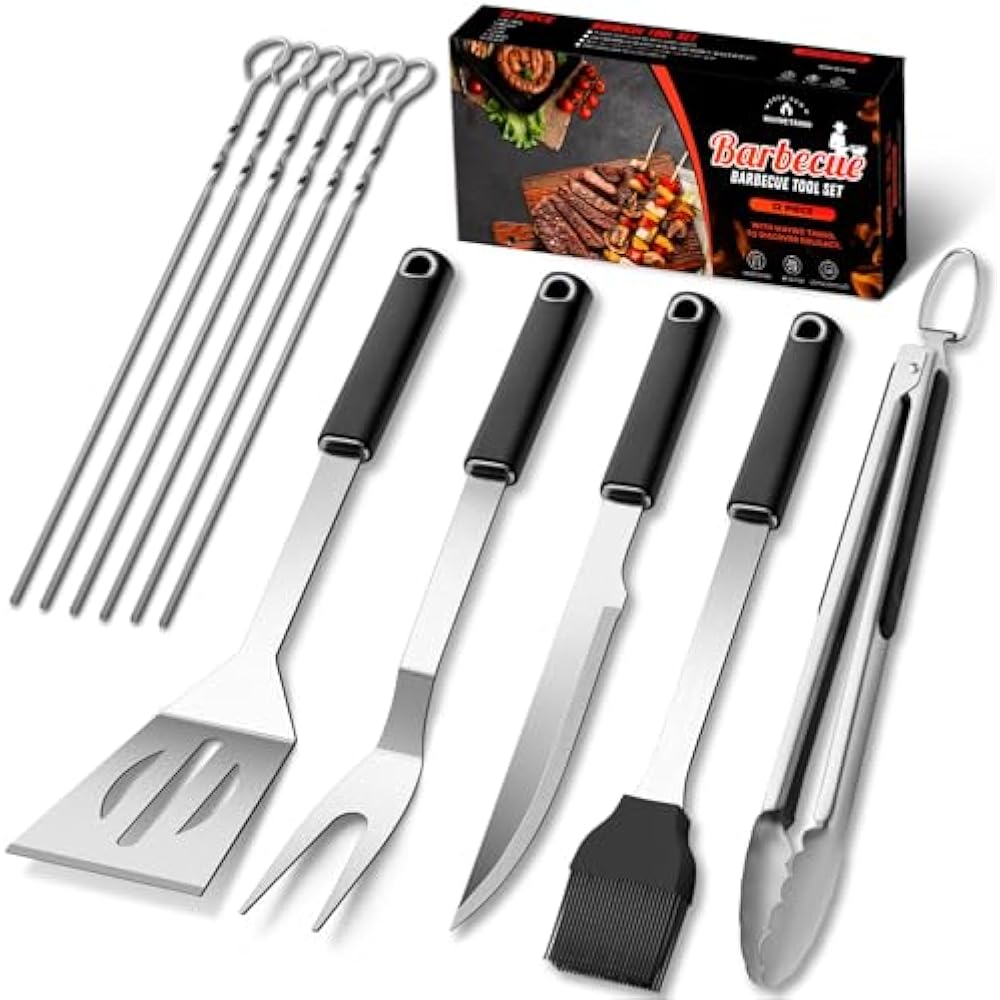
How to Choose the Right Equipment at Home
Let’s clear something up:
👉 You don’t need expensive gear to make restaurant-level BBQ.
But the right setup helps.
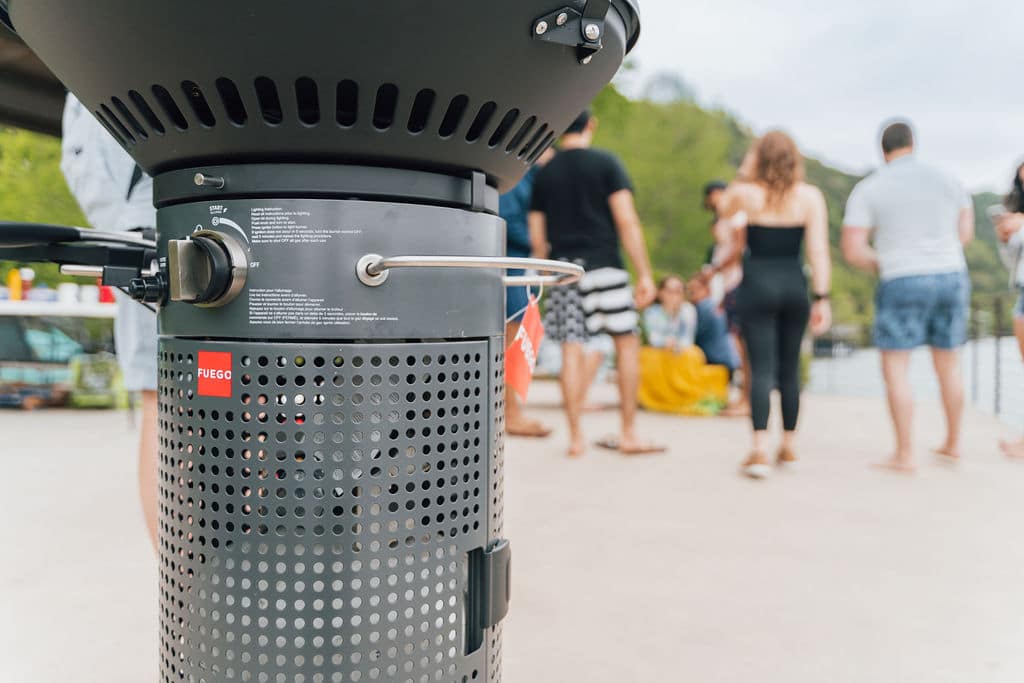
Charcoal grills give you that authentic flavor.
Gas grills are convenient but need help (like wood chips).
Pellet grills? Great middle ground.
What actually matters:
- A reliable thermometer
- The ability to control airflow
- Two-zone cooking setup
I’ve seen people make incredible BBQ on beat-up grills…
and terrible BBQ on top-tier smokers.
👉 Skill beats gear. Every time.
Mastering BBQ Flavor: The Key Components
Let’s talk about what actually builds that restaurant taste.
Salt and Seasoning Balance
Salt wakes everything up. Without it, your BBQ tastes sleepy.
Smoke and Wood Selection
Different woods = different personalities. Choose wisely, or your meat gets confused.
Sauce Timing
Sauce too early? It burns.
Sauce too late? It just sits there.
👉 Apply sauce near the end for that glossy, sticky finish.
Texture and Bark Formation
That crust on the outside? That’s the bark.
That’s where flavor lives.
And no – you don’t get it by flipping every 30 seconds.
Step-by-Step: How to Make Your BBQ Taste Like a Restaurant
Let’s simplify everything into a flow you can actually follow.
Start with seasoning. Be generous. Let it sit.
Set up your grill for indirect heat. Give yourself control.
Add your wood. Not too much. Just enough to whisper flavor, not shout it.
Keep temperature steady. Check it like you mean it.
Cook until the meat tells you it’s ready – not your watch.
Then rest it. Don’t rush the finish line.
Slice it properly. Against the grain. Always.
👉 Do this right, and your BBQ will stop tasting “homemade” and start tasting like a restaurant.
Common BBQ Mistakes to Avoid
Let’s call these out quickly, because they ruin more meals than people admit:
- Flipping meat constantly (it’s not a panic button)
- Dumping sauce on too early
- Not preheating the grill
- Guessing doneness instead of measuring
👉 If you fix just these, your BBQ improves immediately.
Quick Fixes You Can Try Today
Don’t want to overhaul everything yet? Start here:
- Add a finishing sprinkle of salt before serving
- Toss in a small chunk of wood for smoke
- Let your meat rest – seriously, just try it
- Create a hot and cool side on your grill
Small tweaks. Big difference.
Why Making Your BBQ Taste Like a Restaurant-Prepped BBQ is a Matter of Pride
Here’s the bottom line from someone who’s spent way too many hours staring at smoke:
👉 Your BBQ doesn’t taste like a restaurant because you’re missing the small details – not the big ones.
It’s not about fancy equipment.
It’s not about secret ingredients.
It’s about control, patience, and intention.
Fix your seasoning.
Control your heat.
Respect the process.
Do that, and one day someone’s going to take a bite of your BBQ, pause, and say:
“Wait… you made this?”
That’s when you know you’ve crossed the line – from backyard cook… to pitmaster.
FAQs
Q1: Why does restaurant BBQ taste better than mine?
- Restaurants control temperature, smoke, seasoning, and timing precisely.
- They start with high-quality meat and layer flavors carefully.
- At home, skipping even one step – like resting meat or controlling smoke – can drastically affect flavor.
Q2: Should I use a marinade, a dry rub, or both?
- Restaurants often combine both techniques for maximum flavor.
- Marinade: penetrates and tenderizes meat
- Dry rub: builds that iconic bark and surface flavor
- Tip: Marinate overnight, then finish with a rub before cooking.
Q3: How do I get that smoky flavor without a professional smoker?
- You don’t need a fancy smoker!
- Use wood chips or chunks on a charcoal or gas grill.
- Control airflow and smoke density – aim for thin, blue smoke, not thick gray clouds.
- Smoke early in the cook, not at the very end.
Q4: Why is my BBQ dry even when I follow a recipe?
- Common mistakes:
o Overcooking
o Skipping resting time
o Using low-fat or low-quality cuts
- Solution: monitor internal temperature, rest your meat, and choose cuts with enough marbling for juiciness.
Q5: How can I make my BBQ look like a restaurant dish?
- Slice against the grain for tenderness
- Stack or arrange meats neatly
- Add finishing touches: brush sauce lightly, garnish with herbs
- Presentation improves perception – your BBQ will taste better if it looks intentional.
Q6: What’s the secret to perfect bark?
- Bark forms from:
o Maillard reactions
o Smoke absorption
o Sugar caramelization in rubs
- Key tips: don’t open the grill too often, maintain consistent heat, and apply rubs properly.
Q7: Can I make restaurant-quality BBQ with cheap equipment?
- Yes! Skill beats gear. Every time.
- Key tools:
o Reliable thermometer
o Vent control
o Two-zone heat setup
- Technique, timing, and patience are more important than expensive grills.
Featured image credit: @barbequenation
