
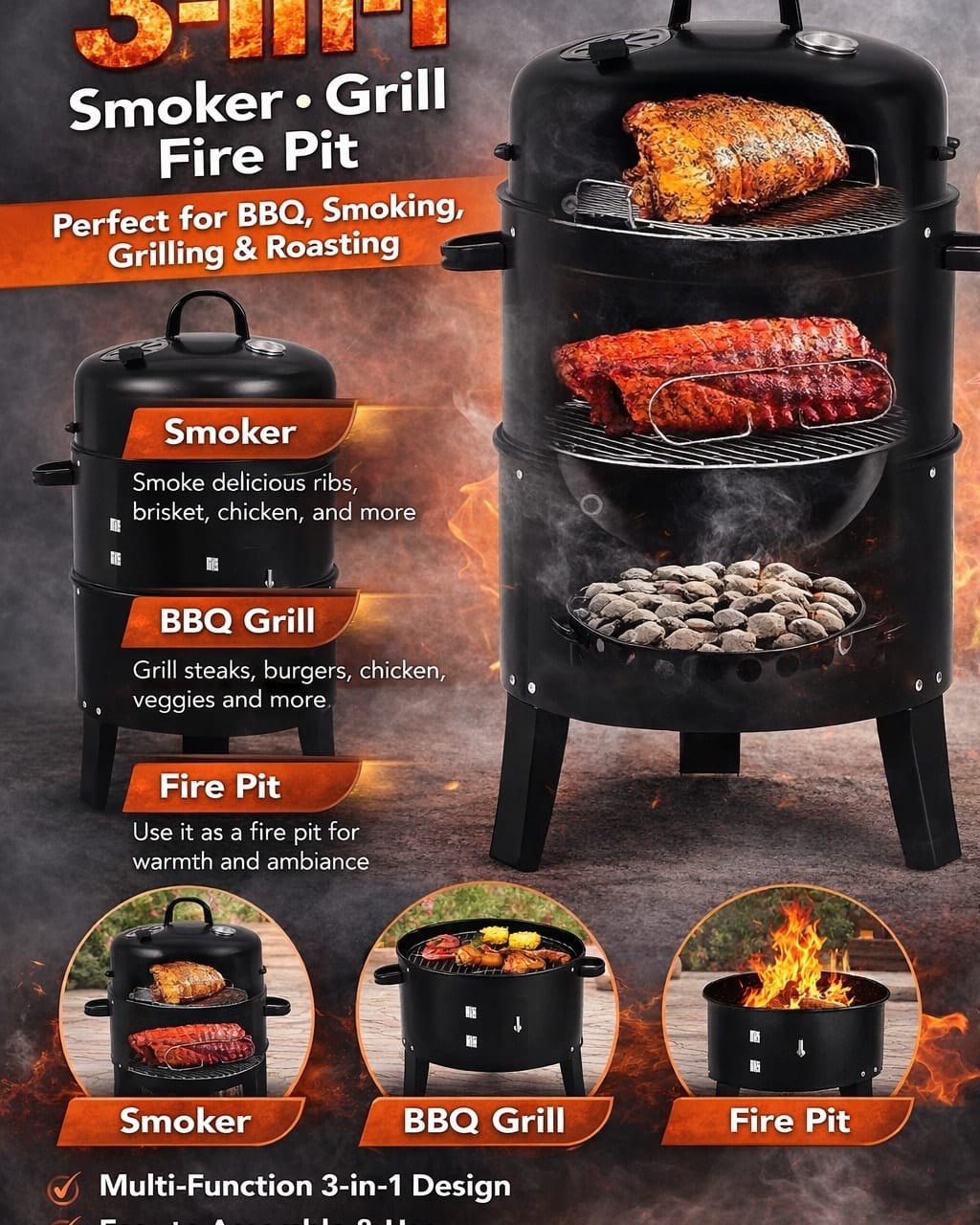
So, you’ve decided to step into the smoky, savory world of backyard BBQ.
First question: which smoker should you buy? It’s a rite of passage for every aspiring pitmaster.
Whether you want the rich, traditional flavor of an offset smoker, the convenient precision of a pellet smoker, or the versatile power of a kamado, the choice matters.
Pick the wrong one, and your first brisket might taste like disappointment instead of glory.
Relax. I’ve been there.
I’ve wrestled with flames at 2 a.m., cursed thermometers, and celebrated smoke rings the size of donuts.
This guide will walk you through offset, pellet, and kamado smokers, so you can make a smart choice, avoid rookie mistakes, and actually enjoy your journey into smoking meat.
Understanding Smoker Types
Before you start comparing prices and reading reviews, it helps to understand how each smoker works and what it brings to your grill-side table.
Offset Smokers
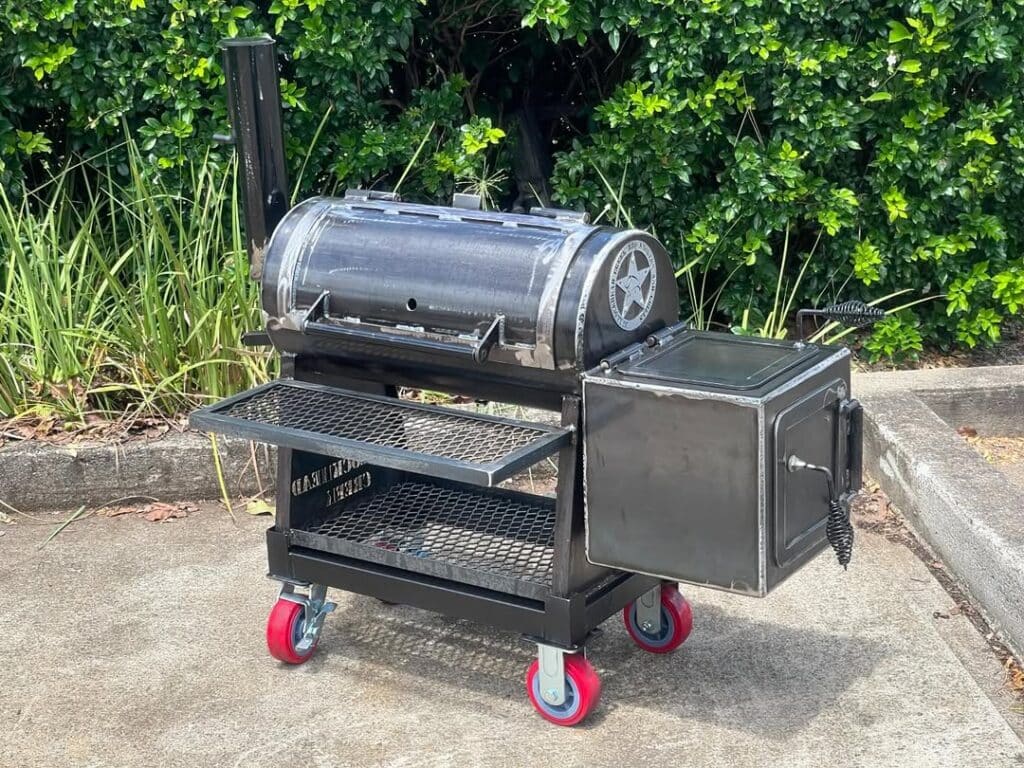
Think of an offset smoker as the granddaddy of smokers. It’s that classic barrel-with-a-box design you see in competitions and backyard pit setups. The firebox sits to the side, feeding smoke and heat into the main cooking chamber.
- Pros: It delivers authentic smoky flavor that’s hard to beat. You’re literally cooking with fire, and fire adds character.
- Cons: Temperature control is an art form. You’ll need to monitor the fire, add wood regularly, and embrace the occasional frustration. It’s rewarding, but not exactly beginner-friendly.
Anecdote: My first offset smoker had me up at 3 a.m., adjusting coals, only to realize I’d been smoking the rub-covered meat upside down. Lesson learned: patience is key.
Pellet Smokers
If offset smokers are the “craftsman’s choice,” pellet smokers are the lazy genius of the smoking world. They use compressed wood pellets and an electric auger to feed fuel into the fire, giving you consistent heat and smoke with minimal babysitting.
- Pros: Super easy to use, reliable temperatures, and you can experiment with different wood flavors without worrying about flare-ups.
- Cons: They require electricity, and some pitmasters argue that the flavor isn’t as deep as charcoal or wood-fired offsets.
Pro tip: Pellet smokers are perfect if you want to set it, forget it, and come back to perfectly smoked ribs. They’re almost like a slow cooker with a smoke ring.
Kamado Smokers
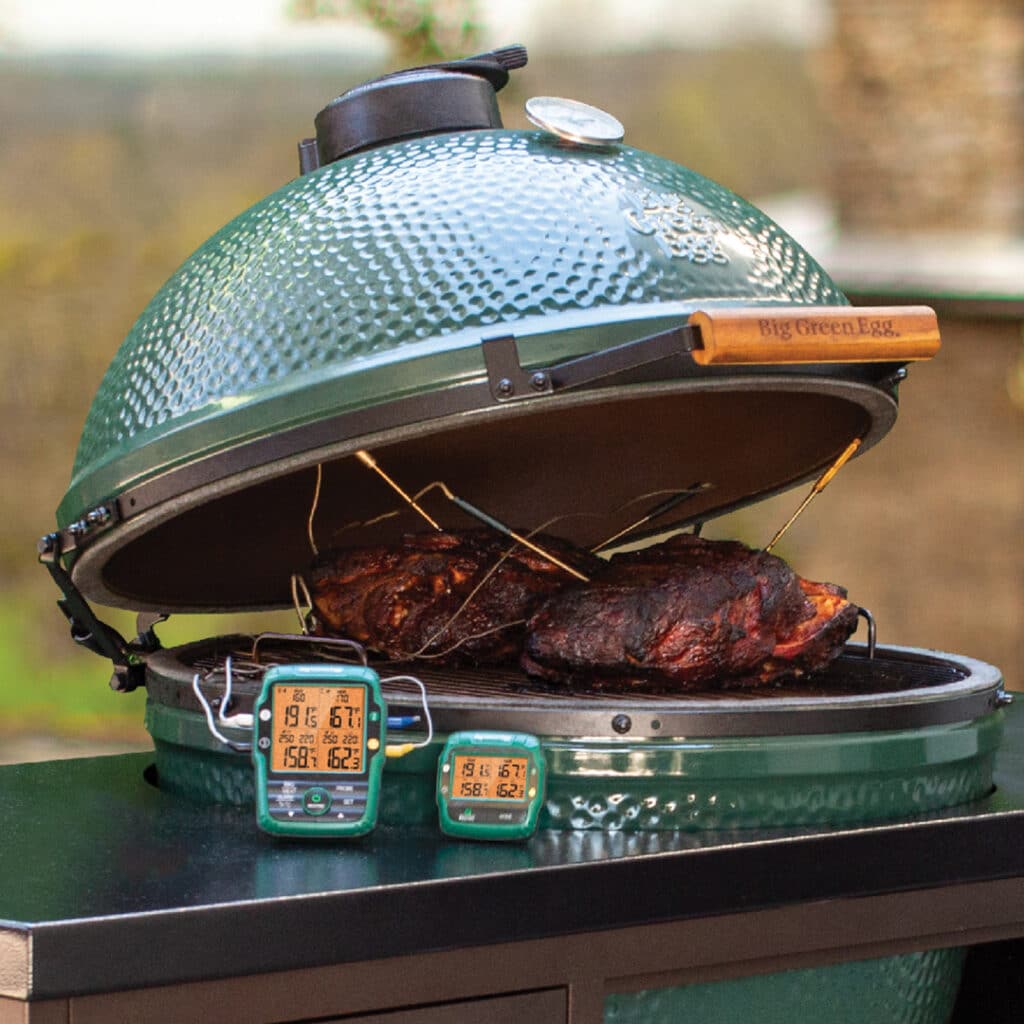
Kamado smokers are the ceramic, egg-shaped marvels you’ve probably seen online. Think Big Green Egg. They excel at heat retention and can double as a smoker, grill, or oven.
- Pros: Incredible temperature stability, versatile cooking methods, and excellent moisture retention.
- Cons: Heavy, pricey, and there’s a learning curve to charcoal management.
Fun fact: Kamados can turn beginners into BBQ pros faster than you can say “reverse sear.” But you do need to respect the ceramic beast – it’s not forgiving if you slam the lid down on a hot fire.
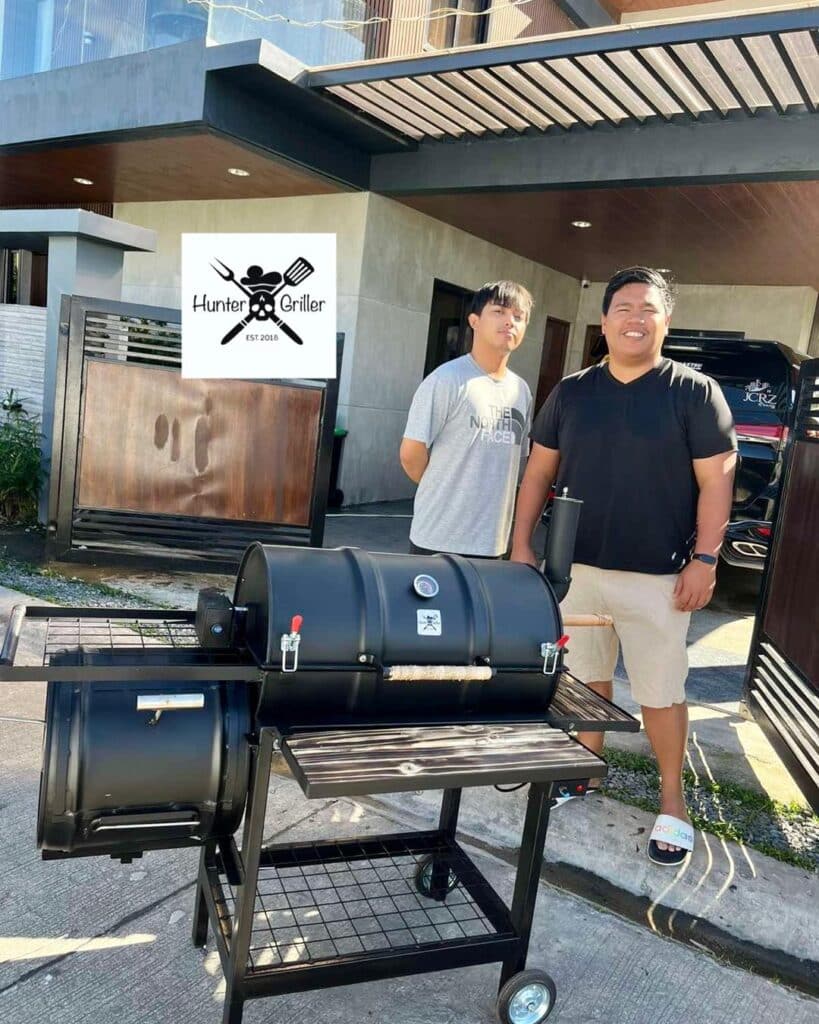
Key Factors to Consider When Choosing a Smoker
Choosing a smoker isn’t just about what looks cool in the backyard. Think practicality, flavor, and lifestyle.
- Ease of Use – How hands-on do you want to be? Offsets require constant attention. Pellet smokers are almost plug-and-play. Kamados sit somewhere in between.
- Flavor & Smoke Control – If you crave deep, traditional smoke, offsets shine. Pellet smokers offer consistent smoke but slightly milder flavor. Kamados give you balanced smoke with added versatility.
- Size & Capacity – Are you cooking for a family of four or hosting a Sunday BBQ for twenty? Smoker size matters.
- Budget – Offsets can be affordable or expensive depending on materials. Pellet smokers are mid-range but need pellets and electricity. Kamados are an investment piece – expect to pay for quality ceramics.
- Durability & Maintenance – Stainless steel offsets can rust; kamados last decades if cared for; pellet smokers require occasional cleaning of augers and burners.
Bottom line: think beyond the grill. Your smoker needs to fit your life, not just your Instagram feed.
Offset Smokers for Beginners
Offset smokers are the classic choice for flavor fanatics. They shine in competitions and backyard cook-offs alike. But beginners beware: they demand attention.
- Temperature Control: The key is learning the art of fire management. Keep a fire log, and don’t underestimate the value of a good thermometer.
- Wood Selection: Hardwoods like oak, hickory, or apple give distinct flavors. Experiment in small batches.
- Common Mistakes: Don’t overfill the firebox. Don’t panic when the temp swings. And never forget to mop the meat – moisture is flavor insurance.
If you want the true smoky experience, an offset smoker is a badge of honor. Recommended beginner-friendly offsets often have built-in thermometers and manageable cooking chambers.
They teach patience, reward attention, and let you brag about your hand-fueled smoke ring mastery.
Pellet Smokers for Beginners
Pellet smokers are the stress-free option without sacrificing too much flavor. They are ideal for people who want to smoke meat without obsessing over coals.
- How They Work: The electric feed system drops pellets into a hot fire pot, and the smoker maintains a steady temperature. You just set the dial.
- Tips: Experiment with pellet flavors – mesquite, hickory, cherry. Keep the hopper full, and don’t skip cleaning the burn pot – it keeps the smoke clean.
- Pros & Cons: Consistency is a major pro. Some purists say the smoke flavor is “soft.” But for beginners, the ease outweighs subtle flavor differences.
Imagine this: You set your smoker at 225°F, grab a beer, watch the sunset, and come back to perfectly smoked brisket. That’s the pellet smoker life. Recommended beginner models include mid-range, digital smokers that allow precise control without manual fire fiddling.

Kamado Smokers for Beginners
Kamado smokers are the Swiss army knives of outdoor cooking. Charcoal-fired, ceramic-built, they hold heat like a thermos and can smoke, grill, and even bake bread.
- Temperature Management: The ceramic body keeps heat steady. Learn to adjust vents, and you can hold 225°F or crank up to sear a steak.
- Tips: Use lump charcoal for cleaner flavor. Add wood chunks for smoky aroma. Patience pays off – ceramics heat slowly but hold it like a champ.
- Pros & Cons: Versatility is unmatched. Heavy and pricey are downsides, but longevity is a plus – your kamado can last 20+ years with proper care.
Anecdote: I smoked a pork shoulder in a kamado and baked pizza right after – one smoker, two miracles. Beginners love the kamado once they get past the “it’s heavy” hurdle.
Comparing Offset, Pellet, and Kamado Smokers
Let’s boil it down. Here’s what you’re really deciding:
- Flavor: Offset > Kamado > Pellet
- Ease of Use: Pellet > Kamado > Offset
- Versatility: Kamado > Pellet > Offset
- Cost: Offset (low to high) < Pellet (mid) < Kamado (high)
- Maintenance: Kamado (low) > Pellet (medium) > Offset (high)
Who should pick what:
- Offset: If you want authentic, hands-on BBQ and don’t mind babysitting a fire.
- Pellet: If you want convenience, reliable results, and still decent smoke flavor.
- Kamado: If you want versatility and durability with a willingness to learn charcoal nuances.
Getting Started Tips for Beginners
No matter which smoker you choose, a few universal tips will set you up for success:
- Invest in a good thermometer – both for the smoker and meat.
- Have the right tools: tongs, a mop or spritz bottle, a good knife, and heat-resistant gloves.
- Start simple: Pork shoulder, ribs, or chicken thighs are forgiving and teach temperature management.
- Respect the smoke: A thin blue smoke is ideal. Thick white smoke = bitter flavor.
- Patience is flavor: Good things take hours, not minutes. Enjoy the process.
Choosing the Right Fuel for Your Smoker
Not all fuel is created equal. Wood type, charcoal, or pellets drastically influence flavor. Hardwoods like oak, hickory, and maple give robust smoke for brisket, while fruitwoods like apple or cherry add subtle sweetness.
Avoid softwoods like pine – they produce resinous smoke that tastes awful. Charcoal burns longer and more evenly, making it ideal for kamado smokers, while pellet smokers rely on flavored pellets for convenience.
Bonus tip: Mix wood types to create signature flavors. Understanding fuel also helps with temperature control – dense hardwoods maintain heat longer, while lighter woods burn faster.
Mastering fuel selection is like a painter choosing colors: the right combination turns a good cook into a flavor artist.
Understanding Smoke Rings and Bark
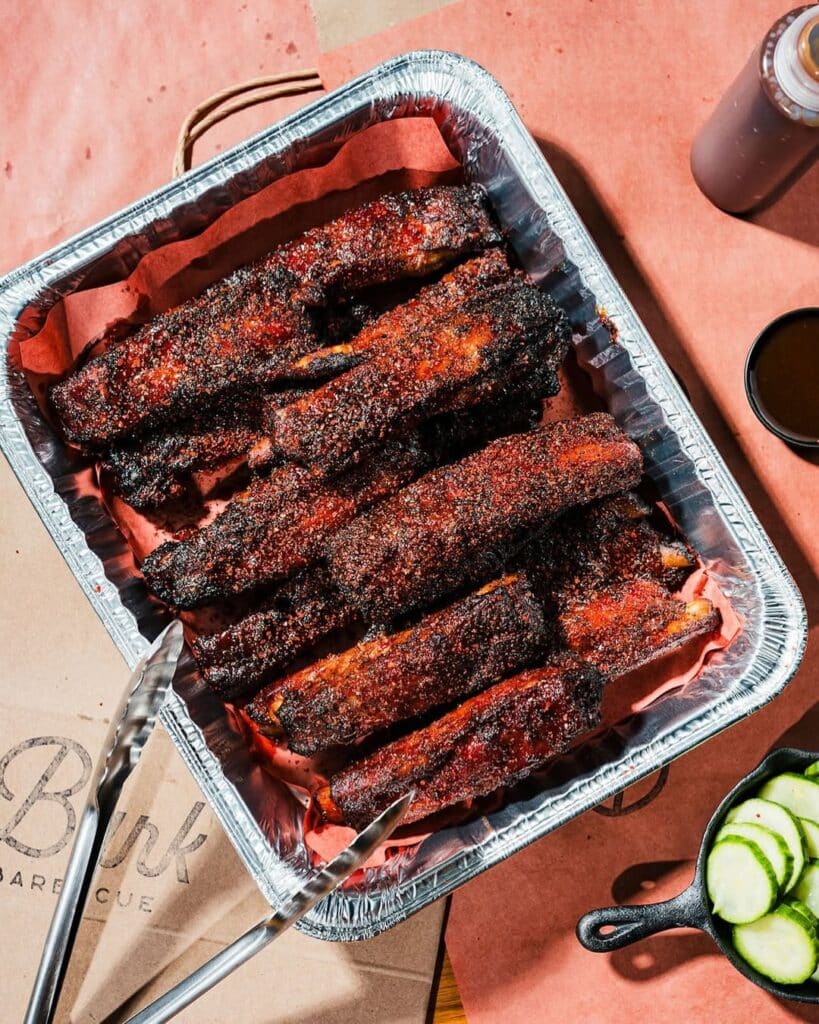
Nothing screams “pitmaster approved” like a perfect smoke ring and crispy bark. A smoke ring is that pink layer just under the meat surface, caused by nitrogen dioxide in smoke reacting with myoglobin. It’s purely aesthetic but looks impressive.
Bark forms on the exterior of the meat during low-and-slow smoking, combining spice rubs, caramelized juices, and smoke. Achieving great bark takes time, patience, and consistent heat, usually between 225–250°F.
Avoid wrapping too early; foil kills the crispy exterior.
Fun fact: bark isn’t just decoration – it locks in flavor and moisture, giving every bite that satisfying texture. Beginners often underestimate the power of these visual cues – they’re proof that smoke, fire, and love are doing their job.
Smoking Beyond Meat: Vegetables, Cheese, and Desserts
Smoking isn’t just for brisket or ribs. Vegetables like peppers, mushrooms, and corn pick up incredible flavor. Cheeses like cheddar or gouda develop a subtle, creamy smokiness – just don’t let them melt!
Even desserts can be smoked: think apple pie or brownies infused with hickory smoke. Kamados and pellet smokers excel here, thanks to precise temperature control. Smoking non-meat foods is a great way for beginners to experiment without risking expensive meat.
It also turns ordinary sides into conversation starters at your next BBQ. Your smoker becomes more than a meat machine – it’s a flavor playground, proving that creativity and smoke can coexist beautifully.
Mastering Temperature Zones in Your Smoker
Every smoker has hot spots and cool zones – understanding them is key to perfectly cooked meat. Offset smokers are notorious for temperature swings; kamados hold heat evenly, while pellet smokers maintain steady temps.
Use direct and indirect zones: place larger cuts like brisket in cooler zones and smaller items near hotter areas. Rotating meat occasionally ensures even cooking and consistent bark. Digital thermometers and probe systems are lifesavers here.
Beginners often underestimate temperature management, thinking “low and slow” is enough. In reality, knowing your smoker’s microclimates is what separates average cooks from true pitmasters. Treat it like chess: place your meat strategically and control the game of smoke.
The Role of Water Pans in Smoking
A water pan isn’t just a gimmick – it’s a moisture and temperature tool. Placing a pan of water in your smoker stabilizes heat, adds humidity, and prevents meat from drying out during long cooks.
This is especially helpful for offset smokers, which can fluctuate in temperature. Some pitmasters even add apple juice, beer, or herbs to infuse subtle flavor. Water pans also catch drippings, keeping your firebox cleaner.
Beginners often skip this step, assuming it’s optional, but it’s like skipping oil in baking – small detail, big difference.
Using a water pan correctly transforms tough cuts into juicy, tender masterpieces, proving that sometimes, a little water goes a long way in the art of smoking.
Common Smoker Mistakes Beginners Make
Even the best pitmasters have flubbed a first cook. Over-smoking, opening the lid too often, and rushing the process are top beginner mistakes. Too much wood creates bitter, acrid flavor, while frequent lid lifts kill heat and lengthen cooking time.
Another common error is ignoring resting time – letting meat rest for 20–30 minutes ensures juices redistribute. Using the wrong rub or salt balance can also mask smoke flavor. These mistakes aren’t failures – they’re learning steps.
Each error teaches you about your smoker’s quirks, your fuel’s behavior, and your timing. Embrace them, take notes, and eventually you’ll hit that “perfect smoke” moment, where flavor, tenderness, and presentation align in glorious harmony.
Maintaining and Cleaning Your Smoker
A clean smoker is a happy smoker. Ash buildup, grease, and residue affect temperature and flavor over time. For offsets, clean fireboxes and grates after every cook. Pellet smokers require hopper and auger maintenance to prevent jams.
Kamados need ceramic care and occasional ash removal. Avoid harsh chemicals – smokers thrive on vinegar, warm water, and elbow grease. Regular cleaning also prevents flare-ups and off-flavors from old grease.
Think of it like tuning a musical instrument: neglected smokers underperform, while cared-for smokers deliver consistent, flavorful results. Beginners often underestimate this step, but maintenance isn’t a chore – it’s investing in your smoking success.
FAQs
1. What is the easiest smoker for beginners?
The pellet smoker is widely regarded as the easiest for beginners. It maintains consistent temperature, requires minimal monitoring, and still produces great smoke flavor. Offset smokers offer traditional flavor but need more fire management, while kamados are versatile but heavier and pricier.
2. Do I need special wood for smoking?
Yes and no. Hardwoods like oak, hickory, cherry, or apple are best – they provide rich, clean smoke. Avoid softwoods like pine; they create bitter, resinous flavor. Experiment with different woods to develop your signature BBQ flavor.
3. How long does it take to smoke meat?
Smoking is low-and-slow, usually between 225–250°F. Times vary by meat and size: ribs take 4–6 hours, pork shoulder 8–12 hours, brisket 12–18 hours. Patience is flavor – rushing the process leads to dry, tough meat.
4. Can I smoke foods other than meat?
Absolutely! Vegetables, cheese, and even desserts can be smoked. Corn, mushrooms, peppers, or cheeses like cheddar pick up incredible flavor. Kamado and pellet smokers are perfect for experimenting with non-meat smoking.
5. Do I need a thermometer for my smoker?
Yes! A good thermometer is essential. Monitor both smoker temperature and meat internal temperature. Beginners often underestimate this, but it ensures perfectly cooked, juicy meat every time.
6. Should I use a water pan in my smoker?
Using a water pan helps stabilize temperature, adds humidity, and prevents meat from drying out. Bonus: add apple juice, herbs, or beer for extra flavor infusion. Essential for offset smokers, optional for pellet and kamado models.
7. How do I maintain my smoker?
Clean your smoker after every cook. Offsets: clear ashes and grease; pellet smokers: clean hopper and auger; kamados: remove ash and check ceramic. Proper maintenance prevents flavor issues, flare-ups, and uneven cooking.
8. What are the common mistakes beginners make?
Over-smoking, opening the lid too often, rushing cooks, and ignoring resting time are common mistakes. Track your temperature, wood usage, and resting periods. Learn from each cook – smoking is a skill perfected over time.
Memorable First-Time Smoker Grill Purchase
Choosing your first smoker is like choosing your first guitar: each type has a personality, strengths, and quirks.
- Offset smokers teach the art of fire and reward dedication with deep, smoky flavor.
- Pellet smokers let you set it and forget it, delivering consistent results with minimal stress.
- Kamado smokers are versatile, durable, and capable of everything from slow-smoking brisket to baking bread.
Pick the smoker that fits your lifestyle, taste preference, and backyard space. Remember, smoking meat is more than cooking – it’s patience, experimentation, and a bit of fun chaos.
Grab your smoker, fire it up, and join the ranks of pitmasters who have turned wood, fire, and patience into smoke-ring magic.
Featured image credit: @grouchymantis
