
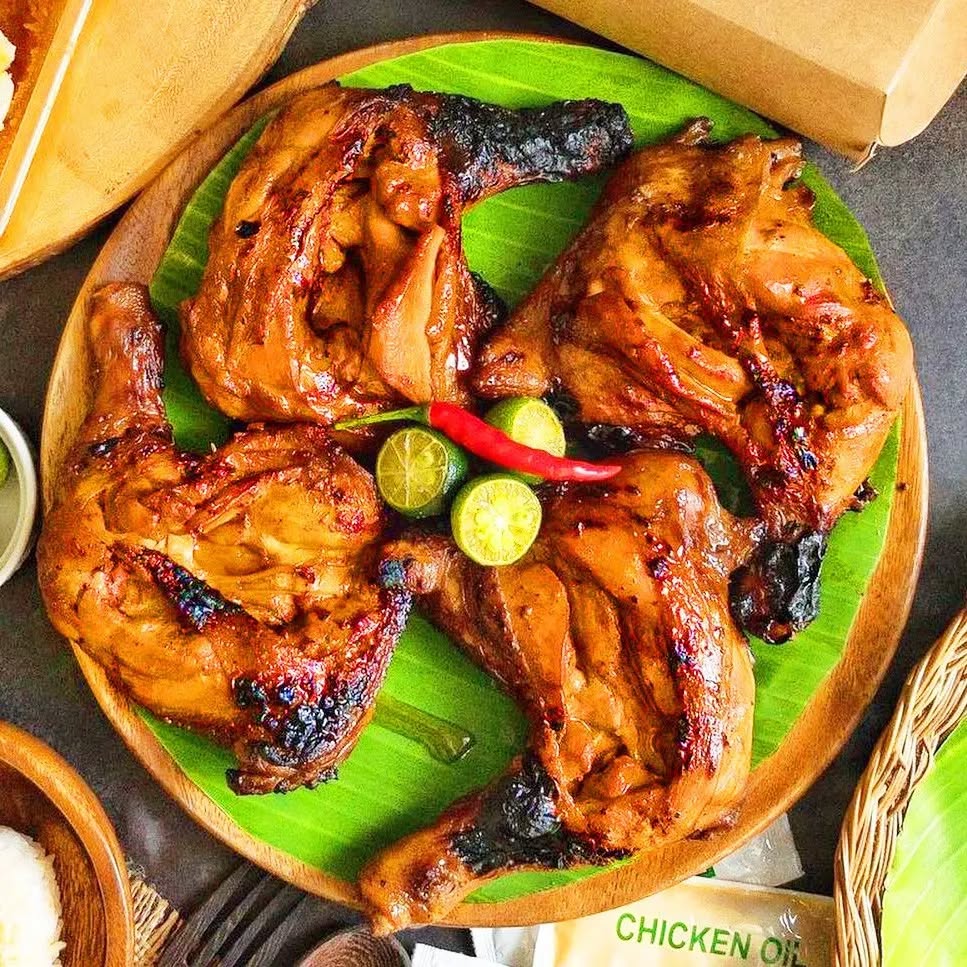
The Magic of Inasal: Smoky, Savory, and Seriously Addictive
There’s something hypnotic about the smell of Inasal sizzling over charcoal.
It’s the kind of aroma that makes neighbors suddenly remember they need to borrow sugar – just so they can check what you’re grilling.
Inasal is a Filipino grilled chicken specialty most famously associated with Bacolod street food culture. What makes it special isn’t complicated cooking science.
It’s balance. Smoky. Tangy. Slightly sweet. Juicy. And that signature reddish-orange glow that comes from annatto oil – the quiet star of this dish.
Think of Inasal as Filipino BBQ with personality. Not aggressive. Not overly saucy. Just confident, smoky, and deliciously simple.
As a pitmaster would say: If you can smell the smoke, you’re already halfway to good Inasal.
What You Need for Authentic Inasal Flavor
Let’s talk ingredients – because good grilling is 70% prep, 30% patience, and 100% refusing to walk away from the grill while the chicken cooks.
To achieve the authentic taste of Chicken Inasal, the secret lies in a combination of simple yet distinctive ingredients that create its signature smoky, tangy, and slightly sweet flavor.
The marinade typically starts with calamansi juice, vinegar, garlic, ginger, lemongrass, brown sugar, and soy sauce, which together tenderize the chicken and infuse it with bright citrus and savory notes.
A key ingredient that gives inasal its recognizable color and aroma is annatto oil (atsuete oil), made by heating annatto seeds in oil and brushing it over the chicken while grilling.
The chicken is traditionally cooked over hot charcoal, allowing the marinade to caramelize and the skin to become lightly charred and smoky.
To complete the authentic experience, the grilled chicken is usually served with garlic rice, dipping sauces made from soy sauce, calamansi, and chili, and sometimes paired with chicken oil drizzled over rice for extra richness.
The Science of Smoke: Why Charcoal Makes Better Inasal
Great Inasal is secretly part cooking science, part fire poetry. The magic comes from charcoal grilling, which produces complex smoky compounds that gas grills simply can’t replicate.
When fat drips onto hot charcoal, it creates flavor smoke molecules that rise back into the chicken skin – basically flavor recycling, but delicious.
Pitmasters know that steady heat control is more important than high heat intensity.
Inasal is cooked using indirect heat zones, meaning chicken is not directly sitting over raging flames. This prevents burning while allowing the meat to cook slowly and absorb smoky flavors.
The chemical reaction between smoke, fat, and protein creates what chefs call Maillard-style browning enhancement. That golden-brown skin isn’t just pretty – it’s packed with roasted, nutty flavor notes.
If your Inasal smells like a bonfire in a good way, you’re winning.
The Cultural Story Behind Inasal Street Food Culture
Inasal is more than grilled chicken – it’s a Filipino street food tradition built around community, affordability, and late-night cravings. In places like Bacolod, Inasal vendors operate like neighborhood legends.
People don’t just buy chicken; they buy memories wrapped in banana leaf aroma and charcoal smoke.
Street-style Inasal is usually eaten standing up, sometimes with friends sharing one plate of rice and chicken pieces. This reflects Filipino dining culture, which prioritizes communal eating rather than individual plating.
Street vendors often master Inasal by intuition. They watch the fire, listen to the sizzle, and adjust cooking speed based on weather humidity and wind direction.
Sounds dramatic? That’s because street cooking is part cooking skill, part environmental awareness. Inasal represents Filipino resilience – simple ingredients, powerful flavor, and zero pretension.
The Role of Banana Leaves in Authentic Inasal Flavor
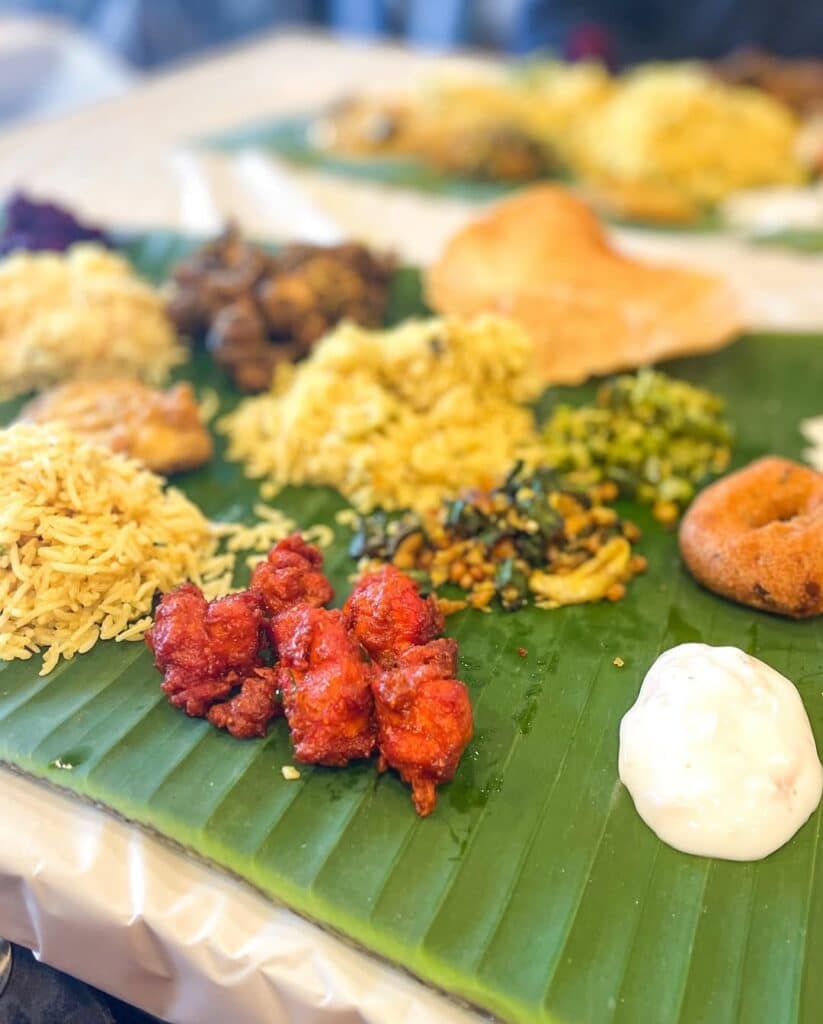
If charcoal is the heart of Inasal, banana leaves are the perfume. Using banana leaves during cooking adds a subtle herbal, tropical aroma that enhances the smoky flavor without overpowering it.
Before grilling, some cooks lightly warm banana leaves over heat to release natural oils.
These oils contain plant compounds that add faint grassy, earthy notes to the chicken. This technique is rooted in traditional Filipino cooking methods, where food was often cooked using natural wrapping materials.
Banana leaves also help retain moisture, acting like a natural steam-flavor barrier. This keeps Inasal juicy while still allowing smoky flavor penetration. Think of it as wearing a raincoat during a barbecue – you stay protected, but you still enjoy the weather.
Modern home cooks sometimes skip this step, but adding banana leaves is one of the easiest ways to make home-cooked Inasal taste more restaurant-authentic.
Best Drinks and Pairings for Eating Inasal
Eating Inasal is not complete without the right drink. In Filipino food culture, pairing food with beverages is almost ritualistic. The classic pairing is iced calamansi juice or iced tea, which helps cut through the richness of grilled chicken fat.
For adults, some prefer light beer because carbonation acts like a palate cleanser, resetting taste buds between bites. The slight bitterness of beer also contrasts beautifully with the sweet-smoky glaze of Inasal.
If you want a more modern pairing experience, try coconut water. Coconut water adds a natural sweetness that complements the lemongrass and ginger notes in the marinade.
Avoid overly sweet sodas. Too much sugar can overpower Inasal’s delicate balance of smoky + sour + savory flavors. Think of pairings like music harmony – you want background instruments supporting the main melody, not drowning it out.
Advanced Pitmaster Tricks for Restaurant-Level Inasal
If you want restaurant-quality Inasal, think like a professional pitmaster. First, lightly score the chicken skin. This helps marinade penetrate deeper into muscle fibers, improving flavor distribution.
Second, try a two-stage cooking method. Start cooking chicken on medium heat until mostly done, then finish on higher heat to create crispy, caramelized skin layers.
Third, brush chicken using a mixture of annatto oil + melted butter during the final 5 minutes of grilling. Butter contains milk solids that caramelize quickly, creating deeper flavor complexity and shiny presentation.
Professional cooks also rest grilled chicken for about 5–8 minutes before serving. Resting allows juices to redistribute inside the meat instead of spilling out when cut.
Think of Inasal like a good story – you don’t rush the ending. You let it settle, then serve it while it’s still hot enough to steam slightly when it hits the plate.
Serving Inasal Like a Street Food Pro
Traditional Inasal is served with:
- Steamed rice (because rice is the emotional support carbohydrate of Filipino cooking)
- Toyomansi dip (soy sauce + calamansi + chili)
- Pickled papaya (atchara) for brightness and crunch
Eat it with your hands if you want the full street experience. Just don’t blame me if you start eating faster than you can cook.
Common Inasal Mistakes (And How to Avoid Them)
❌ Skipping Marination Time
Flavor needs time to party with the meat.
❌ Grilling Over Too Much Heat
You want smoky, not cremated.
❌ Not Basting
Basting is what gives Inasal its glossy, restaurant-style finish.
❌ Using Boneless Chicken
You’ll lose juiciness. Pitmasters strongly disapprove.
Modern Twists on Classic Inasal
Because cooking should evolve like music playlists.
🌶 Spicy Inasal
Add chili flakes or chopped siling labuyo to the marinade.
🍯 Sweet-Glazed Inasal
Finish grilling with a light honey annatto glaze.
🏠 Oven Inasal Version
If you don’t have a grill:
- Use the broiler
- Flip chicken frequently
- Still baste – ovens can’t take all the credit.
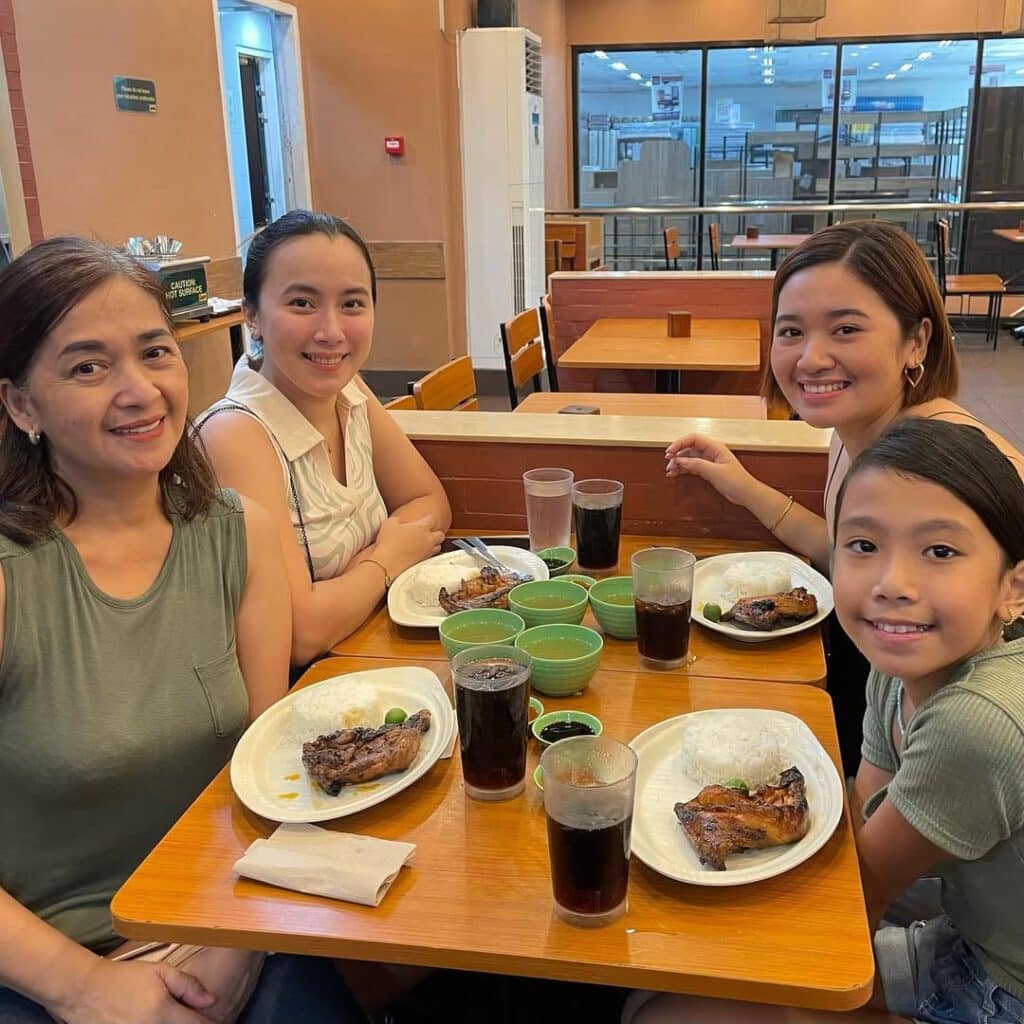
Why People Fall in Love with Inasal
Inasal is more than food. It’s nostalgia. It’s street food culture. It’s families gathering around charcoal smoke like it’s some ancient cooking ritual passed down from grandmothers who never wrote recipes – only feelings.
Good Inasal should make you:
- Slow down
- Eat more rice than planned
- Consider opening your own backyard grill business (just kidding… unless?)
Inasal Done Right
Making Inasal at home is surprisingly forgiving. You don’t need Michelin-level kitchen equipment. You need good ingredients, patience, and respect for fire.
The best cooks aren’t the ones who rush. They’re the ones who listen to the sizzle. When the chicken hits the grill and you hear that steady cooking rhythm, you know you’re doing it right.
So fire up that grill, make your marinade, and remember:
👉 Inasal isn’t just cooked. It’s coaxed slowly into perfection.
Now go make some smoky magic.
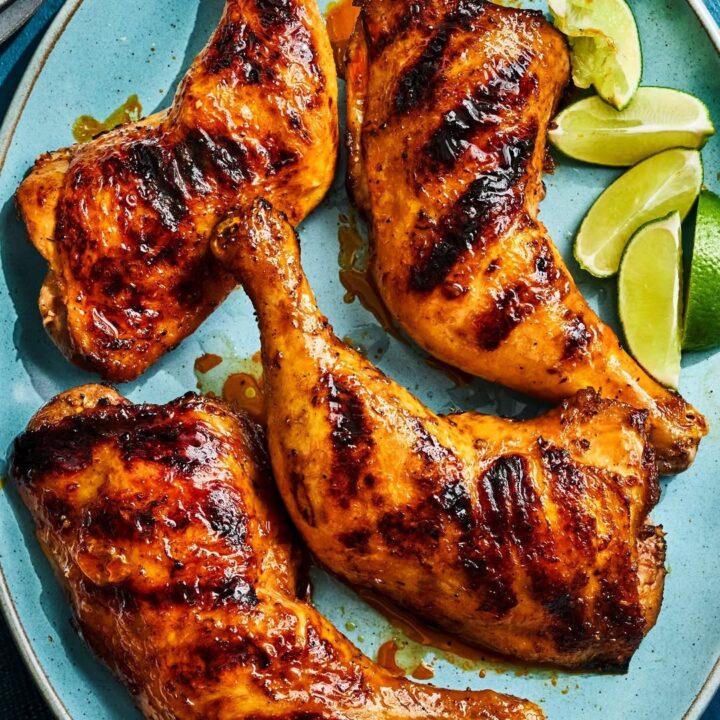
Best Chicken Inasal Recipe
Image credit: @foodandwine
Ingredients
- Chicken thighs or drumsticks (bone-in, skin-on is non-negotiable for juiciness)
- Calamansi or lemon juice
- Soy sauce
- Cane vinegar
- Garlic (lots of it – vampires hate Inasal night)
- Ginger
- Lemongrass
- Brown sugar or honey
- Salt and pepper
- The Secret Weapon: Annatto Oil
- This is what gives Inasal its iconic color and subtle earthy flavor.
- You can make it by gently heating:
- Annatto seeds
- Cooking oil
- Once the oil turns deep orange, strain the seeds out. You’re left with liquid gold for grilling.
- 👉 Key Point: Color in Inasal isn’t just aesthetic. It’s flavor storytelling.
Instructions
Making the Inasal Marinade (Where Flavor Starts Dating the Chicken)
In a bowl, combine:
- Calamansi juice
- Soy sauce
- Vinegar
- Minced garlic
- Grated ginger
- Finely chopped lemongrass
- A little sugar for balance
Whisk it like you mean it. Let the marinade sit for 5–10 minutes so the flavors start bonding like old friends at a reunion.
Now add the chicken.
Massage the marinade into the meat. Yes, massage. Cooking is basically therapy with fire and food.
Cover and refrigerate for at least 2–4 hours. Overnight is even better. If patience isn’t your strong suit, just remember: Good Inasal is like good coffee – it doesn’t rush itself.
Grilling the Inasal: The Smoke Show Begins
Preheat your grill to medium-high heat. If you’re using charcoal, you want glowing coals, not raging flames. Flames are the enemy of juicy chicken. Flames make sad chicken.
Brush the grill with oil to prevent sticking.
Place the chicken on the grill skin side down first. This is where the magic happens. The skin renders fat, creates crispy edges, and builds flavor layers.
The Pitmaster Move: Basting
Mix leftover marinade with annatto oil. Then:
- Brush the chicken every 5–7 minutes
- Rotate pieces to cook evenly
You’re not just cooking chicken. You’re building flavor armor.
Cook for about 25–30 minutes, depending on thickness. The chicken is done when:
- Juices run clear
- Internal temperature reaches safe cooking levels
- The outside looks like it just came back from a sunny vacation – golden, slightly charred, irresistible.
👉 Important Phrase to Remember:
“Low and slow enough to stay juicy, hot enough to get smoky.”
The Smoky Flavor Secret (Street-Style Trick)
If you want real street-style Inasal vibes, add:
- Banana leaves on the grill rack
The leaves release subtle aroma oils. Not mandatory – but highly recommended if you want your kitchen to smell like a Filipino night market.
And yes, your neighbors will definitely come knocking.
Featured image credit: @iammanginasal
