
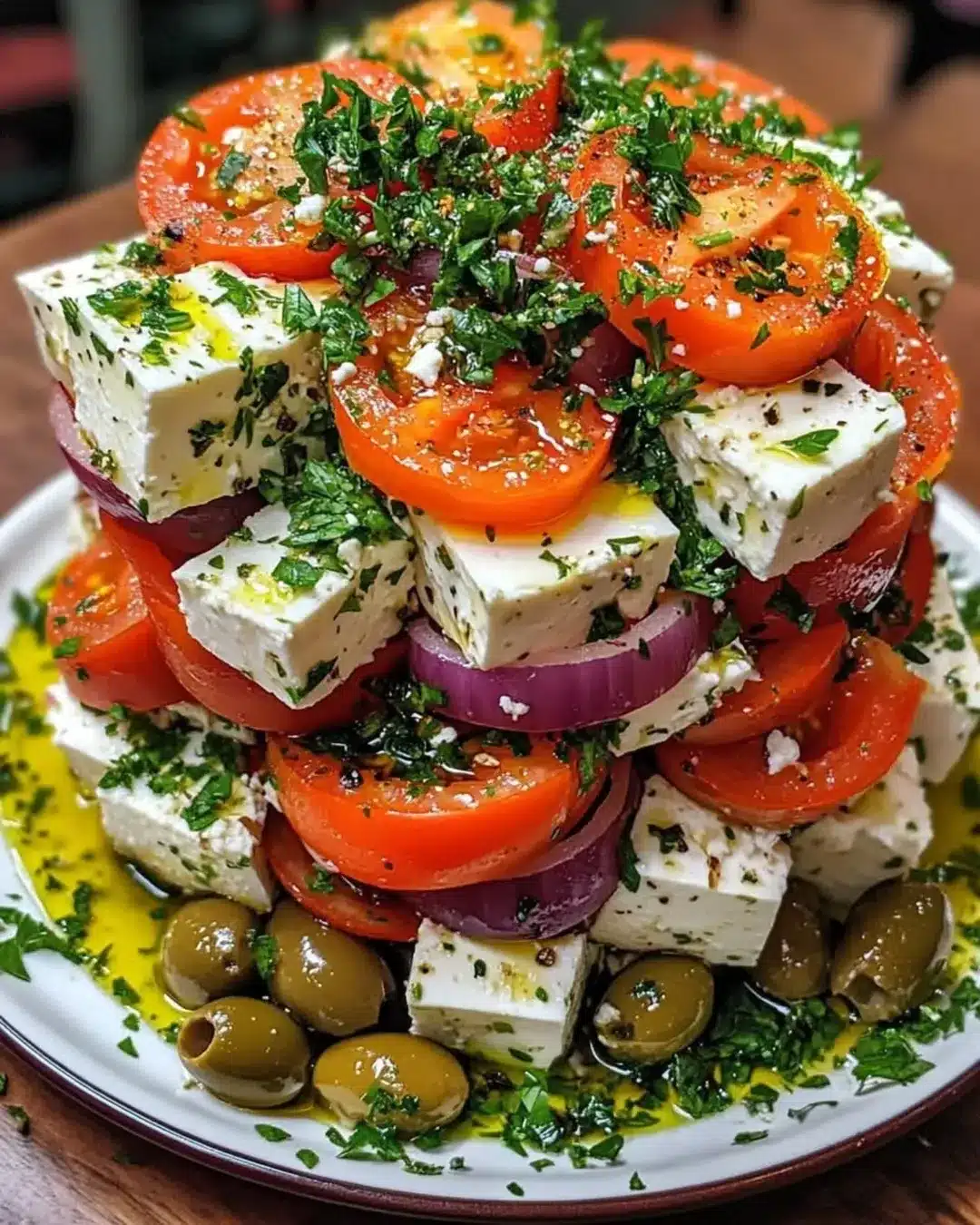
The Perfect Greek Salad That Never Lies – Fresh Is Fresh
Anyone familiar with grilling quickly learns a universal truth: fresh ingredients consistently create better flavor than any fancy technique or elaborate preparation.
I’ve cooked plenty of meals where I tried to get fancy, but when it comes to Greek salad, simplicity is the secret weapon.
Think of Greek salad like a good barbecue sauce – it should enhance, not hide, the main ingredients.
A proper Greek salad is more than just a bowl of vegetables with cheese slapped on top.
In Greece, this dish is often called a village-style salad, and that’s exactly how it was born – farmers tossing together whatever was freshest from the land, drizzling olive oil like liquid gold, and calling it a day.
Honestly? That’s culinary confidence.
This is a salad that doesn’t try too hard. It just shows up, looks good, and tastes even better.

What Makes a Greek Salad Truly Perfect?
Here’s where many home cooks go wrong. They either overcomplicate things or treat Greek salad like an afterthought. But the best Greek salad is built around balance:
- Sweet from ripe tomatoes
- Crisp freshness from cucumbers
- Sharp bite from onions
- Briny punch from olives
- Creamy richness from feta
- Herbal warmth from oregano
- Smooth, grassy luxury from olive oil
If barbecue is about smoke and patience, Greek salad is about respecting the ingredients. No hiding behind heavy dressings. No drowning everything in sauce like you’re trying to solve emotional problems with ranch dressing (we’ve all been there).
The Science of Flavor Balance in a Great Greek Salad
One thing that separates a good Greek salad from an unforgettable one is flavor balance. Professional cooks think in terms of sweet, salty, sour, bitter, and fat working together like a well-rehearsed band.
Flavor Harmony Principles
- Sweet – Ripe tomatoes provide natural sweetness and freshness.
- Salty – Feta cheese and olives bring bold, savory depth.
- Sour – Red wine vinegar adds bright acidity to wake up the palate.
- Fat – Extra virgin olive oil acts like the bass player: smooth, steady, essential.
Texture is just as important as flavor. The experience of eating should feel dynamic, not flat.
Texture Tricks
- Crunchy cucumbers contrast with soft feta.
- Juicy tomatoes burst with moisture.
- Each bite should feel different from the last.
A professional trick is to add a tiny pinch of sea salt after plating, not during mixing. This keeps vegetables from releasing too much water. Think of it like seasoning steak after cooking, not before.
Mastering balance is what transforms a simple Greek salad into a restaurant-quality dish without complicated cooking methods.
Choosing and Storing Ingredients Like a Professional Chef
Great cooking starts long before food hits a bowl. The perfect Greek salad depends heavily on ingredient quality and storage techniques.
Choosing Fresh Ingredients
Look for natural freshness signals:
- Tomatoes should smell sweet, earthy, and slightly floral.
- Avoid vegetables that look overly shiny — they may have been harvested too early.
- Cucumbers should have tight skin and bright color without soft spots.
Quality ingredients should feel alive and vibrant, not factory processed.
Proper Storage Methods
Storage is just as important as selection.
- Keep vegetables refrigerated but not overly cold.
- Extreme cold can dull natural flavors and aroma.
- Tomatoes should stay at room temperature until serving time.
- Feta cheese should stay in its brine or be tightly wrapped to prevent drying.
Many home cooks make the mistake of prepping too early. The best Greek salad is assembled shortly before eating, preserving aroma, texture, and color. Think of ingredients like musicians – they perform best when fresh, tuned, and ready to play.
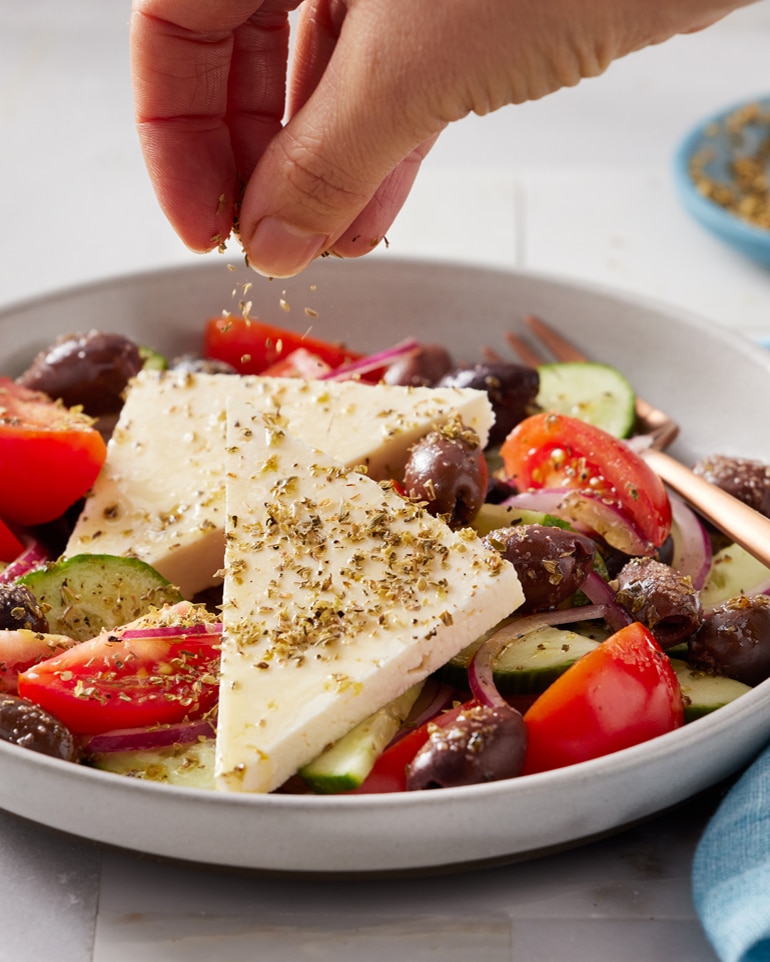
Presentation Secrets That Make Greek Salad Look Restaurant-Quality
You truly eat with your eyes first, especially with a colorful Greek salad. Professional presentation is about simplicity, space, and confidence.
Plating Techniques
- Use a wide, shallow bowl for visual balance.
- Give ingredients breathing room instead of overcrowding them.
- Use large, rustic vegetable cuts for a modern Mediterranean aesthetic.
Layering Strategy
Instead of aggressively mixing everything:
- Start with tomatoes.
- Add cucumbers next.
- Follow with sliced red onions.
- Top with kalamata olives.
- Finish with large feta chunks placed like culinary artwork.
Final Visual Touches
- Drizzle extra virgin olive oil using a spoon instead of pouring directly.
- This creates glossy streaks that make the salad look professional.
- Sprinkle fresh herbs such as parsley or oregano for color contrast and aroma.
A great Greek salad should look naturally elegant – like it was assembled with relaxed confidence, not like it survived a blender accident.
Modern Twists on Greek Salad for Contemporary Cooking
Tradition matters, but modern cooking loves creativity, and the Greek salad is surprisingly flexible.
Modern Nutritional Variations
Trending additions include:
- Avocado slices – adds creamy richness.
- Roasted chickpeas – provides protein and crunch.
- Quinoa or couscous – turns the salad into a full meal.
These additions transform Greek salad from a side dish into a complete, modern meal option.
Flavor Experimentation Ideas
Some contemporary chefs explore new seasoning styles:
- Smoked sea salt adds subtle depth.
- Chili flakes provide gentle heat.
- Lemon zest replaces vinegar for brighter citrus aroma.
Vegan Adaptations
Plant-based versions are becoming popular:
- Replace feta with marinated tofu.
- Use cashew-based cheese alternatives.
The most important rule is respecting the spirit of the dish. Even with creative changes, a good Greek salad must still taste fresh, bright, and Mediterranean. Think of modern cooking like jazz – expressive, but still built on structure and rhythm.
Pro Tips From a Pitmaster’s Kitchen
Since I spend my life around heat, smoke, and impatient diners, I’ve learned a few tricks that make Greek salad taste next-level.
1. Let the Salad Rest for 5 Minutes
This is huge. It lets the flavors marry. Think of it like letting barbecue rest before slicing. Nobody likes dry, rushed results.
2. Use the Best Olive Oil You Can Afford
Cheap olive oil tastes like regret. Good olive oil tastes like vacation money well spent.
3. Don’t Over-Toss
Greek salad should not look like it survived a tornado.
4. Serve at Room Temperature
Cold tomatoes are like cold jokes – they don’t land well.
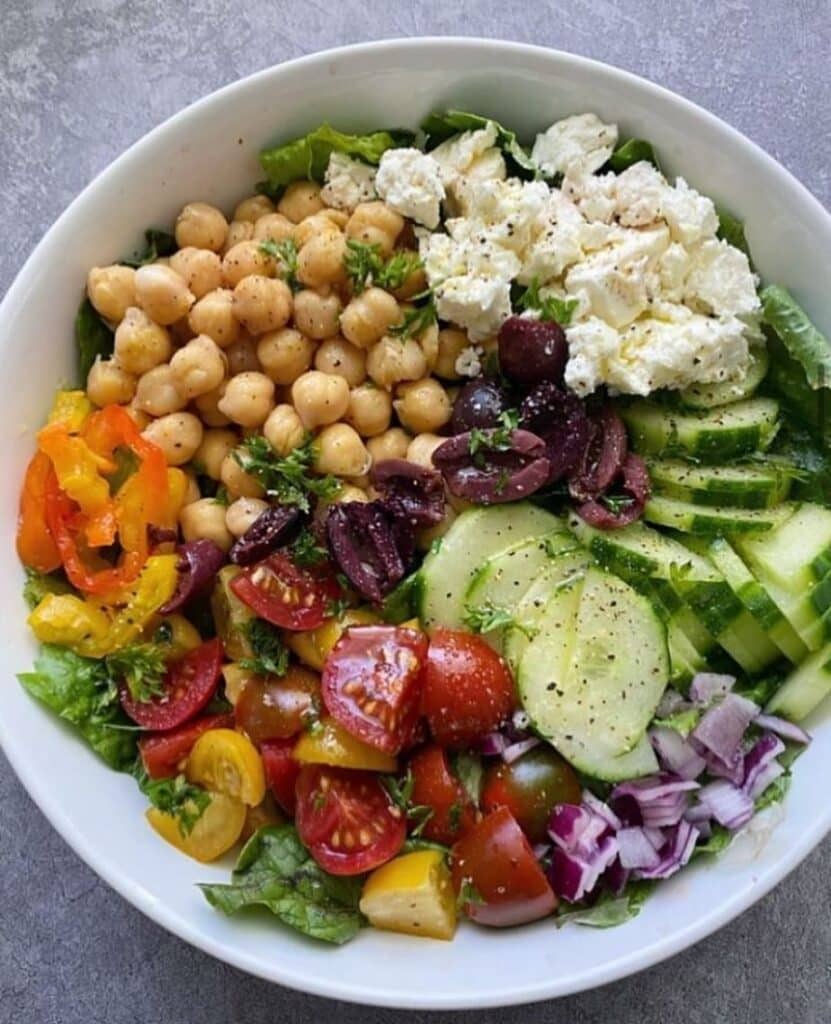
Fun Variations on Classic Greek Salad
One of the best things about cooking is knowing when to follow tradition and when to have fun.
Protein-Packed Greek Salad
Add grilled:
- Chicken
- Shrimp
- Lamb slices
This turns your salad into a full meal. Perfect after a workout or after a long day pretending to be productive.
Grain Greek Salad
Add:
- Quinoa
- Couscous
- Farro
This makes the salad heartier and gives it a modern Mediterranean twist.
Vegan Greek Salad
Swap feta for:
- Vegan feta
- Marinated tofu cubes
Not traditional, but still delicious. The Greeks might raise an eyebrow, but they’ll probably still eat it.
Spicy Greek Salad
Add:
- Thin slices of chili peppers
- Red pepper flakes
Not traditional, but neither is putting pineapple on pizza, and people still do that.
What to Serve With Greek Salad
This salad is ridiculously versatile.
Try pairing it with:
- Grilled meats
- Fish with lemon
- Pita bread and hummus
- Roasted vegetables
Honestly, I’ve even eaten Greek salad straight from the bowl while standing in my kitchen like a raccoon with good taste.
Common Mistakes to Avoid
Let me save you some culinary embarrassment.
❌ Using crumbled feta from a plastic tub
❌ Adding heavy creamy dressings
❌ Over-chopping vegetables
❌ Refrigerating salad for too long before serving
Remember: Greek salad is supposed to taste alive.
The Philosophy of Greek Salad
Here’s the deeper lesson behind this dish.
Great cooking isn’t about complexity. It’s about confidence in simplicity.
Good chefs know when to step back and let ingredients do the talking. Greek salad is the culinary equivalent of wearing a clean white shirt with great jeans – effortless, timeless, and always in style.
If you remember only one thing from this article, remember this:
👉 Use the freshest ingredients you can find
👉 Keep the preparation simple
👉 Don’t overthink it
Cooking should feel a little fun, a little messy, and a lot delicious.
Final Thoughts
The perfect Greek salad is proof that good food doesn’t need to be complicated to be impressive.
Whether you’re grilling steaks in your backyard, cooking dinner for family, or just trying to eat something healthy without feeling sad about it, Greek salad delivers every time.
So grab fresh vegetables, good olive oil, real feta, and cook like you mean it. Because at the end of the day, the best meals are the ones you enjoy making just as much as eating.
Now go make a Greek salad. And maybe pour yourself a glass of something cold while you’re at it – you earned it.
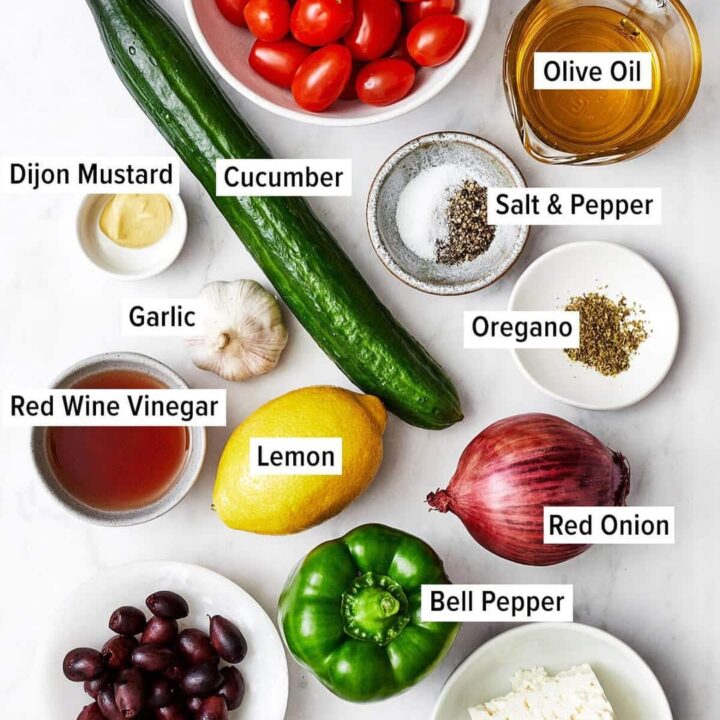
Greek Salad Perfection
Image credit: @mediterranean.diet.plan
Ingredients
- The Vegetables
- You want vegetables that look like they were just picked, not like they survived a three-day road trip in the back of your fridge.
- Tomatoes
- Choose ripe, juicy tomatoes. If they don’t smell like summer, they’re not ready. Slice them into wedges – rustic is good here.
- Cucumbers
- English or Persian cucumbers work best because they have fewer seeds and less bitterness. Slice them thick. Crunch is not optional.
- Red Onion
- Slice it thin, but not paper-thin. You want sharp flavor, not onion perfume.
- Bell Peppers (Optional but Nice)
- Green peppers add a little grassy bitterness that contrasts nicely with the richness of feta.
- The Stars of the Show
- Kalamata Olives
- These are non-negotiable if you want authenticity. They bring that salty, slightly fruity Mediterranean personality.
- Feta Cheese
- Here’s a pro chef secret: buy feta in blocks, not pre-crumbled. Crumbled feta is like pre-shredded barbecue chicken – convenient but not nearly as good.
- The Dressing (The Quiet Hero)
- You only need three things:
- • Extra virgin olive oil
- • Red wine vinegar
- • Dried oregano
- That’s it. No garlic. No honey. No mysterious ingredients that make your guests ask, “What exactly is happening here?”
- Greek salad dressing should taste like sunshine with a mild attitude problem.
Instructions
Step 1: Prep Like a Pro
Start by chopping vegetables into large, uneven rustic pieces. This isn’t a Michelin-star plating competition. This is village cooking.
Quick tip from the grill side of life:
Sprinkle a tiny pinch of salt on the tomatoes first. This draws out natural juices and makes the salad taste more vibrant.
Step 2: Layer the Bowl
In a large bowl, combine:
• Tomatoes
• Cucumbers
• Onions
• Peppers (if using)
• Olives
Do not toss yet. Let the ingredients meet each other first like polite strangers at a backyard party.
Step 3: Make the Dressing
Whisk together:
• 3 tablespoons olive oil
• 1 tablespoon red wine vinegar
• 1 teaspoon dried oregano
• Pinch of salt
• Crack of black pepper
Taste the dressing before adding it. If it makes you smile slightly, you’re on the right track.
Step 4: Add the Feta (The Chef Move)
Place large chunks of feta on top. Do not mix yet.
Imagine the feta is like snow on a mountain – you want it sitting proudly, not dissolved into the landscape.
Step 5: The Gentle Toss
Now lightly toss once or twice. Not aggressively. Treat it like you’re turning steaks, not beating eggs.
Finish with:
• Extra drizzle of olive oil
• Extra sprinkle of oregano
Boom. You just made a restaurant-quality Greek salad.
Featured image credit: @chef_zouheir
