
Put it this way – brisket bark has occupied more of my time than every streaming subscription combined.
And here’s something I learned the hard way:
You can cook the best rack of ribs in three counties…
But if your photo looks like it was taken in a parking garage at midnight, nobody’s drooling.
So let’s fix that.
This isn’t some stiff photography lecture. This is a pitmaster walking you through how to photograph BBQ so it looks as good as it tastes – smoky, dramatic, unapologetically bold.
Grab your camera. Or your phone. Let’s make meat famous.
Why BBQ Is a Whole Different Beast to Photograph
BBQ isn’t a cupcake.
It’s fire.
It’s smoke.
It’s bark that crackles when you tap it.
And that changes everything.
1. Smoke Is Drama – But It’s Tricky
Smoke is beautiful. It adds motion and mood. It tells a story.
But it also disappears on camera if you don’t light it right.
Here’s the secret:
Backlight the smoke.
Place your light source behind the grill. Suddenly that faint wisp becomes cinematic fog rolling through a battlefield of ribs.
No backlight? No smoke. Simple as that.
2. Texture Is King
BBQ is about texture.
- The crust on a brisket.
- The blistered skin on chicken.
- The glisten of rendered fat.
When people search for how to photograph BBQ, what they’re really asking is:
“How do I make people feel the crunch?”
Answer: side lighting and contrast.
Light coming from the side carves out the ridges. It makes grill marks pop. It reveals bark like a topographic map of flavor.
Flat lighting kills texture.
Texture sells the meat.
3. BBQ Has a Personality
BBQ isn’t plated with tweezers.
It’s butcher paper.
It’s wood grain.
It’s cast iron.
So your photos shouldn’t look like they came from a five-star French pastry shop.
Lean into the rustic. It’s part of the charm.
The Gear You Actually Need (No Fancy Studio Required)
Let me save you some money.
You do not need a $5,000 camera to photograph ribs.
You need control and awareness.
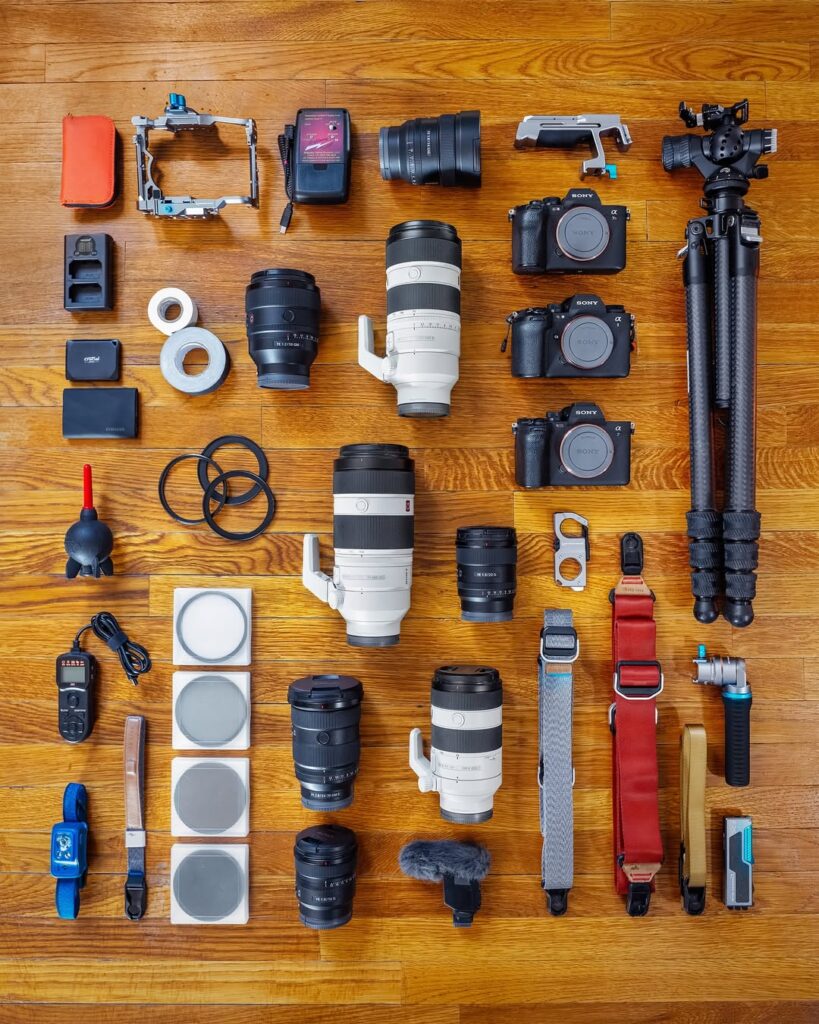
Cameras
- DSLR or mirrorless? Great.
- Smartphone? Also great.
Modern phones handle food beautifully – if you understand light.
If you’re using a phone:
- Turn off flash.
- Tap to focus.
- Adjust exposure manually.
That alone puts you ahead of 80% of backyard BBQ photos.
Lenses That Work Best
If you’ve got options, here’s what shines:
- 50mm prime – Natural, clean look. My favorite for brisket slices.
- 85mm lens – Gorgeous for tight detail shots.
- Wide-angle – Great for full grill scenes, but don’t get too close or your ribs will look like they’re attacking the camera.
Small Tools That Make Big Differences
A few pitmaster-approved tricks:
- Tripod (for low-light evening cooks)
- Reflector (even a white cutting board works)
- Spray bottle (water only – for a subtle sheen)
- Tongs for action shots
And yes… wipe the plate.
Grease smudges aren’t “authentic.” They’re distracting.
Mastering Natural Light (Your Best Friend)
Here’s the truth:
Flash is the fastest way to make ribs look sad.
Natural light wins. Every time.
Best Time to Shoot BBQ
Golden hour is magic.
That soft, warm glow wraps around brisket like it was born for it.
Late afternoon is prime time.
Midday sun? Harsh. Brutal. Unforgiving.
If you’re cooking at noon, move the plate into open shade near a window or under a patio cover.
Positioning for Maximum Impact
If you remember nothing else about how to photograph BBQ, remember this:
Light from the side.
Or light from behind.
Side light = texture.
Backlight = smoke drama.
Front light flattens everything. Avoid it.
Controlling Harsh Light
Too bright?
Use:
- A thin curtain
- A patio umbrella
- A simple diffuser
You’re not blocking the light.
You’re softening it.
Soft light makes meat look tender.
Harsh light makes it look dry.
And nobody wants dry-looking ribs. That’s just bad PR.
Styling BBQ Like a Pitmaster (Not a Stylist)
Here’s where folks overthink things.
You don’t need microgreens flying in from a rooftop garden.
You need authenticity.
Keep It Real
Use:
- Butcher paper
- Wooden boards
- Sheet pans
- Cast iron
These materials tell the BBQ story.
I once shot a rack of ribs on a marble countertop. Looked like it was waiting for a spa treatment.
Never again.
Garnish With Purpose
Garnish should support, not distract.
- A sprinkle of coarse salt.
- A wedge of lemon near grilled seafood.
- Fresh herbs for color contrast.
That’s it.
If your garnish steals the spotlight, you’ve gone too far.
Show the Process
Want photos that feel alive?
Add motion.
- Tongs flipping steak.
- Sauce being brushed.
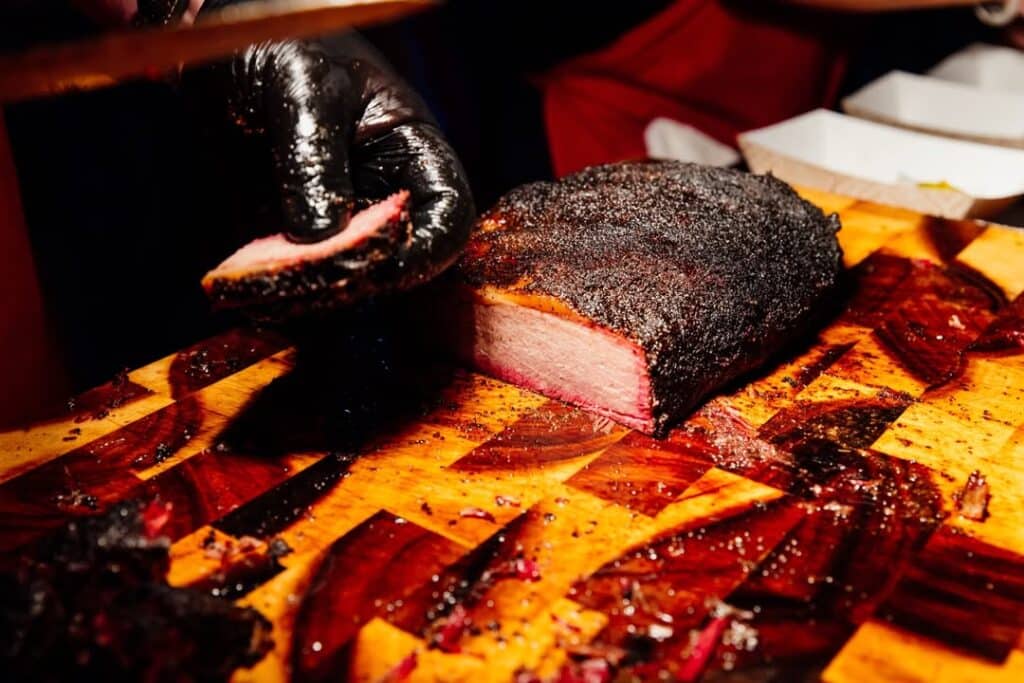
- Knife slicing brisket and revealing that smoke ring.
That slice shot? That’s money.
Shoot in burst mode and capture the juice mid-drip.
Yes, you’ll take 20 photos.
One will be perfect.
Capturing the Sizzle (Action Shots That Sell)
This is where your photos go from “nice” to “whoa.”
Freeze the Flame
Use a fast shutter speed if you can.
You want to freeze sparks and flare-ups without blur.
Fire adds danger.
Danger adds drama.
Make Smoke Visible
Again – backlight.
But here’s a pitmaster trick:
Add a small piece of wood chip to boost smoke right before shooting.
Quick puff. Click. Magic.
The Pull-Apart Shot
Pulled pork. Ribs. Brisket slices.
Photograph that stretch. That separation.
It tells viewers:
“This is tender. This is juicy. This is worth your time.”
And that’s what great BBQ photography does – it makes promises.
Composition: Framing the Flavor
Now let’s talk layout.
This is where amateurs level up.
Rule of Thirds (But Don’t Worship It)
Place your hero cut slightly off-center.
Let the eye travel.
But don’t obsess over grid lines like you’re defusing a bomb.
If it looks good, it is good.
Use Leading Lines
Grill grates are built-in compositional tools.
They guide the eye toward the steak.
Knives. Cutting boards. Rib bones.
They all create direction.
Use that.
Negative Space Is Powerful
Especially for blog headers or social posts.
Leave space around the meat.
It makes the subject feel important.
Crowding everything into one frame makes it chaotic.
Let the brisket breathe.
Close-Up vs Overhead
Close-up:
- Best for texture.
- Best for bark.
- Best for juiciness.
Overhead:
- Best for spreads.
- Best for storytelling.
- Best for social media layouts.
Use both. Tell the whole story.
Editing: Make It Pop (Without Faking It)
Editing is seasoning.
Too little? Bland.
Too much? Inedible.
Boost Texture and Clarity
A slight bump in clarity enhances bark and grill marks.
But don’t crank it so high that your ribs look like sandpaper.
Warm It Up
BBQ is warm by nature.
Increase temperature slightly.
It adds richness.
But don’t turn it orange. We’re cooking meat, not pumpkins.
Protect Natural Colors
Oversaturation ruins meat tones.
Brisket should look deep and rich – not neon.
Realistic always wins.
Common BBQ Photography Mistakes
Let’s save you some embarrassment.
- Using flash straight on.
- Shooting under yellow kitchen lights.
- Ignoring background clutter.
- Forgetting to rest the meat before slicing.
- Overhandling the food until it looks tired.
If it doesn’t look appetizing in real life, it won’t magically look better on camera.
Cook it right first.
Photography enhances greatness. It doesn’t rescue mediocrity.
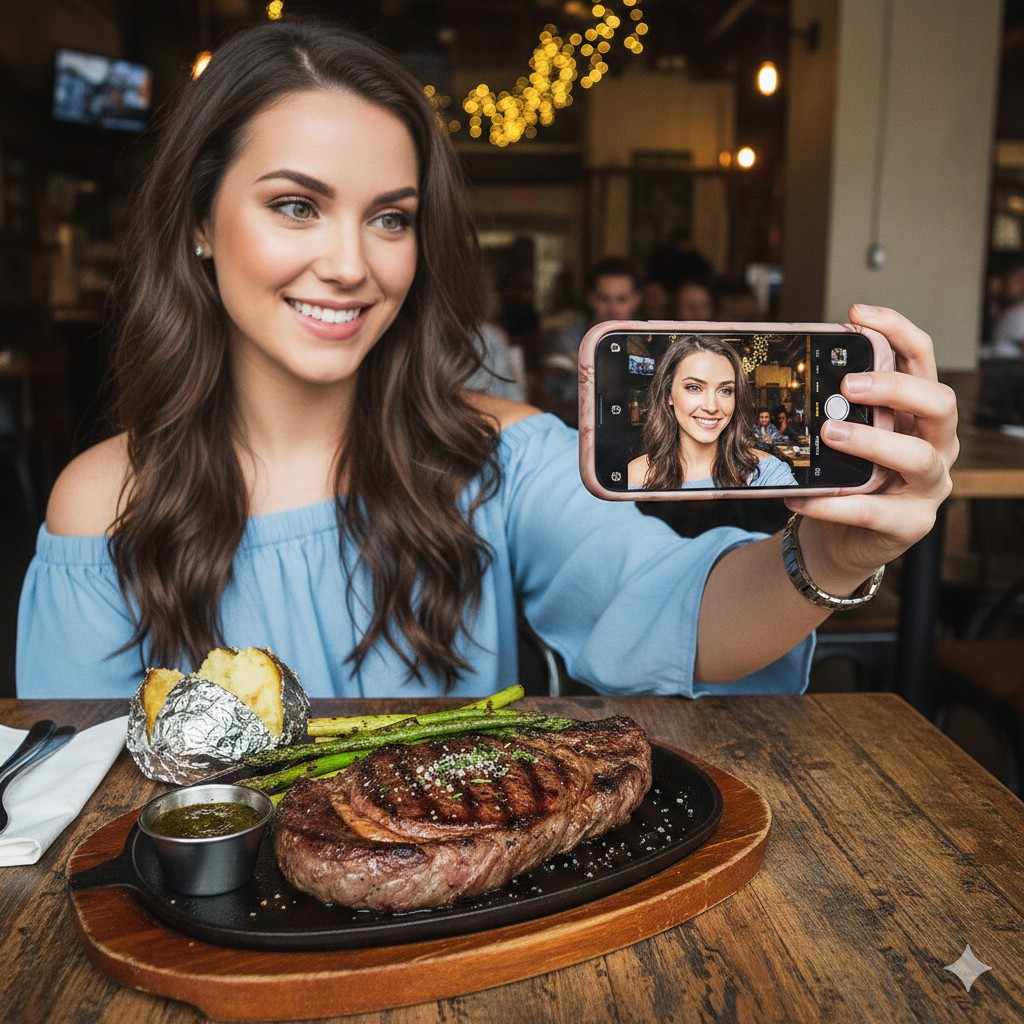
Shooting for Social Media vs Blogs
Different platforms, different strategies.
Social media loves vertical.
Websites love horizontal hero images with negative space.
For short-form content:
- Capture quick flame bursts.
- Slice brisket on video.
- Show behind-the-scenes moments.
People love process.
Perfection is impressive.
Process is relatable.
Shooting BBQ in Low Light: Nighttime Pitmaster Tricks
BBQ doesn’t stop when the sun sets – and neither should your photos. Low light BBQ photography can be dramatic and cinematic if you know the tricks:
- Use a tripod to keep your camera steady and avoid blurry shots.
- Increase ISO carefully, balancing brightness with texture preservation.
- Let the grill glow act as a natural spotlight for steaks or sausages.
- Smartphone users: try night mode or long exposure apps.
- Embrace shadows – they become allies, not enemies.
By working with darkness instead of fighting it, you create moody, mouthwatering images that stand out from typical sunlit shots.
Using Props Without Overdoing It
Props tell a story – but too many props can steal the spotlight from the BBQ. Keep it simple and purposeful:
- Tongs, butcher paper, rustic bowls, or small wood piles.
- Avoid shiny plates or ornate utensils that compete with the food.
- Even a knife or sauce brush adds subtle motion.
- Focus on textures that complement the meat: rough wood, cast iron, or metal.
Minimalism lets the BBQ shine as the main character, while small details enhance the narrative. Sometimes, a tiny prop placement can make viewers’ mouths water.
Capturing Juices and Sauces in Motion
Nothing sells BBQ like juicy, saucy shots. Timing is everything:
- Capture drips mid-pour or slices releasing juice.
- Use high shutter speed to freeze motion; slight blur adds drama.
- Brush sauce during the shot to create shine and gloss.
- Spray lightly with water or oil to enhance glisten.
- Shoot slightly above or at eye level for dynamic juice flow.
Motion here isn’t just action – it’s temptation. These shots convey tenderness, moisture, and flavor, letting viewers almost taste the smoke and rub.
Environmental Storytelling Around the Grill
BBQ is more than meat on a plate – it’s experience, fire, and atmosphere. Add context without distracting from your main subject:
- Include smoky grills, glowing coals, or rustic picnic tables.
- Add background details like wood stacks, seasoning jars, or charred skillets.
- Use depth of field to blur distractions.
- Show subtle signs of the cook: a hand adjusting tongs, smoke curling upward.
Environmental storytelling transforms a single dish into a narrative, letting viewers feel the heat, flavor, and joy of cooking outdoors.
Playing with Angles for Dramatic Effect
Angles can elevate ordinary shots into jaw-dropping images:
- Low angles make steaks look towering and heroic.
- Overhead shots are perfect for spreads or full grill scenes.
- Tilted angles add energy to action shots, like brushing sauce or flipping ribs.
- Combine angles with lighting: side light exaggerates texture, overhead light balances composition.
- Get close – macro shots reveal bark, marbling, and char.
Experimentation keeps your BBQ photography fresh, engaging, and mouthwatering.
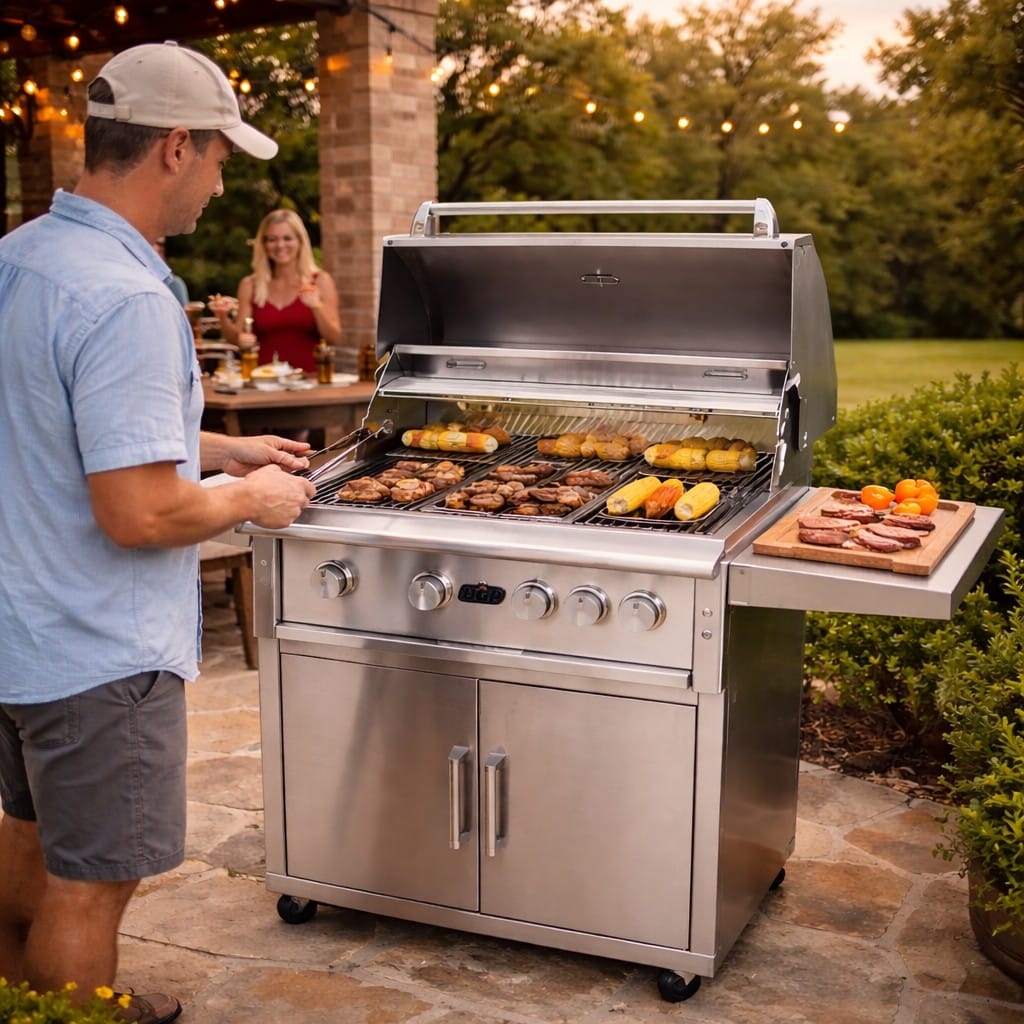
Incorporating People in BBQ Shots
BBQ is community, not just food. Including people adds relatability and energy:
- Capture hands slicing brisket, brushing sauce, or sneaking bites.
- Focus on interaction, not posed smiles.
- Use close-ups for intimacy, wide shots for the scene.
- Motion and candid expressions tell stories of warmth and anticipation.
- Side light adds drama to faces and meat simultaneously.
People transform food photos into lifestyle images, showing shared moments and the art of fire and flavor.
Telling a Series Story with Multiple Shots
Single shots are great – series storytelling makes BBQ photography unforgettable:
- Capture the full process: raw meat → seasoning → fire → smoke → slicing → plating.
- Use consistent lighting and styling to tie shots together.
- Sequence creates anticipation: viewers feel the meat cooking and sauce glazing.
- Include before-and-after, close-up vs wide, action vs still shots.
- Ideal for blogs, Instagram carousels, or recipe storytelling.
A cohesive series presents BBQ as a journey, not just a dish, giving your audience both flavor and narrative.
FAQ: How to Photograph BBQ Like a Pitmaster
1. What is the best lighting for BBQ photography?
- Natural light is your best friend. Side light emphasizes texture and grill marks, while backlight highlights smoke and steam.
- Avoid direct overhead sunlight; it flattens the meat.
- For low light, use a tripod or night mode to prevent blur.
2. Can I use a smartphone for BBQ photography?
Yes! Modern smartphones handle BBQ photos beautifully:
- Turn off the flash.
- Tap to focus on the meat.
- Use night mode or long exposure apps for low-light grilling shots.
3. How do I make smoke visible in photos?
- Backlight the smoke – place the light source behind the grill.
- Add small wood chips to generate extra smoke during shooting.
- Capture quick bursts with fast shutter speed to freeze the movement.
4. What are the best angles for photographing BBQ?
- Low angles make steaks look towering.
- Overhead shots work for spreads or full grill layouts.
- Close-ups/macro shots reveal bark, fat marbling, and charred edges.
- Tilted angles can add energy to action shots like sauce brushing or slicing.
5. How do I photograph BBQ without making it look greasy?
- Wipe plates or cutting boards before shooting.
- Avoid over-saturating or using harsh flash.
- Enhance shine subtly with a light spray of water or oil – enough to highlight juiciness without looking fake.
6. Should I include people in my BBQ photos?
Absolutely. People add relatability and storytelling:
- Show hands brushing sauce, slicing meat, or serving.
- Capture candid moments to convey community, warmth, and anticipation.
7. How can I tell a story with multiple BBQ photos?
- Capture the entire cooking journey: raw meat → seasoning → grilling → slicing → plating.
- Use consistent lighting and style.
- Mix close-ups, wide shots, action, and stills for a cohesive narrative.
8. What camera settings work best for action shots of BBQ?
- Fast shutter speed to freeze sauce drips, flipping meat, or sparks.
- Moderate ISO to maintain texture without introducing noise.
- Use burst mode to capture multiple frames and select the perfect one.
9. How do I style BBQ for photos without overdoing it?
- Keep props simple and purposeful: butcher paper, rustic bowls, tongs, wood piles.
- Avoid shiny plates or cluttered backgrounds.
- Use textures that complement the meat, like cast iron, wood, or metal surfaces.
10. Can BBQ photography work at night?
Yes! Nighttime BBQ photography can be moody and cinematic:
- Use grill glow or nearby lamps as natural light sources.
- Embrace shadows for drama.
- Tripod and long exposure apps are your best friends.
Secure that Angle and Snap Away!
If you truly want to master how to photograph BBQ, here’s the real secret:
It’s not about the camera.
It’s about respect.
Respect the smoke.
Respect the texture.
Respect the story of the cook.
BBQ isn’t just food. It’s time. Patience. Fire management. Craft.
Your photos should reflect that.
Slow down.
Watch how light hits the bark.
Wait for the right moment when the juice beads at the surface.
Then click.
And when someone looks at your photo and says,
“Man… I can almost smell that,”
You’ll know you did it right.
Now go fire up the pit.
And don’t forget to take the shot before your friends eat everything.
Featured image credit: Elia Zanrosso
