
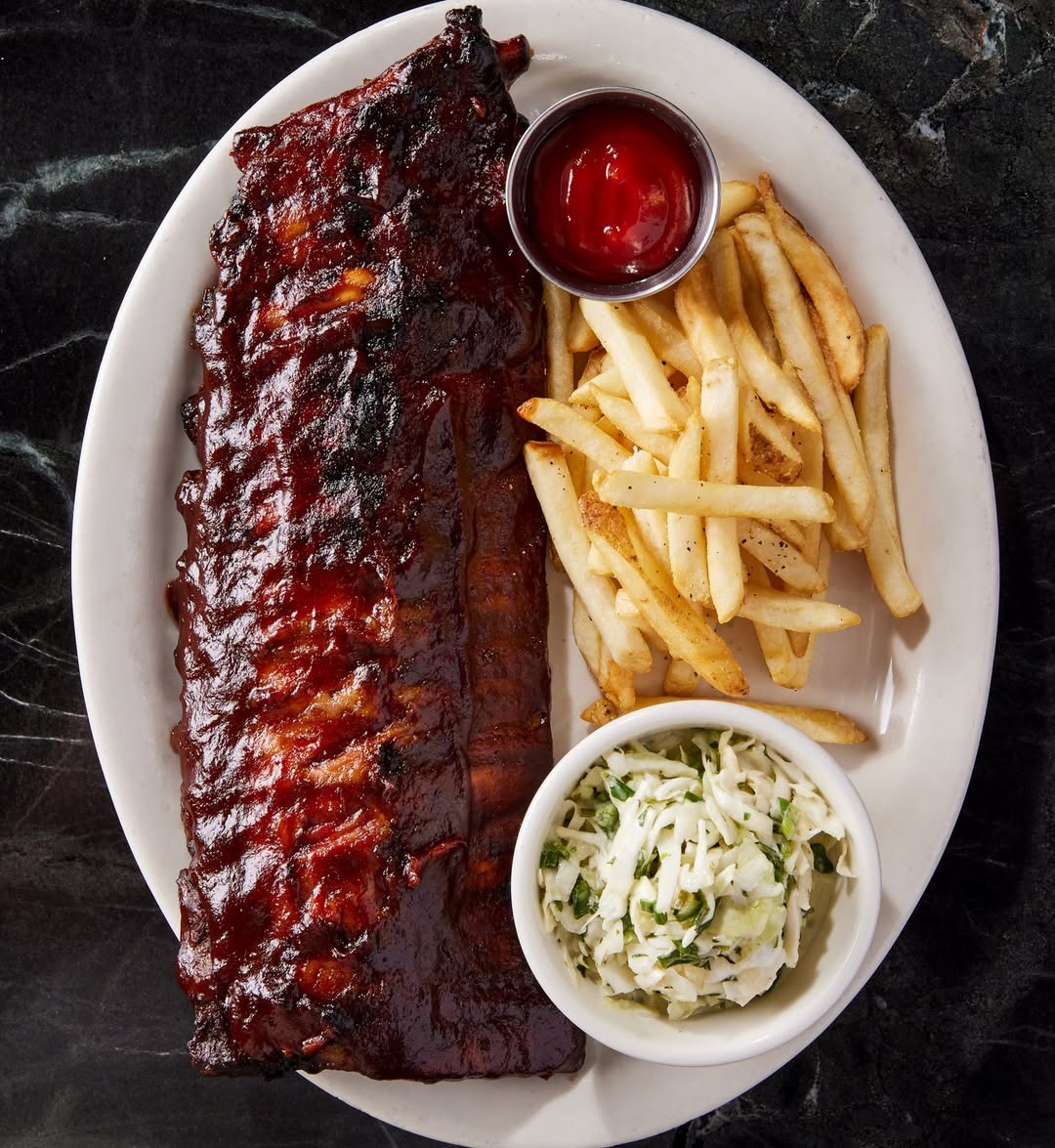
Let me confess something.
The first time someone invited me to a French BBQ, I showed up expecting burgers. Maybe a sausage or two. Definitely ketchup.
Instead, I found duck fat sizzling over oak embers, lamb perfumed with fresh tarragon, and a bowl of chopped herbs that looked like it belonged in a garden more than next to a grill.
No sticky sauce bottles.
No plastic cheese.
No one arguing about brisket.
Just fire, herbs, good meat, and a long wooden table under the trees.
That’s when it clicked.
French BBQ goes far beyond burgers.
It’s rustic. Ingredient-driven. Herb-forward. And honestly? It might change the way you look at your grill.
I’ve cooked low-and-slow American barbecue for years. I love it. But when I started exploring French BBQ, I realized something powerful:
In France, the fire is not the main event. The ingredients are.
Let’s dig into what makes it different – and how you can bring that countryside magic to your own backyard.
What Is French BBQ? A Rustic Countryside Tradition
When Americans hear “BBQ,” we think sauce, smoke, and hours of cooking. In France, grilling is simpler – and in some ways, more refined.
French BBQ is ingredient-driven, not sauce-driven.
It’s rooted in:
- Countryside farm cooking
- Vineyard gatherings
- Mediterranean coastal traditions
The French don’t drown meat in sugar-heavy sauces. They let quality shine.
A typical French BBQ might include:
- Whole fish grilled over wood
- Duck breast with crisp skin
- Lamb chops kissed by flame
- Seasonal vegetables brushed with olive oil
- A bowl of chopped fresh herbs always within reach
And the cooking style?
Charcoal. Wood. Real embers.
Gas grills exist in France, sure. But if you want authenticity, you cook over coals. Oak and beech are common. Fruitwoods when available.
In French BBQ, fire is a seasoning. Not a domination tactic.
You’re enhancing flavor, not burying it under smoke.
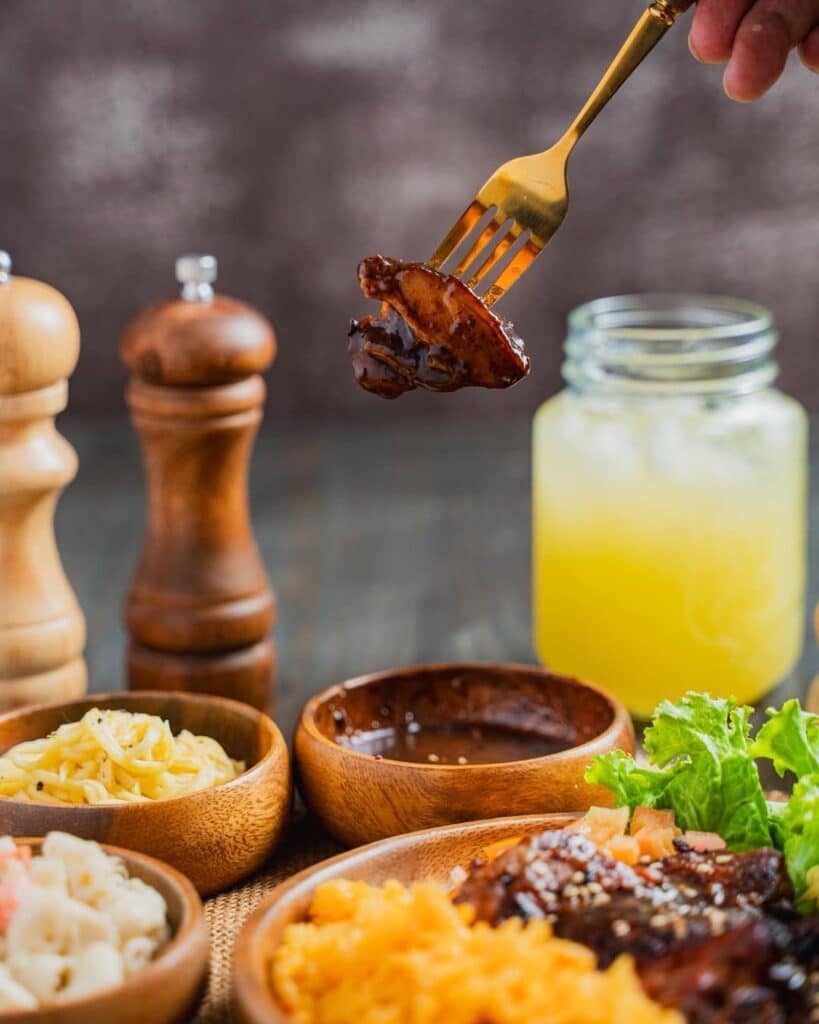
Understanding Fines Herbes – The Heart of French BBQ
If there’s one thing that defines French BBQ, it’s herbs.
Specifically: fines herbes.
What Are Fines Herbes?
The traditional blend includes:
- Parsley
- Chives
- Tarragon
- Chervil
It’s delicate. Fresh. Aromatic.
Not rosemary bombs. Not thyme overload.
Light, elegant, green.
When chopped together, fines herbes smell like spring in a bowl.
Why They Work So Well on the Grill
Here’s the magic.
Grilling creates:
- Fat
- Char
- Smoke
- Caramelization
Fines herbes bring:
- Freshness
- Brightness
- Gentle anise notes (from tarragon)
- Clean herbal lift
That contrast is everything.
Fatty duck breast + chopped chives = balance.
Smoky lamb + tarragon = brightness.
Fresh herbs are the backbone of French BBQ.
Timing Is Everything
One mistake I see all the time?
People throw delicate herbs into marinades too early.
High heat kills subtle aromatics.
Here’s how I do it:
- Use hardy herbs (if any) before cooking.
- Add fines herbes after grilling.
- Finish with herb butter or a fresh herb sprinkle right before serving.
That final hit of green? That’s the signature of French BBQ.
The French Approach to Fire
Let’s talk fire.
Because if you mess this up, nothing else matters.
Charcoal and Wood Over Gas
You want:
- Hardwood lump charcoal
- Oak, beech, or fruitwood if possible
Avoid lighter fluid. Please.
Your herbs deserve better.
Light the coals. Let them burn down.
Wait until you have glowing embers, not roaring flames.
French BBQ is cooked over embers, not fireballs.
Two-Zone Cooking
I always set up:
- A hot zone for searing
- A cooler zone for finishing
Duck breast? Start skin-side down over moderate heat to render fat slowly.
Lamb chops? Quick sear over high heat, then move.
Patience matters.
In French BBQ, restraint beats aggression.
Flip less.
Poke less.
Trust the process.
And for the love of all things grilled – let the meat rest.
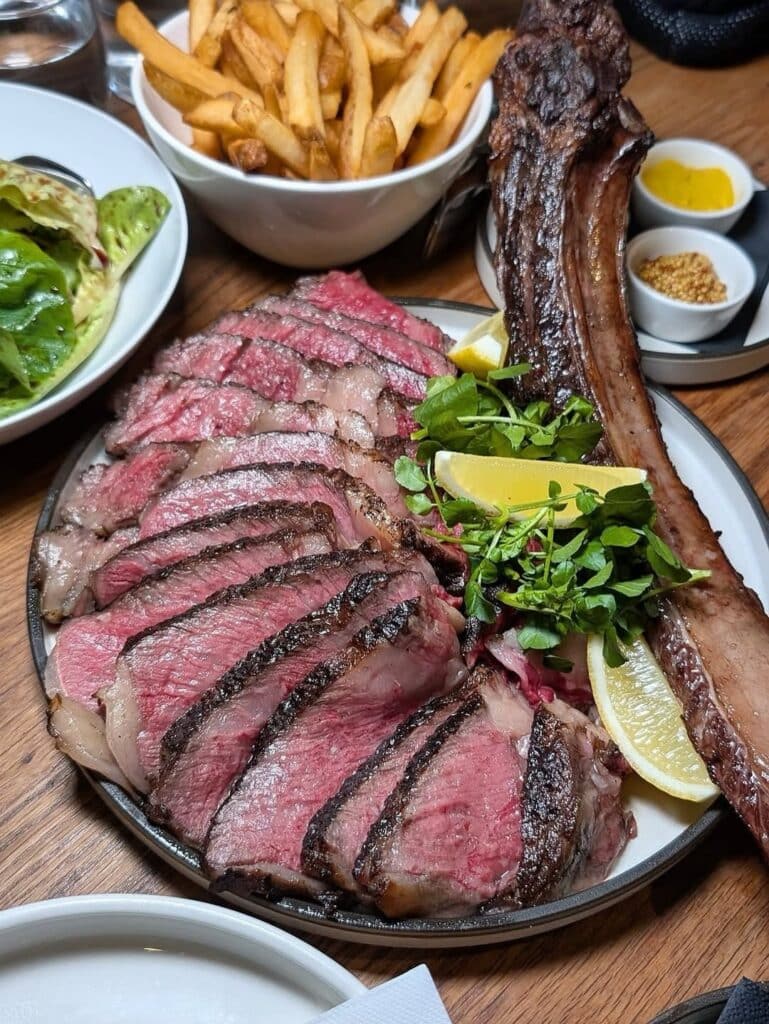
Meats That Define French BBQ
Now we get to the fun part.
Because French BBQ is not about burgers.
1. Duck Breast (Magret)
If you’ve never grilled duck, you’re missing out.
Here’s my method:
- Score the skin in a crosshatch pattern.
- Season simply with salt.
- Start skin-side down over medium heat.
- Let the fat render slowly.
You’ll hear sizzling. That’s gold.
Flip briefly to finish.
Then – this is key – slice and top with chopped fines herbes and flaky salt.
Crispy fat. Tender meat. Fresh herbs.
It’s unfair how good it is.
2. Herb-Marinated Lamb Chops
Lamb loves fire. And it loves tarragon.
Marinate lightly with:
- Olive oil
- Garlic
- A small amount of chopped tarragon
Grill hot and fast.
Finish with fresh parsley and chives.
French BBQ celebrates the animal, not just the cut.
You’re enhancing natural flavor, not hiding it.
3. Whole Chicken with Fines Herbes
Butterfly it or roast indirectly.
Before grilling:
- Stuff the cavity with herbs and lemon.
- Rub with olive oil.
- Season generously.
Cook over indirect heat until juicy.
Then brush with herb butter at the end.
Simple. Rustic. Perfect.
4. Toulouse Sausage
Minimal seasoning. Pure pork flavor.
Grill gently. Don’t rush it.
Serve with mustard and herbs.
No ketchup allowed. I’m serious.
Seafood the French Way
The French don’t treat seafood like an afterthought.
They treat it like royalty.
Whole Grilled Fish
Branzino. Sea bream. Whatever’s fresh.
Stuff with:
- Lemon slices
- Parsley
- A few sprigs of tarragon
Grill over moderate heat.
The skin crisps. The flesh steams inside.
Finish with olive oil and chives.
Smoke plus herbs equals elegance.
Shrimp with Garlic and Parsley
Quick, hot, and fast.
Grill just until opaque.
Finish with chopped parsley and lemon.
That’s it.
Delicate herbs balance smoky seafood beautifully.
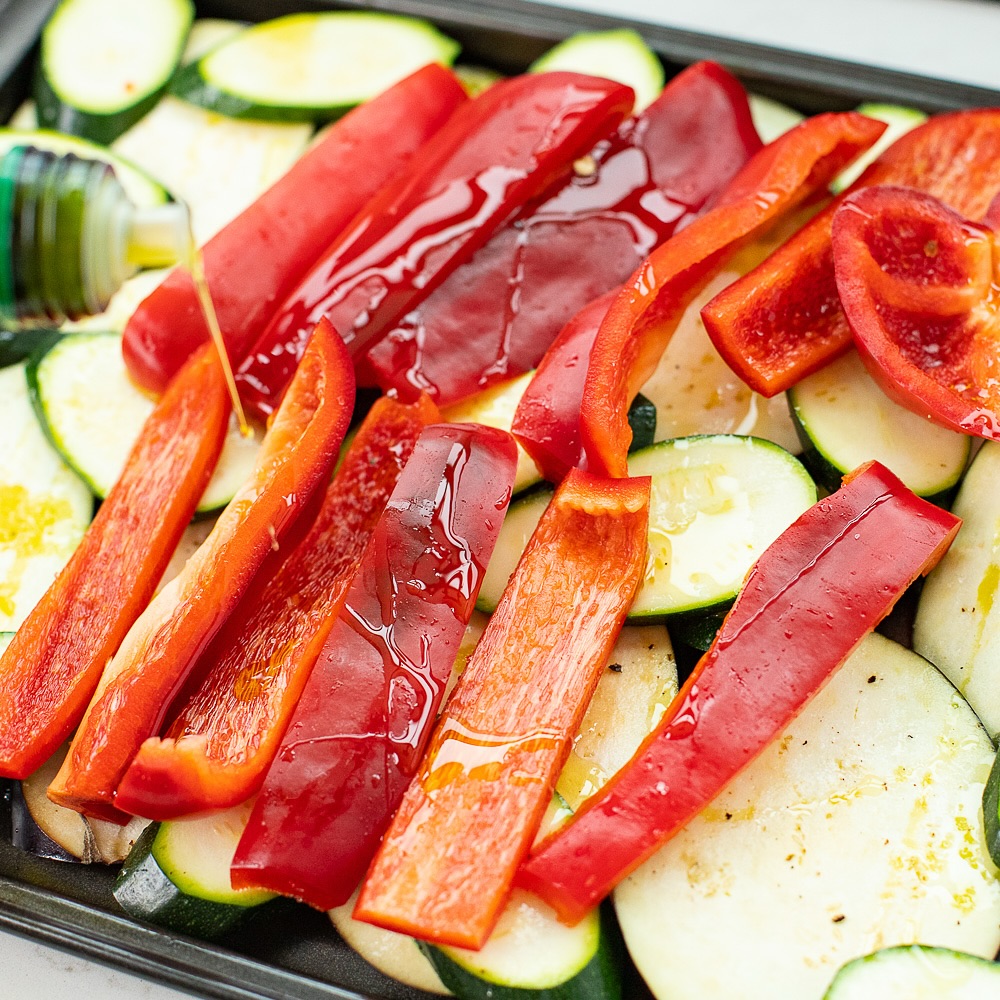
Vegetables Take Center Stage
Here’s something that surprised me.
At a proper French BBQ, vegetables aren’t decoration.
They’re featured players.
Grilled Leeks
Slice lengthwise.
Brush with olive oil.
Grill until tender and slightly charred.
Finish with mustard vinaigrette and chives.
Suddenly, leeks become the star of the show.
Zucchini and Eggplant
Slice thick.
Grill hard and fast.
Finish with chopped herbs and flaky salt.
No heavy glaze. No sugar.
Just vegetables tasting like themselves – but better.
French BBQ treats vegetables as centerpieces, not side dishes.
The Role of French Cheese on the Grill
Here’s something most backyard grillers don’t expect: cheese belongs on a French BBQ.
Not melting slices on burgers. I’m talking about grilling whole cheeses.
Think Camembert in a wooden box, placed gently over indirect heat until molten inside. Or thick slices of Halloumi-style sheep’s milk cheese (popular in southern France) kissed by flame until golden.
The trick is restraint.
Use indirect heat. Close the lid. Let it soften, not explode.
Finish with a drizzle of honey and cracked pepper – or better yet, chopped fines herbes for contrast.
The result?
Smoky outside. Creamy center. Fresh herbs cutting through richness.
It turns bread into an event.
French BBQ isn’t just about meat – it’s about texture and contrast.
And when bubbling cheese hits the table, trust me – no one misses the burgers.
Regional Influences That Shape French BBQ
France isn’t one flavor. It’s many.
A proper French BBQ shifts depending on where you are.
In Provence, expect olive oil, tomatoes, anchovies, and thyme. Grilled vegetables dominate.
Seafood is common. The air smells like herbs and sea breeze.
In Southwest France, it’s heartier. Duck, sausages, and rustic country cooking rule. Smoke feels deeper. Portions get generous.
Along the Atlantic coast, whole fish over wood embers is standard. Simplicity wins.
Understanding regional influence matters because it teaches you something critical:
French BBQ adapts to its environment.
It uses what’s local. What’s seasonal. What’s fresh.
So instead of copying recipes blindly, ask yourself:
What grows near you?
What’s in season?
That mindset – that adaptability – is authentically French.
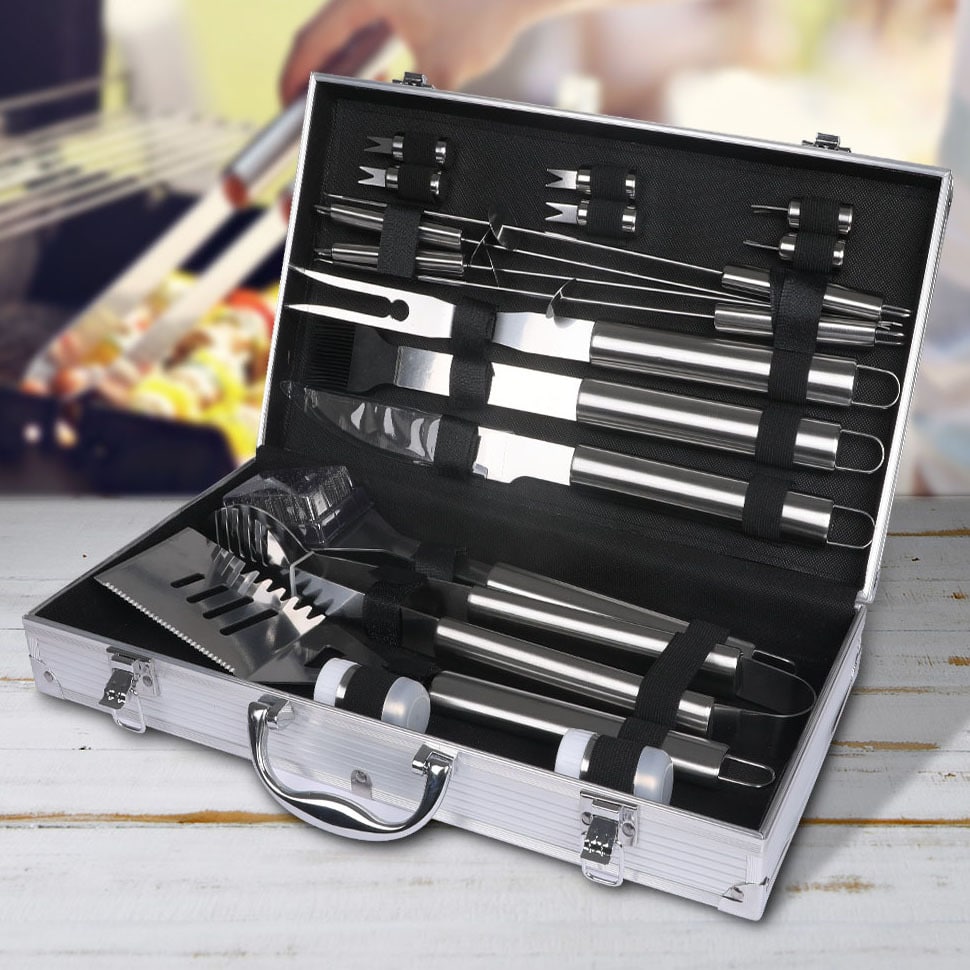
The Tools That Elevate French BBQ
You don’t need a $2,000 smoker for authentic French BBQ.
In fact, simpler is better.
Here are the essentials:
- A sturdy charcoal grill
- A chimney starter
- Long tongs
- A sharp slicing knife
- A wooden cutting board
That’s it.
The French rely less on gadgets and more on technique and timing.
One underrated tool? A cast iron plancha placed over coals. It allows you to grill delicate fish, shrimp, or sliced vegetables without losing them to the fire.
Another classic move: cooking directly on a metal grate placed low over embers. Close to heat.
Controlled.
French BBQ values craftsmanship over technology.
You’re not outsourcing flavor to a machine. You’re managing fire with your hands and instincts.
And honestly? That’s half the fun.
Layering Flavor Without Heavy Sauces
Here’s the secret most people miss.
In French BBQ, flavor isn’t built with one big sauce. It’s layered quietly.
Step one: quality ingredients.
Step two: proper salting.
Step three: controlled fire.
Step four: fresh herbs at the finish.
That’s layering.
Sometimes I’ll add a subtle element like:
- Lemon zest over grilled lamb
- A splash of aged vinegar on vegetables
- Cracked fennel seed on pork
Small details. Big impact.
Because when smoke, fat, acid, and herbs align?
You don’t need sticky glaze.
French BBQ is about balance, not overload.
Every bite should feel clean – even when it’s rich.
That’s the elegance.
And once you taste that clarity of flavor, it’s hard to go back to drowning everything in sauce.
Essential Sauces and Herb Finishes
Now here’s where people get confused.
“Where’s the BBQ sauce?”
There isn’t one.
Instead, French BBQ finishes with freshness, not sugar.
Beurre aux Fines Herbes
Herb butter.
Softened butter mixed with:
- Parsley
- Chives
- Tarragon
- Lemon zest
Slice and melt over hot meat.
It’s simple. It’s luxurious.
Sauce Vierge
Chopped tomato.
Olive oil.
Fresh herbs.
A splash of lemon.
Spoon over fish or chicken.
Bright. Fresh. Alive.
Mustard and Herb Vinaigrette
Dijon.
Red wine vinegar.
Olive oil.
Chopped herbs.
Drizzle over grilled vegetables or sausage.
That’s the flavor profile of French BBQ.
Clean. Balanced. Fresh.
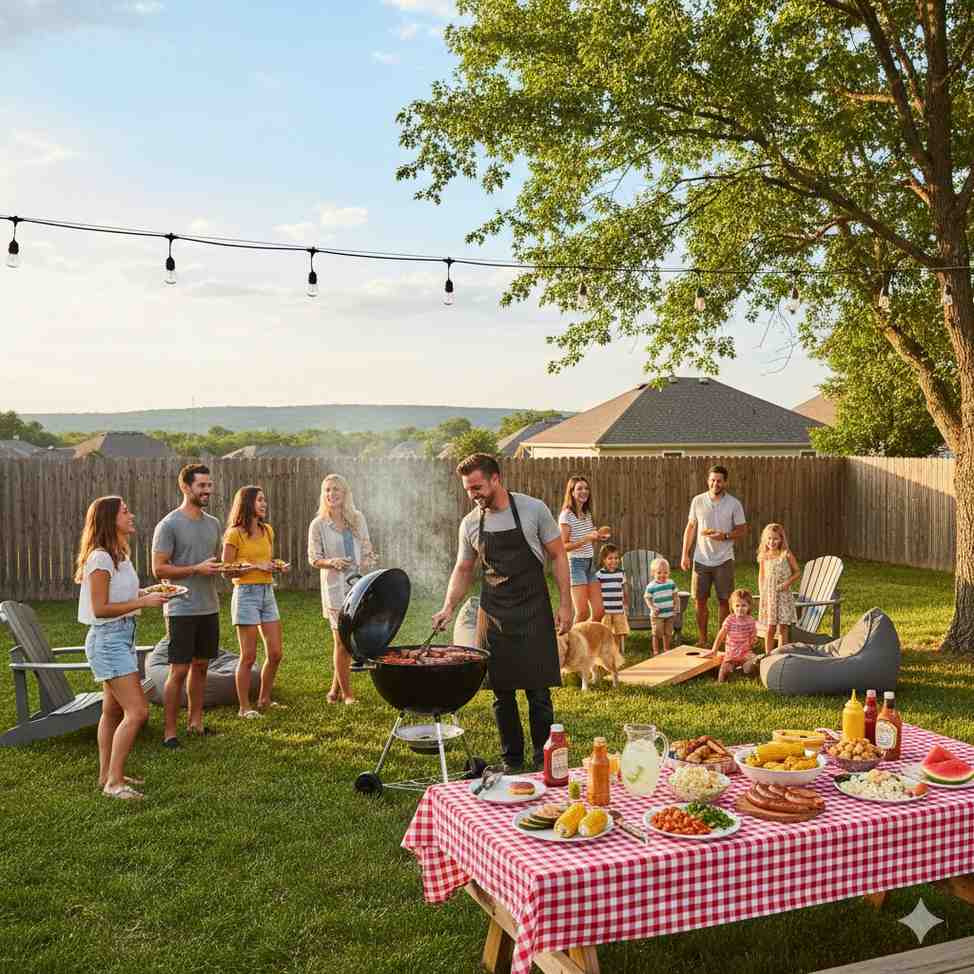
How to Host a French BBQ in Your Backyard
Now let’s talk atmosphere.
Because this matters.
A French BBQ is not rushed.
It unfolds.
Here’s how I host one:
- Long table outdoors
- Simple plates
- Bread everywhere
- Wine flowing (nothing fancy required)
- Herbs in bowls on the table
No one eats standing up in five minutes.
You cook in waves.
Meat comes off the grill.
People slice and share.
Vegetables follow.
More wine appears.
Someone inevitably brings too much baguette.
There’s laughter. There’s smoke in your hair.
French BBQ is about atmosphere as much as food.
And yes – someone will ask where the ketchup is.
You politely pretend not to hear them.
Common Mistakes When Trying French BBQ
I’ve made these mistakes myself. Learn from my scars.
- Over-marinating – Delicate herbs turn muddy fast.
- Using only dried herbs – It’s not the same. Fresh matters.
- Cooking over raging flames – You want embers. Calm heat.
- Over-saucing – This isn’t sticky rib night.
- Overseasoning – Let the ingredient speak.
Restraint is power in French BBQ.
Why French BBQ Feels Different
After years of cooking this way, I’ve realized something.
French BBQ isn’t trying to impress you with intensity.
It’s about balance.
Smoke supports flavor.
Herbs brighten richness.
Fire enhances texture.
You taste the duck.
You taste the lamb.
You taste the vegetable.
Nothing is hidden.
And maybe that’s why it feels so refreshing.
French BBQ: Frequently Asked Questions
What makes French BBQ different from American BBQ?
The biggest difference? French BBQ focuses on fresh ingredients and herbs rather than heavy sauces and long smoking sessions. It’s typically grilled over charcoal or wood embers, seasoned simply, and finished with fresh fines herbes instead of sugary glaze.
Can I make French BBQ on a gas grill?
Yes – but charcoal or wood will give you a more authentic flavor. French BBQ relies on ember cooking, which produces cleaner, more nuanced smoke. If using gas, cook over medium heat and finish with fresh herbs to mimic that rustic balance.
What are fines herbes, and can I substitute them?
Traditional fines herbes include parsley, chives, tarragon, and chervil. If you can’t find chervil, don’t panic – use extra parsley and chives. The key is keeping the flavor fresh, light, and delicate, not heavy like rosemary or sage.
Do the French use BBQ sauce?
Not in the American sense. French BBQ finishes with herb butter, vinaigrettes, or light sauces, not thick, sweet barbecue sauce. It’s about enhancing the ingredient, not covering it.
What’s the best meat for French BBQ beginners?
Start with lamb chops, chicken, or high-quality sausages. They’re forgiving, cook quickly, and pair beautifully with fresh herbs.
Pensées Finales (Final Thoughts)
I still love a good burger.
But when I want something elegant, relaxed, and deeply satisfying?
I light charcoal.
I chop fresh herbs.
I slow down.
Because French BBQ goes beyond burgers.
It teaches you that:
- Fire should enhance, not overpower.
- Herbs are as important as meat.
- Vegetables deserve attention.
- Simplicity can be luxurious.
And maybe most importantly:
Cooking outdoors isn’t just about food.
It’s about gathering.
It’s about slowing down.
It’s about letting smoke drift into the evening air while good conversation stretches longer than the daylight.
So next time you fire up your grill, try something different.
Skip the ketchup.
Grab parsley, chives, and tarragon.
Cook over embers.
Finish with freshness.
And welcome to the world of French BBQ.
Your grill may never be the same.
Featured image credit: @charlestonsrestaurant
