
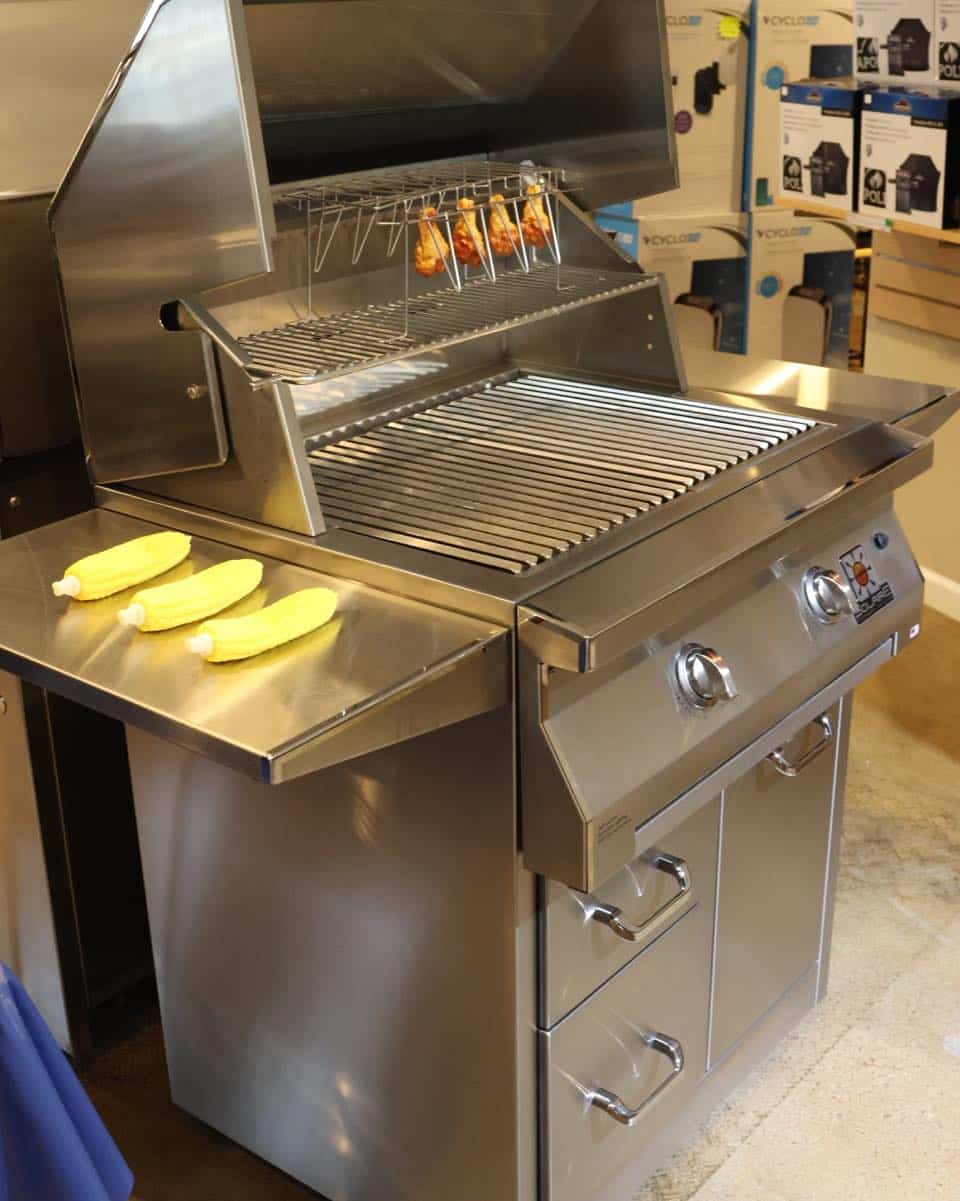
I’ve cooked on everything from bargain-bin gas grills that wheeze like an asthmatic raccoon to competition rigs that cost more than my first car.
So when people ask me, “Are Solaire Infrared grills actually worth the hype?” I don’t reach for a spec sheet – I fire one up.
This review is based on real cooking, real food, and real expectations, not showroom shine. Let’s see whether Solaire Infrared grills deliver a truly high-end BBQ experience – or just look pretty doing it.
Why Solaire Is Considered a Luxury Grill Brand
Solaire isn’t trying to compete with big-box grills stacked ten high under fluorescent lights. These grills live in a different world – luxury condos, yachts, upscale patios, and serious food lovers’ homes.
The promise is bold:
- Infrared heat that hits steakhouse temperatures
- Compact size without sacrificing performance
- Marine-grade stainless steel built to last
As a pitmaster, I’ll say this upfront: Solaire Infrared grills aren’t trying to do everything. They’re designed to do a few things exceptionally well – especially high-heat cooking.
This review covers:
- How infrared grilling actually performs
- Whether the build quality earns the price tag
- What cooking on one feels like day to day
- Who should (and shouldn’t) buy one
No fluff. No brand worship. Just meat, metal, and fire.
What Makes Solaire Infrared Grills Different?
Infrared Grilling, Explained Without the Sales Pitch
Traditional gas grills heat the air inside the box. Infrared grills heat the food directly. That’s the big difference – and it changes everything.
Solaire Infrared grills use a ceramic infrared burner that glows red-hot and radiates intense heat upward. Instead of chasing hot air, your food gets blasted directly.
What this means in practice:
- Faster heat-up times
- Insane searing temperatures
- Less moisture loss
- Way fewer flare-ups
I like to say infrared grilling is less “oven” and more “broiler.” Once you cook on one, you feel the difference immediately.
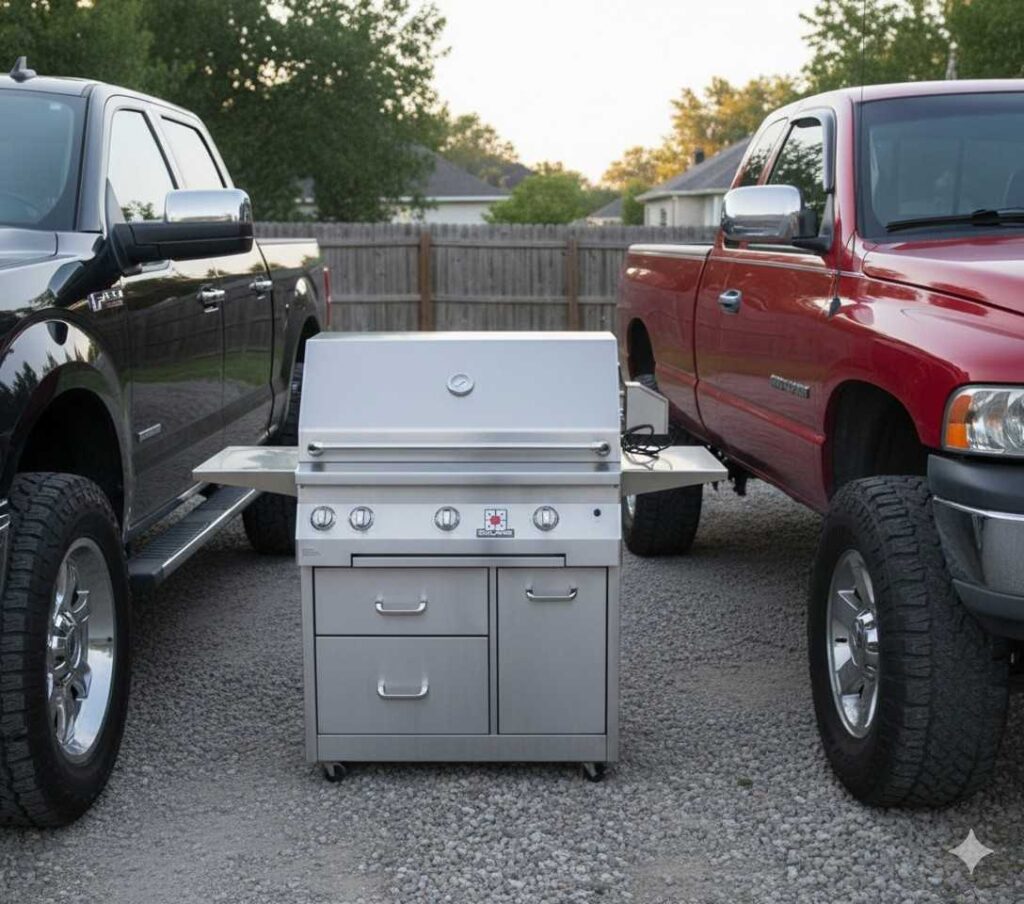
Solaire’s Design Philosophy
Solaire grills are:
- Made in the USA
- Built from 304 marine-grade stainless steel
- Designed for performance over gimmicks
No plastic shelves. No blinking lights. No “smart grill” nonsense that needs Wi-Fi to cook a burger.
Everything about Solaire Infrared grills says, “This thing is here to cook.”
Solaire Grill Models Reviewed
Solaire doesn’t overwhelm you with dozens of models. Instead, they offer a tight, focused lineup, each built around infrared performance.
Popular Solaire Models
Ultra-compact, portable, apartment-friendly, and surprisingly powerful.
Slightly larger cooking surface, great for small patios and balconies.
Built-in or cart-mounted options for permanent outdoor kitchens.
Key Differences That Matter
The biggest differences come down to:
- Cooking space
- Portability
- Installation type
Performance-wise, they’re all cut from the same cloth. Same infrared burner DNA. Same stainless steel construction.
If you’re cooking for two or three people, the smaller models are more than enough. If you’re hosting dinner parties, the Deluxe earns its keep.
Build Quality & Design: Is It Truly High-End?
Let me put it this way: Solaire grills feel like they were carved out of a battleship.
The stainless steel is thick. The lid doesn’t flex. The grates have real weight to them. Nothing rattles. Nothing feels disposable.
Key build highlights:
- Welds are clean and consistent
- Hinges feel tight and deliberate
- Lid seals heat like a vault door
Compared to other premium brands, Solaire is less flashy – but more purposeful. This is industrial elegance, not backyard jewelry.
After repeated high-heat cooks, the grill held up beautifully. No warping. No discoloration beyond normal heat patina. That’s what you’re paying for.
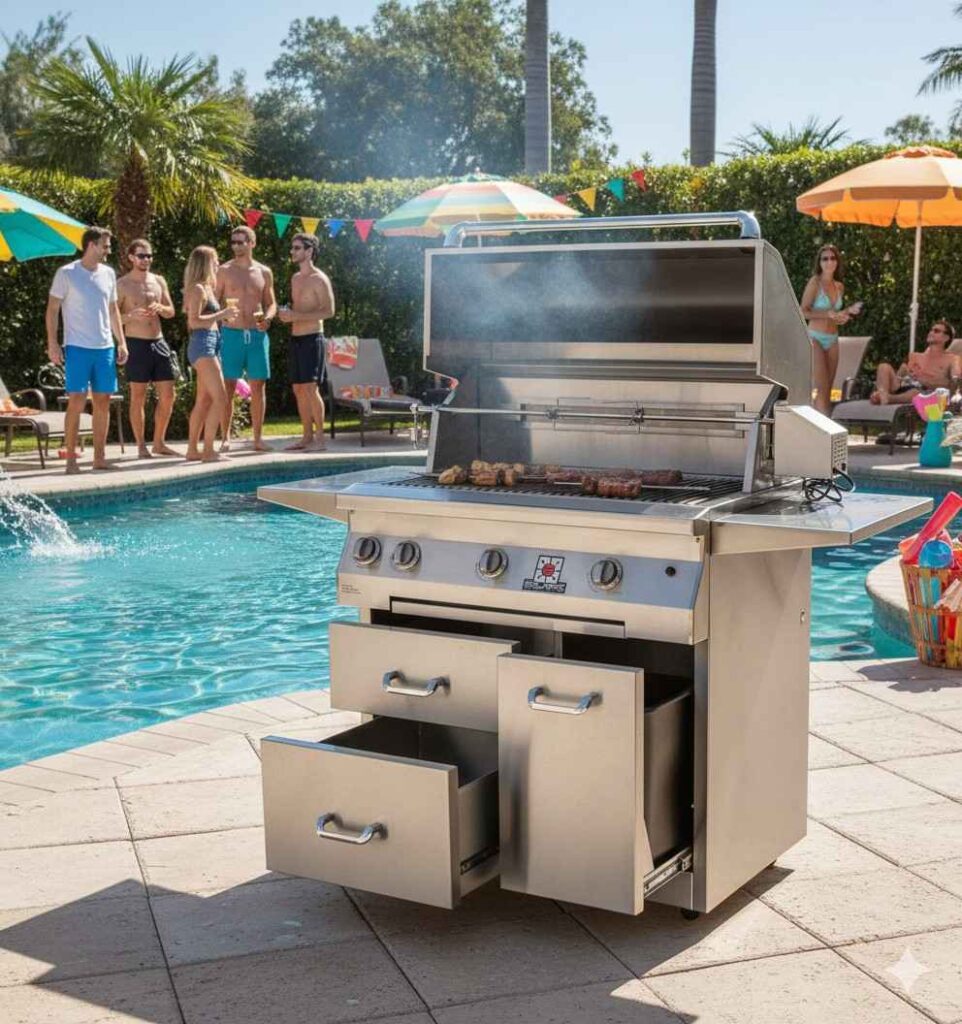
Performance Testing: Cooking on a Solaire Infrared Grill
Now for the part everyone actually cares about.
Heat-Up Time & Temperature Control
From ignition to searing temps takes about 3 minutes. No exaggeration. You turn the knob, hear the burner light, and suddenly it’s like staring into the sun.
Surface temperatures easily push 700–800°F, which is steakhouse territory.
Control is responsive, but here’s a truth bomb:
Infrared grills reward confidence. Hesitation leads to overcooking.
Once you learn the rhythm, temperature control feels intuitive – but it’s not beginner mode.
Real-World Cooking Tests
Steaks:
Absolute monsters. Deep crust in under two minutes per side. Inside stays juicy. No gray bands. This is where Solaire Infrared grills shine brightest.
Burgers:
Fast, flavorful, and no flare-up drama. The fat vaporizes instead of igniting, which keeps flavors clean.
Chicken:
Skin crisps beautifully, but you have to manage timing carefully. Infrared doesn’t forgive distractions.
Fish & Seafood:
Shockingly good. Scallops and salmon cook evenly without sticking, thanks to intense radiant heat.
Vegetables:
Charred edges, tender centers, and zero sogginess. Zucchini finally gets the respect it deserves.
Flavor & Moisture Results
Infrared cooking doesn’t add smoke flavor like charcoal. But it locks in natural juices better than most gas grills I’ve used.
If you want smoke, you’ll need a smoker. If you want pure, intense grilled flavor, Solaire delivers.
Ease of Use & Everyday Grilling Experience
Despite the power, Solaire Infrared grills are surprisingly easy to live with.
Daily usability highlights:
- Reliable ignition every time
- Minimal preheat ritual
- Easy grease management
- Compact footprint
Cleaning is refreshingly simple. With fewer flare-ups, there’s less char buildup. A quick brush and wipe-down usually does the job.
For apartment dwellers or small patios, these grills are borderline revolutionary.
Pros and Cons of Solaire Infrared Grills
Pros
- Unmatched searing performance
- Fast heat-up and fuel efficiency
- Premium stainless steel construction
- Compact size with serious power
Cons
- Premium price tag
- Limited low-and-slow capability
- Smaller cooking surface
- Learning curve for infrared cooking
No grill is perfect. Solaire knows what it is – and what it isn’t.
The Infrared Learning Curve: Mistakes Every First-Time Owner Makes
The first cook on Solaire Infrared grills is a humbling experience. I’ve watched seasoned grillers turn ribeyes into carbon art simply because they treated infrared like regular gas.
Infrared heat is immediate and unforgiving, which means hesitation is your enemy.
Common rookie mistakes:
- Walking away “for just a second”
- Using sugary marinades too early
- Closing the lid like it’s a slow roast
The fix? Shorter cooks, frequent flips, and confidence. Once you stop fighting the heat and start working with it, the grill feels almost intuitive.
Think of it like driving a sports car – floor it blindly and you’ll crash, but learn the throttle and it’s pure joy. Mastering this curve is what separates frustrated owners from lifelong fans.
Fuel Efficiency & Gas Consumption: Does Infrared Save Money?
Here’s something most reviews ignore: Solaire Infrared grills are sneaky efficient.
Because the heat goes straight to the food instead of warming empty air, you spend less time burning gas just to reach cooking temperature.
In real-world use:
- Preheat times are dramatically shorter
- Burners don’t need to run at full blast for long
- You shut the grill off sooner because food cooks faster
Over a season, that adds up – especially for frequent grillers. While the upfront price is premium, ongoing fuel savings help soften the long-term cost. It won’t replace a calculator, but compared to traditional gas grills that idle forever, infrared is refreshingly economical.
Wind, Weather & Outdoor Performance
Most grills hate wind. Solaire Infrared grills shrug it off.
Because infrared burners radiate heat directly upward, gusty conditions don’t steal temperature the way they do on conventional gas grills. I’ve cooked on breezy balconies and open patios where other grills struggled to maintain heat – Solaire barely noticed.
Cold weather? Same story. While no gas grill loves winter, infrared systems recover heat faster after lid openings, making cold-weather grilling far less frustrating.
Rain is still a no-go (don’t be reckless), but for real-world outdoor conditions, Solaire performs like a tank. This makes it especially appealing for urban grilling environments where wind tunnels are the norm.
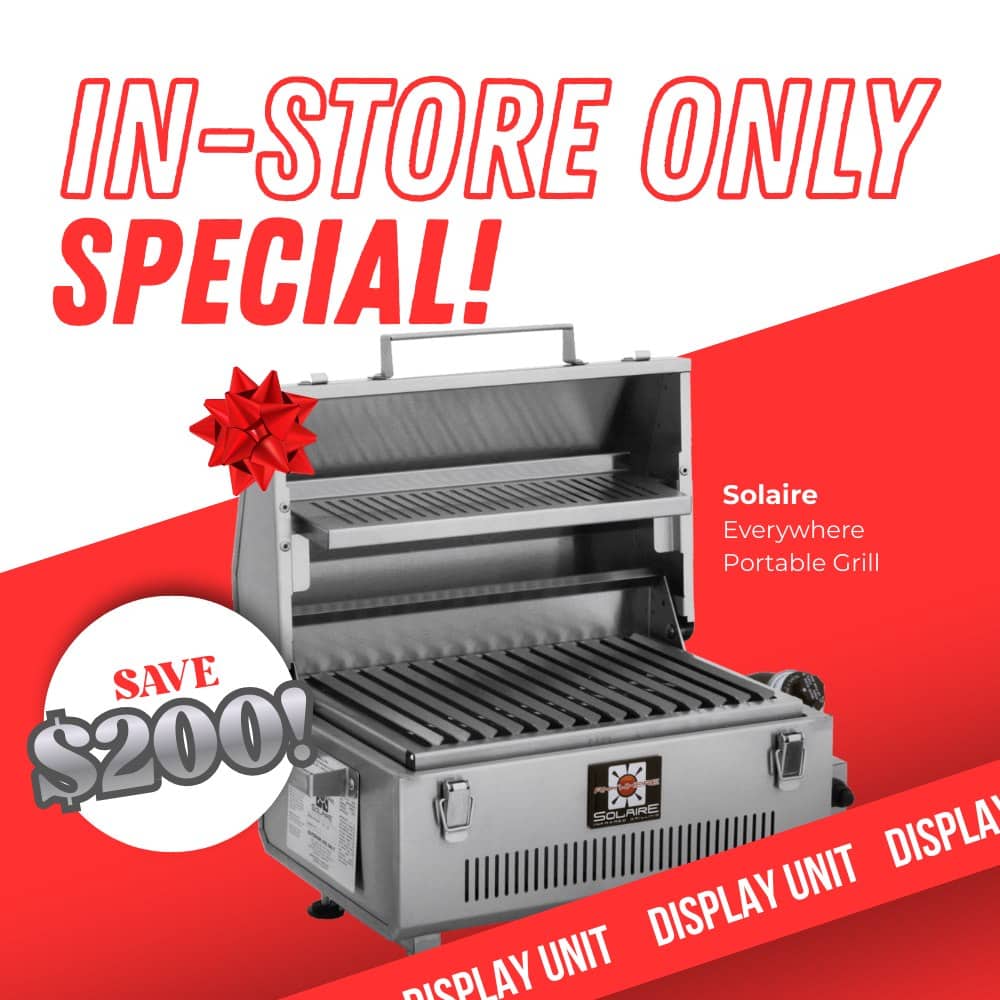
Noise, Smell & Neighbor-Friendliness
If you grill in close quarters, this matters more than you think.
Solaire Infrared grills are surprisingly polite. No roaring burners, no constant flare-ups, and far less grease smoke drifting into neighboring windows. Because fat vaporizes instead of igniting, you get cleaner combustion and fewer smoke plumes.
This makes Solaire a rare win for:
- Condo owners
- Apartment balconies
- Townhome patios
It’s still a grill – people will smell food – but it’s not the kind of smoke that sets off alarms or invites angry knocks. Quiet, controlled, and respectful grilling is an underrated luxury.
Accessories & Customization: What’s Worth Buying (and What Isn’t)
Solaire doesn’t flood you with accessories, which is honestly refreshing. The essentials are well thought out, but not everything is necessary.
Worth it:
- Protective grill cover
- Cart or built-in trim kits
- Quality thermometer
Skip it:
- Gimmicky add-ons
- “Infrared-enhancing” accessories (already built-in)
- Oversized cookware that blocks radiant heat
The grill performs best when kept simple. Overloading it defeats the precision that makes Solaire Infrared grills special. This is one case where less really is more.
Long-Term Ownership: How These Grills Age
Some grills look amazing in year one and sad by year three. Solaire doesn’t play that game.
The stainless steel develops a natural heat patina, not rust or flaking. Burners maintain consistent output. Hinges stay tight. The grill feels the same after dozens of high-heat cooks.
Owners who maintain them properly report 10+ years of reliable performance, which explains why resale value stays high. This isn’t disposable outdoor gear – it’s equipment.
If you view grills as long-term tools instead of seasonal toys, Solaire makes a compelling case.
Cooking for One vs Cooking for Guests
One overlooked strength of Solaire Infrared grills is how well they scale down, not up.
Cooking a single steak? Perfect. Two burgers? No wasted space. You’re not firing up a massive grill just to cook dinner.
For guests, planning matters more. Infrared cooking is fast but not forgiving, so timing becomes the game. Cook in batches, rest meat properly, and the results impress.
This grill rewards intentional cooking, not chaos. Hosts who like precision will love it. Party cooks who prefer multitasking might struggle.

The Emotional Factor: Why Owners Get Weirdly Loyal
Here’s the fun part.
People who buy Solaire Infrared grills don’t just like them – they evangelize. There’s something about mastering infrared heat that creates a quiet pride. You don’t just grill – you execute.
Once you nail your first perfect steak crust, regular grills start feeling… slow. Clumsy. Imprecise.
That’s when it clicks. Solaire isn’t just a grill – it’s a mindset. And once you’re in, it’s hard to go back.
How Solaire Compares to Other High-End Grill Brands
Solaire vs Traditional Gas Grills
Traditional gas grills are versatile. Infrared grills are focused.
- Gas grills = indirect cooking, rotisserie, slow roasting
- Solaire Infrared grills = high heat, precision, speed
If versatility is king for you, Solaire might feel limiting. If performance matters more than options, it wins.
Solaire vs Other Premium Brands
Compared to Napoleon, Blaze, or Lynx:
- Solaire offers better searing
- Slightly less versatility
- Smaller footprint
- More niche appeal
This is a specialist’s tool – and specialists love it.
Who Should Buy a Solaire Infrared Grill?
Perfect for:
- Steak lovers
- High-heat cooking fans
- Condo and balcony grillers
- Minimalist outdoor kitchens
Not ideal for:
- Low-and-slow BBQ cooks
- Large families
- Budget shoppers
- People who multitask while grilling
If you treat grilling like a craft, Solaire will feel like home.
Pricing, Warranty & Value for Money
Solaire Infrared grills typically range from upper mid-tier to full luxury pricing, depending on model and configuration.
You’re paying for:
- American manufacturing
- Premium materials
- Specialized performance
The warranty is solid, and with proper care, these grills can last well over a decade.

FAQs
What makes Solaire Infrared grills different from regular gas grills?
Solaire Infrared grills cook with radiant heat instead of hot air. The ceramic infrared burner heats food directly, which means faster cooking, higher searing temperatures, and less moisture loss compared to traditional gas grills.
Are Solaire Infrared grills good for beginners?
They can be – but there’s a learning curve. Infrared heat is intense and immediate, so beginners need to pay attention and cook with intention. Once you learn shorter cook times and frequent flipping, it becomes second nature.
Can you cook low and slow on a Solaire Infrared grill?
Not really. Solaire Infrared grills are built for high-heat cooking, not long, slow barbecue. If you want brisket or ribs, you’ll want a smoker or traditional grill alongside it.
Do Solaire Infrared grills flare up?
Far less than traditional gas grills. Because fat vaporizes instead of igniting, flare-ups are minimal, which leads to more consistent cooking and cleaner flavors.
How hot do Solaire Infrared grills get?
Very hot. Surface temperatures can reach 700–800°F, making them ideal for steakhouse-quality searing and fast, precise grilling.
Are Solaire Infrared grills safe for apartment balconies?
Many models are designed specifically for small spaces like balconies and condos, but always check local building and fire codes. From a performance standpoint, they produce less smoke and flare-ups than standard gas grills.
Do infrared grills use more gas?
Surprisingly, no. Solaire Infrared grills are fuel-efficient because they heat quickly and cook food faster, reducing overall burn time.
Are Solaire grills made in the USA?
Yes. Solaire grills are proudly made in the USA, using high-quality materials and tight manufacturing standards.
How long do Solaire Infrared grills last?
With proper care, 10 years or more is realistic. The marine-grade stainless steel and simple, durable design are built for long-term ownership.
Are Solaire Infrared grills worth the price?
If you value performance, durability, and elite searing power, absolutely. They’re not budget grills, but they deliver results that cheaper models simply can’t match.
What foods cook best on a Solaire Infrared grill?
Steaks, burgers, chicken, seafood, and vegetables all excel. Anything that benefits from high heat and quick cooking shines on infrared.
Do Solaire Infrared grills require special maintenance?
No special rituals – just regular cleaning and basic stainless steel care. Fewer flare-ups mean less mess, which is a win.
Is an infrared grill better than charcoal?
They’re different tools. Charcoal delivers smoke flavor and tradition. Infrared delivers precision, speed, and consistency. Many pitmasters use both.
Final Verdict: Is the High-End BBQ Experience Worth It?
Here’s my pitmaster truth:
Solaire Infrared grills are not for everyone – and that’s exactly why they’re great.
They don’t pretend to be Swiss Army knives. They exist to do one thing incredibly well: cook food fast, hot, and beautifully.
If you want:
- Steakhouse-level searing
- Compact luxury
- Serious performance without gimmicks
Then yes – the high-end BBQ experience is absolutely worth it.
Now if you’ll excuse me, I’ve got another steak calling my name.
Featured image credit: @creeksidehearth
