
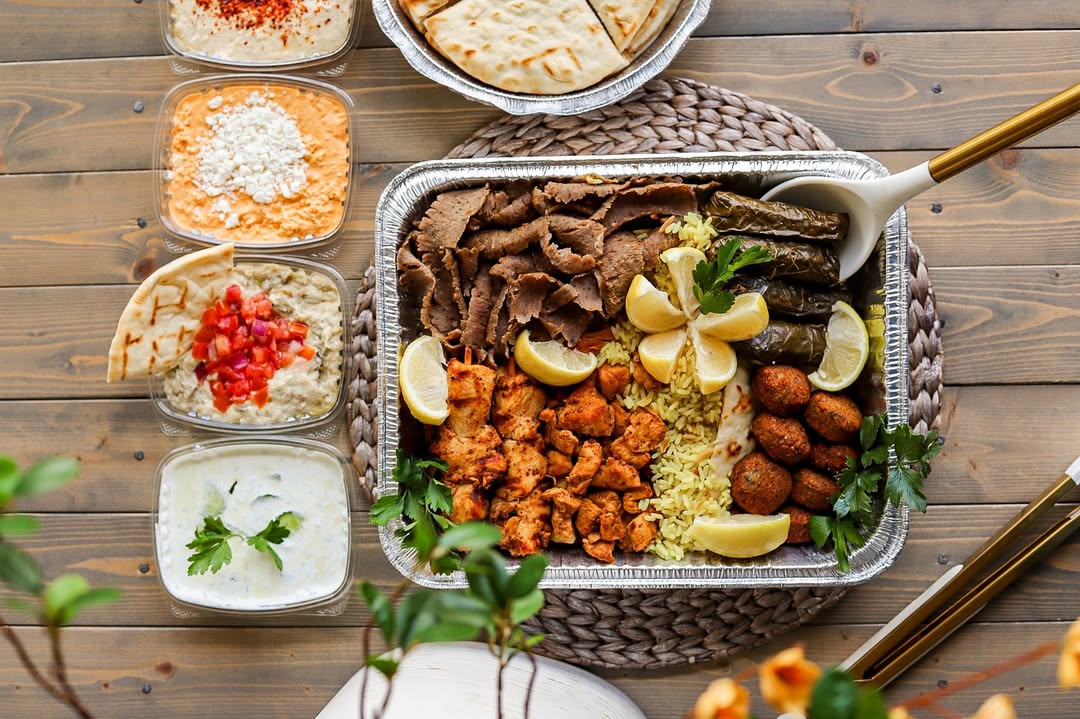
By a pitmaster who’s burned enough dinners to earn wisdom the hard way
Fire, Oil, and a Little Bit of Magic
Mediterranean grilling knows a truth many modern kitchens forget: fire isn’t something to control – it’s something to respect.
I’ve grilled on everything from fancy stainless-steel rigs to a dented charcoal barrel that leaned slightly to the left like it had opinions. And every time I come back to Mediterranean grilling, I’m reminded why it’s timeless.
No foams. No tweezers. No eighteen-step sauces that need a spreadsheet.
Just olive oil, herbs, open flames, and patience.
This style of grilling isn’t about domination. It’s about collaboration – between heat, smoke, fat, and fresh ingredients. You’re not fighting the fire. You’re negotiating with it. Think less “culinary warlord” and more “wise village elder with tongs.”
Napoleon Bonaparte famously said an army marches on its stomach. If he had tasted properly grilled lamb with olive oil and oregano, he might’ve skipped Russia and stayed home grilling instead.
History could’ve used fewer battles and more skewers.
Let’s dig in.
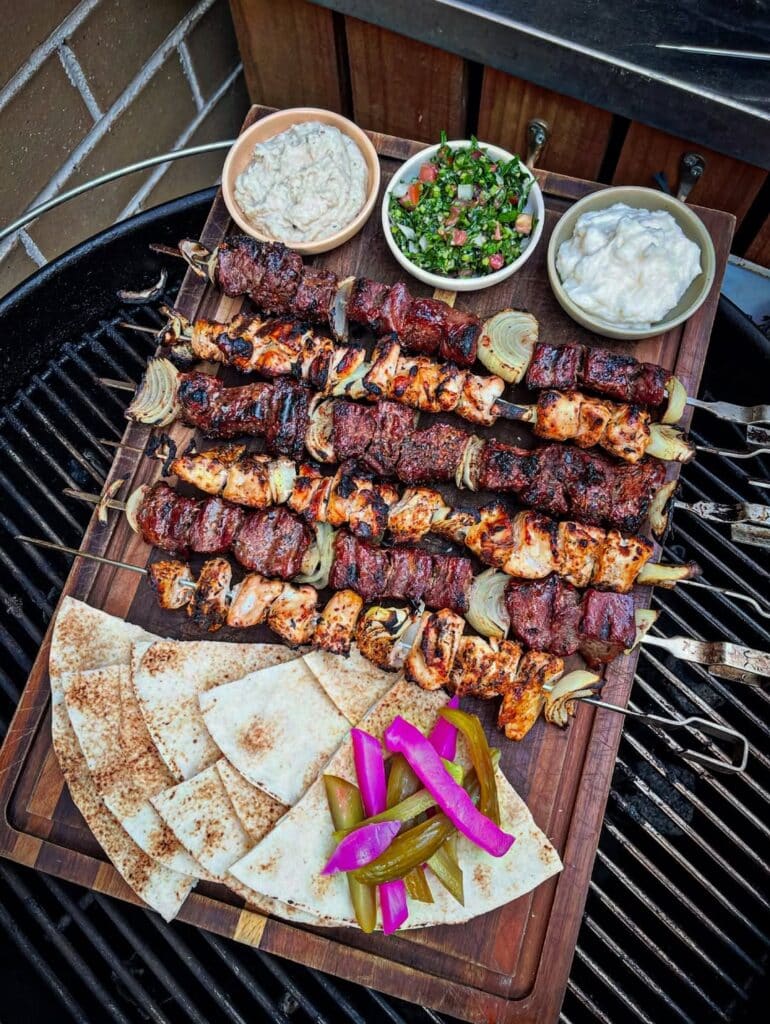
The Roots of Mediterranean Grilling
Fire Before Forks
Mediterranean grilling predates written recipes. Long before cookbooks, people cooked over flames because… well, that’s what they had. Fishermen grilled their catch on the beach.
Shepherds grilled lamb over wood fires. Farmers grilled vegetables because raw eggplant is a crime against humanity.
This wasn’t “weekend grilling.” This was daily survival cooking that accidentally tasted incredible.
What made it work wasn’t technique – it was restraint.
- No heavy sauces
- No sugar glazes
- No distractions
Just fire and good ingredients.
Regional Personality, Same Philosophy
Across the Mediterranean, flavors change, but the mindset stays the same:
- Greece: Lemon, oregano, olive oil, lamb, seafood
- Italy: Rosemary, garlic, olive oil, vegetables, bread
- Spain: Paprika, olive oil, seafood, pork
- Levant & Turkey: Sumac, thyme, yogurt marinades
- North Africa: Cumin, coriander, preserved lemon
Different accents, same language: Mediterranean grilling speaks fluent fire.
Olive Oil: The Soul of Mediterranean Grilling
Let’s clear something up right now.
Olive oil is not just a fat. It’s a seasoning.
If butter is a blanket, olive oil is a spotlight.
Why Olive Oil Works on the Grill
Used correctly, olive oil:
- Carries flavor from herbs into the food
- Protects moisture during high heat
- Creates surface browning without heaviness
Yes, it has a lower smoke point than refined oils – but Mediterranean grilling doesn’t drown food in oil. It coats, it finishes, it enhances.
Choosing the Right Olive Oil
Not all olive oil belongs near a flame.
Extra virgin olive oil:
- Best for marinades, finishing, and low-to-medium heat
- Brings grassy, peppery notes
Refined or light olive oil:
- Better for higher heat grilling
- Neutral, stable, no drama
A trick I use: marinate with extra virgin, grill clean and hot, then drizzle again after. That way you get aroma without burning your investment.
Nero Caesar allegedly enjoyed watching things burn. If you dump extra virgin olive oil directly onto roaring flames, congratulations – you’re grilling like Nero. Don’t do that.
Herbs: The Mediterranean’s Flavor Language
If olive oil is the soul, herbs are the vocabulary.
Fresh vs Dried (Stop Arguing, They Both Matter)
Fresh herbs:
- Bright
- Aromatic
- Best added after grilling or late in cooking
Dried herbs:
- Concentrated
- Heat-stable
- Best for marinades and rubs
Mediterranean grilling uses both – strategically.
The Core Mediterranean Herbs
You’ll see these again and again:
- Rosemary: Piney, bold, loves lamb and beef
- Thyme: Earthy, flexible, works on everything
- Oregano: The backbone of Greek grilling
- Sage: Underrated, fantastic with pork
- Bay leaf: Subtle, smoky when burned near coals
- Parsley & mint: Bright finishers
I once watched a guy throw an entire rosemary bush onto his grill. Dramatic? Yes. Effective? Also yes. Mediterranean grilling rewards confidence.
Herb Pairing, Simplified
- Lamb → Rosemary, oregano
- Chicken → Thyme, oregano, lemon
- Fish → Parsley, dill, bay leaf
- Vegetables → Thyme, oregano, sage
One or two herbs is plenty. If your grill smells like a candle shop, you’ve gone too far.
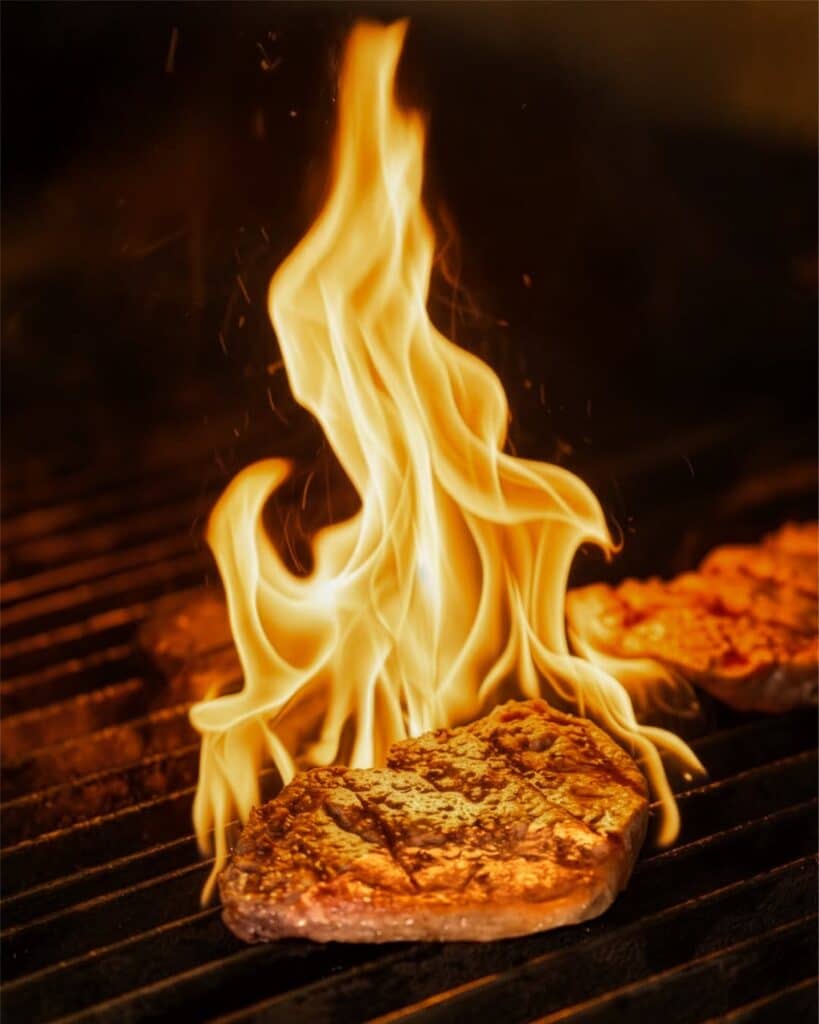
Open Flames: Where the Magic Happens
Mediterranean grilling doesn’t fear fire – it understands it.
Traditional Fuels
Historically, cooks used what was around:
- Olive wood
- Grapevine trimmings
- Hardwood charcoal
Each adds subtle flavor. Olive wood gives a gentle smoke. Grapevine burns hot and fast. Charcoal stays reliable.
Callinicus of Heliopolis invented Greek fire – an unquenchable weapon. Useful for warfare, terrible for grilling. You want control, not eternal flames licking your eyebrows.
Heat Zones Matter
Good Mediterranean grilling always uses two zones:
- Hot zone: Searing, crisping, quick cooking
- Cool zone: Gentle finishing, resting
You sear first. You relax second. Just like life.
Smoke Is a Seasoning
Smoke should whisper, not shout.
- Toss herbs or wood beside the coals, not on top
- Let smoke kiss the food, not smother it
If your food tastes like a bonfire apology, you’ve overdone it.
The Dance of Smoke and Heat
Smoke isn’t just decoration; in Mediterranean grilling, it’s a key ingredient. Different woods and herbs add subtle notes – olive wood whispers, grapevine crackles, and rosemary bursts like a firework.
Learning to control smoke is about patience, placement, and timing. You don’t smother food with it; you invite it to the party. Heat zones create a rhythm: searing over high flames, finishing over gentle embers.
Too much flare-up and your lamb tastes like an apology note. Too little heat, and vegetables weep instead of caramelize. Smoke, heat, and fire are your musical trio—when they work together, the grill sings.
Once you understand this dance, every meal feels orchestrated, not accidental. Even Callinicus of Heliopolis would have paused his Greek fire experiments to watch this kind of controlled chaos.
Core Mediterranean Grilling Techniques
Marinating Without Overthinking
Mediterranean marinades are refreshingly simple:
- Olive oil
- Acid (lemon or vinegar)
- Herbs
- Salt
That’s it.
No sugar. No soy sauce. No confusion.
Timing matters:
- Fish: 15–30 minutes
- Chicken: 1–4 hours
- Lamb: Overnight if thick
Marinating longer doesn’t mean better. It means mushier.
Skewers, Flats, and Whole Foods
Mediterranean grilling respects shape.
- Skewers cook evenly
- Flat cuts char beautifully
- Whole fish stays juicy
You don’t butterfly everything into submission.
Knowing When It’s Done
Mediterranean grilling teaches you to use your senses:
- Look: Color tells truth
- Smell: Aroma doesn’t lie
- Touch: Firm, not stiff
Thermometers are fine – but your hands learn faster.
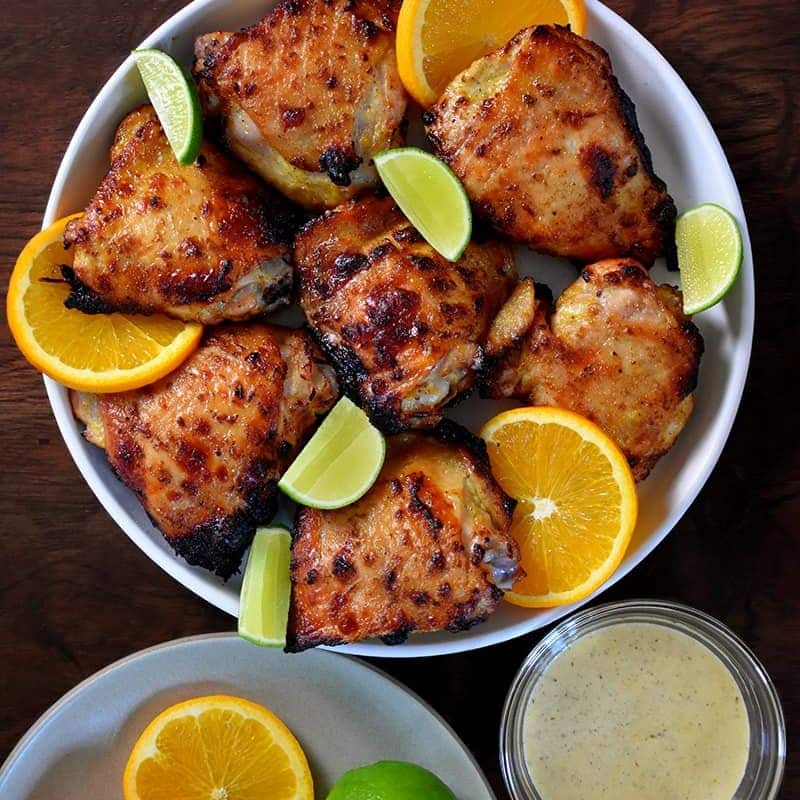
The Role of Citrus in Mediterranean Grilling
Citrus is the secret superhero of Mediterranean grilling. Lemon, orange, or even lime adds brightness, tenderizes, and balances the richness of olive oil and fats. Squeeze over grilled lamb, fish, or chicken just before serving to awaken flavors.
Citrus zest can also be rubbed into marinades to infuse subtle aromatic oils. The magic? It’s instantaneous: a splash can transform smoky, herb-heavy food into something that tastes sun-soaked and vibrant.
Some cooks even use citrus halves, grilled face-down, as a gentle smoke flavor addition. Mediterranean grilling without citrus is like a symphony without a violin – it works, but it doesn’t sing.
Grilling Like the Locals: Regional Techniques
Every Mediterranean coastline has its own grilling flair. In Greece, expect souvlaki skewers kissed by rosemary and oregano over charcoal. Italy favors grilled vegetables and bread, with olive oil drizzled at the last moment.
In Spain, seafood meets paprika and grapevine embers, while the Levant loves sumac and flatbreads brushed over hot coals. Each region shares a philosophy: keep it simple, let ingredients shine, and never hide behind sauces.
Watching locals grill is like reading an unwritten manual – timing, placement, and heat zones are instinctive. Your job isn’t to copy them perfectly; it’s to absorb their wisdom, experiment, and adapt.
Think of it as culinary anthropology – without the dusty hats or field notes, just tongs, smoke, and a hungry crowd.
Classic Mediterranean Grilled Foods
Grilled Meats
Lamb chops
- Olive oil, rosemary, garlic
- Hot fire, quick sear
- Rest before serving
Chicken with lemon and herbs
- Marinate simply
- Cook over medium heat
- Finish with fresh herbs
If Napoleon had eaten grilled chicken like this, he might’ve invaded fewer countries and hosted better backyard parties.
Seafood: The Mediterranean Flex
Whole grilled fish is a power move.
Scale it
- Salt it
- Oil the skin
- Stuff with herbs
No flipping anxiety. Let the grill do the work.
Shrimp and calamari cook fast – blink and you’ll miss it.
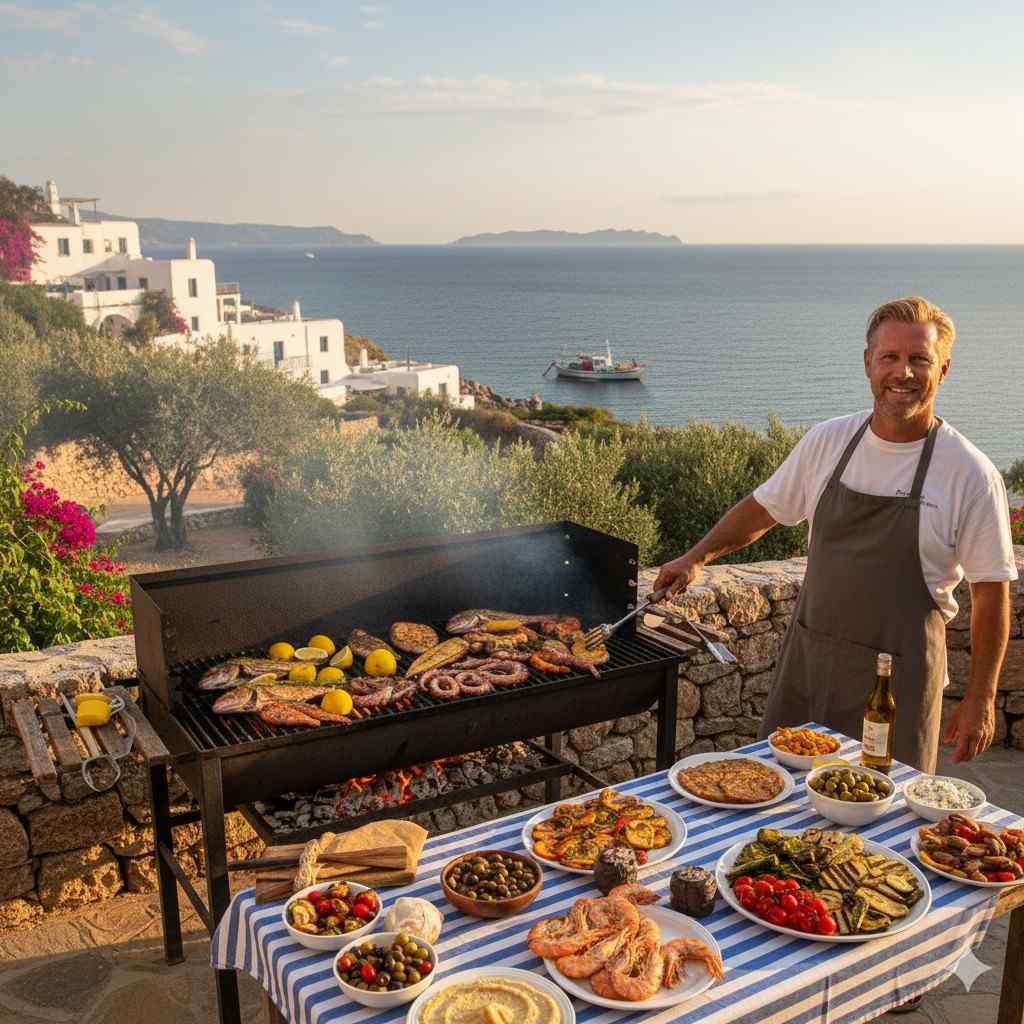
Grilling Seafood the Right Way
Seafood is fragile, fast, and forgiving if treated well. Mediterranean grilling elevates it with olive oil, herbs, and gentle heat. Whole fish gets stuffed with parsley, lemon, and a drizzle of oil, then grilled over moderate flames.
Shellfish, like shrimp or calamari, needs just a few minutes, turning pink and opaque, before being pulled off the heat. The key is respecting timing and knowing your grill’s quirks. Too hot, and the exterior burns while the inside stays raw.
Too cold, and flavor leaks away. Mediterranean grilling teaches patience: listen to the sizzle, smell the aroma, and watch the color. When done right, the grill doesn’t just cook the seafood – it transforms it.
Vegetables and Bread
Mediterranean grilling treats vegetables like main characters:
- Eggplant
- Zucchini
- Peppers
Grilled bread rubbed with garlic and olive oil? That’s not a side. That’s a lifestyle choice.
Grilling Vegetables Like a Maestro
Mediterranean grilling isn’t all about meat. Vegetables are main players, not supporting acts. Eggplant, zucchini, peppers, and tomatoes respond beautifully to olive oil, herbs, and fire. The secret is cutting uniformly, seasoning lightly, and respecting cooking times.
Too much heat and zucchini turns to mush; too little and peppers stay bland. Charred skin adds smokiness, but the inside should remain tender. Herbs like thyme or oregano sprinkled at the end boost aroma without burning.
Even bread can join the lineup: a rustic loaf brushed with olive oil, kissed by flame, becomes the simplest, most addictive accompaniment. Vegetables grilled this way show why Mediterranean grilling isn’t about domination – it’s about bringing out the best in each ingredient.
Grilled Bread and Flatbreads: Unsung Heroes
Mediterranean grilling is incomplete without bread. Rustic loaves or flatbreads brushed with olive oil and herbs take on smoky, caramelized perfection over the flames. It’s the ultimate flavor vehicle – perfect for mopping up oils, juices, and herb magic.
Some chefs grill bread lightly, then rub with garlic or sprinkle with sea salt. Others use it as a base for toppings, creating a mini pizza or bruschetta. Bread may seem simple, but in Mediterranean grilling, it’s a star that ties the meal together.
Even the most modest grilled vegetables or fish suddenly feel gourmet when paired with warm, charred bread.
Why Mediterranean Grilling Is Healthy (Without Being Boring)
This style of grilling naturally avoids problems:
- Less sugar
- Less processed fat
- More vegetables
- More healthy oils
It aligns with the Mediterranean diet without trying to sell you anything.
Also, grilling outside with people you like is good for your soul. Science hasn’t caught up yet, but trust me.
Bringing Mediterranean Grilling Home
You don’t need a villa overlooking the sea.
You need:
- Fire
- Olive oil
- Herbs
- Willingness to learn
Beginner Tips
- Start simple
- Don’t multitask
- Let food rest
- Stop poking it
Mediterranean grilling rewards calm confidence.
The Secret Language of Marinades
In Mediterranean grilling, a marinade isn’t just a bath for your food – it’s a conversation. Olive oil, citrus, and herbs speak directly to meat, fish, or vegetables, coaxing flavor into every fiber.
The trick isn’t fancy ingredients – it’s balance and timing. Acid from lemon or vinegar tenderizes, while olive oil carries aromas deep inside. Herbs are the storytellers, whispering piney rosemary for lamb or bright parsley for fish.
Salt is the punctuation; a little amplifies everything without shouting. Marinate too long, and you risk mushy textures. Marinate too short, and flavors barely register. The best marinades are like good gossip – quick, intense, and unforgettable.
Learning this “language” of flavor transforms Mediterranean grilling from cooking into a kind of edible poetry. You’ll realize even vegetables can have a compelling story when treated with patience and respect.
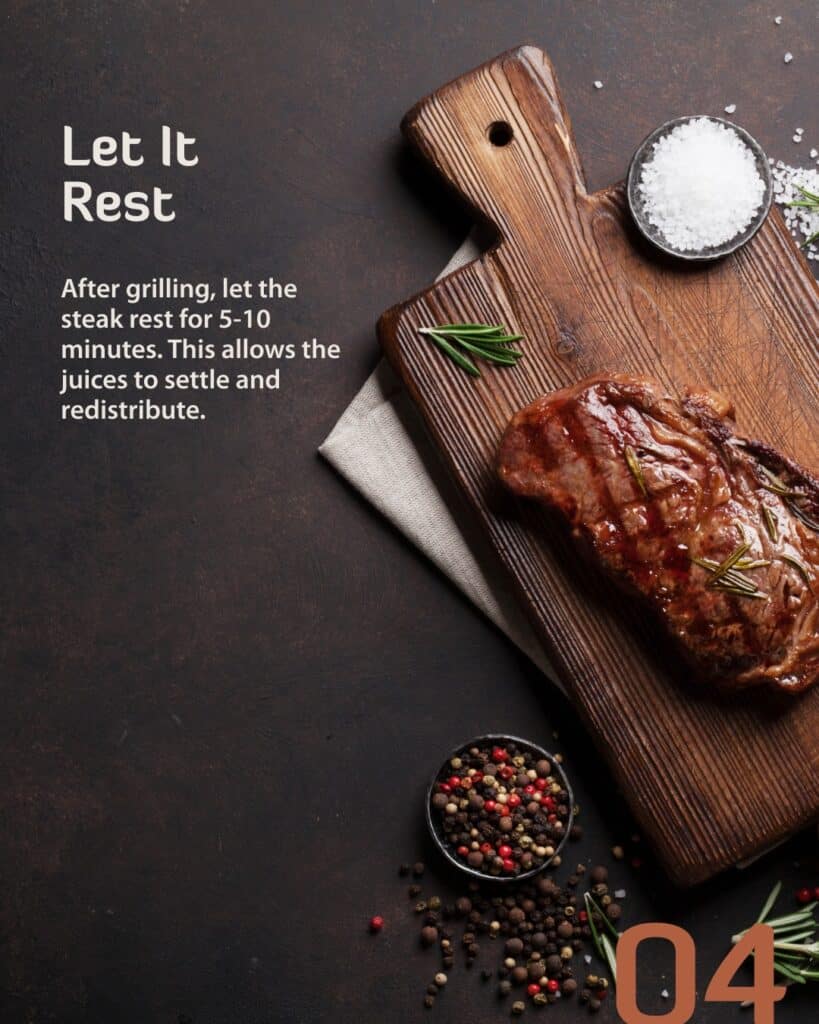
The Ritual of Resting and Serving
Mediterranean grilling is as much about patience after the flames as it is about fire itself. Meat should rest to allow juices to redistribute, vegetables to settle, and flavors to mature. Olive oil and herbs added post-grill elevate the taste.
Presentation is casual but deliberate: a platter of grilled lamb, lemon wedges, and fresh herbs invites sharing. The ritual transforms eating into a social, sensory experience. Gather friends, sip wine, swap stories, and let the food speak for itself.
After all, Mediterranean grilling isn’t just cooking – it’s an art form that celebrates community, flavor, and a little smoke-induced magic.
Why This Style Endures
Mediterranean grilling isn’t a trend. It’s a conversation between fire and food that’s been going on for thousands of years.
It reminds us that:
- Less can be more
- Fire is a tool, not an enemy
- Good ingredients don’t need disguises
And maybe, just maybe, if more historical figures had learned to grill this way, we’d have fewer burned cities and more shared meals.
Fire up the grill. Pour the oil. Toss the herbs.
Let the magic happen.
Featured image credit: @greatgreekgrillfriendswoodtx
