
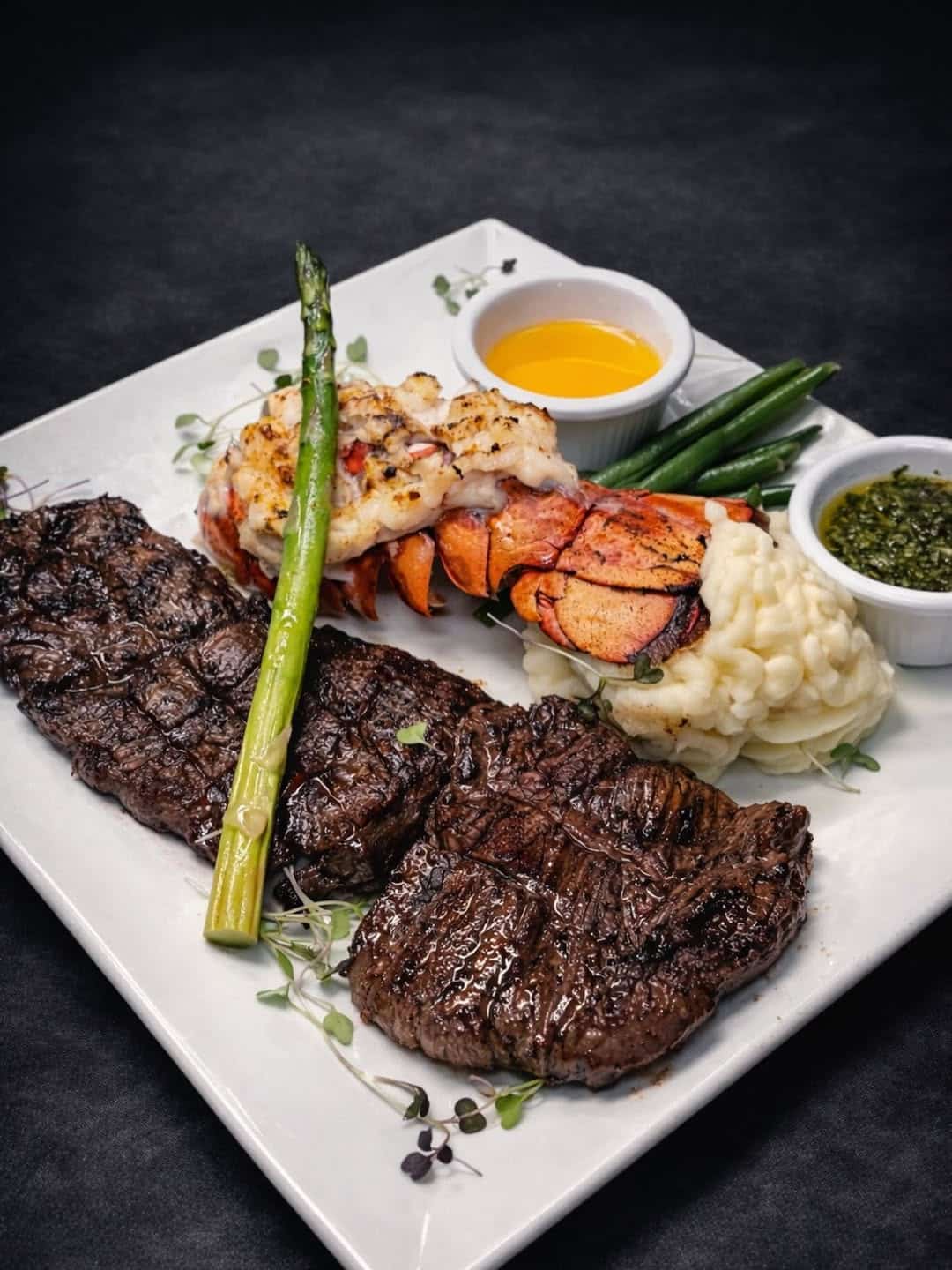
Where Good Steak Becomes Great
I’ve cooked a lot of steaks in my life – backyard grills, competition pits, late-night “just one more test run” experiments. And here’s the truth most folks don’t want to hear:
Most home-cooked steaks are just… okay.
Not bad. Not terrible. Just missing that deep, rich, steakhouse-level punch.
That’s where the magic of a 24-hour marinade NY strip steak method comes in.
This isn’t about drowning your steak in sauce. It’s about transforming it – turning a solid cut into something that makes people pause mid-bite and go, “Wait… what did you do to this?”
And today, I’m going to show you exactly how to do it – pitmaster style.
What Makes NY Strip Steak Worth the Effort
The NY strip is a proud cut. Comes from the short loin. Not as fatty as a ribeye, not as soft as a filet.
But what it does have is:
- Big, bold beef flavor
- A firm bite that feels like steak should
- Just enough marbling to stay juicy – if you treat it right
Here’s the catch:
It doesn’t forgive mistakes.
Cook it wrong? It gets chewy.
Season it poorly? It tastes flat.
That’s why a marinade NY strip steak approach works so well. It fills in the gaps without overpowering the meat.
Think of it like tuning a guitar. The steak is already good – you’re just bringing it into perfect pitch.
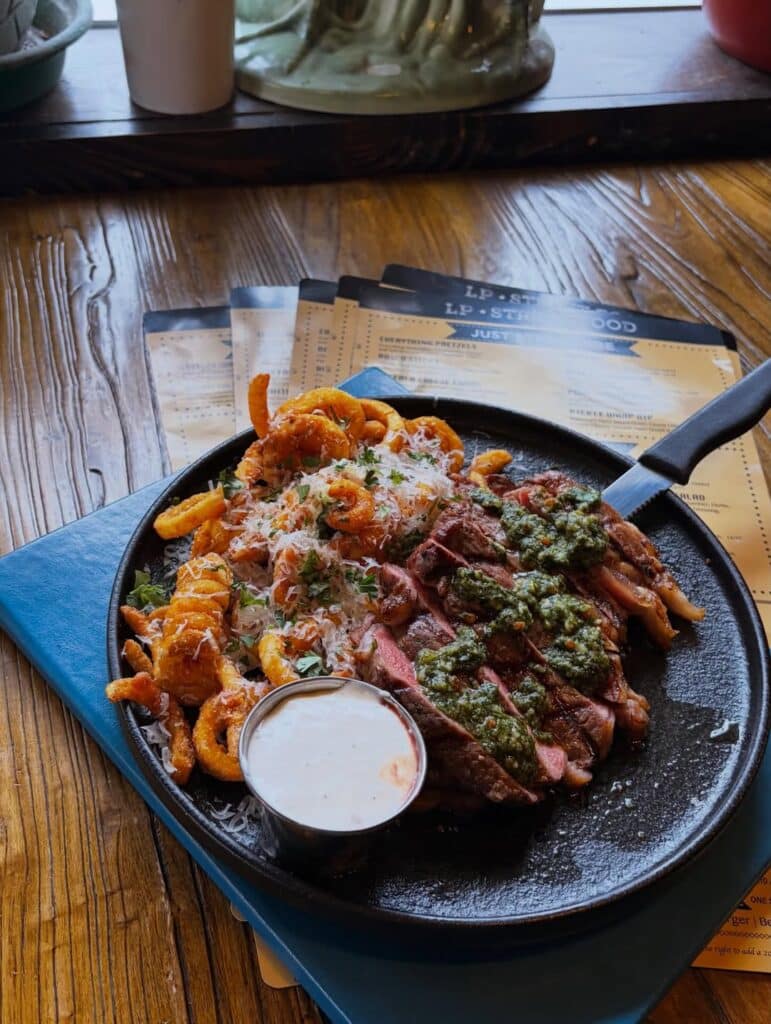
Why 24 Hours Changes Everything
Let me tell you a quick story.
Years ago, I rushed a marinade. Gave it maybe 2 hours. Cooked the steak, sliced it open, took a bite…
And thought: “Well, that was a waste of good beef.”
Same recipe. Next day, I let it sit 24 hours.
Different universe.
Here’s why that happens:
1. Time lets salt do its job
Salt doesn’t just sit on the surface. It pulls moisture out, then reabsorbs it, bringing flavor deep into the meat.
2. Acid gently breaks things down
Not aggressively. Not mushy. Just enough to soften muscle fibers.
3. Fat carries flavor inward
Oil and natural fat help spread those flavors evenly.
Key takeaway:
A 24-hour marinade isn’t about soaking – it’s about slow, controlled transformation.
Anything shorter? You’re just seasoning the outside.
The Anatomy of a Great Marinade
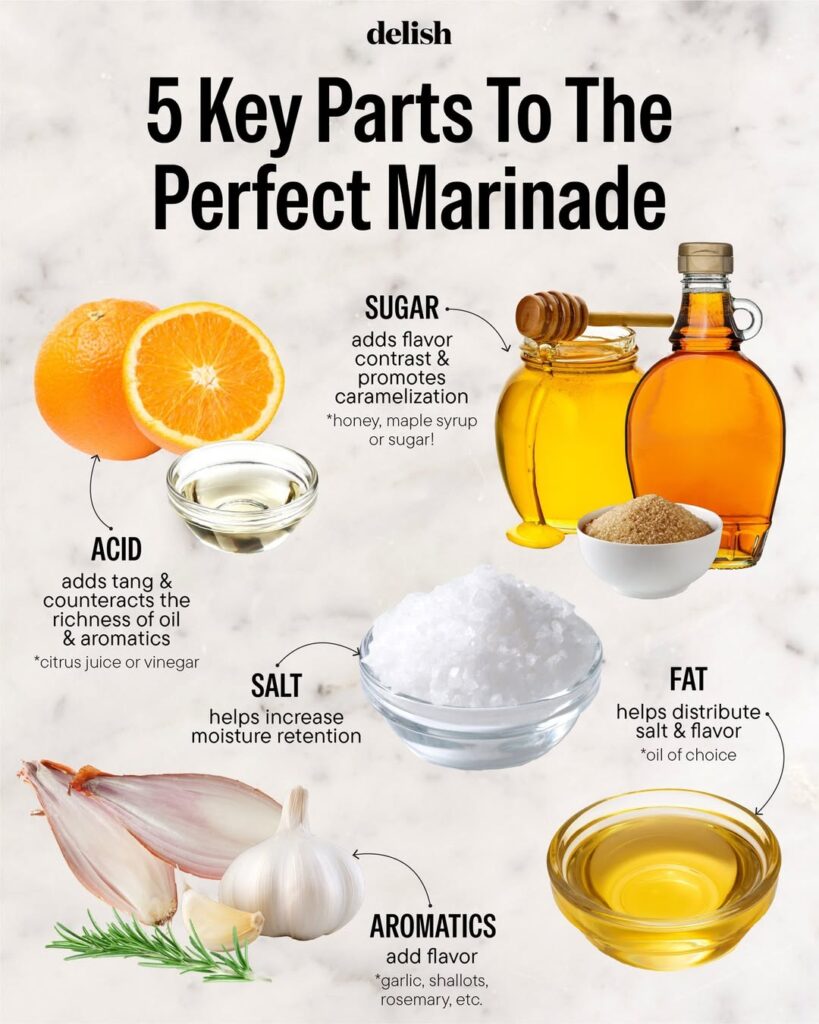
A good marinade isn’t random. It’s built like a system.
Acid: The Tenderizer
Think vinegar, citrus, or even a splash of wine.
- Loosens muscle fibers
- Helps flavors penetrate
- Adds brightness
Too much? You get mush. We’re not making ceviche.
Oil: The Flavor Carrier
Oil doesn’t just sit there looking pretty.
- Helps coat the steak evenly
- Locks in moisture
- Carries herbs and spices deeper
Salt: The Game Changer
If you skip salt, don’t bother marinating.
- Enhances natural beef flavor
- Improves texture
- Helps retain juices
Salt is the difference between “meh” and “wow.”
Aromatics: The Personality
This is where you get creative.
- Garlic
- Black pepper
- Herbs like rosemary or thyme
- Umami boosters like soy sauce or Worcestershire
This is where your marinade NY strip steak becomes yoursignature.
The Best 24-Hour Marinade for NY Strip Steak
Alright. Let’s get to the good stuff.
Ingredients
- 2 NY strip steaks
- 1/3 cup soy sauce
- 1/4 cup olive oil
- 2 tablespoons Worcestershire sauce
- 4 cloves garlic (crushed, not minced—trust me)
- 1 tablespoon brown sugar
- 1 teaspoon black pepper
- 1 teaspoon smoked paprika
- Optional: a splash of lemon juice
Why This Works
- Soy sauce = salt + umami bomb
- Oil = moisture + distribution
- Garlic = depth
- Sugar = caramelization magic on the grill
Balanced. Not overpowering. Built for a full 24-hour soak.
How to Mix It
No need to overthink it.
- Throw everything in a bowl
- Whisk it like you mean it
- Taste it (yes, seriously)
If it tastes good now, it’ll taste incredible tomorrow.
How to Marinate NY Strip Steak Properly
This is where most people mess up.
Step 1: Prep the Meat
Pat the steak dry.
Why?
Water blocks flavor absorption.
Step 2: Get It Coated
Use a zip-top bag or container.
- Make sure every inch is covered
- Press out excess air
Less air = better contact = better flavor
Step 3: Refrigerate for 24 Hours
Put it in the fridge.
Then – this is important –
Flip it halfway through
That keeps everything even.
Step 4: Before Cooking
Take it out 30–45 minutes before cooking.
- Let it come closer to room temp
- Pat it dry (don’t skip this)
Dry surface = better crust
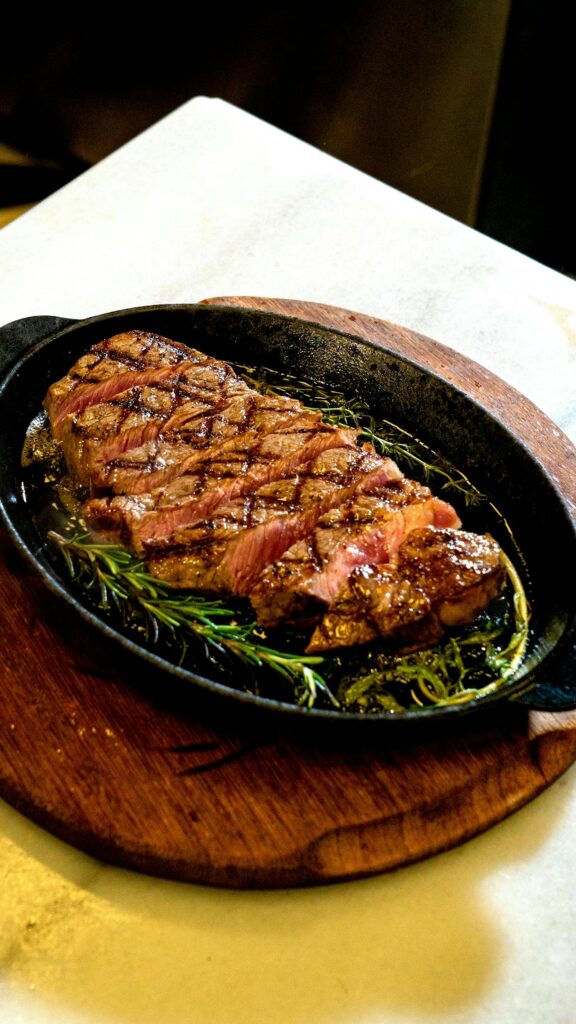
Cooking After the Marinade: Where It All Pays Off
You’ve done the work. Now don’t ruin it.
Grilling (My Favorite)
Hot. I mean hot.
- Sear 2–3 minutes per side
- Don’t poke it every 10 seconds
- Let the crust form
You’re not babysitting – you’re building flavor.
Pan-Seared (Indoor Pitmaster Mode)
Cast iron. Always.
- Get it smoking hot
- Add a bit of oil
- Sear hard
Then finish with butter:
- Toss in garlic + herbs
- Spoon that melted goodness over the steak
That’s restaurant-level right there.
Reverse Sear (For Precision Freaks Like Me)
- Cook low in oven first
- Finish with a hard sear
Perfect doneness edge to edge
Mistakes That Will Ruin Your Steak
Let’s keep this real. Over-marinating. More than 24 hours? You risk mushy texture.
Too Much Acid
You’re not cleaning coins. Keep it balanced.
Skipping the Dry-Off
Wet steak = no crust. No crust = no flavor.
Cooking Cold Steak
Straight from fridge?
👉 Uneven cooking. Tough results.
Pitmaster Tricks for Next-Level Flavor
Now we’re getting into the fun stuff.
1. Light Scoring
Make shallow cuts. Helps marinade penetrate just a bit deeper.
2. Save Some Marinade (Safely)
Want a glaze?
- Set some aside before adding raw meat
- Reduce it in a pan
Instant flavor boost.
3. Rest Your Steak
After cooking, let it sit. 5–10 minutes. This keeps juices inside instead of on your plate.
4. Don’t Overcrowd the Heat
Whether grill or pan:
Give your steak space.
Crowding = steaming.
Steaming = sadness.
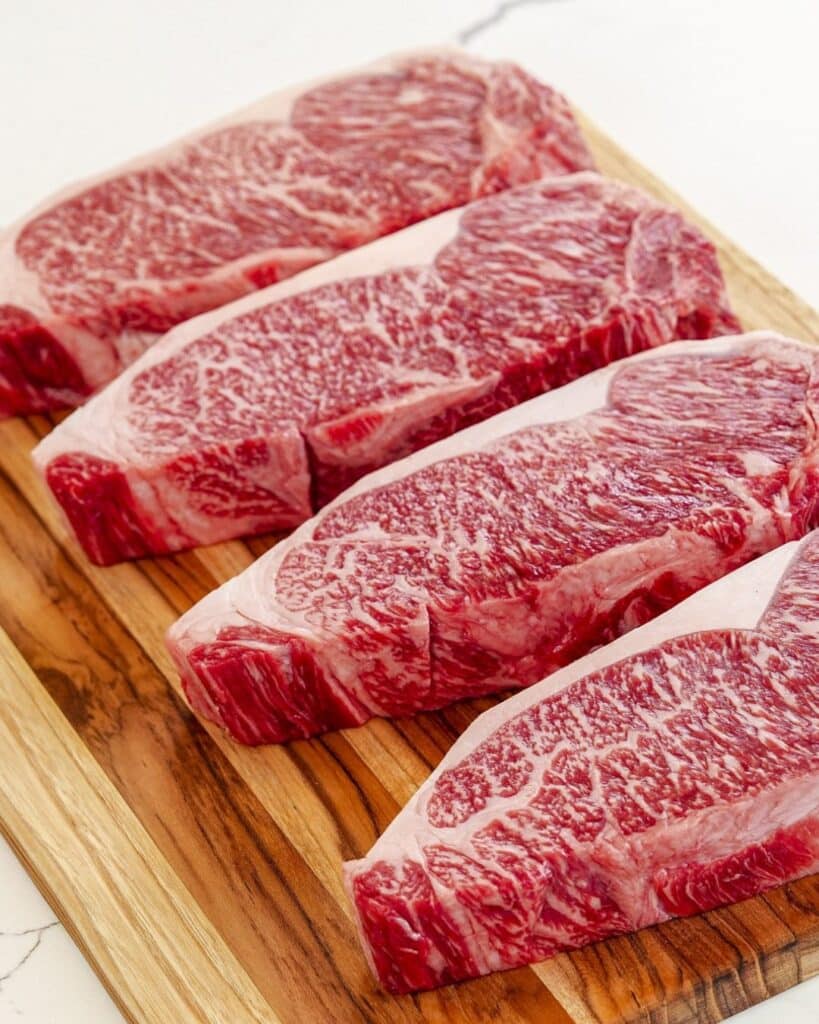
Choosing the Right NY Strip: Not All Steaks Are Equal
Before you even think about a marinade NY strip steak, you’ve got to pick the right piece of meat. And trust me – this is where most people lose before they even start.
Look for consistent marbling – those thin white streaks of fat running through the meat. That’s flavor insurance. Too lean? You’ll end up fighting dryness no matter how good your marinade is.
Thickness matters too. Go for at least 1 to 1.5 inches thick. Anything thinner cooks too fast and doesn’t give your 24-hour marinade time to shine.
And here’s a pitmaster secret:
Choice grade is good. Prime is great. But well-selected Choice can beat a bad Prime any day.
If the steak looks dull, dry, or grayish – walk away.
Great steak starts at the butcher, not the grill.
The Role of Temperature During Marination
A lot of folks think marinating is just “set it and forget it.” Not quite.
Temperature plays a quiet but powerful role in how your marinade NY strip steak behaves over those 24 hours.
Always marinate in the fridge. No exceptions. Room temp marinating isn’t bold – it’s risky.
But here’s the interesting part:
Cold temperatures slow down the breakdown process, which is exactly what you want for a long marinade. It keeps things controlled, preventing that dreaded mushy texture.
Want to go one step further?
👉 Place the steak on the bottom shelf, where the temperature is most stable.
Consistency matters. Fluctuating temps = uneven results.
Low and steady doesn’t just apply to cooking – it starts in the marinade phase.
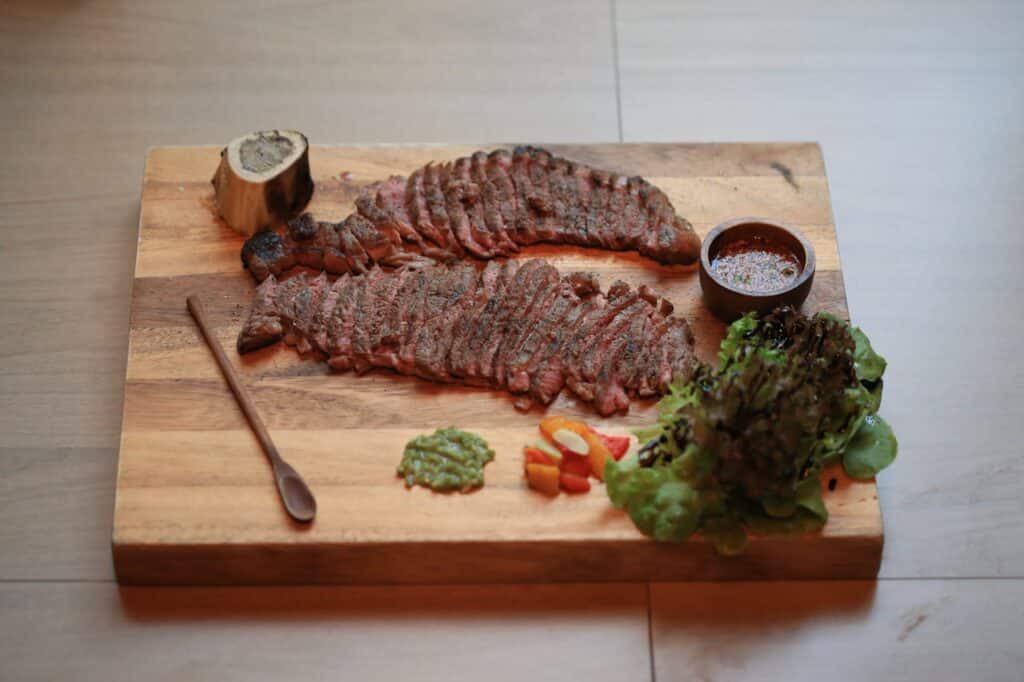
How Marinade Affects the Crust (And How to Fix It)
Let’s talk crust – that beautiful, sizzling, flavor-packed exterior.
A marinade NY strip steak can actually work against your crust if you’re not careful. Why?
Because marinades add moisture and sugars. Too much surface moisture = steaming. Too much sugar = burning before the crust forms. But don’t worry – this is fixable.
Pat the steak dry before cooking. Not “kind of dry.” I mean properly dry. This doesn’t remove flavor – it just removes excess liquid so the heat can do its job.
Also, let the steak sit out briefly before cooking. That helps the surface dry naturally.
The goal? A steak that’s juicy inside and crackling with flavor outside.
You want a crust that talks back when you bite it.
Pairing Marinades with Smoke: A Pitmaster Upgrade
Now we’re stepping into my world. If you’ve got access to a smoker, your marinade NY strip steak just leveled up.
Here’s the thing: marinade builds internal flavor, while smoke builds external complexity.
Together? That’s magic. But don’t go heavy-handed. NY strip is a bold cut, but it doesn’t need aggressive smoke like brisket.
Stick with milder woods like:
- Oak
- Cherry
- Pecan
These add a subtle layer without overpowering your marinade. Smoke at a lower temp first, then finish with a sear.
This creates a steak with layers – deep, smoky, savory, and slightly sweet. That’s not just cooking. That’s storytelling on a plate.
Timing Your Marinade with Your Schedule
Let’s be honest—24 hours sounds great… until life gets in the way.
But here’s the good news: you can plan your marinade NY strip steak like a pro.
Start in the evening. That’s your sweet spot.
- Prep at 7 PM
- Flip it the next morning
- Cook it the following evening
That’s a perfect 24-hour cycle without stress.
Got less time? Aim for at least 12 hours minimum. More time = deeper flavor, but even half a day beats a quick soak.
And if something comes up?
You can stretch it slightly – but don’t push past 36 hours. Great steak isn’t rushed – but it should fit your life, not fight it.
The Psychology of Flavor: Why Marinated Steak Tastes Better
Here’s something most people don’t think about:
A marinade NY strip steak doesn’t just taste better – it feels better to eat.
Why?
Because flavor isn’t just on the surface anymore. It’s layered.
- First bite: savory crust
- Second note: juicy, seasoned interior
- Finish: lingering herbs and umami
That progression keeps your brain engaged. It’s the difference between a flat note and a full chord. And here’s the kicker:
When flavor is evenly distributed, your brain interprets the steak as more tender and more satisfying, even if the cut is the same.
You’re not just cooking steak – you’re engineering an experience.
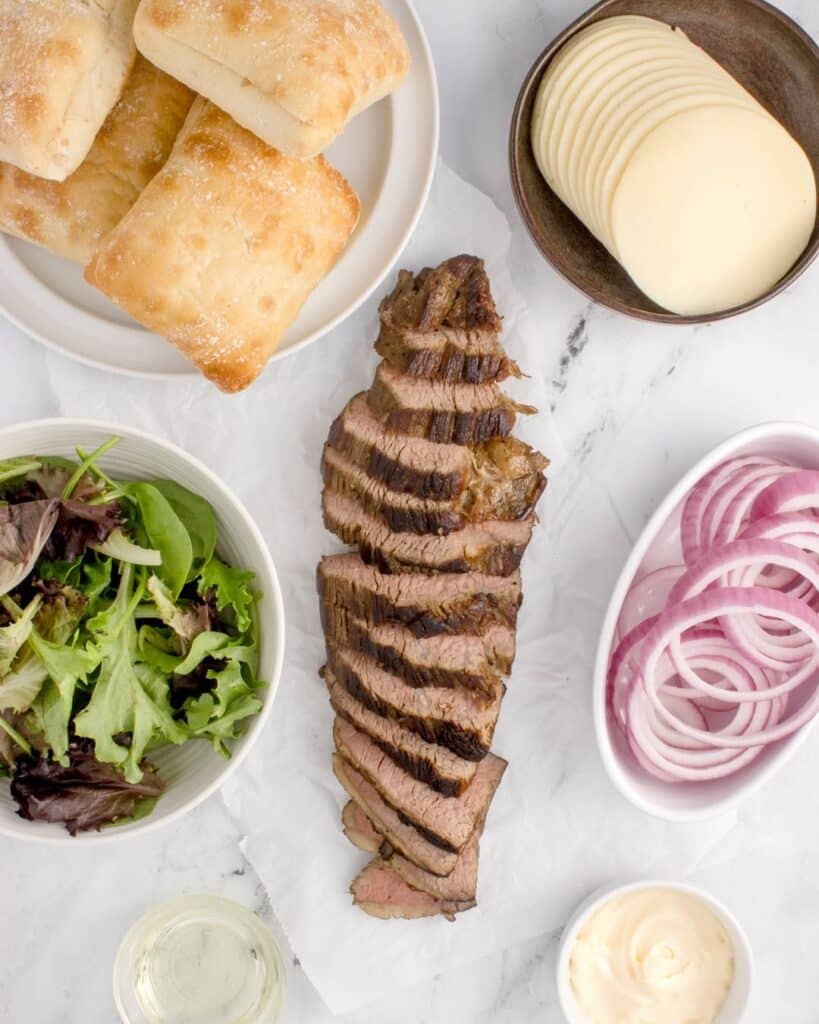
Leftovers Done Right: Don’t Waste That Flavor
If you’ve got leftover marinade NY strip steak, don’t you dare reheat it the wrong way.
Microwave? That’s a crime.
Instead, slice it thin and use it creatively.
Toss it into:
- Steak sandwiches
- Salads
- Fried rice
- Tacos
Here’s a favorite of mine:
Quick steak sandwich.
- Warm slices gently in a pan
- Add a bit of butter
- Toast your bread
- Done
The marinade flavor actually intensifies overnight, making leftovers even more interesting.
Sometimes the second day is where the real magic happens. And that’s when you know you did it right.
Conclusion: The Difference Is in the Time
Here’s the bottom line. A great steak isn’t just about the cut. It’s about what you do before it hits the heat. And a 24-hour marinade NY strip steak method?
That’s the difference between “Yeah, that was good” and “When are you making that again?”
It’s simple. It’s repeatable. And once you try it, you won’t go back.
Now go grab some steaks, mix that marinade, and give it the time it deserves. Because good steak is easy.
But unforgettable steak? That takes 24 hours.
FAQs: Straight Answers, No Fluff
Can you go longer than 24 hours?
You can. You probably shouldn’t. Texture starts to break down.
Is marinating necessary for NY strip?
No. But if you want maximum flavor, it’s a game changer.
Should you poke holes in the steak?
Nope. That just lets juices escape.
Can you reuse marinade?
Only if you cook it first. Otherwise, no.
Featured image credit: @villadcolombia
