
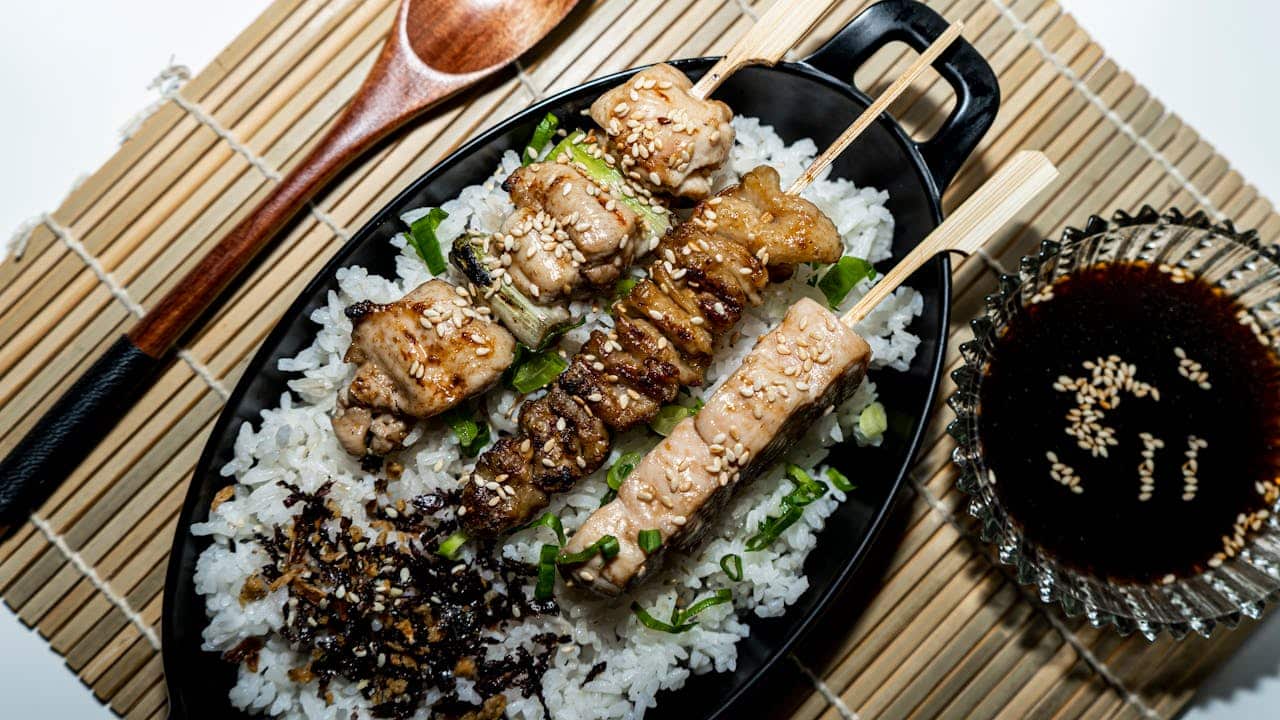
As the night wears on, the grill stays hot, the charcoal glows steadily, and the air carries that unmistakable scent of smoke mixed with promise.
In Japan, that moment often happens standing shoulder-to-shoulder in a narrow izakaya, one hand holding a skewer of yakitori, the other holding a drink that’s definitely stronger than you planned.
As a chef, I’ll tell you this straight: yakitori looks simple, but it is not casual cooking. It’s focused cooking. It’s a masterclass in restraint. And it’s one of the best examples of how a few ingredients, handled well, can taste extraordinary.
Tonight, we’re doing yakitori the proper way – no shortcuts, no mystery, just fire, chicken, and technique.
What Is Yakitori, Really?
At its core, yakitori means “grilled chicken”. That’s it. No secret code. No poetry in the name. The poetry is in the process.
Traditional yakitori uses bite-sized pieces of chicken skewered and grilled over charcoal, seasoned either with salt (shio) or a glossy soy-based glaze called tare. What sets yakitori apart from backyard skewers is attention to detail:
- The size of each cut
- The spacing on the skewer
- The timing of each turn
- The way fat drips, flares, and self-bastes
In Japan, yakitori is after-work food, late-night food, celebration food, and sometimes “I don’t feel like cooking but still want excellence” food. It’s humble. It’s precise. And it respects the chicken from nose to tail – thigh, skin, heart, liver, and beyond.
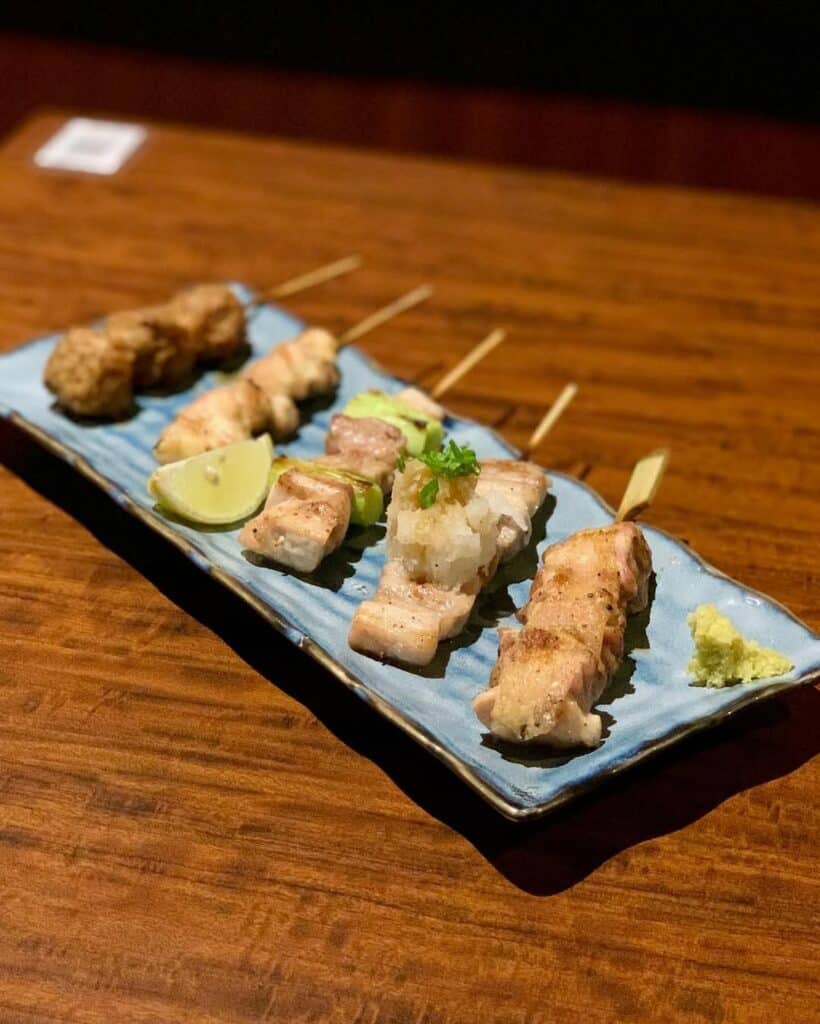
The Yakitori Mindset: Why Simple Is Hard
Here’s the thing I always tell young cooks: the fewer ingredients you use, the more exposed your mistakes become.
Yakitori doesn’t hide behind marinades or spice blends. There’s nowhere to run. If the chicken is dry, everyone knows. If the heat is wrong, the skewer tattles immediately.
This is shokunin cooking – craftsmanship built on repetition and awareness. You don’t rush yakitori. You listen to it. You watch how the surface tightens, how the fat renders, how the glaze caramelizes without burning.
And yes, sometimes the grill flares up and tries to burn your dinner. That’s yakitori reminding you who’s in charge.
The Essential Elements of Great Yakitori
1. The Chicken
Use skin-on chicken thighs. Breast meat can work, but thighs forgive mistakes – and yakitori is about rhythm, not panic.
Cut the chicken into even, bite-sized chunks. Uneven pieces cook unevenly, and yakitori hates chaos.
2. The Charcoal
Traditional yakitori uses binchotan, a clean-burning Japanese charcoal that gives steady heat and no bitterness. At home, lump charcoal works fine – just avoid lighter fluid unless you enjoy eating regret.
Clean fire equals clean flavor.
3. Shio vs Tare
- Shio (salt): Pure, minimal, brutally honest
- Tare (glaze): Sweet, savory, glossy, deeply satisfying
Tonight, we’re going with classic tare yakitori – the kind that makes you lick your fingers and immediately want another skewer.
The Skewer Matters More Than You Think
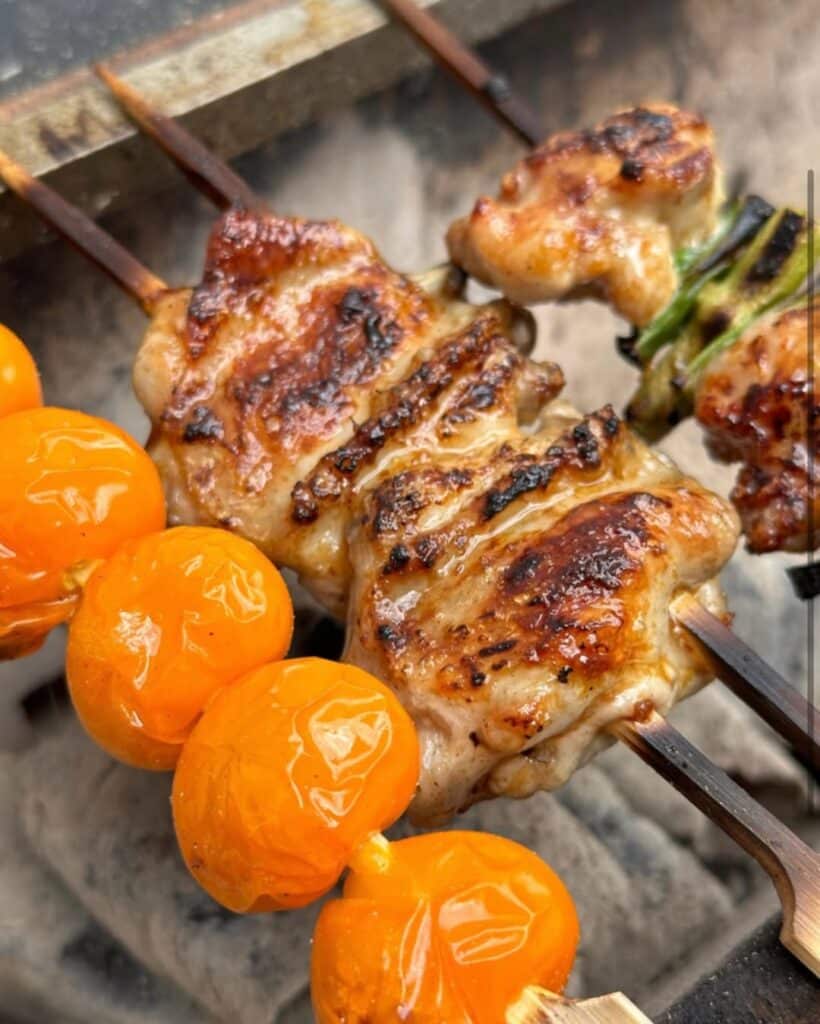
Most people treat the skewer like an afterthought. Big mistake. In yakitori, the skewer is a tool of control, not just a stick holding dinner together. Bamboo skewers absorb moisture, resist burning, and – when used properly – help regulate heat through the meat.
Spacing is everything. Crowd the chicken and it steams. Leave too much space and it dries out. The goal is gentle pressure without suffocation. Think of the skewer as choreography: every piece placed with intent, every gap planned.
In professional yakitori shops, cooks skewer thousands of pieces until their hands learn the rhythm. That muscle memory shows up in the final bite – even cooking, clean edges, perfect char.
It’s not overthinking. It’s respecting the process. Yakitori notices when you rush.
Fire Control: The Invisible Ingredient
You don’t cook yakitori over fire – you negotiate with it. Good yakitori is built on zones of heat, not brute force. One side of the grill is hot and aggressive; the other is calm and forgiving.
This matters because chicken skin renders fat before it crisps. Too hot too fast and you get flames. Too cool and you get rubber. Yakitori lives in that narrow middle space where fat drips, flares briefly, and self-bastes the meat.
When flames jump, don’t panic. Slide the skewer. Let the fire breathe. This is why yakitori cooks look calm even when the grill looks angry.
Fire isn’t the enemy – it’s a collaborator. Treat it with respect, and it rewards you with smoke-kissed perfection.
Why Yakitori Is Never Marinated
This part surprises people. Yakitori almost never uses marinades. No overnight soaking. No secret blends. And that’s deliberate.
Marinades flatten flavor. Yakitori wants clarity, not camouflage. You’re supposed to taste chicken first – clean, savory, and slightly sweet from natural fat. Seasoning comes late and lightly, either as shio or tare, so it sits on the surface instead of soaking in.
From a chef’s standpoint, this keeps feedback honest. If the chicken is overcooked, you know immediately. If it’s juicy, the reward is unmistakable.
Yakitori doesn’t believe in hiding flaws. It believes in earning flavor through technique, not time in a bag.
The Order You Eat Yakitori Actually Matters
In a proper yakitori meal, skewers arrive in a deliberate sequence. Lighter cuts first. Richer cuts later. This isn’t ceremony – it’s common sense.
Start with thigh or breast. Move into skin, heart, or gizzard. Finish with liver or heavily glazed tare skewers. Your palate warms up just like the grill does.
Eating out of order dulls contrast. Eating in sequence keeps each skewer exciting. It’s the difference between listening to a playlist on shuffle versus a well-built album.
Yakitori is meant to unfold slowly. One skewer at a time. One conversation at a time. Rushing misses the point – and honestly, the best bites.
Yakitori at Home: Perfection Without Obsession
Here’s the good news: you don’t need a Tokyo alleyway to make great yakitori. You just need focus and restraint. A simple grill, decent charcoal, and attention will get you most of the way there.
Don’t chase restaurant-level perfection on your first try. Chase consistency. Even cuts. Clean fire. Light glaze. If one skewer burns, congratulations – you’re learning.
As a chef, I can tell you this: yakitori isn’t about flexing skill. It’s about sharpening it. Every attempt teaches timing, heat awareness, and patience.
And when you nail that first perfectly glossy skewer at home? You’ll understand why yakitori turns cooking into ritual.
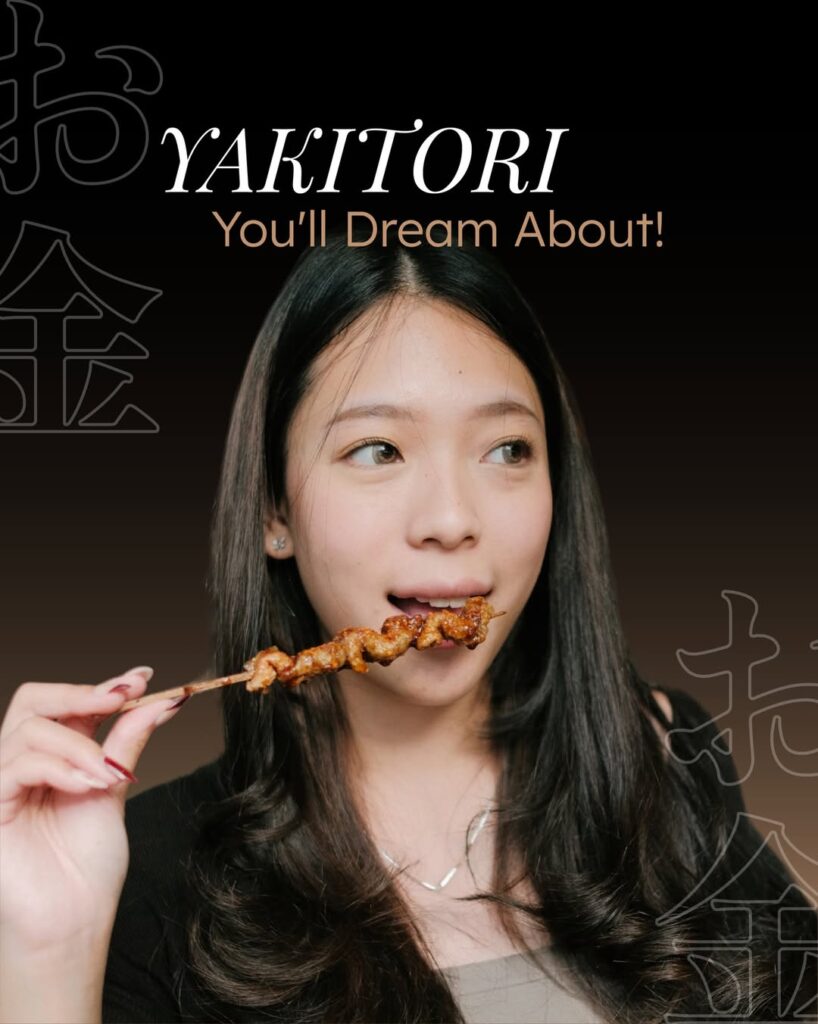
How to Serve Yakitori Like You Mean It
Yakitori should be served hot, glossy, and unapologetically simple. No garnish gymnastics. No drizzle wars.
Best pairings:
- Cold beer
- Highball (whiskey and soda)
- Steamed rice or nothing at all
Yakitori is social food. You eat one skewer, talk, laugh, order another. The goal isn’t fullness – it’s rhythm.
Why Yakitori Endures
After years in professional kitchens, I’ve learned this: yakitori teaches you how to cook without hiding. It sharpens your instincts. It forces you to respect heat, timing, and ingredients.
It’s just chicken on sticks – until it isn’t.
When the night gets quiet, the coals glow low, and the last skewer comes off the grill perfectly lacquered, you understand why yakitori has survived centuries unchanged.
Because perfection doesn’t need reinvention – just attention.
And maybe one more skewer.
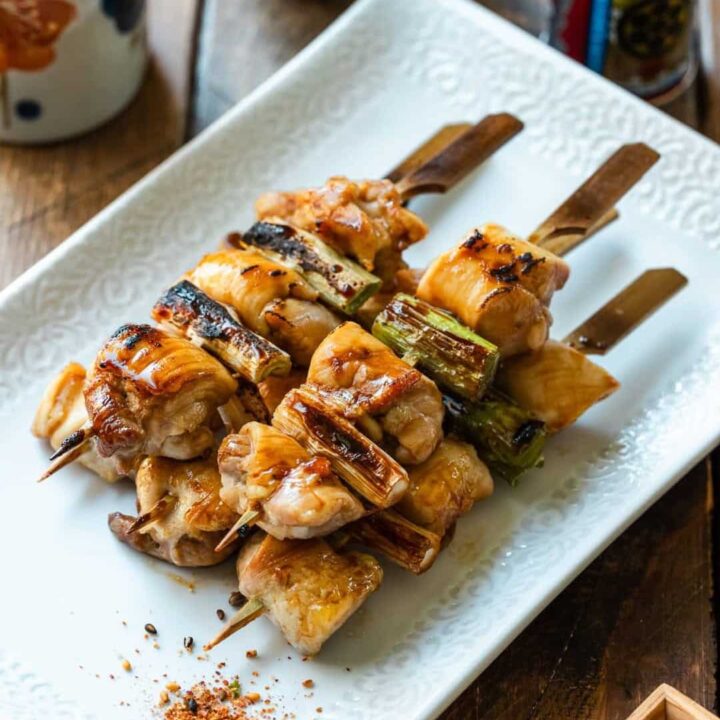
Classic Yakitori with Tare Glaze (Chef’s Recipe)
Image credit: @justonecookbook
Ingredients
- 2 lbs chicken thighs, skin-on
- 6–8 scallions (optional, for negima)
- Bamboo skewers, soaked in water
For the Tare:
- ½ cup soy sauce
- ½ cup mirin
- ¼ cup sake
- 2 tablespoons sugar
Instructions
Step 1: Prep the Skewers
Cut the chicken into uniform cubes, about 1½ inches each. If using scallions, cut them into similar lengths.
Skewer in this order:
- Chicken
- (Optional) scallion
- Chicken
Don’t pack them too tightly. Airflow matters. Heat needs space to work.
Step 2: Make the Tare
Combine soy sauce, mirin, sake, and sugar in a small saucepan. Simmer gently until slightly thickened – about 10–15 minutes.
You want shine, not syrup. If it coats the back of a spoon, you’re good.
Chef tip: This sauce improves with age. Restaurants reuse and build their tare for years. At home, leftovers keep well in the fridge.
Step 3: Grill with Intention
Set up your grill for medium-high heat with a cooler zone. Place skewers skin-side down first.
Let them cook. Don’t poke. Don’t flip early. Yakitori rewards patience.
Turn every 30–45 seconds once the surface starts to brown.
Step 4: Glaze Late, Glaze Light
When the chicken is nearly cooked, brush lightly with tare. Flip. Brush again.
Too early = burned sugar. Too late = watery sauce.
Let the glaze caramelize, bubbling and clinging to the meat.
Step 5: Finish and Rest
Remove from heat and let the skewers rest for one minute. This lets juices settle and the glaze tighten. That minute feels long. It’s worth it.
Featured image credit: Adika Budiman
