
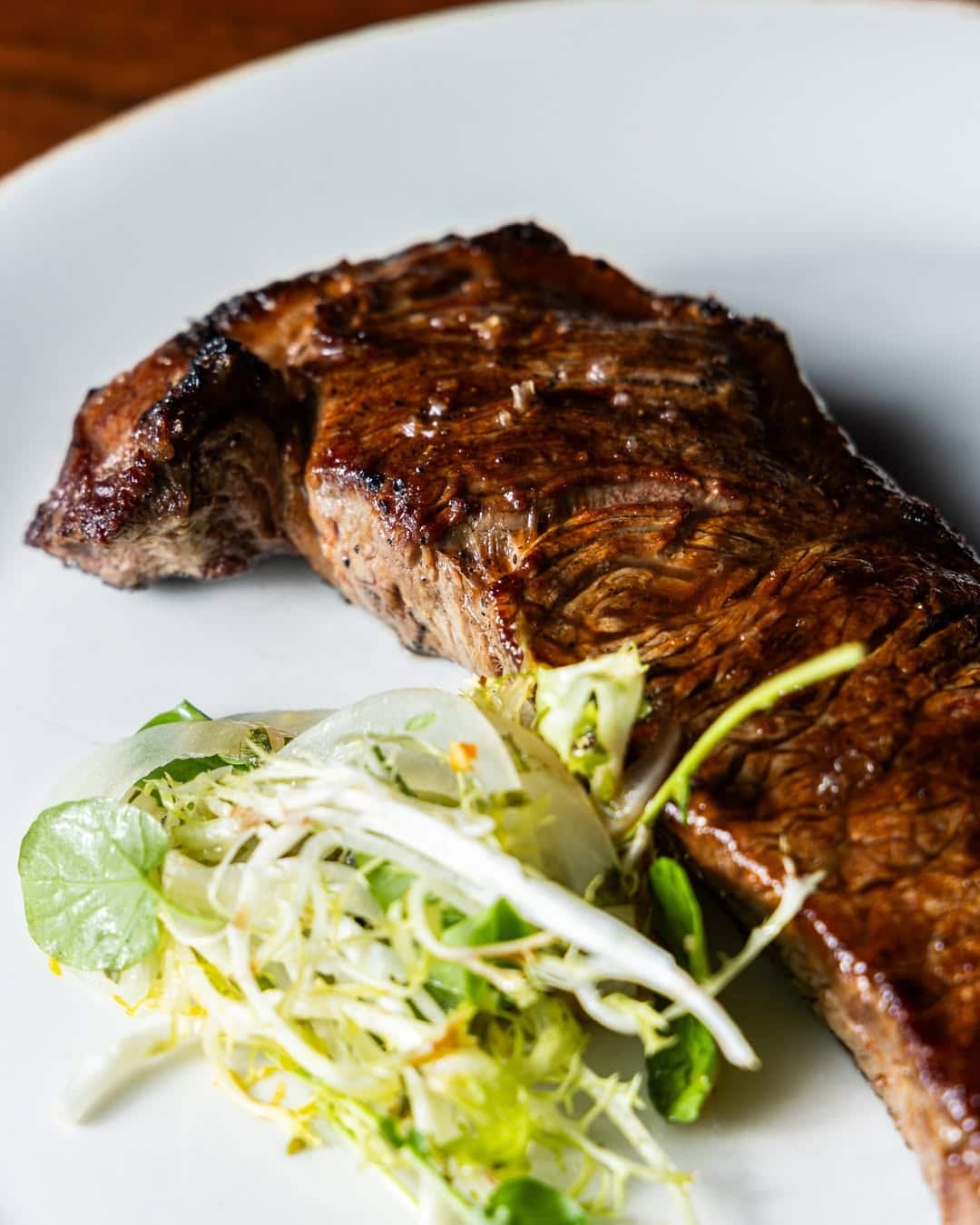
Honestly, that high-end steakhouse makes window shopping feel like financial self-sabotage, tempting you with luxury you absolutely can’t ignore.
You see those dry-aged, USDA Prime cuts glistening in the window for $120, and then you look at the grocery store NY strip steak in your plastic basket.
One looks like a mahogany-crusted dream; the other looks like… well, a damp piece of Choice beef from a supermarket shelf.
But here is the truth that big-ticket steakhouses don’t want you to know: The difference between a “budget” steak and a luxury one is 20% genetics and 80% physics.
I’ve spent years behind a grill, and I’m telling you right now: you can bridge that $100 gap with a little bit of science and a lot of butter.
If you follow these steps, you won’t just make a “good” dinner; you’ll make your guests wonder if you’ve secretly won the lottery.
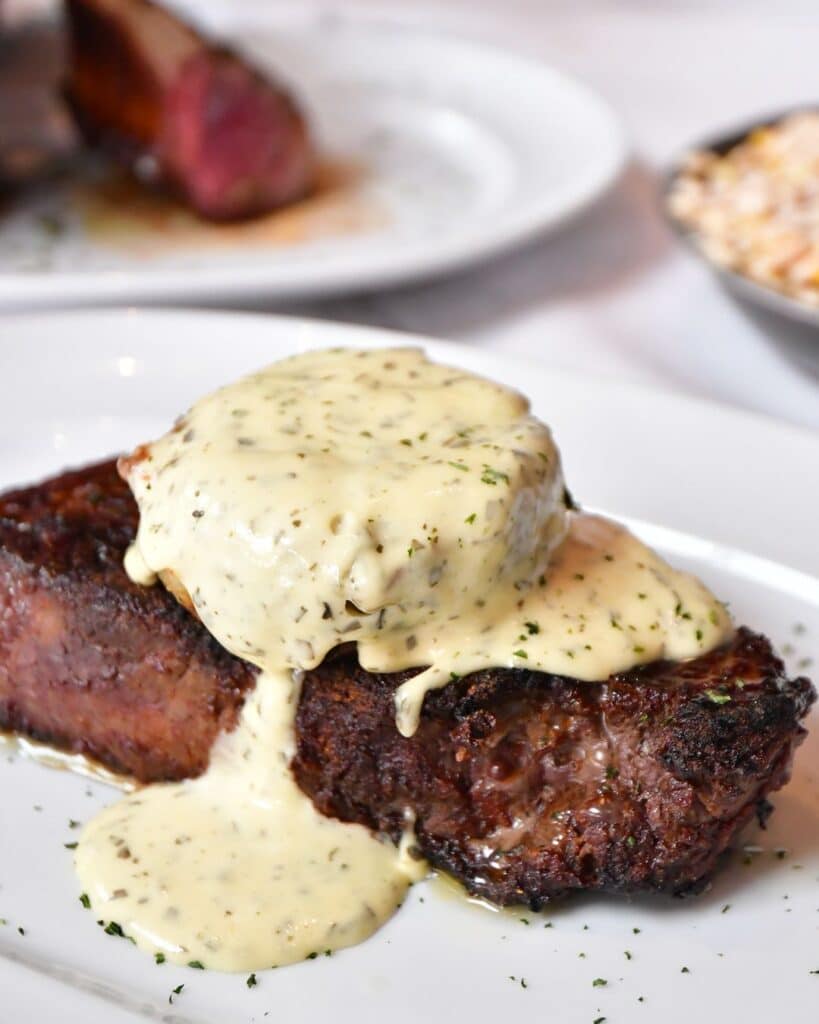
Understanding the Meat: Why Your Steak is Hiding Its Potential
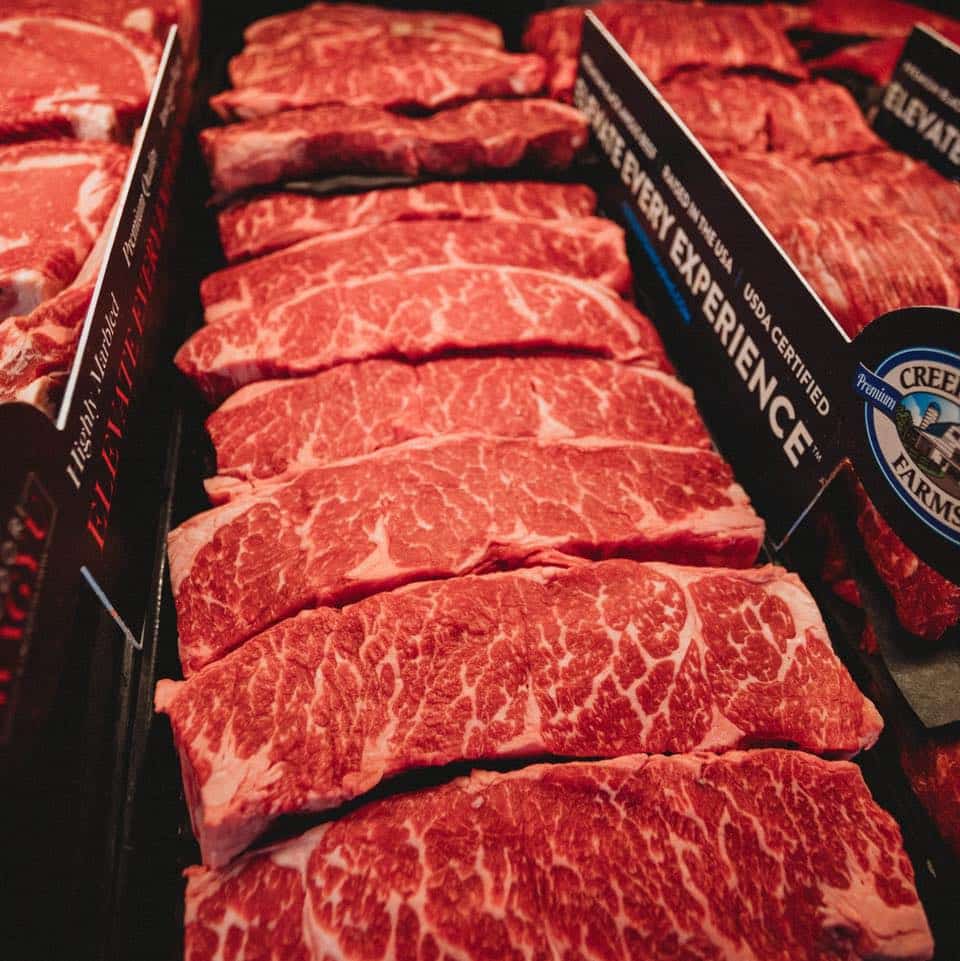
Most grocery stores stock USDA Choice beef. It’s the middle child of the steak world – not as lean as “Select,” but lacking the intricate, snowy marbling of “Prime.”
Prime beef has a high concentration of intramuscular fat that melts during cooking, self-basting the meat from the inside out.
When you buy a grocery store NY strip steak, you’re often dealing with meat that has higher moisture content and less fat.
If you just throw it in a pan cold, that moisture turns to steam, the meat turns gray, and you end up chewing on something with the texture of a Goodyear tire. To make it taste like a $100 cut, we have to manually fix the moisture and simulate that deep, nutty fat profile.
The 24-Hour Transformation: The Power of the Dry Brine
If you take away nothing else from this, remember this: Stop salting your steak five minutes before it hits the pan. That is a culinary sin that results in a soggy crust.
The secret to a luxury steak is the Dry Brine.
About 24 hours before you plan to eat, pat your steak bone-dry with paper towels. Season it aggressively with Kosher salt on all sides. Now – and this is the part that feels wrong – put it on a wire rack in your fridge, uncovered.
The Science: The salt draws moisture out of the steak. That moisture dissolves the salt, creates a concentrated brine, and is then reabsorbed back into the muscle fibers through osmosis. This seasons the meat to the core and breaks down tough proteins.
Meanwhile, the fridge’s fan dries out the exterior skin. A dry steak is a searing steak. If the surface is wet, it cannot brown; it just boils.
The “Cold Grate” Hack: Maximizing Your Sear Time
Most people think a screaming hot pan is the only rule, but if you sear a grocery store NY strip steak on high heat for too long, you’ll end up with a thick “grey band” of overcooked meat.
To achieve that edge-to-edge pink perfection found in $100 cuts, you need to master heat management.
- The 30-Second Flip: Instead of leaving the steak for minutes, flip it every 30 seconds. This prevents heat from soaking too deep into the center while building a mahogany crust on the surface.
- The “Cold” Start: Some pros start with a heavy-duty cold grate or a cooler pan to maximize the time the surface spends in the “browning zone” without graying the interior.
- The Result: You essentially “trick” the meat, resulting in a texture so tender it feels like it was cooked in a professional sous vide bag.
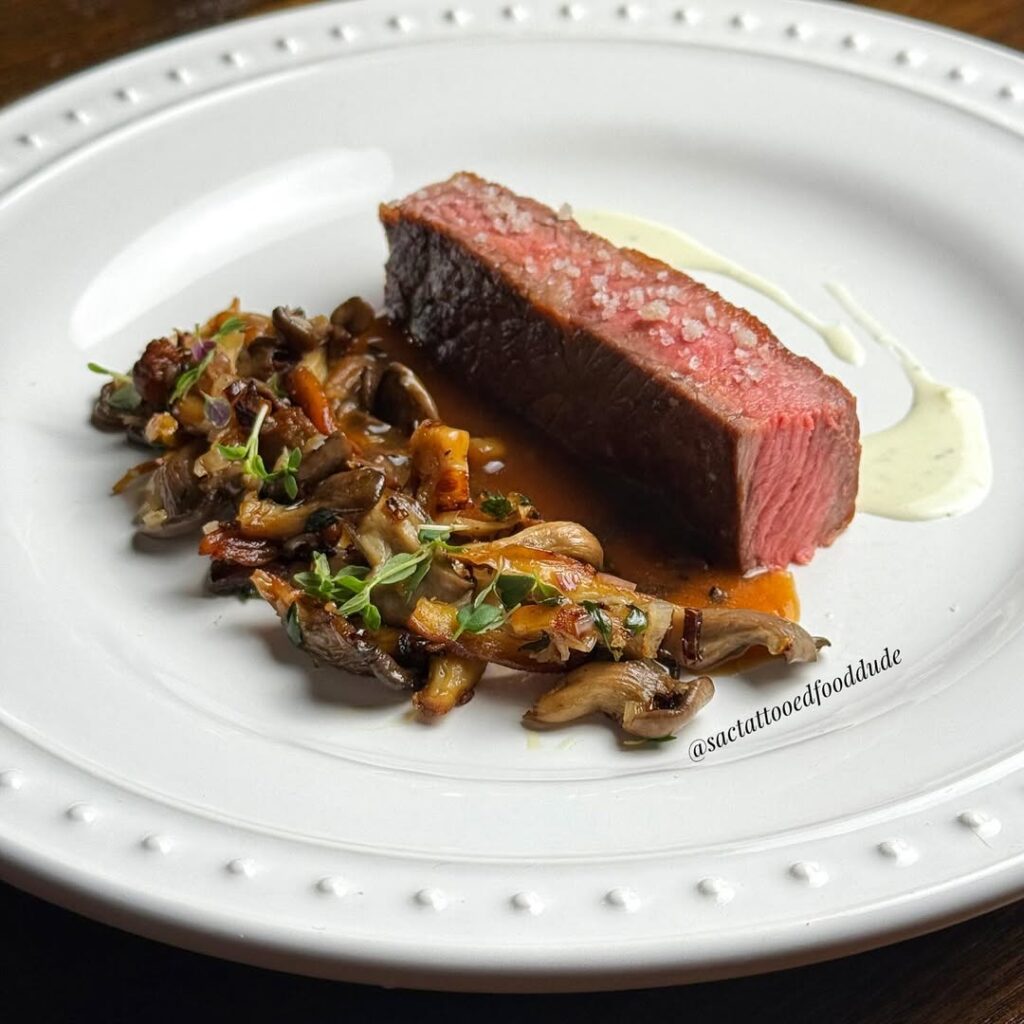
The Umami Bomb: Boosting Beefiness with MSG and Mushrooms
Prime beef is packed with “beefiness” thanks to aged fat.
Since your budget cut lacks that depth, you have to play dirty with Umami-rich boosters. These ingredients act as a flavor magnifying glass, making Choice-grade beef mimic the complex, nutty notes of dry-aged steak.
- Shiitake Powder: Dust a little dried mushroom powder on the meat before your dry brine to add a savory, earthy backbone.
- The MSG Secret: A tiny pinch of monosodium glutamate isn’t cheating – it’s chemistry. It makes your taste buds perceive savory flavors more intensely.
- The Fish Sauce Funks: Adding a single drop of fish sauce to your butter baste provides that funky, high-end “stink” that characterizes the world’s most expensive dry-aged rooms.
The Anatomy of the Grain: Why Your Slice is Your Life
You can cook a perfect steak, but if you carve it like a Thanksgiving turkey, you’ve wasted your money. The NY strip is composed of long, parallel muscle fibers; your goal is to make sure your teeth don’t have to fight them.
- Find the Grain: Identify the direction the muscle fibers are running while the meat is raw.
- The Perpendicular Cut: Always slice perpendicular to the grain. This shortens the fibers to mere millimeters, ensuring every bite effortlessly falls apart in your mouth.
- The Right Tool: Use a non-serrated slicing knife. A jagged blade “tears” through your hard-earned crust, while a smooth, sharp edge preserves the structural integrity of the sear.
The Most Important 10 Minutes of Your Life
You’re hungry. The kitchen smells like a dream. You want to cut into that steak immediately. Don’t. When meat cooks, the fibers tighten and push all the juices toward the center.
If you cut it now, those juices will end up on your cutting board, leaving you with a dry, sad piece of grey meat.
Move the steaks to a warm plate and let them rest for at least 8 to 10 minutes. This allows the fibers to relax and reabsorb the juices.
Pro Tip: While the steak rests, its internal temperature will continue to rise (carry-over cooking) by about 5 degrees, landing you at a perfect 135ºF.
The Finishing Touches: The Board Dress
To truly mimic a high-end steakhouse, we don’t just serve meat; we “dress” it. Take the leftover butter and juices from your resting plate and whisk them with a tiny splash of lemon juice or balsamic vinegar.
Slice the New York strip against the grain. Look for the long lines of muscle fiber and cut perpendicular to them.
This makes the “chew” much shorter and more tender. Fan the slices out, drizzle that pan-juice “sauce” over the top, and finish with a heavy pinch of flaky sea salt.
The Verdict
When you take that first bite, you’ll notice three things:
- The crust is shatteringly crisp thanks to the dry brine.
- The meat is seasoned all the way through, not just on the surface.
- The garlic-thyme butter has filled in the gaps where the marbling was missing.
You just turned a $15 grocery store NY strip steak into a masterpiece. You saved $85, you learned the secrets of thermal mass and osmosis, and most importantly, you’re the smartest cook in the room.
Now, go find a bottle of red wine that costs less than the steak did, and enjoy your victory.
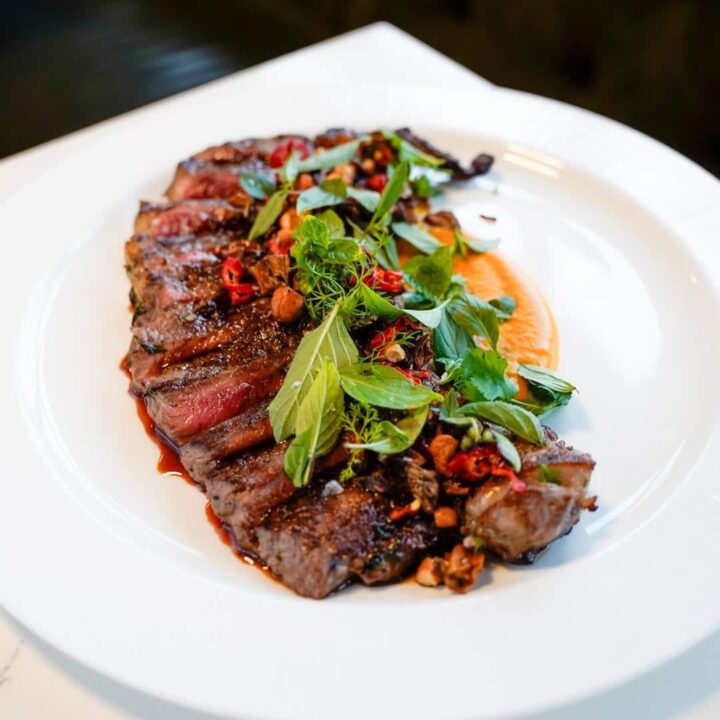
Turning a Grocery Store NY Strip Steak into a Prime Cut
Image credit: @edeninchicago
Ingredients
- 2 Thick-cut grocery store NY strip steaks (at least 1.5 inches thick)
- 2 tbsp Avocado oil (or any high-smoke point oil)
- 4 tbsp Unsalted European-style butter (look for Kerigold; the higher fat content matters)
- 4 Garlic cloves, smashed
- 3 Sprigs of fresh Thyme
- 1 Sprig of Rosemary
- Flaky Sea Salt (for the finish)
Instructions
1. The Tempering (The "Chill Out" Phase)
Take your steaks out of the fridge 45 minutes before cooking. If you drop a cold steak into a hot pan, the muscle fibers will go into "thermal shock" and seize up, making the meat tough.
Let them relax. We want them approaching room temperature so the heat can penetrate the center efficiently.
2. The Initial Sear (The Maillard Reaction)
Get your cast iron screaming hot. Add the oil. When it starts to wispy-smoke, lay the steaks away from you. Do not touch them.
We are looking for the Maillard reaction – a chemical dance between amino acids and sugars that creates that "meaty" flavor profile. Sear for about 2-3 minutes per side until you have a dark, mahogany crust.
3. The Butter Baste (The Arrosé)
This is where the magic happens. Turn the heat down to medium. Toss in your butter, garlic, and herbs. The butter will foam up and start to smell like toasted hazelnuts.
Tilt the pan so the butter pools at the bottom with the herbs, and use a large spoon to continuously pour that hot, aromatic fat over the steaks.
This isn't just for show. You are essentially deep-frying the crust in herb-infused fat while the gentle heat finishes the interior. This adds the "richness" that grocery store beef lacks compared to Prime cuts.
4. The Pull
Use an instant-read thermometer. I don’t care how many "finger tests" your uncle taught you; they are lies. For a $100 experience, you want Medium-Rare. Pull the steaks off the heat when they hit 130ºF.
Featured image credit: @arnetteschopshop
