
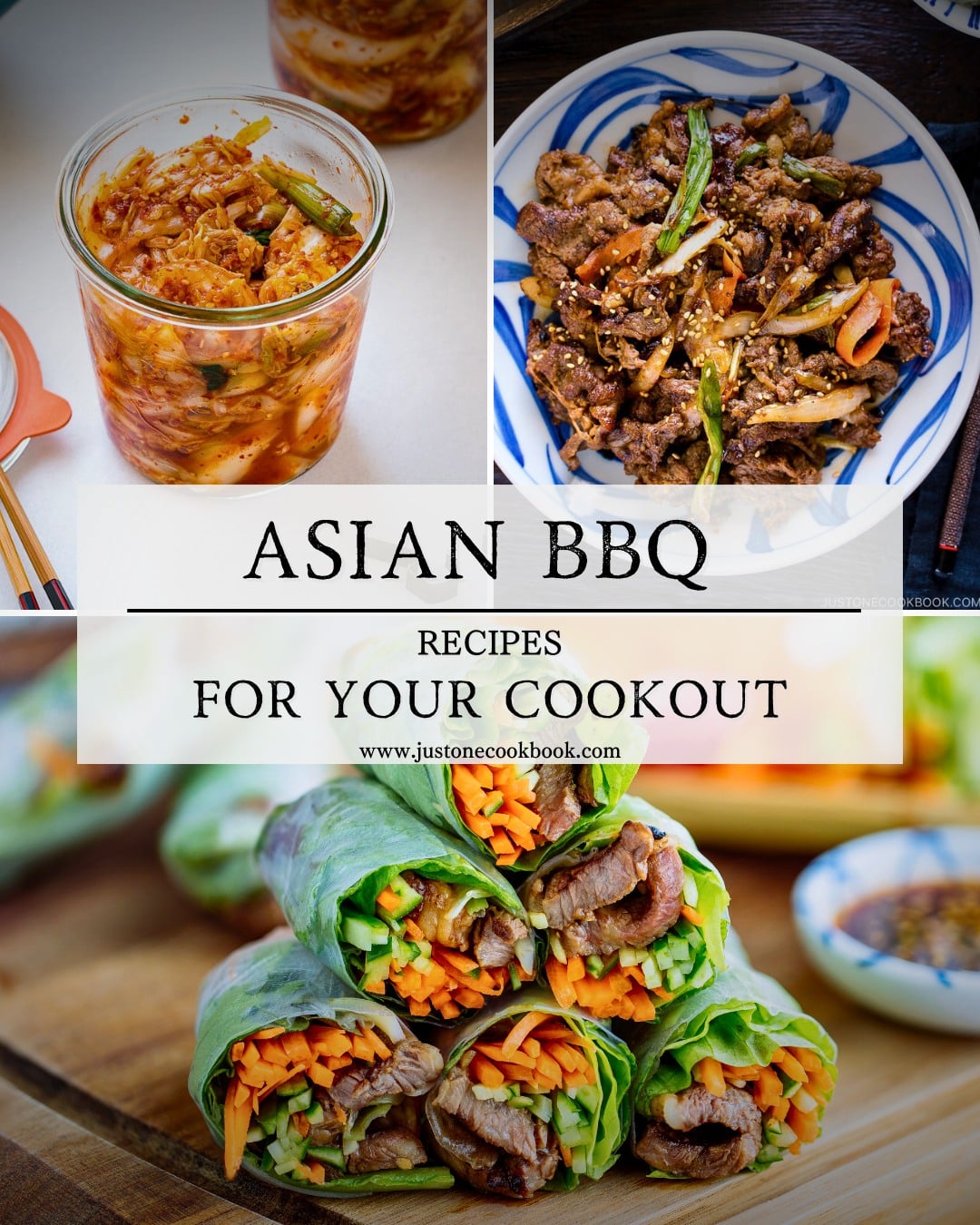
Why Asian BBQ Hits Different
If you’ve ever taken a bite of Asian BBQ and immediately thought, “Whoa… why does this taste so good?” – you’re not imagining things.
Asian BBQ isn’t about drowning meat in sauce or slow-smoking it for half a day. It’s about balance.
Specifically, the holy trinity:
- Sweet that caramelizes and pulls you back for another bite
- Savory (umami) that makes everything taste deeper and meatier
- Smoky that sneaks in from fire, charcoal, and char
When these three work together, magic happens. And the best part? It’s intentional. Asian grilling traditions have been dialing in this balance for centuries – long before “flavor layering” became a buzzword.
By the end of this article, you’ll understand:
- Why sweetness matters more than you think
- Why savory is the backbone of Asian BBQ
- Why smoke is used with restraint – but deadly precision
Let’s break it down, pitmaster style.
What Makes Asian BBQ Unique?
Here’s the first big idea to lock in:
Asian BBQ is built in the marinade, not just the fire.
In many Western BBQ traditions, smoke does the heavy lifting. In Asian BBQ, flavor starts before the meat ever sees heat.
Key differences:
- Shorter cook times, higher heat
- Thin cuts of meat or bite-sized portions
- Bold marinades that penetrate fast
- Sauces used sparingly, often during or after grilling
Instead of “low and slow,” Asian BBQ is more like “hot, fast, and flavorful.” Think street grills, open flames, skewers hissing over charcoal. It’s fast food – but in the best possible way.
And here’s the secret:
No single flavor is supposed to dominate. Sweet, savory, and smoky are always in conversation.
The Sweet Side of Asian BBQ
Let’s talk sweetness – because yes, sweetness is essential in Asian BBQ.
But we’re not talking candy-sweet. This isn’t dessert. This is functional sweetness.
Common Sweet Ingredients
You’ll see these over and over across Asian BBQ styles:
- Palm sugar – deep, almost smoky sweetness
- Brown sugar – great for caramelization
- Honey – sticky, glossy, dangerous
- Hoisin sauce – sweet, savory, and complex
- Mirin – subtle sweetness with acidity
These sugars do two important jobs:
- Balance salt and fermentation
- Create char and caramelization
That second part? That’s where the magic lives.
Why Sweetness Matters on the Grill
Sugar + heat = caramelization.
Caramelization = flavor, color, aroma.
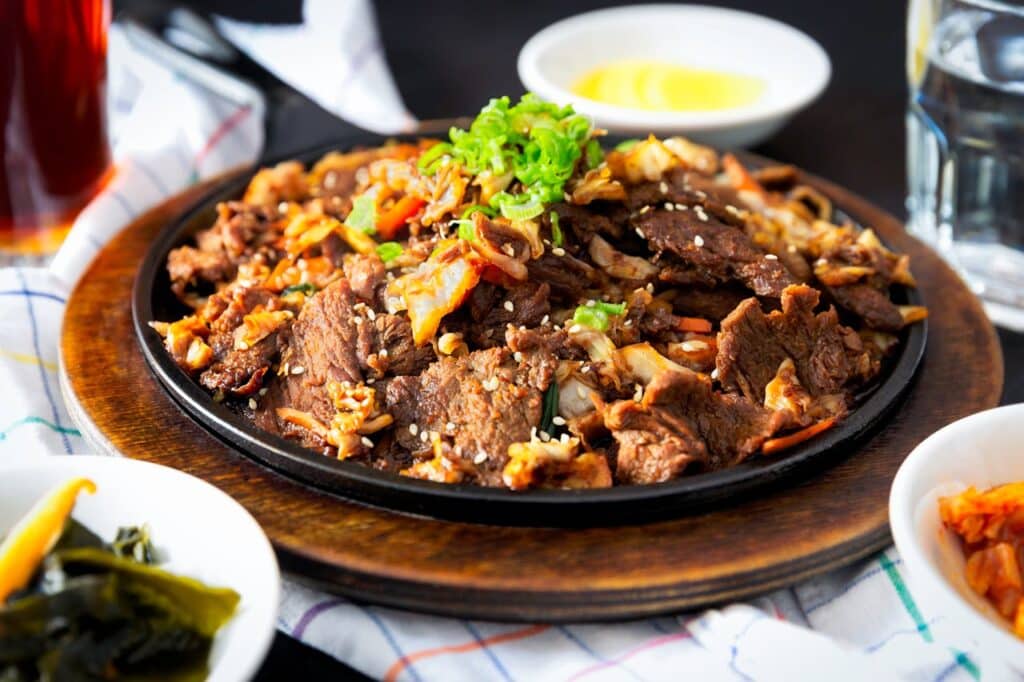
That glossy, slightly charred surface on char siu, Filipino BBQ skewers, or Korean bulgogi? That’s sugar doing its thing.
Sweetness in Asian BBQ:
- Softens aggressive saltiness
- Enhances smokiness
- Creates contrast with savory depth
Or as I like to say: sweetness makes the smoke flirt instead of punch.
Regional Sweetness in Action
- Chinese char siu: Malt syrup and hoisin create that iconic red glaze
- Filipino BBQ: Banana ketchup and sugar bring nostalgic sweetness
- Korean bulgogi: Pear or apple adds natural sugar and tenderness
Sweetness isn’t optional. It’s strategic.
The Savory Backbone (Umami)
If sweetness is the hook, savory is the foundation.
This is where Asian BBQ separates itself from one-note grilling. Savory flavors don’t just season the meat – they build depth.
Umami-Rich Ingredients That Matter
You’ll see these everywhere:
- Soy sauce – salt, depth, and color
- Fish sauce – funky, powerful, irreplaceable
- Oyster sauce – sweet-savory richness
- Fermented pastes – miso, shrimp paste, doenjang
These ingredients do something salt alone can’t:
They make food taste rounder, meatier, and more satisfying.
Why Savory Is Non-Negotiable
Here’s pitmaster truth:
Smoke grabs attention.
Sweet seduces.
Savory makes you stay.
Savory flavors:
- Anchor sweetness
- Amplify meatiness
- Keep flavors from tasting flat
Without umami, sweetness would feel cheap. Smoke would feel hollow.
Savory Across Asian BBQ Styles
- Japanese yakitori: Soy-based tare sauce, brushed lightly
- Vietnamese grilled pork: Fish sauce, garlic, and shallots
- Thai BBQ: Savory marinades balanced with sugar and lime
Savory isn’t loud – but it’s doing most of the work.
The Smoky Element: Fire With Restraint
Now let’s talk smoke.
Here’s where people get confused. Asian BBQ is smoky – but not smoke-forward.
Smoke is a supporting actor, not the star.
Where the Smoke Comes From
- Charcoal (often binchotan or lump charcoal)
- Open flames rather than enclosed smokers
- Fat dripping onto coals
- Skewers, banana leaves, and bamboo
This creates a clean, sharp smokiness, not the heavy blanket you get from long smokes.
Techniques That Create Just Enough Smoke
- Direct grilling over hot coals
- Frequent flipping to prevent burning sugar
- Basting while grilling (sizzle = aroma)
This is hands-on grilling. No walking away. No beer breaks. The pitmaster stays alert – or dinner burns.
Cultural Approach to Smoke
In Asian BBQ:
- Smoke enhances flavor
- Char is intentional
- Burnt is never acceptable
That slight char on the edges? Perfect.
A bitter aftertaste? You went too far.
How Sweet, Savory, and Smoky Work Together
Here’s the big picture.
Asian BBQ succeeds because these flavors arrive at different moments.
- Savory hits first – deep, satisfying
- Sweet blooms as the sugars caramelize
- Smoky lingers at the finish
Timing matters.
Marinades handle sweet and savory.
Fire handles smoke.
When done right, no single flavor shouts. They harmonize.
Classic examples:
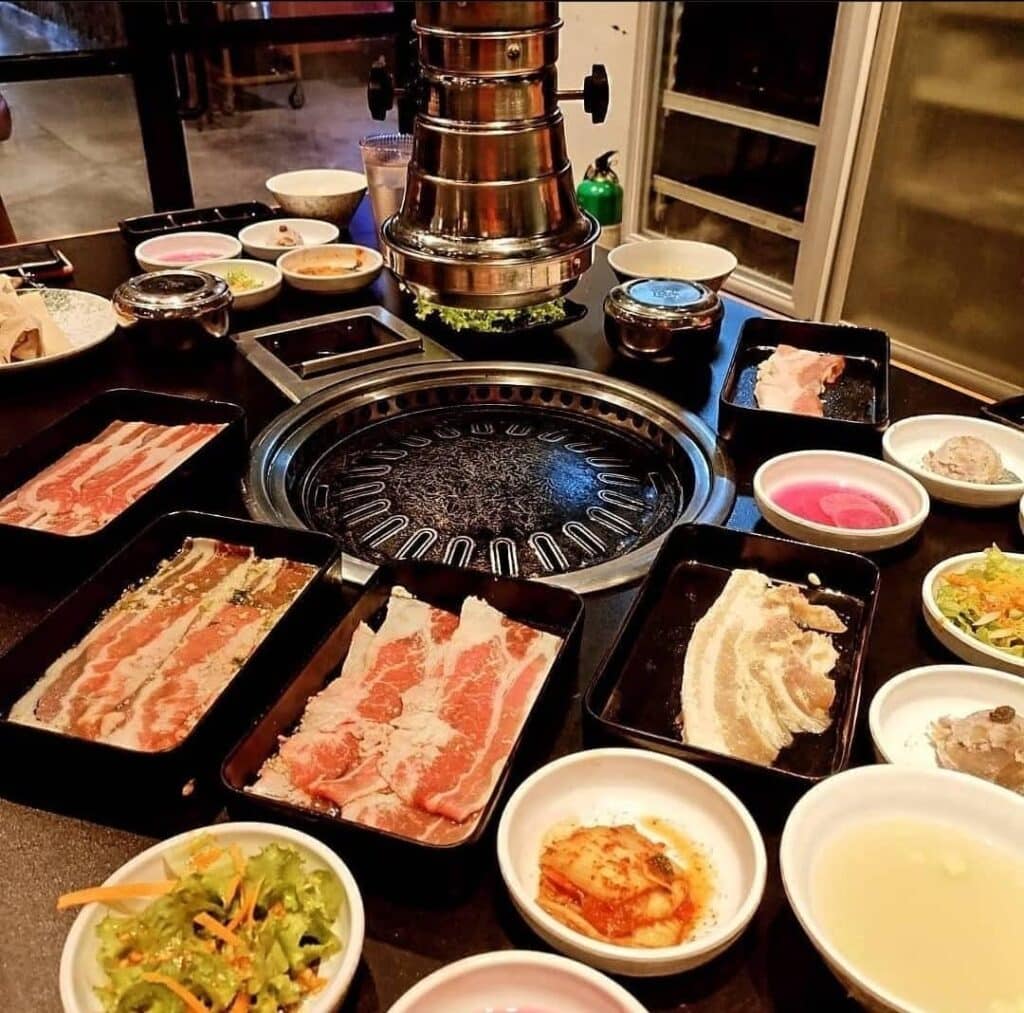
- Korean galbi with charred edges and sweet-soy depth
- Pork skewers glazed mid-grill for shine and smoke
- Chicken brushed with sauce at the very end
This isn’t accidental. It’s culinary choreography.
Regional Asian BBQ Flavor Profiles
Asian BBQ isn’t one thing – it’s many.
East Asia
- Korea: Sweet soy marinades, sesame oil, charcoal grilling
- Japan: Minimalism, tare sauces, clean smoke
- China: Bold glazes, five-spice warmth, caramelization
Southeast Asia
- Philippines: Sweet-forward, nostalgic, street-food energy
- Thailand: Sweet, salty, sour balance with herbal notes
- Vietnam: Fish sauce umami, light sweetness, charcoal smoke
- Indonesia: Spiced marinades, kecap manis, deep sweetness
Different regions, same flavor logic.
Ingredients That Define Asian BBQ Flavor
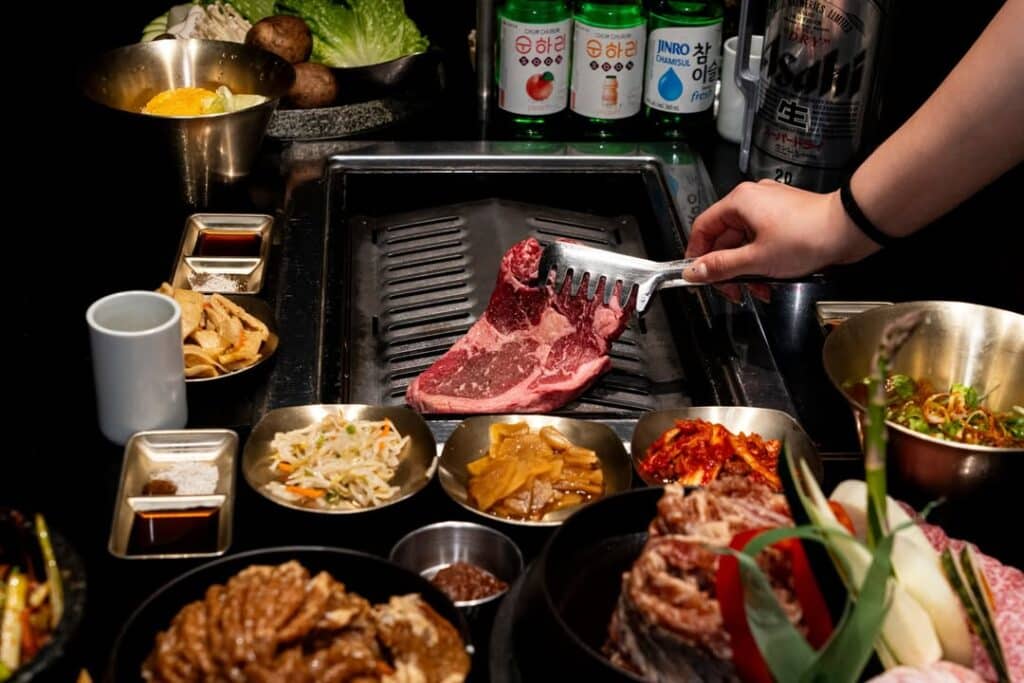
Every pitmaster has a pantry. Mine always includes:
Core Asian BBQ ingredients:
- Soy sauce
- Fish sauce
- Sugar (palm or brown)
- Garlic and ginger
- Neutral oil
- Something fermented
Fresh aromatics bring brightness. Fermented sauces bring depth. Sugar brings balance.
You don’t need everything – just the right combination.
Tips for Recreating Asian BBQ at Home
You don’t need a street grill in Bangkok to make this work.
Pitmaster Tips That Actually Help
- Marinate thin cuts for faster flavor absorption
- Wipe excess marinade before grilling (less burning)
- Grill hot and fast
- Brush sauce late, not early
- Let the meat rest – yes, even skewers
Common mistake?
Too much sauce, too early. That’s how you get burnt sugar and bitter smoke.
The Role of Acidity: The Quiet Flavor That Keeps Asian BBQ Alive
Acidity doesn’t get the spotlight in Asian BBQ, but it’s doing critical behind-the-scenes work. Without a touch of sourness, sweet and savory can feel heavy – especially when grilled over fire.
A squeeze of calamansi, a splash of rice vinegar, or a hit of lime juice wakes everything up.
Think of acidity as the palate reset button. It:
- Cuts through fatty meats
- Brightens caramelized flavors
- Keeps each bite feeling fresh
Many Asian BBQ traditions serve grilled meats with pickles, dipping sauces, or citrus on the side for this exact reason. That final acidic note isn’t garnish – it’s strategy.
A great pitmaster knows when to add heat, and when to add balance.
Texture Matters: Why Asian BBQ Is as Much About Mouthfeel as Flavor
Flavor gets all the attention, but texture is a secret weapon in Asian BBQ. Crisp edges, tender centers, sticky glazes – these contrasts keep bites interesting long after the novelty fades.
Asian BBQ favors:
- Thin cuts that cook fast
- Tenderized meats using fruit or fermentation
- Charred edges without drying out the center
Ever notice how bulgogi almost melts while char siu still has a satisfying bite? That’s intentional. Texture makes flavor feel louder. A perfectly grilled skewer should crunch, chew, and yield – all in one bite.
Miss that, and even great seasoning falls flat.
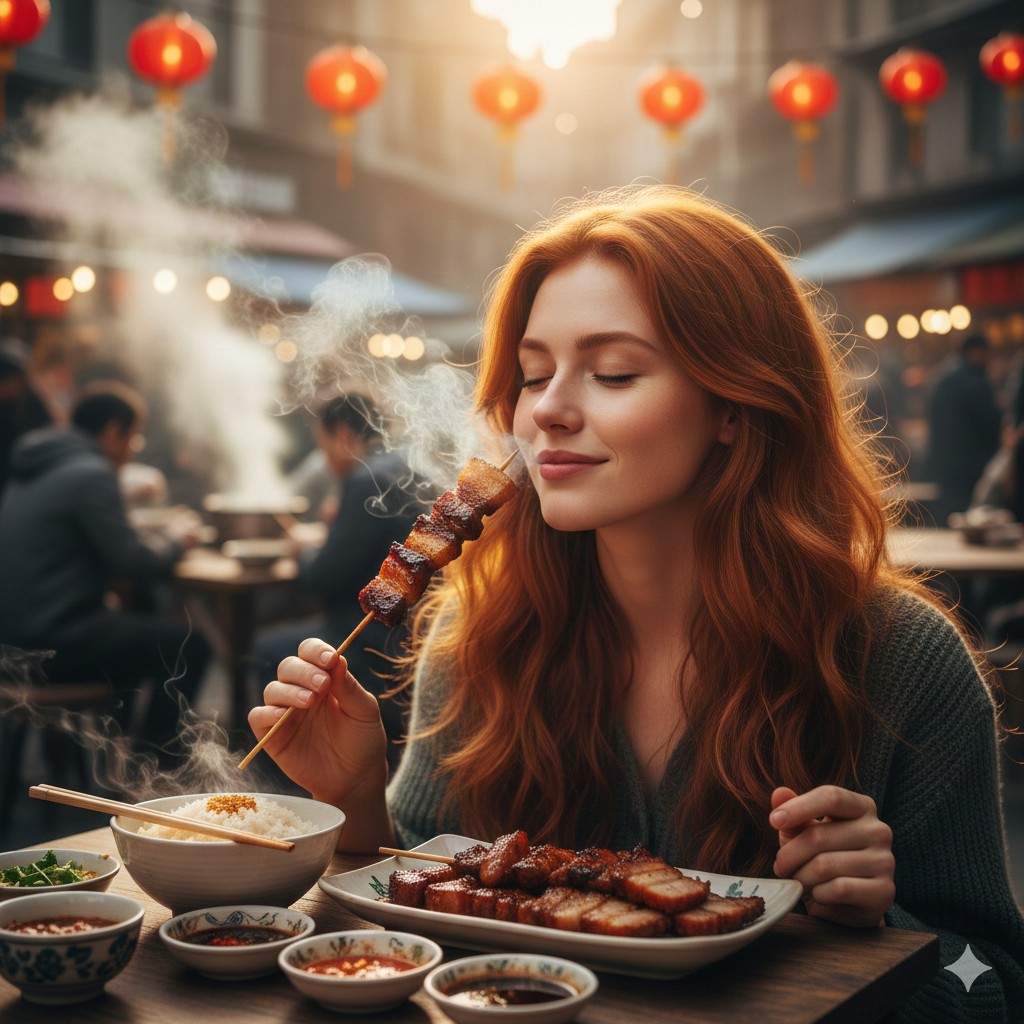
The Psychology of Smell: Why Asian BBQ Hits You Before You See It
Before you taste Asian BBQ, you smell it. And that’s not an accident.
Smoke, caramelizing sugar, and sizzling fat create aromas that trigger hunger instantly. Street vendors rely on this. One grill, one fan, and suddenly half the block is starving.
This aroma comes from:
- Maillard reactions on hot metal or charcoal
- Sugar browning in marinades
- Fat vaporizing as it drips onto coals
Smell primes the brain for flavor. By the time you take a bite, your senses are already convinced it’s good. Great BBQ doesn’t just feed the stomach – it hijacks the nose.
Marinade Timing: When Waiting Helps – and When It Hurts
More time doesn’t always mean more flavor. In Asian BBQ, marinade timing is a balancing act.
Short marinades (30 minutes to 2 hours):
- Keep meat texture intact
- Work best for thin cuts
Long marinades (overnight):
- Deepen savory notes
- Risk mushy texture if fruit or acid is overused
Pitmaster rule: Flavor penetrates fast, texture breaks down slow – until it doesn’t. Knowing when to pull the plug is skill, not guesswork.
The best Asian BBQ tastes intentional, not over-marinated.
The Importance of Resting Meat – Even for Skewers
Resting meat isn’t just for steaks. Yes, even Asian BBQ skewers need a breather.
A short rest:
- Redistributes juices
- Prevents flavor loss
- Improves tenderness
When meat comes straight off high heat, juices are chaotic. Give it 2–5 minutes, and suddenly everything settles. The difference is subtle – but real. Skip the rest and the first bite leaks flavor onto the plate instead of your tongue.
Dipping Sauces: The Second Act of Asian BBQ
In Asian BBQ, grilling is only half the story. Dipping sauces are where customization happens.
Instead of drowning meat during cooking, sauces:
- Add contrast
- Let diners control intensity
- Introduce fresh elements like herbs or citrus
Think spicy vinegar, chili oil, or soy-calamansi blends. The grilled meat stays balanced; the sauce brings personality. It’s modular flavor – and it’s brilliant.
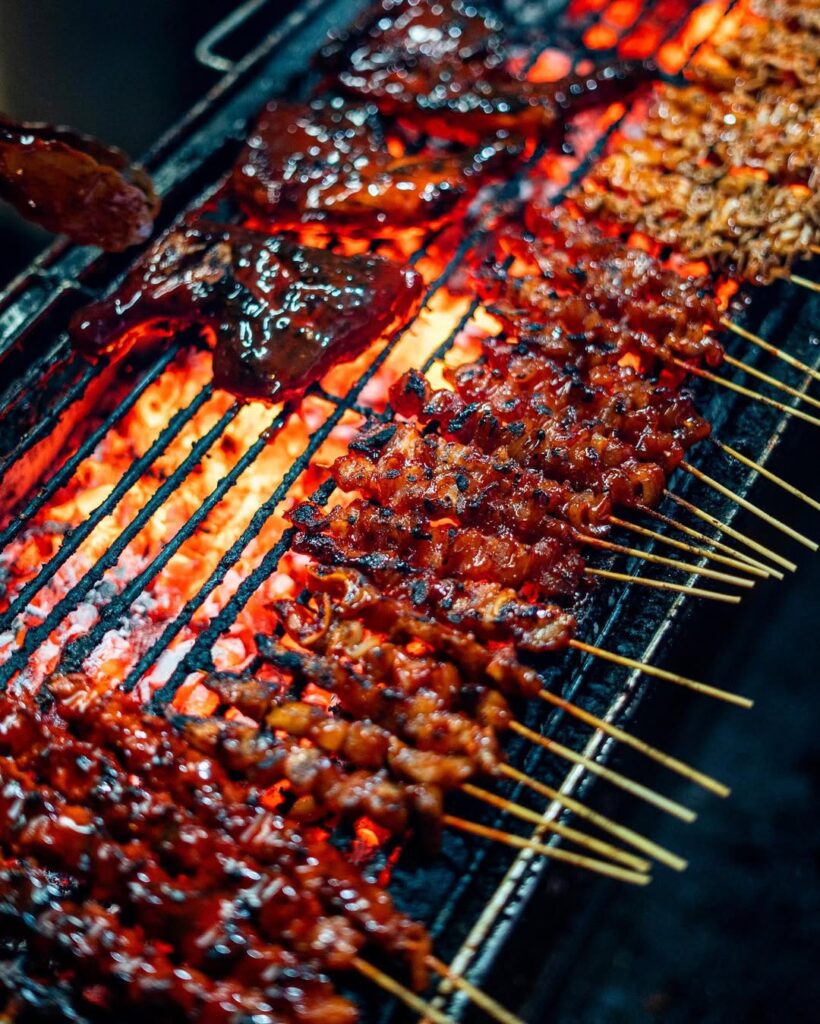
Street Food Energy: Why Asian BBQ Thrives Outside the Restaurant
Asian BBQ shines brightest on the street. Why? Because the environment shapes the food.
Street grilling means:
- Hotter fires
- Faster turnover
- Maximum aroma
There’s no room for overthinking. You grill, glaze, flip, sell – repeat. That urgency creates food that’s bold, immediate, and honest. Some flavors can only exist when cooked fast and eaten faster.
Fire Management: Controlling Heat Without Thermometers
Asian BBQ pitmasters don’t rely on gadgets. They read the fire.
Signs they watch for:
- Color of the coals
- Sound of sizzling fat
- Speed of caramelization
Too hot? Move the meat.
Too cool? Feed the fire.
This instinctive control creates consistency without precision tools. It’s learned through repetition – and a few burnt meals along the way.
Why Asian BBQ Is Built for Sharing
Asian BBQ is rarely eaten alone. It’s communal food.
Skewers, sliced meats, shared plates – everything encourages:
- Conversation
- Variety
- Connection
The flavors are bold, but portions are manageable. You don’t commit to one thing – you taste everything. That’s why Asian BBQ works so well socially. It’s designed to be passed, dipped, argued over, and remembered.
Frequently Asked Questions about Asian BBQ
1. What defines Asian BBQ compared to other barbecue styles?
Asian BBQ is defined by balance, not dominance. Instead of relying heavily on smoke or long cook times, it focuses on sweet, savory (umami), and light smokiness, built through marinades and high-heat grilling.
2. Is Asian BBQ always sweet?
No. Sweetness is important, but it’s never meant to overpower. In Asian BBQ, sweet ingredients exist to balance salt, enhance caramelization, and soften smoke, not to turn the dish into dessert.
3. What gives Asian BBQ its savory or umami flavor?
The savory backbone comes from soy sauce, fish sauce, oyster sauce, and fermented pastes. These ingredients add depth and richness that make grilled meats taste fuller and more satisfying.
4. Why doesn’t Asian BBQ taste overly smoky?
Because smoke plays a supporting role. Asian BBQ uses direct heat and charcoal for quick cooking, creating clean, controlled smokiness rather than heavy, lingering smoke flavors.
5. What meats are most commonly used in Asian BBQ?
Popular proteins include pork, chicken, beef, and seafood, often cut thin or into small portions. This allows marinades to penetrate quickly and helps meat cook evenly over high heat.
6. Do you need special equipment to make Asian BBQ at home?
No. A charcoal grill or grill pan works just fine. The real focus is on marinades, heat control, and timing, not expensive tools or smokers.
7. Why are Asian BBQ marinades so important?
Marinades in Asian BBQ build flavor before cooking begins. They handle sweetness and umami, so the grill can focus on creating char and aroma without over-seasoning.
8. How long should meat be marinated for Asian BBQ?
Most Asian BBQ meats need 30 minutes to 4 hours. Thin cuts absorb flavor quickly, and over-marinating – especially with acidic or fruit-based marinades – can ruin texture.
9. What role do dipping sauces play in Asian BBQ?
Dipping sauces are the second layer of flavor. They add acidity, spice, or freshness after grilling and allow diners to customize each bite without overpowering the meat.
10. Why is Asian BBQ often served as street food?
Asian BBQ thrives in street settings because it’s designed for high heat, fast cooking, and bold aroma. The smell draws people in, and the flavors are built for immediate enjoyment.
Why These Flavors Endure
Sweet. Savory. Smoky.
These flavors don’t just define Asian BBQ – they explain why it keeps winning over new fans worldwide.
It’s fast, flavorful, and deeply intentional. Every ingredient has a job. Every technique has a reason.
And once you understand the balance, you stop guessing. You start cooking with confidence.
That’s the difference between grilling food…and cooking Asian BBQ like a pitmaster.
Now fire up the grill – and don’t blink.
Featured image credit: @justonecookbook
