
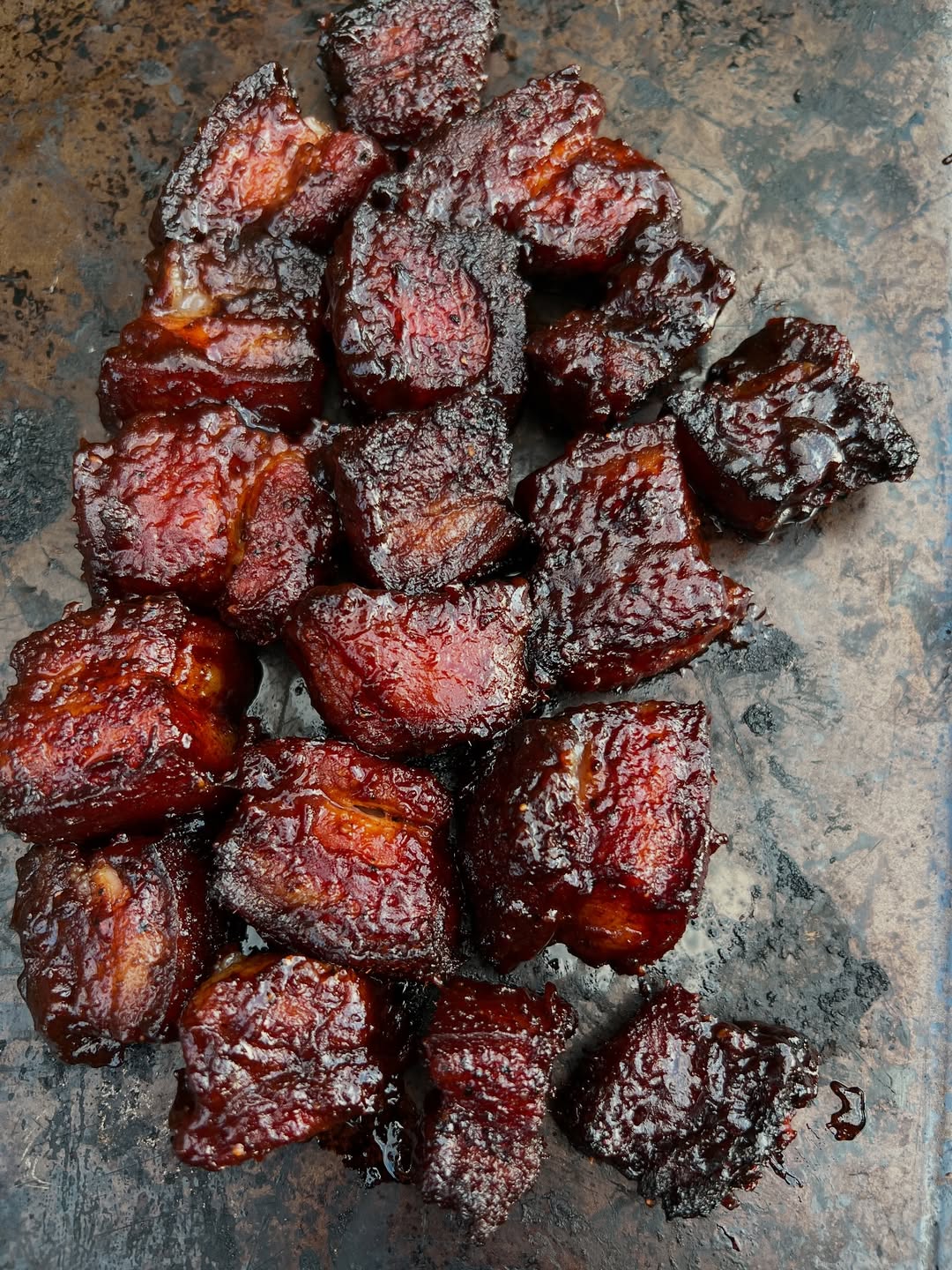
There’s a moment in every pitmaster’s life when a tray of pork belly cubes comes off the smoker looking like sticky, smoky, caramelized treasure.
That moment usually involves a lot of hovering around the smoker, a few “quality control” taste tests, and someone asking, “Are those ready yet?” every ten minutes.
That’s exactly what happens with sticky maple chipotle pork belly burnt ends.
They’re rich, sweet, smoky, and just spicy enough to keep things interesting. Pork belly slowly renders into buttery bites, then gets tossed in a glossy maple-chipotle glaze that clings to every edge like BBQ gold.
Brisket burnt ends may be the old-school classic, but pork belly brings something special to the table. The fat melts down into the meat, creating little cubes that are tender, juicy, and ridiculously addictive.
One bite in, and suddenly the tray starts emptying faster than you planned.
Let’s fire up the smoker and make some magic.
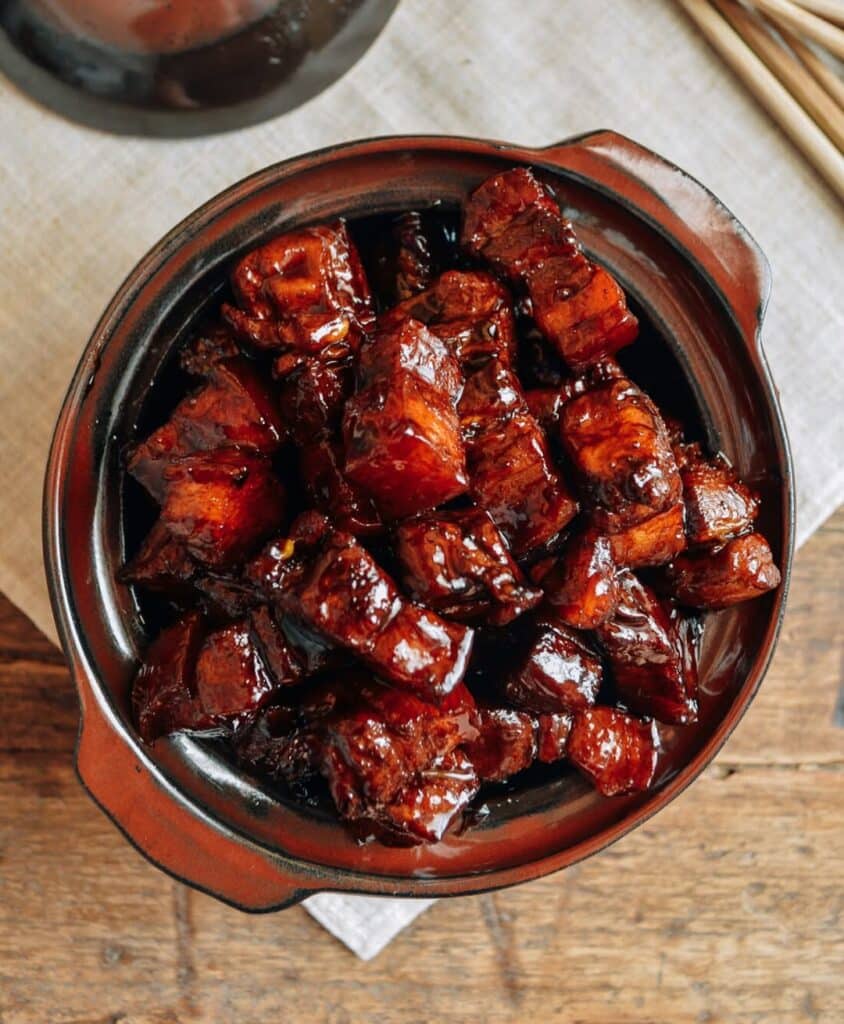
What Are Pork Belly Burnt Ends?
Traditional burnt ends come from the point end of a brisket. They’re the caramelized edges pitmasters used to slice off and snack on while slicing the brisket.
Eventually people realized those little smoky cubes were arguably the best part of the whole cook.
Enter pork belly.
Pork belly burnt ends take that same idea and apply it to a cut that’s already famous for flavor.
Instead of brisket, we cube pork belly into bite-size pieces, season them, smoke them low and slow, and then finish them in a sauce until they become sticky, glossy, and deeply caramelized.
With sticky maple chipotle pork belly burnt ends, the flavor profile leans into three big notes:
- Sweet maple richness
- Smoky chipotle heat
- Deep BBQ caramelization
The result is something that tastes like a cross between candied bacon and slow-smoked barbecue. Not exactly subtle – but subtle isn’t why we fire up smokers.
Why This Recipe Works
Great burnt ends walk a line between tender meat, rendered fat, and a glaze that sticks without burning. This recipe hits that balance perfectly.
The maple syrup gives the sauce its glossy sweetness, while chipotle peppers bring smoky heat that cuts through the richness of the pork.
Add a little butter and BBQ sauce and suddenly the glaze starts clinging to the pork like it was meant to live there.
Pitmasters know that burnt ends are also about texture. You want the outside slightly sticky and caramelized while the inside stays soft and juicy.
That’s exactly what happens when these sticky maple chipotle pork belly burnt ends spend a few hours in the smoker before getting tossed in sauce for their final caramelization.
Choosing the Right Pork Belly for Burnt Ends
Great sticky maple chipotle pork belly burnt ends start long before the smoker even warms up. It begins with picking the right slab of pork belly.
Look for thick, even layers of meat and fat.
Pork belly that’s all fat will render down too much, leaving you with tiny nuggets instead of juicy cubes. On the other hand, a belly with balanced meat-to-fat ratio creates those perfect buttery bites with smoky edges every pitmaster loves.
Another trick is choosing skinless pork belly whenever possible. Removing the skin yourself is doable, but starting without it makes preparation easier and helps the seasoning and smoke penetrate deeper into the meat.
Many pitmasters also prefer center-cut pork belly, which tends to cook more evenly and produces consistent cubes for burnt ends.
Think of it like selecting a brisket: the better the starting cut, the better the final tray of sticky, caramelized BBQ goodness. Choose wisely, and your burnt ends will reward you with flavor in every bite.
The Secret to Building the Perfect Bark
One thing separates decent burnt ends from unforgettable ones: the bark.
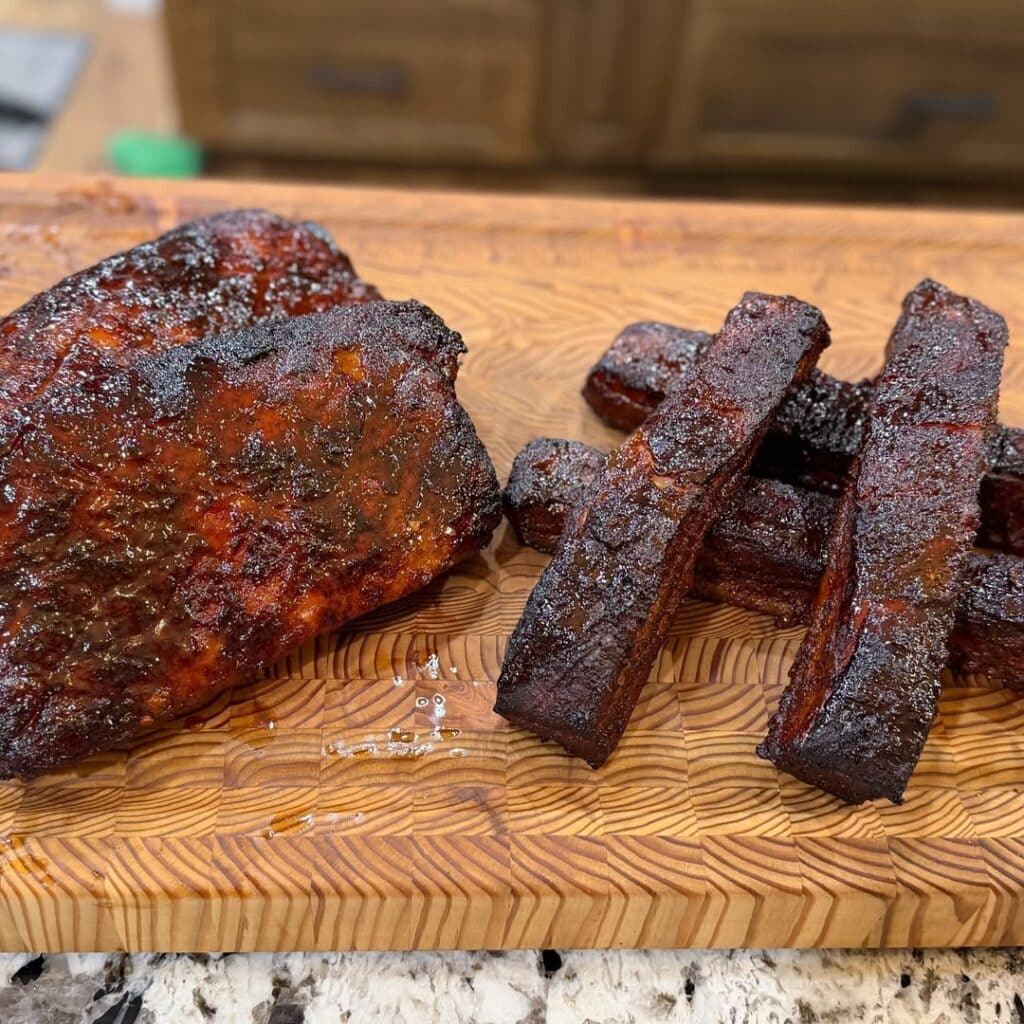
That dark, slightly crusty exterior is where smoke, seasoning, and rendered fat combine into pure barbecue magic. With sticky maple chipotle pork belly burnt ends, that bark becomes the foundation that holds the glaze later.
Start with a balanced BBQ rub. A mix of brown sugar, salt, black pepper, paprika, and garlic powder creates layers of flavor that develop slowly during the smoke. The sugar caramelizes while the spices form that signature smoky crust.
Spacing the pork belly cubes properly on the rack also matters. Leave room between pieces so heat and smoke circulate evenly. Crowding them can cause steaming instead of bark formation.
As the cook progresses, the fat renders and the exterior begins to darken.
That’s the moment pitmasters watch for. Once the cubes develop that deep mahogany color, they’re ready for the sauce stage that transforms them into sticky maple chipotle masterpieces.
Wood Choices That Boost Smoky Flavor
Smoke is the silent partner in every tray of sticky maple chipotle pork belly burnt ends. The wood you choose can completely change the personality of the cook.
For a balanced flavor, apple wood is a classic choice. It produces a mild, slightly sweet smoke that complements the maple glaze without overpowering the pork. It’s the kind of smoke that quietly enhances every bite.
Hickory, on the other hand, brings a stronger, traditional BBQ profile. It adds that bold smokiness people expect from true pit barbecue. Just don’t go too heavy – pork belly absorbs smoke quickly.
Another pitmaster favorite is cherry wood, which adds a subtle sweetness while helping create a deep reddish bark on the meat.
Many backyard cooks even mix woods, like apple and hickory, to balance sweetness and strength.
Think of wood as seasoning for the air inside your smoker. Choose the right one and those caramelized pork belly cubes will taste like they came straight from a championship pit.
Turning Burnt Ends into a Full BBQ Meal
While sticky maple chipotle pork belly burnt ends are famous as a snackable appetizer, they can easily become the star of a full barbecue meal.
One of the best ways to serve them is over steamed rice or smoked fried rice, where the sticky glaze melts into the grains and turns the bowl into smoky comfort food.
They also shine inside BBQ tacos. Add pickled onions, crunchy slaw, and a drizzle of chipotle crema, and suddenly those pork belly cubes become something worthy of a food truck menu.
Another crowd favorite is burnt end mac and cheese. The rich pork belly adds smoky depth to the creamy pasta, turning a classic side into a full-on BBQ indulgence.
Even simple BBQ nachos get an upgrade when topped with these caramelized cubes.
Once you start experimenting, you realize these little bites of sweet, smoky pork belly aren’t just an appetizer – they’re a versatile barbecue ingredient waiting to happen.
Pitmaster Tips for Perfect Burnt Ends
A few lessons learned after making more trays of burnt ends than I can reasonably admit:
First, don’t rush the render. Pork belly needs time for fat to melt properly. Too hot and the outside burns before the inside softens.
Second, taste your glaze. Chipotle peppers vary in heat. Some bring a gentle warmth while others punch harder than expected.
Third, resist the urge to eat them all straight off the smoker.
Actually… scratch that last one. Every pitmaster deserves a “cook’s portion.”
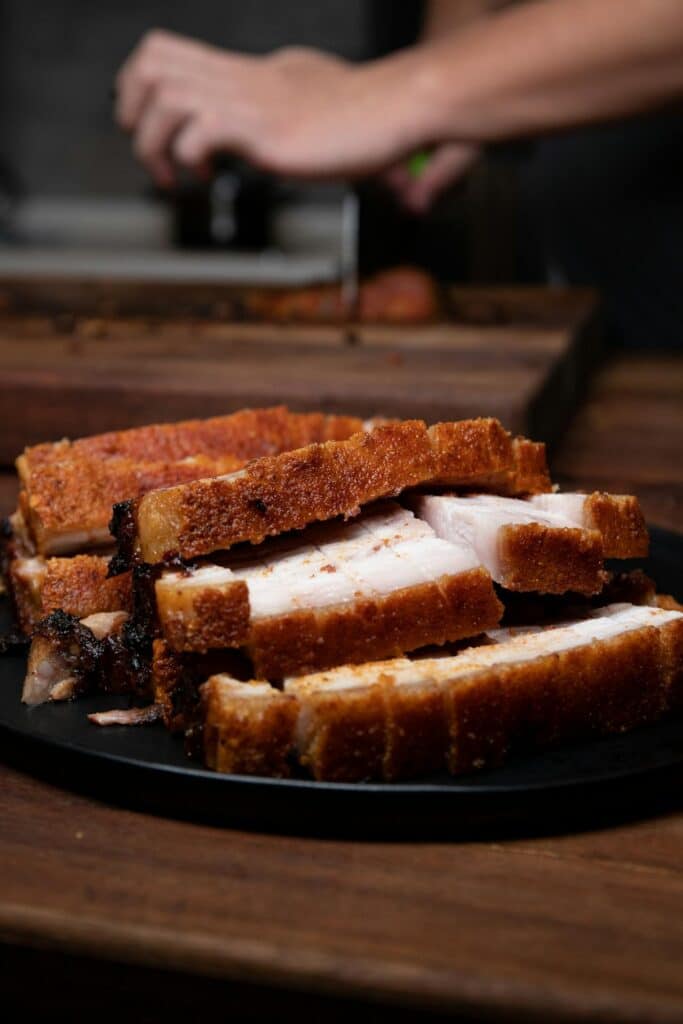
Serving Sticky Maple Chipotle Pork Belly Burnt Ends
These little cubes work almost anywhere food is involved.
Serve them as:
- A BBQ appetizer with toothpicks
- A topping for rice bowls
- Filling for BBQ sliders
- A smoky sidekick next to ribs or brisket
They also disappear quickly at cookouts, which is usually the best compliment a pitmaster can get.
Just don’t expect leftovers.
Final Thoughts
Great barbecue isn’t always about complicated techniques or expensive cuts of meat. Sometimes it’s about taking something simple and letting smoke, patience, and a good sauce do the work.
That’s exactly what happens with sticky maple chipotle pork belly burnt ends.
They’re sweet, smoky, tender, a little spicy, and dangerously easy to eat. Once you’ve made them a couple of times, they become one of those recipes that friends and family start requesting whenever the smoker comes out.
And if someone asks for the recipe?
Just smile, hand them a burnt end, and say, “Careful… those things are addictive.”
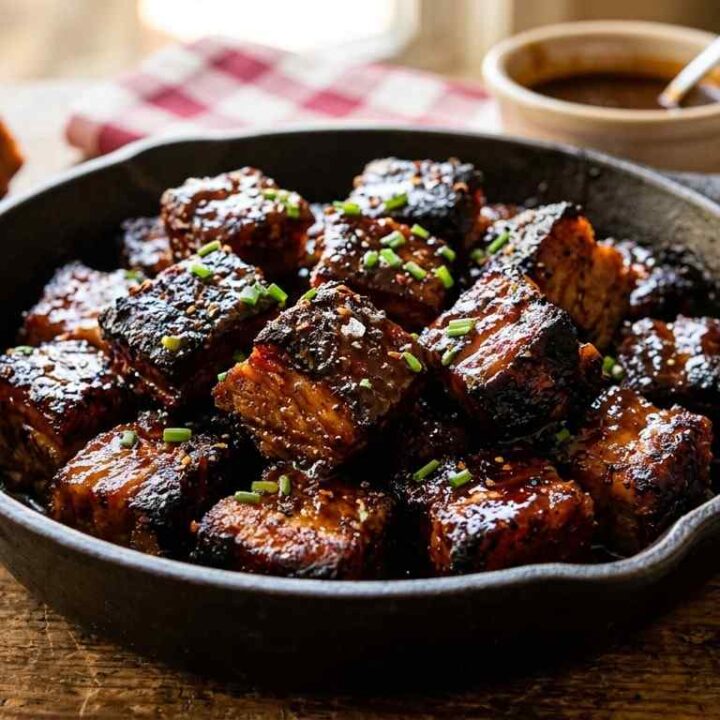
Sticky Maple Chipotle Pork Belly Burnt Ends Recipe
Image credit: Google Gemini
Ingredients
- Good BBQ starts with simple ingredients and patience.
- For the pork belly:
- • 2 pounds skinless pork belly
- • 2 tablespoons brown sugar
- • 1 tablespoon smoked paprika
- • 1 teaspoon garlic powder
- • 1 teaspoon onion powder
- • 1 teaspoon kosher salt
- • ½ teaspoon black pepper
- For the maple chipotle glaze:
- • ½ cup pure maple syrup
- • ¼ cup BBQ sauce
- • 1–2 chipotle peppers in adobo, finely chopped
- • 1 tablespoon butter
- • 1 tablespoon apple cider vinegar
- • 1 teaspoon Worcestershire sauce
- That’s it. No complicated spice blends, no mystery ingredients – just flavors that love pork.
Instructions
Preparing the Pork Belly
Start by cutting the pork belly into 1 to 1½-inch cubes. Try to keep the pieces fairly even so they cook at the same rate.
Pat them dry with paper towels first. This step matters more than people think. Dry surfaces hold seasoning better and develop better bark.
Next, toss the cubes in the seasoning mix. The brown sugar helps create caramelization, while smoked paprika adds depth that complements the chipotle later on.
Once coated, the pork belly should look like little seasoned blocks of potential happiness.
Smoking the Pork Belly
Preheat your smoker to 250°F.
Wood choice matters here. Apple, cherry, or hickory all work beautifully. Apple and cherry add sweetness, while hickory brings that classic barbecue punch.
Place the cubes directly on the smoker grates with a little space between them. You want smoke circulating around every side.
Now comes the patient part.
Smoke the pork belly for about 2 to 2½ hours. During this time:
- Fat begins rendering
- Edges darken
- Flavor builds layer by layer
Walk outside occasionally and take a look. Not because you need to – but because pitmasters like checking their work. Also because the smell alone is worth the trip.
Making the Maple Chipotle Glaze
While the pork belly smokes, make the sauce.
In a small saucepan combine:
- Maple syrup
- BBQ sauce
- Chopped chipotle peppers
- Butter
- Apple cider vinegar
- Worcestershire sauce
Simmer the mixture gently for about 3 to 5 minutes.
The butter smooths everything out, while the vinegar sharpens the flavor so the sauce doesn’t become overly sweet. The chipotle adds a smoky heat that lingers without overpowering the pork.
When done, the glaze should look thick, glossy, and dangerously snackable.
Turning Pork Belly Into Burnt Ends
After the initial smoke, transfer the pork belly cubes to an aluminum pan.
Pour the maple chipotle glaze over the meat and toss everything together until the cubes are coated in that beautiful sticky sauce.
Cover the pan loosely with foil and return it to the smoker.
Let it cook for another 45 minutes so the pork absorbs the glaze and continues to soften.
Then remove the foil and cook for another 15 to 20 minutes.
This final stage is where sticky maple chipotle pork belly burnt ends transform into BBQ candy.
The sauce thickens, sugars caramelize, and every cube becomes coated in shiny, smoky glaze.
Featured image credit: @livefire_bbq
