
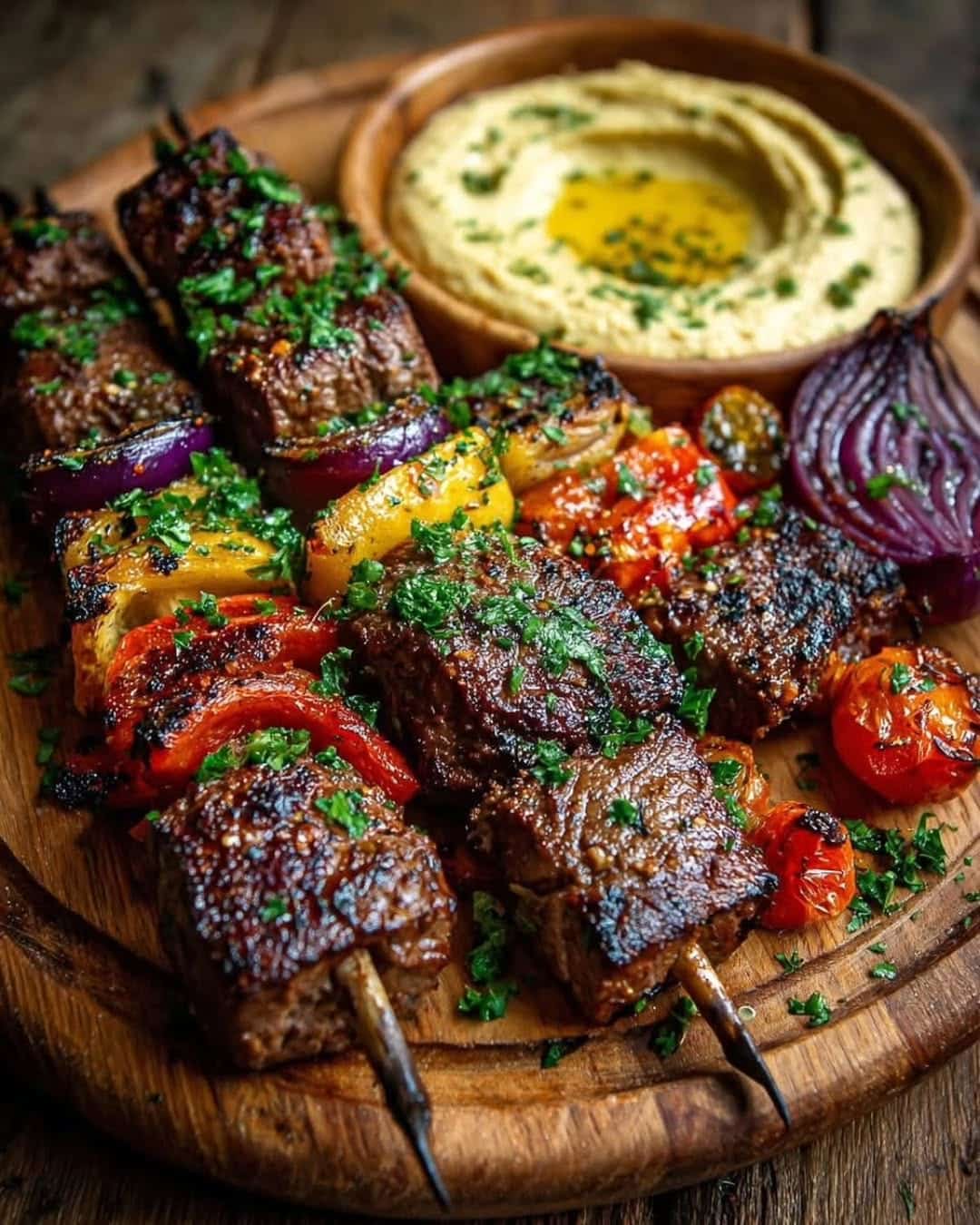
Grilling isn’t just cooking; it’s a primal ritual signaled by that iconic hiss. That sizzle? That’s dinner announcing itself. And when it comes to steak kabobs on skewers, you’re not just grilling – you’re putting on a show.
I’ve cooked a lot of beef in my time – briskets that took all night, steaks that cost more than my first paycheck – but kabobs? They’re the sweet spot.
Fast, flavorful, and just fancy enough to make people think you worked harder than you did.
The goal here is simple: juicy, tender steak kabobs on skewers with bold flavor and zero guesswork.
Why These Steak Kabobs on Skewers Work
Good kabobs aren’t complicated – they’re just easy to mess up if you rush them. This method keeps things tight and reliable.
- Big flavor, minimal ingredients
- Quick cook time (under 15 minutes on the grill)
- Balanced bites – meat, char, and a little veg sweetness
- Forgiving enough for beginners, dialed-in enough for pros
I like to say: if your kabobs are dry, you either overcooked them… or you got distracted by a cold drink. Both fixable.
The Secret to Getting That Perfect Char (Without Burning Everything)
Let’s clear something up: char is flavor – but burnt is failure. There’s a fine line, and your job is to walk it like a pro.
The magic behind great steak kabobs on skewers is high heat + controlled timing.
You want the grill hot enough to sear quickly, locking in juices while creating that deep, caramelized crust. That crust? That’s the Maillard reaction doing its thing – your best friend on the grill.
Here’s the trick most people miss: don’t move the kabobs too soon. Let them sit for a solid 2–3 minutes before flipping. If they stick, they’re not ready.
And resist the urge to press or poke the meat. You’re not testing it – you’re squeezing out flavor.
Golden rule: Sear hard, flip once, finish gently.
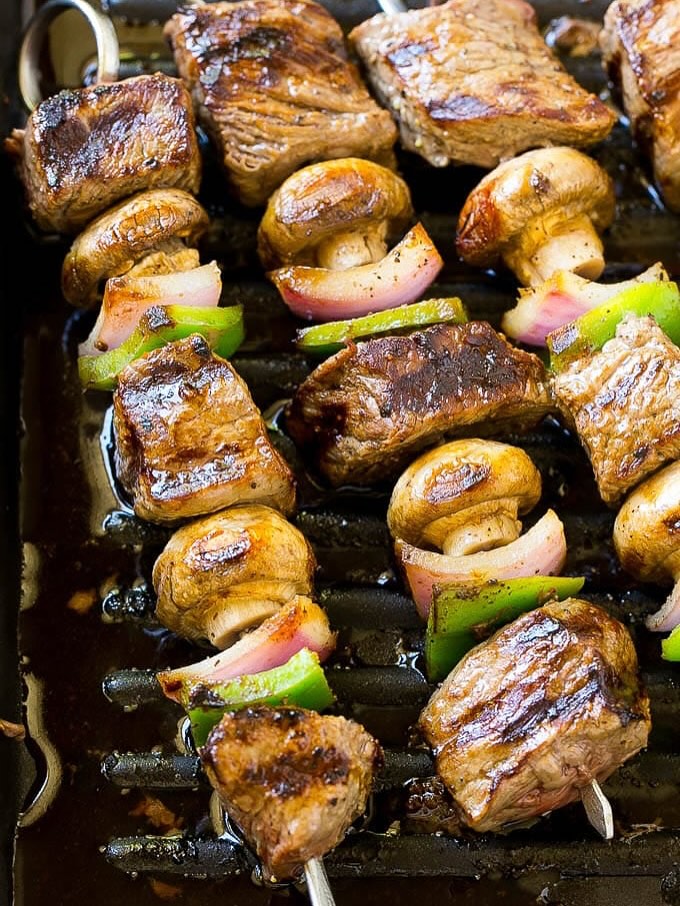
Skewer Strategy: Flat vs Round, Metal vs Wood
Not all skewers are created equal, and yes – it actually matters.
If you’ve ever had your steak kabobs on skewers spin when you try to flip them, you’ve met the downside of round skewers. They rotate, which means uneven cooking and awkward handling.
Flat metal skewers? That’s the upgrade. They hold everything in place so you can get an even sear on every side without wrestling your food.
Wooden skewers are fine, but they come with rules:
- Soak them for at least 30 minutes
- Keep them away from direct flame when possible
Here’s a pro move: use double skewers (two sticks per kabob). It prevents spinning and makes flipping smooth.
It’s a small detail – but in grilling, small details separate good from great.
Timing the Veggies So They Don’t Let You Down
Vegetables on kabobs are like backup singers – when they’re good, everything shines. When they’re off, you notice immediately.
The challenge with steak kabobs on skewers is this: meat and vegetables cook at different speeds.
Peppers and onions? They hold up well.
Mushrooms? Quick cookers.
Zucchini? Blink and it’s soft.
If you want everything perfect, here’s the move:
- Cut veggies slightly larger than the steak
- Or cook them on separate skewers
That second option? Underrated. It gives you total control.
Because nothing kills a great kabob faster than overcooked, soggy vegetables dragging down perfectly grilled steak.
Marinade Mistakes That Kill Flavor
Marinades are powerful – but they’re also easy to mess up.
First mistake: too much acid. Lemon juice and vinegar are great, but overdo it and your steak turns mushy. You’re aiming for tender – not ceviche.
Second mistake: not enough salt. If your steak kabobs on skewers taste flat, it’s usually because the seasoning didn’t go deep enough.
Third – and this one hurts – not patting the meat dry before grilling. Wet meat doesn’t sear. It steams. And steamed steak? No thanks.
Here’s the fix:
- Balanced marinade (fat + acid + salt)
- Don’t over-marinate
- Lightly pat dry before grilling
Flavor isn’t just what you add – it’s how you handle the meat.
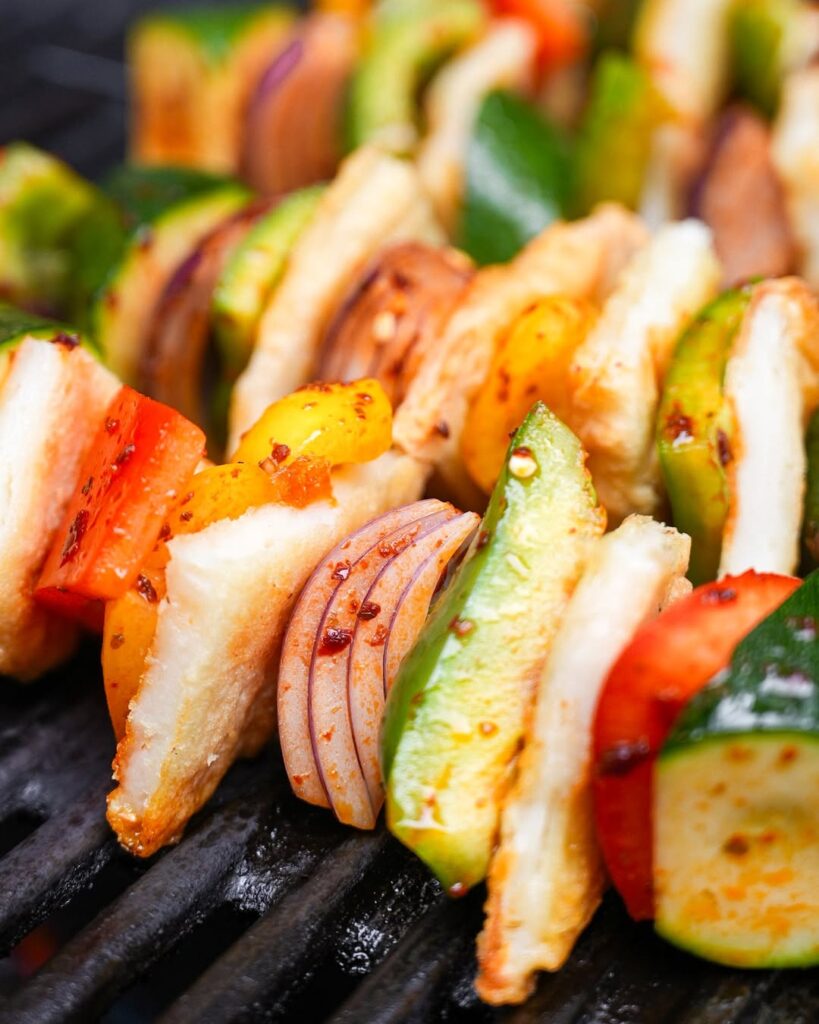
Direct vs Indirect Heat: When to Use Each
Most people throw kabobs on the grill and hope for the best. Let’s tighten that up.
For steak kabobs on skewers, you want a two-zone fire:
- Direct heat (hot side) for searing
- Indirect heat (cooler side) for finishing
Start your kabobs over direct heat to build that crust. Once you’ve got color, move them to indirect heat to finish cooking without burning.
This method gives you:
- Better control
- Even cooking
- Less risk of flare-ups ruining your hard work
Think of it like this:
Direct heat builds flavor. Indirect heat builds perfection.
The Finishing Touch That Separates Good from Legendary
You’ve grilled your kabobs. They look great. Smell even better. But if you stop there – you’re leaving flavor on the table.
The final move? A finishing layer.
Right after pulling your steak kabobs on skewers off the grill, hit them with:
- Garlic butter
- A sprinkle of flaky salt
- Fresh herbs (parsley or cilantro)
That heat melts everything into the meat, creating a glossy, flavor-packed finish.
This is what chefs call layering flavor – building taste at every stage, not just the marinade.
It’s a small step that makes people pause mid-bite and go, “Wait… what is that?”
That’s when you know – you didn’t just cook.
You leveled up.
Pitmaster Tips That Actually Matter
You don’t need 50 tips. You need the right ones.
- Uniform cuts cook evenly. Period.
- Don’t overload the skewers – give heat room to work
- Soak wooden skewers (unless you like fire hazards)
- Let the meat rest 5 minutes after grilling – yes, even for kabobs
And here’s one people ignore:
Don’t babysit the grill. Flip with intention, not anxiety.
Flavor Twists Worth Trying
Once you’ve nailed the base recipe, start playing.
- Garlic butter steak kabobs on skewers – double down on richness
- Chili-lime – brighter, punchier, great for hot weather
- Herb-forward – rosemary, thyme, olive oil, lemon
- Teriyaki-style – sweeter glaze, killer char
Kabobs are forgiving. This is where you experiment without risking dinner.
What to Serve With Steak Kabobs on Skewers
You’ve got bold, juicy meat – don’t overcomplicate the sides.
- Rice or garlic butter rice
- Grilled corn
- Flatbread or pita
- Fresh salad with a sharp vinaigrette
Or do what I do sometimes: eat them straight off the skewer standing next to the grill. No plate, no judgment.
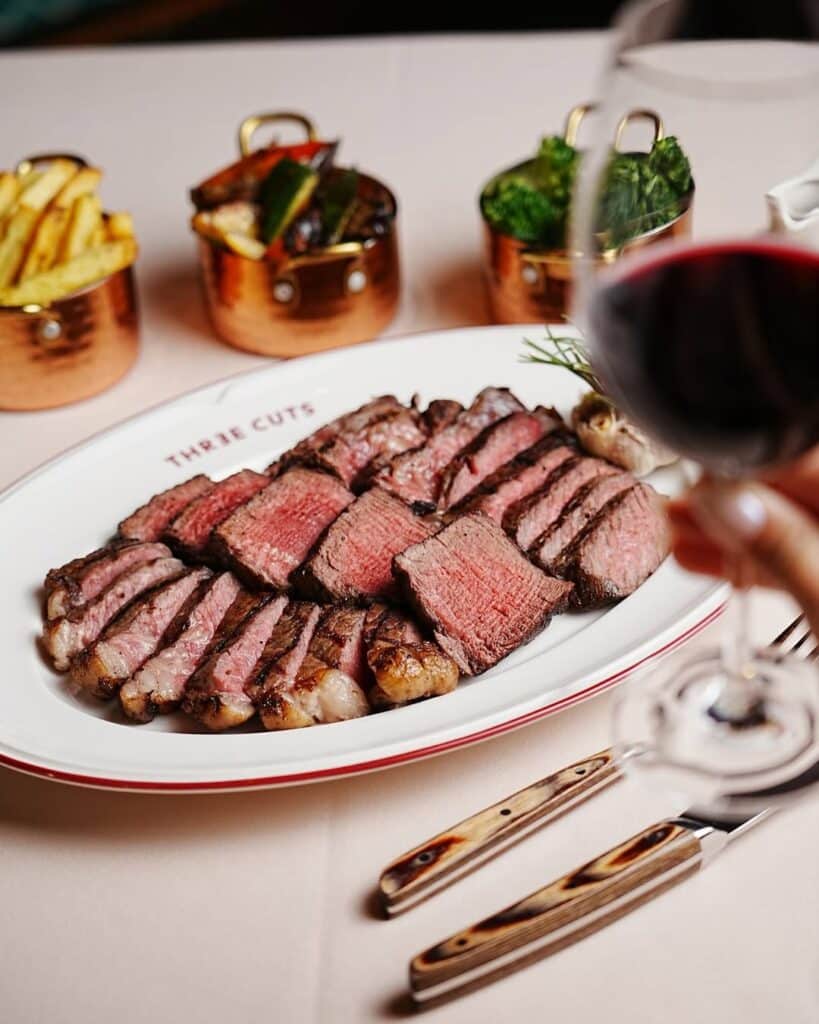
Storage and Reheating
If you somehow have leftovers:
- Store in the fridge for up to 3–4 days
- Reheat gently (low heat or quick pan sear)
Microwave works… but let’s just say it’s not doing your steak any favors.
Final Thoughts: Simple Food, Done Right
At the end of the day, steak kabobs on skewers are proof that great food doesn’t need to be complicated. It just needs attention, a little heat, and respect for the ingredients.
You get the fire right.
You don’t overthink the marinade.
You don’t overcook the steak.
That’s it.
And when someone takes a bite and pauses for a second before saying anything – that’s when you know you nailed it.

Steak Kabobs on Skewers Recipe
Image credit: https://www.instagram.com/p/DXsdXmYiUqU/
Ingredients
- For the Steak
- 1½ lbs sirloin steak (or ribeye if you’re feeling generous)
- 3 tbsp olive oil
- 2 tbsp soy sauce
- 1 tbsp Worcestershire sauce
- 4 cloves garlic, minced
- 1 tbsp lemon juice
- 1 tsp smoked paprika
- Salt and black pepper
- For the Skewers
- Bell peppers (any color, cut into chunks)
- Red onion, chunked
- Mushrooms
- Optional: zucchini or cherry tomatoes
- Optional Finish
- Melted garlic butter (highly recommended, not optional in my house)
- Choosing the Right Cut (Don’t Skip This Part)
- If you start with bad steak, no marinade in the world will save you.
- Sirloin is your best all-around choice: lean enough, tender enough, affordable enough.
- Ribeye brings more fat, which means more flavor – but it cooks faster, so stay sharp.
- Avoid super lean cuts. Fat equals flavor and moisture – that’s not negotiable.
- Cut your steak into even 1 to 1½-inch cubes. Not “close enough.” Even. That’s how you avoid half raw, half overcooked skewers.
Instructions
1. Build the Marinade
In a bowl, mix olive oil, soy sauce, Worcestershire, garlic, lemon juice, and spices.
This combo hits all the right notes:
- Salt (soy sauce)
- Acid (lemon)
- Fat (oil)
- Umami (Worcestershire)
That’s not random – that’s balance.
2. Marinate the Steak
Toss the steak cubes in the marinade and coat evenly.
- Minimum: 30 minutes
- Ideal: 2–4 hours
- Max: overnight
Anything longer and the texture starts to get weird. We’re grilling steak, not curing it.
3. Assemble the Skewers
Thread steak and veggies onto skewers, alternating for even cooking.
Key move: leave a little space between pieces.
Crowding = steaming.
Spacing = searing.
How to Grill Steak Kabobs on Skewers
Get your grill hot – medium-high heat. If it’s not hot enough to make you hesitate before touching it, it’s not ready.
- Oil the grates (prevents sticking and tearing)
- Place kabobs on the grill
- Cook for 8–12 minutes total, turning every 2–3 minutes
You’re looking for:
- Nice char on the outside
- Juicy, slightly pink center
Internal Temps (if you want to be precise):
- Medium-rare: 130–135°F
- Medium: 135–145°F
Right before pulling them off, brush with garlic butter. This is where people start asking questions like, “What did you put on this?”
Featured image credit: @globaledible
