
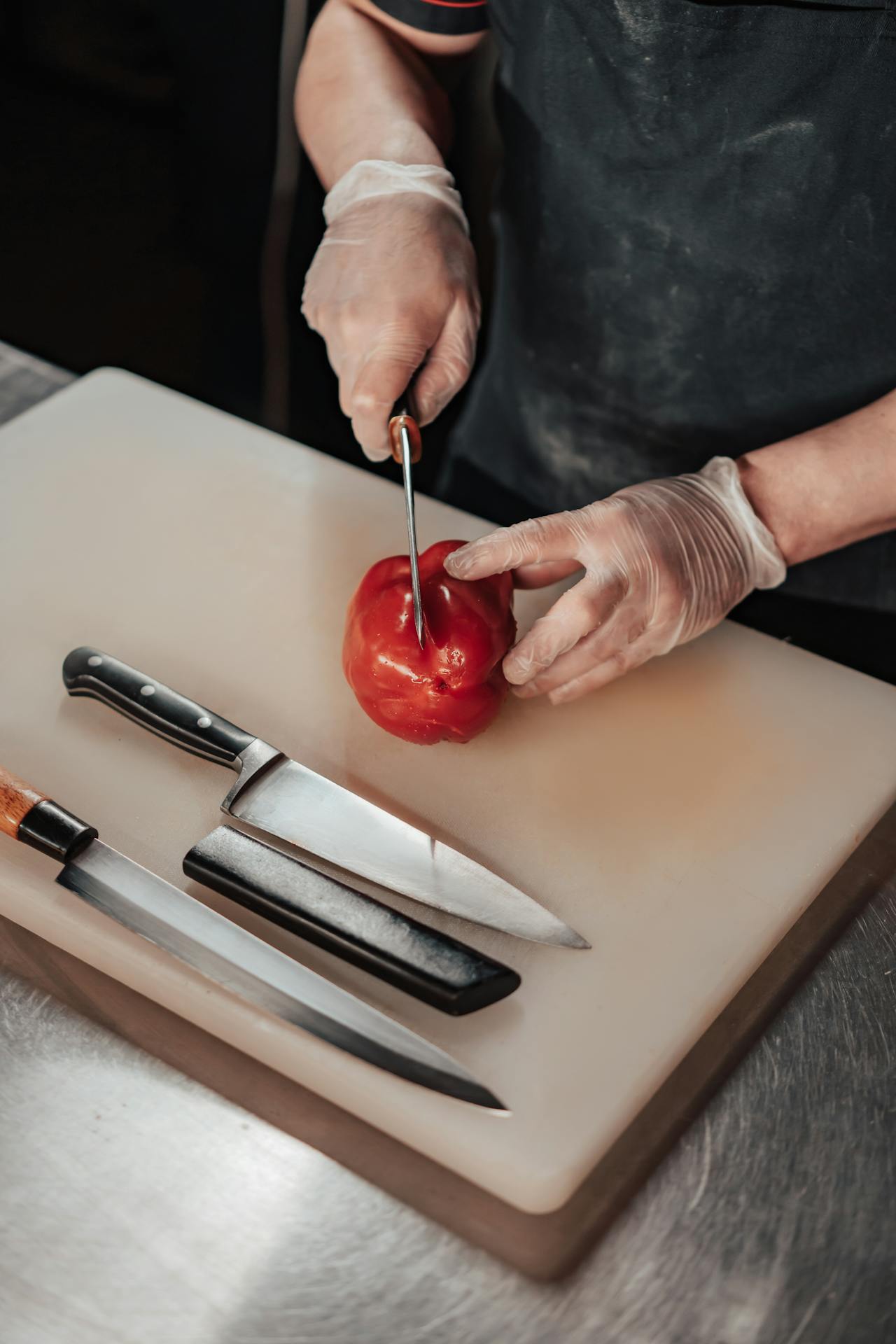
Nothing ruins BBQ prep faster than a dull, floppy kitchen knife and a stubborn cut of brisket. A bad knife doesn’t just slow you down – it can turn BBQ prep into a nightmare. That’s where specialty knives come in.
Every BBQ chef worth their salt knows that knives are more than tools – they’re an extension of your hands, your intuition, and yes, sometimes your pride. A good cleaver can chop through a bone like butter.
A fillet knife can transform a slippery fish into perfect portions without losing a flake of meat.
This article isn’t just about listing knives. I’ll take you through the must-have specialty knives for BBQ, what makes them unique, and which ones I actually recommend after hours of grilling, slicing, and tasting.
By the end, you’ll know exactly what knives deserve a spot in your BBQ arsenal.
Why Specialty Knives Matter in BBQ
You might think a standard chef’s knife can do it all. Sure, it can, but it won’t do it well. BBQ is a world of textures, sizes, and challenges. From boneless brisket to fish on the half-shell, the right knife changes the game.
Here’s why specialty knives are essential:
- Efficiency: The right blade makes prep faster. Imagine carving ribs with a dull, flexible blade – you’ll fight the meat instead of the meat working with you.
- Precision: Fillet knives let you follow bones and joints like a surgeon, keeping every slice clean.
- Safety: A knife designed for its purpose reduces slips, cuts, and accidents.
- Presentation: Let’s be honest – BBQ is about the sizzle, but looks matter too. Proper knives help you serve meat that looks as good as it tastes.
Over the years, I’ve seen plenty of chefs underestimate this. One rookie thought a butter knife could handle a pork shoulder.
The result? Tears, frustration, and meat everywhere except the plate. Don’t make that mistake.
Key Types of Specialty Knives for BBQ
Now, let’s dive into the heart of the matter: the knives themselves. I’ll break down the ones I use, why they matter, and which models I can confidently recommend.
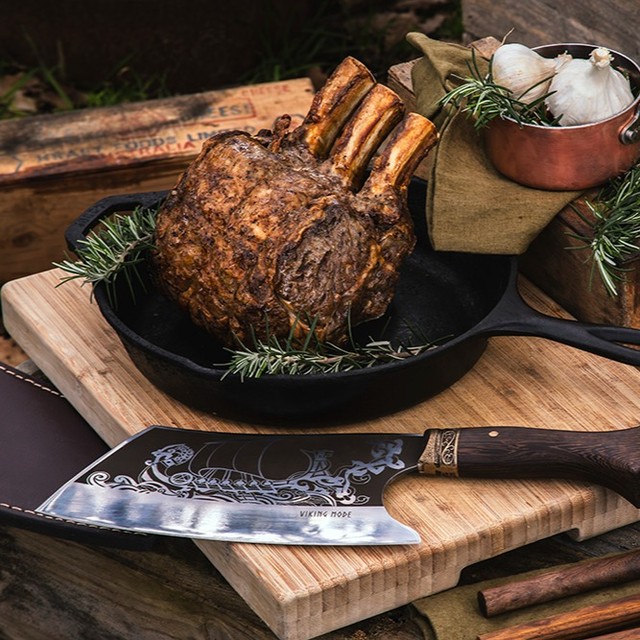
1. Cleavers
If there’s one knife that screams BBQ, it’s the cleaver. Heavy, balanced, and unstoppable, cleavers are the workhorses of any serious pitmaster’s knife collection.
Purpose: Chopping through bones, large meat cuts, and even crushing garlic or ginger.
What to look for:
- Weight and balance matter. Too heavy, and you’ll tire quickly. Too light, and bones fight back.
- High-carbon stainless steel holds an edge longer and resists rust.
- A comfortable, non-slip handle is a must when your hands get greasy from BBQ sauce.
Recommended Cleavers:
- Wüsthof Classic 7-Inch Cleaver – Sharp, balanced, and reliable for any heavy-duty prep.
- Shun Classic 7-Inch Cleaver – Lighter, precise, and excellent for fine bone work.
- Michel Brass 7.75-Inch Heavy Cleaver – Affordable, sturdy, and perfect for beginners.
Pro Tip: Let the cleaver do the work. Don’t muscle it. A confident, controlled swing cuts faster than brute force.
I once used a cheap cleaver on a frozen brisket. Let’s just say it won’t end well. Invest in quality – it pays off in safety and efficiency.
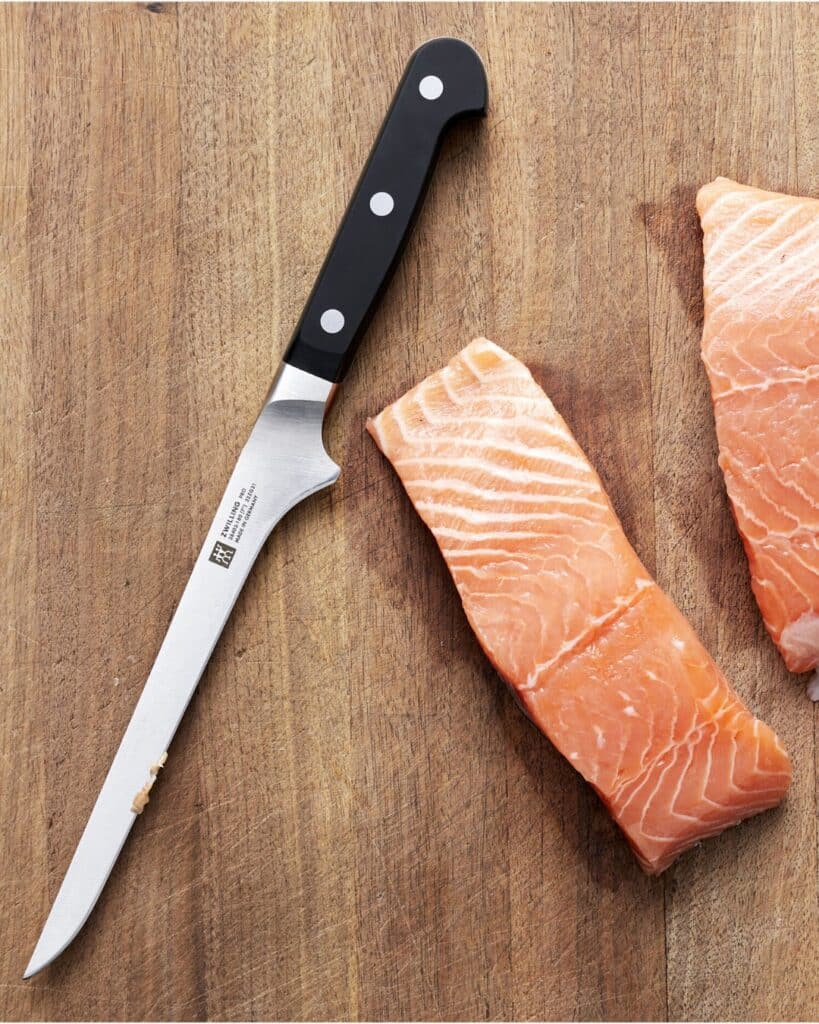
2. Fillet Knives
Fillet knives are the ninjas of the BBQ world. Thin, flexible, and sharp, they glide along bones and fillet meat without leaving scraps behind.
Purpose: Filleting fish, trimming poultry, or slicing thin cuts of meat.
What to look for:
- Flexible blades are essential for following curves and bones.
- Stainless steel resists corrosion, especially if you’re dealing with fish.
- Sharpness is critical – nothing ruins a fillet like a jagged blade.
Recommended Fillet Knives:
- Rapala Fish ‘n Fillet Knife – Flexible, reliable, and perfect for fish or delicate meat.
- Dexter Outdoors 8-Inch SOFGRIP Flexible Fillet Knives with Sheath – Professional-grade, budget-friendly, and precise.
- Wüsthof Flex Fillet Knife – Premium, ultra-sharp, and built for perfection.
Chef’s Tip: Always slice with the grain. It makes the meat tender and visually appealing.
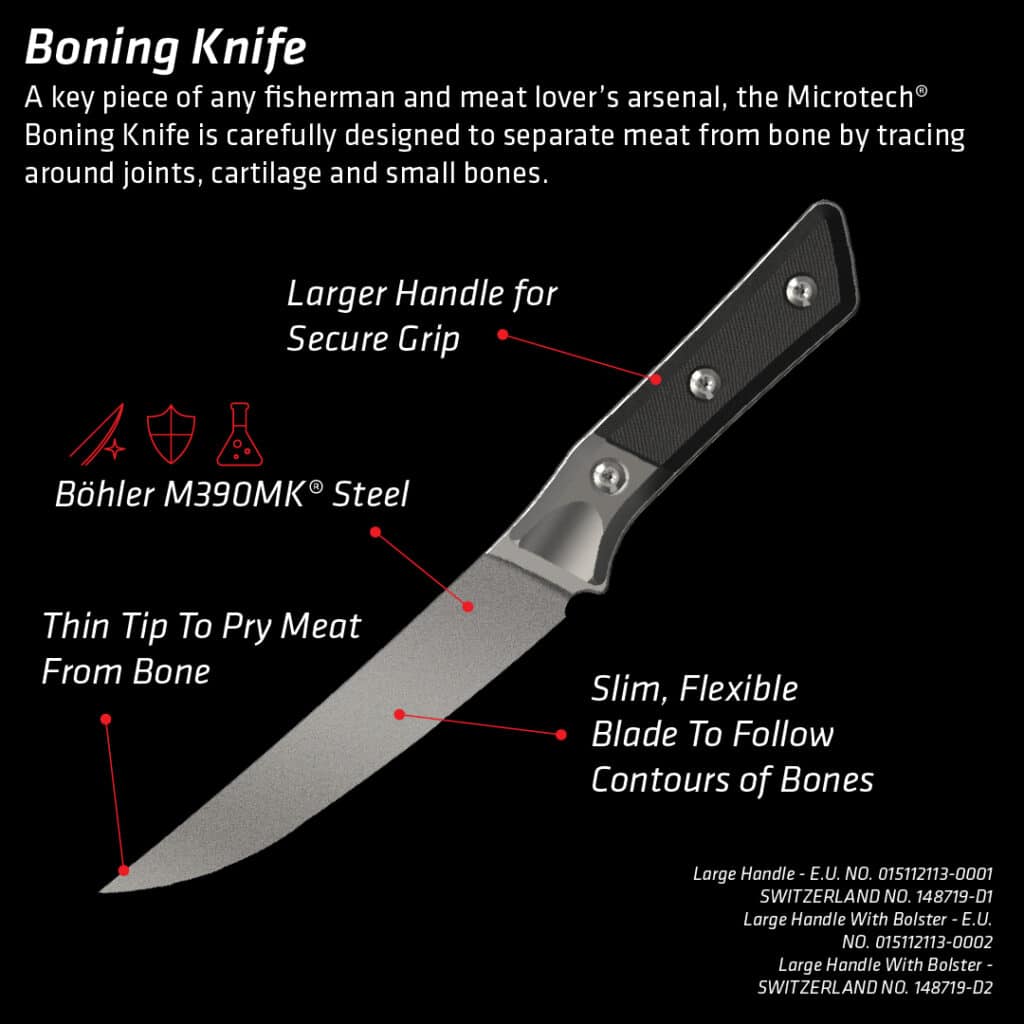
3. Boning Knives
Boning knives are the unsung heroes of BBQ prep. They let you separate meat cleanly from bones, making portioning easier and more efficient.
Purpose: Trimming meat, separating joints, removing excess fat.
What to look for:
- Blade stiffness depends on preference: flexible for poultry, stiff for beef.
- Thin, sharp tips for precision around joints.
Recommended Boning Knives:
- Global 6-Inch Boning Knife – Light, precise, and razor-sharp.
- Wüsthof Classic Boning Knife – Durable, ergonomic, and easy to maintain.
Pro Tip: Keep your blade at a slight angle and let it follow the bone. Think of it as tracing a path, not hacking blindly.

4. Chef’s Knives & Utility Knives
While specialty knives rule the BBQ world, a solid chef’s knife or utility knife is still a must-have. Multi-functional and versatile, these knives handle vegetables, smaller meat cuts, and general prep.
What to look for:
- Balanced blade and comfortable grip.
- Sharp edge and durable steel.
- Weight that feels like an extension of your arm.
Recommended Options:
- Wüsthof Classic 8-Inch Chef’s Knife – The ultimate all-rounder.
- Shun Premier 7-Inch Utility Knife – Light, nimble, and ideal for smaller cuts.
Chef’s Tip: Even when armed with specialty knives, keep a chef’s knife handy. It’s your fallback when things get chaotic on the grill.
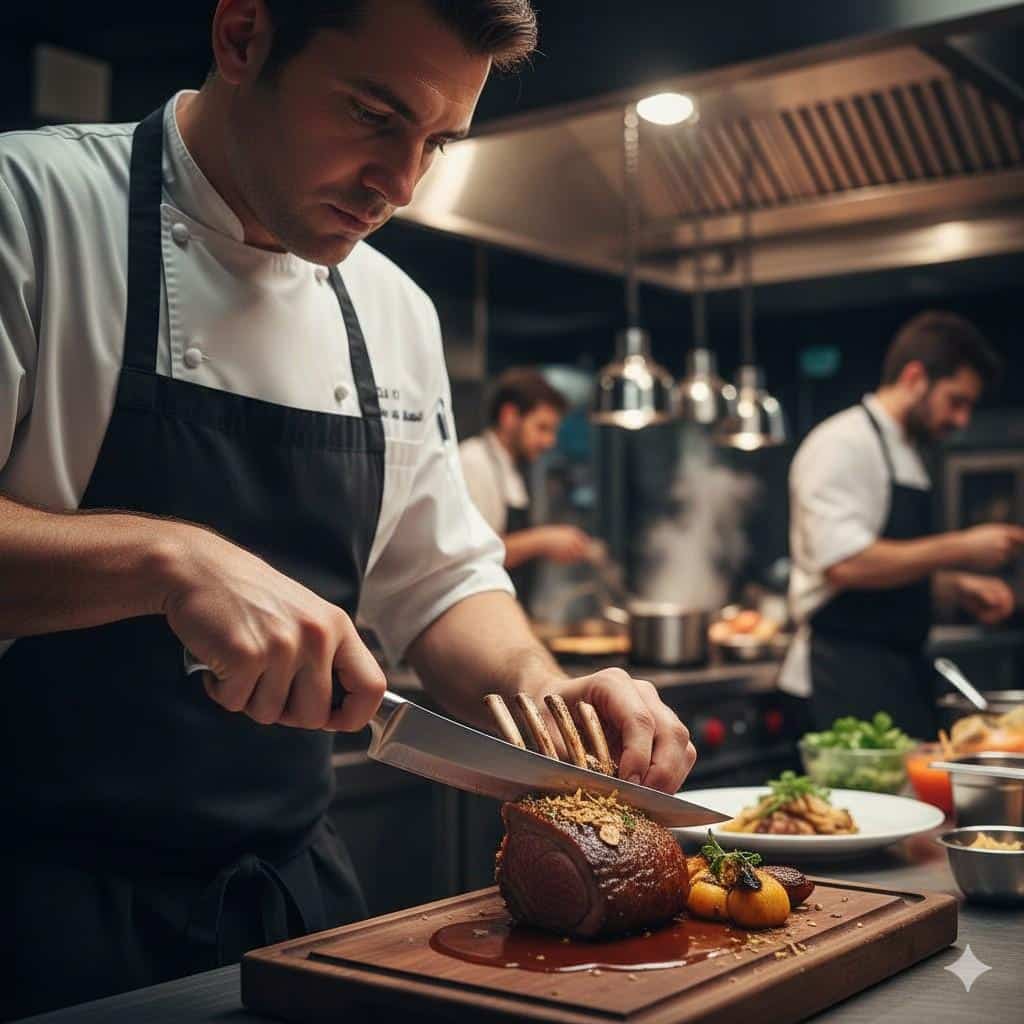
5. Carving Knives & Slicers
When it comes time to serve, presentation is everything. Carving knives and slicers let you portion smoked brisket, roasts, or ribs cleanly and elegantly.
Purpose: Thin, uniform slices that impress both the eye and the palate.
What to look for:
- Long, narrow blade for smooth, continuous cuts.
- Comfortable handle to avoid hand fatigue during long carving sessions.
Recommended Carving Knives:
- Victorinox 12-Inch Granton Carving Knife – Smooth slices every time.
- Wüsthof Classic Carving Knife – Ergonomic, precise, and long-lasting.
Chef’s Tip: Let your meat rest before carving. A sharp knife is useless if the juices all run onto the cutting board.
How to Choose the Right Knife for Your BBQ Style
Not every knife fits every chef. The key is matching the knife to your cooking habits.
- Casual griller: Start with a good cleaver and a flexible fillet knife.
- Weekend warrior: Add a boning knife and carving knife for precision and presentation.
- Pro pitmaster: Invest in premium knives across all categories. Comfort, balance, and sharpness are non-negotiable.
Other considerations:
- Blade material: High-carbon stainless steel holds an edge longer and resists corrosion.
- Handle: Non-slip, ergonomic, and suited to long prep sessions.
- Maintenance: Know how often you’re willing to sharpen, oil, or hand-wash your knives.
Knife Steel Types: Why It Matters
Not all knives are created equal, and the steel used in your specialty knife can make or break your BBQ experience.
- High-carbon stainless steel – Stays sharp longer, resists corrosion, and handles rigorous meat prep without bending.
- Stainless steel – Low-maintenance but may require more frequent sharpening.
- Carbon steel – Extremely sharp but prone to rust, so it requires careful maintenance.
- Know your steel type – Helps match maintenance to use and ensures consistent knife performance, whether slicing brisket or filleting fish.
Think of it as choosing the right engine for your grill – it might not be glamorous, but it directly affects performance and reliability.
Even subtle differences, like hardness ratings (HRC), can change how a blade holds an edge or resists chipping.
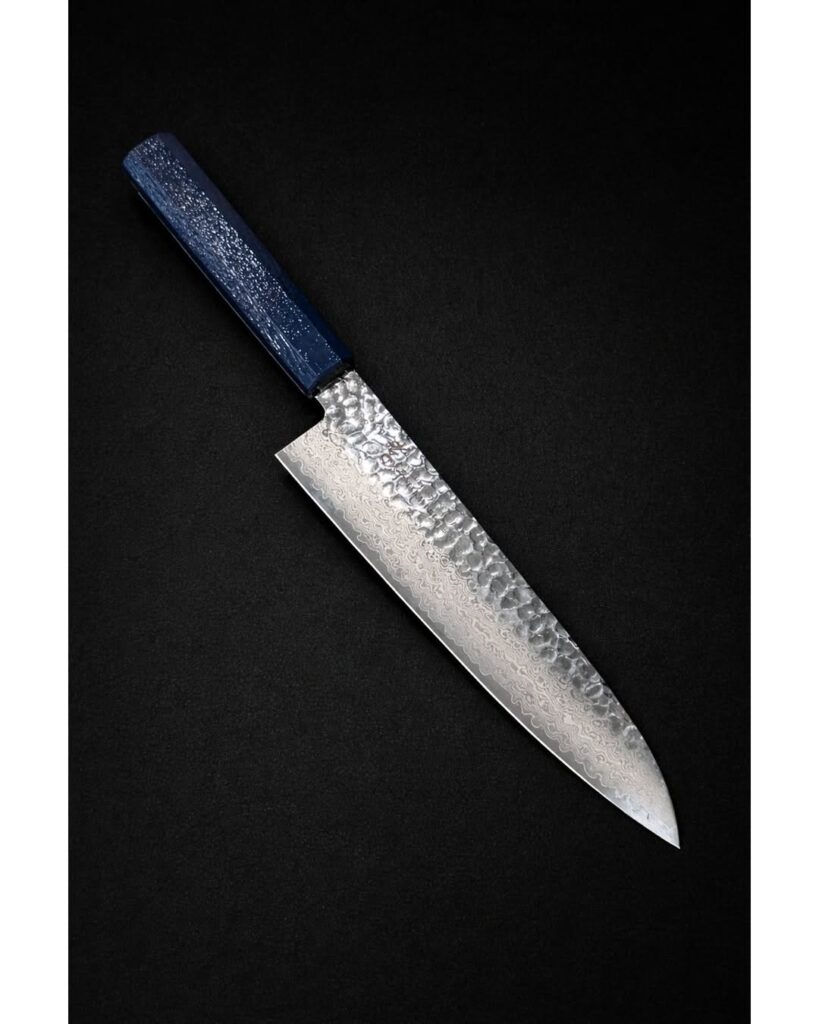
Knife Edge Types: Straight vs. Serrated
When it comes to specialty knives, the edge of the blade changes everything. Most BBQ chefs swear by straight edges because they give clean, precise cuts, perfect for slicing meat or filleting fish.
Serrated edges, on the other hand, excel at tough or crusted surfaces, like a smoked brisket with a caramelized bark, without crushing the meat. Some knives combine the two, giving you a hybrid edge for versatility.
Understanding which edge suits your cooking style can save you frustration, especially during high-volume prep. If you slice brisket with a serrated knife, you risk tearing the meat. Conversely, a straight-edge knife on a crusty roast might get stuck or slip.
The right edge ensures precision, speed, and safety, letting your knives complement your grill rather than fight it.
Ergonomics: Comfort is King
Specialty knives are only as good as your ability to wield them comfortably. Ergonomics – the handle shape, balance, and weight distribution – affects how long you can prep without hand fatigue or strain.
- A knife that feels like an extension of your hand makes chopping, slicing, and carving effortless.
- Look for handles with non-slip grips, even when greasy, and designs that reduce wrist stress.
- For BBQ chefs working long sessions, a poorly balanced knife is like holding a dumbbell all day – it tires you out before you even finish prepping.
Don’t underestimate this: comfort directly affects precision and safety, and even small adjustments, like finger grooves or slightly angled handles, can transform your cooking experience from frustrating to smooth.
Knife Safety Tips Every BBQ Chef Should Know
Even the best specialty knives are dangerous without proper handling. Knife safety isn’t just common sense – it’s a skill. Always cut away from your body and keep fingers tucked. Use a stable cutting board, ideally wood or high-quality composite, to prevent slips.
Avoid distractions while chopping, and never leave knives in sinks where hands can accidentally meet the blade. Store knives securely in blocks or magnetic strips rather than drawers.
Keeping knives sharp is also a safety tip: a dull blade requires more force and is more likely to slip.
Simple habits like proper grip, controlled movements, and safe storage not only protect you but also make your prep smoother and faster.
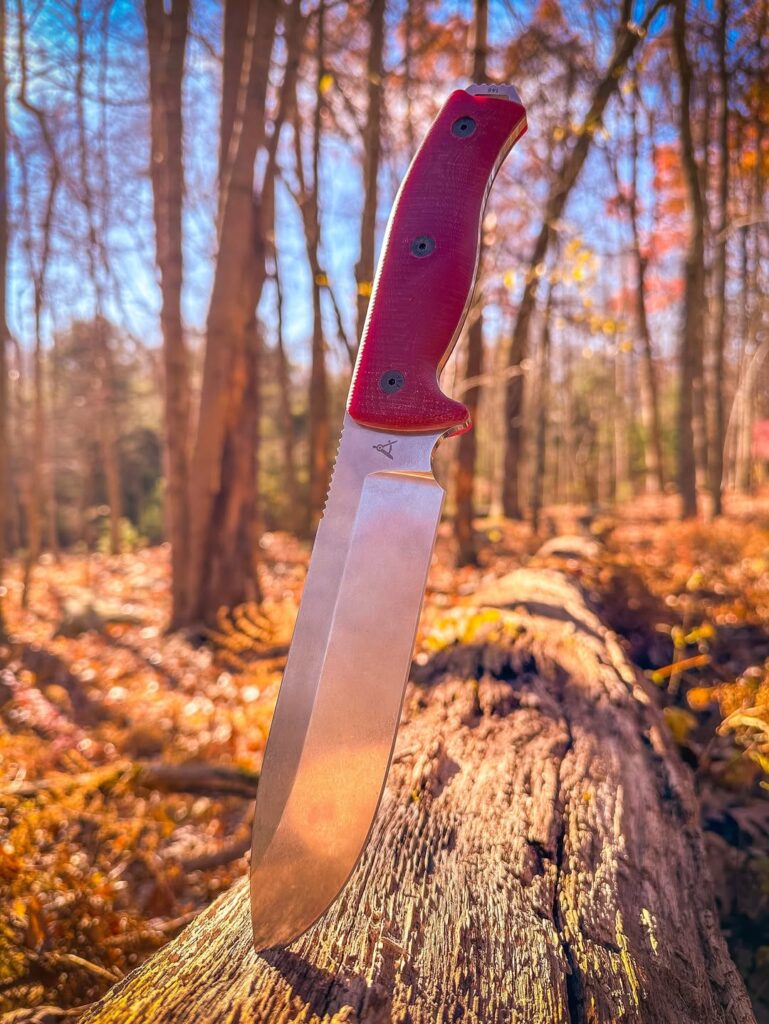
Specialty Knives for Outdoor vs. Indoor BBQ
Not all BBQ settings are created equal. Outdoor grilling, like smoking or pit BBQ, often demands heavier, more durable knives, such as cleavers and carving knives that can handle large cuts and rough surfaces.
Indoor or kitchen-based BBQ prep may favor lighter, precision tools, like fillet knives and boning knives, for trimming and portioning. Knowing your cooking environment helps you choose the right blade for the job, making prep more efficient and enjoyable.
Outdoor knives might also need corrosion resistance against weather, while indoor knives emphasize maneuverability and finesse.
Aligning your knife choice with your BBQ style ensures you can work smarter, not harder, whether you’re handling a whole brisket under the sun or a delicate fish fillet in a tight kitchen space.
Knife Storage Options: Keep Them Sharp and Safe
How you store specialty knives affects both performance and safety.
- Knife blocks – Keep knives organized and protected, but poorly designed blocks can dull edges over time.
- Magnetic strips – Save counter space and keep blades visible, but must be mounted securely to prevent accidents.
- Sheaths or blade guards – Ideal for transporting knives or storing them safely in drawers.
- Avoid loose storage – Storing knives loosely allows blades to knock against other utensils, which dulls edges and increases the risk of accidents.
Think of storage as part of your knife investment: a well-protected blade performs better, lasts longer, and keeps your prep area safe for you and anyone else helping with the BBQ.
Maintenance Tips for Specialty BBQ Knives
A good knife is useless if it’s dull or rusty. Taking care of your specialty knives is simple if you follow these rules:
- Clean and dry immediately after use – Never leave them soaking in water.
- Sharpen regularly – A sharp knife is safer than a dull one. Honing rods are your friend.
- Store properly – Knife blocks, magnetic strips, or sheaths prevent accidents and protect edges.
I once ruined a beautiful fillet knife by tossing it in the dishwasher. Never again. Treat your knives like the investment they are.
Knife Care Tools You Need
Owning specialty knives means investing in care tools that prolong their life.
- Sharpening stone or ceramic rod – Maintains a razor-sharp edge.
- Honing rods – Realign blades between meals for consistent performance.
- Quality knife oil – Prevents corrosion, especially on carbon steel knives.
- Soft cloths or microfiber towels – Ideal for drying and polishing blades.
- Knife guards or sheaths – Protect blades in storage and prevent accidents.
- Think of these tools as your knife’s pit crew – They keep knives sharp, safe, and long-lasting.
- Safety reminder – A dull knife doesn’t just slow you down; it’s dangerous.
Investing in proper care tools ensures your specialty knives remain sharp, reliable, and ready for the next BBQ battle.
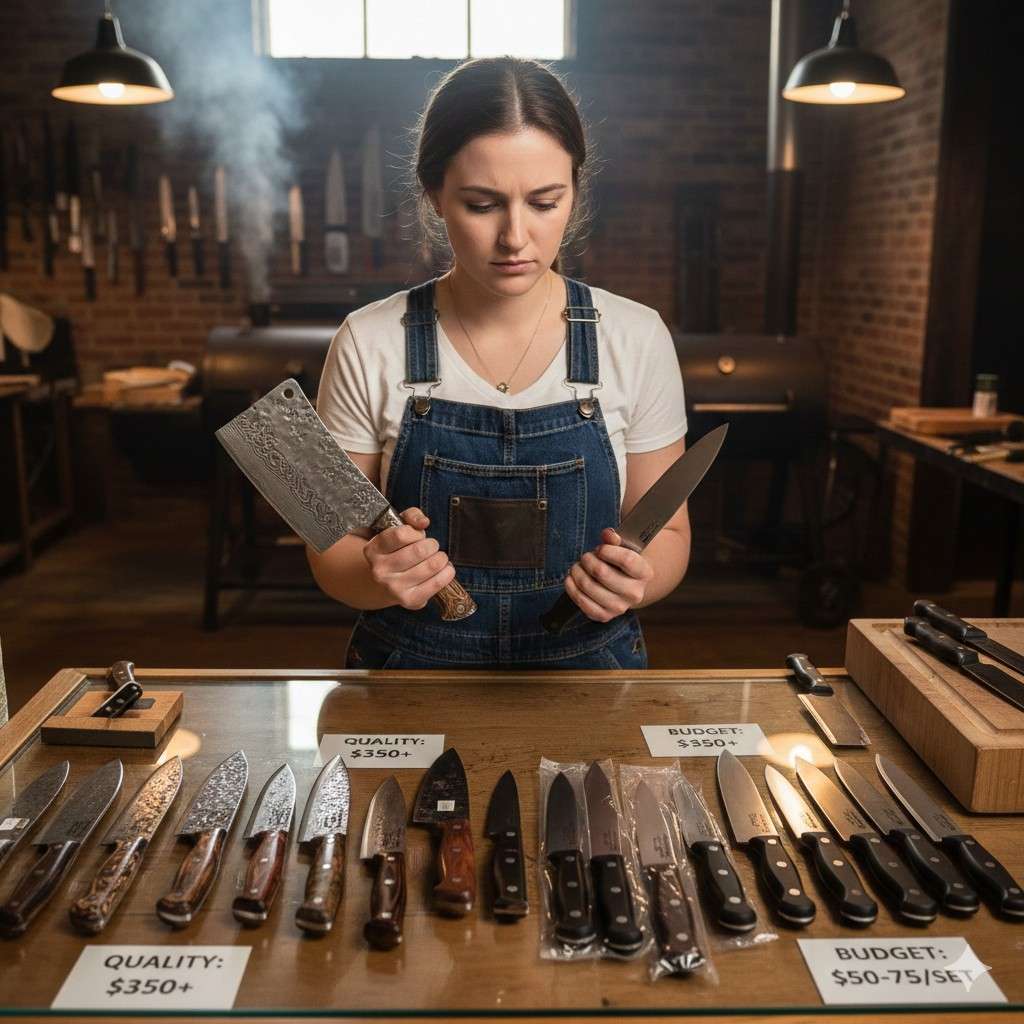
Investing in Quality vs. Budget Knives
Not every BBQ chef can – or should – buy premium knives right away, but understanding the quality spectrum helps make smart choices. Cheap knives can work in a pinch but often lose sharpness quickly, feel unbalanced, and fatigue your hands.
Mid-tier knives offer durability, decent steel, and ergonomic handles. Premium knives provide longevity, razor-sharp edges, and comfort designed for professional use. Consider your frequency of BBQ, volume of prep, and long-term goals before investing.
A quality knife might seem expensive upfront, but it pays off in time saved, safety, and satisfaction. Think of it like a good grill: a strong foundation sets the stage for better results, and a superior knife elevates every slice, chop, and carve.
Conclusion & Final Recommendations
BBQ is an art, and specialty knives are your brushes. From cleavers that chop effortlessly to fillet knives that glide through delicate cuts, having the right blade transforms prep, presentation, and pleasure.
If you take one thing from this guide: invest in quality, match knives to your style, and treat them well. Your meats will taste better, your prep will be faster, and you might just impress a few friends along the way.
Featured image credit: Mikhail Nilov
