
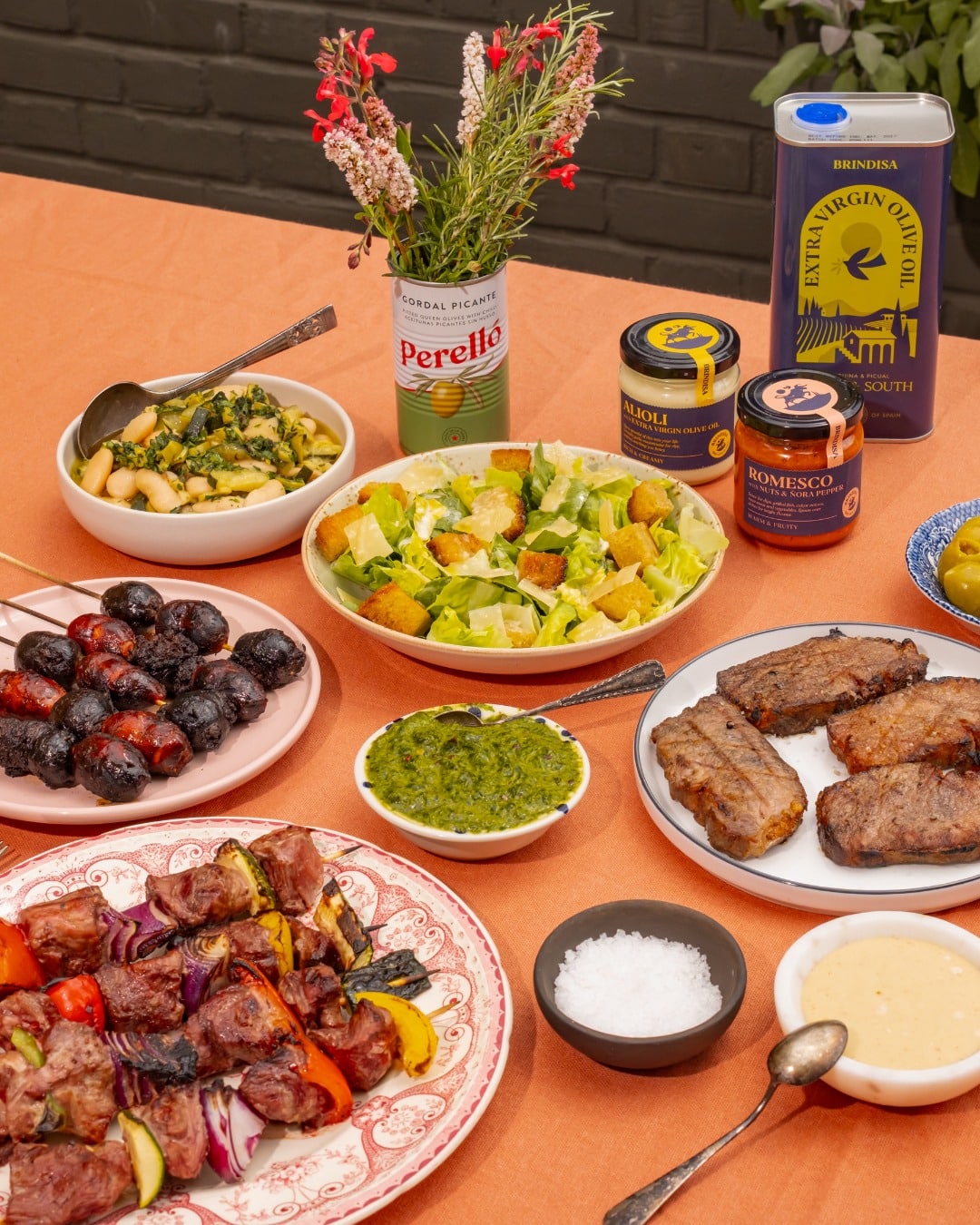
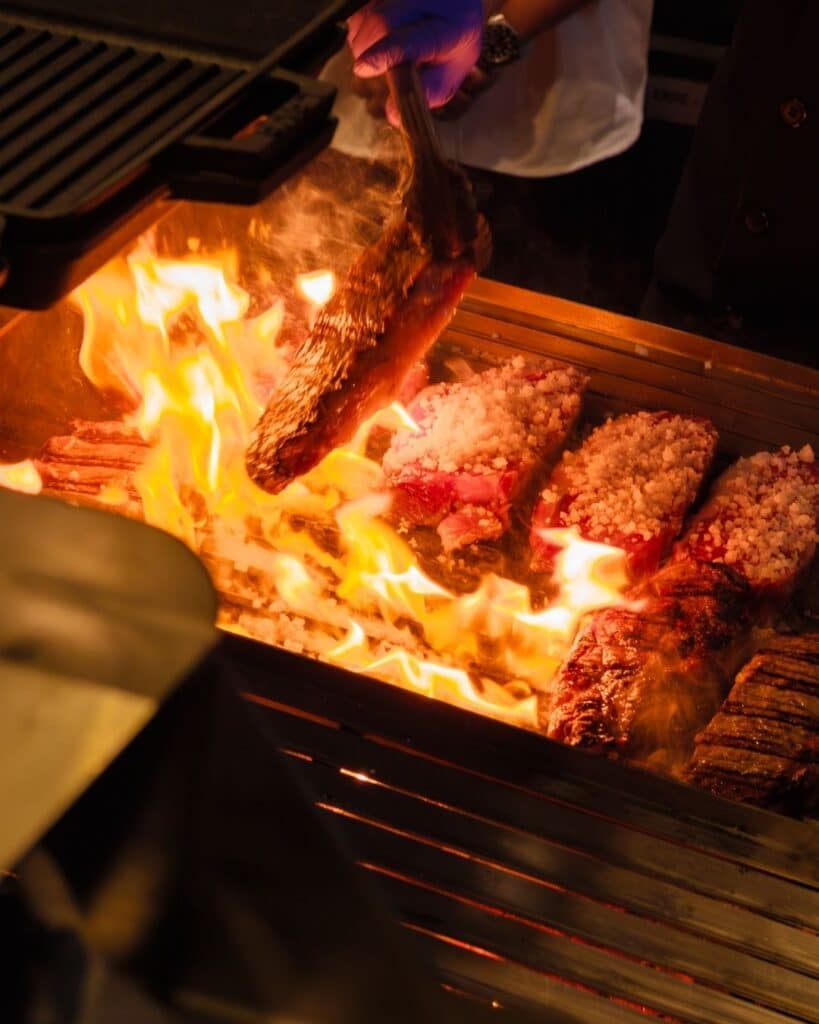
There’s something magical about the smell of food sizzling over an open flame. In Spain, BBQ isn’t just a way to cook; it’s a ritual, a celebration, and in many ways, a love letter to fire, flavor, and community.
From spicy chorizo sizzling on the grill to fire-roasted seafood kissed by the Mediterranean breeze, Spanish BBQ traditions are a blend of history, culture, and pure culinary joy.
As a pitmaster who’s spent years chasing the perfect grill marks, I can tell you – Spain does BBQ differently, and wonderfully so.
In this article, we’re going deep into the rich world of Spanish BBQ, exploring its origins, ingredients, techniques, regional quirks, and tips for bringing the magic home.
The Origins of Spanish BBQ
The story of Spanish BBQ begins long before backyard grills and gas burners. Imagine rustic villages, open fields, and family gatherings where cooking over fire was as much about survival as it was about flavor.
Spain’s grilling culture evolved from these early practices, heavily influenced by Mediterranean traditions – olive oil, seafood, fresh herbs, and a dash of fire.
The earliest BBQs were simple. Villagers would gather around open fires, roasting meats and fish while sharing stories and wine. Over time, these humble gatherings became more ceremonial.
Each region added its own spin, shaped by climate, geography, and local ingredients.
- In Andalusia, the coastline meant an abundance of fresh fish, giving rise to espeto-style sardine grilling over wood fires.
- In the Basque Country, the love of meat led to the development of parrilladas, large mixed grills that became social hubs.
- Catalonia leaned into sausages, roasted vegetables, and creative marinades, blending tradition with flair.
By the 20th century, Spanish BBQ was no longer just a meal; it was a cultural event. Families, friends, and communities gathered around the flame, sharing not only food but laughter, stories, and a sense of togetherness.
Key Ingredients in Spanish BBQ
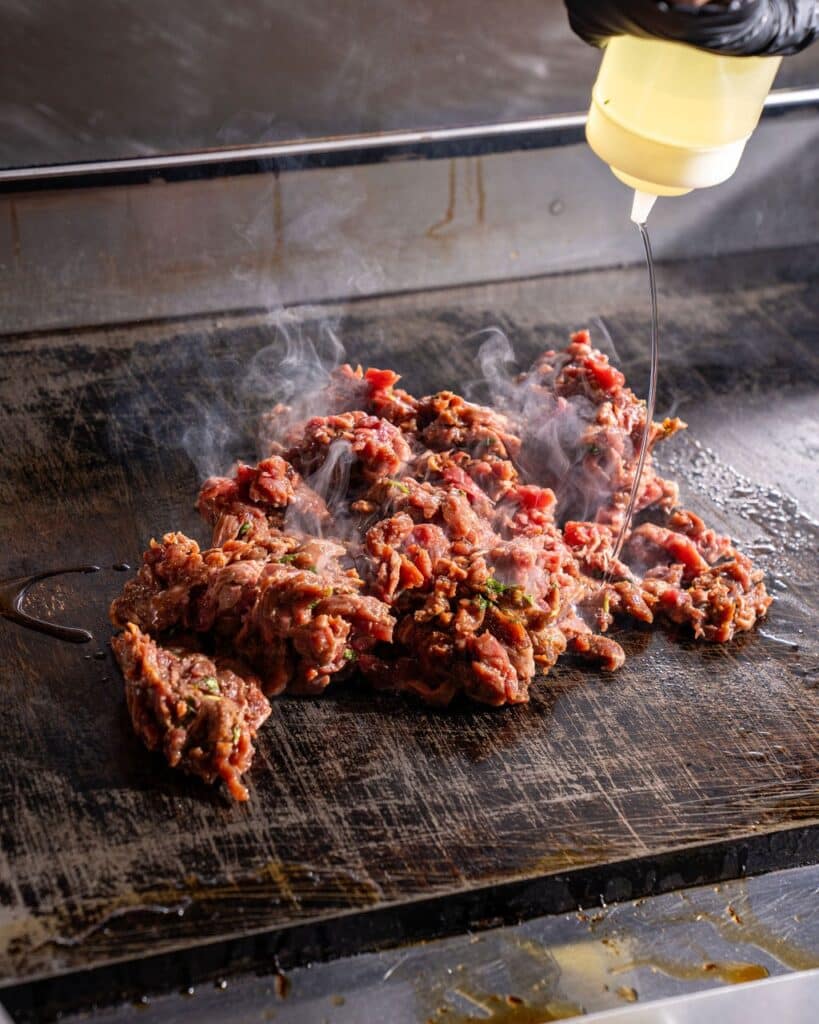
If Spanish BBQ were a song, its instruments would be chorizo, seafood, olive oil, and smoked paprika. The ingredients aren’t just tasty—they’re the backbone of the tradition.
Meats
- Chorizo: This smoky, paprika-laden sausage is a cornerstone of Spanish BBQ. Slice it, skewer it, or grill it whole. Its flavor is bold enough to stand on its own.
- Morcilla: Often called blood sausage, this rich and slightly sweet sausage is a specialty in northern Spain. Pair it with grilled vegetables, and you’re in heaven.
- Lamb and Pork: Simple cuts, seasoned with garlic, olive oil, and herbs, show how Spanish BBQ elevates humble ingredients.
- Chicken: Less common than pork or lamb, but when marinated with paprika and citrus, it sings.
Seafood
Spain’s coastline gifts us a treasure trove for fire-roasted seafood. Think sardines, prawns, and octopus, grilled until smoky and tender.
In Málaga, espetos – fish skewered on sticks and roasted over open flames – are almost a rite of passage for locals and tourists alike.
Seasonings and Accents
- Olive oil: The Mediterranean liquid gold, drizzled over seafood or brushed on meats.
- Smoked paprika (pimentón): Adds a signature depth and smokiness.
- Garlic and herbs: Simple yet effective, often rubbed onto meats before grilling.
Accompaniments
No Spanish BBQ is complete without:
- Pan con tomate: Rustic bread rubbed with garlic and fresh tomato.
- Roasted vegetables: Bell peppers, eggplant, and onions charred on the grill.
- Sherry or wine: Because even a casual BBQ deserves a sip of history.
The key here? Spanish BBQ isn’t about overcomplicating things. The ingredients are fresh, bold, and let the fire do the work.
Traditional Spanish BBQ Techniques
The technique is what separates a regular grill from a Spanish BBQ masterpiece. Here’s the lowdown from a pitmaster’s perspective:
Fire Types
- Wood: Gives that smoky, aromatic flavor that’s unmistakable.
- Charcoal: Classic, reliable, and perfect for slow, even cooking.
- Open-flame grilling: Great for seafood or quick-cooking cuts of meat.
Grill Styles
- Parrilla: A raised grill that lets the meat cook evenly over coals. Popular in the north and ideal for mixed meats.
- Barbacoa: The traditional method of slow-cooking meats over a covered pit—think tender, smoky perfection.
- Espetos: Skewered fish, usually sardines, roasted upright over wood flames along the coast of Andalusia.
Cooking Methods
- Direct heat: Quick sear, perfect for chorizo or thin cuts of meat.
- Indirect heat: Low-and-slow cooking, ideal for lamb or large cuts of meat.
- Searing first, resting later: Spanish BBQ masters often sear over high heat, then move the meat to cooler coals to finish.
Here’s a pitmaster tip: never rush a Spanish BBQ. The magic is in patience and respecting the fire. Treat your grill like a musical instrument – let it sing, and it will reward you.
Popular Spanish BBQ Dishes
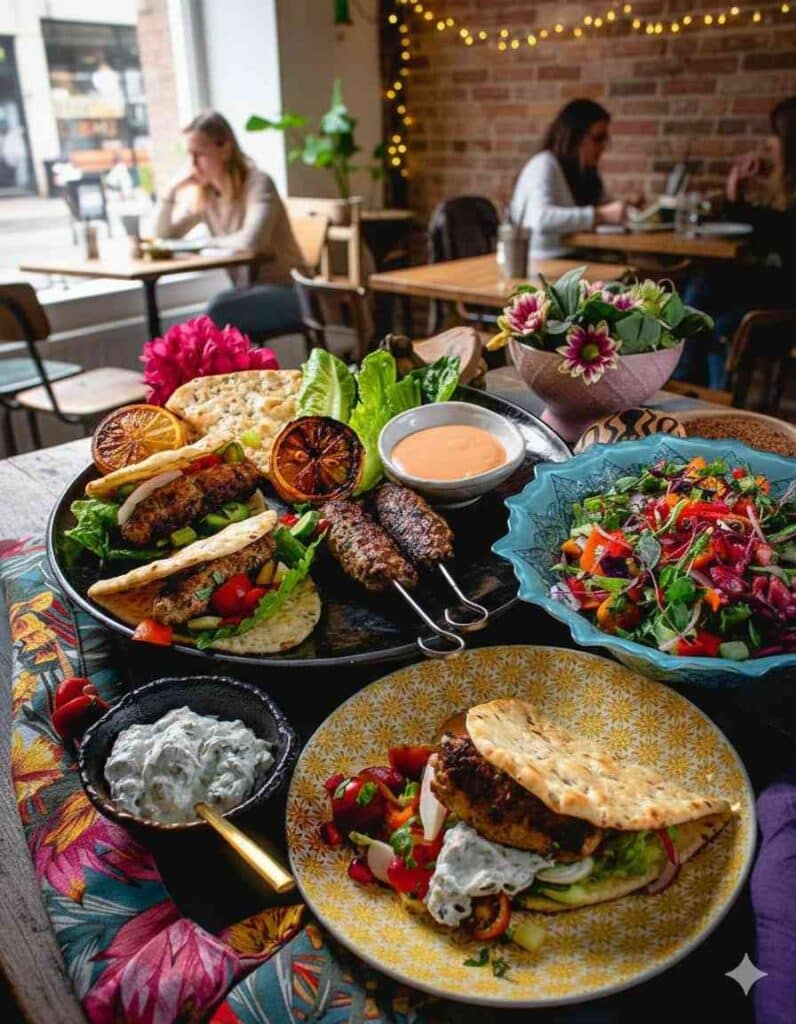
Let’s talk food. After all, Spanish BBQ isn’t just technique – it’s what hits the plate.
Chorizo on the Grill
- Slice it thick or skewer it whole.
- Brush lightly with olive oil.
- Grill over medium coals until the edges crisp and the fat sizzles.
- Fun tip: Let the fat drip onto vegetables – it’s pure flavor magic.
Fire-Roasted Seafood
- Sardines are king. Skewer them, sprinkle with salt, and roast until golden.
- Prawns love a quick char over high heat; drizzle with lemon before serving.
- Octopus? Boil first, then grill for that irresistible smoky texture.
Other Favorites
- Lamb chops: Marinated with garlic and rosemary, grilled to perfection.
- Pinchos morunos: Moorish-inspired skewers, often spiced with cumin and paprika.
- Grilled vegetables: Eggplants, bell peppers, and onions brushed with olive oil make the perfect sides.
The beauty of Spanish BBQ is simplicity done right. No complicated sauces, no fuss. Just fire, quality ingredients, and confidence.
Regional BBQ Traditions Across Spain
Spain’s regions are like chapters in a BBQ cookbook, each with its own flavor and flare.
Andalusia
- Known for espeto de sardinas – sardines skewered and roasted on beaches.
- Fires often open-air, with coals sourced locally.
- Pair with cold sherry or a crisp white wine.
Catalonia
- Famous for roasted meats and sausages at family gatherings.
- Emphasis on marinades with herbs, garlic, and sometimes wine.
- BBQs are often social events lasting hours, complete with music and chatter.
Basque Country
- Home of parrilladas, large grills hosting a variety of meats.
- Seafood is abundant, but meat often steals the show.
- Grill masters here are revered; they often control fire like conductors leading an orchestra.
Galicia
- Coastal, meaning seafood dominates.
- Shellfish, octopus, and fish are grilled over embers for a smoky, salty finish.
- Often enjoyed with simple sides – bread and olive oil.
The takeaway: Spanish BBQ isn’t one thing; it’s a spectrum of flavors shaped by geography, culture, and centuries of culinary tradition.
The Role of Wine and Spirits in Spanish BBQ
Spanish BBQ isn’t just about fire and food – it’s about pairing flavors with the right drinks.
The right beverage can elevate a grill session from delicious to unforgettable.
- Wine is central: Rioja and chilled Albariño enhance the smoky notes of grilled chorizo and balance fire-roasted seafood.
- Sherry on the coast: In Andalusia, locals sip fino or manzanilla alongside espetos, pairing nutty, dry flavors with smoky, salty sardines.
- Beer for contrast: Light, crisp lagers cut through fatty meats and refresh the palate.
- Cooking with alcohol: Some pitmasters add wine or sherry to marinades, tenderizing meat and seafood while boosting flavor.
Pairing fire, food, and drink isn’t just tradition – it’s a Spanish BBQ experience where every sip complements every bite.
The Art of Spanish BBQ Marinades
Spanish BBQ shines in its simplicity, but marinades are where subtle magic happens. They enhance flavor without overpowering the food.
- Classic base: Olive oil, smoked paprika, garlic, and fresh herbs.
- Seafood variations: Citrus or white wine adds brightness and delicate aroma.
- Meat marinades: Lamb or pork may soak in paprika, oregano, and a touch of vinegar for tender, flavorful results.
- Timing matters: Short marinades for seafood, longer for meats.
- Creativity is encouraged: Try adding chili, local spices, or a hint of honey to personalize dishes.
Mastering marinades lets your grill deliver the smoky, layered taste that makes Spanish BBQ iconic.
Cooking with Olive Wood and Aromatic Fires
The aroma of the fire is as important as the food in Spanish BBQ. Many pitmasters use olive or almond wood to impart a subtle, fruity smokiness.
- Seafood favorite: Sardines and prawns take on a flavor almost impossible to replicate otherwise.
- Herbal smoke: Throw rosemary or thyme onto embers to infuse meats and seafood with fragrant notes.
- Wood choice affects flavor:
o Oak = deep, bold smoke for meats
o Fruitwoods = lighter, sweeter smoke for seafood
- Control is key: Managing aromatic fires is part science, part ritual.
When done right, flavor and scent converge, creating dishes that are as much about the senses as they are about sustenance.

Spanish BBQ as a Social Celebration
In Spain, BBQ is never just about food – it’s a full social experience.
- Community gatherings: Seaside parties in Andalusia or backyard get-togethers in Catalonia.
- Music and laughter: Often as important as the meal itself.
- Communal cooking:
o One person tends the parrilla
o Another preps vegetables
o Someone else slices chorizo or arranges skewers
- Interactive serving: Guests help themselves directly from the grill.
- Festivals: Annual BBQ competitions showcase regional specialties.
Spanish BBQ is a celebration of community, tradition, and shared experience, proving great grilling is about connection, not just technique.
Grilling Vegetables and Plant-Based Spanish BBQ
Spanish BBQ isn’t only about meat and seafood – it’s a celebration of fresh vegetables and plant-based dishes.
- Classic veggies: Bell peppers, eggplants, onions, and asparagus, often charred to perfection.
- Regional favorite: Catalonia’s escalivada, roasted vegetables drizzled with olive oil and garlic.
- Skewered options: Lightly brushed with olive oil, paprika, or fresh herbs, providing flavor contrasts to richer meats.
- Modern adaptations: Grilled mushrooms, tofu, and hearty legumes using traditional marinades and fire techniques.
- Simple pleasures: Even lightly charred tomato-rubbed bread can steal the show.
Focusing on vegetables adds variety, color, and balance while staying true to Spanish BBQ’s core philosophy: let fresh ingredients shine over fire.
Spanish BBQ Etiquette and Tips for Guests
Attending a Spanish BBQ comes with unspoken rules that elevate the experience.
- Pace yourself: Spanish BBQs are slow, social, and intentional.
- Pitch in: Asking “Can I help with the grill?” is usually welcomed.
- Serving: Guests help themselves, but leaving leftovers untouched is frowned upon.
- Toasts and cheers: Wine or sherry punctuate the meal and celebrate community.
- Compliments count: Praise the cook on seasoning or fire control – it’s appreciated.
Understanding these nuances shows respect for Spanish BBQ traditions, turning a simple meal into a shared cultural experience where fire, food, and friendship all shine.
Modern Spanish BBQ Culture
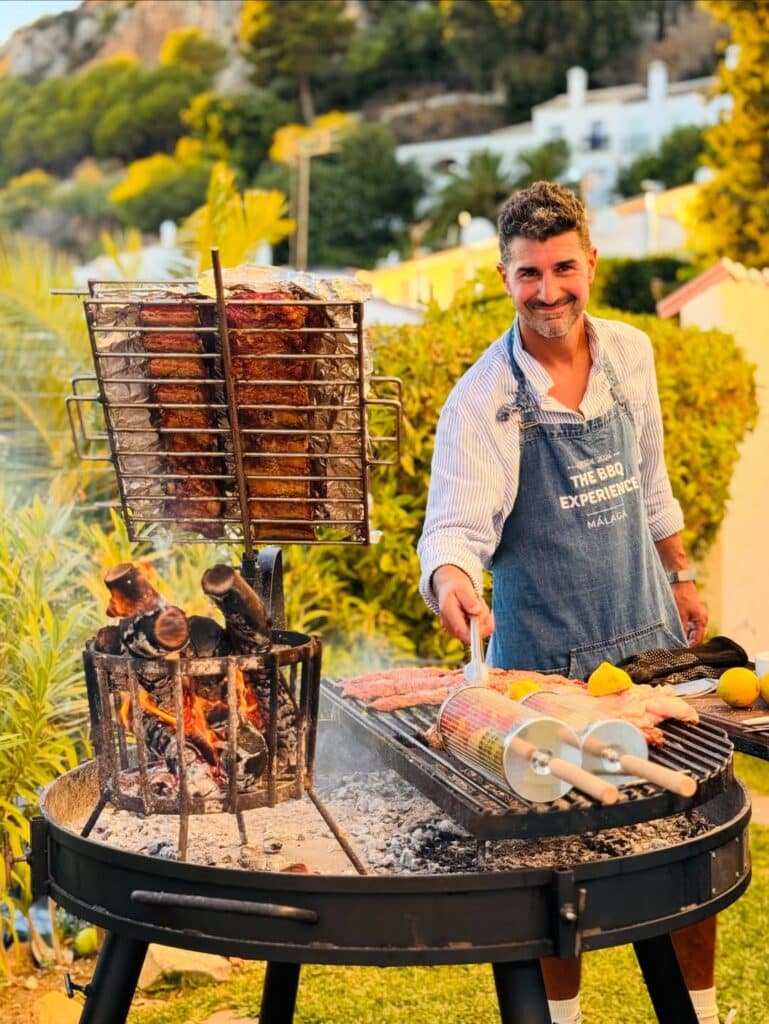
Today, Spanish BBQ thrives both in tradition and modern innovation.
- Urban BBQs: Terraces, rooftops, and small backyard grills bring Spanish BBQ into city life.
- Festivals: From coastal sardine grills to meat-centered parrilladas, Spain hosts celebrations that draw locals and tourists alike.
- Fusion influences: Modern chefs experiment with international spices while respecting traditional methods.
But the heart of Spanish BBQ remains social: it’s about sharing, laughing, and enjoying fire-cooked food with people you love.
Tips for Recreating Spanish BBQ at Home
Here’s where I put my pitmaster hat on. You don’t need a seaside village in Andalusia to enjoy Spanish BBQ.
- Choose your ingredients wisely: Authentic chorizo and fresh seafood are game-changers.
- Respect your fire: Whether wood or charcoal, let it settle before cooking.
- Keep it simple: Olive oil, paprika, and salt often outperform fancy marinades.
- Cook in stages: Sear first, then slow roast thicker cuts.
- Serve with style: Rustic bread, roasted vegetables, and a glass of wine complete the experience.
Bonus tip: If you nail sardines over an open flame, you’ll understand why Andalusians consider this an art form.
FAQ: Spanish BBQ Traditions
1. What makes Spanish BBQ different from other grilling styles?
Spanish BBQ emphasizes fresh, high-quality ingredients, simple marinades, and cooking over wood or charcoal flames. Seafood, chorizo, and regional specialties are often grilled slowly to develop smoky, layered flavors, making it as much about culture and community as about food.
2. Which meats and seafood are most common in Spanish BBQ?
Classic Spanish BBQ includes:
- Chorizo and morcilla (sausages)
- Lamb and pork cuts
- Coastal favorites like sardines, prawns, and octopus
Vegetables and skewered items often complement the main proteins.
3. What are some traditional Spanish BBQ techniques?
Key methods include:
- Parrilla: Raised grills for even cooking
- Espetos: Skewered fish roasted over open flames
- Barbacoa: Slow-cooked meats in a pit
Control of fire type, heat, and smoke is essential.
4. Can Spanish BBQ be done at home?
Absolutely. Focus on fresh ingredients, simple marinades, and olive or fruitwood smoke if possible. Grilling chorizo, seafood, or vegetables over charcoal or wood captures the authentic Spanish BBQ flavor.
5. Is Spanish BBQ only about meat and seafood?
Not at all! Vegetables like bell peppers, eggplants, and onions are grilled or roasted, often paired with olive oil and herbs. Modern pitmasters also experiment with plant-based dishes while keeping the fire-centered cooking tradition alive.
Buen Provecho (Enjoy Your Meal)!
Spanish BBQ is more than a way to cook – it’s a celebration of flavor, fire, and togetherness. From sizzling chorizo to fire-roasted seafood, every dish tells a story, every grill carries history, and every bite delivers joy.
Whether you’re in Málaga, Madrid, or your backyard halfway across the world, Spanish BBQ invites you to slow down, respect the fire, and savor the richness of Spanish culinary tradition.
So fire up that grill, grab some chorizo and sardines, and experience a little bit of Spain in your own backyard. Your taste buds – and your guests – will thank you.
Featured image credit: @brindisaspanishfoods
