
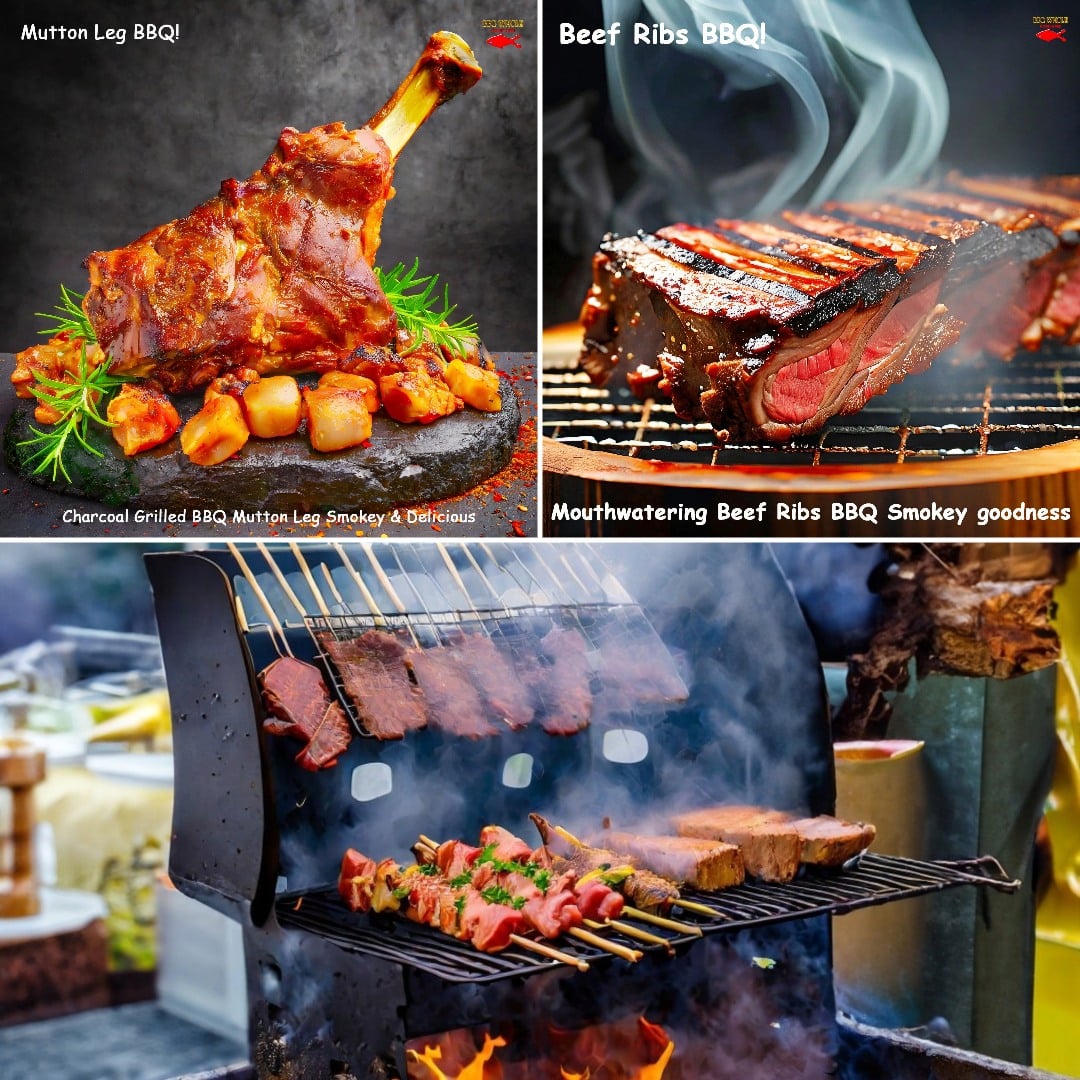
Few cooking experiences feel as primal – or as magical – as lowering a chile-marinated goat into a slow-burning pit and letting smoke, time, and patience take over.
I’ve cooked a lot of meat in my life, but BBQ goat done right sits in a league of its own.
It’s rustic. It’s bold. And when you nail it, it’s the kind of dish people talk about for years.
This isn’t backyard burger grilling. This is low-and-slow pit cooking, where hardwood smoke wraps itself around deeply marinated meat until it turns meltingly tender.
If you’ve never made BBQ goat, don’t worry – I’ll walk you through it like I’m standing next to you with a cold drink and a shovel.
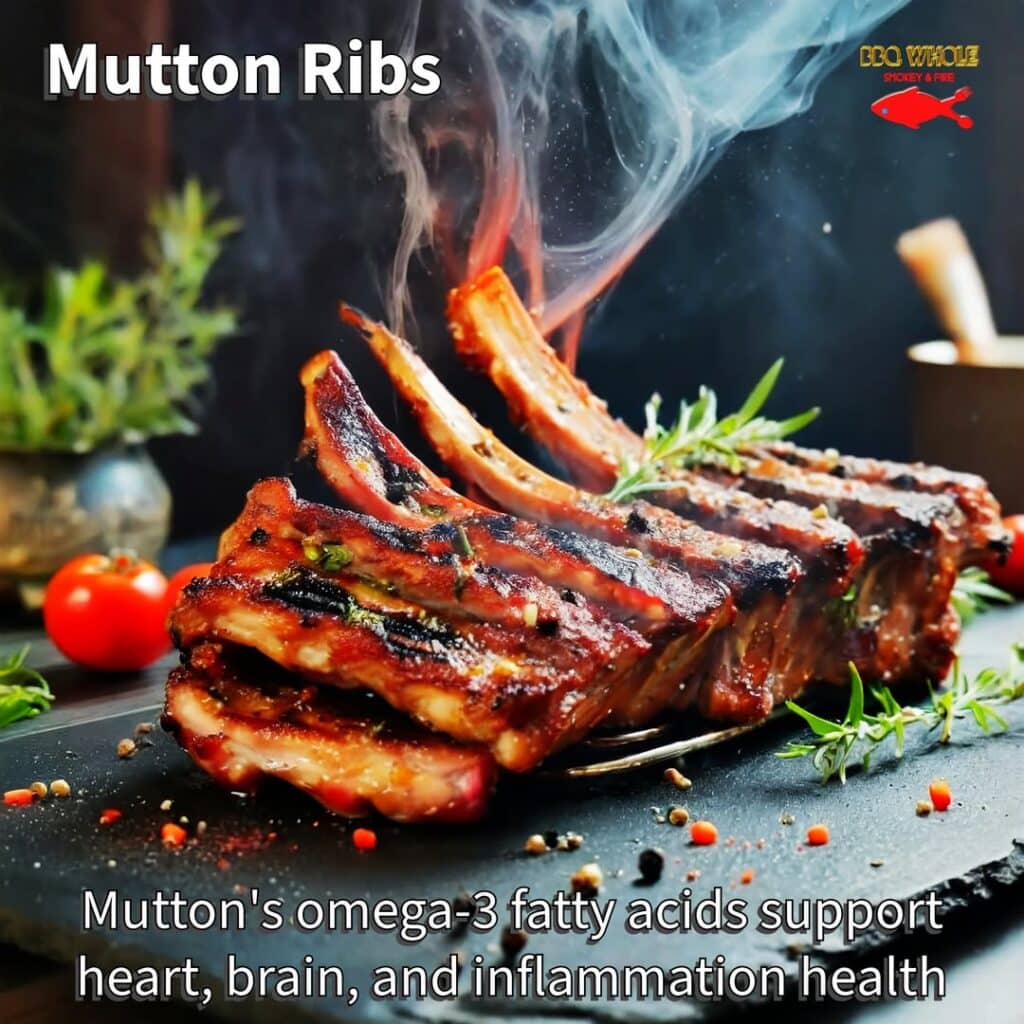
Why BBQ Goat Deserves Your Fire Pit
Goat has been pit-roasted for centuries across the Caribbean, Mexico, and the American South.
And here’s why: it thrives with bold flavors and slow heat.
When treated right, BBQ goat is:
- Rich but not heavy
- Deeply savory with a subtle sweetness
- Perfect for absorbing smoky chile heat
- Incredibly tender when cooked low and slow
If someone tells you goat is “too gamey,” that just means it wasn’t cooked properly. The combination of a bold chile marinade and long pit time transforms it into something extraordinary.
Choosing the Right Goat: Age, Size, and Why It Matters
Not all goat is created equal. If you want unforgettable BBQ goat, start by choosing the right animal. The sweet spot? Young goat (cabrito or chevon) in the 6–9 month range. It’s tender, mild, and ideal for slow pit cooking.
Older goat can be delicious, but it requires longer cooking and a more aggressive marinade to soften its stronger flavor.
Look for light pink to red meat with creamy white fat. Avoid dark, dry-looking cuts – that usually means age or poor handling. Bone-in shoulder remains the gold standard because it offers the perfect ratio of fat, connective tissue, and flavor.
And here’s a pitmaster truth: the quality of your fire can’t fix poor-quality meat. Start strong. A well-raised goat with good marbling makes all the difference between “pretty good” and “who made this?!”
Managing Smoke Like a Pro
Smoke can elevate your BBQ goat – or completely overpower it. The key is understanding clean smoke vs. dirty smoke. You’re aiming for thin, almost invisible blue smoke. Thick white smoke? That’s bitterness waiting to happen.
Hardwoods like oak for balance, hickory for boldness, or mesquite for intensity work beautifully. But moderation is everything. Goat absorbs smoke quickly, especially over a 6-hour cook. Feed the fire gradually. Small chunks. Steady heat.
If your smoke smells sharp or acrid, your meat will taste the same. Smoke should smell slightly sweet and woody – something that makes your stomach growl.
Think of smoke as seasoning, not a blanket. You want it woven into the meat, not sitting on top of it like a campfire accident.
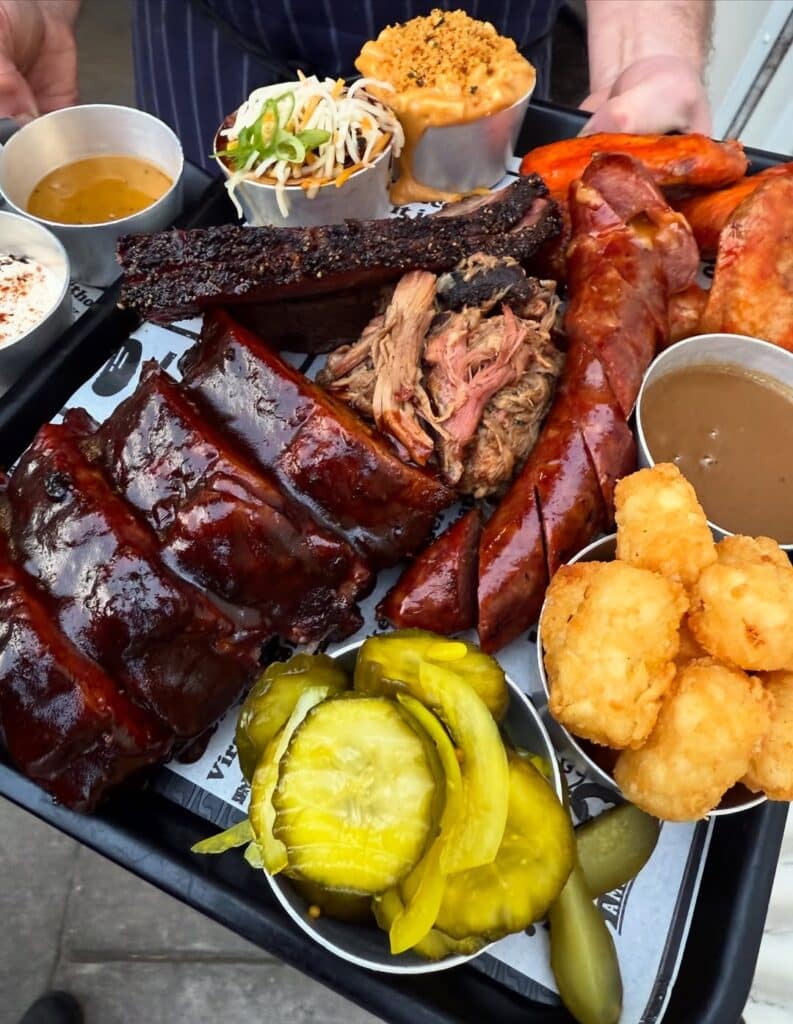
The Science Behind Low-and-Slow
Let’s talk meat science – but keep it practical.
Goat shoulder is loaded with collagen and connective tissue. At around 160°F, collagen begins to break down. But it isn’t until you hit 195–205°F that it fully transforms into gelatin. That’s what gives you that buttery, pull-apart texture.
If you rush it and pull the goat early, you’ll get tough, chewy meat. Stay patient, and you’ll be rewarded with silk.
Low-and-slow cooking also allows the marinade’s acids and spices to continue penetrating while the fat renders gradually. That slow rendering bastes the meat internally.
Barbecue isn’t guesswork – it’s controlled chemistry powered by time and heat. Respect the process, and your BBQ goat will repay you with texture that feels almost luxurious.
Building Flavor Layers After the Pit
Here’s something most people overlook: finishing techniques.
Once your BBQ goat is shredded, you have an opportunity to elevate it even further. A light drizzle of reserved warmed marinade (fully cooked first) can intensify flavor. A squeeze of fresh lime brightens the smoke. A pinch of flaky salt wakes everything up.
You can even toss the shredded meat briefly onto a hot grill or cast-iron surface to create crispy caramelized edges – think texture contrast. Soft interior, crispy bits outside.
Layering flavor after cooking is what separates good barbecue from great barbecue. Smoke gives depth. Acid gives balance. Salt gives clarity.
It’s like turning up the volume on a song that was already good – suddenly everything hits harder.
Hosting a Pit Goat Feast
Cooking BBQ goat isn’t just dinner – it’s an event. Lean into that. Build anticipation. Let guests smell the smoke. Let them ask questions. Barbecue is interactive theater.
Set up a simple serving station with:
- Warm tortillas
- Fresh herbs
- Pickled onions
- Charred salsa
- Cooling crema
Keep it communal. Let people build their own plates. That hands-on experience makes the meal memorable.
And here’s the real secret: the long cook time gives you space to relax. Fire’s steady. Goat’s wrapped. Drink in hand. That’s the beauty of pit cooking – it slows everyone down.
When you unveil that tender, smoky goat, you’re not just serving food. You’re delivering a moment. And those are what people come back for.
What Makes This BBQ Goat Special
Here’s the secret most people miss:
- Balanced chile marinade
- True low-and-slow pit cooking
- Bone-in cuts
- Proper resting time
That combination turns a tough cut into smoky silk.
And the aroma when you unwrap it? That’s the kind of smell that makes neighbors suddenly “just happen” to walk by.
How to Serve It Like a Pitmaster
Shred the meat and hit it with a light sprinkle of salt while it’s hot.
Serve with:
- Warm tortillas
- Fresh cilantro
- Pickled red onions
- Grilled corn
- Lime wedges
Or pile it onto a platter and let people build their own plates. BBQ goat is a celebration dish. It’s not meant to be eaten alone over the sink (though I won’t judge you if you sneak a bite).
Storage & Reheating (If There’s Any Left)
Store leftovers in an airtight container for up to 4 days. It freezes beautifully for up to 3 months.
To reheat, add a splash of broth and warm gently. High heat is the enemy now. We worked too hard to dry it out.
Pitmaster Closing Remarks
Cooking BBQ goat in a pit isn’t just a recipe – it’s an experience. It slows you down. It makes you pay attention. It reminds you that great food takes time.
The bold chile marinade gives you heat and depth. The pit gives you smoke and tenderness. Together, they create something unforgettable.
And when someone takes a bite and goes quiet for a second before saying, “Wow”… that’s when you know you did it right.
Now grab a shovel, light some hardwood, and make some BBQ goat worth bragging about.
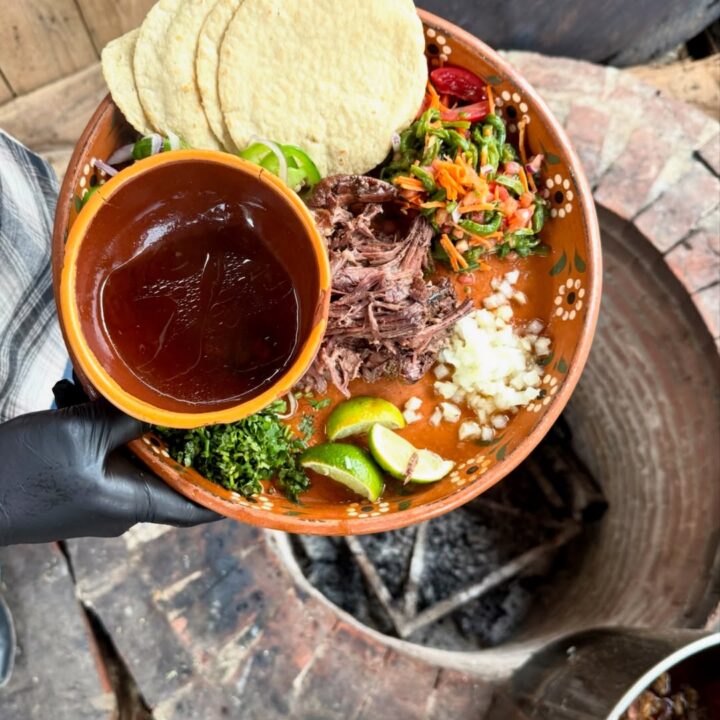
Slow-Cooked Pit BBQ Goat in Bold Chile Marinade Recipe
Image credit: @cantina.la.martina.philly
Ingredients
The Goat
- Use 6–8 pounds of bone-in goat shoulder or leg. Bone-in is key. The bones add flavor and help retain moisture during the long cook.
Season simply with:
- Kosher salt
- Fresh cracked black pepper
The Bold Chile Marinade
- Dried guajillo chiles
- Dried ancho chiles
- 1–2 chipotles in adobo
- 4 garlic cloves
- 1 small white onion
- Juice of 2 limes (or apple cider vinegar)
- 2 tablespoons olive oil
- Ground cumin
- Mexican oregano
- Smoked paprika
- Optional pinch of cinnamon
Instructions
The goal? Layered heat, not face-melting fire. Think depth, not chaos.
Step 1: Build the Marinade Like You Mean It
Toast the dried chiles lightly in a dry pan – just until fragrant. If they start smoking like they owe you money, pull them off. Soak them in hot water for 15 minutes until soft.
Blend the softened chiles with garlic, onion, lime juice, oil, and spices until smooth. Taste it.
This is important.
It should be:
- Smoky
- Earthy
- Bright from acidity
- Gently spicy
If it tastes flat, add salt. If it tastes muddy, add a squeeze more lime.
A marinade is like a good band – if one instrument is off, you’ll hear it later.
Step 2: Marinate the Goat Overnight (Patience Pays)
Pat the goat dry and score the thicker areas so the marinade can work its way in. Coat every inch generously.
And I mean generously. Massage it in. Get into every crevice.
Wrap tightly and refrigerate for at least 8 hours – 24 is better.
This is where the transformation begins. The acid tenderizes. The chiles penetrate. The aromatics settle in. By morning, that goat will already smell incredible.
Step 3: Prepare the Pit
Now we get to the fun part.
If you’re digging a ground pit, line it with stones if possible. Build a charcoal base and let it burn down to glowing embers. Add hardwood – oak, mesquite, or hickory work beautifully.
You want a steady temperature between 250–275°F.
Low and slow wins every time. If your pit runs too hot, you’ll tighten the meat instead of relaxing it. Think gentle persuasion, not interrogation.
Step 4: Wrap and Lower
Wrap the marinated goat in banana leaves or heavy-duty foil. Banana leaves add subtle aroma, but foil works just fine.
Place it over indirect heat in the pit. Cover tightly with a metal sheet or lid. If it’s a ground pit, seal it up with dirt.
Then leave it alone.
Yes, I know it’s tempting to peek. Don’t. Every time you open the pit, you lose heat and smoke.
Cook for 5 to 7 hours, depending on size.
Step 5: Know When It’s Done
This is where beginners panic.
Use a thermometer if you like numbers – you’re aiming for 195–205°F internal temperature.
But more importantly:
The meat should pull apart easily with almost no resistance.
When you lift it, it should feel relaxed, like it’s given up in the best possible way.
Let it rest 30 minutes before shredding. Resting isn’t optional. It’s the difference between juicy and dry.
Featured image credit: @bbqwhole
