
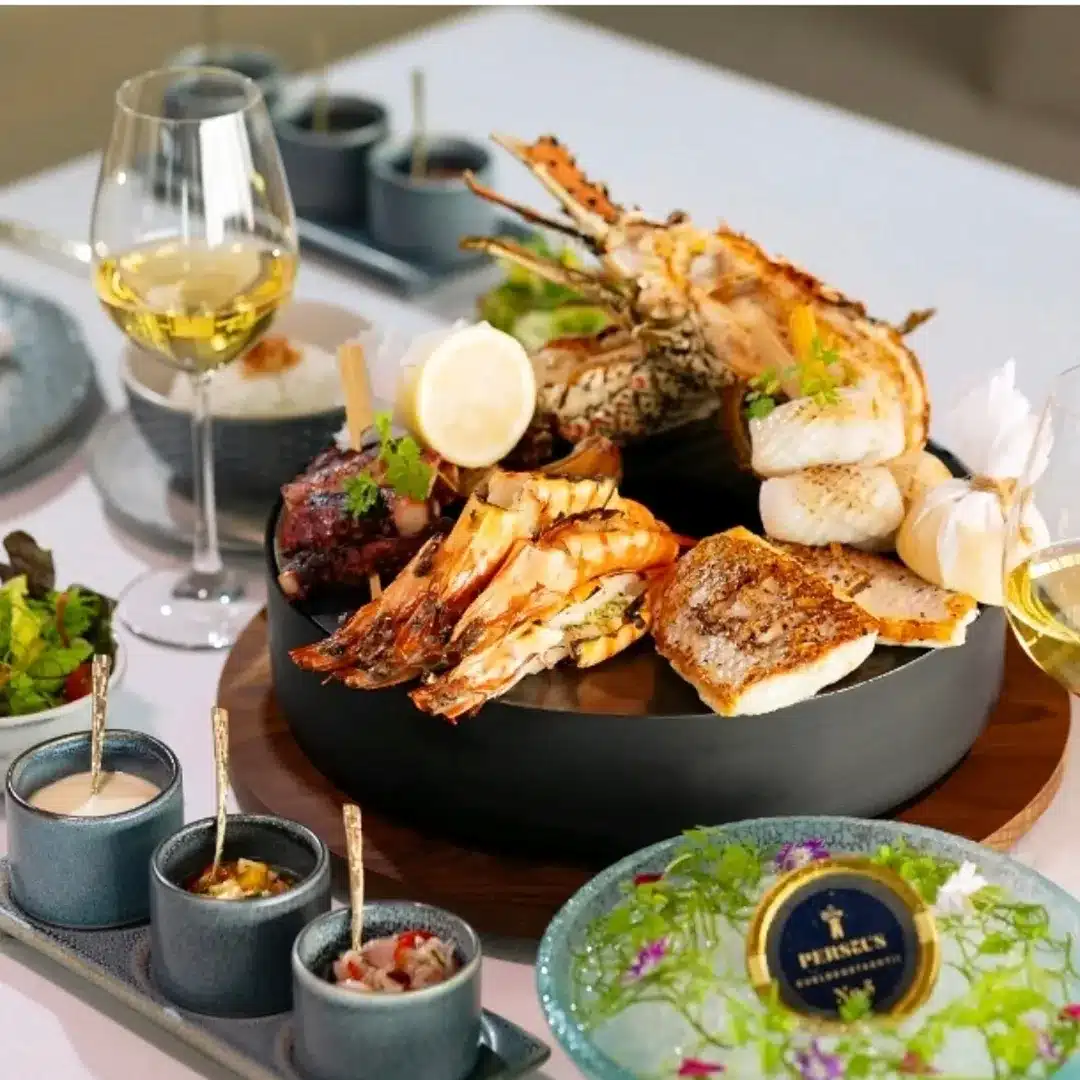
Between offset smokers, live coals, and cast-iron pans that could serve as weapons, fire has shaped every meal I’ve ever made. And if there’s one thing I hear all the time, it’s this:
“I can grill a steak blindfolded, but seafood scares me.”
Somewhere along the way, fish got labeled as fragile, temperamental, and one wrong move away from disaster. Meanwhile, chicken survives being cooked to the texture of drywall and still gets invited back to dinner.
Here’s the truth from a guy who’s burned, undercooked, and overthought just about everything: a lot of seafood is easier to cook than meat. It cooks faster, needs less seasoning, and usually tells you when it’s done. If anything, seafood is honest.
Overcook it and it tattles. Cook it right and it rewards you immediately.
This list isn’t for SpongeBob flipping Krabby Patties under the sea, Ariel singing while ignoring food safety, or Aquaman talking to fish instead of cooking them. This is for real people in real kitchens who want big flavor without culinary anxiety.
If you’ve ever wanted to cook seafood without sweating through your apron, start here.
How to Pick Fresh Seafood Without Stress
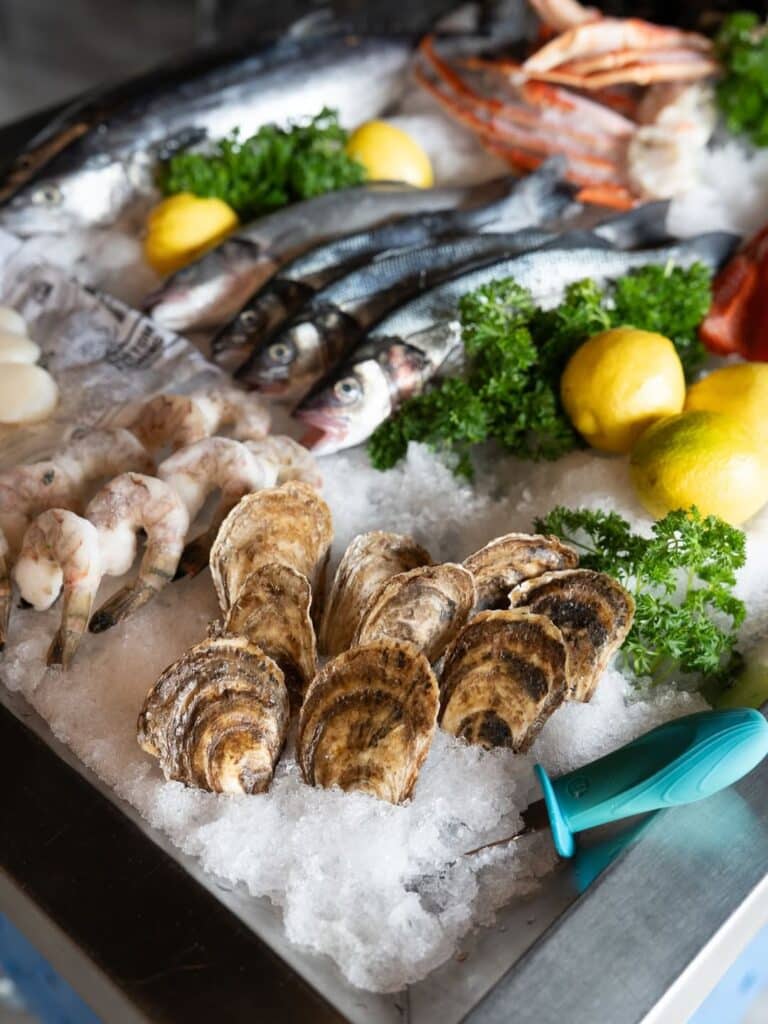
Buying seafood doesn’t have to feel like a scavenger hunt through the ocean. Freshness is your first ingredient – and it’s easier to identify than you think.
Look for bright eyes on whole fish, firm flesh that springs back when touched, and a mild ocean scent, not anything “fishy.”
Shellfish like clams and mussels should have closed shells, which means they’re still alive and healthy. Shrimp should look plump and translucent, while salmon fillets need vivid color and a slightly glossy surface.
Shopping at reputable markets or asking the fishmonger questions like “When did this arrive?” is not just smart – it’s your cheat code for seafood that practically cooks itself. Master these little tricks and suddenly the fear of buying fish disappears.
Even Aquaman would give you a nod for knowing your way around the seafood aisle.
The Secret Life of Seafood Textures
One reason people get scared of seafood is texture anxiety – that weird rubbery bite, mushy fish, or stringy calamari. But here’s the truth: every seafood type has its own personality, and once you understand it, cooking becomes intuitive.
Shrimp and scallops are tender yet resilient; salmon and trout are buttery and forgiving; mussels and clams open up when ready, practically telling you “I’m done.” Even squid is a lesson in timing: fast and brief or long and slow, and it transforms completely.
Paying attention to how seafood feels, flakes, or curls gives you instant feedback while cooking. Understanding these textures makes seafood less intimidating and more like a puzzle you can solve.
Once you’re in sync with it, you’ll start noticing subtle nuances – like buttery halibut versus delicate cod – and cooking becomes a fun experiment, not a gamble.
1. Shrimp
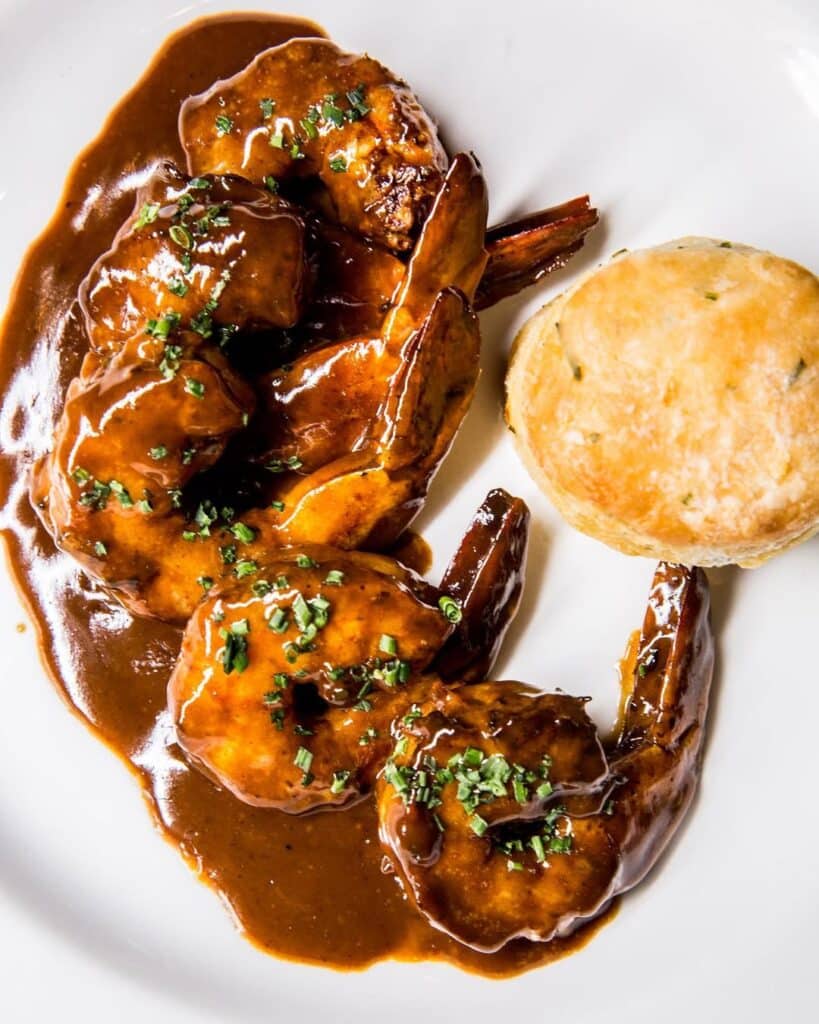
If seafood had a gateway drug, shrimp would be it.
- Cooks in 2–3 minutes
- Turns pink when done (thank you, visual cues)
- Works in pasta, tacos, stir-fries, grills – whatever’s nearby
Shrimp is forgiving, fast, and hard to mess up unless you walk away and forget you turned the stove on. I’ve cooked shrimp at backyard cookouts while juggling a beer and a bad playlist – still came out great.
Key takeaway: If you can sauté garlic, you can cook shrimp.
Mini recipe
Ingredients: 12 large shrimp, 2 tbsp butter, 2 garlic cloves (minced), salt, pepper, squeeze of lemon
Instructions:
- Melt butter in a skillet over medium heat.
- Add garlic, cook 30 seconds.
- Add shrimp, season with salt and pepper.
- Cook 2–3 minutes per side until pink.
- Squeeze lemon over top and serve.
2. Salmon
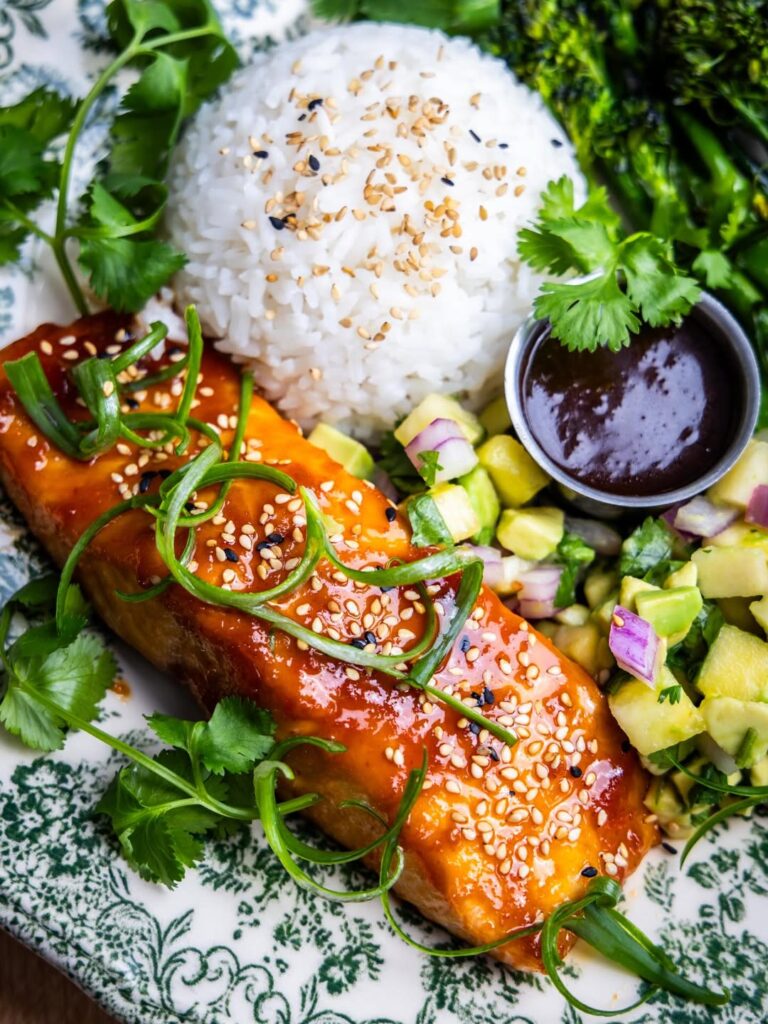
Salmon is the ribeye of seafood – rich, fatty, and hard to ruin.
That natural oil keeps it moist even if you overshoot the cook by a minute or two. Pan-sear it, roast it, or throw it on the grill skin-side down and let it ride.
Bonus confidence boost: Salmon doesn’t flake into sadness when touched. It holds together like it knows what it’s doing.
Key phrase:Buttery, bold, beginner-proof seafood.
Mini recipe
Ingredients: 1 salmon fillet, salt, pepper, olive oil, lemon slice
Instructions:
- Season salmon with salt and pepper.
- Heat oil in a skillet over medium-high heat.
- Place salmon skin-side down for 4–5 minutes, flip, cook 2–3 more minutes.
- Serve with lemon.
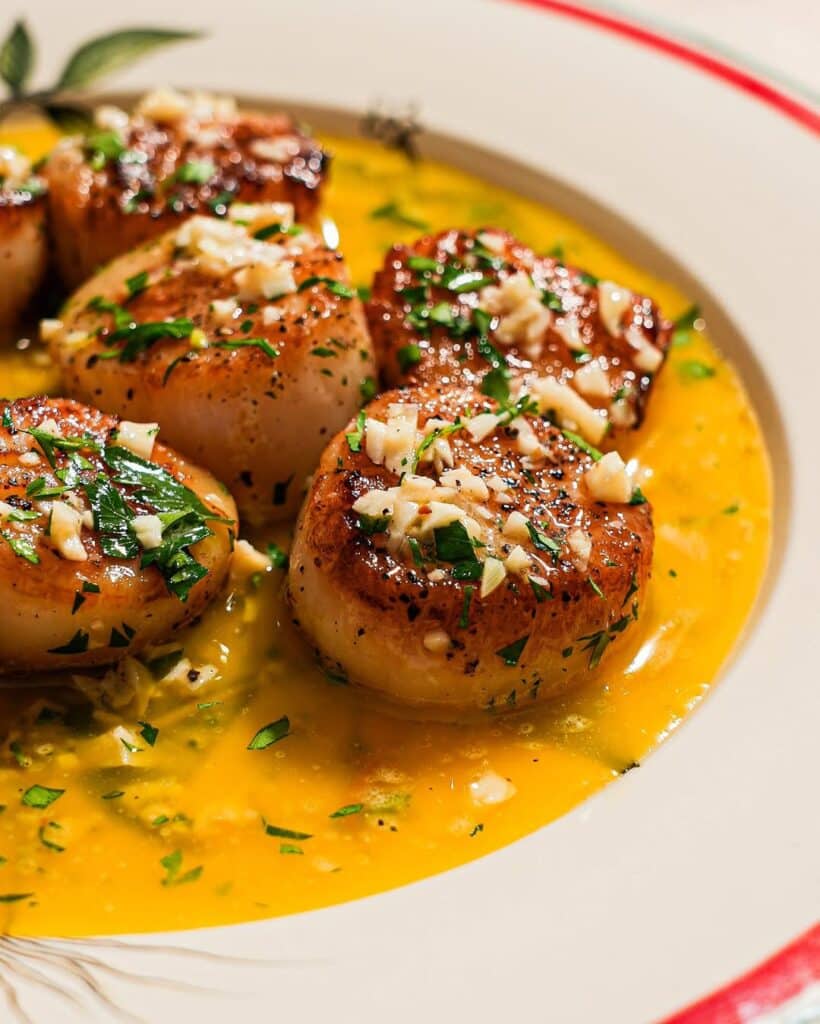
3. Scallops
Scallops look fancy, which is hilarious because they’re basically introverts who hate being cooked too long.
Here’s the trick:
- Pat them dry
- Hot pan
- Don’t touch them for 90 seconds
That’s it. Golden crust. Sweet interior. Restaurant vibes at home.
Important note: Overcook them and they turn into erasers. Cook them right and you’ll feel smug for the rest of the evening.
Mini recipe
Ingredients: 6 large scallops, salt, pepper, 1 tbsp olive oil, 1 tbsp butter
Instructions:
- Pat scallops dry and season with salt/pepper.
- Heat oil in a skillet until hot.
- Sear scallops 2 minutes per side.
- Add butter for the last 30 seconds.
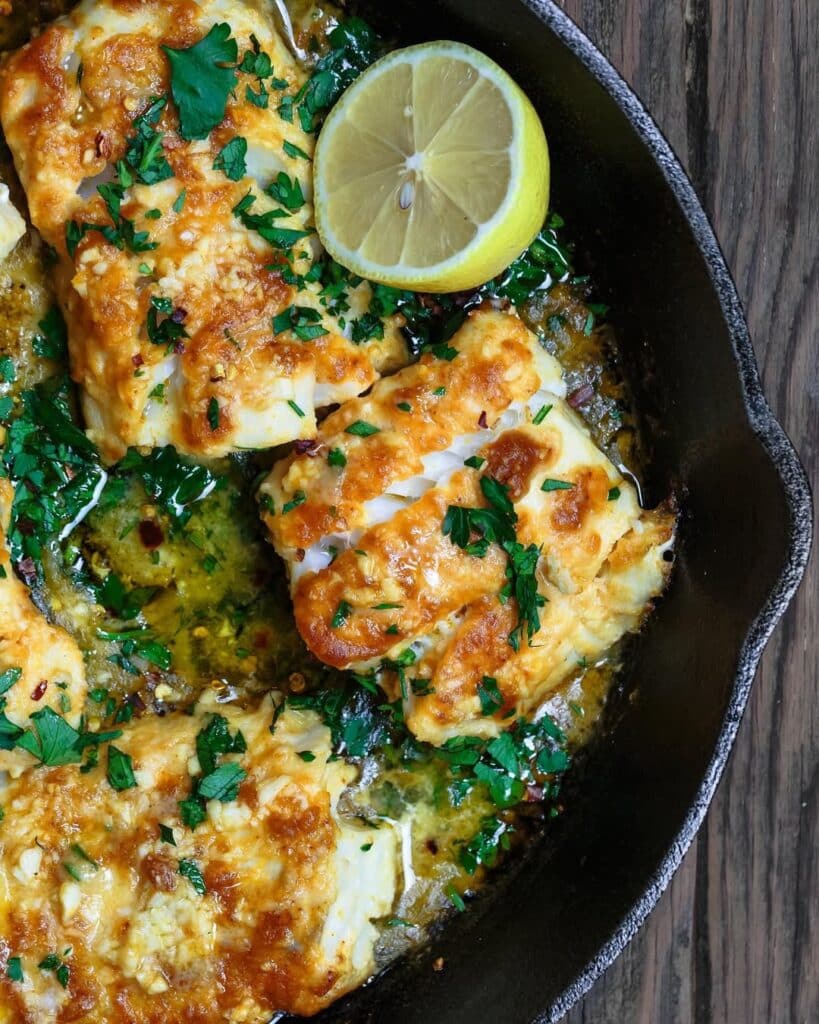
4. Cod
Cod is the seafood equivalent of a clean white T-shirt.
- Mild flavor
- Flaky texture
- Doesn’t fight back
Bake it, fry it, or drop it into tacos. Cod is ideal if you’re easing into seafood and don’t want to feel like you’re eating the ocean.
Key point:Cod is seafood for people who “don’t like fish.”
Mini recipe
Ingredients: 1 cod fillet, 1 tbsp olive oil, salt, pepper, paprika
Instructions:
- Preheat oven to 400°F (200°C).
- Place cod on a baking sheet, drizzle with olive oil, season.
- Bake 12–15 minutes until fish flakes easily.
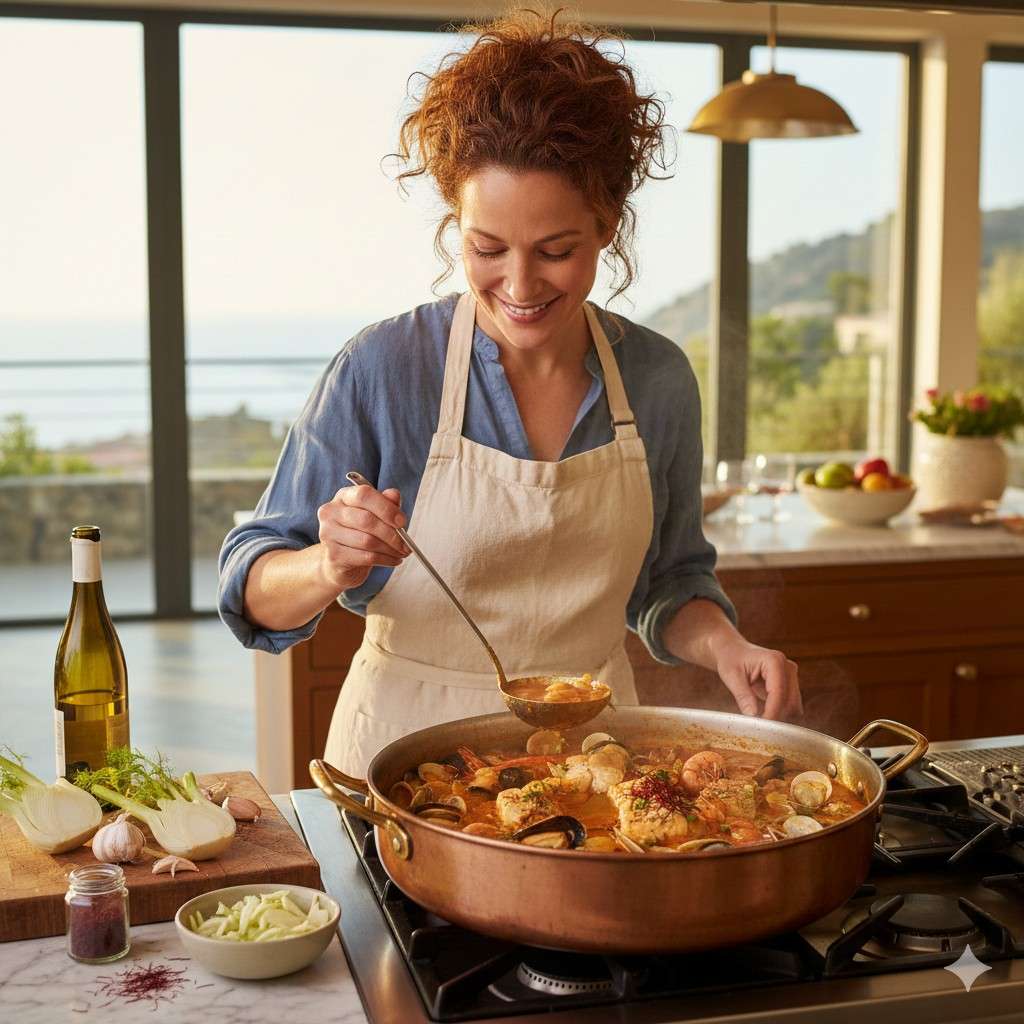
5. Crab
Crab feels intimidating until you realize most of it is already cooked for you.
You’re not really “cooking” crab – you’re warming it up and staying out of its way. Toss it into pasta, fold it into cakes, or just drown it in butter and call it a win.
If seafood had a luxury shortcut, crab would be it.
Mini recipe
Ingredients: ½ cup cooked crab meat, 2 tbsp butter, 1 garlic clove (minced), ½ cup cooked pasta
Instructions:
- Melt butter in skillet, add garlic and sauté 30 seconds.
- Add crab meat, toss for 2 minutes.
- Mix in cooked pasta and serve.
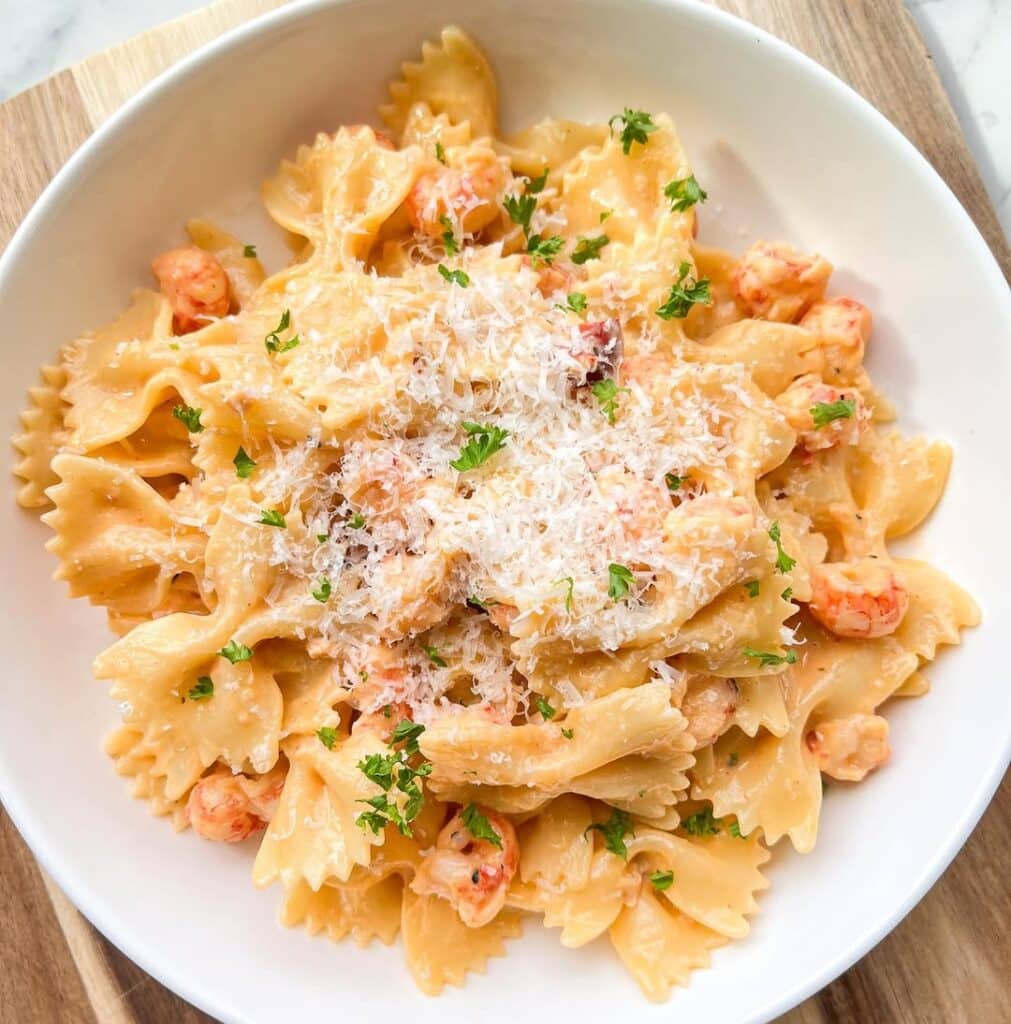
6. Lobster
Lobster’s reputation is scarier than the actual process.
Boil. Bake. Grill. Done.
The flavor is so rich that you don’t need to season aggressively or do anything fancy. Butter shows up, lobster does the rest.
Chef’s truth: Lobster is mostly about confidence and timing – not skill.
Mini recipe
Ingredients: 1 lobster, water, salt, 2 tbsp butter
Instructions:
- Bring salted water to a boil.
- Add lobster, cook 8–12 minutes depending on size.
- Serve with melted butter.
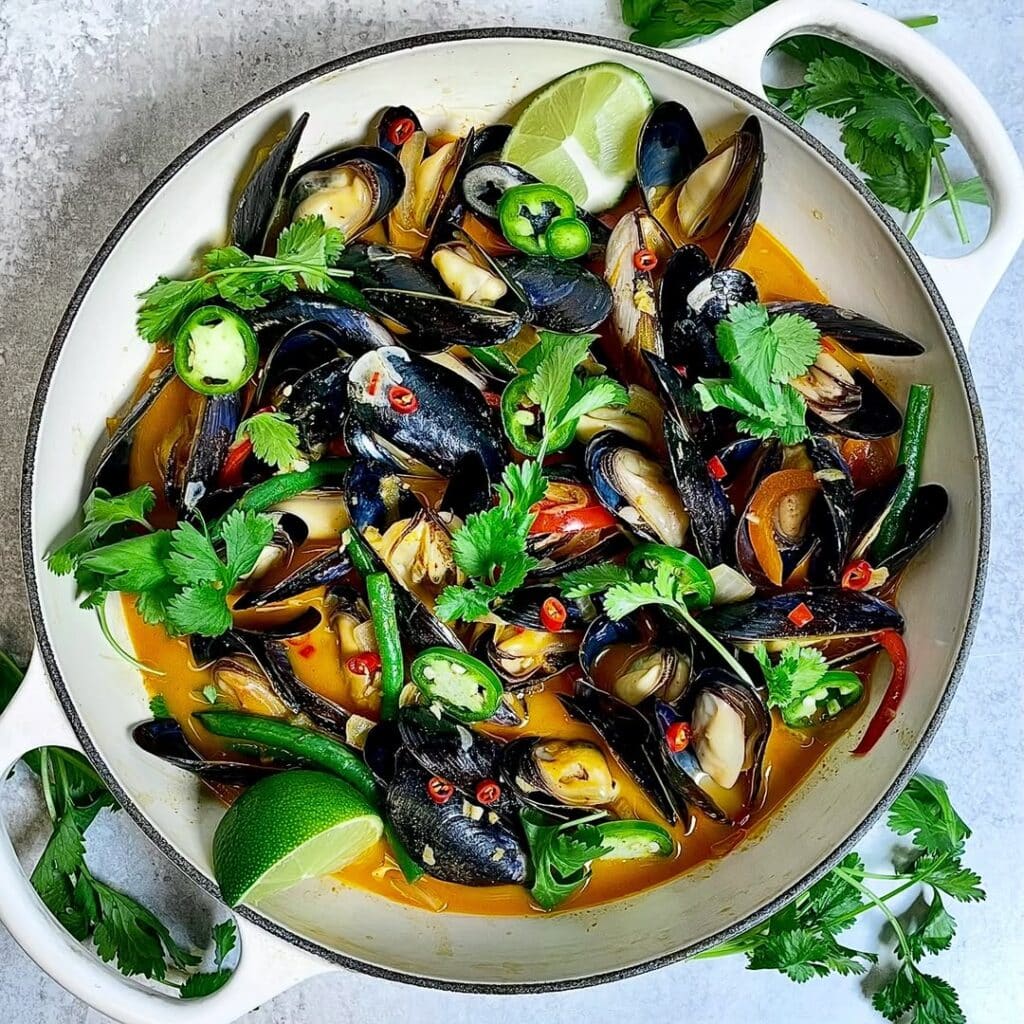
7. Mussels
Mussels are one of the most honest foods on the planet.
They open when they’re done. They stay shut when they’re not. That’s clearer communication than most group chats.
Steam them with garlic, wine, or tomatoes and let them self-regulate. Cheap, fast, and impressive.
Key phrase:Mussels cook themselves if you let them.
Mini recipe
Ingredients: 1 lb mussels, 2 garlic cloves, ½ cup white wine, 1 tbsp butter, parsley
Instructions:
- Clean mussels.
- Melt butter in pot, sauté garlic 30 sec.
- Add mussels and wine, cover 5 minutes until shells open.
- Garnish with parsley.
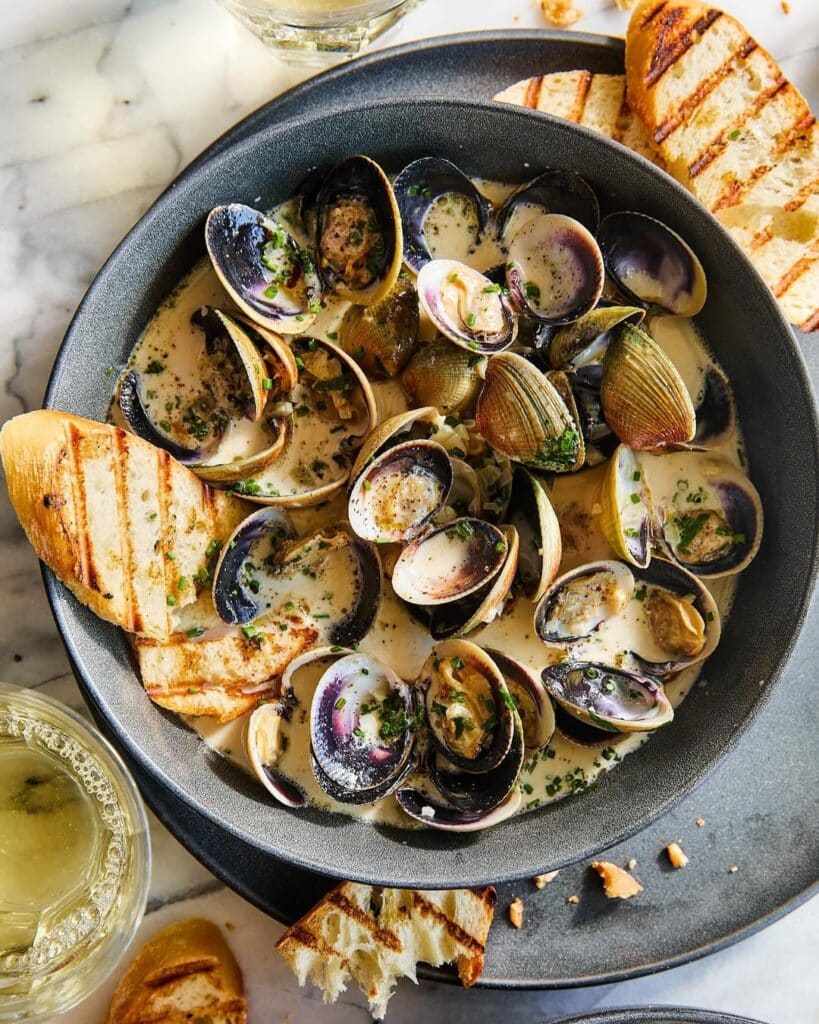
8. Clams
Clams are mussels’ slightly more serious cousin.
Same rules:
- Steam
- Watch them open
- Don’t overthink it
They’re briny without being aggressive, making them perfect for pasta or brothy dishes that feel fancier than the effort involved.
Mini recipe
Ingredients: 1 lb clams, 2 garlic cloves, 1 tbsp olive oil, ½ cup water, parsley
Instructions:
- Heat oil in pan, sauté garlic.
- Add clams and water, cover 5–7 minutes until shells open.
- Sprinkle parsley and serve.
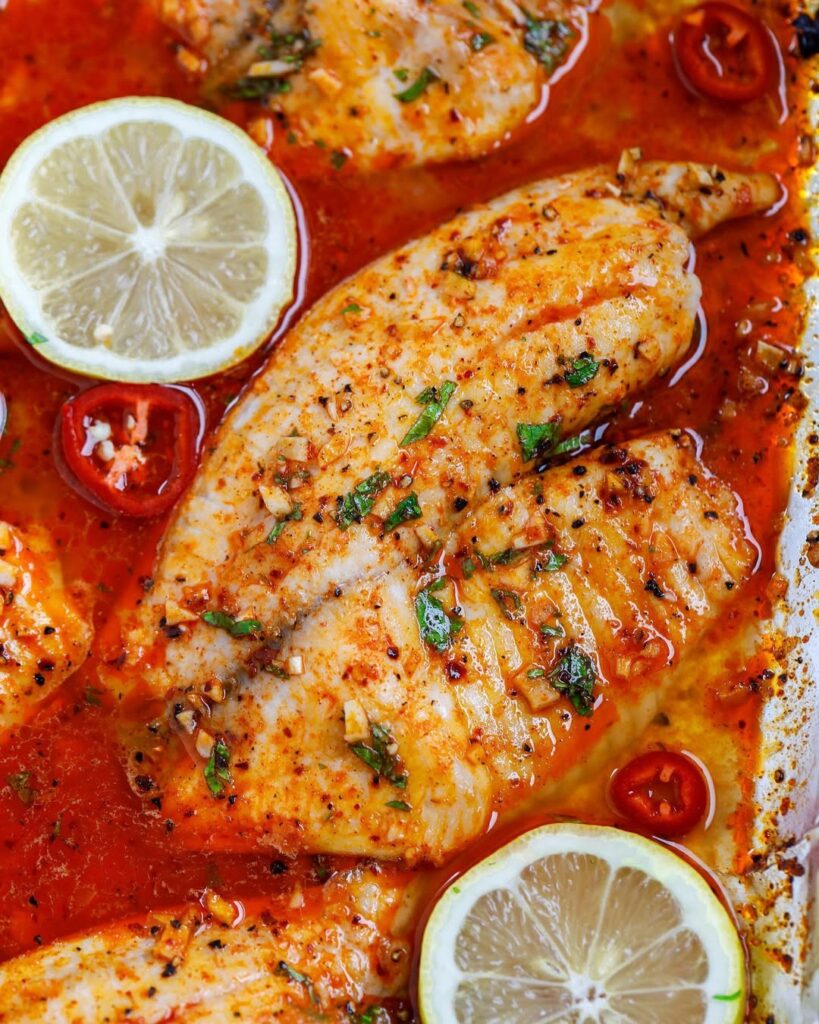
9. Tilapia
Tilapia gets a bad rap, but here’s the upside: it tastes like whatever you season it with.
That makes it a playground for beginners.
- Lemon and herbs? Great.
- Cajun rub? Even better.
- Butter and garlic? Always correct.·
If you want a blank canvas in seafood form, this is it.
Mini recipe
Ingredients: 1 tilapia fillet, 1 tbsp olive oil, salt, pepper, lemon
Instructions:
- Season tilapia.
- Heat oil in skillet over medium heat.
- Cook 3–4 minutes per side until golden and flaky.
- Serve with lemon.
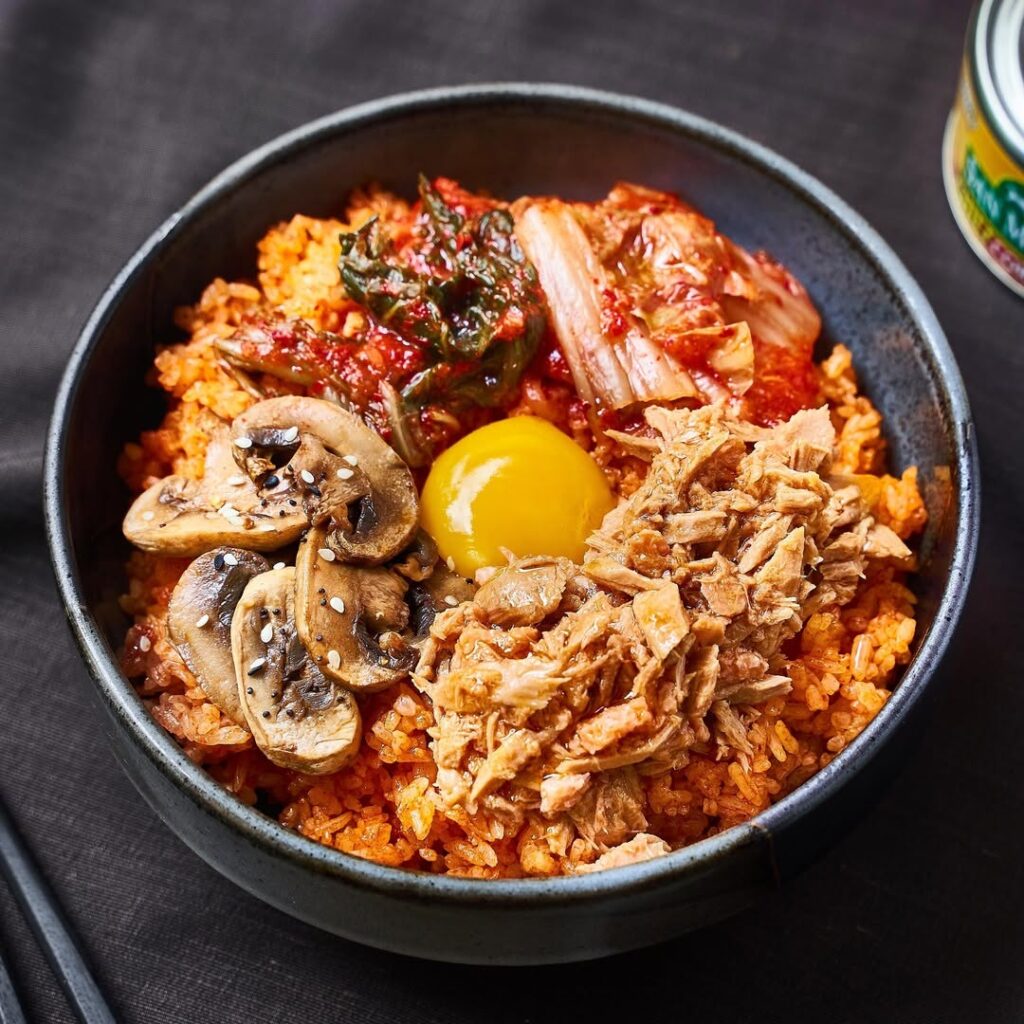
10. Tuna (Fresh or Canned)
Canned tuna deserves respect – it has saved more lunches than we’ll ever admit.
Fresh tuna, meanwhile, cooks like a steak. Sear it hot and fast, keep the center pink, and don’t panic.
Key idea: Tuna bridges the gap between meat lovers and seafood skeptics.
Mini recipe
Ingredients: 1 tuna steak, salt, pepper, 1 tsp olive oil
Instructions:
- Season tuna.
- Heat skillet on high.
- Sear tuna 1–2 minutes per side for rare, 3 minutes for medium.
11. Sea Bass
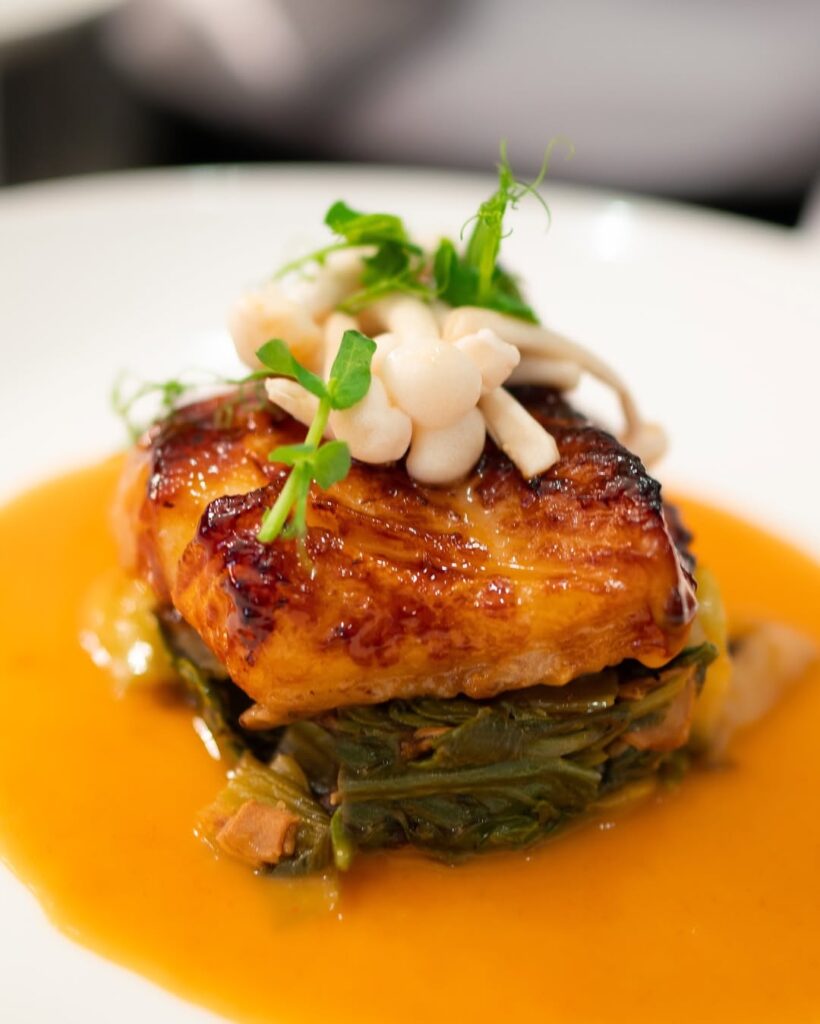
Sea bass is what you order at restaurants and assume is complicated.
It’s not.
Firm, flaky, and forgiving, sea bass pan-sears beautifully and doesn’t demand much attention. Salt, heat, patience.
Important phrase:Restaurant-quality seafood without restaurant-level stress.
Mini recipe
Ingredients: 1 sea bass fillet, salt, pepper, 1 tbsp olive oil, lemon
Instructions:
- Season fish.
- Heat oil in oven-safe pan over medium heat.
- Sear skin-side down 3–4 minutes, transfer to oven 5 minutes at 375°F (190°C).
12. Halibut
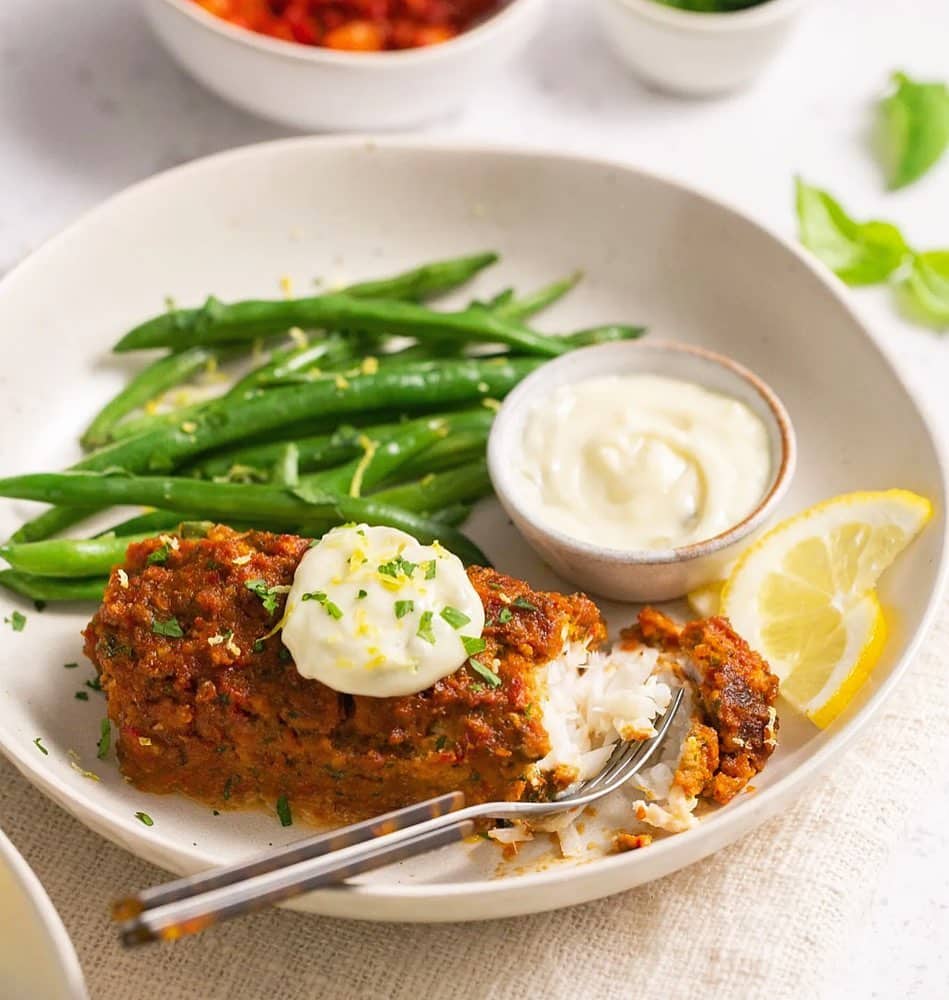
Halibut’s thickness is its superpower.
Thick cuts mean:
- More margin for error
- Less chance of drying out
- Easier temperature control
Roast it, grill it, or pan-sear it confidently.
Mini recipe
Ingredients: 1 halibut fillet, 1 tsp olive oil, salt, pepper, herbs (thyme, parsley)
Instructions:
- Preheat oven to 400°F (200°C).
- Drizzle oil, season fish with herbs.
- Bake 12–15 minutes until flaky.
13. Sardines
Sardines are bold, unapologetic, and already cooked most of the time.
They’re not here to impress everyone – they’re here to deliver flavor. Toast, pasta, salads. If you like umami, sardines will win you over.
Also: they’re affordable, which feels rebellious these days.
Mini recipe
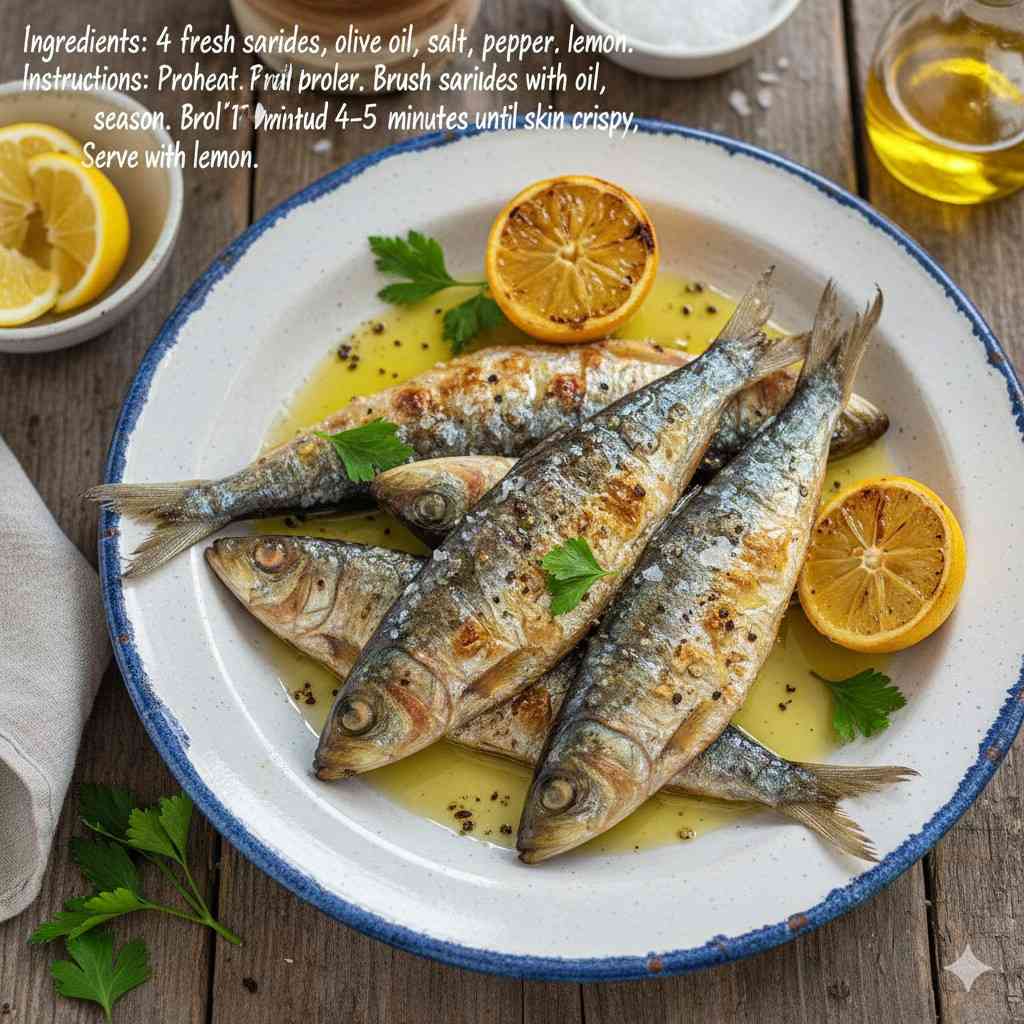
Ingredients: 4 fresh sardines, olive oil, salt, pepper, lemon
Instructions:
- Preheat broiler.
- Brush sardines with oil, season.
- Broil 4–5 minutes until skin crispy.
- Serve with lemon.
14. Anchovies
Anchovies are misunderstood heroes.
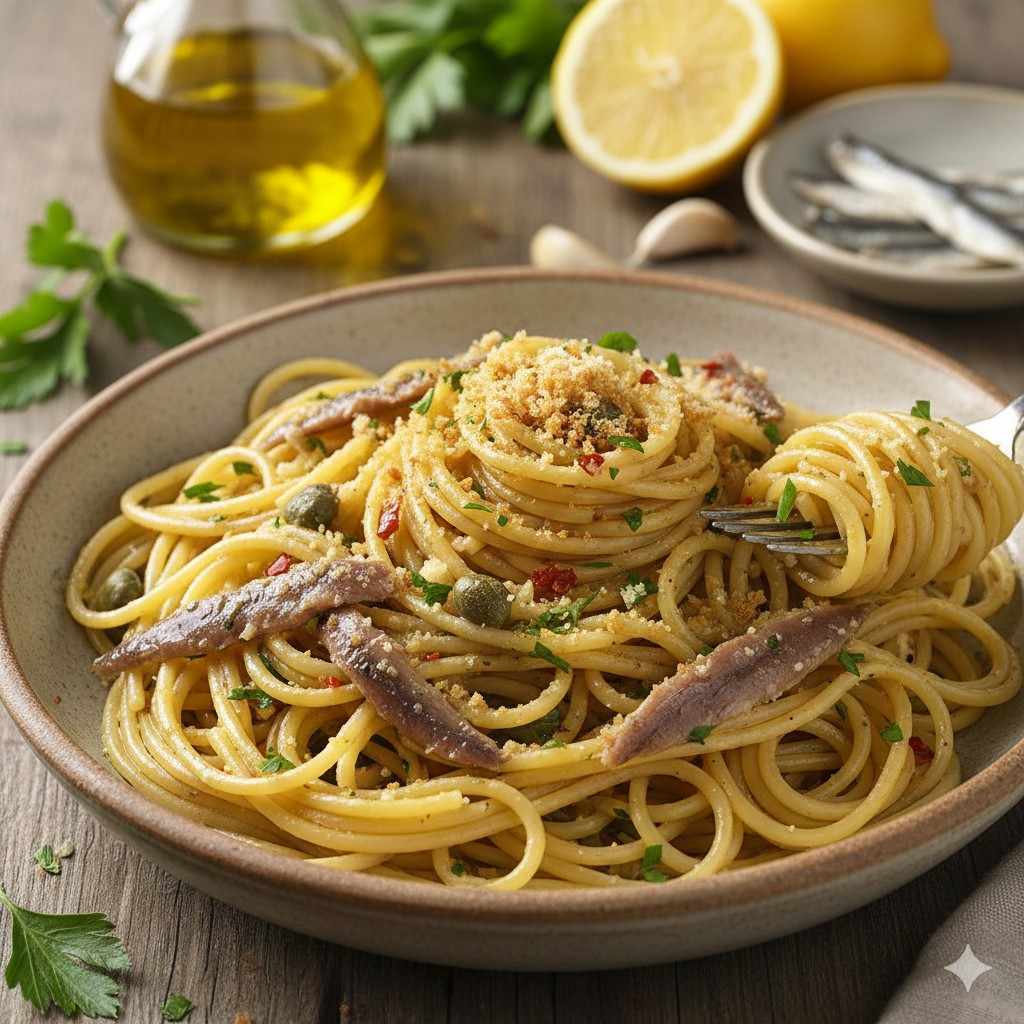
You’re not eating them whole like a cartoon villain. You’re letting them melt into sauces, oils, and dressings, where they disappear and leave behind depth.
Key insight: Anchovies make food taste more like food.
Mini recipe
Ingredients: 4 anchovy fillets, 2 garlic cloves, 2 tbsp olive oil, ½ cup cooked pasta, parsley
Instructions:
- Heat oil, add anchovies and garlic, stir until anchovies melt.
- Toss with pasta, sprinkle parsley.
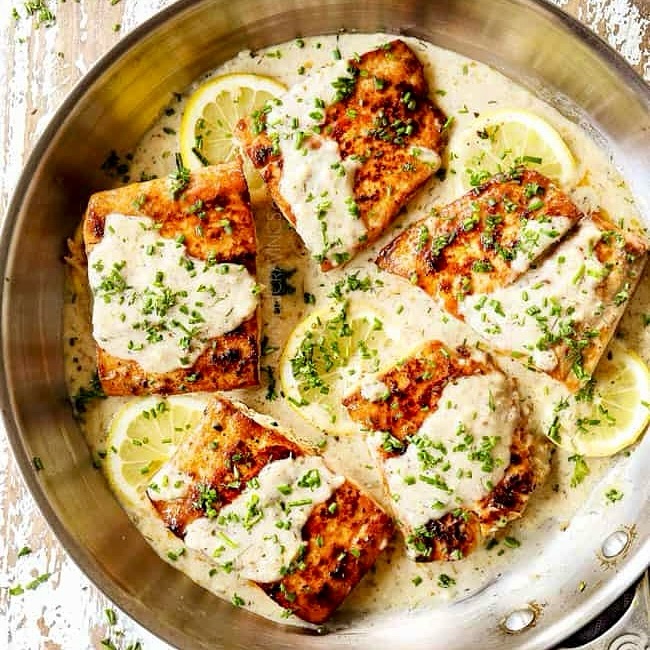
15. Mahi-Mahi
Mahi-mahi is firm, lightly sweet, and doesn’t fall apart when handled.
It’s great on the grill and perfect for people who want seafood without the oiliness of salmon.
Key phrase:Steak-like texture, seafood flavor.
Mini recipe
Ingredients: 1 mahi-mahi fillet, olive oil, salt, pepper, paprika
Instructions:
- Preheat grill.
- Brush fish with oil and season.
- Grill 3–4 minutes per side until cooked through.
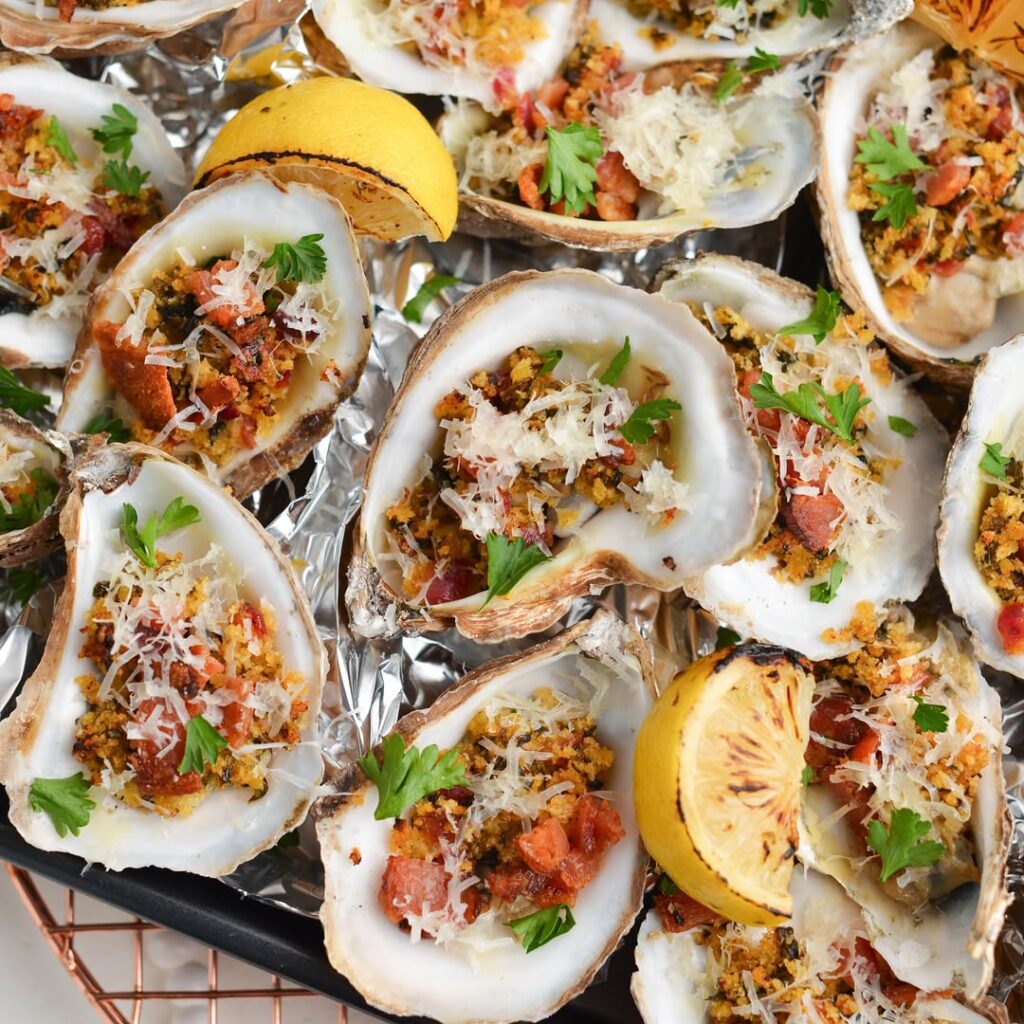
16. Oysters
Raw oysters require no cooking – just confidence.
Baked or grilled oysters are even easier. Heat them until they’re bubbly and stop.
They feel fancy but demand very little.
Mini recipe
Ingredients: 6 oysters, 1 tbsp butter, 1 tbsp parmesan, 1 garlic clove
Instructions:
- Preheat oven to 400°F (200°C).
- Place oysters on baking tray, top with butter, garlic, and parmesan.
- Bake 8 minutes until golden.
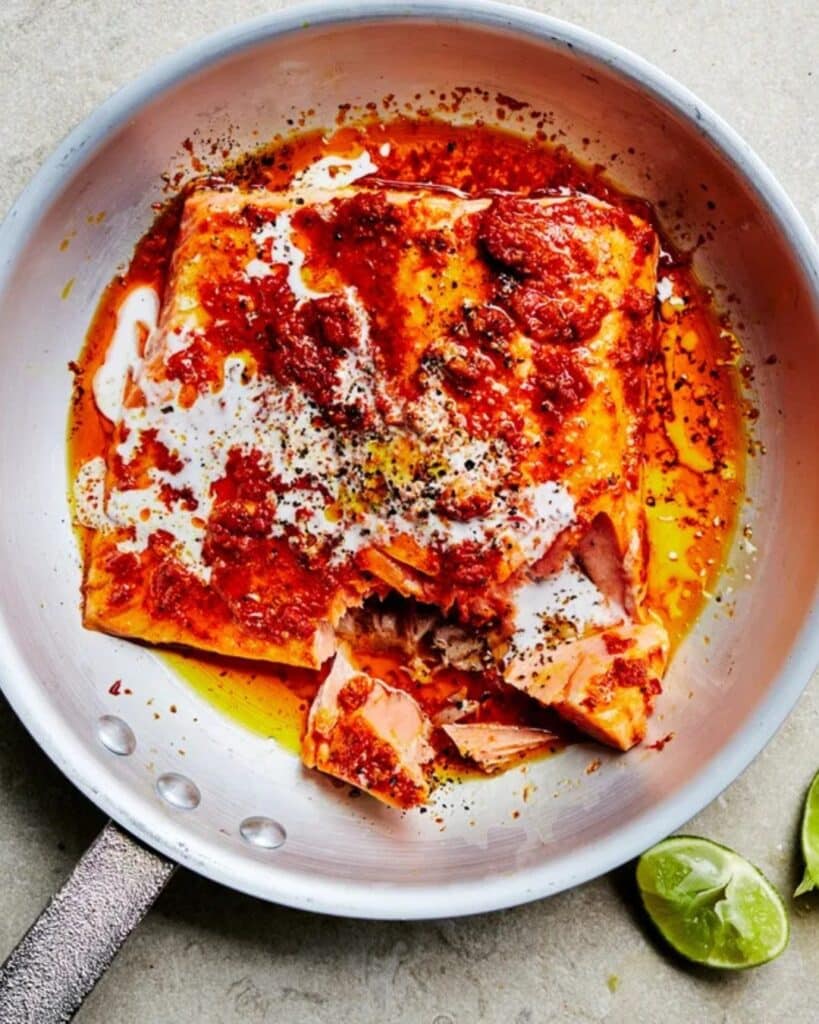
17. Trout
Trout is salmon’s quieter sibling.
- Mild
- Tender
- Cooks quickly
Pan-sear or roast it and let the skin crisp. Simple, satisfying, and underrated.
Mini recipe
Ingredients: 1 trout, salt, pepper, 1 tbsp butter, herbs (thyme, parsley)
Instructions:
- Season trout.
- Melt butter in skillet, cook trout 3–4 minutes per side.
- Add herbs for flavor.
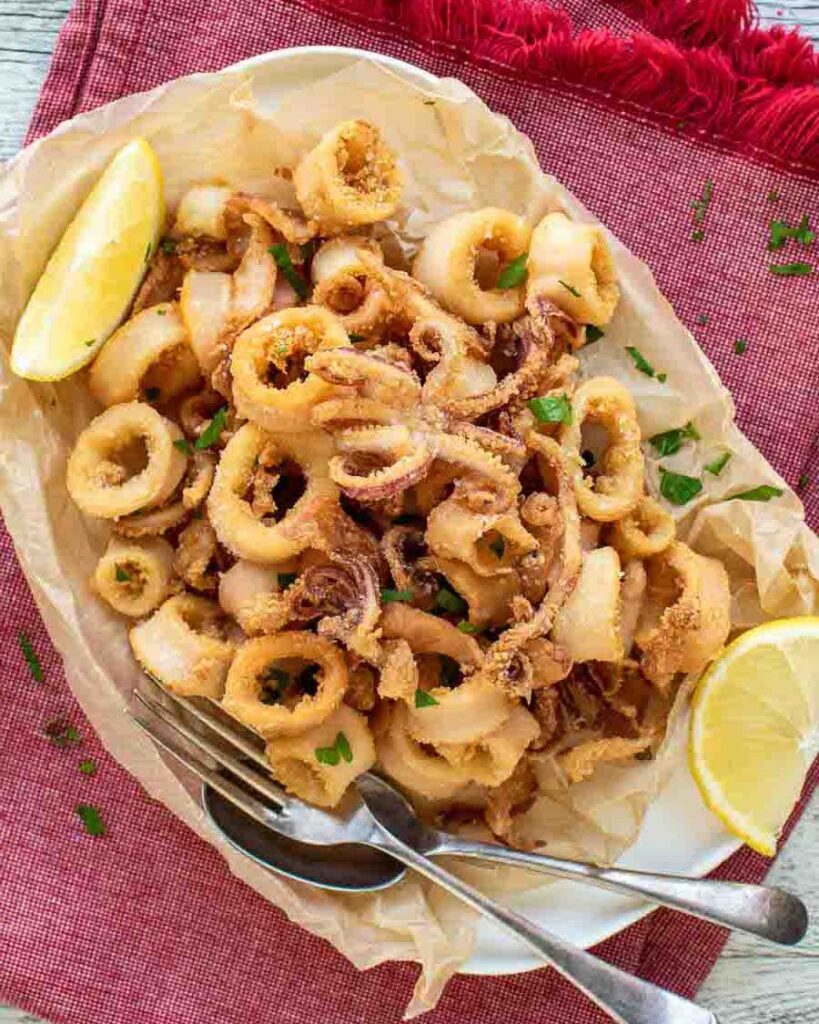
18. Squid (Calamari)
Squid has two modes:
- Cook it fast
- Or cook it forever
For beginners, fast is better. Flash-fry or quick sauté, and it stays tender.
Yes, fried calamari counts as seafood confidence building.
Mini recipe
Ingredients: 1 cup cleaned squid rings, 1 tbsp olive oil, garlic, salt, pepper, lemon
Instructions:
- Heat oil in pan, add garlic 30 sec.
- Add squid, sauté 1–2 minutes until just tender.
- Season and serve with lemon.
Flavor Pairings That Make Seafood Shine
Seafood doesn’t need heavy sauces to impress – sometimes simplicity is your secret weapon. Certain flavors naturally elevate the taste of fish without overpowering it.
Citrus, garlic, and fresh herbs brighten delicate white fish, while butter and smoked spices complement richer varieties like salmon or tuna. Shellfish loves white wine, tomatoes, or light cream sauces, which enhance sweetness without masking the ocean flavor.
Even pantry staples like capers, olives, and anchovies can add umami that makes every bite sing. Understanding complementary flavors transforms seafood from intimidating to effortless: you don’t have to be a professional chef, just know what pairs well.
Think of it like dressing a cast member for the Oscars – some outfits scream “star,” some fall flat. With the right flavor friends, every seafood dish becomes a crowd-pleaser, even for skeptics.
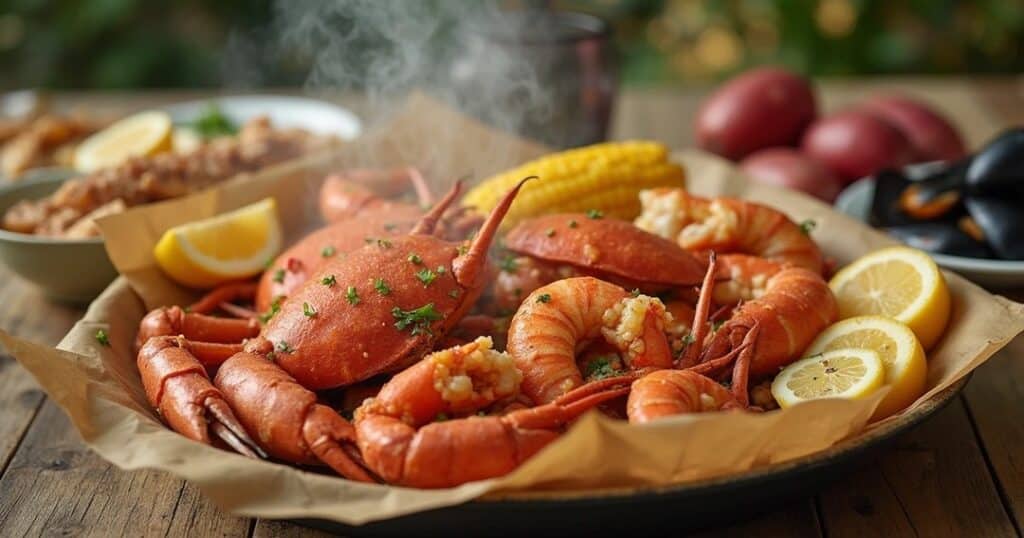
Why Seafood Is Actually Easier Than You Think
Here’s the pitmaster truth: seafood rewards attention, not perfection.
- Short cook times
- Clear doneness cues
- Big flavor with minimal seasoning
Unlike brisket, seafood doesn’t need 12 hours and a prayer. It just needs you to show up and not panic.
Final Thoughts
You don’t need to live under the sea like SpongeBob, give up your voice like Ariel, or command the tides like Aquaman to cook seafood well. You just need good ingredients, simple heat, and a little confidence.
Start with one. Nail it. Then do it again.
That’s how seafood stops being scary – and starts stealing the spotlight.
Featured image credit: @ale_nallo85
