
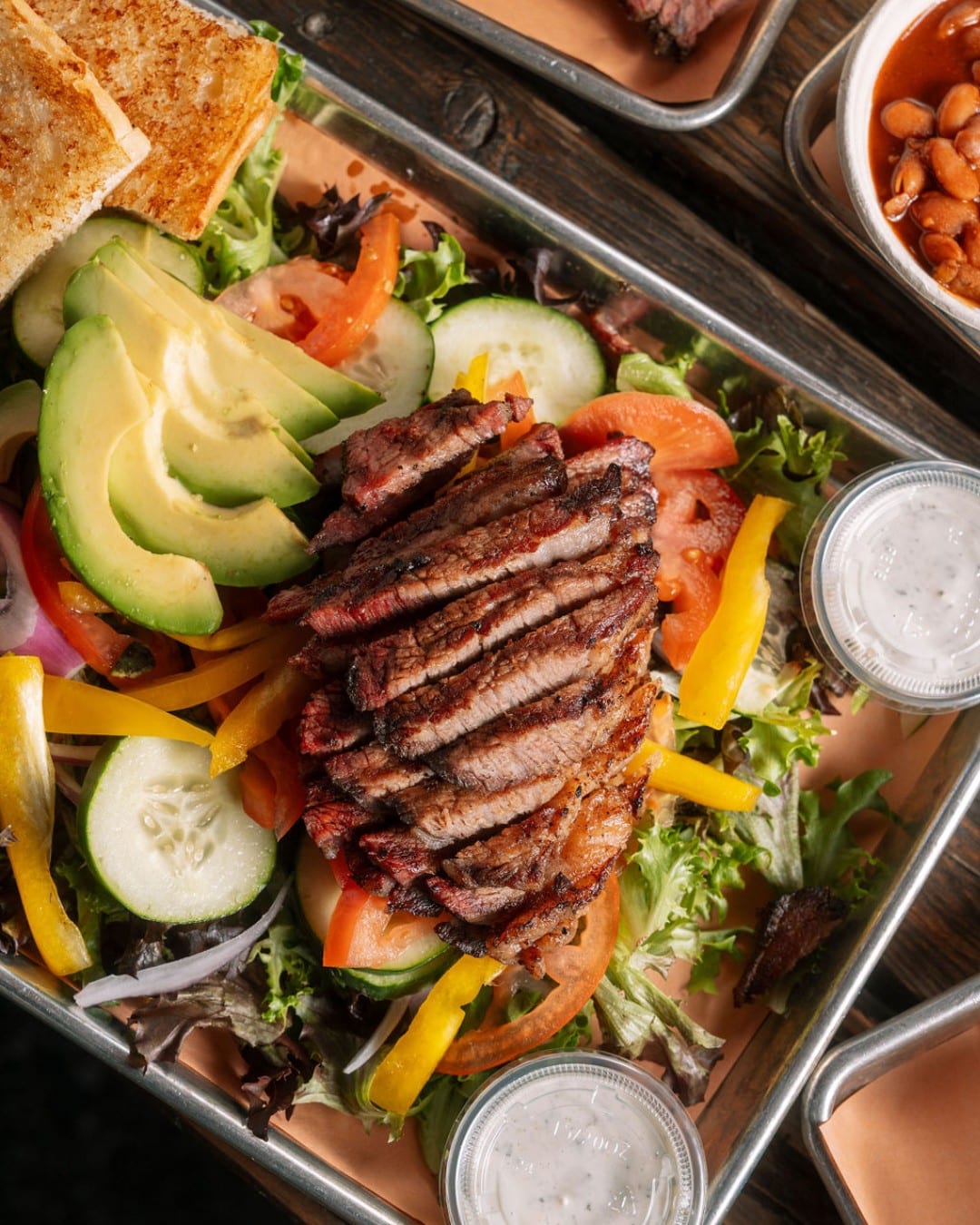
If you’ve ever stood next to a live fire on the California Central Coast, holding a paper plate piled with juicy beef and garlic bread while the ocean breeze carries the smell of oak smoke, you already understand Santa Maria BBQ. If you haven’t – don’t worry.
That’s exactly what we’re fixing today.
As a pitmaster, I love styles of barbecue that don’t overcomplicate things. Santa Maria BBQ is pure confidence: great beef, honest seasoning, live fire, and restraint.
No sticky sauces. No secret spice blends with 27 ingredients. Just smoke, salt, and skill. The kind of cooking that says, “Relax, I’ve got this.”
This recipe brings that West Coast smoke straight to your backyard grill – whether you’re running charcoal, gas, or something in between.
What Is Santa Maria–Style BBQ?
At its core, Santa Maria BBQ is a regional barbecue style from – surprise – Santa Maria, California. It dates back to the mid-1800s, when ranchers cooked beef over open pits using local red oak wood. Over time, one cut became king: tri-tip.
What sets Santa Maria BBQ apart isn’t technique wizardry – it’s philosophy.
Key characteristics of Santa Maria BBQ:
- Red oak smoke (or the closest substitute you can get)
- Tri-tip as the star protein
- Simple seasoning: salt, pepper, sometimes garlic
- Sauce served on the side – or not at all
This is barbecue that trusts the meat. And frankly, more BBQ styles should.
Why This Santa Maria BBQ Recipe Works at Home
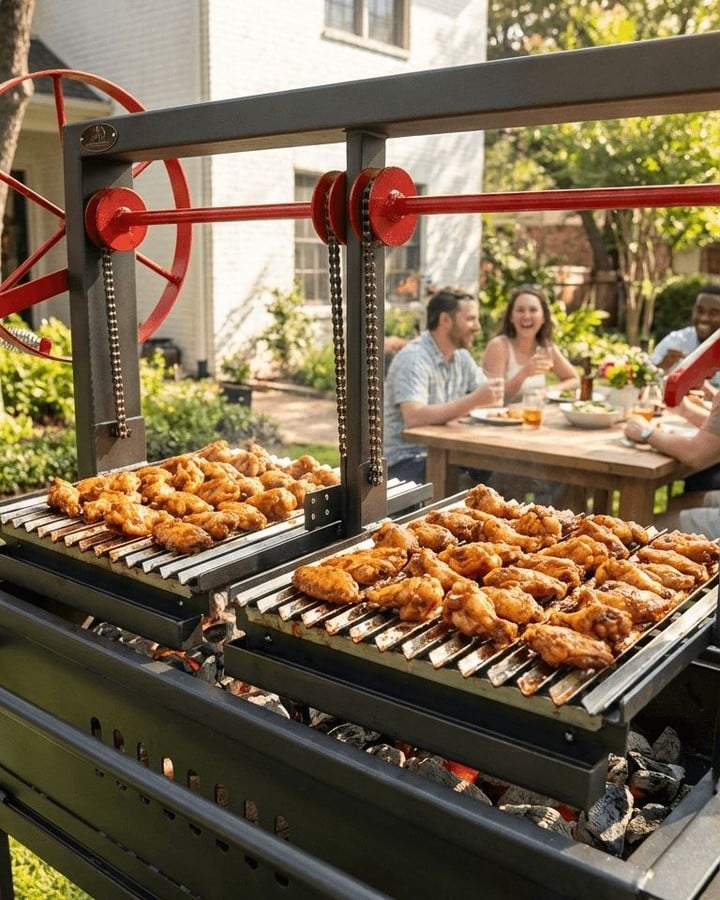
Traditional Santa Maria BBQ uses a large, adjustable open pit. Most of us don’t have one casually sitting next to the patio (if you do, I’m jealous and also coming over).
This recipe adapts the method for a standard backyard grill without sacrificing flavor. The trick is two-zone cooking and controlled smoke. Whether you’re using charcoal or gas, you’ll still get:
- Proper oak-kissed smoke
- A deeply seared crust
- A juicy, medium-rare center
And yes, your neighbors will wander over asking questions. That’s normal.
Choosing the Right Tri-Tip: Not All Cuts Are Equal
Here’s a truth most recipes skip: tri-tip quality matters more in Santa Maria BBQ than almost anything else. Because the seasoning is minimal and sauce is optional, there’s nowhere for bad beef to hide.
You want a well-marbled tri-tip, preferably USDA Choice or Prime, with a fat cap that’s intact but not excessive.
Look for a tri-tip that’s even in thickness and deep red in color. Pale or patchy meat usually means it’s been sitting too long. If your butcher offers untrimmed tri-tip, grab it – it gives you more control over how much fat stays on during the cook.
Key phrase: Santa Maria BBQ rewards good beef and exposes bad beef.
Avoid pre-marinated tri-tip. That’s great for weeknight grilling, but it muddies the clean, beef-forward flavor this style is known for. When in doubt, tell your butcher you’re cooking Santa Maria BBQ.
The good ones will nod knowingly.
Red Oak Wood: Flavor, Substitutes, and Smoke Control
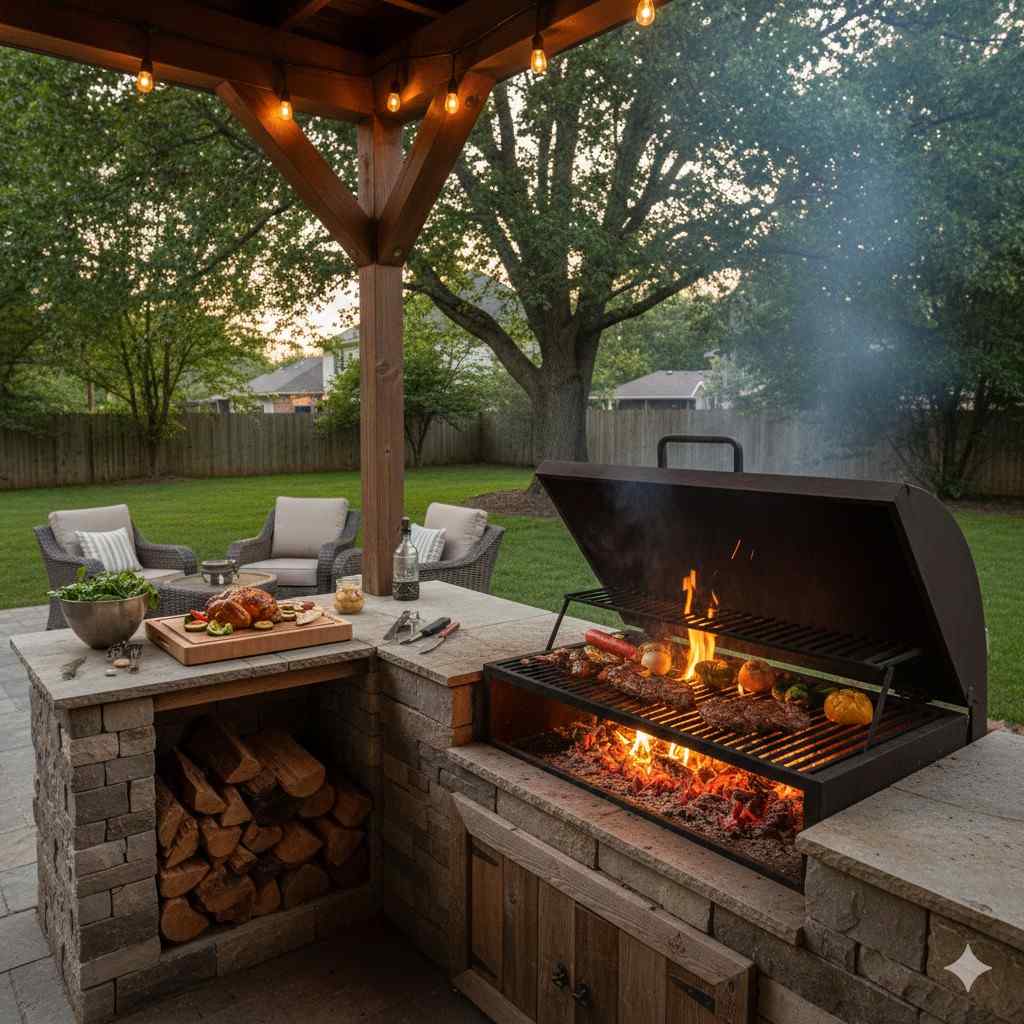
If Santa Maria BBQ had a secret ingredient, it wouldn’t be a spice – it would be red oak wood.
Red oak produces a clean, medium-intensity smoke that’s assertive without being aggressive. It smells like a campfire, not a chemistry set.
That said, red oak isn’t always easy to find. If you can’t get it, your best substitutes are:
- White oak (closest match)
- Post oak (milder, very forgiving)
- Hickory (use sparingly)
Avoid fruit woods for this style – they’re too sweet and pull the flavor in the wrong direction.
The real trick isn’t the wood – it’s smoke discipline. Santa Maria BBQ uses smoke as a background note, not the headline act.
Thin blue smoke is the goal. If your grill looks like it’s signaling airplanes, you’ve gone too far.
Live-Fire Cooking Mindset: Reading the Grill, Not the Clock
One of the biggest shifts when cooking Santa Maria BBQ is learning to trust your senses over the stopwatch. This style was born long before digital thermometers and phone timers, and while we use those tools today, the mindset still matters.
Pay attention to:
- The sound of the sear (a steady sizzle, not frantic popping)
- The smell of the smoke (sweet oak, not bitter ash)
- The look of the crust forming
Fire breathes. It flares, calms down, and shifts as fat drips and wood ignites. Instead of fighting it, work with it. Move the tri-tip as needed. Rotate it. Give it space.
Key phrase: Santa Maria BBQ is cooked by feel, then confirmed by temperature.
That confidence shows in the final bite.
Slicing and Serving Like a Santa Maria Pit Crew
In Santa Maria BBQ, slicing isn’t just a finishing step – it’s a make-or-break moment. Tri-tip is tricky because it has two grain directions, and slicing it wrong can turn a perfectly cooked roast into chewy disappointment.
The traditional approach is to:
- Let the meat rest fully
- Cut the tri-tip in half where the grain changes
- Slice each half thin and against the grain
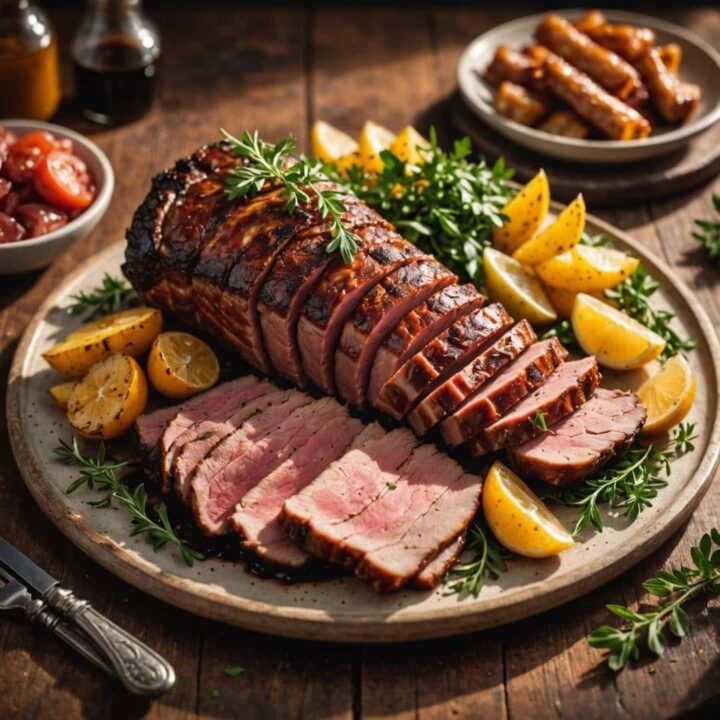
Serving is just as intentional. Santa Maria BBQ is often presented family-style, piled high on a platter with juices spooned over the top. No fancy drizzle. No garnish gymnastics.
Key phrase: Slice thin, serve proud, don’t overthink it.
This is barbecue meant to be shared, not styled for a photo shoot.
Santa Maria BBQ Beyond Beef: Chicken and Seafood Variations
While tri-tip is the star, Santa Maria BBQ isn’t a one-hit wonder. The same oak-fired approach works beautifully with other proteins – especially chicken and seafood.
Santa Maria–style chicken is typically seasoned the same way as tri-tip and grilled over oak until the skin is crisp and lightly smoky. The simplicity lets the fire do the talking.
Seafood – especially local fish like halibut or rockfish – benefits from quick cooks over indirect heat with a kiss of oak smoke. The goal isn’t heavy smoke penetration, but aromatic fire flavor.
What stays consistent across proteins is the philosophy:
- Minimal seasoning
- Respect for the ingredient
- Fire as the primary flavor driver
Key phrase: Santa Maria BBQ is a method, not just a recipe.

Temperature & Doneness Guide
- Rare: 125°F (bold, but risky)
- Medium-rare: 130–135°F (classic Santa Maria BBQ)
- Medium: 140–145°F
Remember: carryover cooking will raise the temp a few degrees while resting.
Traditional Santa Maria BBQ Tips
- Sauce is optional – and often skipped entirely
- Oak smoke should support, not overpower
- Serve it simply and let the beef shine
This isn’t barbecue that screams. It smiles knowingly.
What to Serve with Santa Maria BBQ
Classic Santa Maria plates usually include:
- Pinquito beans (small, creamy, and slightly sweet)
- Garlic bread grilled over the same fire
- A fresh, acidic side like salsa or tomato salad
The goal is balance. Rich beef, smoky crust, bright sides.
Storage & Leftover Ideas
Wrap leftovers tightly and refrigerate for up to 4 days.
Reheat gently – or better yet, slice cold and use it for:
- Tri-tip sandwiches
- Steak tacos
- Santa Maria BBQ salads (yes, it works)
Final Thoughts: Bring West Coast BBQ Home
Santa Maria BBQ is proof that great barbecue doesn’t need to be complicated – it needs to be confident. When you cook this way, you’re not hiding behind sauce or smoke. You’re trusting the fire, the meat, and yourself.
Fire up the grill, grab some oak, and cook like a Californian ranch hand with a modern backyard. Your grill can handle it. And so can you.
Cozy Santa Maria BBQ Recipe
Image credit: @santamariabbqshack
Ingredients
For the Tri-Tip
- 2½–3 lb tri-tip roast
- 2 tsp kosher salt
- 2 tsp coarse black pepper
- 1 tsp garlic powder (optional, but very traditional)
Optional Classic Sides
- Pinquito beans (the official bean of Santa Maria BBQ)
- Grilled garlic bread
- Fresh salsa or pico de gallo
Instructions
Step 1: Season the Meat
Pat the tri-tip dry with paper towels. Generously season all sides with salt and pepper, then add garlic powder if using. Don’t rub it like it owes you money – just press the seasoning in.
Let it sit at room temperature for 30–45 minutes. This helps the meat cook evenly and keeps it juicy.
Pitmaster tip: If you season it and immediately throw it on the grill, the outside cooks faster than the inside. Patience equals tenderness.
Step 2: Set Up Your Grill for Indirect Heat
You’ll want two heat zones.
- Charcoal grill: Build a hot fire on one side, leaving the other side empty.
- Gas grill: Preheat one burner on high and leave the other off.
Add your oak wood chunks or soaked chips to the hot side. Close the lid and let that smoke build. If it smells like a campfire instead of chemicals, you’re doing it right.
Step 3: Grill the Tri-Tip
Start the tri-tip over direct heat. Sear each side for about 4–5 minutes until a dark, flavorful crust forms.
Then move it to the indirect heat zone, close the lid, and let it cook gently until it reaches:
- 130–135°F for medium-rare (traditional Santa Maria doneness)·
This usually takes 20–30 minutes, depending on thickness and grill temperature.
Important phrase to remember: “Color first, temperature second.”
Step 4: Rest and Slice Properly
Pull the tri-tip off the grill and let it rest for 10–15 minutes. This keeps the juices inside the meat instead of all over your cutting board.
Tri-tip has two grain directions, so pay attention. Slice it in half where the grain changes, then cut against the grain into thin slices.
If you slice it wrong, it’ll still taste good – but it won’t eat right. And Santa Maria BBQ deserves respect.
Featured image credit: @southwinchesterbbq
