
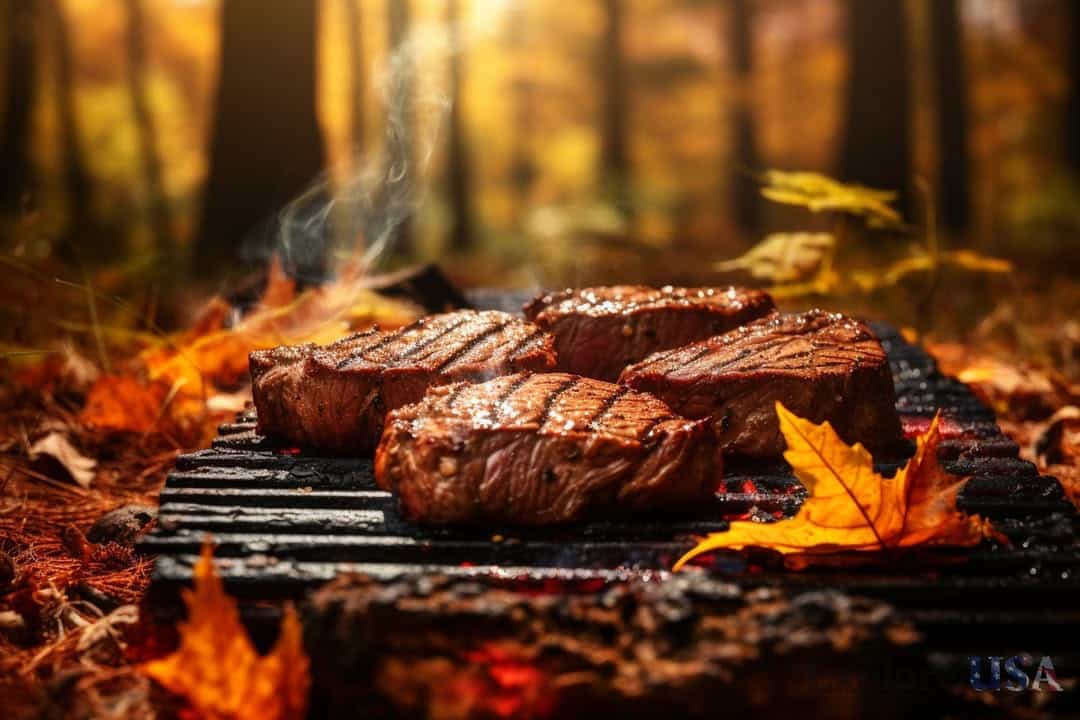
Traditionally, we know thatbarbecue typically consists of ribs, brisket, or burgers. But across the world, grilling traditions take on unique flavors, techniques, and aromas that will make your taste buds sit up and pay attention.
From smoky South African braais to fiery Jamaican jerk, regional BBQ is as diverse as the cultures that created it.
As a pitmaster, I’ve spent years chasing smoke trails, tasting charred perfection, and learning that the magic of BBQ is universal – but the flavor profiles are endless.
This guide dives into regional BBQ styles you’ve probably never tried, with practical tips, flavor insights, and a few anecdotes from my travels and experiments on the grill.
What Makes BBQ Regional?
Not all BBQ is created equal. What we call regional BBQ is shaped by local ingredients, climate, and culinary culture.
- Wood types: Oak, hickory, mesquite, or fruitwood – each imparts a distinct smoky aroma.
- Marinades and rubs: From vinegar-based Carolina styles to sweet Korean sauces, the flavors are deeply tied to place.
- Cooking methods: Low-and-slow, open-fire grilling, smoking, or table-top grilling each create unique textures.
For instance, while Texans favor beef brisket smoked over oak, Argentinians embrace asado – beef cooked directly over wood embers. Both are BBQ, but the taste, technique, and philosophy are different.
Understanding regional BBQ means recognizing how culture and geography influence every bite.
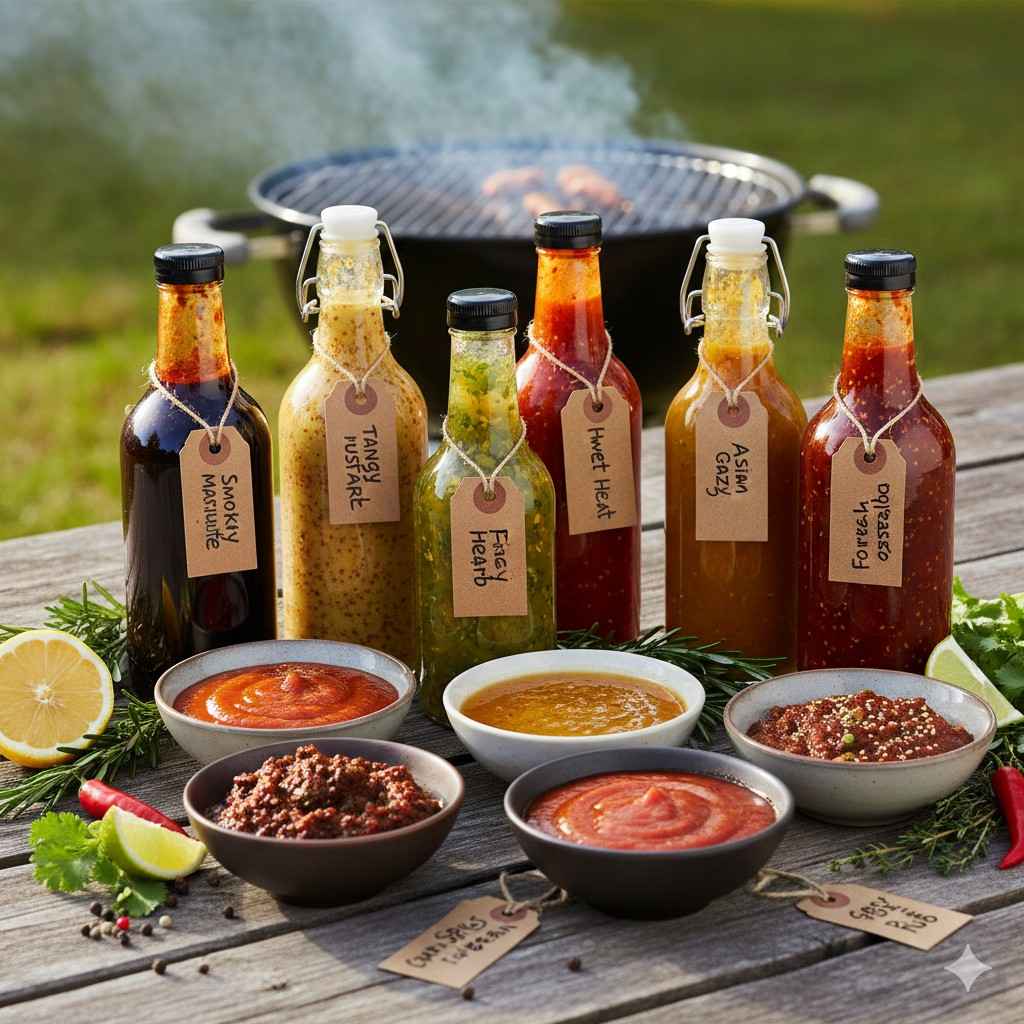
The Art of Marinades: Unlocking Global Flavors
Marinades are the secret weapon behind regional BBQ. They add moisture, flavor, and a hint of personality to every cut of meat. In Korea, soy, garlic, and sugar turn short ribs into sweet, smoky galbi.
In Jamaica, jerk marinades pack heat with allspice and Scotch bonnet peppers. The beauty of marinades is their flexibility: experiment with local spices, herbs, and acids to create your own spin on traditional global flavors.
A simple tip from a pitmaster: marinate longer for deeper flavor, but don’t overpower the meat. Even a small batch of chicken or skewers can become a conversation starter when infused with international flair.
In short, marinades are your passport to global BBQ without leaving your backyard.
Smoke Signals: Choosing the Right Wood for Flavor
One of the defining elements of regional BBQ is smoke flavor, and it all starts with wood.
Different woods impart different tastes: hickory adds boldness, oak is versatile, fruitwoods like apple or cherry lend subtle sweetness, and pimento wood gives Jamaican jerk that signature aroma.
In Argentina, hardwood embers are king for asado, while in the U.S., mesquite dominates Texas-style brisket. A pitmaster tip: don’t over-smoke, or it will overpower the meat. Experiment with mixes – apple and oak together create sweet and savory balance.
The right smoke complements your marinade, enhances caramelization, and makes your regional BBQ stand out. Treat wood as an ingredient, not just fuel—it’s where flavor begins.
Skewers Around the World: Small Bites, Big Flavor
Skewers are a global BBQ favorite and a playground for regional BBQ experimentation. From Filipino inihaw to West African suya, these bite-sized wonders let you pack flavor, spice, and texture into every mouthful.
Marinated meat, seafood, or even vegetables get threaded onto sticks and grilled over open flame. The key: even cuts, proper spacing, and turning often for caramelization without drying.
Skewers are also ideal for interactive meals – friends can grill their own, adding a social element. Even fruits like pineapple or peaches shine on skewers, adding sweet and smoky layers.
Skewers are a playful way to explore regional BBQ flavors while keeping prep simple and presentation fun.

Desserts on the Grill: Sweet Twists on Regional BBQ
BBQ isn’t just meat. Many regional BBQ traditions include grilled fruits or sweet sides to finish the meal. In Asia, grilled pineapple and bananas are common; in the Caribbean, plantains caramelize beautifully over coals.
The trick: heat, timing, and a little sugar or spice to enhance natural sweetness. Imagine a smoky-sweet dessert served alongside your main BBQ platter – a flavor contrast that elevates the meal.
Pitmaster advice: use indirect heat to prevent burning and pair warm fruit with ice cream or coconut cream for maximum wow factor. This playful approach shows that regional BBQ is versatile, extending beyond protein and inspiring creativity in every course.
DIY Global BBQ Night: Travel Without Leaving Home
Who says you need a plane ticket to taste the world? Host a DIY global BBQ night featuring regional BBQ flavors from multiple continents. Try Korean bulgogi, Brazilian churrasco, Jamaican jerk chicken, and African suya all in one backyard feast.
Offer small bites, interactive stations, and a few flavor notes about each style. Encourage guests to experiment with sauces, rubs, or wood smoke – it’s both fun and educational.
This approach turns BBQ into an adventure and shows that regional BBQ is more than recipes; it’s culture on the grill. A pitmaster tip: prep ingredients in advance so the focus stays on flavor, fun, and fire – not chaos.
Asia’s BBQ Secrets
Asia is a playground of bold flavors and inventive grilling techniques.
- Korean BBQ (Galbi & Bulgogi): Thinly sliced beef marinated in soy, garlic, sugar, and sesame. Cooked over charcoal, the meat develops a sweet, smoky, and slightly caramelized crust. Fun fact: in Seoul, diners often grill their own meat right at the table –it’s interactive BBQ meets dinner theater.
- Japanese Yakiniku: Bite-sized meat, seafood, and vegetables grilled on portable tables. The focus is on high-quality ingredients and subtle seasoning. Think precision grilling rather than heavy sauces.
- Filipino Inihaw: Skewered pork, chicken, or seafood brushed with sweet and tangy marinades over open flame. On hot evenings in Manila, I’ve seen street vendors flip skewers endlessly – the aroma alone is irresistible.
The takeaway: in Asia, regional BBQ emphasizes balance – sweet, salty, umami, and smoky all on one plate. Even simple skewers are layered with flavor.
The Americas Beyond the US
Everyone knows Texas brisket, but the Americas are full of regional BBQ gems beyond the U.S. borders.
- Argentina – Asado: Think of it as a social ritual as much as a meal. Large cuts of beef cooked over embers, often seasoned minimally with salt. The key: slow cooking over hardwood for deep smoky flavor.
- Brazil – Churrasco: Skewered meats, from beef to sausages, grilled over charcoal and seasoned with coarse salt. Some regions add garlic or citrus. Eating churrasco feels like a carnivore’s paradise – meat on meat on meat.
- Mexico – Barbacoa: Traditionally slow-cooked in pits, often wrapped in maguey leaves. The result: tender, juicy, slightly earthy flavor that’s perfect for tacos or on its own.
- Jamaica – Jerk BBQ: Spicy, aromatic marinades featuring allspice, thyme, and Scotch bonnet peppers. Cooking over pimento wood adds an unmistakable smoky punch. Pro tip: bring a fire extinguisher when you grill Scotch bonnets – they pack heat!
Across the Americas, the regional BBQ identity reflects local ingredients, history, and social traditions. The result? Flavors that surprise even seasoned grillers.
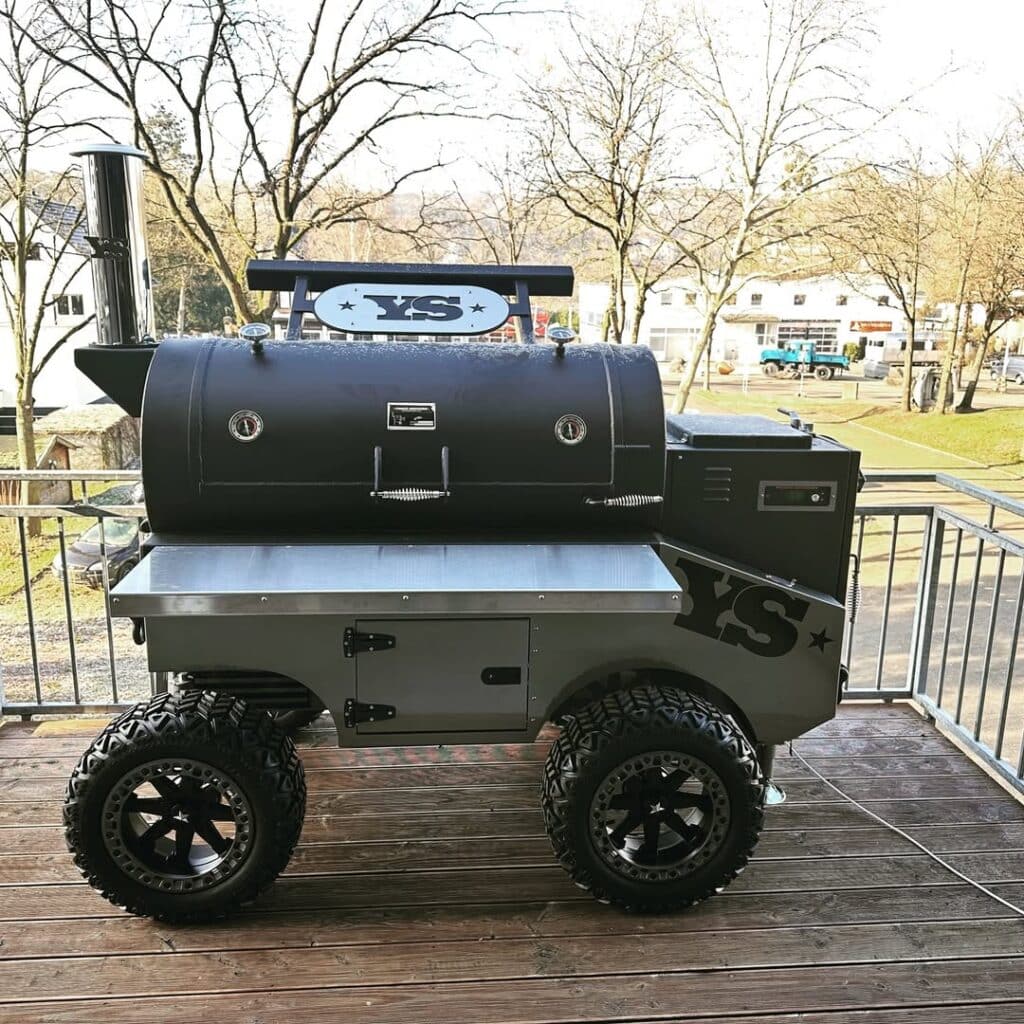
Europe’s Hidden BBQ Gems
Europe might not scream BBQ at first, but smoky grilling traditions are alive and well.
- Hungary – Csárda BBQ: Paprika-spiced pork and beef slow-grilled over open flames. Paprika adds smoky sweetness and a red-hued charm to the meat.
- Spain – Parrillada: Wood-fired meats including lamb, pork, and chorizo. Flavor comes from quality ingredients and simple seasoning, letting the smoke shine.
- Germany – Schwenkbraten: Pork marinated in herbs and garlic, cooked on a swinging grill over charcoal. The technique creates juicy, evenly cooked meat with a perfect smoky aroma.
Europeans may not be as heavy-handed with sauces, but regional BBQ here emphasizes ingredient quality, technique, and balance. Sometimes, less truly is more.
Africa’s BBQ Traditions
From South Africa to West Africa, regional BBQ is social, vibrant, and full of bold flavors.
- South African Braai: More than cooking – it’s a community event. Meats like boerewors (sausage) and steaks cooked over wood embers. The flavor comes from smoke, fire, and camaraderie.
- West African Suya: Skewered beef or chicken coated with peanut-chili spice rubs and grilled over charcoal. Every bite delivers heat, crunch, and aroma in perfect harmony.
Pitmaster tip: In Africa, BBQ is as much about people as meat. Watch how locals tend the fire, share food, and celebrate community –that’s part of the flavor experience.
Oceania’s BBQ Style
Australia and New Zealand put a laid-back twist on regional BBQ.
- Australian Barbie: Beef, lamb, and seafood on backyard grills, often accompanied by casual sides like salads or bread rolls. Focus: simple, high-quality meat cooked right.
- Māori Hāngi: Meat and vegetables cooked in earth ovens with smoke and steam. The method imparts unique depth and smoky complexity that’s hard to replicate on a conventional grill.
The key takeaway: Oceania BBQ is casual, social, and ingredient-driven, letting the natural flavors shine.
Common Threads Across Global BBQ
Despite differences, regional BBQ shares universal elements:
- Wood or charcoal fire provides smoke and depth.
- Community and social rituals elevate the meal beyond simple sustenance.
- Flavor layering – even simple seasoning transforms meat into a taste explosion.
Across continents, BBQ reflects identity, heritage, and ingenuity. Exploring it teaches that while techniques vary, the love of smoky, grilled perfection is universal.
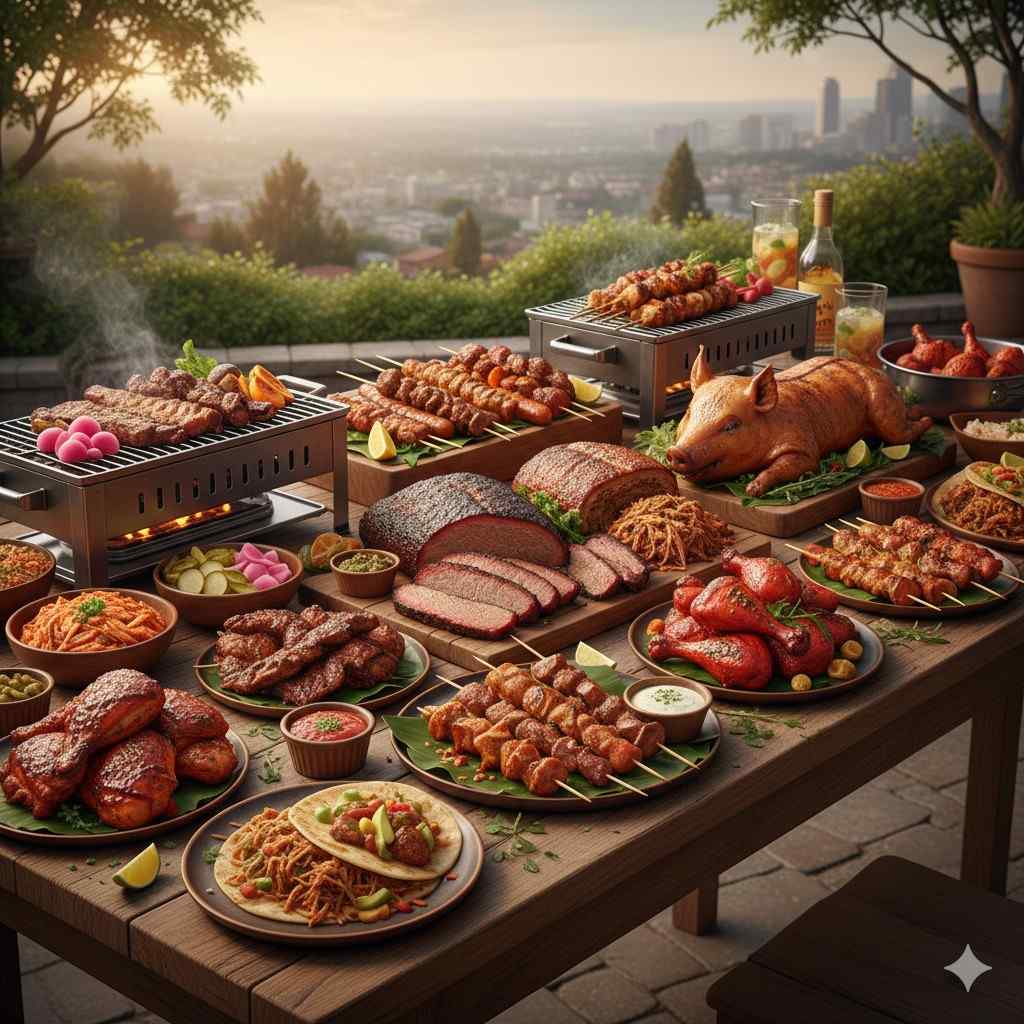
Tips for Bringing Global BBQ Flavors Home
Want to recreate regional BBQ in your backyard? Here’s what I do:
- Marinades & Rubs: Match the flavor profile to the region – try peanut-chili rub for African BBQ or soy-garlic for Korean.
- Wood Choice: Use hardwoods for smoke depth; fruitwoods add sweetness.
- Technique: Slow-cook large cuts, quick-sear smaller ones. Tabletop grills work for Asian styles.
- Experiment: Don’t be afraid to mix spices or try offbeat marinades. Fun fact: I once made a Korean jerk-style rib, and it was a crowd-pleaser.
Even without international trips, regional BBQ flavors are within reach.
Why Exploring Regional BBQ Matters
Exploring regional BBQ is a delicious way to travel through flavors.
- You learn new cooking techniques and seasoning methods.
- You gain appreciation for the history and culture behind each style.
- BBQ becomes more than food – it’s a shared experience and a story on a plate.
As a pitmaster, I can tell you that discovering global BBQ flavors keeps your grilling exciting and your dinner guests impressed.
Regional BBQ From Around the Globe FAQs
Q1: What is regional BBQ?
A: Regional BBQ refers to grilling and smoking techniques, flavors, and traditions unique to a specific area or culture. It’s shaped by local ingredients, wood types, marinades, rubs, and cooking methods. Think of Texas brisket, Korean galbi, or South African braai – each reflects the tastes and customs of its region.
Q2: How is global BBQ different from American BBQ?
A: While American BBQ is iconic, global BBQ encompasses a much wider spectrum of flavors, techniques, and ingredients.
From the spicy jerk of Jamaica to the peanut-chili rubs of West Africa, regional BBQ offers a variety of textures, marinades, and cooking methods that go beyond traditional ribs and brisket.
Q3: Can I make regional BBQ at home?
A: Absolutely! You don’t need a pit or exotic wood to recreate regional BBQ flavors. Use charcoal or gas grills, try international marinades and spice rubs, and experiment with cooking techniques.
Even simple skewers or slow-cooked meats can mimic global styles with a little practice.
Q4: What are some easy global BBQ recipes to start with?
A: Some beginner-friendly options include Korean bulgogi, Brazilian churrasco skewers, Jamaican jerk chicken, and Filipino inihaw pork skewers. These recipes use accessible ingredients while still delivering authentic global flavors.
Q5: Why is regional BBQ so flavorful?
A: The magic comes from smoke, fire, and seasoning. Regional BBQ often involves wood or charcoal, unique spice blends, and cooking methods passed down through generations. The combination of local ingredients, technique, and culture creates complex and unforgettable flavors.
Q6: Is regional BBQ just about meat?
A: Not at all. Many regions incorporate seafood, vegetables, and even fruits into BBQ. Think grilled pineapple in Asia, fish in Japan, or roasted vegetables in Europe. Regional BBQ celebrates local ingredients in every form, making it diverse and versatile.
Q7: How do I explore more regional BBQ flavors?
A: Travel is one way, but you can also explore regional BBQ at home. Try different marinades, rubs, and cooking techniques, watch videos of traditional BBQ practices, or attend local cultural BBQ events. Even backyard experimentation can unlock unique global flavors.
The World is at Your Fingertips – When Your Use Them to Eat BBQs
Regional BBQ isn’t just about meat; it’s about culture, technique, and flavor adventure. From the smoky braais of South Africa to the fiery jerk BBQ of Jamaica, each style has something unique to teach any griller.
Fire up your grill, grab some new spices, and try flavors you’ve never tasted before. Whether it’s skewered peanut-spiced beef, wood-fired lamb, or caramelized Asian short ribs, global BBQ invites you to taste the world, one smoky bite at a time.
So, don your apron, tend the fire, and let your taste buds take a world tour.
Featured image credit: @exploreusamagazine
