
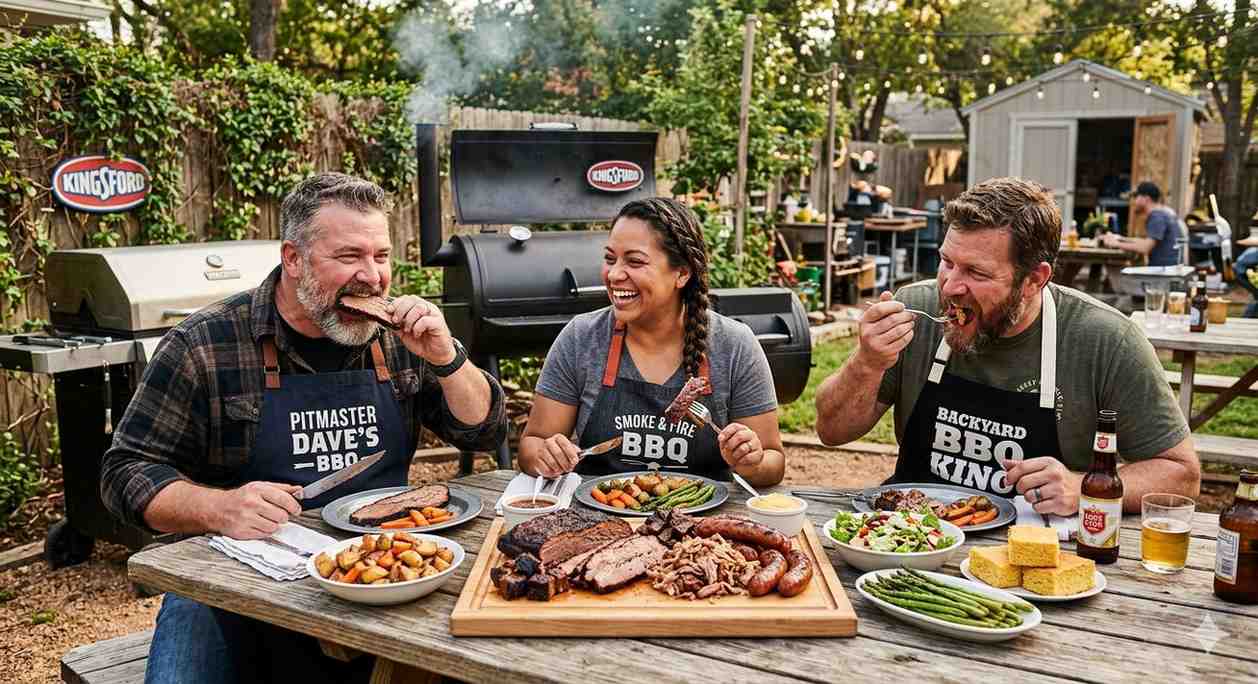
Let Me Tell You a Secret Most People Get Wrong
People think professional pitmasters wake up, eat brisket, snack on ribs, and fall asleep dreaming of pulled pork.
That’s a nice fantasy.
It’s also completely wrong.
After spending 10–14 hours around smoke, fat, fire, and meat, the last thing most of us want is… more BBQ. I’ve had days where I tasted brisket 30 times before noon.
By dinner? I’m staring at a salad like it’s a five-star steak.
This isn’t about rejecting BBQ. It’s about survival. Balance. Sanity.
And honestly? Curiosity. Because if you love food for a living, you don’t just eat one thing – you chase flavor everywhere.
So here’s the real story of what professional pitmasters actually eat when they’re off the clock.
Do Pitmasters Eat BBQ Every Day? Not Even Close
Let’s clear this up right away.
Yes, we cook BBQ constantly.
No, we don’t eat it like you think we do.
There’s a big difference between:
- tasting meat
- evaluating meat
- and actually sitting down to eat a full plate
Most days, we’re nibbling for quality control:
- checking tenderness
- adjusting seasoning
- making sure the bark is right
By the time service ends, we’ve already had just enough.
Key point:
👉 BBQ is our job during the day – not always our craving at night.
And if you’ve ever overdone something you love – pizza, coffee, anything – you already get it. Too much exposure dulls the excitement.
We call it flavor fatigue, and it’s very real.
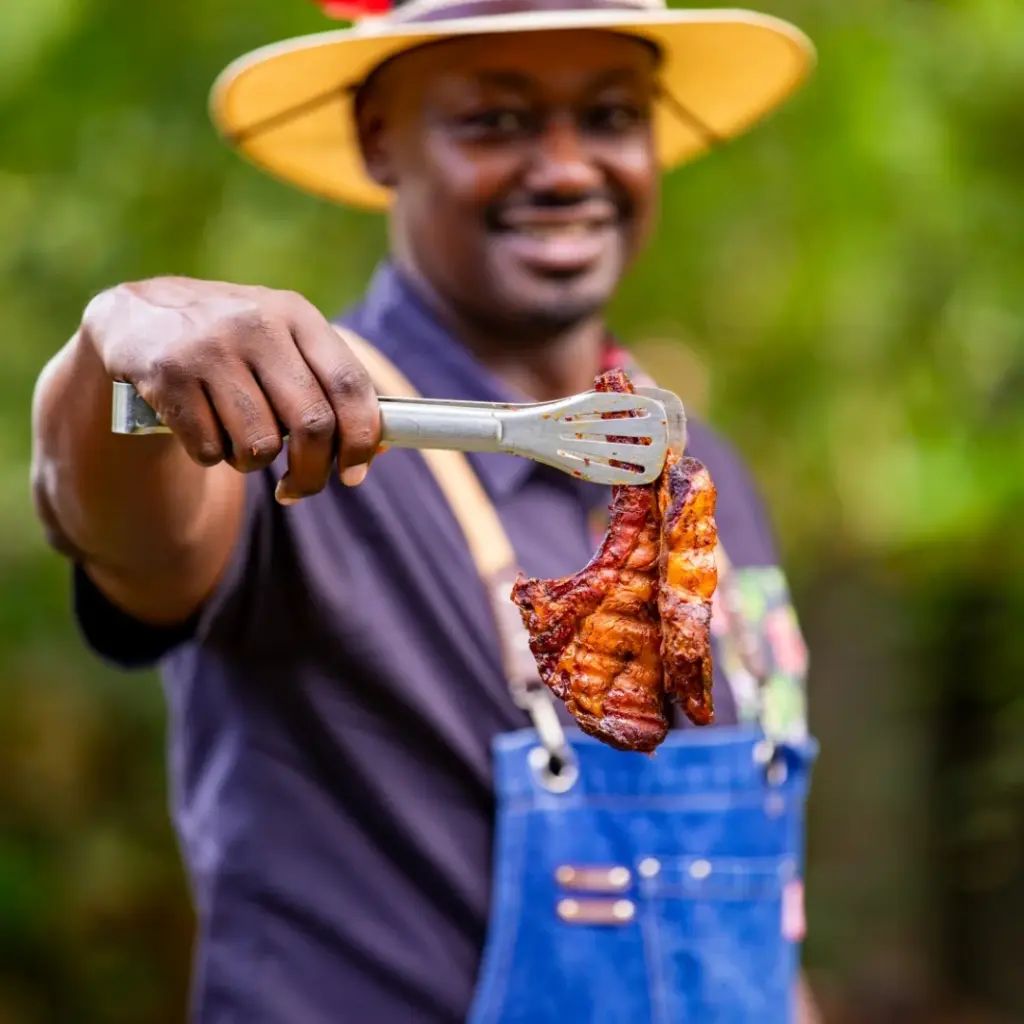
Why Professional Pitmasters Reach for Non-BBQ Foods
1. Smoke Overload Is a Thing
After hours around smokers, everything smells like:
- hickory
- oak
- rendered fat
Even your clothes taste like brisket.
So when it’s time to eat, you want the opposite:
- something fresh
- something bright
- something that doesn’t remind you of work
Sometimes I don’t want to eat BBQ – I want to forget it exists for a few hours.
2. Your Body Starts Asking for a Break
BBQ is rich. Heavy. Delicious… and relentless.
Think about it:
- fatty cuts
- salt-heavy rubs
- long cooking processes
After a full day, your body quietly says:
“Hey… maybe a vegetable?”
And you listen.
Not because you’re turning into a health nut – but because balance keeps you going long-term.
3. Nobody Wants to Wait 12 Hours for Dinner
Here’s the irony.
We cook slow food for a living…
So off-duty, we want fast food. Not junk food – just quick food.
After a long shift, dinner needs to be:
- ready in minutes
- simple
- low effort
Key point:
👉 Professional pitmasters don’t always want to cook after cooking all day.
Shocking, I know.
The Real Everyday Meals Pitmasters Love
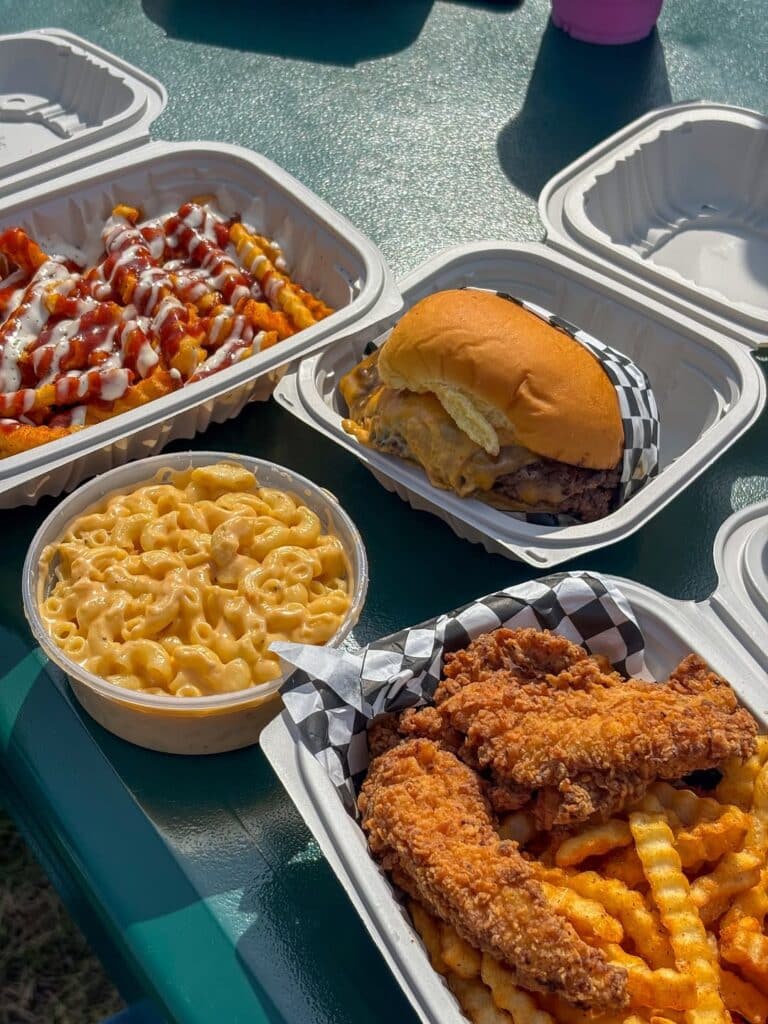
This is where it gets interesting. Because when you strip away the smoke and fire, what’s left is… pretty normal food.
Comfort Food Wins Every Time
When I get home, I’m not chasing complexity. I’m chasing comfort.
Think:
- crispy fried chicken
- meatloaf with mashed potatoes
- simple pasta with garlic and butter
Nothing fancy. Just satisfying.
Because after managing fires all day, the last thing you want is another “project.”
Breakfast Foods Hit Different
There’s something about breakfast that feels like a reset button.
A lot of professional pitmasters lean into:
- eggs cooked any way possible
- bacon (yes, we still love pork – just not smoked for 12 hours)
- pancakes or toast
It’s quick. It’s familiar. It doesn’t ask much from you.
And sometimes, breakfast for dinner just makes sense.
Sandwiches: The Unsung Hero
If you want to know the real MVP of off-duty meals – it’s sandwiches.
Why?
Because they’re:
- fast
- customizable
- low commitment
We’re talking:
- deli-style turkey or ham
- simple cheeseburgers (grilled, not smoked)
- leftover mashups
Pro tip from a pitmaster:
👉 A great sandwich is about balance, not excess. Something BBQ teaches you well.
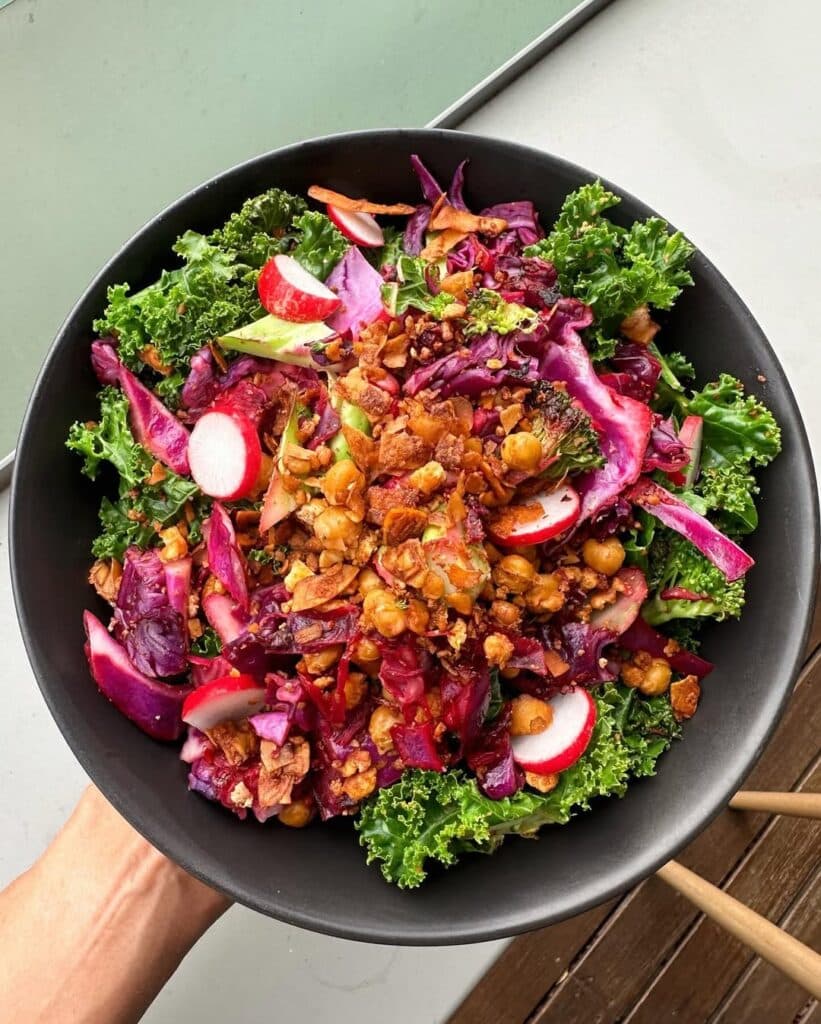
Yes, We Actually Eat Healthy (Sometimes)
This surprises people the most.
But many professional pitmasters intentionally eat lighter when they’re not working.
Grilled, Not Smoked
Big difference.
Grilling is:
- faster
- cleaner in flavor
- less heavy
Common go-to meals:
- grilled chicken
- fish with lemon
- charred vegetables
Same fire, different mindset.
Fresh and Crunchy Beats Heavy and Slow
After a day of soft, slow-cooked meat, texture matters.
That’s why salads suddenly become appealing:
- crisp greens
- acidic dressings
- fresh toppings
It wakes your palate back up.
Portion Control Happens Naturally
Here’s something most people don’t realize:
We’ve already eaten a lot during the day – just in small bites.
So dinner becomes lighter by default.
Key point:
👉 Being around food all day teaches you when you’ve had enough.
What Pitmasters Crave When BBQ Is Off the Table
This is where personality really shows.
We Chase Flavors BBQ Doesn’t Give Us
BBQ is smoky, savory, rich.
So off-duty, we want contrast:
- spicy
- tangy
- bright
- raw
That’s why many of us gravitate toward:
- sushi (clean and precise)
- Mexican food (acid, spice, freshness)
- Thai dishes (sweet, sour, heat all at once)
- Italian pasta (simple, balanced, comforting)
It’s not random – it’s the opposite of what we’ve been tasting all day.
Spice Becomes the Star
Good BBQ isn’t about heat – it’s about depth.
So when we’re off-duty?
We turn the heat up.
Hot sauces. Chili oils. Anything that hits differently.
Because sometimes you just want your food to punch back.
Yes, Fast Food Happens
Let’s be honest.
After a brutal shift, even a pitmaster will pull into a drive-thru.
Not because it’s the best food – but because it’s:
- easy
- familiar
- zero effort
And sometimes, that’s exactly what you need.
Do Pitmasters Cook at Home? Yes… But Differently
You’d think we’d go home and fire up another smoker.
Nope.
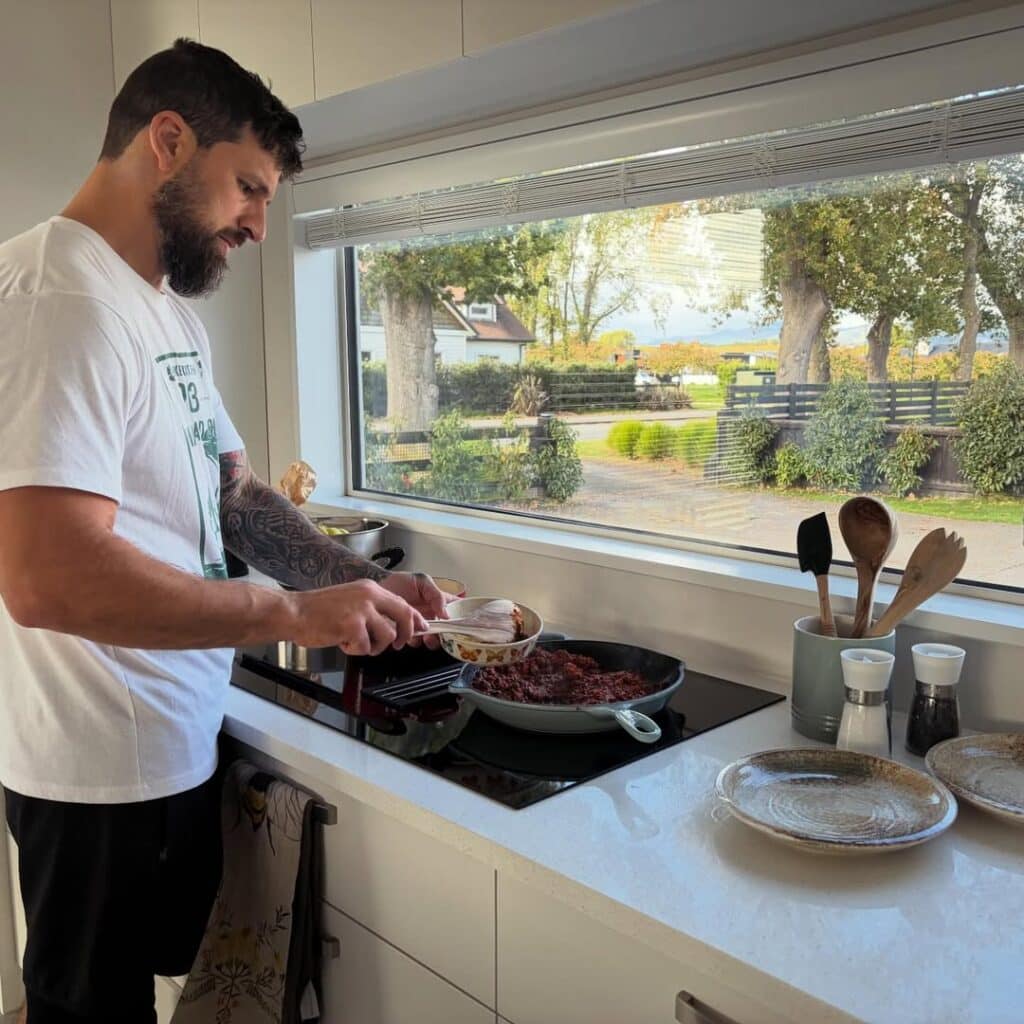
Home Cooking Is Simplified
At home, cooking becomes:
- quicker
- more relaxed
- less technical
No thermometers. No timelines. No pressure.
Just food.
Cooking for Family Hits Different
When you cook professionally, food is judged.
When you cook at home, food is shared.
That shift changes everything.
It’s less about perfection…and more about connection.
Key point:
👉 Professional pitmasters cook to impress at work – but to relax at home.
The Balance That Keeps Pitmasters Going
Here’s the truth most people don’t see.
Being around BBQ all day doesn’t kill your love for it.
It just changes your relationship with it.
Taking breaks from BBQ:
- keeps your palate sharp
- prevents burnout
- fuels creativity
Because when you come back to the smoker after eating something completely different?
You notice more. You cook better.
The Role of Snacks During Long BBQ Cooks
Long cooks aren’t fueled by brisket alone—they’re powered by strategic snacking.
When you’re 6 hours into a cook, you don’t want something heavy slowing you down. Most professional pitmasters keep it light and functional:
- crackers
- nuts
- fruit
- quick protein bites
You learn fast that steady energy beats big meals. A full plate of BBQ mid-cook? That’s a one-way ticket to feeling sluggish next to a hot fire.
Key insight:
👉 Snacks are less about indulgence and more about endurance.
And honestly, there’s something humbling about spending all day cooking incredible meat… while surviving on almonds and a banana.
Late-Night Eating Habits After a BBQ Shift
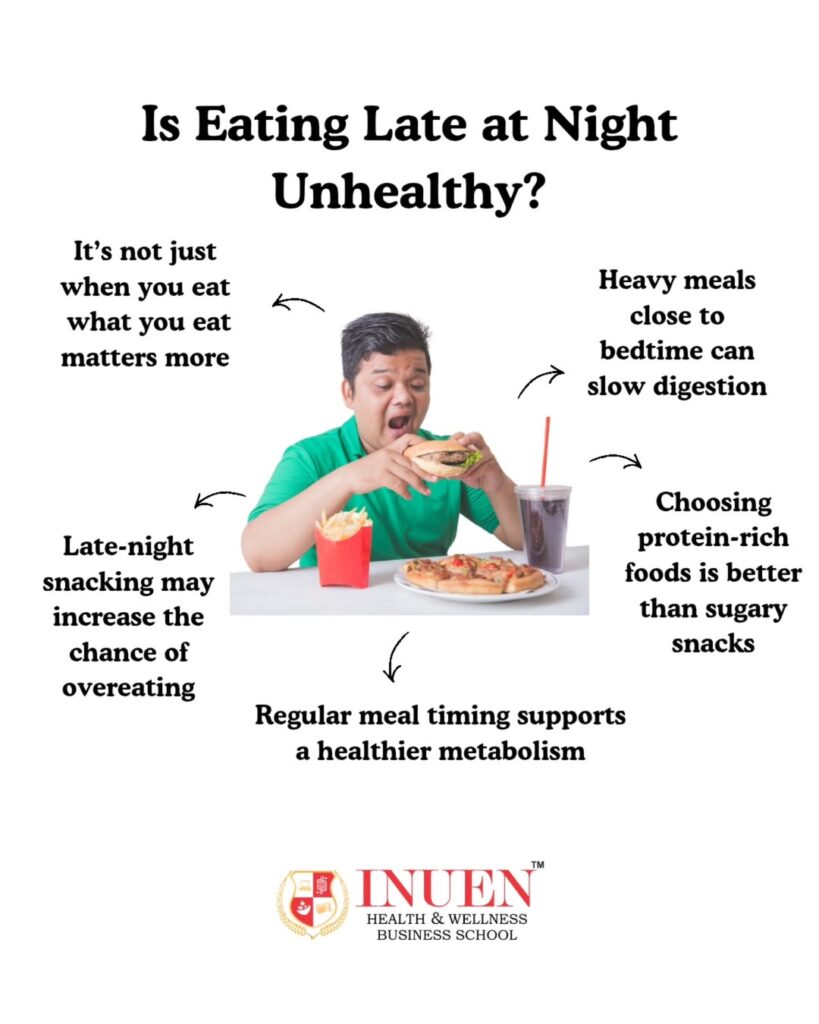
BBQ doesn’t run on a 9-to-5 schedule – and neither do we.
After service, it’s usually late. Really late. That’s when the cravings hit.
Most professional pitmasters go for:
- reheated leftovers (not always BBQ)
- instant noodles
- eggs or quick stir-fries
Why? Because at that hour, effort matters more than elegance.
There’s also a strange calm after a long cook. The fire’s out. The rush is over. And you’re just sitting there, eating something simple in silence.
Key point:
👉 Late-night meals are about decompression, not perfection.
And sometimes? That bowl of noodles tastes better than anything you served all day.
How Travel Influences a Pitmaster’s Diet
BBQ competitions and events take you everywhere – and that changes how you eat.
When professional pitmasters travel, they don’t just stick to BBQ. They explore:
- local street food
- regional specialties
- hidden gems
Because every place has its own flavor story.
You might spend the day cooking ribs…and the night eating something completely different like seafood or noodles.
Key insight:
👉 Travel expands a pitmaster’s palate beyond smoke and fire.
And here’s the bonus: trying new cuisines often inspires new BBQ ideas. That tangy sauce or spice blend you discovered? It might show up in your next brisket.
The Drinks Pitmasters Pair With Their Off-Duty Meals
Food gets all the attention – but drinks matter just as much.
After hours around heat and smoke, hydration becomes serious business. Many professional pitmasters reach for:
- ice-cold water (more than you’d expect)
- iced tea or citrus drinks
- simple sodas
Not everything is about beer and bourbon.
Off-duty meals often call for something refreshing and clean, especially after heavy BBQ exposure.
Key point:
👉 The right drink resets your palate as much as the food does.
And sometimes, the best pairing isn’t fancy – it’s just something cold enough to cut through a long day.

The Influence of Childhood Favorites on Pitmasters
No matter how skilled you get, your roots stay with you.
Ask any professional pitmaster about their comfort food, and you’ll often hear something from childhood:
- mom’s home-cooked meals
- simple soups
- rice dishes or stews
These meals aren’t about technique – they’re about memory.
After a long day of precision cooking, going back to something familiar feels grounding.
Key insight:
👉 Nostalgia plays a bigger role in food choices than most people realize.
Because at the end of the day, even the best pitmasters still crave the dishes that made them fall in love with food in the first place.
How Pitmasters Experiment With Non-BBQ Cooking Styles
Being around BBQ all day doesn’t limit creativity – it actually pushes it.
Many professional pitmasters experiment with:
- stir-frying
- baking
- pan-searing
- even raw preparations like ceviche
Why? Because stepping outside BBQ sharpens your overall cooking skills.
You start thinking differently about:
- heat control
- seasoning balance
- texture
Key point:
👉 Great pitmasters aren’t just BBQ experts – they’re well-rounded cooks.
And sometimes, the best way to improve your brisket… is to stop cooking brisket for a while.
The Psychological Shift: Eating Without Judging the Food
When food is your job, it’s hard to turn your brain off.
All day, professional pitmasters are analyzing:
- flavor
- texture
- doneness
But off-duty meals offer something rare: a chance to just eat.
No critique. No notes. No adjustments.
Just enjoyment.
Key insight:
👉 Eating without overthinking becomes a luxury.
And honestly, that might be the most important break of all. Because loving food isn’t just about mastering it – it’s about knowing when to stop analyzing and start appreciating.
Final Thoughts: Pitmasters are Food Lovers First
At the end of the day, professional pitmasters aren’t just BBQ machines.
We’re food people.
We love:
- bold flavors
- simple meals
- unexpected combinations
And sometimes, after 12 hours of tending a fire…
The best meal in the world is:
- quick
- quiet
- and doesn’t taste like smoke
Final takeaway:
👉 BBQ is our craft – but variety is what keeps the passion alive.
Frequently Asked Questions
1. Do professional pitmasters eat BBQ every day?
Not even close. While professional pitmasters cook BBQ daily, most only taste it throughout the day rather than sit down to full meals. After hours of sampling brisket, ribs, and pork, many prefer something lighter or completely different.
👉 Key point: Cooking BBQ all day doesn’t mean craving it all night.
2. Do pitmasters ever get tired of BBQ?
Yes – and it’s completely normal. This is often called flavor fatigue, where constant exposure to smoky, rich foods dulls your appetite for them. Taking breaks from BBQ helps professional pitmasters maintain their passion and keep their taste buds sharp.
3. What do professional pitmasters usually eat at home?
At home, meals are simple and comforting. Most professional pitmasters go for:
- quick sandwiches
- eggs or breakfast foods
- pasta or home-style dishes
👉 Key phrase: Off-duty meals are about ease, not complexity.
4. Do professional pitmasters eat healthy?
Surprisingly, yes. Many balance out heavy BBQ days with:
- grilled (not smoked) proteins
- fresh vegetables and salads
- lighter portions
👉 Key point: Balance is essential when BBQ is your daily environment.
5. What foods do pitmasters crave when they’re not cooking BBQ?
When BBQ is off the table, professional pitmasters often crave bold, contrasting flavors like:
- spicy dishes
- fresh seafood
- international cuisines (Thai, Mexican, Japanese)
👉 Key phrase: They chase flavors BBQ doesn’t provide.
6. Do pitmasters still cook at home after a long day?
Yes – but very differently. Home cooking is:
- faster
- less technical
- more relaxed
There’s no pressure to impress – just good food and downtime.
👉 Key point: Cooking at home is about comfort, not competition.
7. What’s the biggest misconception about professional pitmasters?
The biggest myth is that they eat BBQ all the time. In reality, professional pitmasters are well-rounded food lovers who enjoy a wide variety of meals beyond smoked meat.
👉 Key phrase: BBQ is their craft – not their entire diet.
8. Why do pitmasters prefer simple meals off-duty?
After managing complex, time-intensive cooks, simplicity becomes appealing. Quick meals reduce stress and allow professional pitmasters to recharge.
👉 Key insight: Simple food helps reset both body and mind.
9. Do pitmasters enjoy fast food or guilty pleasures?
Absolutely. Even seasoned professional pitmasters have their go-to indulgences, especially after long shifts. Convenience and familiarity often win over perfection in those moments.
10. How do professional pitmasters avoid burnout?
They avoid burnout by:
- eating a variety of foods
- taking breaks from BBQ
- exploring different cuisines
👉 Key takeaway: Variety keeps creativity alive and passion strong.
Featured image credit: Google Gemini
