
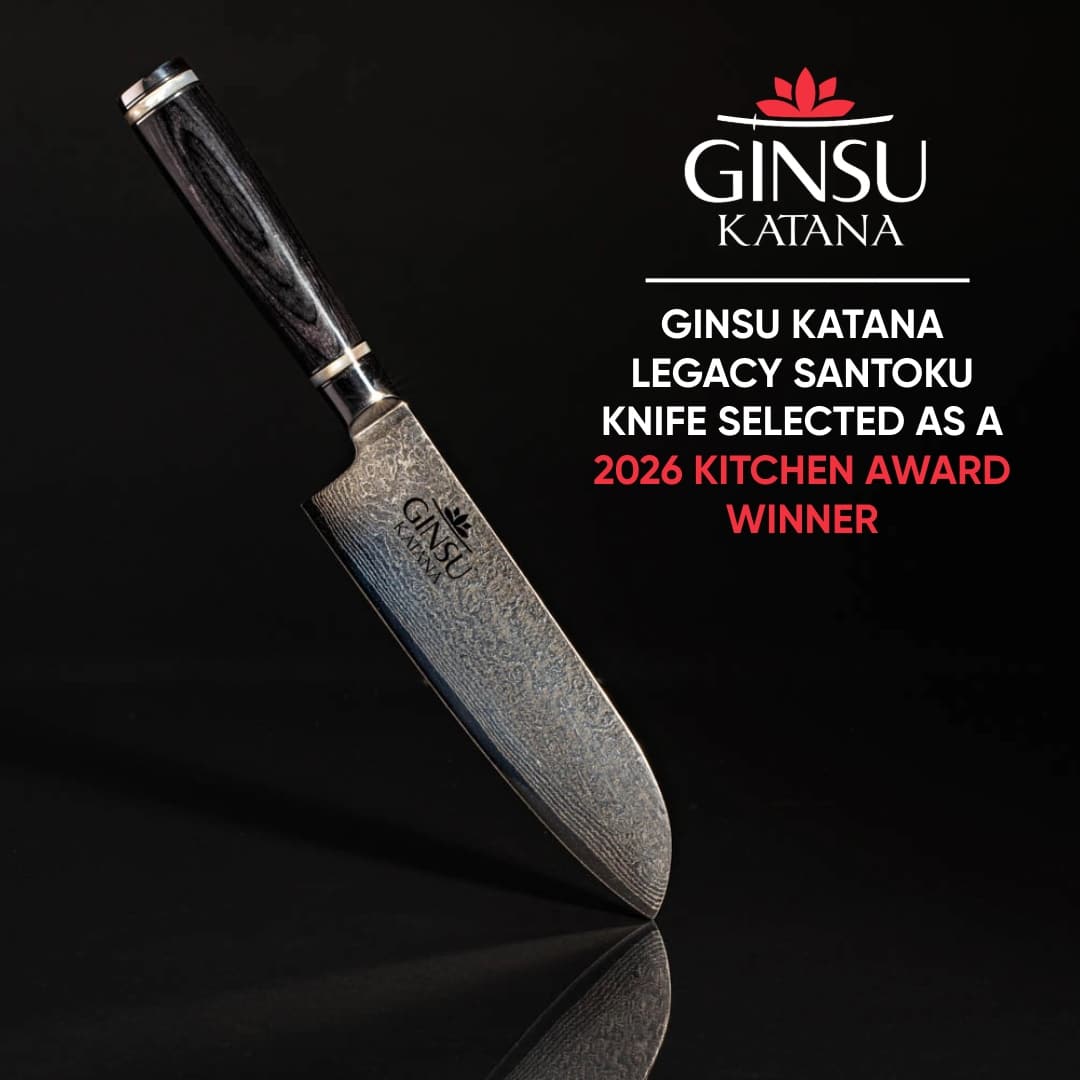
Ever watched a prep cook tear through a mountain of onions without breaking a sweat? Chances are a Santoku was in their hand.
I’ve worked plenty of brisket shifts and fine-dining garde manger stations, and I’ll tell you this straight: Santoku knives are surgical tools with muscle. They don’t just cut – they glide, whisper, and occasionally make you look better than you are.
The word Santoku roughly translates to “three virtues.” Traditionally, that means meat, fish, and vegetables. In real kitchen terms? One knife that handles 90% of your daily prep without complaining.
This guide breaks down 10 must-have Santoku knives that combine razor precision with enough backbone to power through sweet potatoes and thick cuts of protein. Whether you’re upgrading from a grocery-store blade or building a serious lineup, these picks deliver.
What Makes Santoku Knives So Good?
Before we get into the heavy hitters, let’s talk about what sets Santoku knives apart.
- Flatter edge – Designed for push-cutting and clean, straight slices.
- Sheepsfoot tip – Less stabbing, more slicing. Precision over drama.
- Thinner blade profile – Better control, cleaner cuts, less tearing.
- Often a granton edge – Those little scallops help reduce sticking.
Compared to a Western chef’s knife, a Santoku doesn’t rock as much. It’s more of a forward-and-down motion. Think efficient, not theatrical.
Now let’s get into the knives that deserve space on your magnetic strip.
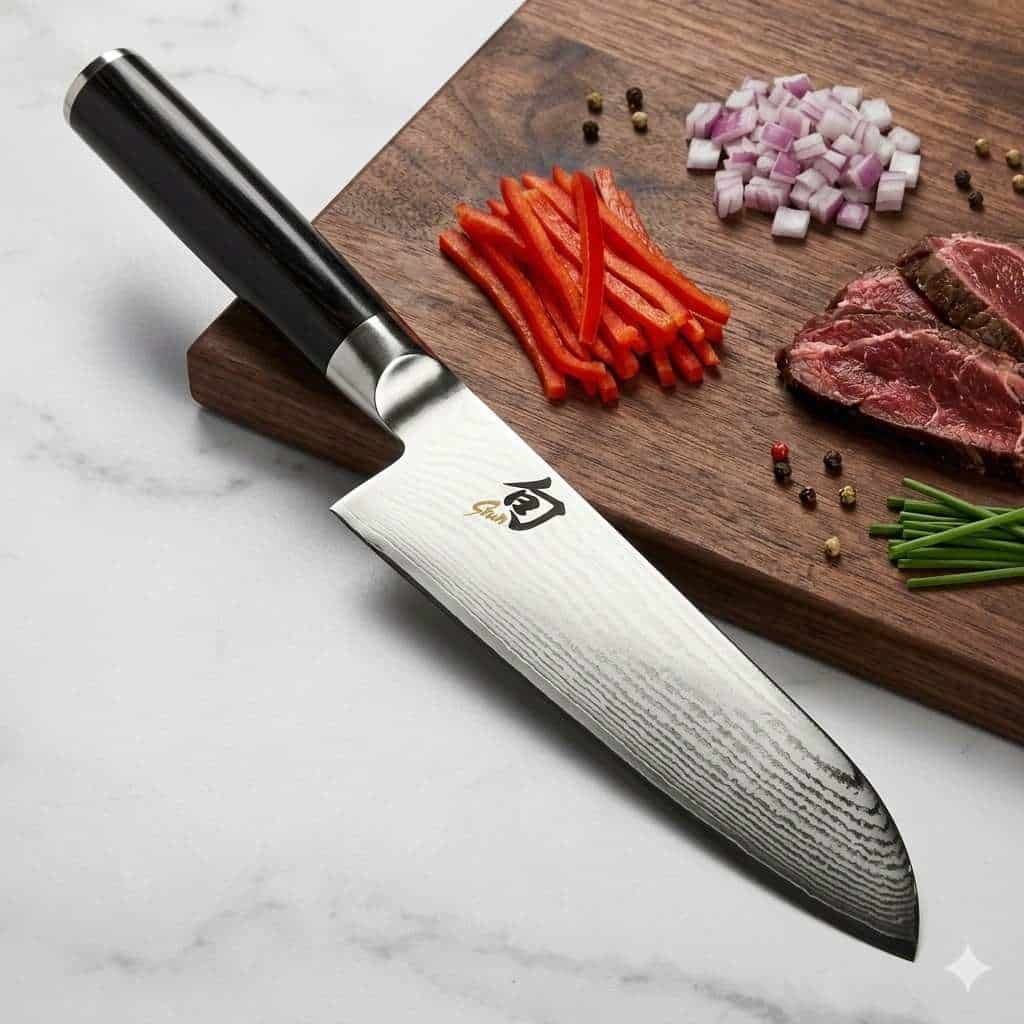
1. Shun Classic 7-Inch Santoku
If you want precision wrapped in elegance, this is it.
Shun’s VG-MAX steel core is wrapped in Damascus cladding, giving you both strength and that signature ripple pattern that makes guests ask questions. It holds an edge beautifully and feels like it’s slicing on autopilot.
Key highlights:
- 7-inch blade sweet spot
- 16° edge angle for scary sharp performance
- D-shaped pakkawood handle for control
This is the knife I grab when presentation matters. Paper-thin cucumber ribbons? No problem. Delicate fish? Effortless.
Downside? It’s not cheap. But neither is a good brisket.
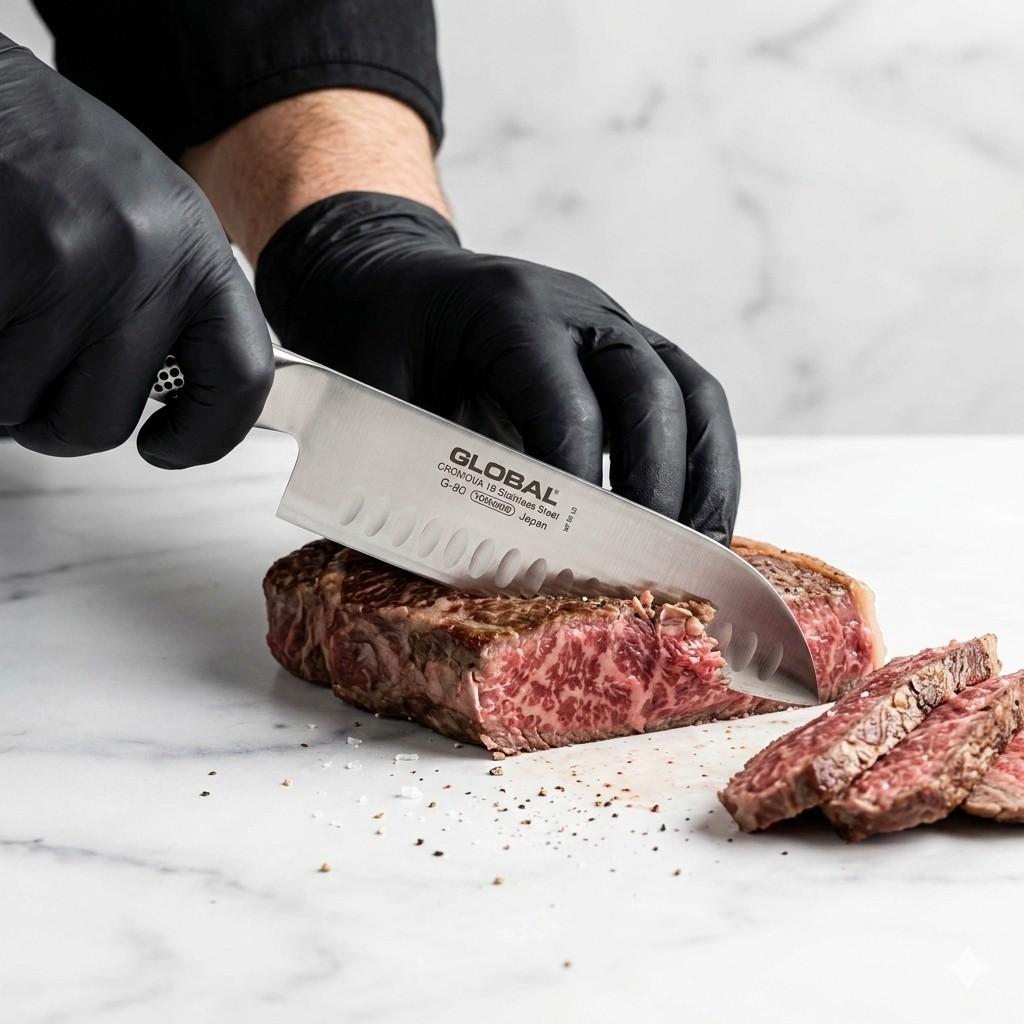
2. Global G-48 7-Inch Santoku
Global knives look like they came from the future – and they kind of cut like it too.
Made from Cromova 18 stainless steel, this blade is lightweight and razor sharp. The hollow handle keeps it nimble, almost like it disappears in your hand.
Why it stands out:
- Ultra-light construction
- Seamless one-piece design (no food traps)
- Excellent balance
If you have smaller hands or prefer speed over heft, this knife is a dream. I’ve seen prep cooks crank through cases of bell peppers with one of these without wrist fatigue.
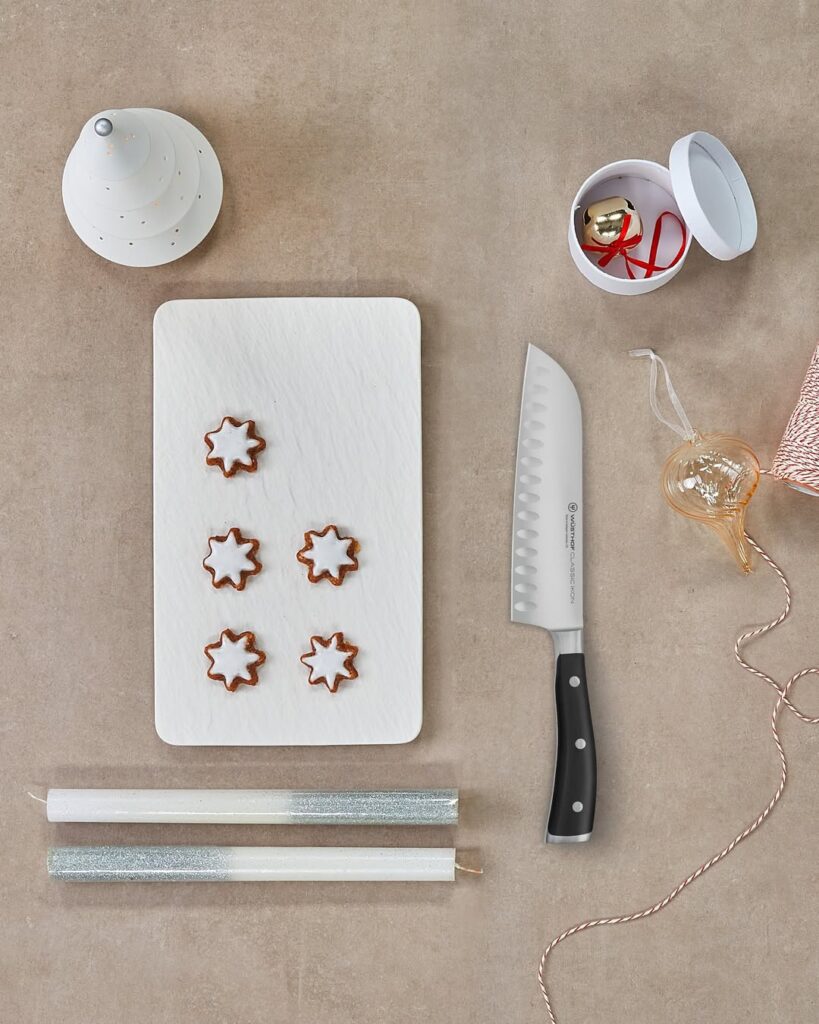
3. Wüsthof Classic 7-Inch Santoku
German steel. Solid spine. Built like a pickup truck.
Wüsthof brings a little more weight to the Santoku category. It’s forged from high-carbon stainless steel and feels sturdy without being clunky.
Key strength: durability and consistency.
If you tend to be a little aggressive on the cutting board (no judgment – I’ve split my share of squash), this blade can handle it.
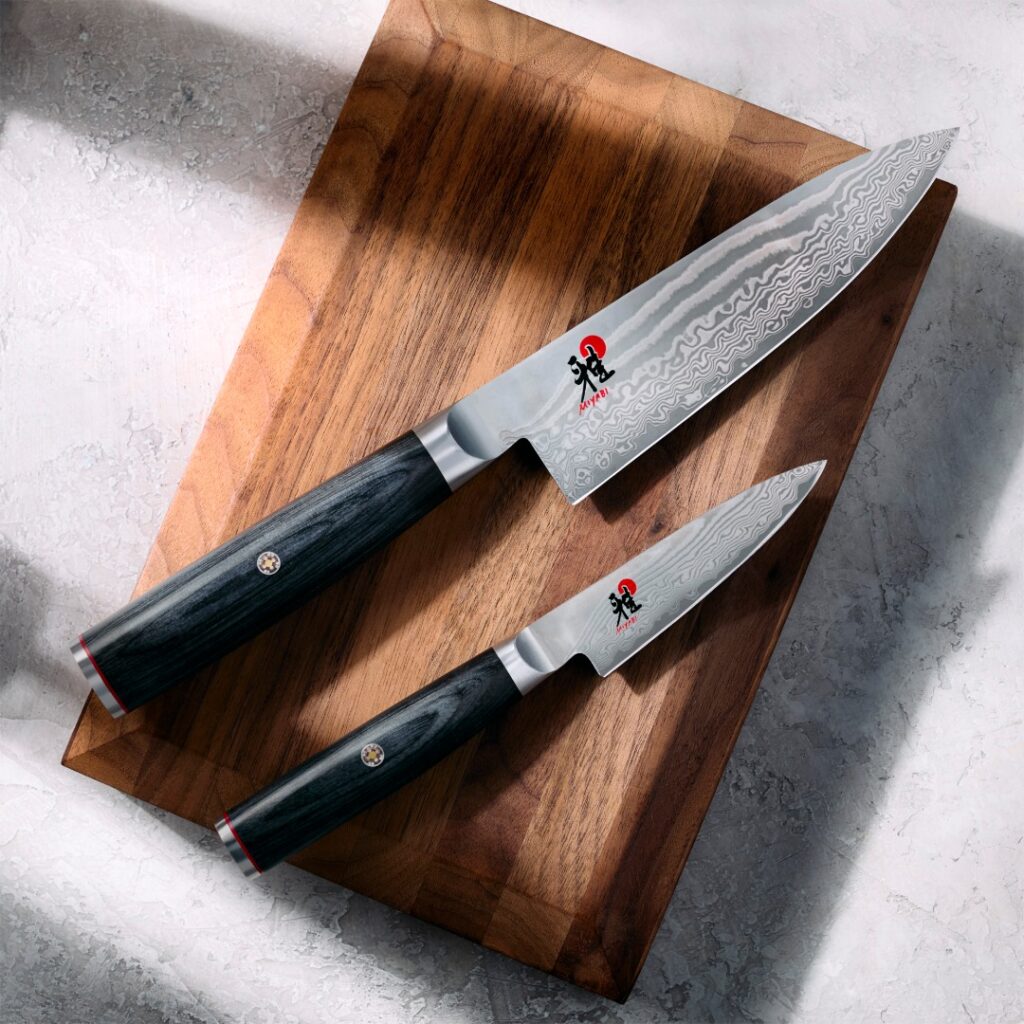
4. Miyabi Kaizen 7-Inch Santoku
This knife is pure precision. The VG-10 core is hardened to a higher Rockwell rating than most Western knives, which means longer edge retention and sharper angles.
It slices like it’s reading your mind.
What makes it special:
- 9–12° edge angle
- 65-layer Damascus finish
- Beautiful balance point
It’s ideal for controlled, fine slicing. I love it for herbs – zero bruising, just clean cuts.
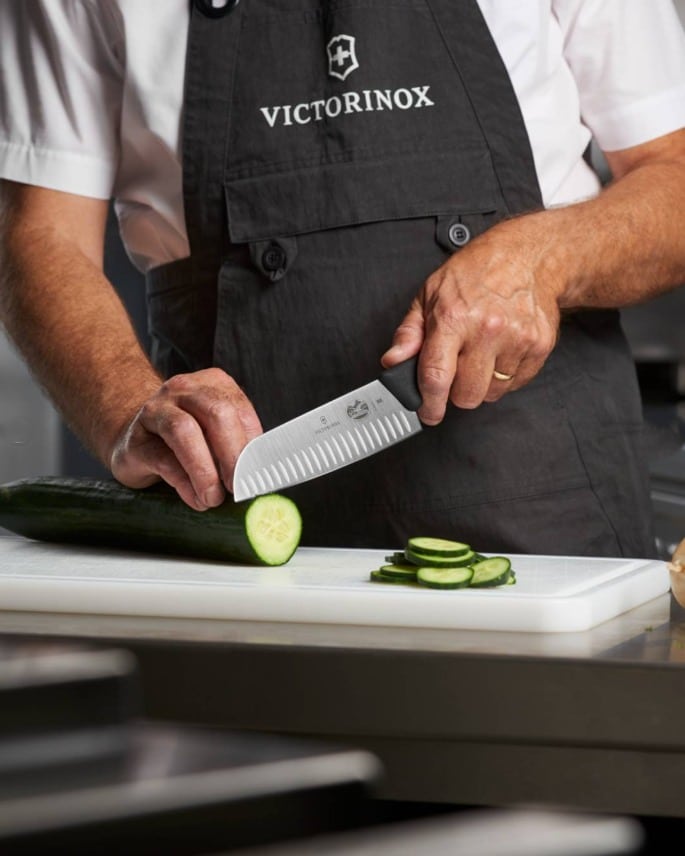
5. Victorinox Fibrox Pro Santoku
Let’s talk value.
Victorinox doesn’t win beauty contests, but it wins performance-per-dollar battles all day. The Fibrox handle has a textured, slip-resistant grip that works even when things get messy.
Why it’s a smart buy:
- Affordable but reliable
- Comfortable grip
- Easy to maintain
If you’re just stepping into the world of Santoku knives, this is a safe, solid start.
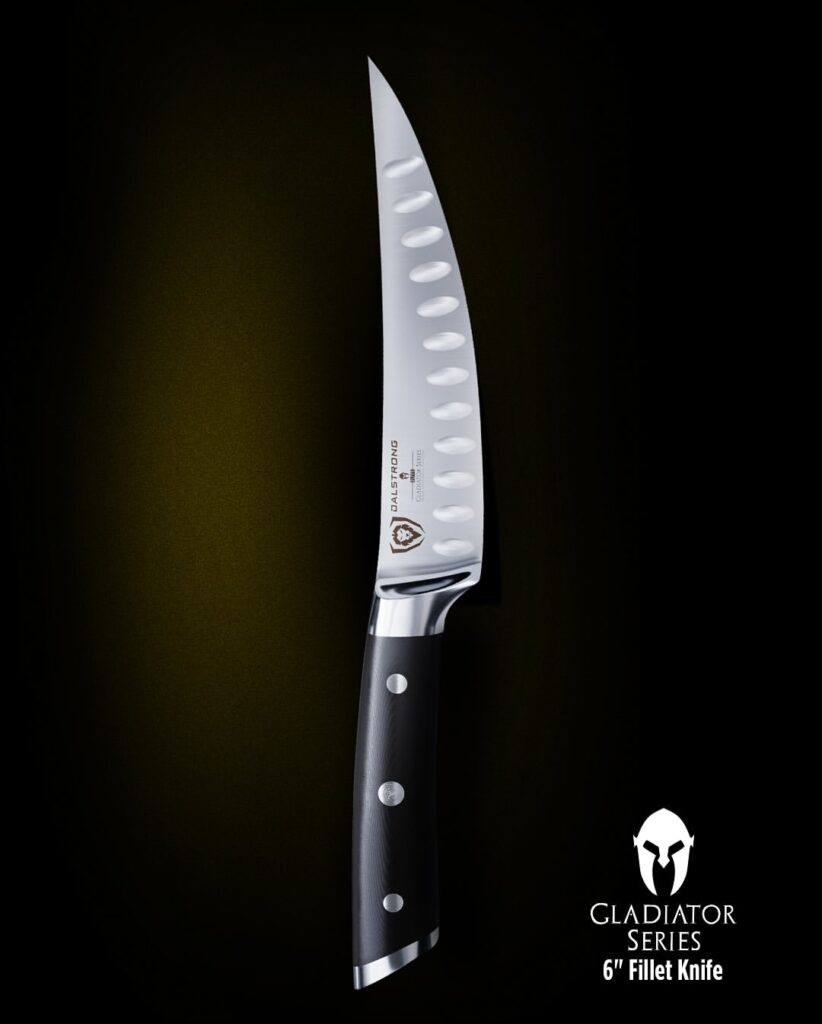
6. Dalstrong Gladiator Series Santoku
Dalstrong makes bold claims – and backs most of them up.
The Gladiator Series uses high-carbon German steel and often features a granton edge to reduce sticking.
Strong points:
- Excellent edge retention for the price
- Polished spine for comfort
- Aggressive styling
This knife punches above its weight. It’s a workhorse with a bit of swagger.
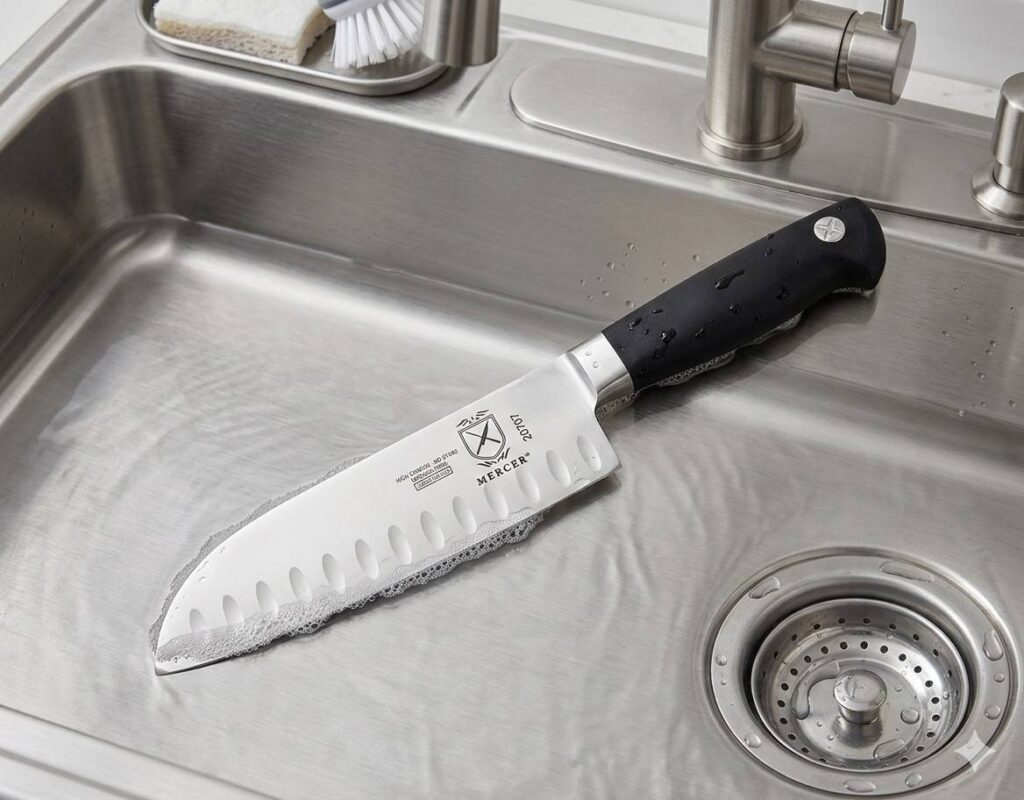
7. Mercer Culinary Genesis Santoku
If you’ve ever attended culinary school, you’ve seen Mercer.
NSF-certified and built for heavy rotation, this knife focuses on practicality over flash.
Best for:
- Students
- Busy home kitchens
- Backup knife duty
It’s not glamorous, but it’s dependable – and sometimes that’s exactly what you need.
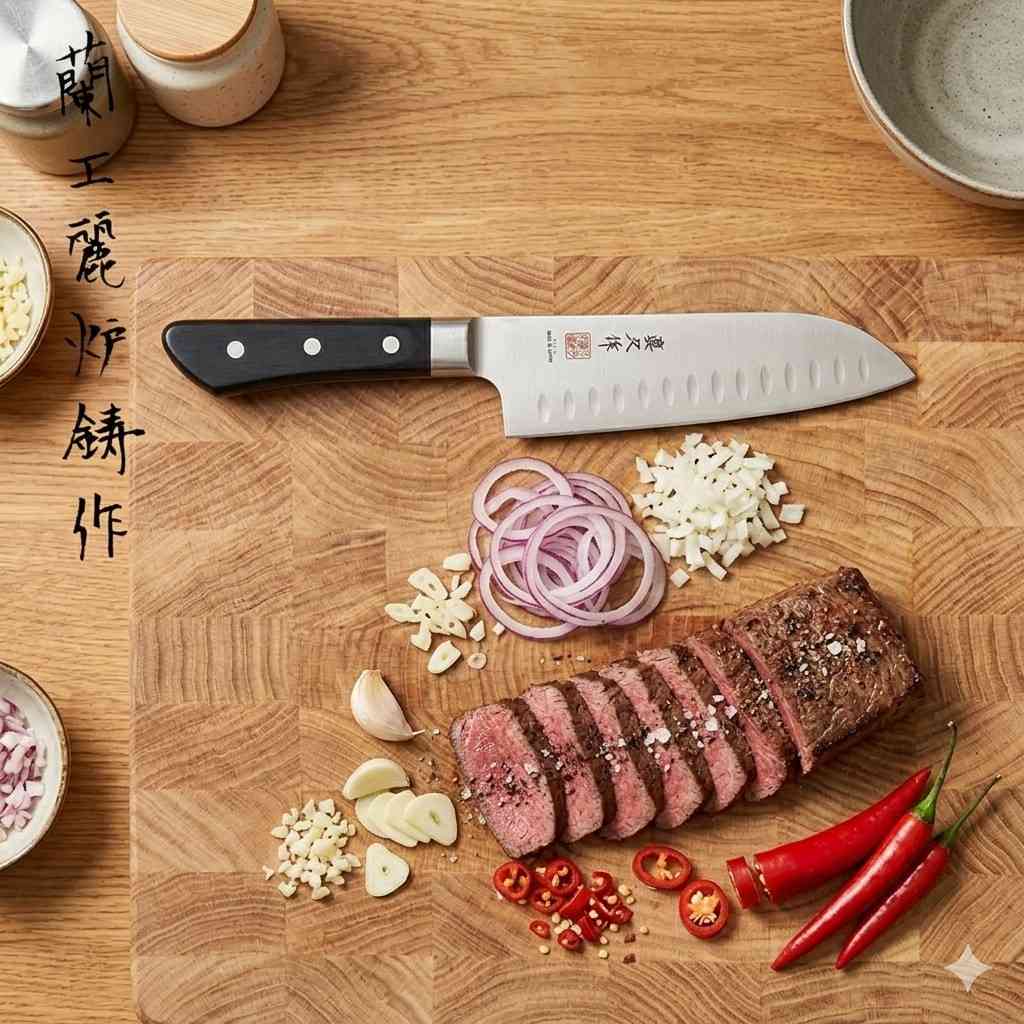
8. MAC Knife MSK-65 Santoku
MAC knives have a cult following, and once you use one, you get it.
The blade is thin – seriously thin – which means minimal resistance when slicing. It feels almost frictionless.
Ideal for:
- Precision vegetable prep
- Fine protein slicing
- Fast-paced cooking
If you want laser-level control, this is your blade.
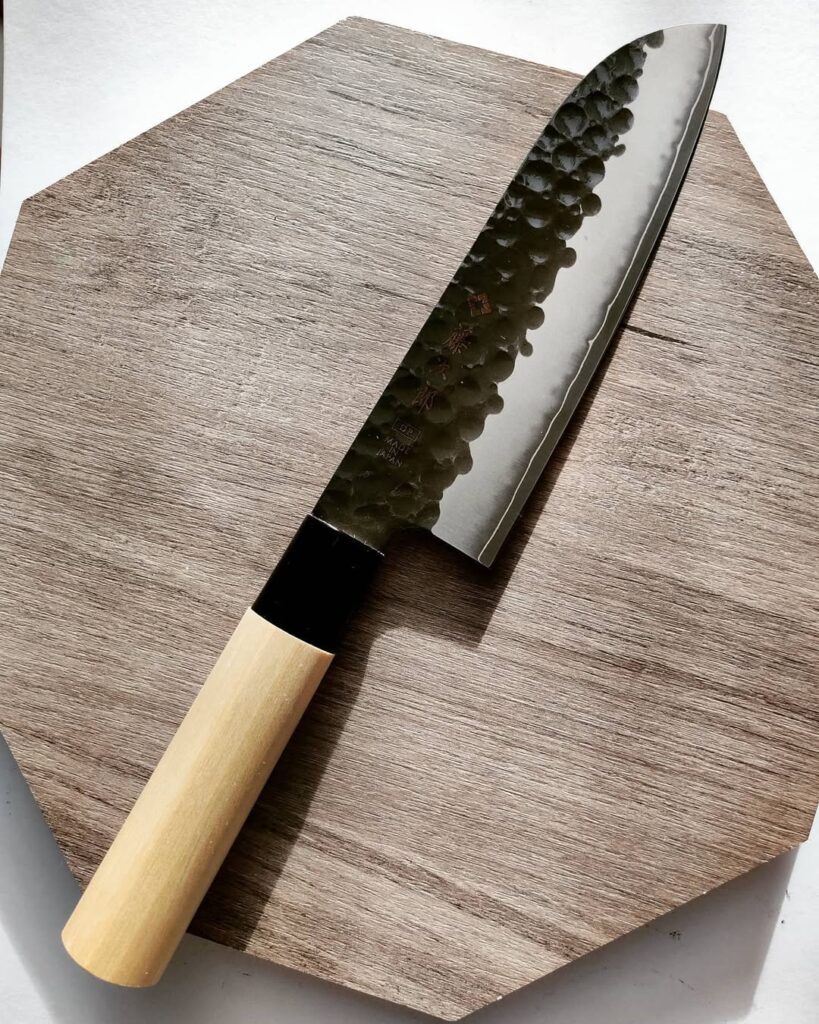
9. Tojiro DP Santoku
Tojiro is one of the best “insider” brands out there.
You get a VG-10 core at a price that doesn’t make your wallet cry. It’s balanced, sharp, and performs like knives that cost significantly more.
Why cooks love it:
- Excellent value-to-performance ratio
- Strong edge retention
- Clean, simple design
If you want real Japanese performance without premium markup, this is it.
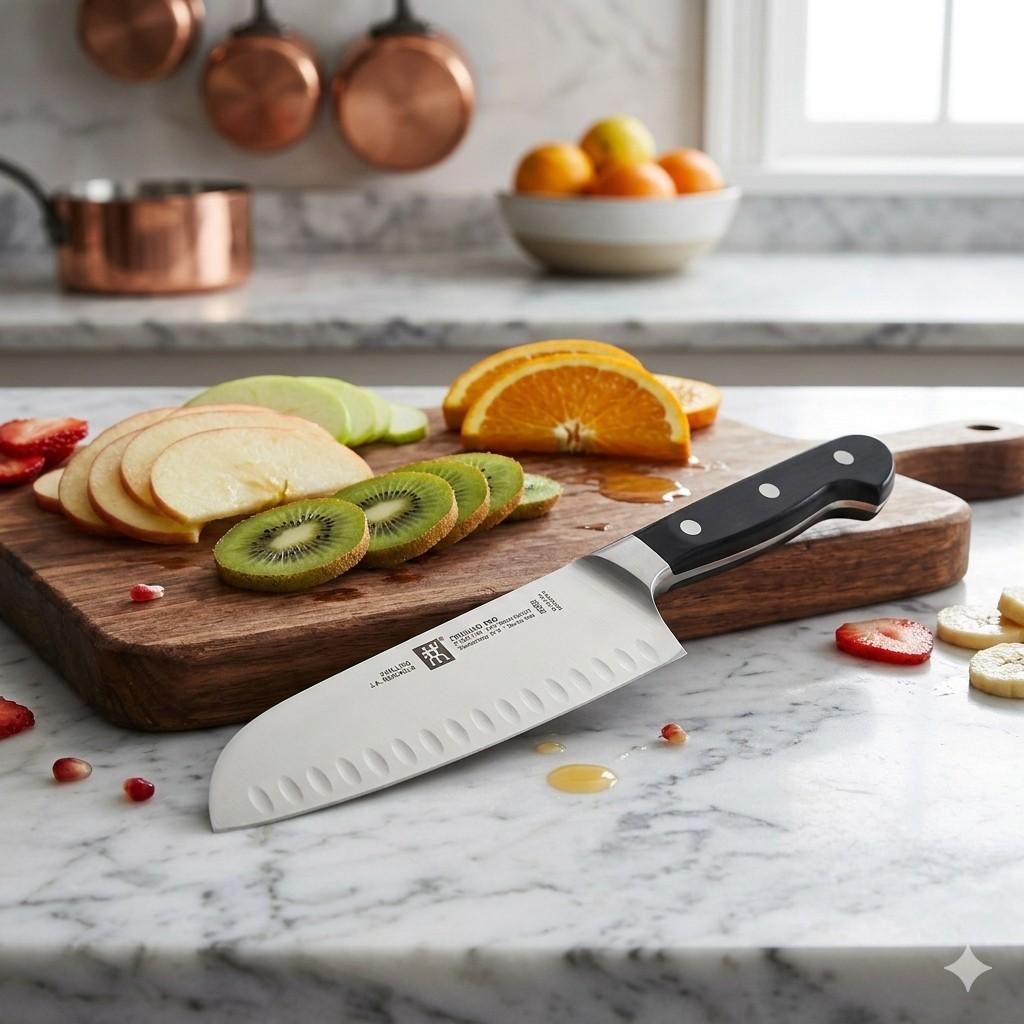
10. Zwilling Pro 7-Inch Santoku
Zwilling’s ice-hardened steel process adds durability and corrosion resistance.
It has a slightly more Western feel, but still delivers the flat cutting performance you expect from Santoku knives.
Strong points:
- Excellent durability
- Comfortable triple-rivet handle
- Reliable edge
This is a “buy it once, use it forever” type of blade.
Santoku vs. Chef’s Knife: Quick Reality Check
I get asked this all the time.
A chef’s knife is versatile and great for rocking cuts. But Santoku knives excel at precision push-cutting and vegetable prep.
If you:
- Slice more than you rock
- Prep lots of vegetables
- Prefer lighter blades
Then a Santoku will likely feel more natural.
Personally? I keep both. It’s not a rivalry – it’s a partnership.
The History Behind Santoku Knives: Why They Took Over Modern Kitchens
Before Santoku knives became Instagram-famous, they were practical tools born in post-war Japan. As home kitchens shifted toward smaller spaces and more vegetable-forward cooking, cooks needed a blade that was compact, efficient, and versatile.
Enter the Santoku – shorter than a Western chef’s knife, flatter along the edge, and built for clean, downward slicing.
What makes this interesting is how quickly it crossed oceans. By the 1990s, Western kitchens were embracing Japanese steel for its hardness and edge retention. Chefs realized they could prep faster with less wrist strain.
Home cooks noticed their herbs weren’t bruised into green mush.
The Santoku didn’t replace the chef’s knife – it carved out its own territory. Today, it’s the go-to for cooks who value precision over brute force. Not bad for a knife designed for small home kitchens.
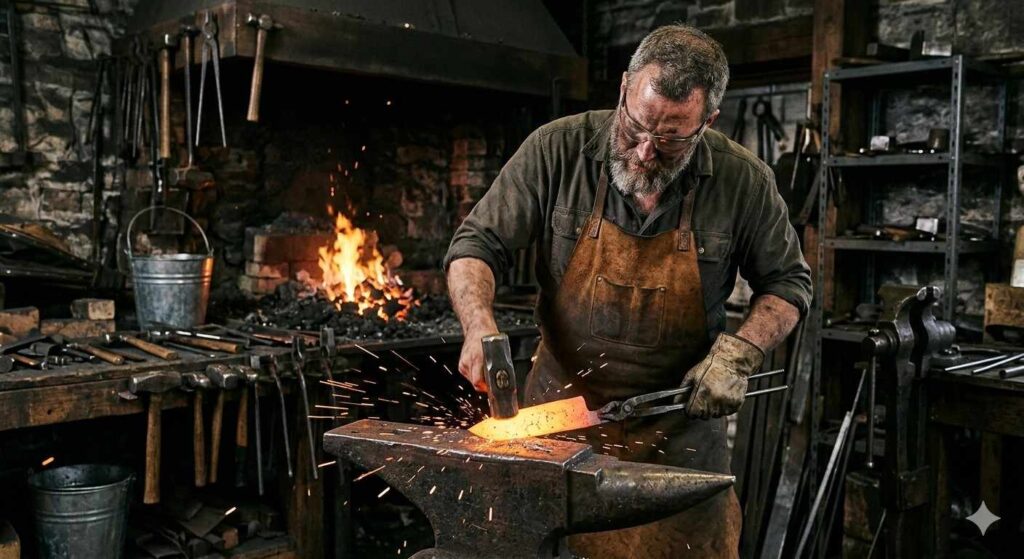
The Steel Story: Why Hardness Matters More Than You Think
Let’s talk about something most buyers ignore: Rockwell hardness (HRC). It sounds technical, but it matters.
Many Japanese-style Santoku knives sit between 60–62 HRC, while German blades often fall closer to 56–58 HRC. Higher hardness means sharper edges and longer edge retention. That’s why a good Santoku feels laser-like.
But here’s the catch – harder steel can be more brittle. Twist it into a chicken bone and you might chip it. That’s not the knife’s fault. That’s operator error.
Think of it like sports cars. A Ferrari handles beautifully – but you don’t take it rock crawling. The same goes here. Treat high-HRC Santoku knives properly, and they’ll reward you with ridiculously clean cuts and less frequent sharpening.
Understanding steel isn’t nerdy. It’s the difference between buying smart and buying twice.
Handle Design: The Unsung Hero of Knife Performance
Everyone obsesses over the blade. Meanwhile, the handle quietly determines whether your wrist survives dinner prep.
Traditional Japanese wa-handles are lightweight and often octagonal or D-shaped. They shift the balance slightly forward, giving you more tip control and slicing precision. Western handles, with full tang construction and rivets, feel heavier and more familiar.
Neither is “better.” It comes down to grip style and comfort.
After years behind cutting boards, I’ve learned this: a knife can be razor sharp, but if the handle feels awkward, you won’t reach for it. Blisters and fatigue show up fast.
Look for:
- Balanced weight distribution
- Secure grip when wet
- No pressure points during extended prep
A great Santoku should feel like an extension of your arm – not a tool you’re fighting.
Cutting Techniques That Make Santoku Knives Shine
A Santoku isn’t meant to rock like a Western chef’s knife. It thrives on the push-cut and pull-cut technique.
Picture this: blade tip down first, then a smooth forward glide. Minimal lift. Maximum efficiency.
That flatter edge profile allows for full board contact, meaning cleaner, more uniform slices.
This is where Santoku knives become addictive.
Vegetables stay intact instead of cracking. Herbs remain vibrant instead of bruised. Proteins slice clean without tearing fibers apart.
Switching techniques can feel awkward at first. But once you adapt, prep becomes faster and more controlled. I’ve watched cooks shave minutes off ticket times just by adjusting their motion.
The punchline? The knife was never the problem. The technique was.
Why Santoku Knives Are Perfect for Home Cooks
Professional kitchens are chaotic. Home kitchens? Not so much.
That’s exactly why Santoku knives are ideal for everyday cooking. Their shorter length makes them easier to control in tight spaces. They’re less intimidating for beginners and more forgiving for casual cooks.
Most home meals involve vegetables, boneless proteins, and herbs – the exact tasks Santoku knives were built for.
Another overlooked benefit? Reduced wrist fatigue. The lighter blade and forward balance mean less strain during extended chopping sessions. That matters when you’re prepping dinner after a long workday.
And here’s something fun: people tend to improve their knife skills faster with a Santoku because the design naturally encourages proper technique.
It’s not just a pro tool. It’s a smart kitchen upgrade that makes everyday cooking smoother, cleaner, and more enjoyable.
How to Keep Your Santoku Knife Sharp
You can spend $200 on a blade and ruin it with bad habits.
Here’s the no-nonsense care advice:
- Hand wash only
- Use a wooden or rubber cutting board
- Hone regularly
- Sharpen when performance drops – don’t wait for it to struggle
And please – don’t toss it in a drawer loose. That’s blade abuse.
FAQs
1. What makes Santoku knives different from chef’s knives?
The biggest difference is the blade shape and cutting style. Santoku knives have a flatter edge and a sheepsfoot tip, which makes them ideal for push-cutting and precise slicing.
Chef’s knives, on the other hand, have more curve in the blade, making them better for rocking motions.
In simple terms:
- Santoku = clean, straight-down cuts
- Chef’s knife = rocking and heavy-duty versatility
Both are excellent – it just depends on your cutting style and what you prep most often.
2. What size Santoku knife is best?
Most Santoku knives range between 5 and 7 inches, with 7 inches being the sweet spot for most cooks.
- A 5-inch blade offers extra control and works well in small kitchens.
- A 7-inch blade provides more cutting surface without feeling bulky.
For everyday meal prep, a 7-inch Santoku gives you the best balance of power and precision.
3. Are Santoku knives good for meat?
Yes – but with limits. Santoku knives excel at slicing boneless meats, poultry, and fish thanks to their thin, sharp edges. They produce clean cuts without tearing the fibers.
However, they are not designed for bones or frozen foods. Hard materials can damage the edge, especially on higher-hardness Japanese steel.
Think finesse, not force.
4. Do Santoku knives need special maintenance?
They don’t require special treatment – just proper treatment.
- Always hand wash and dry immediately
- Use wooden or rubber cutting boards
- Hone regularly to maintain alignment
- Sharpen when performance drops
Because many Santoku knives use harder steel, maintaining the edge properly will significantly extend their lifespan.
5. Are Santoku knives better for beginners?
In many cases, yes. The shorter blade length and flatter edge make Santoku knives feel more controlled and less intimidating than larger chef’s knives.
They naturally encourage proper push-cut technique, which helps new cooks develop solid knife skills faster.
For home cooks looking for one versatile, easy-to-handle blade, a Santoku is often the smarter starting point.
Final Thoughts: Which Santoku Knife has the Edge?
If you want premium beauty and performance: Shun or Miyabi.
If you want German toughness: Wüsthof or Zwilling.
If you want value without compromise: Tojiro or Victorinox.
If you want precision slicing control: MAC.
The real secret? The best Santoku knives are the ones that feel right in your hand.
A knife should feel like an extension of your arm – balanced, confident, ready. When you find that match, prep becomes smoother, faster, and honestly… more fun.
And if slicing onions ever makes you smile instead of cry?
That’s when you know you picked the right one.
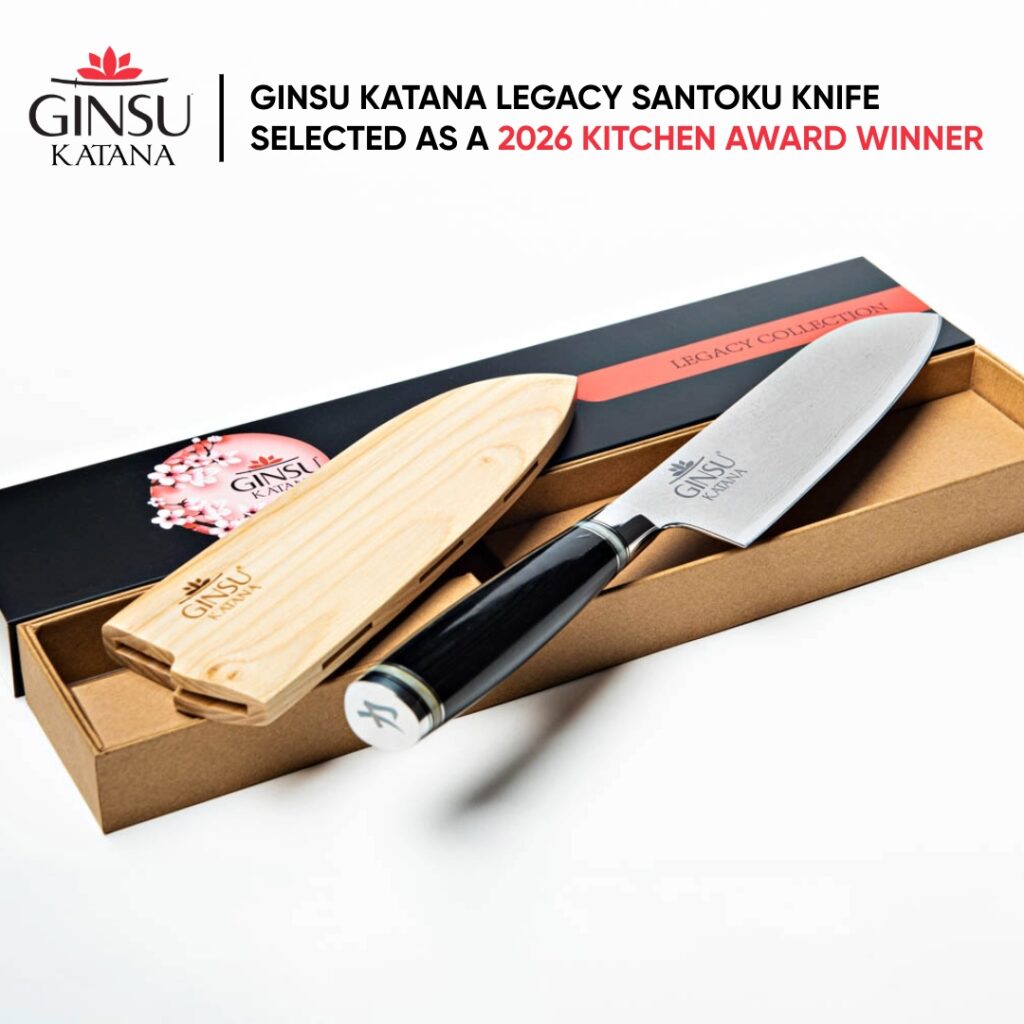
Featured image credit: @ginsukatana
