
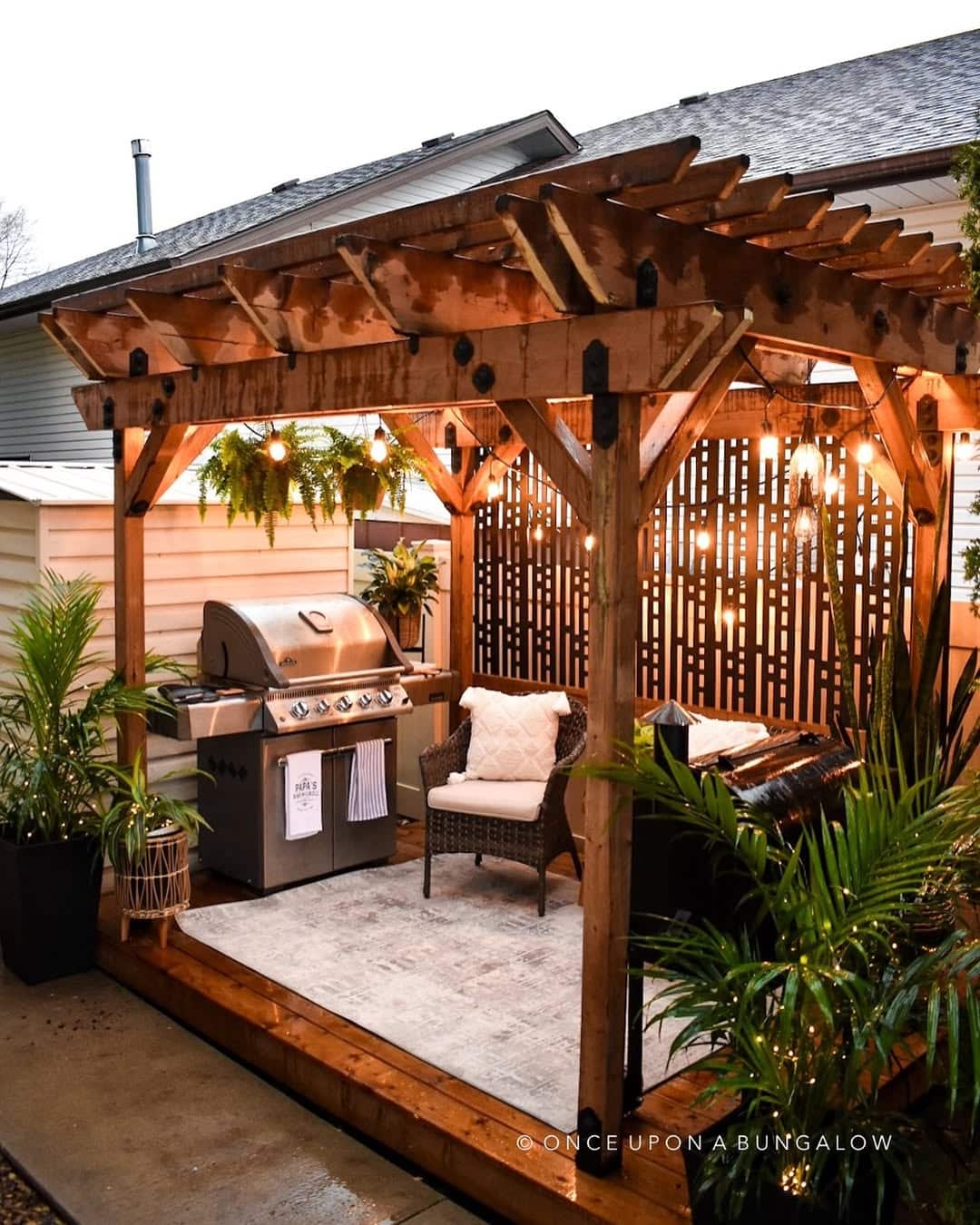
I’ve cooked a lot of meals outdoors – some planned, some improvised, and a few that nearly turned into heatstroke stories. If there’s one thing years behind the grill have taught me, it’s this: a pergola without the right cover is an unfinished recipe.
It might look good, but it won’t hold up when the sun is high, the rain rolls in, or the guests decide they’re staying longer than expected.
A pergola cover does more than block sunlight. It sets the tone for how you use the space, how comfortable your guests feel, and how often you actually step outside to cook, eat, or unwind.
The best designs balance shade, airflow, durability, and style, turning a simple structure into a true outdoor living room. Let’s walk through the most beautiful pergola cover ideas that actually earn their keep.
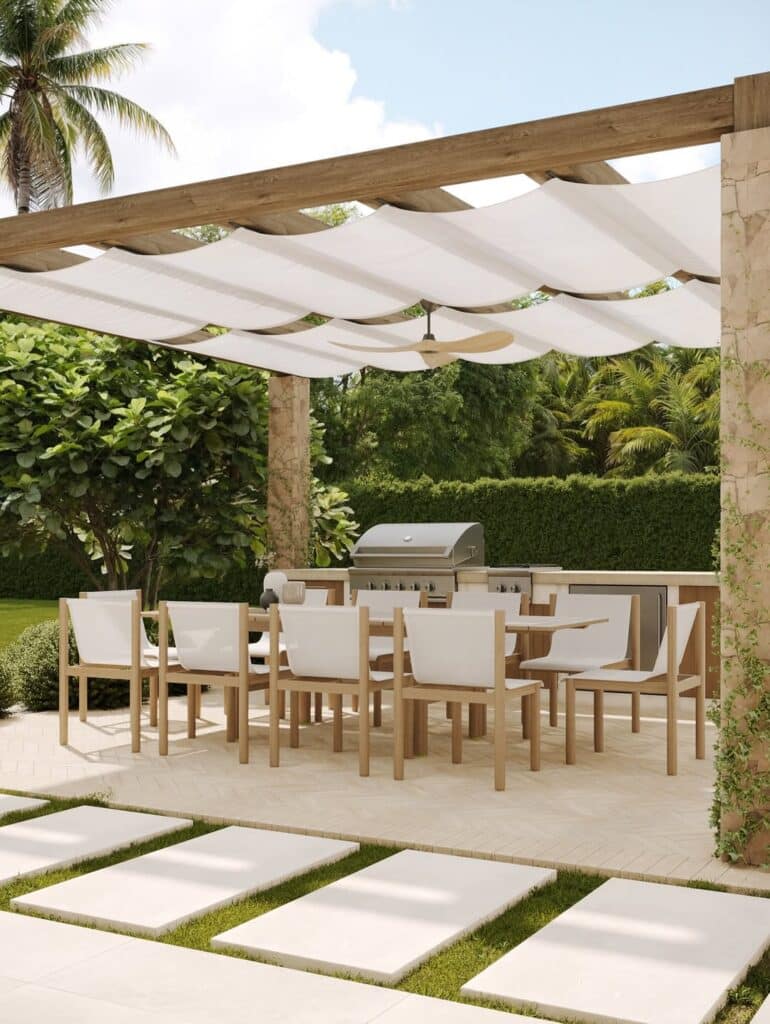
1. Retractable Fabric Canopies: Control Without Commitment
Retractable fabric canopies are the closest thing outdoor living has to a dimmer switch. When the sun is blazing, you pull the cover across and instantly cool the space.
When evening hits or smoke needs somewhere to go, you open it back up and let the air move. As someone who grills in all kinds of weather, that flexibility is gold.
What makes fabric canopies especially appealing is how they soften a pergola’s appearance. Wood and metal structures can feel rigid or heavy, but fabric introduces movement and warmth.
High-quality, weather-rated materials resist fading and sagging, which is critical if you actually plan to use your pergola instead of just admiring it from inside.
The real beauty here is adaptability – your outdoor space adjusts to the moment instead of fighting it.
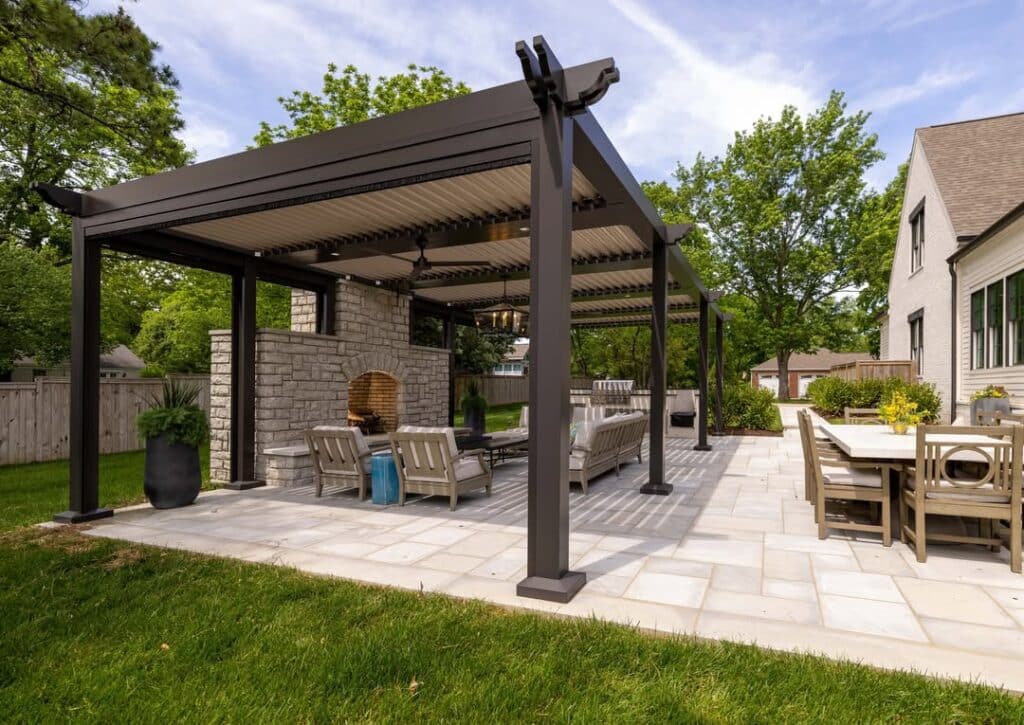
2. Smart Pergola Covers: When Technology Works Outdoors
I used to think “smart outdoor features” were overkill – until I used them. Smart pergola covers add convenience without complicating things, especially for people who entertain often or cook outdoors year-round.
Modern systems let you adjust shade and protection with minimal effort.
- Motorized retractable covers controlled by remote or app
- Rain sensors that automatically close covers when storms roll in
- Smart lighting integration synced with schedules or voice control
- Wind sensors that protect fabric canopies from sudden gusts
The beauty of smart features is reliability. When the weather changes mid-cook, the pergola adapts faster than you can. It’s not about showing off – it’s about keeping the focus on food, guests, and time well spent outside.
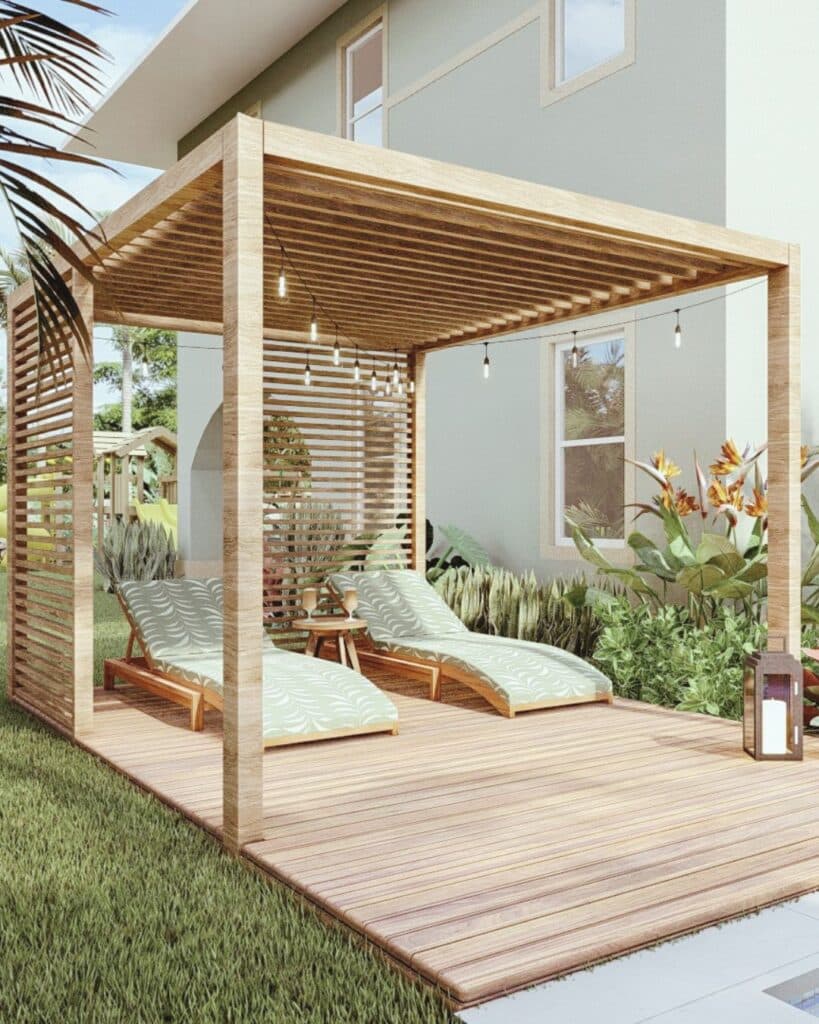
3. Wooden Slat Covers: Structured Shade With Style
Wooden slat pergola covers are for homeowners who want shade without shutting out the sky. Instead of blocking sunlight entirely, slats filter it, creating a play of light and shadow that feels intentional and architectural.
Cooking beneath one of these feels a bit like working under a tree canopy – bright enough to see what you’re doing, shaded enough to stay comfortable.
This style works particularly well in modern or minimalist outdoor spaces where clean lines matter. Cedar and teak are popular choices not just for their looks, but because they hold up to heat and moisture better than softer woods.
The appeal of slatted covers is restraint. They don’t shout for attention, but they quietly elevate the entire pergola.
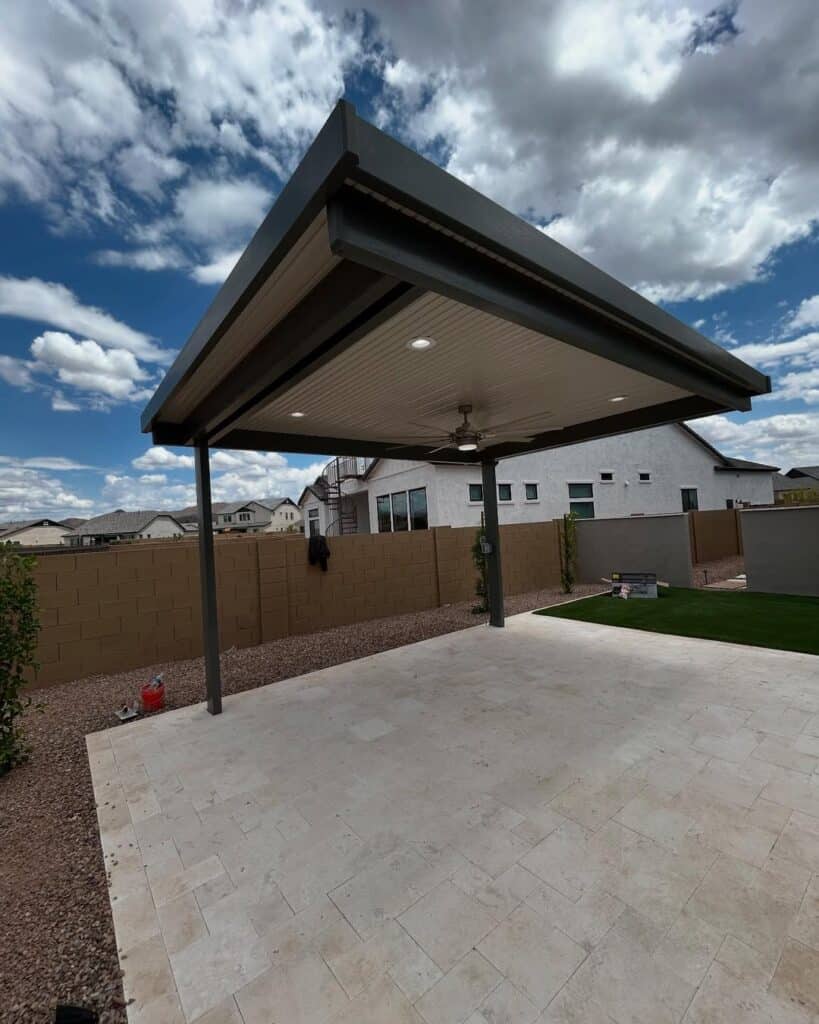
4. Pergola Covers With Fans and Ventilation: Comfort Beats Looks Every Time
There’s nothing worse than standing over a hot grill in still air while everyone else pretends they’re not sweating. Ventilation is the unsung hero of pergola cover design, especially in warm or humid climates.
A well-ventilated pergola cover keeps air moving and temperatures manageable, even during long cook sessions.
- Ceiling fans mounted to solid or metal covers keep heat and smoke from settling
- Louvered panels allow airflow without sacrificing shade
- Higher rooflines naturally improve circulation
- Open sides paired with partial covers prevent heat traps
Comfort always wins. A pergola can look incredible, but if it’s hot and stagnant, people won’t stay. Smart airflow makes the space usable during peak summer hours – and that’s when outdoor living really counts.
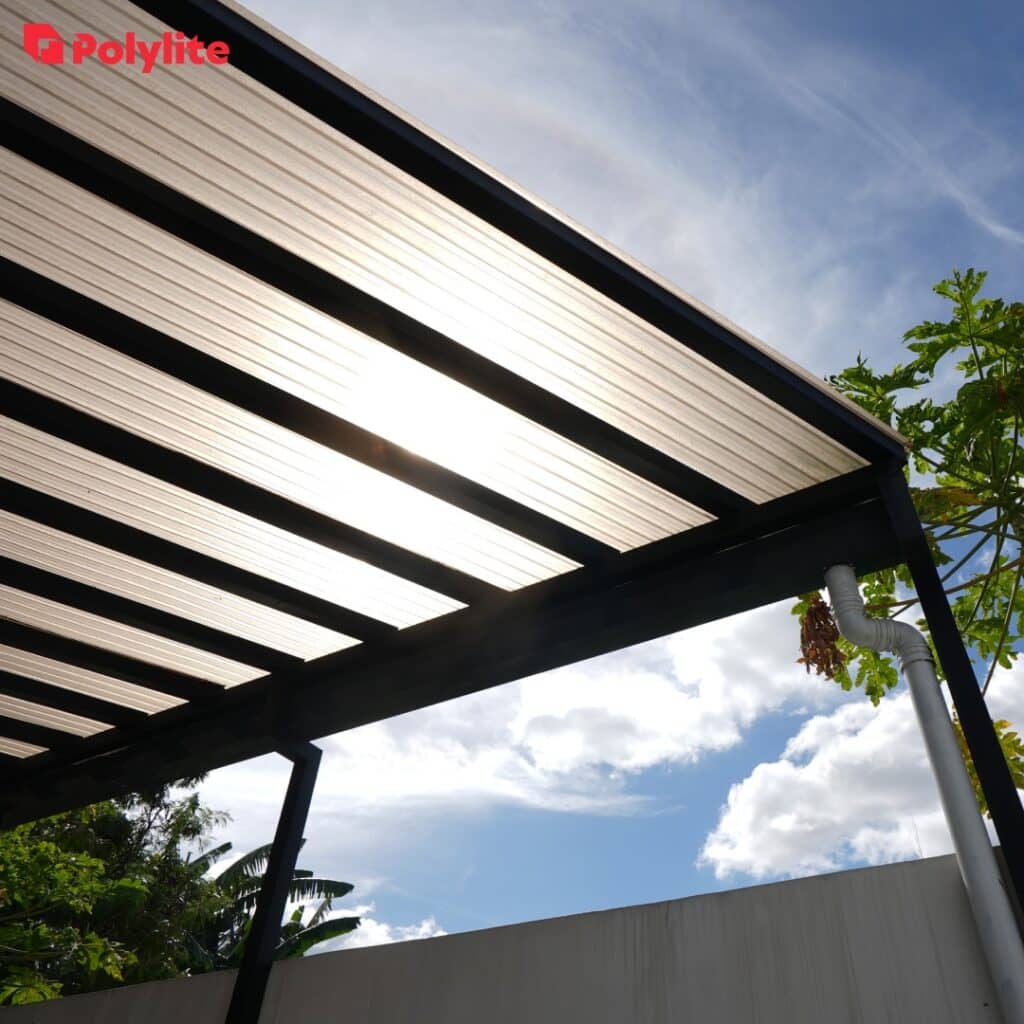
5. Polycarbonate Panels: Practical Protection That Still Feels Open
If your idea of outdoor living doesn’t stop when the weather turns, polycarbonate pergola covers are worth serious consideration.
These panels are designed to keep rain out while letting natural light pass through, which means your pergola stays usable even when the forecast doesn’t cooperate.
From a cook’s perspective, there’s something reassuring about knowing dinner won’t be canceled by a sudden shower. UV-coated panels prevent the space from turning into a greenhouse, while light tinting reduces glare without darkening the area.
This is a solution for people who actually use their outdoor space, not just decorate it.
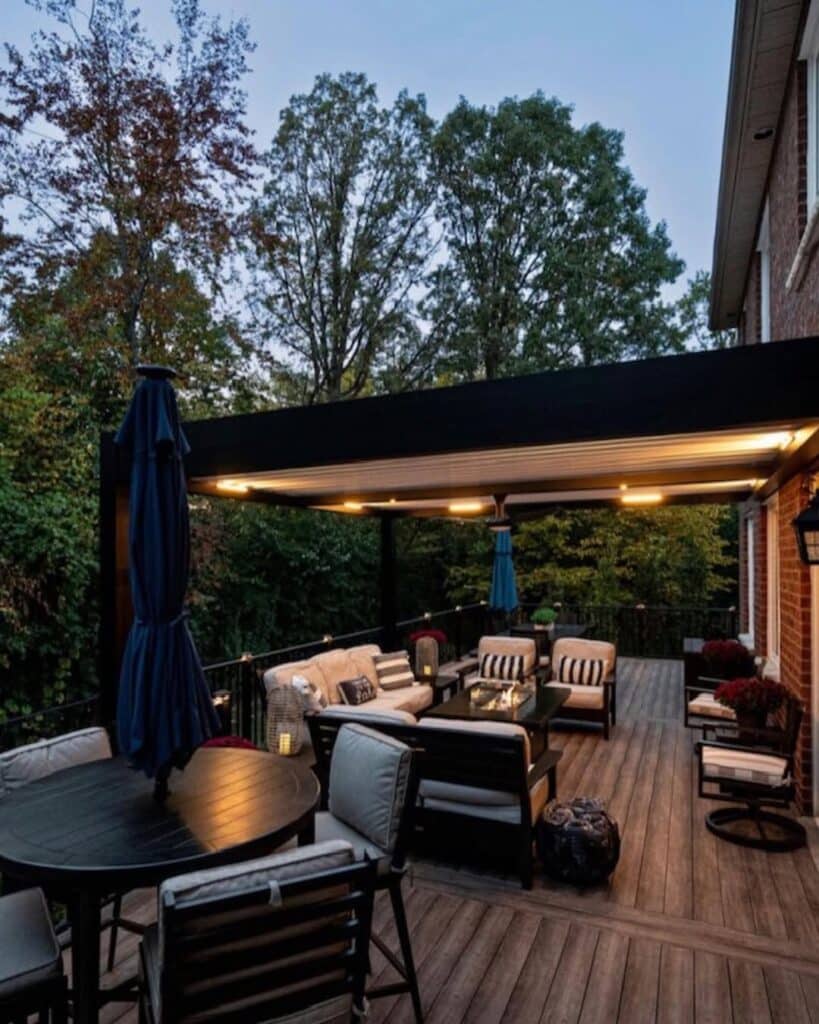
6. Pergola Covers With Built-In Lighting: Because Dinner Doesn’t End at Sunset
A pergola can look stunning during the day, but if it goes dark at sunset, you’re missing half its potential.
Built-in lighting transforms a pergola cover from a daytime shade structure into an evening destination. As someone who’s finished plenty of long cooks after dark, I can tell you lighting isn’t just atmosphere – it’s functionality.
Well-integrated lighting keeps the space usable without feeling harsh or overdesigned.
- Recessed LED lights built into solid or metal covers provide clean, even illumination
- Warm string lights woven through beams add charm without blinding guests
- Downlighting above prep or dining areas makes cooking and serving easier
- Dimmer controls allow you to shift from task lighting to ambiance instantly
The key is subtlety. Lighting should support conversation, food, and comfort – not steal the spotlight. When done right, it encourages guests to stay seated just a little longer.
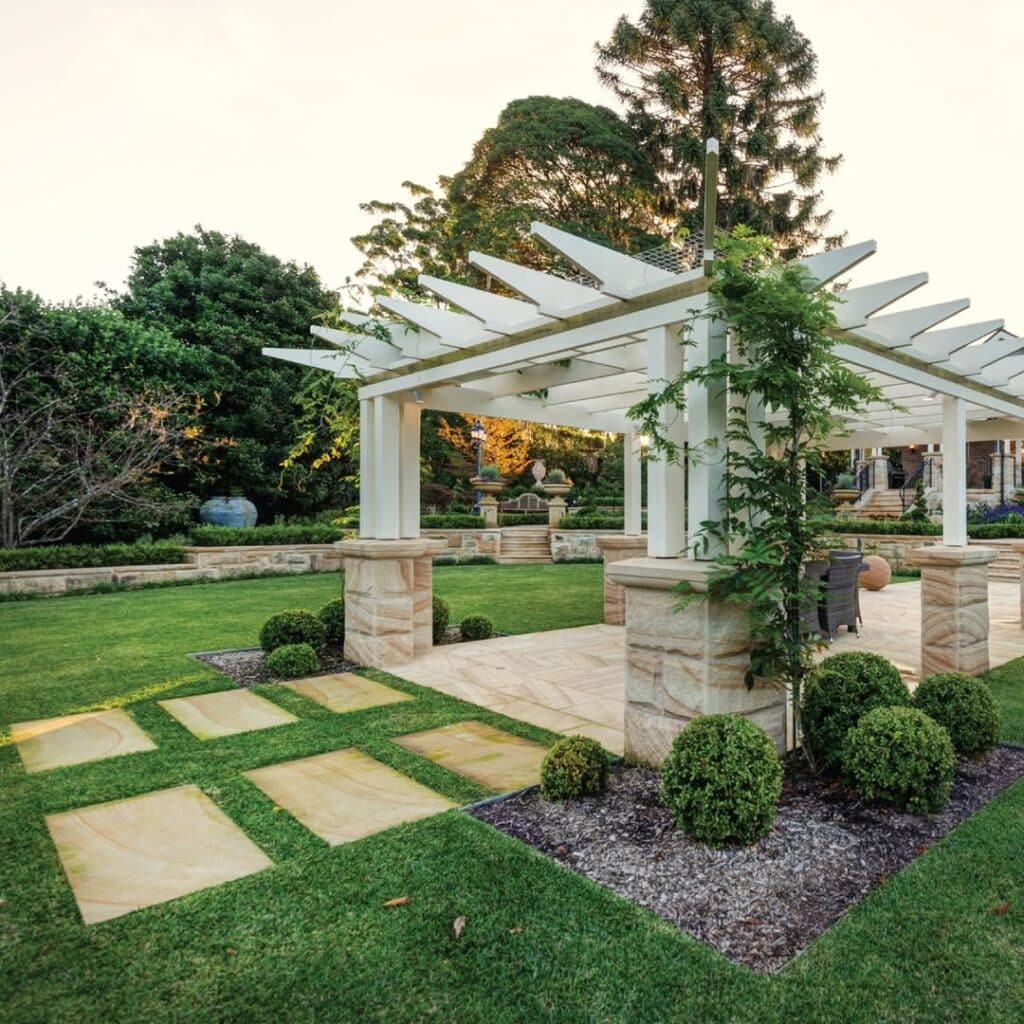
7. Climbing Plants: Living Shade That Evolves Over Time
There’s something undeniably romantic about a pergola wrapped in greenery. Vines and climbing plants create a living canopy that cools naturally, smells incredible when in bloom, and changes with the seasons.
When done right, it feels less like a structure and more like a part of the landscape.
That said, this approach requires patience and care. Plants don’t grow on your schedule, and they definitely don’t know where your grill is. Leaves will fall, vines will wander, and pruning becomes part of the routine.
But for those willing to put in the effort, a green pergola cover offers unmatched character and charm. It’s outdoor living at its most organic.
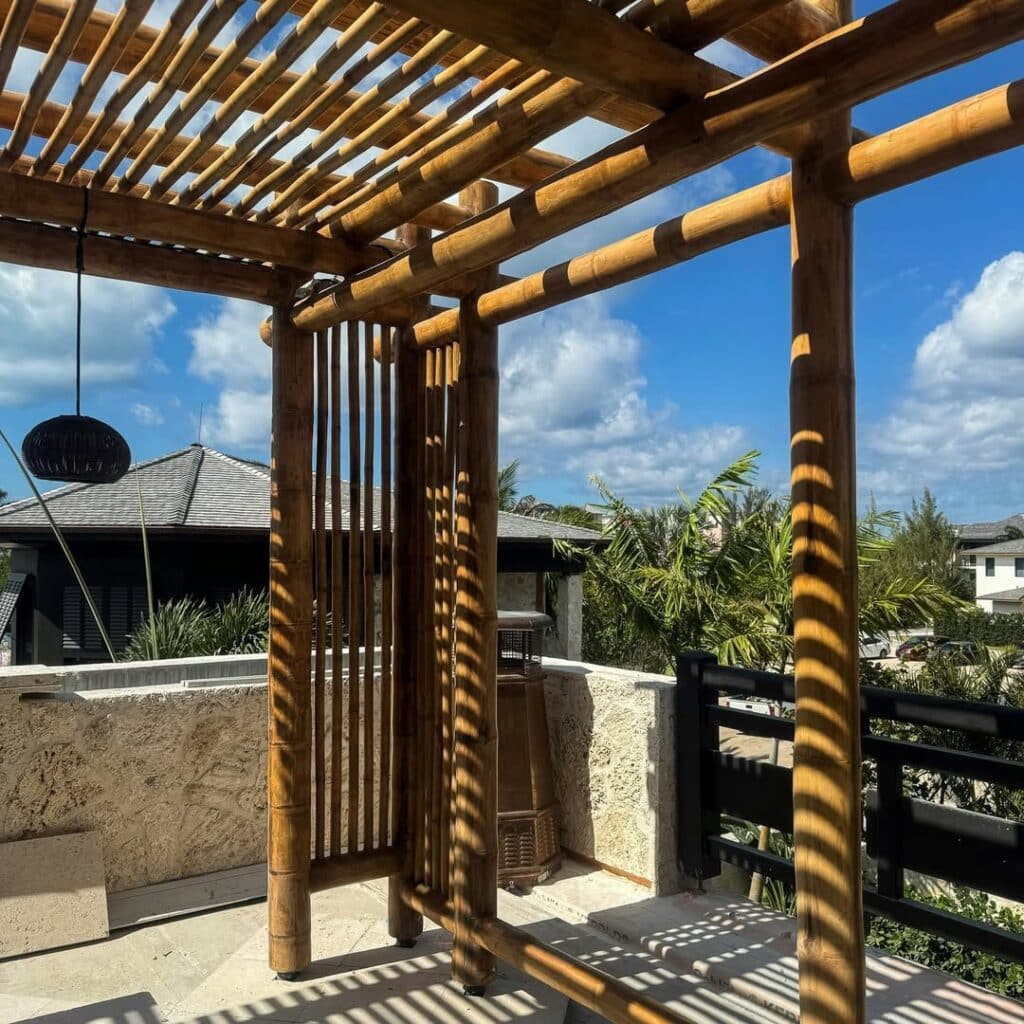
8. Bamboo and Reed Covers: Casual, Relaxed, and Inviting
Bamboo and reed pergola covers instantly lower the formality of a space. They’re the design equivalent of rolling up your sleeves and pouring another drink.
Light filters through just enough to create shade without closing things in, making these covers ideal for poolside pergolas or laid-back lounge areas.
One of the biggest advantages here is accessibility. These materials are relatively affordable and easy to install, yet they deliver a strong visual payoff. Layering the material improves shade and durability, especially in sunnier climates.
The charm lies in imperfection, and that’s exactly what makes this style feel welcoming.
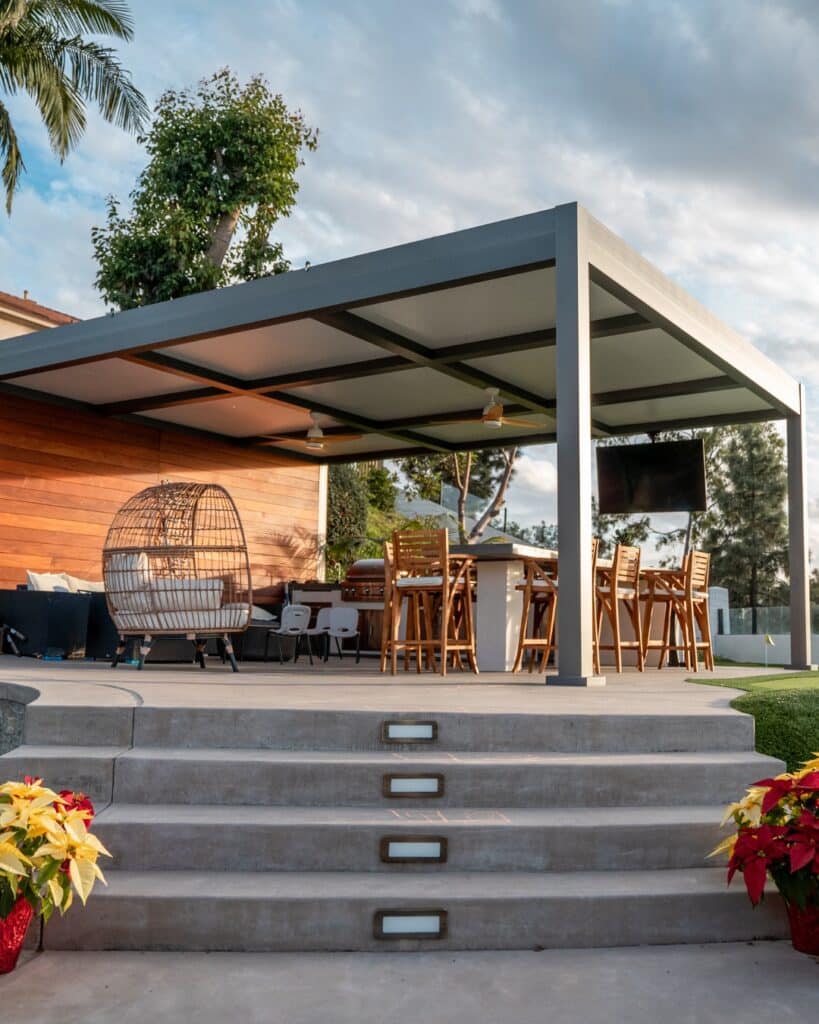
9. Metal Covers: Modern, Durable, and No-Nonsense
Metal pergola covers don’t try to be subtle, and that’s their strength. Aluminum and steel roofing systems offer clean lines, exceptional durability, and very little maintenance. If you want a pergola that works as hard as you do, this is it.
From mounting fans and lights to standing up against harsh weather, metal covers provide structure and reliability. Powder-coated finishes keep things looking sharp over time, while integrated lighting can warm up what might otherwise feel industrial.
This is the choice for homeowners who value performance as much as appearance.
Curtains and Shade Panels: Soft Boundaries That Change the Mood
Sometimes what makes a pergola feel special isn’t overhead – it’s what surrounds you.
Outdoor curtains and shade panels add privacy, control sunlight from low angles, and introduce softness that hard materials can’t replicate. They turn an open pergola into a more intimate, room-like setting.
For evening dinners and long conversations, this kind of enclosure makes guests feel comfortable and unrushed. Weather-rated fabrics ensure longevity, and neutral tones help maintain airflow while still blocking glare.
These details may seem small, but they dramatically affect how a space feels.
Mixed Materials: Custom Design That Feels Intentional
When pergola covers combine materials thoughtfully, the result feels custom-built rather than assembled.
Mixing wood with metal, or fabric with solid panels, allows you to balance aesthetics and practicality in a way that suits your lifestyle.
The key is cohesion. One material should lead, while the others support it visually. When done well, mixed-material covers create depth and interest without overwhelming the structure.
This approach rewards careful planning, and the payoff is a pergola that feels truly personal.
Choosing the Right Pergola Cover for How You Live
Before settling on a pergola cover, it’s worth thinking honestly about how you use your outdoor space.
Climate plays a major role, as does your tolerance for maintenance. A fabric canopy may look beautiful, but it needs care. A metal roof may be less romantic, but it will always be there when you need it.
The best pergola cover is one that supports your habits – cooking, hosting, relaxing – without demanding constant attention. Style matters, but usability matters more.
Frequently Asked Questions
What is the purpose of a pergola cover?
A pergola cover does more than block sunlight. It controls shade, airflow, and comfort, protects from rain or harsh UV, and sets the tone for how you use your outdoor space. A great cover lets you cook, dine, and relax outdoors regardless of the weather.
Which pergola cover is best for sunny climates?
Retractable fabric canopies or wooden slats work best. They allow you to control sunlight, provide adjustable shade, and keep airflow moving, so the space stays cool even on hot days.
Are smart pergola covers worth the investment?
Yes. Motorized systems, rain sensors, and smart lighting add convenience and protect your pergola automatically. If you entertain often or cook outdoors year-round, they make life easier without feeling like overkill.
Can I use climbing plants or bamboo for pergola covers?
Absolutely. Climbing plants create a living, evolving canopy that smells great and filters sunlight naturally. Bamboo or reed covers offer casual, relaxed shade while being affordable and easy to install, ideal for laid-back spaces.
Do metal or polycarbonate covers block sunlight?
They provide durable protection. Polycarbonate panels allow light while keeping rain out, and metal covers give maximum durability. Both are practical for year-round use but vary in style and visual openness.
How do I choose the right pergola cover for my lifestyle?
Think about climate, maintenance, and use. Fabric canopies look elegant but need care, while metal or polycarbonate covers require minimal upkeep. The best cover supports cooking, entertaining, and relaxing without constant attention.
Can I mix materials for a custom pergola cover?
Yes. Combining wood, metal, fabric, or solid panels balances aesthetics and practicality. Mixed materials add depth and intentional design while maintaining functionality.
Elevate Your Outdoor Kitchen with These Impressive Pergola Cover Ideas
A pergola cover isn’t just a finishing touch; it’s the element that makes outdoor living sustainable and enjoyable.
When chosen thoughtfully, it protects you from the elements, elevates your space visually, and keeps people lingering long after the plates are cleared.
If it lets you focus on the food, the company, and the moment instead of the weather overhead, then you’ve chosen well. And from one pitmaster to another – that’s the whole point.
Featured image credit: @onceuponabungalow
