
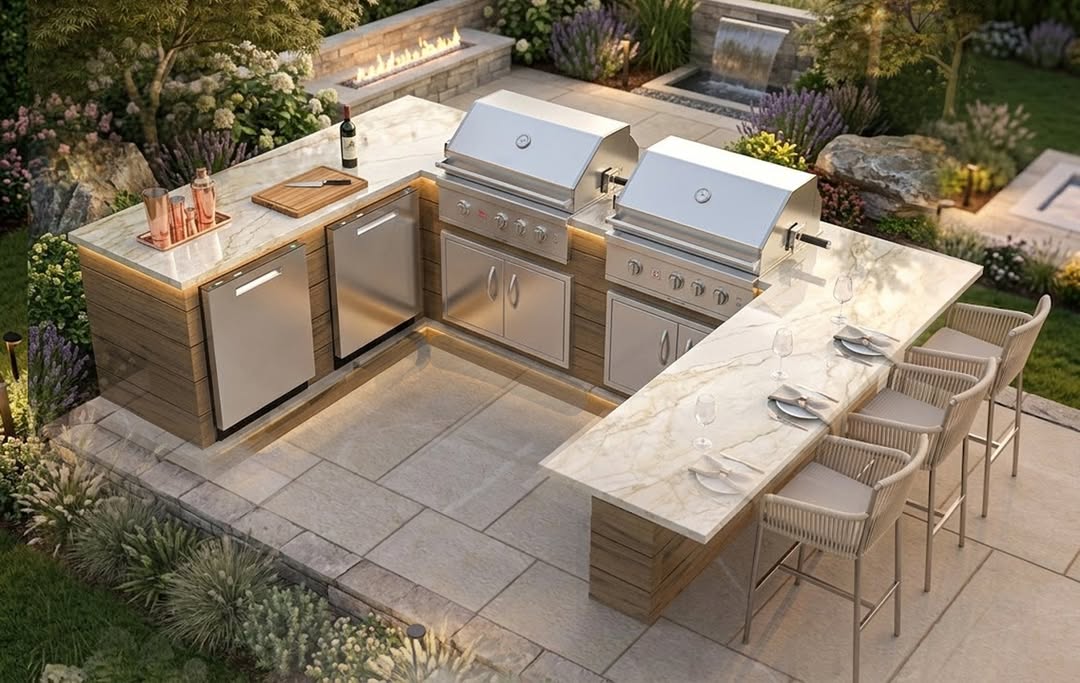
Open air, real fire, and sizzling food create a cooking experience you can’t replicate inside.
The smell of smoke, the sound of a grill sizzling, a cold drink sweating on the counter while friends hover nearby pretending they’re “helping.”
But let me tell you something after years behind the grill: an outdoor kitchen is part cooking station, part fire pit, part weather magnet.
Which means outdoor kitchen safety isn’t just a nice idea. It’s essential.
I’ve seen grease fires flare up like fireworks.
I’ve watched a sudden storm turn a pristine grill station into a soaked metal sculpture. And I’ve seen what happens when maintenance gets ignored – rust, broken burners, and expensive equipment heading for an early grave.
The good news? Most problems are easy to prevent.
With a few smart habits and a little pitmaster wisdom, you can keep your outdoor kitchen safe, reliable, and ready for action all year long.
Let’s break it down.
Why Outdoor Kitchen Safety Matters
A backyard kitchen isn’t just another appliance.
It’s an open-air cooking environment dealing with fire, fuel, electricity, weather, and food – all at the same time.
That’s a lot of moving parts.
Ignoring outdoor kitchen safety can lead to:
- Grease fires
- Gas leaks
- Weather damage
- Electrical hazards
- Expensive equipment repairs
And trust me – nothing ruins a barbecue faster than yelling, “Does anyone smell propane?”
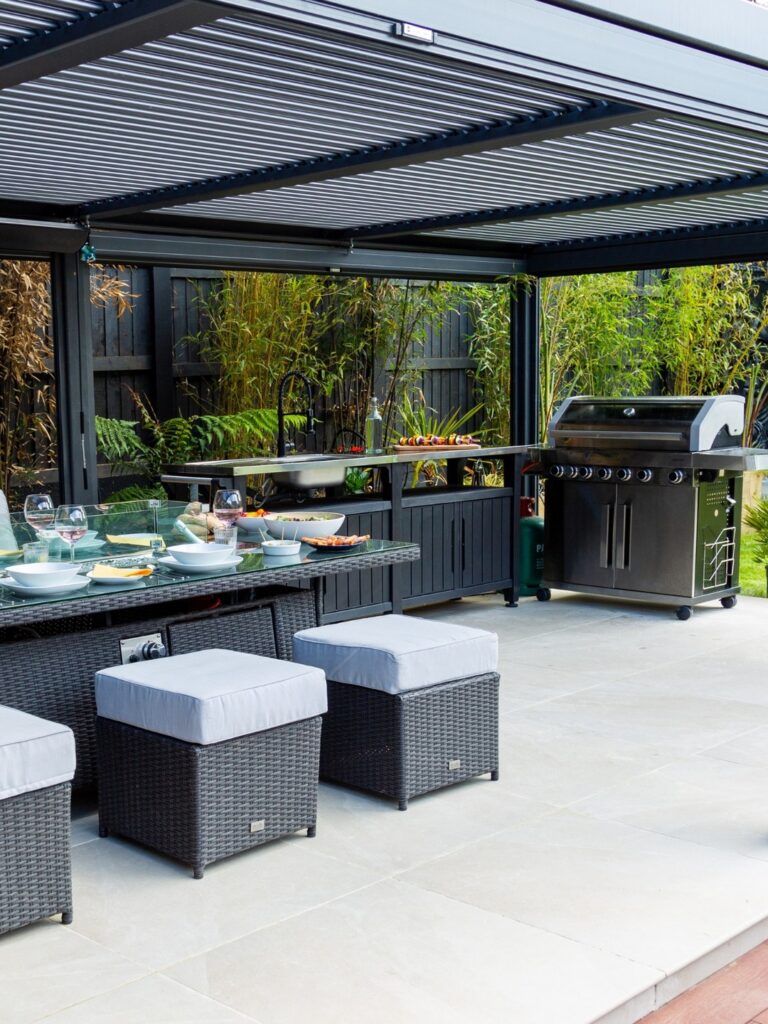
Common Outdoor Kitchen Hazards
Let’s talk about the usual suspects.
1. Fire hazards
Grills produce intense heat. Add grease buildup and a windy day, and things can get spicy fast.
2. Gas leaks
Propane or natural gas lines power many outdoor kitchens. A loose connection can quickly turn dangerous.
3. Weather exposure
Rain, wind, humidity, and sun can slowly destroy outdoor appliances if they’re not protected.
4. Electrical risks
Lights, fridges, rotisseries, and outlets all bring electricity outdoors.
Combine water and electricity and – well – you see the problem.
The goal of outdoor kitchen safety is simple:
Keep the cooking fun and the hazards under control.
Fire Safety Tips for Outdoor Kitchens
Let’s start with the big one.
Because fire is both the hero and the villain of outdoor cooking.
Every pitmaster respects fire. Ignore it and it will absolutely embarrass you.
Keep a Safe Distance from Structures
Your grill should never be crammed against a wall like a forgotten lawn chair.
A safe rule:
Give your grill at least 10 feet of space from structures whenever possible.
That means keeping distance from:
- House siding
- Deck railings
- Wooden pergolas
- Fences
I once watched a neighbor melt part of his vinyl siding because his grill sat too close to the house. The burgers were great.
The wall? Not so much.
Spacing matters for outdoor kitchen safety because heat and sparks travel farther than you think.
Install Proper Ventilation
Built-in grills look beautiful.
But if they’re not ventilated properly, they trap heat and gas underneath.
That’s a problem.
Good outdoor kitchens include:
- Vent panels
- Open airflow areas
- Non-sealed cabinetry
Gas needs a place to escape safely. Without ventilation, pressure can build up in ways that nobody enjoys.
Handle Gas and Propane Safely
If your outdoor kitchen uses propane or natural gas, treat the system with respect.
Every pitmaster should know three habits.
1. Check hoses regularly
Look for cracks, dryness, or loose fittings.
2. Test for leaks
Mix soap and water, brush it on connections, and watch for bubbles.
3. Store tanks properly
Propane tanks should always be upright and away from direct heat.
The golden rule of outdoor kitchen safety:
If something smells like gas, stop cooking immediately.
No steak is worth that risk.
Use Fire-Resistant Materials
Outdoor kitchens should be built like they expect heat – because they should.
The safest materials include:
- Stainless steel
- Brick
- Stone
- Concrete
- Tile
These materials tolerate heat and flame without damage.
Wood cabinets near grills may look nice… until the day they don’t.
Keep Fire Safety Tools Nearby
A pitmaster’s best friend isn’t just a spatula.
It’s preparation.
Always keep:
- A fire extinguisher
- A fire blanket
- A water source or hose
You probably won’t need them.
But when you do, you’ll be very glad they’re within arm’s reach.
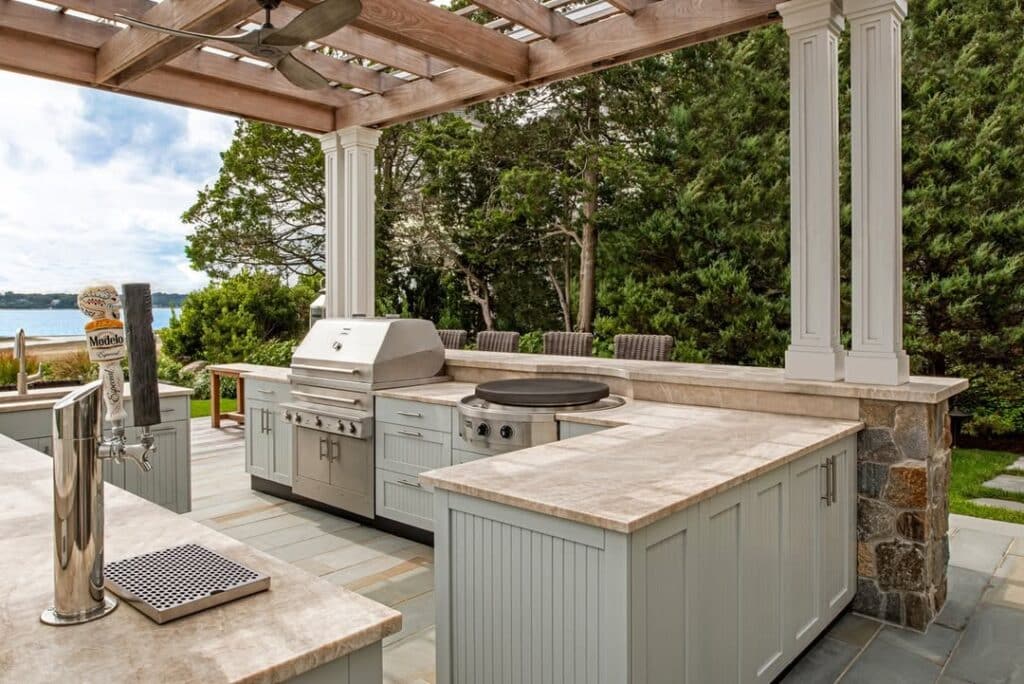
Weather Protection for Outdoor Kitchens
Here’s something every backyard chef learns eventually:
Weather always wins.
Rain, sun, humidity, wind—over time they attack everything outdoors.
Good outdoor kitchen safety includes protecting your gear from Mother Nature.
Protect Appliances from Rain
Water is brutal on grills, burners, and electronics.
Even “weather-resistant” equipment benefits from protection.
The best solution?
Quality grill covers.
Look for covers that are:
- Waterproof
- Ventilated
- Properly fitted
Cheap covers trap moisture inside. And moisture means rust.
And rust means expensive replacement parts.
Plan for Wind and Storms
Storm winds can toss lightweight outdoor kitchen items around like toys.
During windy conditions:
- Secure loose tools
- Store lightweight furniture
- Close grill lids properly
I once chased a grill cover halfway down the block during a thunderstorm.
Not my proudest moment as a pitmaster.
Prevent Sun and Heat Damage
Sun exposure slowly fades and cracks surfaces.
Countertops, plastics, and seals take the biggest hit.
Outdoor kitchens benefit from shade structures like:
- Pergolas
- Awnings
- Covered patios
These not only protect equipment but also keep the cook cool.
Because grilling in direct summer sun feels like working inside a pizza oven.
Prepare for Seasonal Changes
If you live somewhere with cold winters, seasonal prep is essential.
Before winter arrives:
- Shut off gas lines
- Drain water connections
- Deep clean your grill
- Store removable appliances
A little preparation keeps equipment ready for the next grilling season.
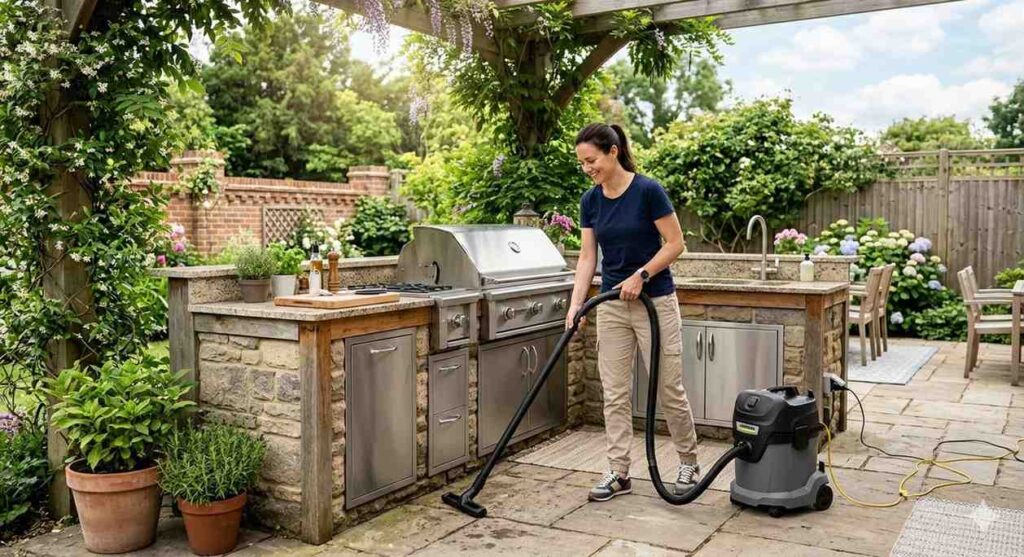
Outdoor Kitchen Maintenance Best Practices
Here’s a secret pitmasters know:
A clean grill is a safe grill.
Maintenance plays a huge role in outdoor kitchen safety.
Ignoring small problems eventually leads to big ones.
Clean Your Grill Regularly
Grease buildup is one of the biggest fire hazards in outdoor kitchens.
Cleaning doesn’t need to be complicated.
After cooking:
- Scrape grill grates
- Empty grease trays
- Wipe surfaces
Once a month, perform a deeper cleaning.
It keeps burners working properly and prevents flare-ups.
Inspect Gas and Electrical Connections
Every few weeks, take a quick look at your system.
Check for:
- Loose hoses
- Worn connectors
- Damaged wiring
- Wet electrical outlets
Outdoor environments are tough on equipment.
Routine inspections are a simple but powerful outdoor kitchen safety habit.
Maintain Countertops and Surfaces
Outdoor countertops deal with heat, grease, food spills, and weather.
To keep them in good shape:
- Clean spills quickly
- Seal natural stone surfaces
- Avoid harsh chemicals
A well-maintained prep area keeps food safe and the kitchen looking great.
Prevent Rust and Corrosion
Rust is the slow enemy of outdoor kitchens.
Humidity, rain, and salt air can attack metal surfaces.
Prevent rust by:
- Drying grills after rain
- Using stainless steel cleaners
- Covering appliances when not in use
Your grill will last years longer with this simple habit.
Smart Outdoor Kitchen Design for Safety
A well-designed kitchen makes everything easier – and safer.
Great layout improves outdoor kitchen safety without you even noticing.
Create Clear Cooking Zones
Professional kitchens use zones for a reason.
Outdoor kitchens should too.
Think of three main areas:
- Cooking zone – grill, smoker, burners
- Prep zone – cutting boards, ingredients
- Serving zone – plating and entertaining
Keeping these areas separate reduces crowding near the grill.
And that means fewer accidents.
Install Proper Lighting
Grilling in low light is a recipe for trouble.
Every outdoor kitchen needs:
- Grill task lighting
- Countertop lighting
- Pathway lighting
You want to see exactly what you’re cooking.
No pitmaster enjoys guessing whether the steak is medium or charcoal.
Choose Non-Slip Flooring
Outdoor kitchens deal with spills.
Water, grease, sauces – it happens.
Non-slip surfaces improve outdoor kitchen safety and prevent falls.
Good choices include:
- Textured stone
- Concrete
- Outdoor tile with grip
Slippery floors and hot grills are a bad combination.
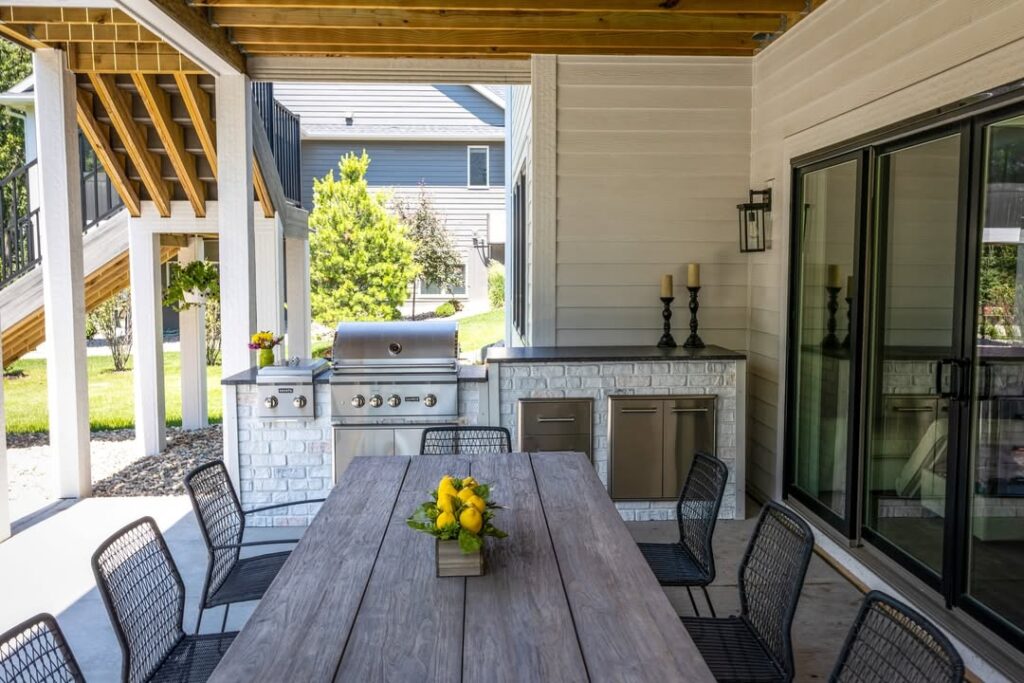
Smart Outdoor Kitchen Lighting for Nighttime Safety
Any seasoned grillmaster will tell you that good lighting is one of the most overlooked parts of outdoor kitchen safety. Daytime grilling is easy, but once the sun dips below the fence line, things get trickier.
You need to see your food, your tools, and your surroundings clearly. Otherwise, you’re guessing – and guessing near hot metal and open flame isn’t exactly a winning strategy.
Start with task lighting over the grill. Bright, focused lights make it easy to check doneness, flip food safely, and avoid overcooking that beautiful steak.
Then think about ambient lighting around walkways and seating areas. Guests wandering through the yard shouldn’t trip over coolers, chairs, or the dog sleeping near the patio.
The best setups combine overhead lights, grill-mounted lights, and pathway lighting.
A well-lit outdoor kitchen doesn’t just look impressive. It also reduces accidents, prevents spills, and keeps nighttime cooking safe and stress-free.
Food Safety in Outdoor Kitchens
Fire safety gets most of the attention, but food safety is just as important in outdoor kitchen safety.
Outdoor cooking environments deal with heat, insects, and temperature swings, which can turn a delicious barbecue into a food safety problem if you’re not careful.
The golden rule every pitmaster follows is simple: keep hot food hot and cold food cold.
Raw meats should stay in coolers or outdoor refrigerators until they’re ready for the grill. Once cooked, food should never sit in the “danger zone” temperature range for too long.
Also pay attention to cross-contamination. Use separate cutting boards for raw meats and prepared foods. And always wash utensils that touched raw chicken or beef before using them again.
Another trick many experienced grillers use is covered serving trays. They keep flies away and help maintain safe food temperatures.
When handled correctly, outdoor cooking stays fun – and your guests stay healthy.
Child and Pet Safety Around Outdoor Kitchens
Outdoor kitchens are social spaces, which means kids and pets often wander into the action.
That’s great for family gatherings – but it also means extra attention to outdoor kitchen safety.
Hot grills, sharp tools, and propane equipment aren’t exactly playground friendly.
The best solution is creating a clear “cook zone.” Think of it as an invisible boundary around the grill and prep area where only the cook should stand.
A good rule many pitmasters use is the three-foot safety zone. If you’re within three feet of the grill, you’re part of the cooking team.
Store knives, skewers, and lighter tools out of reach, and never leave grill lids open when stepping away.
Pets bring their own challenge. Dogs love dropped food and dripping grease, which can bring them dangerously close to hot surfaces.
Keeping pets and children at a safe distance ensures your outdoor kitchen stays a gathering place, not an accident waiting to happen.
Electrical Safety for Outdoor Appliances
Modern outdoor kitchens often include refrigerators, lighting systems, rotisserie motors, and even televisions. All that convenience relies on electricity, which makes electrical safety a key part of outdoor kitchen safety.
Outdoor outlets should always be weather-rated and protected with GFCI (Ground Fault Circuit Interrupter) outlets. These outlets shut off automatically if moisture or electrical imbalance is detected.
Extension cords are another common issue. Temporary cords left outside too long can crack, fray, or absorb moisture, creating a shock hazard.
Whenever possible, install permanent outdoor-rated wiring and covered outlets.
You should also regularly check appliances for loose plugs, damaged cables, or exposed wiring.
Electricity and water are a dangerous combination, especially during rainy weather or after washing the cooking area.
A properly installed system ensures your outdoor kitchen stays powerful, convenient, and safe to use year-round.
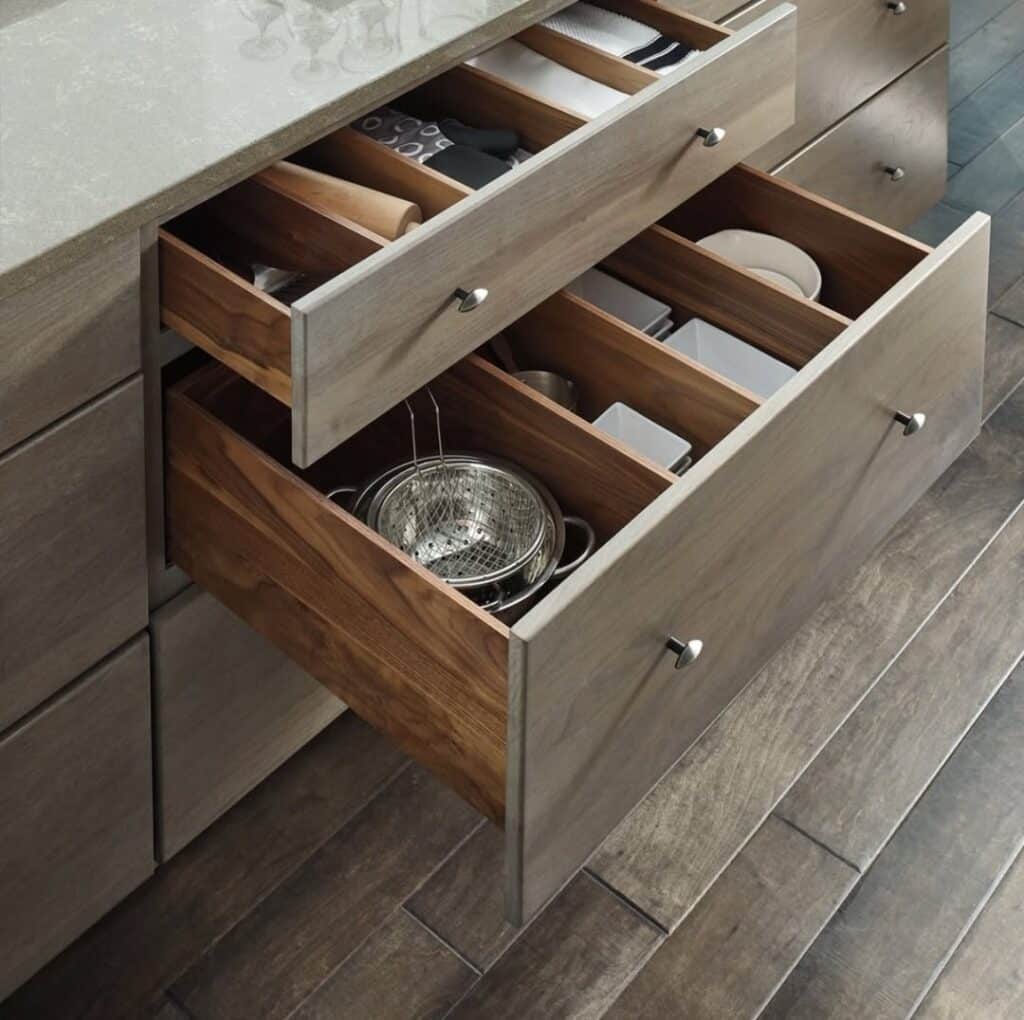
Safe Storage for Outdoor Kitchen Tools and Fuel
A well-run outdoor kitchen isn’t just about cooking – it’s about how you store your equipment between cookouts.
Proper storage plays a bigger role in outdoor kitchen safety than many people realize.
Start with grill tools and utensils. Tongs, forks, knives, and skewers should live in dedicated drawers or weatherproof containers instead of being left on countertops. This prevents rust and keeps sharp objects from becoming accidental hazards.
Fuel storage also matters. Propane tanks should always be stored upright in ventilated areas, never inside enclosed cabinets without proper airflow.
Charcoal and wood pellets should be kept dry and away from open flames, ideally in sealed containers that prevent moisture from creeping in.
Finally, consider locking cabinets if your outdoor kitchen sits in an open backyard. It prevents tampering and keeps curious hands away from equipment.
A clean, organized storage setup helps your outdoor kitchen stay safe, efficient, and ready for the next backyard feast.
Outdoor Kitchen Safety Checklist
If you want a quick routine, here’s a pitmaster-approved checklist.
Before cooking:
- Inspect gas connections
- Check for grease buildup
- Clear the cooking area
After cooking:
- Clean grill grates
- Empty grease trays
- Turn off gas supply
Weekly or monthly:
- Inspect hoses and wiring
- Wipe down appliances
- Check weather protection
These simple habits make outdoor kitchen safety part of your routine.
Common Outdoor Kitchen Safety Mistakes
Even experienced grillers make mistakes.
The most common ones include:
- Placing grills too close to walls
- Ignoring grease buildup
- Leaving propane tanks exposed to sun
- Skipping maintenance checks
- Leaving appliances uncovered during storms
None of these problems are dramatic at first.
But over time, they lead to bigger issues.
The best pitmasters know that great cooking starts with a safe setup.
FAQs
1. What is the safest distance between an outdoor grill and a house?
For proper outdoor kitchen safety, most experts recommend keeping your grill at least 10 feet away from walls, siding, fences, and overhangs whenever possible.
Heat, smoke, and grease flare-ups can damage nearby structures or even start a fire.
If your grill is part of a built-in outdoor kitchen, make sure the design includes heat-resistant materials, proper ventilation, and fire-safe clearances. A little space goes a long way toward preventing accidents and protecting your home.
2. How do I protect my outdoor kitchen from weather damage?
Weather protection is a huge part of outdoor kitchen safety. Rain, humidity, and sun exposure can slowly damage grills, countertops, and electrical components.
The best protection includes waterproof grill covers, shade structures like pergolas or awnings, and weather-resistant materials such as stainless steel or stone.
After storms or heavy rain, it’s also smart to wipe down appliances and check for moisture buildup before cooking again.
3. How often should I clean my outdoor grill?
A clean grill is one of the easiest ways to improve outdoor kitchen safety. Grill grates should be scraped and brushed after every cookout to remove grease and food debris.
For deeper maintenance, give your grill a full cleaning once a month, including burners, grease trays, and drip pans.
Grease buildup is one of the most common causes of flare-ups and grill fires, so keeping things clean makes cooking both safer and better tasting.
4. What safety equipment should every outdoor kitchen have?
Every well-prepared outdoor cook should keep a few essential safety items nearby. These include a fire extinguisher rated for grease fires, a fire blanket, and easy access to a water hose.
These tools rarely get used, but they’re critical for outdoor kitchen safety if a grease fire or flare-up gets out of control. Keeping them within reach ensures you can react quickly if something unexpected happens.
5. Is it safe to leave propane tanks in an outdoor kitchen?
Yes – propane tanks are safe when stored properly. For good outdoor kitchen safety, tanks should always be kept upright in well-ventilated areas and away from direct heat or enclosed spaces.
Never store propane tanks indoors or inside sealed cabinets without ventilation. It’s also important to check hoses and connections regularly to make sure there are no leaks, cracks, or loose fittings before firing up the grill.
Final Thoughts: Keep the Fire Fun
Cooking outdoors should feel relaxing.
It should smell like smoke, spices, and sizzling meat – not melted plastic or burnt wiring.
Practicing outdoor kitchen safety keeps your backyard kitchen working the way it should.
That means:
- Respecting fire
- Protecting equipment from weather
- Keeping everything clean and maintained
Do that, and your outdoor kitchen becomes what it was meant to be:
A place where great food, great company, and great stories come together around the grill.
And if you ever forget one rule, remember this pitmaster wisdom:
Watch the fire, clean the grill, and never underestimate the weather.
Your steaks – and your backyard – will thank you.
Featured image credit: @profitoutdoorliving
