
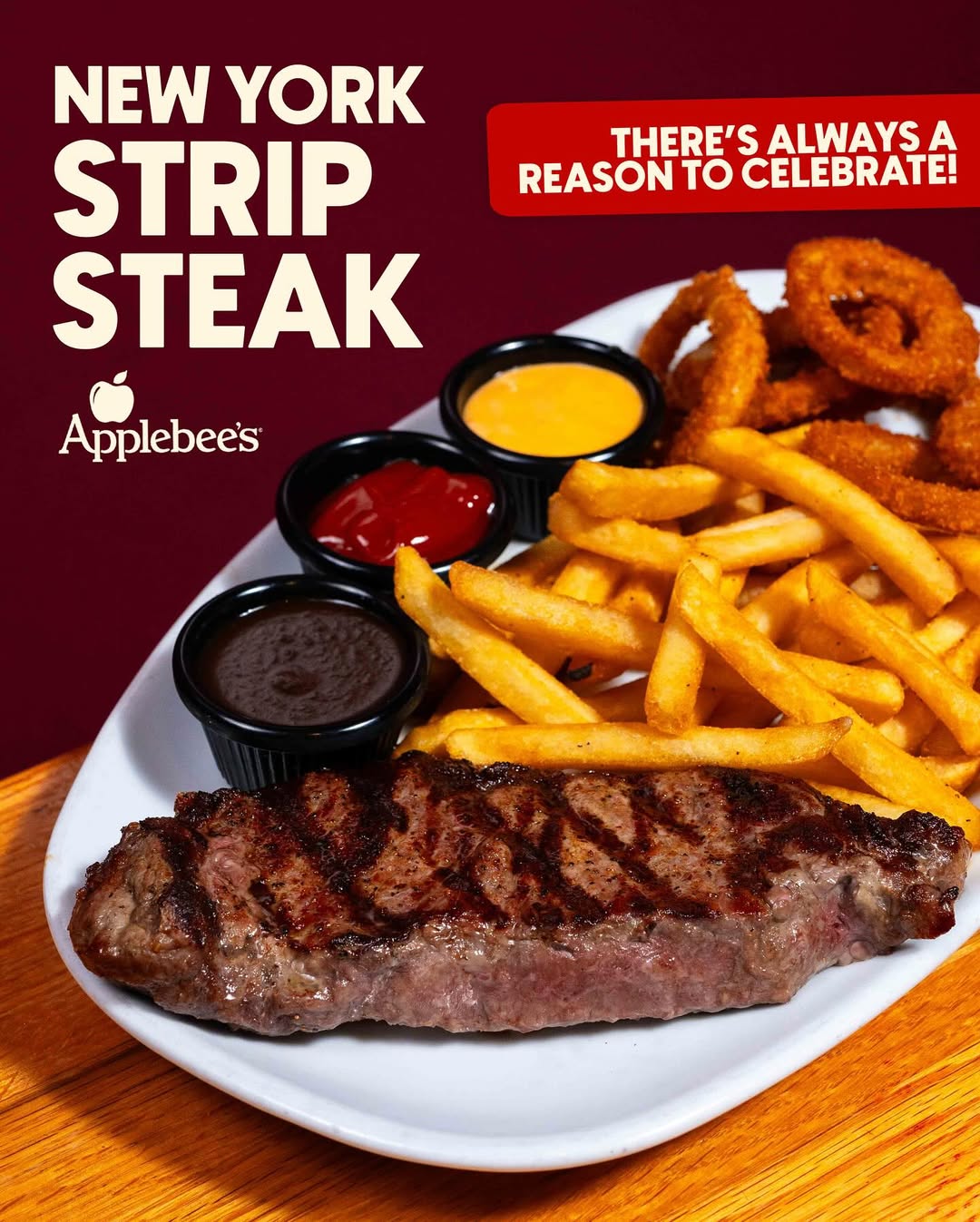
Cooking a great New York strip steak doesn’t require a chef’s jacket, a fancy grill, or a steakhouse reservation. What it does require is understanding a few fundamentals – and having the confidence to let heat do the heavy lifting.
After years of cooking over fire and steel, here’s the truth: most bad steaks aren’t ruined by seasoning – they’re ruined by hesitation. Too much flipping. Too little heat. Too much second-guessing.
This recipe strips the process down to what actually matters, so you get a steak that’s deeply seared, juicy inside, and worth slowing down for.
No gimmicks. No complicated sauces. Just a steak done right.
Why New York Strip Steak Is a Pitmaster’s Favorite
If steaks were tools, the New York strip steak would be the most reliable one in the drawer.
It has:
- Excellent beefy flavor
- Enough fat to stay juicy
- A firm texture that sears beautifully
Unlike a ribeye, it won’t flare up constantly. Unlike a filet, it actually tastes like beef. And unlike thinner cuts, it forgives minor timing mistakes – something every home cook appreciates.
Look for steaks about 1¼ to 1½ inches thick, with visible marbling but not huge chunks of fat. Thin steaks cook fast but don’t develop a proper crust. Thick steaks give you room to work.
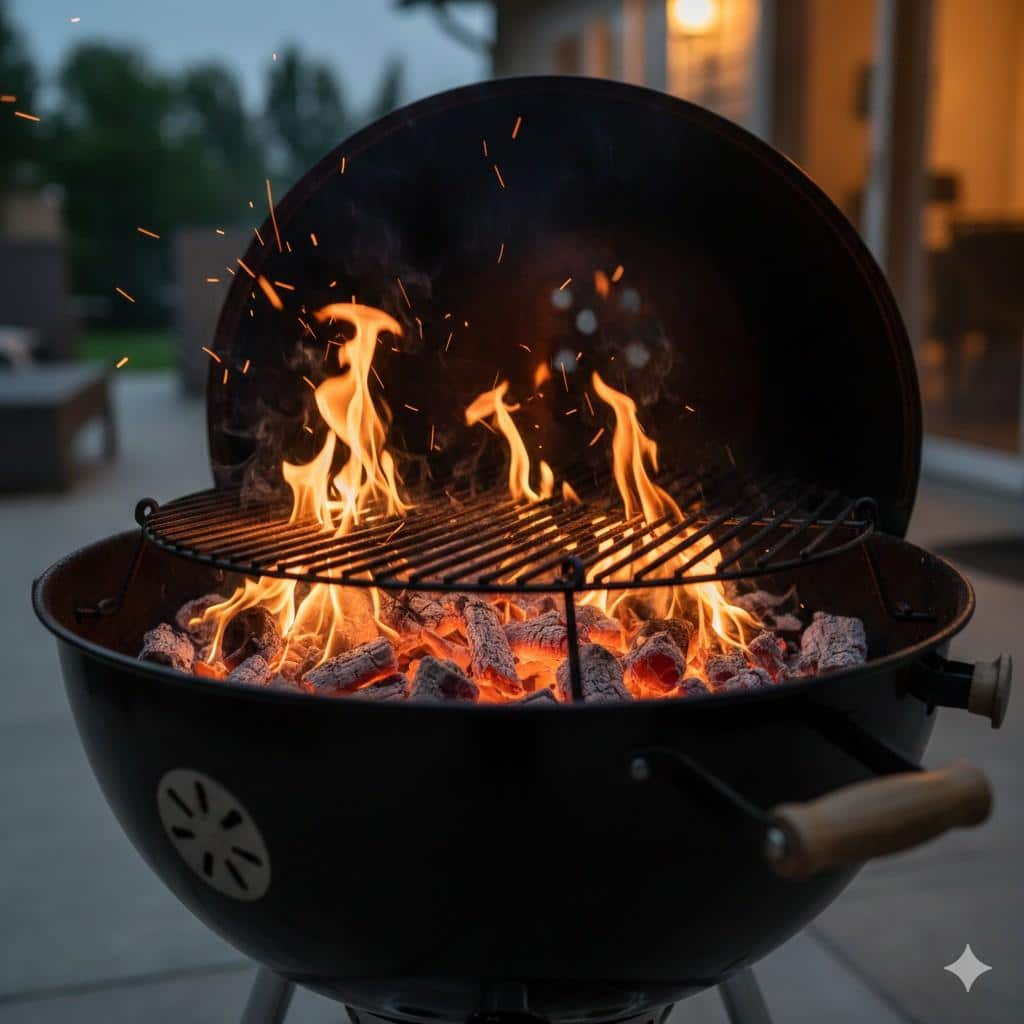
The Real Secret Is Heat (Not Timing)
Most people obsess over how long to cook a New York strip steak. That’s backwards. Heat control matters more than the clock.
A steak doesn’t know what time it is. It only knows temperature. If your pan or grill isn’t hot enough, you’ll end up cooking the steak through before you ever build a crust. That’s how you get gray meat with regret.
What you want is decisive heat:
- Hot enough to sear on contact
- Stable enough to stay hot after the steak hits
This is why cast iron and heavy grates shine. They don’t panic when cold meat shows up. They hold heat like a grudge.
Great steak cooks fast because the heat is right. Slow cooking isn’t safer – it’s just slower to fail. Trust the heat, and the timing takes care of itself.
Salt: The Only Seasoning That Actually Matters
Let’s clear something up: salt isn’t just flavor – it’s structure.
When you salt a New York strip steak, you’re doing more than seasoning the surface. Salt pulls a little moisture out, dissolves into it, then gets pulled back into the meat. That’s how you get deeper seasoning and better browning.
Pepper, garlic, rubs – they’re all optional. Salt is mandatory.
A few rules that keep you out of trouble:
- Use kosher salt, not fine table salt
- Season generously, like you mean it
- Don’t panic if it looks like too much – it isn’t
Nobody ever said, “This steak would’ve been perfect if it tasted less like steak.” Salt makes beef taste more like itself. That’s the goal.
The Thermometer Is Confidence, Not Cheating
There’s a strange belief that using a thermometer means you “don’t really know how to cook steak.” That idea needs to be retired – preferably with honors.
A thermometer doesn’t replace skill. It confirms it.
Even experienced cooks use one when cooking a New York strip steak, because thickness, starting temperature, and heat intensity change every cook. Your eyes can spot a crust, but they can’t see inside the meat.
Use the thermometer like this:
- Check near the center, not the edge
- Pull the steak 5°F early to account for carryover cooking
- Stop guessing and start knowing
Here’s the punchline: Overcooked steak is permanent. Checking the temperature isn’t insecurity – it’s insurance. Once you build trust in the numbers, you’ll stop stressing and start enjoying the cook. That’s how confidence actually works.
The Flip Myth (And Why One Flip Wins)
Somewhere along the way, people decided flipping steak constantly was “safer.” It isn’t. It’s just nervous cooking.
A New York strip steak wants contact. It wants time. Every flip resets the sear and bleeds heat. That’s how you end up with stripes instead of a crust.
Flip once. That’s it.
Why it works:
- One long sear builds even browning
- Heat penetrates more consistently
- You stop micromanaging and start cooking
Here’s the mindset shift: you’re not protecting the steak – you’re letting it work.
If you don’t trust the sear yet, use a thermometer. That’s what it’s for. Flipping five times doesn’t make steak safer.
It just makes you tired.
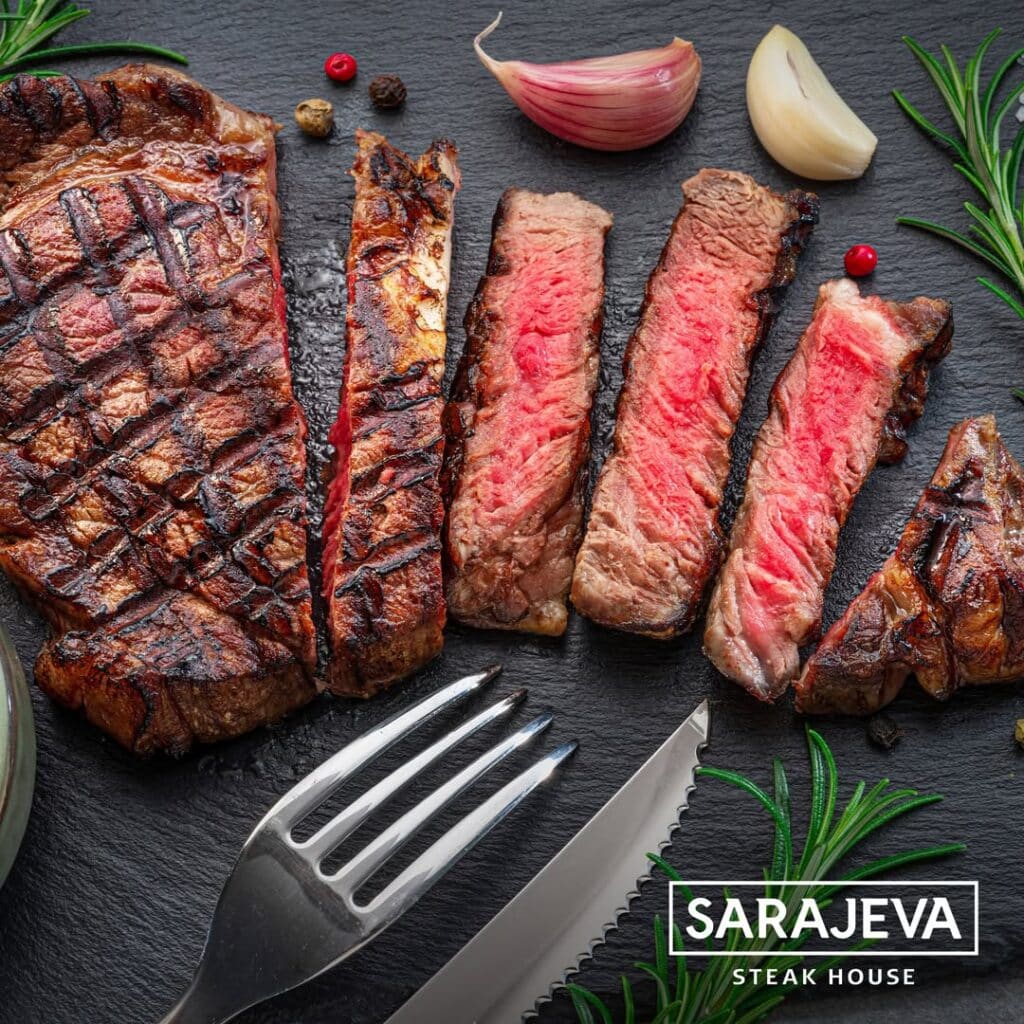
Steakhouse Flavor Without Steakhouse Nonsense
You don’t need secret sauces or complicated tricks to get steakhouse results at home. Steakhouse flavor comes from restraint, not extras.
Most steakhouses do the same things you just learned:
- High heat
- Simple seasoning
- Minimal movement
The difference is confidence. They don’t hover. They don’t second-guess. They trust the process because it works.
At home, you get an advantage they don’t: you cook one steak at a time. You can give it full attention. You can pull it exactly when it’s right.
That’s the real upgrade. Not butter baths or fancy salts – just control, timing, and trust.
Steak doesn’t need help. It needs respect.
Slicing and Serving
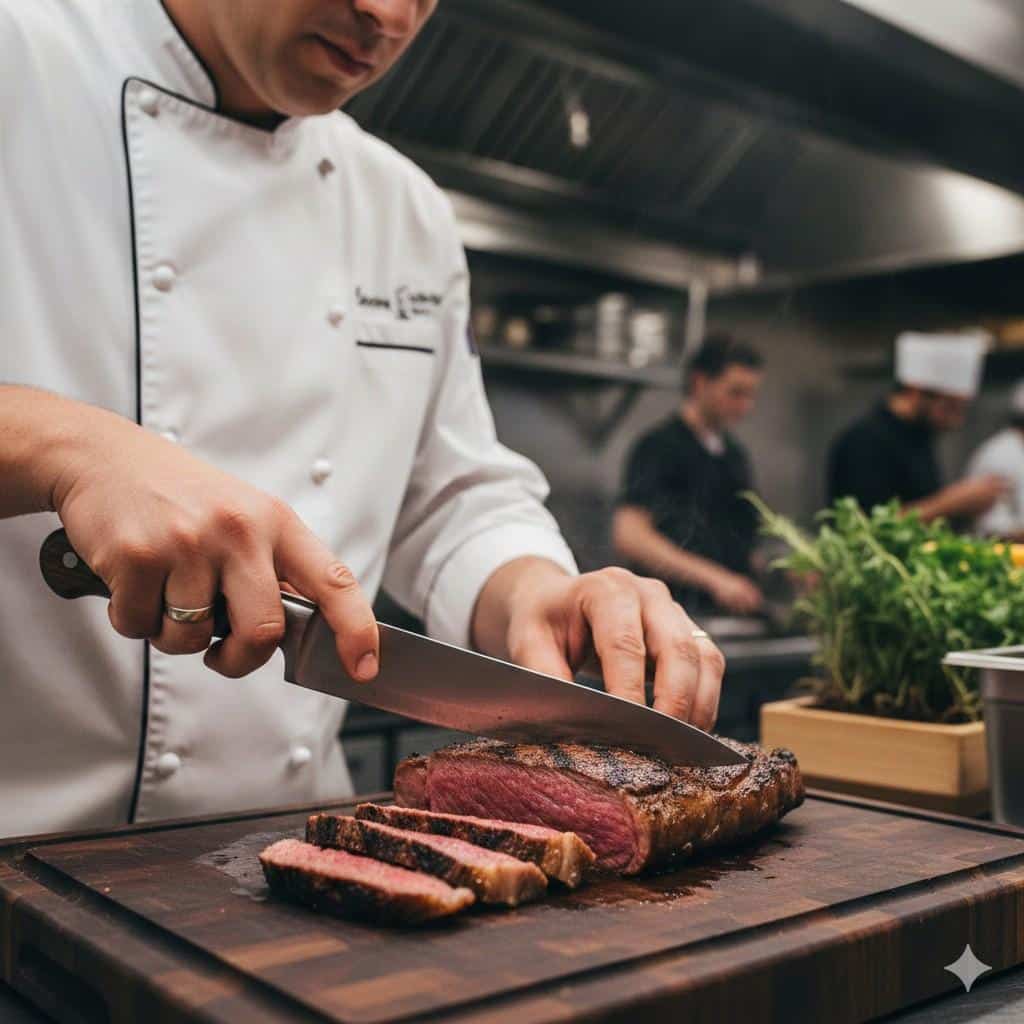
Slice against the grain for tenderness. Finish with a pinch of salt if needed. That’s it.
Great sides?
- Grilled vegetables
- Crispy potatoes
- A simple salad with bite
A great New York strip steak doesn’t need competition – it needs support.
Common Mistakes (And How to Avoid Them)
Overcooking and under-seasoning are the most common mistakes with New York strip steak, often resulting in dry meat and flat flavor. Avoid this by seasoning generously, letting the steak come to room temperature, and cooking it hot and fast to a perfect medium-rare.
Here are a few tips:
- Low heat → pale steak, no crust
- Too much flipping → no sear, uneven cooking
- Skipping the thermometer → overcooked regret
- Under-seasoning → expensive disappointment
Steak rewards decisiveness. Wavering shows.
Why Fewer Steaks Cook Better Than More
Crowding the pan or grill is one of the fastest ways to sabotage a New York strip steak.
When you cook too many steaks at once, a few bad things happen fast:
- Heat drops
- Moisture builds
- Searing turns into steaming
That beautiful crust you’re chasing? It doesn’t survive congestion.
If your pan looks busy, it’s too busy. Steak needs personal space. Airflow matters. Heat recovery matters. And yes – patience matters.
Here’s the hard truth: two perfect steaks beat four mediocre ones every time. Cook in batches if you have to. Keep finished steaks warm while the next round sears.
Great steak isn’t about speed or volume. It’s about giving each cut the conditions it needs to shine.
Frequently Asked Questions
What’s the best thickness for a New York strip steak?
The sweet spot is 1¼ to 1½ inches thick. Thinner steaks cook too fast to develop a proper crust, while thicker ones give you more control over doneness without rushing the sear.
Should I bring my steak to room temperature before cooking?
Yes—but don’t overthink it. 30–45 minutes on the counter is enough. This helps the steak cook more evenly and prevents a cold center with an overdone exterior.
Do I need a grill, or can I use a pan?
A grill works great, but a cast-iron skillet is just as effective—sometimes better. What matters is high, stable heat, not where it comes from.
When should I season a New York strip steak?
Season right before cooking or up to an hour ahead. Kosher salt is non-negotiable. Pepper is optional and can go on before or after the sear.
How do I know when the steak is done without cutting into it?
Use an instant-read thermometer. Pull the steak about 5°F before your target temperature to account for carryover cooking. Guessing is how good steaks get ruined.
Why does my steak stick to the pan?
Because it’s not ready to move yet. A proper sear releases naturally once the crust forms. If it’s sticking, give it another 30 seconds and stop negotiating with it.
Should I flip my steak more than once?
No. Flip once and commit. Constant flipping interrupts crust formation and drops surface heat.
How long should I rest a New York strip steak?
Rest for 5–8 minutes. This allows juices to redistribute so they stay in the steak—not on the plate.
Can I use butter the whole time?
Start with a high-smoke-point oil. Add butter near the end for basting. Butter burns early; timing matters.
What’s the most common mistake beginners make?
Cooking with heat that’s too low. High heat builds flavor fast. Low heat just cooks the steak through without giving it character.
Work Your Grill and Trust the Sear
Cooking a New York strip steak well isn’t about being fancy – it’s about being intentional. High heat. Simple seasoning. Fewer moves. More trust.
Once you nail this, steak stops feeling intimidating and starts feeling reliable. And that’s when you really fall in love with cooking it – because the results match the effort every single time.
Now go sear one. You’ve got this.
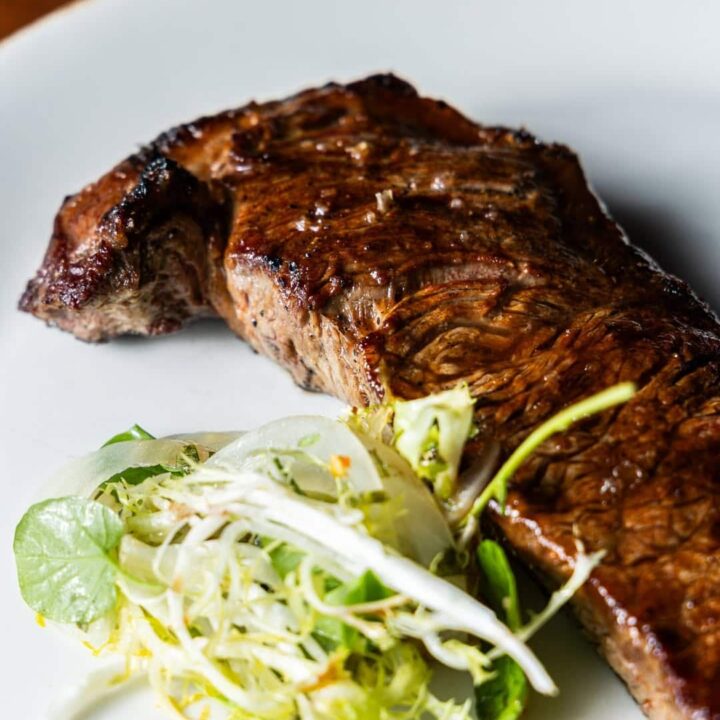
Easy New York Strip Steak Recipe
Image credit: @arnetteschopshop
Ingredients
- New York strip steak, 12–16 oz, 1¼–1½ inches thick
- Kosher salt (don’t be shy)
- Freshly cracked black pepper
- High-smoke-point oil (avocado or canola)
- Optional: butter, garlic, rosemary, or thyme
- Bring the steak out of the fridge 30–45 minutes early
Tools That Actually Matter
- A heavy skillet (cast iron earns its reputation here) or hot grill
- Tongs, not a fork – piercing leaks juices
- An instant-read thermometer (confidence in your pocket)
- A plate or board for resting
Instructions
Prep Like You Mean It
- Bring the steak out of the fridge 30–45 minutes early
- Cold steak + hot pan = uneven cooking.
Pat it dry - Moisture is the enemy of a good crust.
- Season generously with salt
- Not a light dusting. A confident hand. Pepper can go on now or after cooking – your call.
Instructions
1. Preheat Like It Matters
Your pan or grill should be hot enough that you hesitate for half a second before placing the steak down. If there’s no sizzle, you’re not ready. Add a thin layer of oil just before cooking. It should shimmer, not smoke aggressively.
2. Sear Without Touching
Place the New York strip steak down and leave it alone. This is where panic ruins things. Don’t poke it. Don’t slide it around. Don’t “check” it every 10 seconds.
- Sear 2½–3½ minutes per side, depending on thickness
- You’re building a deep brown crust, not a tan
Color equals flavor.
3. Flip Once, Finish Strong
Flip the steak once. That’s it. If using butter and aromatics, add them now and baste for the last minute. Tilt the pan, spoon the butter over the steak, and feel like you’re in a cooking show – because this part never gets old.
4. Check Doneness (Don’t Guess)
Use a thermometer and pull early:
- Rare: 120–125°F
- Medium-rare: 130–135°F
- Medium: 140–145°F
Remember: carryover cooking is real. The steak keeps cooking after it leaves the heat.
Resting: Where Good Steaks Become Great
Rest the steak 5–8 minutes on a plate or board. This isn’t downtime. It’s redistribution. Juices settle. Texture relaxes. Cutting too soon sends all that flavor running onto the plate instead of staying in the meat. Resting isn’t optional. It’s part of cooking.
Featured image credit: @applebeesgu
