
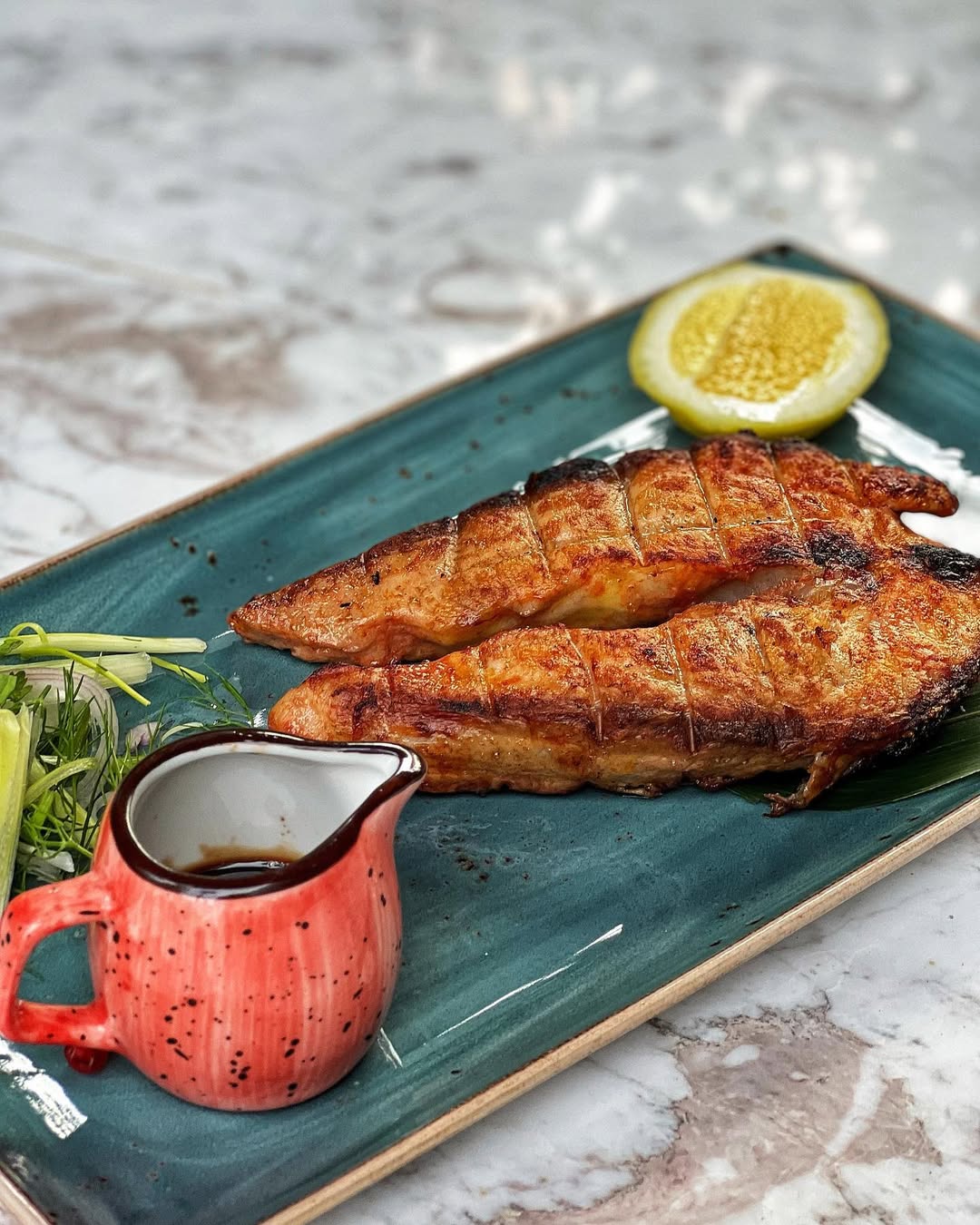
Grilled sturgeon is one of those “where has this been all my life?” moments.
Everything from backyard burgers to whole lambs has sizzled over my fire, and I’ll tell you straight: sturgeon ranks among the most underrated fish you can work with in the grill.
This Mediterranean-style grilled sturgeon brings together clean olive oil, sharp lemon, fresh herbs, and the briny pop of sea grapes.
It’s coastal, bright, and just fancy enough to make your guests think you trained in a seaside kitchen somewhere between Athens and Sicily.
The best part? It’s simple. No smoke bombs. No overcomplicated chef tricks. Just solid technique and great ingredients.
Why This Recipe Works
There are three reasons this dish hits every time:
- Sturgeon is built for the grill. It’s firm, meaty, and doesn’t fall apart like flaky white fish.
- Mediterranean flavors do the heavy lifting. Olive oil, garlic, oregano, thyme, lemon – they’re classics for a reason.
- Sea grapes add texture and salinity. They’re like nature’s tiny caviar-shaped seasoning.
And yes, it’s naturally gluten-free, high in protein, and packed with omega-3s. But let’s be honest – you’re here because it tastes incredible.
What Makes Sturgeon So Good on the Grill?
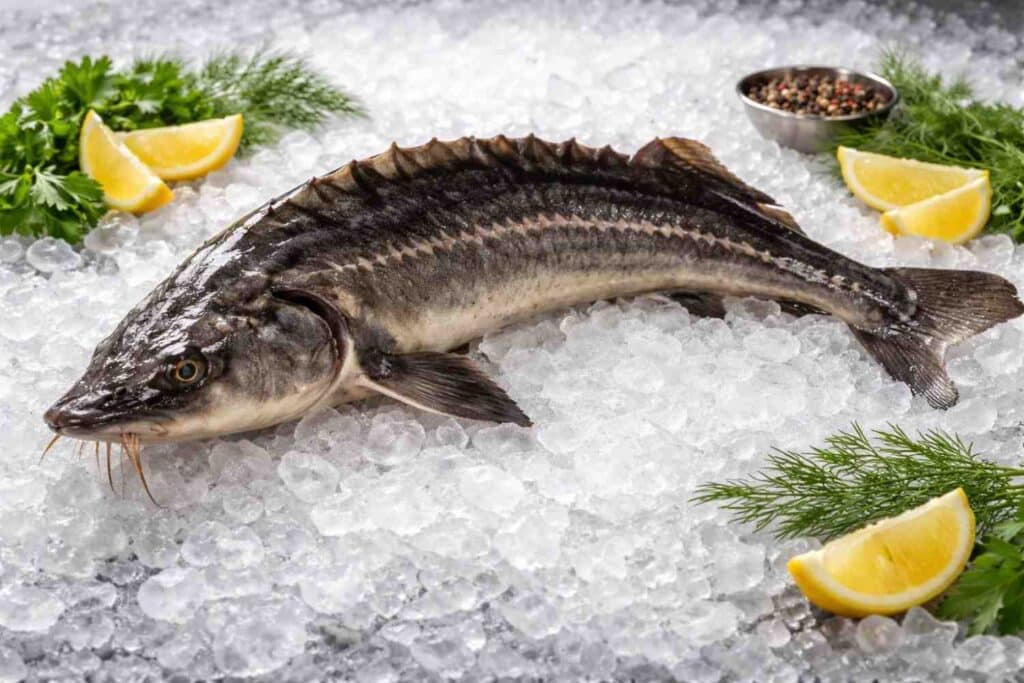
Sturgeon is a dense, mild white fish with a texture closer to swordfish than cod. That firmness means:
- It holds up beautifully over high heat
- It develops a gorgeous char without drying out
- It doesn’t stick to the grates as easily
As a pitmaster, I love ingredients that cooperate. Sturgeon cooperates.
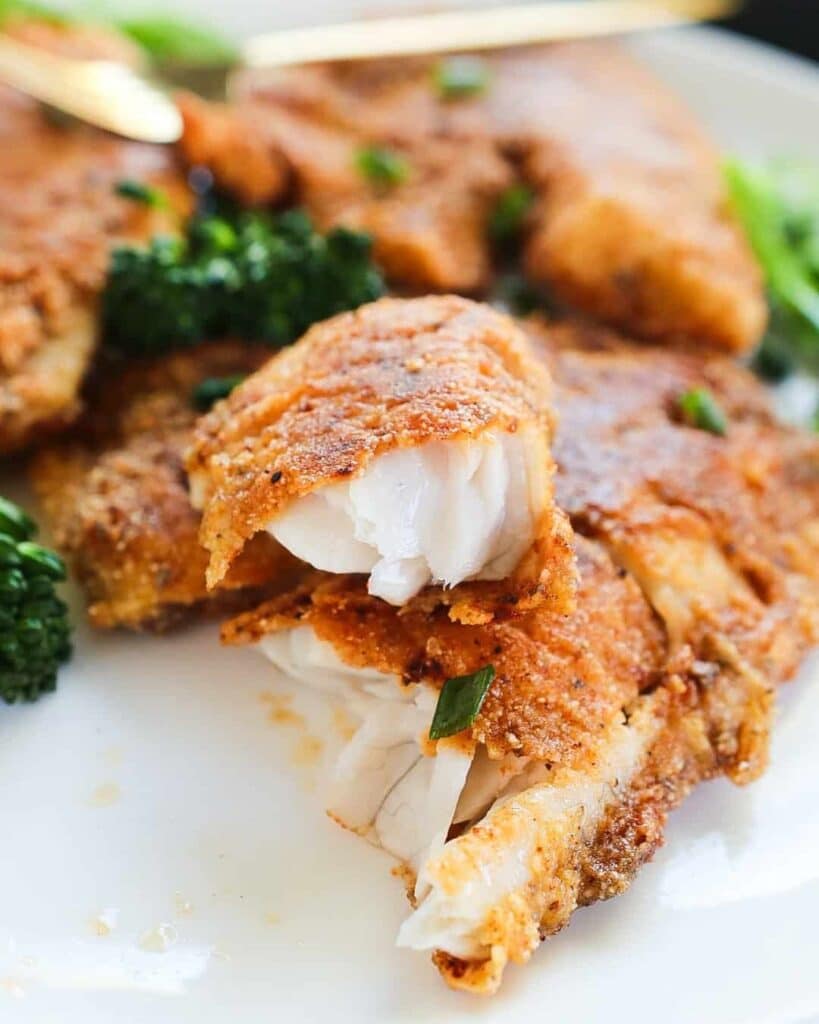
When cooked properly, it’s tender, juicy, and slightly sweet. Overcook it, though, and it’ll remind you who’s boss. So we’re not doing that.
Sea Grapes: The Salty Little Show-Off
If you’ve never seen sea grapes before, they look like tiny green beads clustered on delicate stems. They’re a type of seaweed with a natural brininess and a subtle crunch.
Think of them as:
- The ocean’s answer to caviar
- A garnish that actually matters
- A texture upgrade
The key thing to remember? Don’t cook them. Heat kills their snap. We’ll dress them lightly and let them shine.
Choosing the Best Sturgeon: What the Fish Counter Won’t Always Tell You
Let’s talk sourcing. Not all sturgeon is created equal, and quality starts long before it hits your grill. First, look for firm, moist flesh with a clean, ocean-fresh smell.
No fishy funk. Sturgeon should smell like a breeze off the water, not low tide at noon.
Whenever possible, choose sustainably farmed sturgeon. Wild populations in some regions are protected, and responsible aquaculture produces beautiful, consistent fillets perfect for grilling. Ask your fishmonger where it’s from – confidence in the answer matters.
Thickness is another pro move. Aim for fillets at least 1 to 1½ inches thick. Thin cuts overcook fast and lose that buttery texture. Thick cuts give you control.
And here’s the chef’s secret: buy it the day you cook it. Ultra-fresh fish needs very little help – just fire, salt, citrus, and respect.
Mastering Grill Marks and Char Without Overcooking
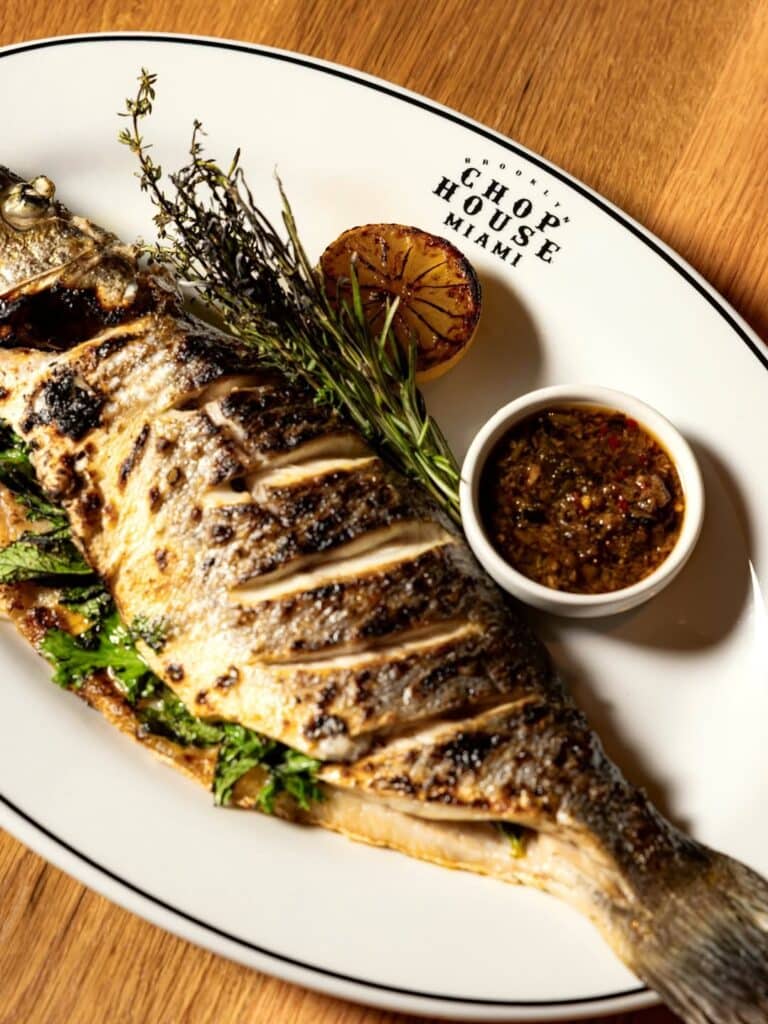
Let’s get something straight: grill marks aren’t just cosmetic – they’re flavor. That golden-brown crust comes from the Maillard reaction, where heat transforms proteins and sugars into deep, savory notes.
Translation? That’s the good stuff.
To get those bold crosshatch marks, place the fish down and don’t move it for 2–3 minutes. Then rotate it 45 degrees without flipping. That’s how you get restaurant-level presentation.
But here’s the balancing act: char without drying. Sturgeon is forgiving, but it’s still fish. Too much heat for too long and you’ll lose moisture.
Control flare-ups. Keep a cooler zone on your grill. And remember: you can always cook more – you can’t uncook dry fish.
Char adds depth. Overcooking adds regret. Choose wisely.
Turning This Dish into a Full Mediterranean Feast
Want to take this beyond a single plate? Build a Mediterranean-style spread around your grilled sturgeon and turn dinner into an experience.
Start with small bites: marinated olives, hummus, warm flatbread, and roasted red peppers. Add a bright citrus and fennel salad for crunch and acidity. The idea is balance – salty, fresh, herbal, smoky.
For a heartier table, serve the sturgeon alongside herbed farro or lemony orzo. Finish with something simple like Greek yogurt with honey and toasted pistachios.
Here’s the magic: Mediterranean cooking is about abundance without heaviness. Everything feels vibrant, colorful, and alive.
When you plate it all together, it doesn’t just taste good – it feels like you transported your backyard to the coast. And that’s a dinner worth remembering.
Pro Tips from the Grill
Here’s where experience saves you from rookie mistakes:
- Don’t over-marinate. Acid breaks down texture.
- Use skin-on fillets if available – extra protection on the grill.
- Keep the lid closed while cooking to maintain steady heat.
- Rest the fish before serving to retain juices.
And here’s a little chef confession: if you’re nervous about sticking, you can start the fish on a cast-iron grill pan for 60 seconds, then transfer it to the grill. Nobody needs to know.
What to Serve with Mediterranean-Style Grilled Sturgeon
You’ve got clean, bright flavors here. Keep the sides in that lane.
Great pairings:
- Lemon herb couscous
- Grilled zucchini and eggplant
- Cucumber and tomato salad
- A chilled, crisp white wine
Avoid heavy cream sauces. This dish isn’t trying to be rich – it’s trying to be fresh.
Storage and Leftovers
Store leftovers in an airtight container for up to 2 days.
Reheat gently – low oven or light pan warm-up. Microwaving fish is technically legal, but morally questionable.
Sea grapes are best fresh. If they soften overnight, use them in a salad instead.
Variations for When You’re Feeling Creative
Once you’ve mastered the base recipe, try:
- Adding chili flakes for subtle heat
- Swapping thyme for fresh rosemary
- Mixing chopped olives into the sea grapes
- Finishing with a drizzle of high-quality finishing olive oil
The core idea remains the same: Mediterranean-style grilled sturgeon built on balance and restraint.
Closing Notes
This dish is a perfect example of why I love cooking over fire. It’s simple, honest, and ingredient-driven. No gimmicks. No smoke and mirrors.
You get:
- Firm, beautifully charred fish
- Briny bursts from fresh sea grapes
- Citrus and herb brightness
- A plate that looks restaurant-level but cooks like a backyard favorite
If you want to impress guests without sweating over the grill all night, this is your move.
And once you’ve nailed this Mediterranean-style grilled sturgeon, don’t be surprised if it becomes your “Oh, this old thing?” dinner-party signature.
Fire up the grill. Respect the fish. Let the Mediterranean flavors do the talking.
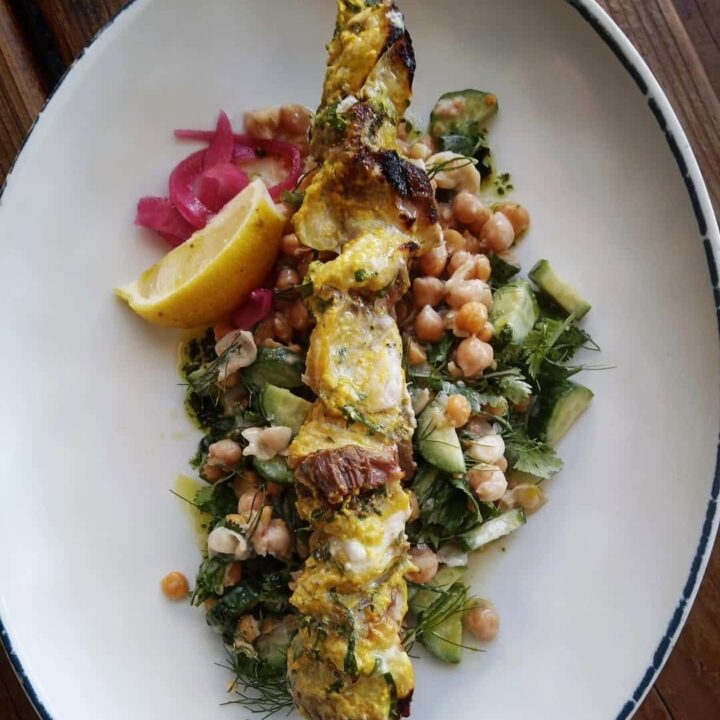
Mediterranean-Style Grilled Sturgeon with Sea Grapes
Image credit: @fishrestaurantsausalito
Ingredients
- For the Sturgeon
- 4 sturgeon fillets (about 6 oz each)
- 3 tablespoons extra virgin olive oil
- 2 tablespoons fresh lemon juice
- 3 cloves garlic, minced
- 1 teaspoon dried oregano
- 1 teaspoon fresh thyme leaves
- Salt and freshly cracked black pepper
- For the Sea Grapes
- 1 cup fresh sea grapes, gently rinsed
- 1 tablespoon olive oil
- 1 teaspoon lemon zest
- Pinch of sea salt
- Optional but welcome: chopped parsley and lemon wedges.
Instructions
Step 1: Build a Marinade That Respects the Fish
In a bowl, combine olive oil, lemon juice, garlic, oregano, thyme, salt, and pepper.
Pat the sturgeon dry before marinating. That step matters. Moisture on the surface prevents proper searing.
Coat the fillets and let them sit for 20–30 minutes. No more. Lemon juice is acidic – leave it too long and you start “cooking” the fish before it hits the grill.
Chef rule: Marinade should enhance, not dominate.
Step 2: Fire Control – The Real Secret
Preheat your grill to medium-high. If you’re using charcoal, aim for a steady, even bed of coals. Gas grill? About 400–425°F.
Clean and oil your grates. I can’t stress this enough. Most fish disasters happen because someone skipped this step.
You want confident grill marks, not fish confetti.
Step 3: Grill with Intention
Place the fillets on the grill presentation-side down first.
Cook for about 4–5 minutes per side. Don’t poke. Don’t flip early. Let the grill do its job.
You’re looking for:
- Clear grill marks
- Slight resistance when pressed
- An internal temperature of 145°F (63°C)
Pull it when it’s just done. Sturgeon continues to cook slightly after you remove it. Overcooked sturgeon is dry sturgeon. Dry sturgeon makes chefs grumpy.
Let it rest for 3–5 minutes before plating.
Step 4: Dress the Sea Grapes (No Cooking!)
Gently pat the sea grapes dry. Toss them with olive oil, lemon zest, and a tiny pinch of salt.
That’s it.
You’re not building a salad – you’re preserving texture. Their natural brine is the magic. Treat them delicately and they’ll reward you.
Step 5: Assemble Like You Mean It
Place the grilled sturgeon on a serving platter. Spoon the sea grapes generously over the top.
Finish with chopped parsley and a squeeze of fresh lemon.
The result? Bright green against golden charred fish. Clean. Modern. Mediterranean.
Featured image credit: @bakucafe.ae
