
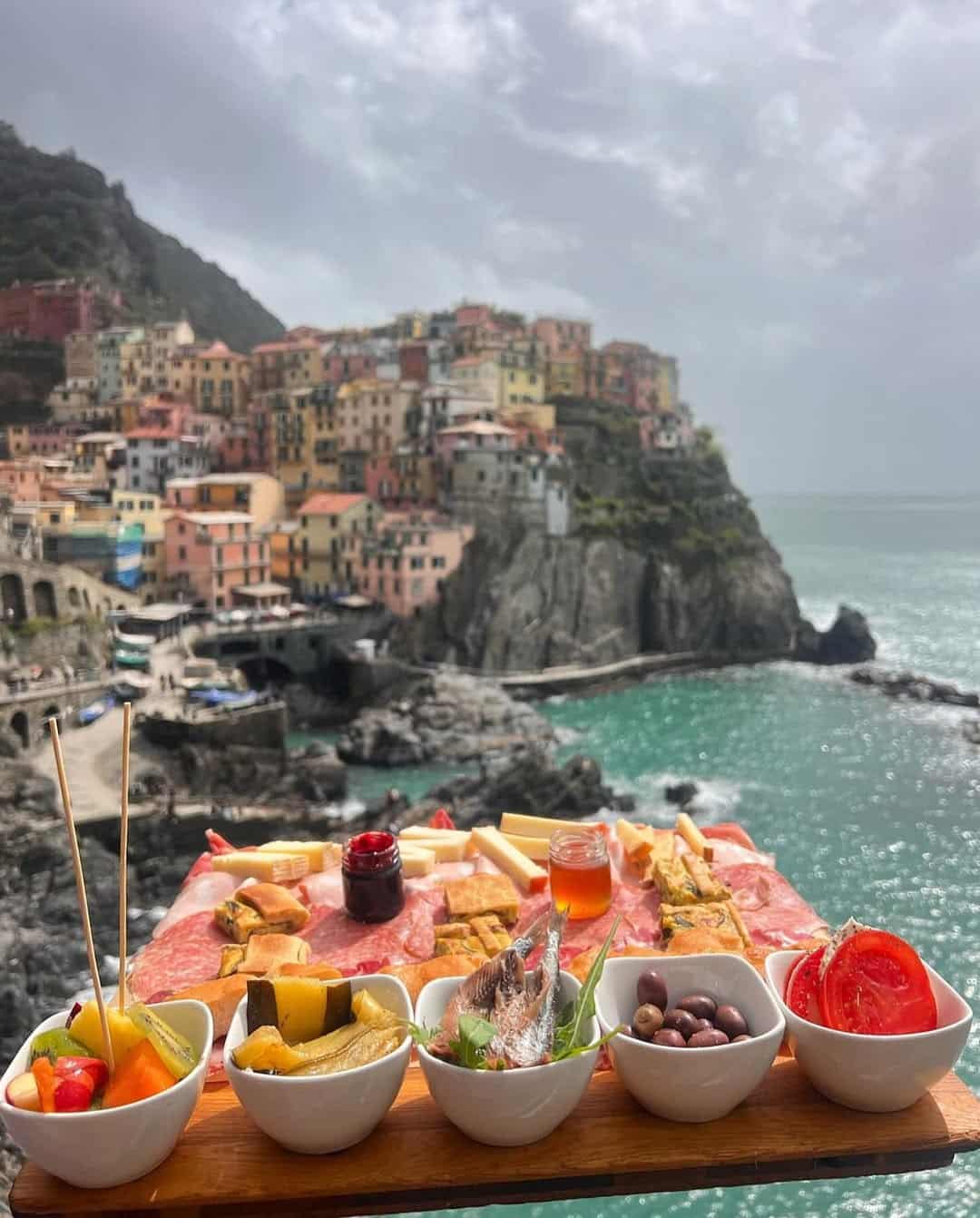
Picture this: You’re at a Mediterranean table, sun hitting your face, a plate of glistening olive oil-drizzled veggies in front of you, a glass of red wine catching the light – and somehow, everyone looks like they skipped decades of aging.
That’s the Mediterranean diet in action. But here’s the thing—most doctors will tell you the usual: “Eat more vegetables, less red meat, moderate wine.” Useful? Sure. Exciting? Not so much.
What they don’t usually share are the little tweaks—the hidden strategies that amplify results, keep your heart happy, boost energy, and might just make you feel like you’ve cracked the code of longevity.
Think of this as your insider’s guide to the Mediterranean diet – no lecture slides, just practical, juicy tips you can actually use.
By the end of this article, you’ll know the secrets that go beyond the basics, and you might even have fun while you do it – because health doesn’t have to be boring.
What Is the Mediterranean Diet?
At its core, the Mediterranean diet is simple: real food, mostly plant-based, with healthy fats, lean protein, and a splash of indulgence. No fads, no magic powders, just time-tested eating patterns from countries like Italy, Greece, and Spain.
Key components:
- Fruits and vegetables – your new best friends
- Whole grains – bread, farro, and yes, pasta in moderation
- Healthy fats – olive oil reigns supreme
- Seafood and lean proteins – think fish, chicken, beans
- Herbs and spices – flavor without the sodium
- Moderate wine – usually red, and only if your heart is in it
Why it works:
The Mediterranean diet is more than food; it’s a lifestyle. It’s anti-inflammatory, heart-friendly, and full of antioxidants. People who follow it tend to live longer, have lower rates of chronic disease, and – bonus – maintain healthier weight without starving themselves.
Think of it like barbecue smoke: slow, steady, flavorful. You don’t rush it, and you let the process do the magic.

Doctors are busy, and most of their advice comes with a dose of caution. They’ll tell you “eat your veggies, limit fat, exercise,” which is all sound, but they rarely dig into practical hacks.
The truth about the Mediterranean diet is that the magic isn’t just in what you eat – it’s in how you eat, when you eat, and the quality of the ingredients.
Doctors might hesitate to share:
- How extra virgin olive oil works almost like medicine in the right doses
- That specific herbs and spices have anti-inflammatory powers
- How meal timing and food combinations can amplify benefits
Consider this article your “pitmaster’s secrets”: I’m here to tell you what to actually do, beyond the generic “eat more fish.”
Mediterranean Diet Secrets You Need to Know
Olive Oil: Liquid Gold Beyond Cooking
Extra virgin olive oil isn’t just a tasty drizzle – it’s basically heart medicine disguised as food. Rich in antioxidants and monounsaturated fats, it helps lower bad cholesterol and inflammation.
Tips for using it like a pro:
- Daily dose: 2–3 tablespoons. Not just on salads – think roasted veggies, dips, or even your morning eggs.
- Choose wisely: Look for cold-pressed, extra virgin. If it tastes metallic, it’s probably not top tier.
Treat olive oil like you treat a good wood smoke: a little goes a long way, but the right quality transforms everything.
Seafood: Your Omega-3 Superpower
Fatty fish like salmon, sardines, and mackerel are omega-3 gold mines. These fats support heart health, brain function, and may even help mood regulation.
Pro tips:
- Eat fish 2–3 times a week
- Opt for wild-caught when possible
- Don’t be afraid of canned sardines – they’re a secret Mediterranean weapon
Fun anecdote: Sardines are like the BBQ equivalent of smoked brisket – small, packed with flavor, and underestimated by most.
Herbs and Spices: Flavor Without Guilt
Herbs like oregano, basil, rosemary, and thyme aren’t just decoration. They’re packed with antioxidants and anti-inflammatory compounds.
Pitmaster hack:
- Swap salt for herbs – you’ll be amazed at how much flavor you get.
- Fresh is great, dried works too; just be generous.
Think of herbs as your smoke ring in cooking – subtle, but it makes everything come alive.
Hidden Superfoods You Might Be Ignoring
Mediterranean cuisine has unsung heroes:
- Artichokes – fiber-packed, heart-healthy
- Legumes – beans, lentils, chickpeas for protein and satiety
- Tahini – sesame seed magic for minerals
- Pomegranates – antioxidants with a punch
Tip: Add them gradually; your meals will become vibrant, tasty, and super nutritious.
Wine Wisdom
Moderate red wine can be beneficial due to resveratrol, but less is more. One glass a day for women, two for men – no excuses.
Pitmaster-style: Think of it like finishing your ribs with a glaze – you don’t drown them in it, but it elevates the whole experience.
Timing and Meal Patterns
Mediterranean eaters often:
- Enjoy long lunches and smaller dinners
- Eat slowly, savoring each bite
- Combine meals with social interaction
Why it matters: This approach improves digestion, metabolism, and stress reduction. Plus, eating with friends is scientifically proven to boost happiness – and we all need that.
Lifestyle Secrets That Complement the Diet
Mediterranean diet success isn’t just about food. Think lifestyle:
- Move naturally: walk, cycle, garden
- Sleep well: quality sleep enhances metabolism
- Social meals: eating with friends and family reduces stress
Think of your body as a smoker – you can’t just pile in the wood (food) and expect magic. Heat (activity), airflow (sleep), and patience (stress management) make it all work.
Common Mistakes People Make
Even Mediterranean diet enthusiasts can slip up:
- Processed “Mediterranean” foods – packaged pasta sauces, frozen meals
- Overdoing cheese, wine, or bread – moderation is key
- Ignoring lifestyle factors – diet alone won’t work magic
Tip: Focus on whole foods, balance, and enjoyment. If it feels like punishment, you’re doing it wrong.
Mediterranean Snacks That Keep You Satisfied
Most people think the Mediterranean diet is only about main meals – but smart snacking is part of the secret. Nuts, fruits, and olives keep energy stable and cravings in check.
Snack like a pro:
- Nuts: Almonds, walnuts, pistachios for protein and healthy fats
- Fruits: Fresh or dried, paired with yogurt or nuts
- Olives and cheese: Small amounts for flavor and satiety
- Chickpeas: Roasted with olive oil and herbs for a crunchy treat
Tip: Keep snacks ready-to-grab. Think of it as your pitmaster’s mise en place for hunger – prepped, flavorful, and always available.
Grilling Mediterranean Style
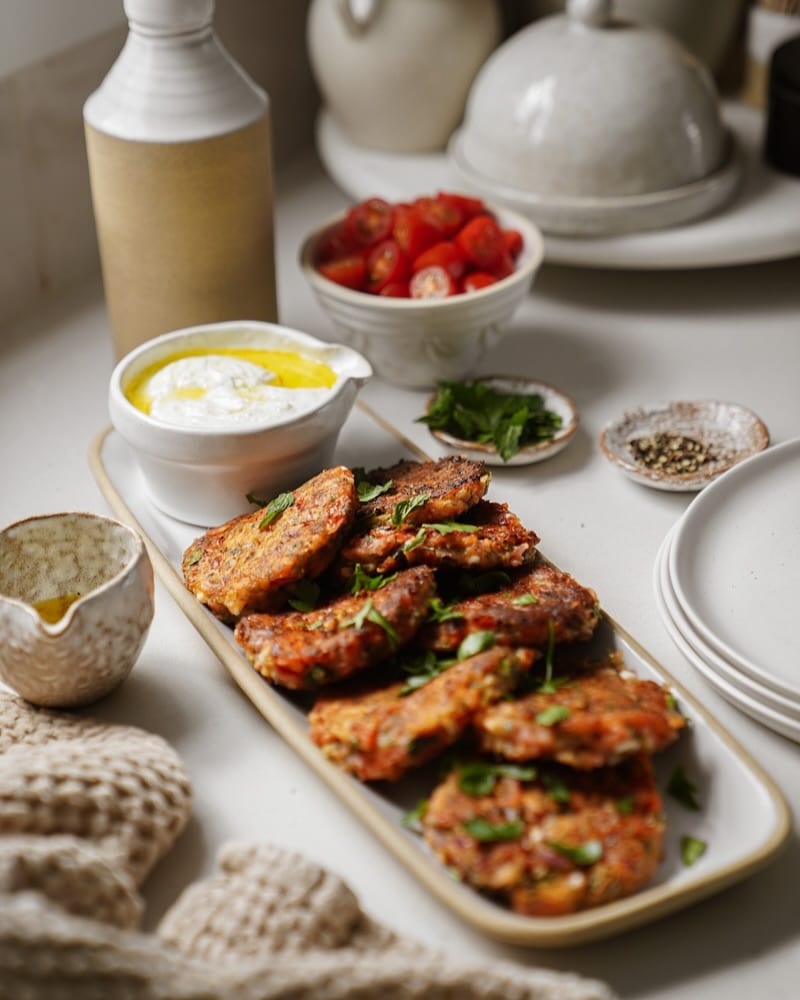
Fire up the grill—Mediterranean grilling isn’t just for ribs and burgers. Vegetables, fish, and lean meats taste amazing with a touch of olive oil and fresh herbs.
Grilling tips:
- Veggies: Eggplant, zucchini, peppers—charred for smoky flavor
- Fish: Sardines, salmon, or trout—rich in omega-3s
- Lean meats: Chicken breasts rubbed with garlic, rosemary, and lemon
- Flavor hack: Olive oil + herbs = instant Mediterranean marinade
Pitmaster tip: Avoid overcooking. The goal is to enhance natural flavors, not mask them with smoke or heavy sauces.
Fermented Foods for Gut Health
Gut health is a hidden gem in the Mediterranean diet. Fermented foods like yogurt, kefir, and sauerkraut bring probiotics that support digestion and immunity.
How to include fermented foods:
- Greek yogurt with breakfast or smoothies
- Sauerkraut in bean salads or wraps
- Kefir as a drink or dessert base
- Start small: 1 serving a day and build up
Think of fermented foods like your secret rub – they unlock hidden flavor and health benefits.
Mediterranean Diet for Brain Power
The Mediterranean diet is brain-smart as well as heart-smart. Foods rich in omega-3s, antioxidants, and polyphenols support memory, focus, and mood.
Brain-boosting foods:
- Fatty fish: Salmon, sardines, mackerel
- Nuts: Walnuts and almonds
- Leafy greens: Spinach, kale, and arugula
- Fruits: Blueberries, pomegranates
Pitmaster analogy: Feed your neurons like you smoke brisket – careful, flavorful preparation leads to lasting results.
Mediterranean Breakfast Makeovers
Breakfast sets the tone for your day. The Mediterranean diet focuses on protein, healthy fats, and fresh produce.
Breakfast ideas:
- Greek yogurt with fruit, nuts, and honey
- Whole-grain toast topped with avocado, tomatoes, and feta
- Scrambled eggs with olive oil, herbs, and roasted peppers
Tip: Skip sugary cereals. Breakfast should fuel your energy, brain, and digestion, just like prepping a smoker properly primes the meat.
The Mediterranean Approach to Desserts
Desserts exist in the Mediterranean diet, but they’re lighter, flavorful, and balanced.
Smart Mediterranean desserts:
- Fruit drizzled with honey
- Greek yogurt parfaits with nuts
- Dark chocolate with nuts
- Roasted or grilled fruit with cinnamon
Think of it like a pitmaster finishing a brisket: careful, intentional, and flavor-focused, satisfying cravings without undoing your healthy habits.
Hydration and Herbal Teas
Hydration isn’t just about water. Herbal teas like chamomile, mint, and sage support digestion, relaxation, and subtle flavor enhancement.
Tips for hydration:
- Sip herbal teas during or after meals
- Infuse water with cucumber, citrus, or berries
- Use hydration as part of your meal experience, like smoke sets the stage for BBQ flavor
Small habit, big impact – proper hydration enhances digestion, absorption, and vitality.
Seasonal Eating: Freshness That Packs a Punch
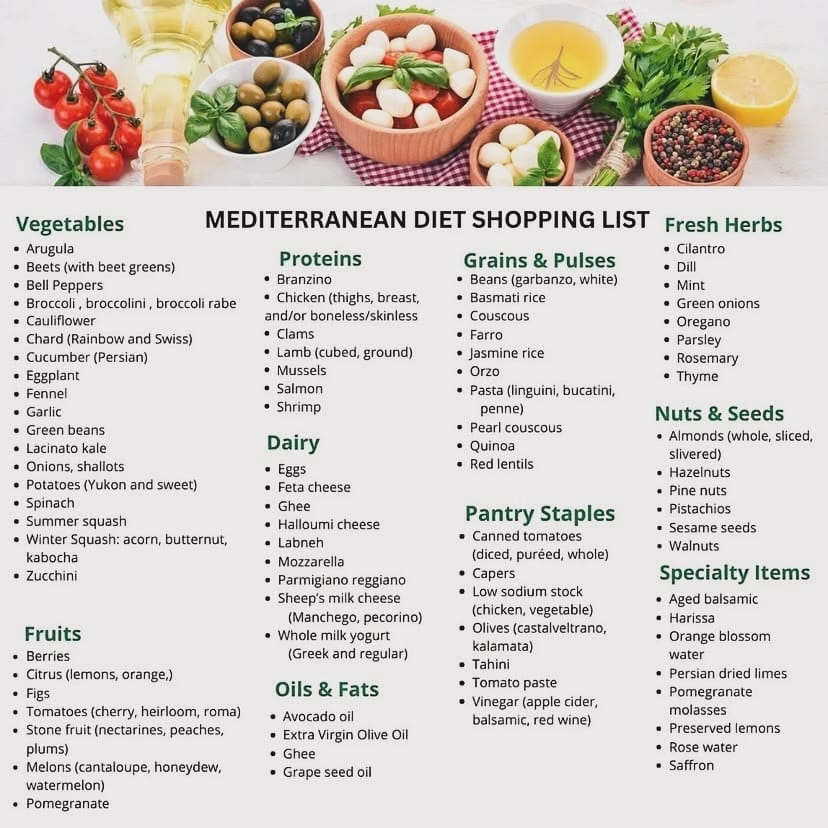
The Mediterranean diet thrives on seasonal, local produce. Eating seasonally maximizes nutrients and flavor, keeping meals vibrant and interesting.
How to eat seasonally:
- Summer: Tomatoes, zucchini, berries
- Winter: Squash, citrus, leafy greens
- Herbs: Fresh and abundant for flavor
- Explore local markets for inspiration
Think of seasonal eating like choosing the right wood for smoking meat – it transforms the dish naturally, without effort.
Health Impacts of the Mediterranean Diet
The Mediterranean diet is more than just tasty meals – it’s a heart’s best friend. Rich in olive oil, nuts, and fatty fish, it’s packed with healthy fats that help lower bad cholesterol and reduce inflammation.
Studies show that people who follow this diet have a significantly lower risk of heart disease, fewer strokes, and better blood pressure control. Think of it like slow-smoking a brisket: steady, careful, and the result is deep, lasting health rather than a quick, risky fix.
Beyond the heart, the Mediterranean diet may play a role in reducing cancer risk. Antioxidant-rich foods like tomatoes, berries, leafy greens, and olive oil combat oxidative stress in the body, which is linked to cancer development.
Legumes and whole grains provide fiber that supports healthy digestion and hormone balance, further protecting against certain cancers. In other words, it’s like seasoning your meals for flavor, but this seasoning works on your cells and DNA too.
The benefits don’t stop there. This lifestyle supports brain health, weight management, and metabolic wellness, helping prevent ailments like diabetes, Alzheimer’s, and chronic inflammation.
The combination of fresh produce, healthy fats, herbs, and lean proteins fuels the body and mind, reduces oxidative stress, and promotes longevity.
Following this approach is less about a “miracle cure” and more about stacking small, consistent health wins – a slow-cooked recipe for a healthier, longer life.
How to Start Incorporating These Secrets Today
Small steps make the difference:
- Swap oils: Use extra virgin olive oil everywhere
- Add herbs: Ditch salt-heavy flavoring
- Try one hidden superfood weekly
- Eat fish 2–3 times a week
- Pair meals with a walk or social time
One-day example:
- Breakfast: Greek yogurt with berries and a drizzle of olive oil
- Lunch: Grilled salmon salad with fresh herbs
- Snack: Handful of almonds and pomegranate seeds
- Dinner: Lentil stew with whole-grain bread, glass of red wine
Take it slow. Rome wasn’t built in a day, and neither is a lifestyle overhaul.

Mediterranean Diet FAQ
Q1: What exactly is the Mediterranean diet?
The Mediterranean diet is a way of eating inspired by countries like Greece, Italy, and Spain. It emphasizes fruits, vegetables, whole grains, legumes, nuts, olive oil, fish, and moderate wine. It’s not a strict meal plan—think of it as a flavor-packed lifestyle that prioritizes real food and healthy fats.
Q2: Can the Mediterranean diet really prevent heart disease?
Absolutely. The diet’s high content of healthy fats, omega-3s, and antioxidants helps reduce bad cholesterol, lower inflammation, and improve blood pressure.
Studies show people following this diet regularly have a much lower risk of heart attacks and strokes – like slow-smoking ribs to perfection, it’s all about steady, long-term results.
Q3: Is it effective for weight loss?
Yes – but it’s not a crash diet. The focus on whole foods, fiber, and healthy fats naturally keeps you full, stabilizes blood sugar, and helps maintain a healthy weight. Think of it like portion-controlled BBQ – satisfying, flavorful, and sustainable.
Q4: Can it help prevent cancer or other chronic diseases?
The Mediterranean diet is rich in antioxidants, polyphenols, and fiber, which help combat oxidative stress and inflammation. Studies suggest it can lower the risk of certain cancers, diabetes, and Alzheimer’s disease, supporting overall longevity.
Q5: Do I have to give up wine or cheese?
Nope! The key is moderation. A glass of red wine or small amounts of cheese complement the diet without sabotaging your health goals – think of them like the finishing sauce on a perfectly grilled dish.
Q6: How do I start the Mediterranean diet without feeling overwhelmed?
Start small:
- Swap butter for extra virgin olive oil
- Add herbs and spices to flavor meals
- Include fish 2–3 times a week
- Embrace seasonal fruits and vegetables
Little steps go a long way – slow and steady wins the health race, just like a low-and-slow BBQ.
Q7: Can I combine Mediterranean diet tips with other diets?
Yes! Many people blend the Mediterranean diet with vegetarian, pescatarian, or even intermittent fasting plans. The core principle is whole, minimally processed foods, so it’s very flexible.
Watch out for:
- Processed “Mediterranean” foods like pre-packaged sauces
- Overconsuming wine, cheese, or bread
- Ignoring lifestyle habits like movement, sleep, and stress management
Even a great recipe fails if you overcook it – the same goes for your diet.
Nature Has a Better Way of Extending Our Lives Through Food and Lifestyle Choices
The Mediterranean diet isn’t just food – it’s a way of life. The secrets aren’t flashy – they’re in quality ingredients, smart timing, hidden superfoods, and lifestyle tweaks. Use these tips like a pitmaster uses fire: with patience, attention, and a touch of flair.
By embracing these hidden strategies, you’ll enjoy better heart health, more energy, and maybe even a few extra happy years.
Health can be fun, flavorful, and downright delicious – if you know where to look.
Featured image credit: @earthbestshots
