
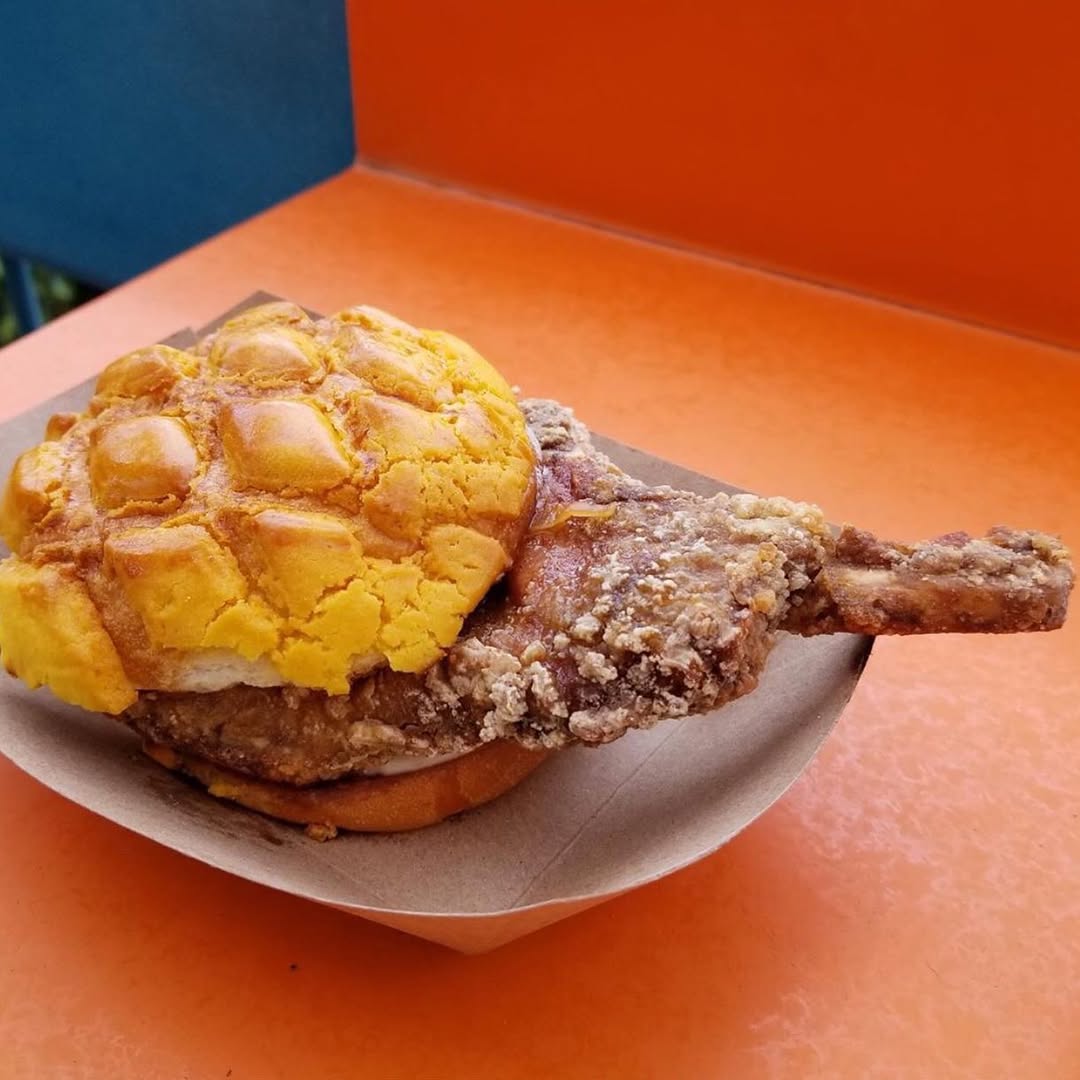
The streets of Macau around lunchtime smells of high Heaven if you’ve ever walked around them.
You’ve also probably caught that smell – sizzling pork hitting hot oil, toasted bread crackling in the oven, garlic drifting through the air like it owns the place.
Follow your nose and you’ll likely end up holding one of the most satisfying handheld meals in Asia: the pork chop bun.
As a chef who’s spent years around grills, smokers, and hot pans, I love food that keeps things simple but executes perfectly. And the pork chop bun is exactly that. No heavy sauces. No complicated garnish.
Just a beautifully marinated pork chop tucked into crusty bread. It’s street food with backbone.
Today, I’ll show you how to make a proper pork chop bun at home – the kind that delivers crispy edges, juicy meat, and that unmistakable Macau vibe.
What Makes the Pork Chop Bun Special?
At first glance, it might look like “just a sandwich.” That’s like calling a ribeye “just steak.” Technically true. Emotionally offensive.
A real pork chop bun – known locally as Chu Pa Bao – is built on three core principles:
- Well-marinated pork
- Crispy, crusty bread
- Restraint
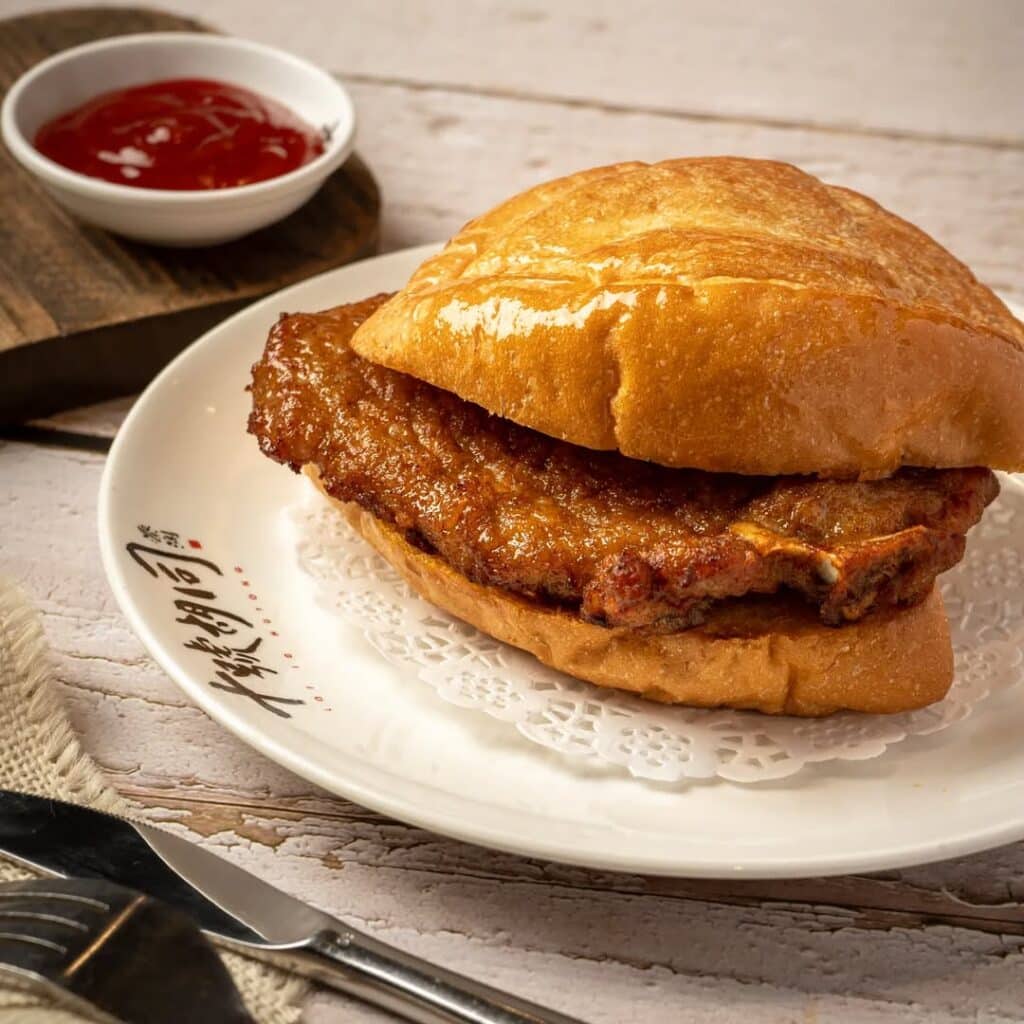
The pork is typically bone-in, marinated with soy sauce, garlic, sugar, and white pepper. It’s pan-fried until golden, slightly crisp on the outside, but still juicy inside. Then it goes straight into a crusty roll – traditionally similar to Portuguese papo secos.
And here’s the kicker: no sauce. Maybe a touch of butter on the bread, but that’s it. The pork carries the whole show.
That confidence? I respect it.
Why This Pork Chop Bun Works
As a cook, I appreciate food that understands balance. The pork chop bun works because:
- The marinade builds depth without overpowering.
- The crusty bread contrasts the juicy pork.
- Simplicity keeps the flavors clean and focused.
It’s also wildly satisfying. This isn’t dainty café fare. This is two hands, elbows out, bite-in-and-commit kind of food.
And yes, you will probably get crumbs on your shirt. Wear it like a badge of honor.
The Portuguese Connection: How Bread Built the Pork Chop Bun
The pork chop bun wouldn’t exist without Macau’s Portuguese roots.
When the Portuguese settled in Macau in the 16th century, they brought something that changed the local food landscape forever: European-style crusty bread. Traditional southern Chinese cuisine didn’t center around baked wheat rolls. Rice ruled the table.
Enter the papo seco – crusty outside, airy inside, built to cradle meat. That bread became the backbone of the pork chop bun, turning seasoned pork into a handheld masterpiece.
What fascinates me as a chef is how seamlessly this fusion works. The seasoning is unmistakably Chinese – soy sauce, garlic, white pepper – while the bread is purely European technique.
It’s not forced fusion. It’s organic evolution. And that’s why it tastes so natural.
The Texture Factor: Why Contrast Makes It Addictive
Let’s talk about what really makes the pork chop bun addictive: texture contrast. Flavor gets the spotlight, but texture is the secret weapon.
You’ve got:
- Crispy, shattering crust from the toasted roll
- Juicy, tender pork inside
- Slight chew from the bread’s interior
That combination triggers what I call the “second bite reflex.” Your brain loves contrast. Crunch meets juicy. Firm meets soft. It’s culinary tension and release.
In professional kitchens, we obsess over texture. A dish can taste good but feel boring if it’s one-note. The pork chop bun nails this balance without even trying. That’s not luck – that’s smart food design.
And yes, I absolutely geek out over that.
The Anthony Bourdain Effect: Global Spotlight on a Street Classic
The pork chop bun went from local hero to global icon thanks in part to Anthony Bourdain. When he featured Macau’s pork chop bun on No Reservations, it wasn’t just TV exposure – it was validation.
Bourdain loved food that was honest, unpretentious, and rooted in culture. The pork chop bun checked every box. No fancy plating. No gimmicks. Just real flavor served on wax paper.
After that episode aired, tourists lined up at famous spots like Tai Lei Loi Kei. Suddenly, this humble sandwich had international buzz.
As a cook, I respect that moment. It proved something important: great food doesn’t need luxury – it needs authenticity. And the pork chop bun has that in spades.

Street Food Economics: Why Simplicity Wins
Here’s something most people don’t think about: the business genius behind the pork chop bun.
Street food survives on efficiency. The pork chop bun works because it’s:
- Affordable
- Fast to cook
- Built from minimal ingredients
- High in perceived value
One protein. One bread. Simple marinade. That’s it.
From a professional kitchen perspective, that’s beautiful cost control. Minimal waste. High satisfaction. Repeat customers.
This sandwich proves that restraint is profitable. You don’t need 20 toppings or imported truffles. You need consistency and flavor people crave.
And honestly? That might be the smartest recipe lesson hidden inside this iconic Macau classic.
Expert Tips for a Better Pork Chop Bun
After years of cooking meat professionally, here’s what separates good from unforgettable:
1. Use bone-in pork chops.
Bone equals flavor. Period.
2. Don’t drown it in marinade.
It should enhance, not overpower.
3. Control your heat.
Too hot and the sugar burns. Too low and you steam instead of sear.
4. Eat it fresh.
The contrast between crispy bread and juicy pork is time-sensitive.
This sandwich doesn’t wait around politely.
Variations (If You Must)
I’m a purist. But if you want to experiment:
- Grill the pork instead of pan-frying for a smoky edge.
- Add quick-pickled cucumbers for brightness.
- Sprinkle chili flakes for heat.
- Try an air fryer for a lighter version.
Just remember: once you add too many extras, it stops being a classic pork chop bun and starts becoming a personality crisis.
What to Serve With It
Street-style, it’s often paired with:
- Hong Kong–style milk tea
- Iced lemon tea
- Simple fries
- Light cucumber salad
Keep it simple. The sandwich is heavy enough to headline the meal.
Storage and Reheating
If you somehow have leftovers:
- Store pork separately from bread.
- Refrigerate up to 3 days.
- Reheat in a pan or oven – not microwave, unless you enjoy soggy bread sadness.
Reassemble fresh.

What Makes the Macanese Pork Chop Bun Endearing
The pork chop bun has survived decades in Macau because it delivers something universal: honest flavor.
It’s a culinary handshake between Portuguese bread-making and Chinese seasoning. It doesn’t need reinvention. It doesn’t need foam or microgreens. It needs heat, timing, and respect.
As cooks, we sometimes chase complexity. But dishes like this remind us that execution beats complication every time.
When you bite into a properly made pork chop bun, you get crunch, juice, garlic, salt, and that subtle sweetness from caramelized edges. It’s loud in texture, balanced in flavor, and deeply satisfying.
And honestly? That’s what great street food should be.
So fire up a pan, grab some crusty rolls, and make one. Eat it hot. Get crumbs everywhere.
Welcome to Macau – no plane ticket required.
The Ultimate Macanese Pork Chop Bun Recipe
Image credit: Natan Machado Fotografia Gastronômica
Ingredients
For the pork chop:
- 2 bone-in pork chops (about ¾–1 inch thick)
- 3 cloves garlic, minced
- 2 tablespoons light soy sauce
- 1 teaspoon sugar
- ½ teaspoon white pepper
- 1 tablespoon Shaoxing wine (optional but authentic)
- Pinch of salt
- 1 teaspoon cornstarch (optional for crispiness)
- Neutral oil for frying
For the bun:
- 2 crusty rolls (Portuguese-style if possible)
- Softened butter (optional, light spread)
Instructions
Step 1: Prep the Pork Like You Mean It
First rule of a great pork chop bun: don’t skip the pounding.
Place the pork chops between plastic wrap and gently pound them to even thickness. You’re not trying to flatten them into schnitzel – just tenderize and even them out.
Why? Because even cooking = juicy pork.
In a bowl, mix garlic, soy sauce, sugar, white pepper, Shaoxing wine, and salt. Rub it thoroughly into the pork. Add the cornstarch if using.
Let it marinate at least 2 hours. Overnight is better.
Here’s a pitmaster truth: time in the marinade is flavor in the meat.
Step 2: Choose the Right Bread (This Matters)
Do not — I repeat — do not use soft sandwich bread.
A proper pork chop bun needs structure. You want a roll with:
- A crusty exterior
- Light, airy interior
- Enough strength to hold a juicy chop
Lightly toast the rolls in a 350°F (175°C) oven for 5–7 minutes. If you’re feeling indulgent, brush a thin layer of butter inside.
That slight crunch when you bite down? That’s the magic.
Step 3: Fry for Flavor
Heat a skillet over medium heat. Add enough oil to coat the bottom.
Lay the marinated pork chop in the pan. You should hear a confident sizzle. If it whispers, your pan isn’t hot enough.
Cook about 4–5 minutes per side, depending on thickness. You’re looking for:
- Golden brown edges
- Slight caramelization from the sugar
- Internal temp around 145°F (63°C)
Let it rest for a few minutes before assembling.
Resting isn’t optional. Cut too soon and the juices run out. Then you’ll blame the recipe. Don’t blame the recipe.
Step 4: Assemble Like a Pro
Slice the bun open. Slide the pork chop inside. Bone and all, if it fits – that’s traditional. Or remove the bone for easier eating.
No sauce. No lettuce avalanche. No fancy aioli experiment.
The beauty of a pork chop bun is that the pork is the star. Let it shine.
Serve immediately while the crust is crisp and the pork is still hot.
Featured image credit: @eater_la
