
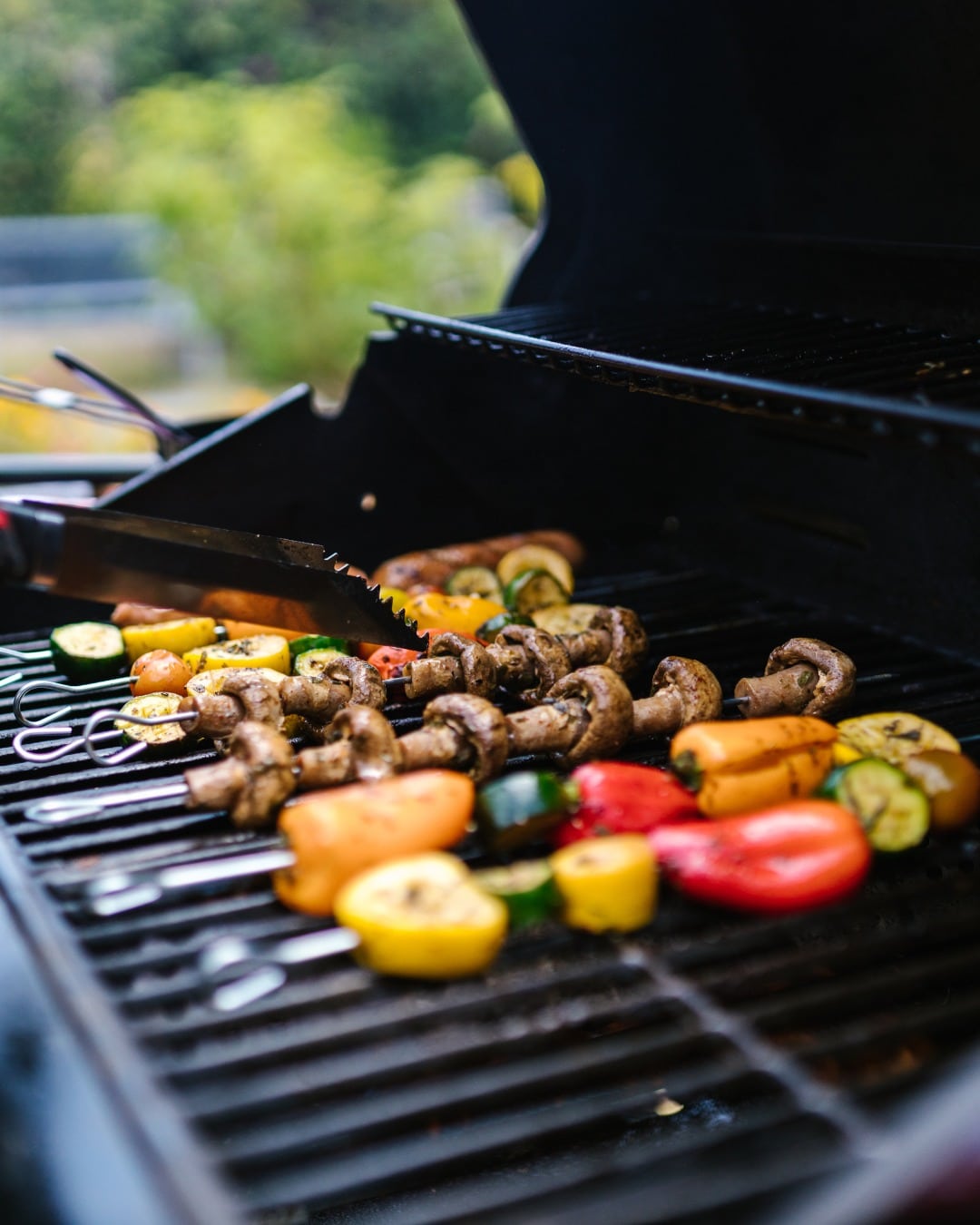
Backyard grilling has a funny way of turning friendly gatherings into passionate debates. Charcoal fans talk smoke and tradition. Propane users praise quick heat and easy cleanup. Natural gas grillers casually mention they never refill tanks.
Then someone brings up LNG.
The mood shifts. Liquid natural gas grills sound big, technical, and slightly over-the-top – more industrial powerhouse than patio companion. That knee-jerk reaction is exactly what keeps many grill lovers from understanding what LNG grills truly offer.
This article cuts through the confusion and explains LNG grilling in plain English, without dumbing anything down.
Think of it as a pitmaster pulling up a chair, sharing hard-earned lessons, a few jokes, and the kind of insights that make you say, “That finally makes sense.”
Grab your tongs. Let’s talk fuel.
What Is an LNG Grill, Really?
First things first: LNG stands for Liquefied Natural Gas. It’s natural gas that’s been cooled to an extremely low temperature so it becomes liquid. That liquid form makes it easier to store and transport in certain systems.
Now here’s the important part that trips people up:
Most residential “LNG grills” are not powered by cryogenic tanks in your backyard.
What people usually mean by liquid natural gas grills is a grill system that uses natural gas infrastructure derived from LNG processing. In everyday backyard use, the grill burns natural gas in vapor form, just like a standard NG grill.
So why does LNG matter?
Because LNG:
- Enables wider natural gas availability
- Feeds pipelines in areas without traditional gas sources
- Supports high-demand, long-run fuel systems
Key takeaway:
An LNG grill behaves like a natural gas grill, but its fuel may originate from liquefied natural gas sources upstream.
No ice-cold tanks. No hazmat suits. Just clean-burning gas and steady heat.
How Liquid Natural Gas Grills Work (Without the Science Headache)
Let me put this in pitmaster terms.
A grill’s job is simple:
- Deliver fuel
- Burn fuel consistently
- Let you control the heat without cursing
Liquid natural gas grills do exactly that – quietly and efficiently.
Here’s the simplified flow:
- LNG is processed and converted back into gas
- Gas enters the local distribution system
- It flows to your home via a fixed gas line
- The grill’s regulator controls pressure
- Burners ignite and deliver even heat
That’s it.
No tanks to swap. No midnight runs to the gas station because you ran out halfway through ribs.
What you’ll notice as a griller:
- Instant ignition
- Consistent flame
- Smooth temperature adjustments
- No fuel fade mid-cook
It’s like cooking with a dimmer switch instead of an on/off button.
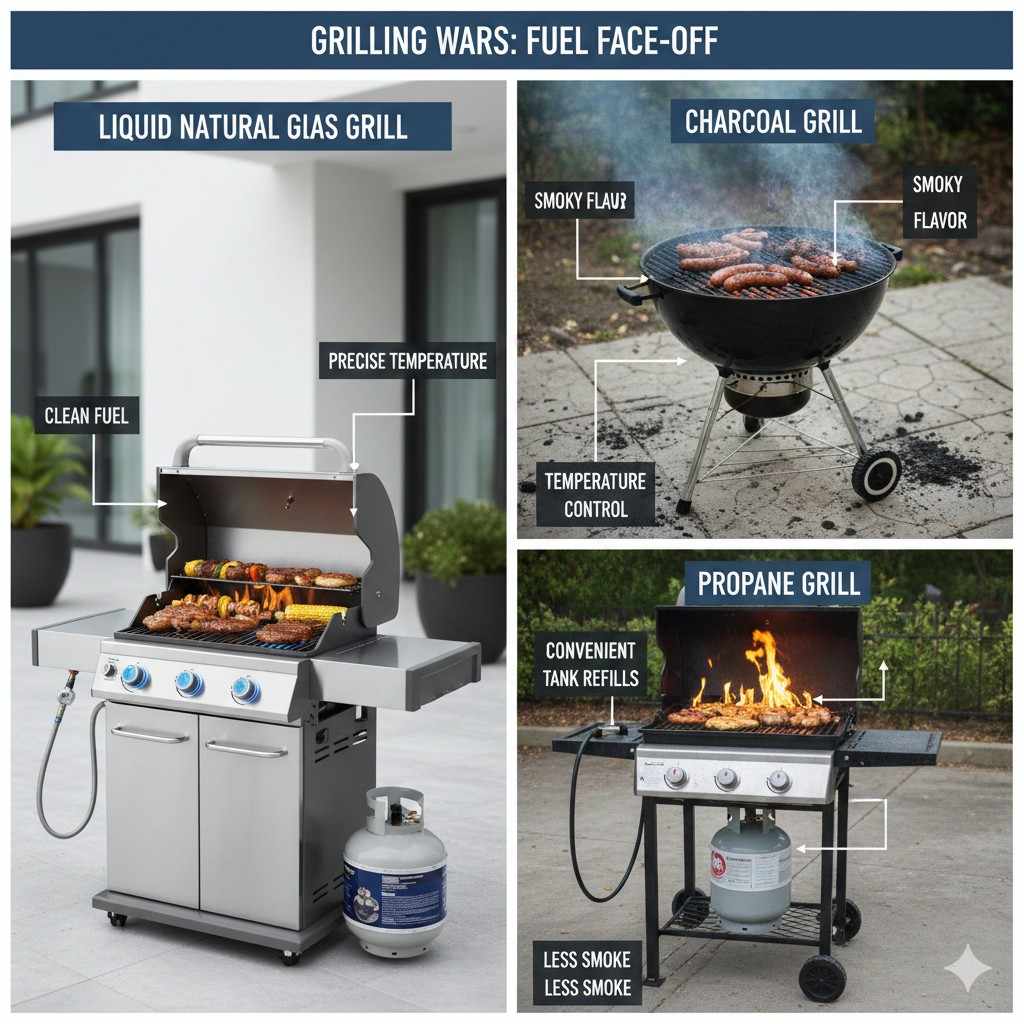
LNG Grills vs Other Grill Fuels (The Backyard Showdown)
Let’s settle this like adults – with honesty and a little trash talk.
When it comes to grilling, fuel choice sparks more debate than seasoning. Liquid natural gas grills bring precision and convenience, but how do they stack up against charcoal, propane, or traditional natural gas?
This backyard showdown breaks down the differences so you can see which fuel truly earns its place on your patio.
LNG vs Propane Grills
Propane is the friend who’s fun but unreliable.
Propane pros:
- Portable
- Easy to find
- Strong heat output
Propane cons:
- Tanks run out at the worst time
- Pressure drops in cold weather
- Fuel costs add up
Liquid natural gas grills win here because:
- No tanks
- No pressure fluctuation
- Lower long-term fuel cost
Punchline: Propane grills are great – until they ghost you mid-steak.
LNG vs Natural Gas Grills
This one’s more like cousins arguing at Thanksgiving.
Functionally? They’re almost identical.
The difference lies upstream:
- LNG allows gas access in more regions
- Traditional NG relies on direct pipelines
For the cook:
- Heat output? Same
- Control? Same
- Flavor? Same
Key point:
If your natural gas supply originates from LNG, you’re already benefiting from it – even if you don’t realize it.
LNG vs Charcoal Grills
Ah yes. The sacred cow.
Charcoal brings:
- Smoky flavor
- Ritual
- Drama (lighting, flare-ups, cleanup)
LNG grills bring:
- Precision
- Speed
- Weeknight sanity
As a pitmaster, I’ll say this:
Charcoal is for when you want an experience. LNG is for when you want results.
Different tools. Different moods. No wrong answers.

Why Grillers Are Falling for LNG Grills
Let’s talk benefits – the real ones, not brochure fluff.
1. Consistent Heat Is King
With liquid natural gas grills, heat doesn’t wander. Once you dial it in, it stays there. That means:
- Better sears
- Predictable cook times
- Fewer ruined meals
2. Clean-Burning Fuel
Natural gas burns cleaner than propane or charcoal.
- Less soot
- Fewer emissions
- Cleaner burners over time
Your grill stays happier. So do your lungs.
3. Unlimited Fuel Supply
No tanks. Ever.
I can’t overstate how beautiful that is.
4. Long-Term Cost Savings
While installation can cost more upfront, gas prices are generally:
- Lower than propane
- More stable over time
If you grill a lot (and I mean a lot), it pays off.
The Downsides (Because No Grill Is Perfect)
Let’s not pretend LNG grills are magic.
Every grill has its trade-offs, and liquid natural gas grills are no exception. They deliver consistency and convenience, but they also ask for commitment and the right setup.
Knowing the downsides upfront saves you from buyer’s remorse – and keeps your grilling expectations realistic.
They Aren’t Portable
Once installed, they live there. No tailgates. No camping trips.
Installation Isn’t Plug-and-Play
You may need:
- A gas line extension
- Permits
- A professional installer
Not Available Everywhere
Some regions still lack reliable gas infrastructure.
Liquid natural gas grills aren’t something you can use anywhere you drop a patio chair. Availability depends heavily on local gas infrastructure, utility access, and regional regulations.
In some areas it’s seamless, while in others it’s simply not on the menu – no matter how good the grill looks.
Bottom line:
Liquid natural gas grills reward commitment. They’re not for dabblers.
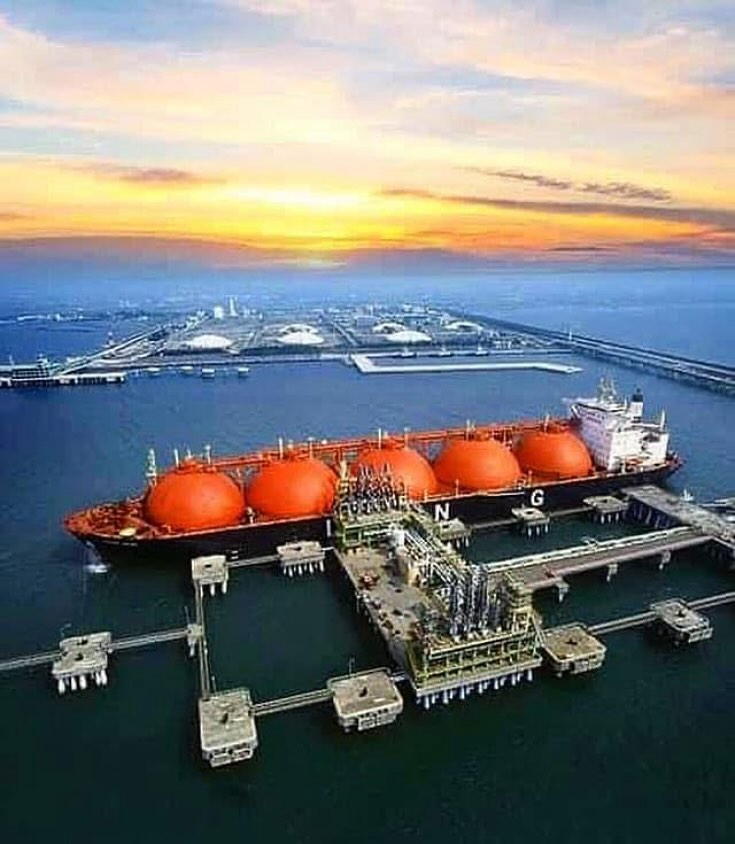
The Environmental Angle: LNG and Your Backyard Carbon Footprint
Many grillers overlook the environmental side of fuel choice. Ways LNG helps the environment:
- Cleaner burning – LNG produces fewer particulates and carbon emissions than charcoal or propane.
- Less mess and pollution – enjoy less soot on your grill and fewer pollutants wafting over your summer cookout.
- Efficient energy distribution – LNG reduces waste in the supply chain compared to bottled propane.
- Eco-conscious satisfaction – grilling with LNG adds a feel-good factor to every perfectly seared steak.
- Leverages cleaner upstream energy sources – LNG comes from natural gas infrastructure, supporting cleaner energy production.
While no backyard grill is zero-impact, choosing LNG aligns your grilling hobby with modern sustainability practices, letting you brag about low-carbon burgers without sacrificing flavor or convenience.
Safety: Calm, Practical, Non-Paranoid Advice
Gas scares people. Understandably. But modern LNG and NG grills are incredibly safe when installed correctly.
Key safety practices:
- Professional installation
- Annual hose and connection checks
- Built-in shutoff valves
- Outdoor-only use (non-negotiable)
Gas leaks are rare – and noticeable. Trust your nose.
If you smell gas, don’t light the grill. This isn’t bravery. It’s barbecue Darwinism.
Safety Myths Busted: LNG Isn’t Hazardous Drama
Many avoid LNG grills because of the “liquid natural gas” scare factor – but modern systems are engineered for everyday use.
Reasons why LNG is safe for grilling:
- Built-in shutoff valves, professional installation, and routine inspections make LNG grills as safe as any other home appliance.
- Delivered through fixed gas lines, LNG reduces the risk of leaks or explosions compared to propane tanks.
- Common-sense precautions – check hoses regularly, keep the grill outdoors, and follow manufacturer guidelines – cover all safety bases.
For cautious grillers, the reality is: LNG offers peace of mind without paranoia, turning gas grilling from nerve-wracking to calm, predictable, and enjoyable.
Who Should Seriously Consider a Liquid Natural Gas Grill?
This is where I get opinionated.
You should consider liquid natural gas grills if:
- You grill weekly (or more)
- You host often
- You hate refilling tanks
- You value consistency over ritual
You might skip it if:
- You grill once a month
- You move frequently
- You love charcoal prep as much as cooking
Grill choice is lifestyle choice.
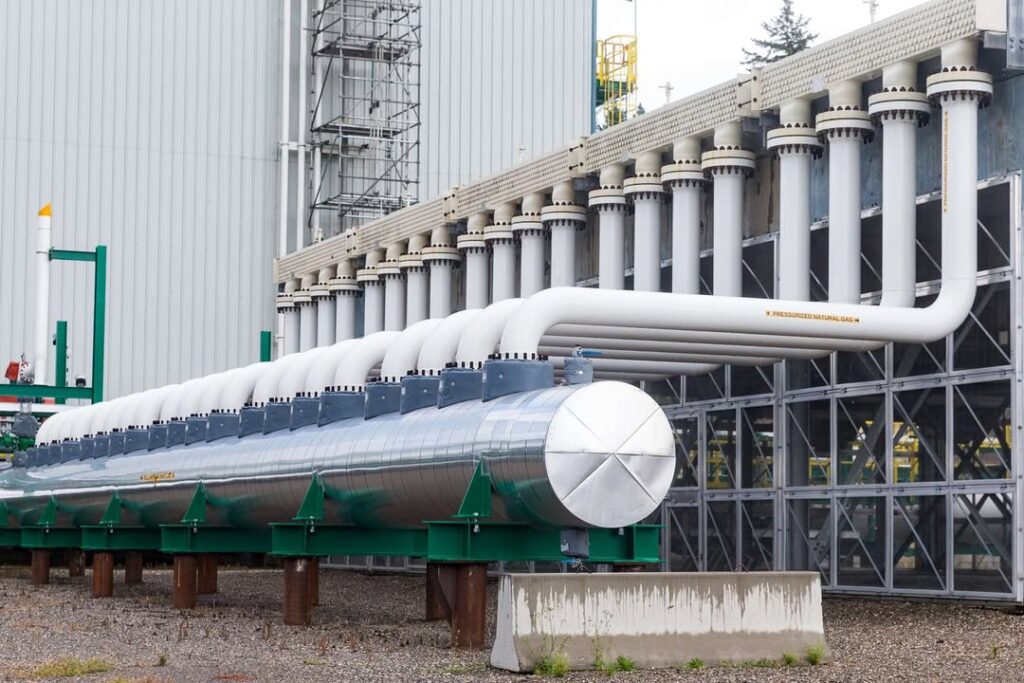
Installation Basics (No Toolbelt Required)
Installing a liquid natural gas grill sounds like a weekend-long construction project, but in reality, it’s far less dramatic. For most homeowners, the process is handled by a licensed professional and wrapped up in a few hours, not days.
Think of it less as building a spaceship and more as setting the stage for years of stress-free grilling.
Most installations follow this flow:
- Gas line assessment
- Permit (sometimes)
- Professional hookup
- Pressure test
- First burn-off
Takes a few hours. Lasts for years.
Pro tip:
Always buy a grill designed for natural gas. Conversions are risky unless manufacturer-approved.
Gourmet Grilling: Precision Cooking with LNG
If you love experimenting with temperature-sensitive recipes, LNG is your silent sous-chef. The consistent flame and precise heat control allow you to cook delicate dishes like salmon fillets, stuffed peppers, or even soufflés without fear of hot spots.
Unlike charcoal, where temperature swings are dramatic, LNG grills act like a dimmer switch for flames, giving you confidence that a roast chicken won’t burn while veggies steam.
For adventurous cooks, this precision opens the door to techniques usually reserved for professional kitchens, like reverse searing, smoking with wood chips, or slow roasting overnight.
In short, LNG grills don’t just cook food – they let you master the art of heat like a culinary scientist.
Backyard Entertaining: Stress-Free Hosting
Hosting a barbecue shouldn’t feel like a triathlon. LNG grills simplify party prep because you never worry about running out of fuel mid-cook.
Imagine throwing a neighborhood cookout where every burger, brat, and kebab is perfectly timed – no frantic propane swaps, no last-minute charcoal flares.
The steady heat output ensures side dishes finish on schedule, and the clean-burning fuel keeps smoke manageable, so guests aren’t tearing up or smelling like a campfire gone rogue.
For grillmasters who love hosting, LNG transforms a stressful day into a smooth, effortless showcase of culinary prowess.
You focus on entertaining, while the grill quietly handles the technicalities.
Cost Crunch: How LNG Saves You Money Over Time
Yes, the upfront price for an LNG grill can feel steep, but the long-term savings are real. Among the cost-savings benefits include:
- Endless fuel supply – no more constantly buying propane tanks or charcoal bags.
- Lower and more stable costs – natural gas is generally cheaper and less volatile than propane, making weekly grilling easier on your wallet.
- Minimal maintenance and durable burners – repair costs are lower than constantly replacing rusted propane regulators or warped charcoal grates.
For avid grillers, this investment pays off season after season, turning your LNG grill into a financial as well as culinary asset.

Innovations and Add-Ons: Making LNG Grills Even Cooler
LNG grills are more than simple burners – they’re platforms for modern grilling tech. Here are some add-ons and innovations for LNG grills:
- Infrared sear zones – for quick, intense searing.
- Rotisserie kits – perfect for evenly roasted meats.
- Smoker boxes – add wood smoke flavor to your dishes.
- Wi-Fi temperature controllers – monitor and adjust heat remotely.
- Modular burners – cook multiple dishes at different heat levels simultaneously.
This opens creative doors for multi-course meals, gourmet pizzas, or even candy-making experiments outdoors. With LNG as the backbone, your grill becomes a high-tech culinary playground, blending precision engineering with backyard fun.
Winter Grilling: Cold-Weather Confidence
Cold weather can sabotage propane performance, but LNG is largely immune to temperature swings.
- The pressure in natural gas lines remains steady, ensuring reliable heat output even in freezing conditions.
- Winter burgers, hotdogs, and smoked ribs are just as easy to cook as summer steaks.
- With an LNG grill, seasonal changes don’t dictate your cooking schedule.
You can host holiday feasts, New Year barbecues, or snow-day cookouts without fearing underpowered flames. LNG extends the grilling season, letting enthusiasts enjoy frosty backyard feasts with the same precision as summer cookouts.
Future-Proof Grilling: Why LNG is Here to Stay
Natural gas infrastructure isn’t going anywhere. In fact, LNG expands availability into regions previously dependent on bottled fuels.
This means future homes, neighborhoods, and outdoor kitchens are likely to support natural gas systems, making LNG grills a smart, forward-looking choice. Technology is advancing, too, with hybrid designs, improved burners, and smart grill integration enhancing convenience and precision.
By choosing LNG now, you’re not just buying a grill – you’re investing in a platform that adapts with trends, technology, and your backyard lifestyle. For grillers who like long-term planning, that’s a winning recipe.
Maintenance: Shockingly Boring (In a Good Way)
One of my favorite things about LNG grills?
They don’t demand attention.
Maintenance looks like:
- Regular grate cleaning
- Annual burner inspection
- Occasional valve check
That’s it.
No ash disposal. No tank rust. No regulator tantrums.
FAQs Pitmasters Actually Ask
Does LNG affect flavor?
No. Flavor comes from food, seasoning, smoke – not the gas itself.
Are LNG grills expensive to run?
Usually cheaper than propane over time.
Can I add wood smoke?
Absolutely. Smoker boxes exist for a reason.
Are LNG grills future-proof?
Yes. Natural gas infrastructure isn’t disappearing anytime soon.
So… Are LNG Grills Worth It?
Here’s my honest pitmaster verdict:
Liquid natural gas grills are the quiet professionals of the grilling world.
They don’t show off. They don’t demand attention. They just work, every single time.
If you value:
- Reliability
- Control
- Convenience
- Long-term efficiency
Then LNG grills aren’t just worth it – they’re freeing.
And if you still love charcoal? Good. There’s room on the patio for more than one grill.
Now grab your tongs. Dinner’s not going to cook itself.
Featured image credit: @australiangasnetworks
