
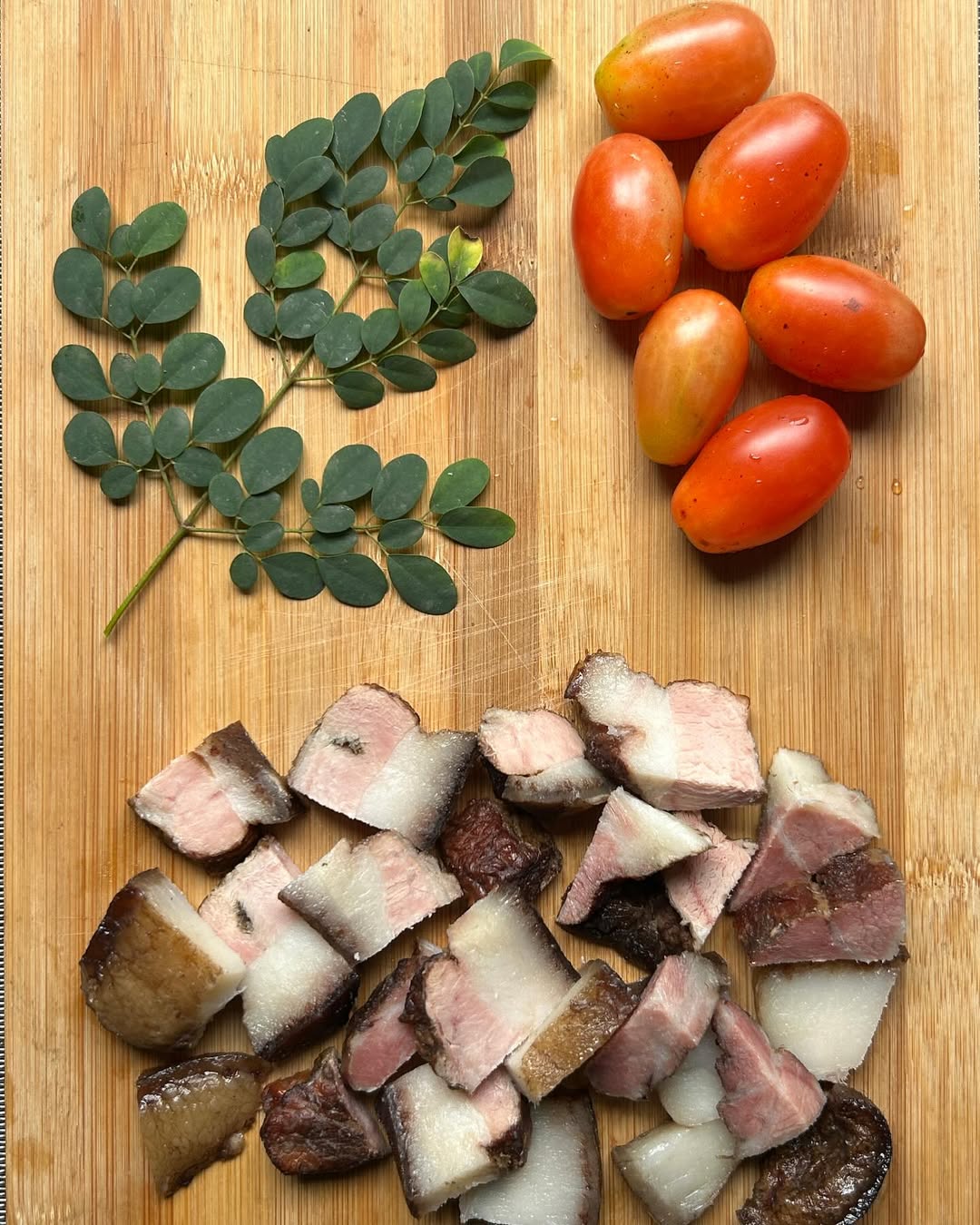
From the desk – and the smoker – of a pitmaster who reads nutrition labels while brisket rests.
Most of my life has been spent around fire, steel grates, and cuts of meat that make grown men emotional. But somewhere between trimming briskets and tending coals at 4 a.m., I started reading about nutrition.
Not bro-science. Not TikTok trends. Real, practical, “what fuels the human machine?” kind of stuff.
And lately, one debate keeps sizzling hotter than my offset smoker:
Vegan diet vs. moringa + meats.
Now let me say this up front: this isn’t a roast session. I respect anyone who thinks carefully about what they eat.
But when you stack up the nutrients, the bioavailability, and the real-world practicality, a diet built around moringa and responsibly sourced meats simply delivers more complete nutrition than a strict vegan approach.
Pull up a chair. Let’s talk it through.
First, What Exactly Is a Vegan Diet?
A vegan diet eliminates all animal products:
- No meat
- No dairy
- No eggs
- No fish
- No animal-derived ingredients
It’s often adopted for ethical, environmental, or health reasons.
And to be fair, there are strengths here.
A well-planned vegan diet tends to be:
- High in fiber
- Rich in antioxidants
- Lower in saturated fat
- Naturally lower in calorie density
Plenty of folks lose weight. Some improve blood markers. Some feel lighter.
But here’s where I lean in like I’m checking internal temp with a thermometer:
Not all nutrients are created equal. And not all are equally absorbed.
That’s where things get interesting.
The Nutrient Gaps Nobody Likes to Talk About
Let’s break this down simply.
There are nutrients your body absolutely requires. Not optional. Not “nice to have.”
And several of them are either absent or poorly absorbed in a vegan diet.
1. Vitamin B12
There is no reliable plant source of B12. None.
Vegans must supplement. Period.
And when a diet requires supplementation to prevent nerve damage and anemia, that’s not a small detail.
2. Iron
Plants contain non-heme iron.
Meat contains heme iron.
Heme iron is significantly more bioavailable. Your body absorbs it more efficiently. Less guesswork. Less struggle.
3. Omega-3s (EPA & DHA)
Plants provide ALA.
Your body has to convert ALA into EPA and DHA.
The conversion rate? Low. Like “burnt chicken skin low.”
Fatty fish or pasture-raised meats provide EPA and DHA directly.
4. Complete Proteins
Yes, plants have protein.
No, they don’t always contain all essential amino acids in optimal ratios.
You can combine foods to fix that. But it requires careful planning.
And if you’ve ever meal-prepped after a 12-hour shift, you know “careful planning” sometimes turns into cereal for dinner.
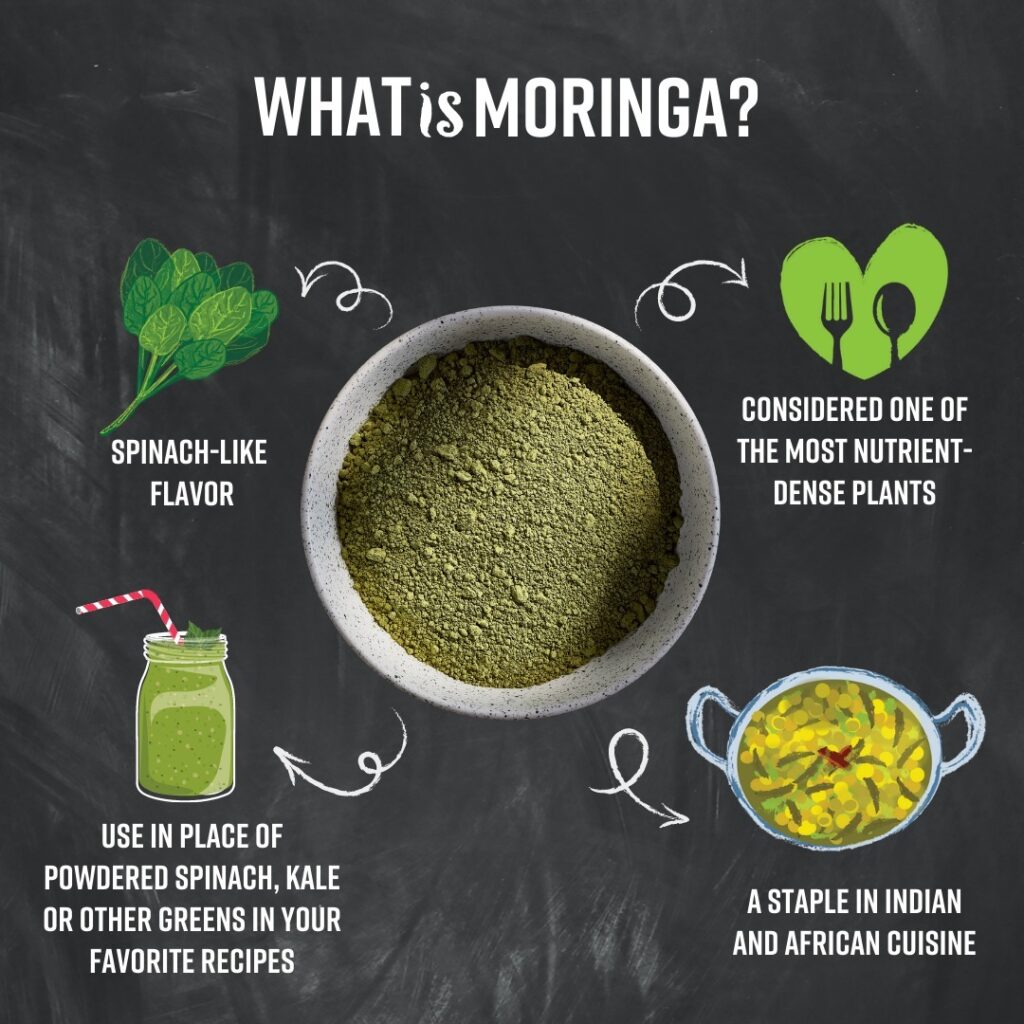
Enter Moringa: The Quiet Powerhouse
Now let’s talk about something I genuinely love: moringa.
Specifically, Moringa oleifera.
They call it the “miracle tree.”
And for once, that nickname isn’t marketing nonsense.
Moringa leaves are packed with:
- Vitamin A
- Vitamin C
- Calcium
- Iron
- Potassium
- Antioxidants
- Plant-based protein (with all essential amino acids)
Let that last part sink in.
Moringa contains all essential amino acids.
That’s rare in plants.
I started adding moringa powder into spice rubs and soups out of curiosity. What I found was this:
- It boosts nutrient density.
- It doesn’t overpower flavor if used right.
- It complements meat beautifully.
Think of it like a green secret weapon.
But here’s the key:
Moringa alone still doesn’t solve B12. Or provide heme iron. Or deliver DHA.
Which is why the combination matters.
Why Meat Still Matters
I know that saying this in 2026 feels rebellious. But nutritionally? It’s grounded.
Humans evolved as omnivores. Our digestive system handles both plant and animal foods efficiently.
And meats provide nutrients in their most bioavailable forms:
- Complete protein
- Vitamin B12
- Heme iron
- Zinc
- Creatine
- Natural collagen
- Fat-soluble vitamins
When I smoke a brisket or grill chicken thighs, I’m not just cooking protein. I’m cooking:
Highly absorbable building blocks for muscle, hormones, enzymes, and brain function.
Let’s zoom in on protein for a second.
Protein quality isn’t just about grams. It’s about:
- Amino acid profile
- Digestibility
- Absorption efficiency
Animal proteins consistently score higher on protein digestibility scales.
Translation?
Your body uses more of what you eat.
That matters for:
- Athletes
- Pregnant women
- Elderly adults
- Anyone recovering from illness
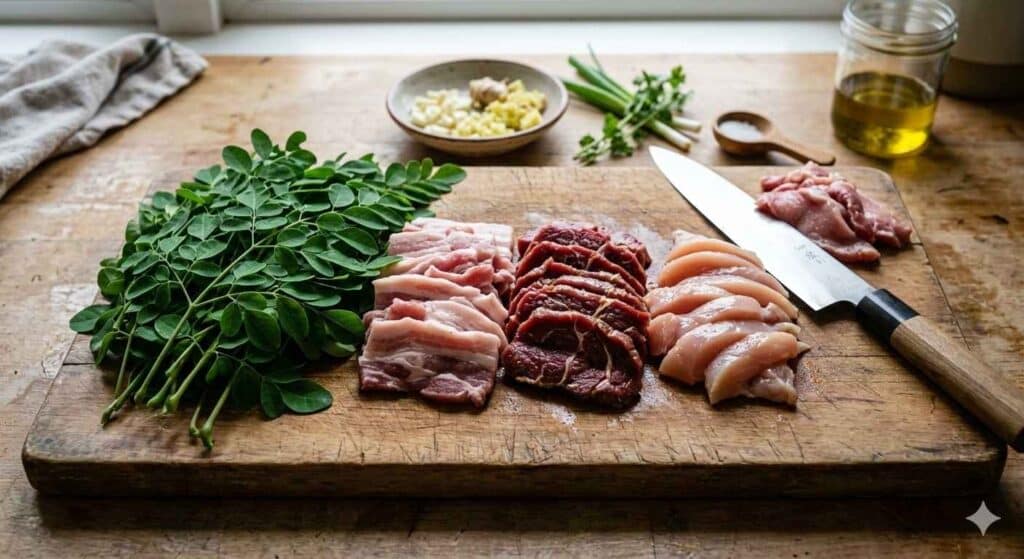
The Synergy: Moringa + Meats
Now here’s where things get exciting.
Instead of arguing plants vs. meat, what if we asked:
What happens when you combine the strongest parts of both?
That’s where moringa + meats shine.
Moringa brings:
- Antioxidants
- Phytonutrients
- Fiber
- Vitamin C (which improves iron absorption)
Meat brings:
- B12
- Heme iron
- Complete protein
- DHA (if fish)
- Highly bioavailable zinc
Together?
You cover almost every major nutrient base without relying heavily on synthetic supplements.
That’s nutritional insurance.
And here’s a practical example from my own kitchen:
- Smoked chicken soup
- Bone broth base
- Garlic, onions
- A spoon of moringa powder stirred in at the end
You get protein. Minerals. Antioxidants. Flavor. Satiety.
That bowl works hard.
Protein, Satiety, and Real-World Hunger
Let’s talk about something no diet influencer loves to admit:
Hunger matters.
A lot.
Higher-protein meals tend to:
- Increase satiety
- Stabilize blood sugar
- Reduce cravings
Animal protein is especially effective at this.
When I eat:
- Grilled steak + sautéed moringa greens
I’m full. Steady. Focused.
When I experimented with plant-only days?
Let’s just say I got very familiar with peanut butter jars.
The Supplement Question
One of the strongest arguments against a strict vegan diet is this:
If a diet requires routine supplementation to prevent deficiency, is it biologically complete?
Common vegan supplements include:
- B12
- DHA (algae-based)
- Iron (in some cases)
- Vitamin D
- Sometimes zinc
Now, I’m not anti-supplement. They have their place.
But compare that to a diet that includes:
- Moringa
- Eggs
- Fish
- Meat
- Vegetables
You reduce dependency on pills.
And personally? I’d rather get nutrients from food than capsules whenever possible.
Gut Health: Fiber Is Great – But So Is Digestibility
Everyone talks about fiber like it’s a superhero cape. And yes, fiber is important. But here’s what rarely gets mentioned: digestibility matters just as much as fiber intake.
A strict vegan diet can be extremely high in fiber – sometimes too high for certain individuals. This can lead to bloating, gas, and mineral absorption issues due to compounds like phytates and oxalates.
On the flip side, meat contains zero fiber – but it’s highly digestible protein. When you combine moderate fiber from vegetables and moringa with easily digestible animal protein, you create a smoother digestive balance.
Moringa supports gut health with plant compounds, while meats provide complete proteins without fermenting aggressively in the colon.
The sweet spot isn’t overload.
It’s balance between nourishment and comfort.
And trust me – digestion should never feel like a three-alarm fire.

Muscle Preservation as You Age
Here’s something nobody likes to think about: muscle loss starts earlier than you expect.
After age 30, we gradually lose muscle mass unless we actively protect it. This process – called sarcopenia – accelerates with inadequate protein intake.
Plant proteins often require larger volumes to reach optimal leucine thresholds, the amino acid that triggers muscle protein synthesis.
Animal proteins naturally contain higher leucine levels and are more efficient at stimulating muscle repair.
Now here’s where moringa joins the party.
Moringa adds additional amino acids and antioxidants, supporting recovery while meats provide the heavy lifting.
For aging adults, this combination is powerful. It supports:
- Strength
- Bone density
- Metabolic rate
- Independence
Because let’s be honest – nobody wants to struggle opening a pickle jar at 65.
Blood Sugar Stability and Cravings
Let’s talk about that 3 p.m. slump.
High-carbohydrate vegan meals can sometimes lead to blood sugar spikes and crashes, especially if protein intake is modest.
Protein and healthy fats from meat help slow glucose absorption, leading to steadier energy.
Add moringa, and you get plant compounds that may support glucose regulation and insulin sensitivity.
This combo means:
- Fewer cravings
- Less afternoon brain fog
- More stable energy
When I eat a protein-forward meal with moringa greens, I’m steady. No crash. No “where are the cookies?” emergency.
Blood sugar stability isn’t flashy. But it’s foundational.
And foundation beats fireworks every time.
Iron Status and Real-World Anemia
Iron deficiency is one of the most common nutrient deficiencies worldwide.
Non-heme iron from plants is sensitive to absorption inhibitors like tannins and phytates.
Heme iron from meat? Much more reliably absorbed.
Now here’s where moringa becomes a strong supporting actor.
Moringa contains iron AND vitamin C, which enhances iron absorption.
Pair moringa with red meat, and you create a powerful synergy:
- Heme iron from meat
- Additional plant iron from moringa
- Vitamin C boosting absorption
That’s strategic nutrition.
For women of reproductive age, athletes, or anyone prone to low iron, this combo can be a game changer.
Because fatigue isn’t just “being busy.”
Sometimes it’s nutrient gaps.
Hormonal Health and Dietary Fats
Here’s a topic that gets tiptoed around: hormones require dietary fat.
Cholesterol – yes, cholesterol – is a building block for steroid hormones like testosterone and estrogen.
Ultra-low-fat vegan diets may reduce fat-soluble vitamin absorption and potentially influence hormone balance if poorly structured.
Responsibly sourced meats provide:
- Natural fats
- Fat-soluble vitamins
- Cholesterol for hormone synthesis
Add moringa, rich in antioxidants, and you create a supportive environment that helps reduce oxidative stress – another factor in hormonal health.
We’re not talking about deep-fried excess.
We’re talking about adequate, balanced fat intake.
Hormones don’t thrive on extremes.
They thrive on sufficiency.
Cognitive Performance and Brain Nutrients
Let’s go upstairs – to the brain.
DHA, an omega-3 fatty acid found in fish and some animal products, is crucial for:
- Brain structure
- Mood regulation
- Cognitive function
Strict vegan diets rely on conversion from ALA (plant omega-3), and that conversion rate can be limited.
Meats and fatty fish provide DHA directly.
Now layer in moringa, which offers antioxidants that may help reduce oxidative stress in brain cells.
That’s a strong nutritional pairing:
- Structural support from DHA
- Cellular protection from moringa antioxidants
Clear thinking. Stable mood. Sharper focus.
Good nutrition doesn’t just build muscle.
It builds mental clarity.
Bioavailability: It’s Not Just What You Eat – It’s What You Absorb
Here’s the truth most diet debates ignore:
Nutrition isn’t about what’s on paper. It’s about what enters your bloodstream.
Plant foods contain compounds that can reduce mineral absorption. That’s not bad – it’s just biology.
Animal foods generally offer nutrients in more absorbable forms.
For example:
- Heme iron vs non-heme iron
- Preformed vitamin A vs beta-carotene
- Preformed DHA vs ALA
Moringa improves the plant side of the equation with dense nutrients and vitamin C, but it still benefits from being paired with animal foods.
The moringa + meats model focuses on maximizing absorption, not just intake.
That’s a big distinction.
Because the body doesn’t read labels.
It reads chemistry.
Real-World Sustainability of the Diet Itself
Not environmental sustainability – personal sustainability.
Can you maintain it?
Strict veganism requires planning. Label reading. Supplement scheduling.
Miss a few details consistently, and nutrient gaps can appear.
A whole-foods diet centered around:
- Vegetables
- Moringa
- Eggs
- Fish
- Moderate meat
Is often easier to maintain long-term without precision micromanagement.
And long-term consistency beats short-term perfection.
As someone who’s fed crowds for years, I can tell you:
The best diet isn’t the one that wins arguments.
It’s the one you can follow while living a full life.
And for many people, moringa + meats provides both simplicity and nutritional coverage.
Ethical and Environmental Concerns
Now let’s not dodge the hard stuff.
Industrial meat production has problems.
Big ones.
But there’s a difference between:
- Factory farming
- Regenerative agriculture
- Pasture-raised systems
Responsible sourcing matters.
Quality over quantity matters.
You don’t need a ribeye every day.
But incorporating well-sourced meats into a diet centered around whole foods – including moringa – is very different from fast-food overload.
Moderation wins.
Who Benefits Most From Moringa + Meats?
In my experience and research, certain groups especially benefit from this combination:
- Athletes
- Pregnant women
- Growing teens
- Older adults
- People prone to anemia
- Anyone feeling chronically fatigued
These groups have higher nutrient demands.
And while a carefully managed vegan diet can work, it often requires meticulous planning.
The moringa + meats approach simplifies the process.
Is Veganism Ever Appropriate?
Absolutely.
If someone chooses veganism for:
- Ethical beliefs
- Religious reasons
- Environmental advocacy
That’s their call.
But from a strictly nutritional standpoint?
It requires more management. More awareness. More supplementation.
And not everyone has the time, budget, or bandwidth for that.

My Pitmaster Perspective
Here’s the part where I get personal.
Cooking meat taught me something simple:
Respect the ingredient. Respect the fire. Respect the body you’re feeding.
When I discovered moringa, I saw it not as a replacement for meat – but as an enhancer.
A multiplier.
A green ally.
Food doesn’t have to be tribal. It doesn’t have to be extreme.
The strongest nutritional approach I’ve found isn’t:
- Meat-only
- Plant-only
- Trend-only
It’s strategic balance.
And if you zoom out and look at nutrient density, absorption, practicality, and long-term sustainability?
Moringa + meats simply cover more ground than a strict vegan diet.
Not emotionally.
Not ideologically.
Nutritionally.
Frequently Asked Questions
1. Can you get enough protein on a vegan diet?
Yes – but it requires intentional planning.
Plant foods like beans, lentils, tofu, and quinoa contain protein.
However, many plant proteins are lower in one or more essential amino acids. That means you often need to combine foods carefully and eat larger volumes to hit optimal protein quality targets.
Animal proteins naturally contain complete amino acid profiles and are generally more bioavailable.
When you combine meats with moringa, you get both high-quality complete protein and additional plant-based amino acids and antioxidants – without having to meticulously track every gram.
2. What makes moringa different from other leafy greens?
Great question.
Moringa oleifera isn’t just another salad green. It’s unusually nutrient-dense.
Moringa contains:
- All essential amino acids
- Iron
- Calcium
- Vitamin A
- Vitamin C
- Powerful antioxidants
Most leafy greens are healthy. But moringa is more concentrated in nutrients per gram.
Think of it as a multivitamin that grows on a tree – except it works best when paired with a balanced diet that includes high-quality protein sources.
3. Do you really need supplements on a vegan diet?
In most cases, yes.
Vitamin B12 supplementation is essential on a strict vegan diet because there are no reliable natural plant sources. Many vegans also supplement DHA, vitamin D, and sometimes iron or zinc depending on bloodwork.
That doesn’t mean veganism can’t be done safely – it just requires management.
A whole-foods diet that includes moringa and responsibly sourced meats naturally provides many of these nutrients in more bioavailable forms, reducing dependence on supplements.
Food first. Pills second.
4. Is eating meat unhealthy?
It depends on the context.
Highly processed meats and excessive intake? That’s a different story.
But moderate consumption of unprocessed, responsibly sourced meats provides:
- Complete protein
- B12
- Heme iron
- Zinc
- Essential fatty acids
The key is balance. Pairing meats with vegetables, fiber, and nutrient-dense plants like moringa creates a more well-rounded nutritional approach than meat alone.
It’s not about extremes.
It’s about smart composition.
5. Is moringa + meats better for everyone?
Not necessarily.
Dietary choices are personal and influenced by:
- Ethics
- Culture
- Health conditions
- Access to food
However, from a strictly nutritional standpoint, combining moringa with high-quality meats provides broad nutrient coverage, strong protein quality, and improved bioavailability compared to a strict vegan diet without supplementation.
For many people – especially those with higher nutrient demands – this approach can be easier to sustain and nutritionally complete.
At the end of the day, the goal isn’t to win a food debate.
It’s to fuel your body well and live strong.
Final Thoughts: Keep It Smart, Keep It Practical
At the end of the day, food isn’t a hashtag.
It’s fuel.
And the body is not impressed by ideology. It responds to nutrients.
A vegan diet offers fiber and antioxidants.
But a thoughtfully constructed moringa + meats approach delivers:
- Complete protein
- Bioavailable iron
- B12
- DHA
- Antioxidants
- Phytonutrients
- Satiety
- Practicality
That’s a strong hand to play.
From one pitmaster to you:
Feed your body like you respect it.
And maybe toss a little moringa in the pot next time the brisket rests.
You might be surprised what that green miracle can do.
Featured image credit:
