
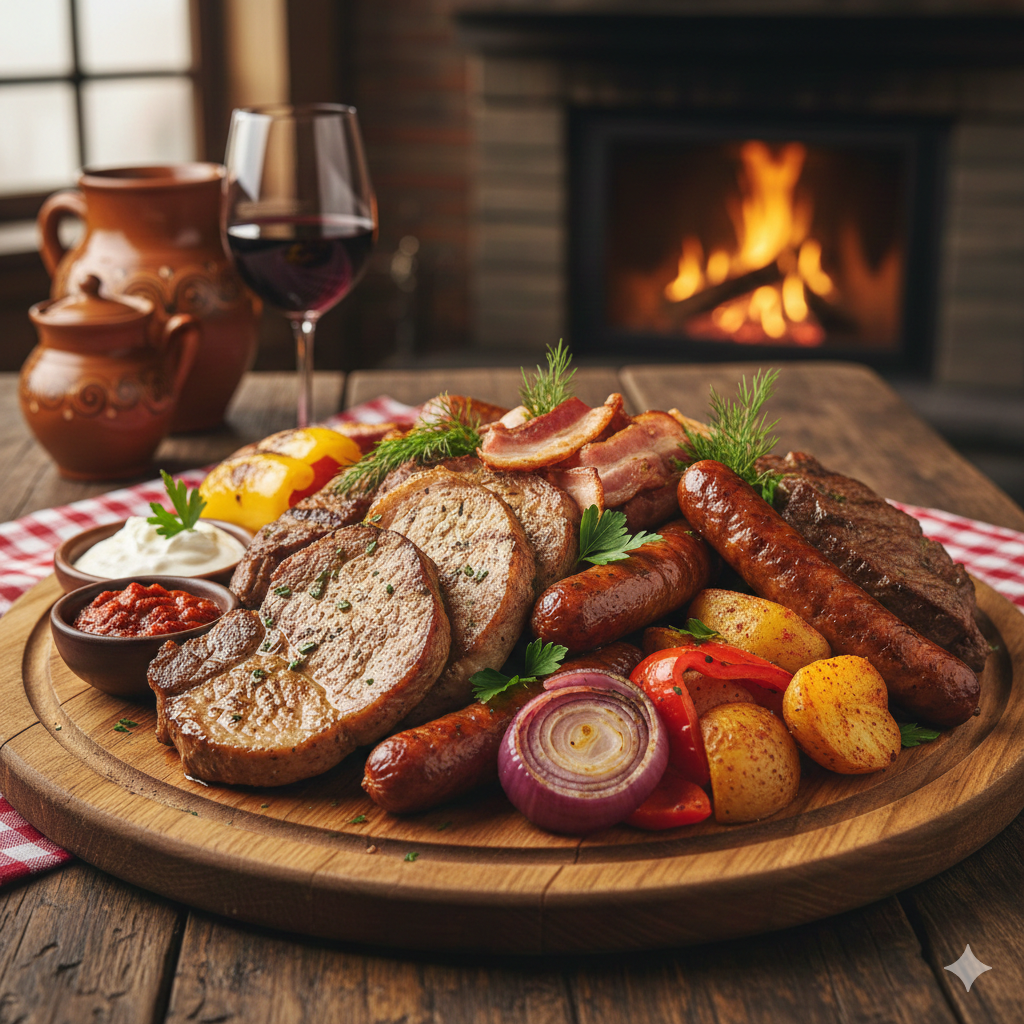
If there’s one way to impress friends and family without spending hours fussing in the kitchen, it’s Hungarian Fatányerós.
Think of it as a hearty, mixed grill feast served on a wooden platter, perfect for gatherings, celebrations, or just when you want to feel like a backyard pitmaster.
Originating in Hungary, Fatányerós isn’t just about meat – it’s about the experience. The smoky aroma, the colorful grilled vegetables, the rustic presentation… it’s a meal that looks as good as it tastes.
Fun fact: the name literally comes from fatányér, meaning “wooden platter,” which sets the stage for a visually impressive presentation.
By the time you finish reading this guide, you’ll know exactly which meats to pick, how to grill them perfectly, and how to plate your own Fatányerós like a pro.
Bonus: I’ll sprinkle in a few pitmaster secrets so your friends will swear you’ve spent years mastering this dish.
History & Cultural Context
Hungarian Fatányerós has its roots in traditional Hungarian taverns and countryside cookouts. Picture this: large wooden platters piled high with grilled meats, vegetables, and pickled sides, served family-style for friends and strangers alike.
It’s a celebration of meat and fire, reflecting Hungary’s love for paprika, smoky flavors, and bold presentation. Traditionally, Fatányerós is served during festivals, family gatherings, or even casual weekend grills.
The rustic wooden platter isn’t just for looks – it’s a nod to the meal’s origins, where everyone gathered around a table and shared the bounty.
Choosing the Perfect Meats for Fatányerós
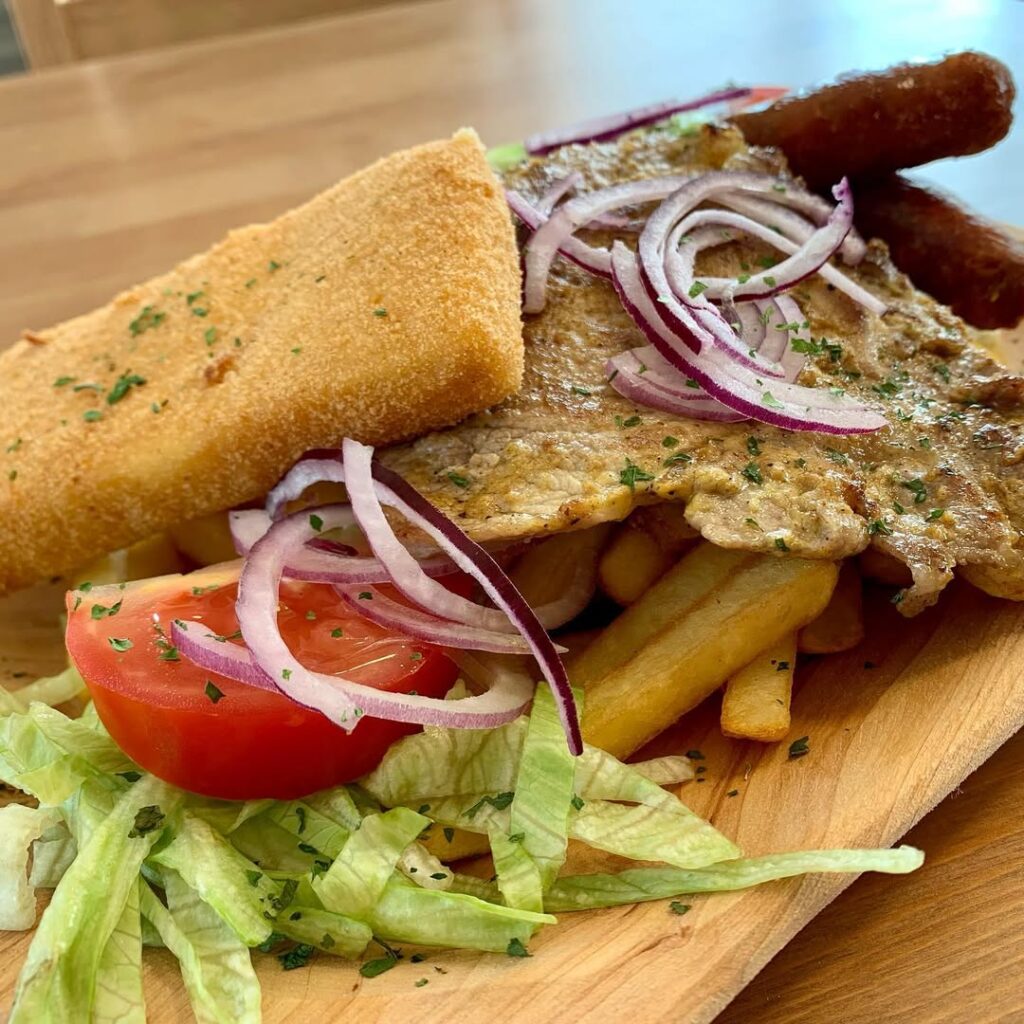
The heart of Hungarian Fatányerós is, of course, the meat. While traditional recipes often include pork, beef, chicken, and sausages, the real trick is selecting cuts that balance flavor and grill time.
Pork ribs bring richness, beef steaks provide a hearty chew, and chicken adds juiciness and variety. Don’t be afraid to experiment with liver, bacon, or smoked Hungarian sausages for extra depth. When shopping, look for fresh, well-marbled cuts; fat equals flavor and helps keep meat moist over the grill.
For those craving authenticity, Hungarian paprika-spiced sausages add a punch of smoky-sweet flavor. Pitmaster tip: slice meats into even portions so they cook uniformly.
Pairing heavier cuts with quicker-cooking items like vegetables ensures everything lands on the platter at the same time, making your Fatányerós both beautiful and balanced.
The Role of Paprika in Authentic Fatányerós
Paprika isn’t just decoration; in Hungarian Fatányerós, it’s the flavor backbone. Hungary produces a range of paprika from sweet to smoked, and the choice dramatically affects your grill’s personality.
Sweet paprika adds warmth and color without heat, while smoked paprika imparts that classic charcoal-and-fire flavor reminiscent of traditional taverns. Pitmasters often blend paprika with garlic, salt, and pepper for a simple yet potent rub that sticks to meats beautifully.
Pro tip: apply paprika generously, but don’t oversaturate; a light coating enhances the smoky char rather than steaming the meat. Even vegetables benefit – toss peppers, mushrooms, and onions in a hint of paprika before grilling.
By leaning on paprika as your signature seasoning, your Fatányerós achieves authentic Hungarian depth, impressing friends with flavor that’s both rustic and complex.
Grilling Techniques for Maximum Flavor
A great Fatányerós isn’t just about ingredients – it’s about grill technique. Start by setting up two heat zones on your grill: a high-heat side for searing and a medium zone for slower cooking.
Thick cuts like ribs or chicken thighs benefit from indirect heat, while sausages and thin steaks hit the searing zone for caramelized crusts.
Avoid the temptation to constantly flip meat; a single flip at the right time locks in juices and creates the beautiful grill marks Fatányerós is known for.
Vegetables? Toss them with olive oil and paprika, then grill quickly over high heat for smokiness and slight char. Pitmaster insight: watch flare-ups, especially from fatty cuts.
Move meat away from flames if needed – charred edges are good, blackened edges aren’t. Mastering these techniques ensures your Fatányerós tastes smoky, juicy, and professionally grilled.

Pairing Sides and Beverages with Fatányerós
A wooden platter of grilled meat is glorious on its own, but side dishes elevate Hungarian Fatányerós to a full feast. Traditional pairings include pickled vegetables, which cut through the richness, and fresh bread for soaking up juices.
Light salads with herbs or simple roasted potatoes add balance without overshadowing the main attraction. When it comes to beverages, Hungarian beer complements smoky meats beautifully, while a glass of bold red wine enhances paprika’s depth.
Even sparkling water or a light lemonade works for casual gatherings. Tip: arrange sides around the edges of the platter, leaving meat in the center. This creates a visually stunning, colorful presentation that invites everyone to dig in family-style.
Thoughtful sides and drinks round out the Fatányerós experience, turning a backyard grill session into a celebratory feast.
Modern Twists on Traditional Fatányerós
While Hungarian Fatányerós thrives in tradition, modern cooks can experiment without losing authenticity. Try marinating meats in beer or wine for subtle layers of flavor, or swap some vegetables for seasonal favorites like zucchini or asparagus.
For a smoky punch without charcoal, a smoker box on a gas grill works wonders. Some pitmasters add a light glaze of honey or mustard to certain cuts, creating a sweet-savory contrast that’s surprisingly harmonious with paprika’s warmth.
Serving innovation is welcome too – consider mini platters for individual servings at dinner parties, or layering meats over grain bowls for a contemporary twist.
These small adjustments keep Fatányerós fresh and exciting, allowing traditional flavors to shine while giving you room to inject creativity. After all, the best Fatányerós is the one your guests can’t stop talking about – and maybe begging for seconds.
Plating & Serving Tips
The magic of Fatányerós isn’t just in the cooking – it’s in the presentation:
- Arrange meats and grilled vegetables on your wooden platter.
- Add pickled vegetables for a pop of color and tang.
- Offer fresh bread to soak up drippings and sauces.
- Keep it rustic – family-style eating is part of the charm.
- Fun serving tip: pour a little Hungarian beer or wine on the side and call it a feast worthy of Budapest.
Pro tip: don’t overthink symmetry. Part of Fatányerós’ charm is the “pile it high and proud” approach.

Storage & Leftover Tips
- Store grilled meats and vegetables in airtight containers in the fridge for up to 3 days.
- Reheat gently in the oven or on the grill to retain smoky flavor and juiciness.
- Leftover Fatányerós? Perfect for sandwiches, wraps, or even chopped into a savory stir-fry.
Closing Remarks
Making Hungarian Fatányerós at home is simpler than it sounds – and way more satisfying than buying takeout.
With a few quality ingredients, a hot grill, and a wooden platter, you can serve a hearty, visually stunning, and flavor-packed feast that will wow any crowd.
Remember: the magic isn’t just in the meat – it’s in the smoke, the char, the rustic presentation, and the joy of sharing it all. So fire up your grill, grab your tongs, and give Hungarian Fatányerós a go.
Your backyard – and your taste buds – will thank you.
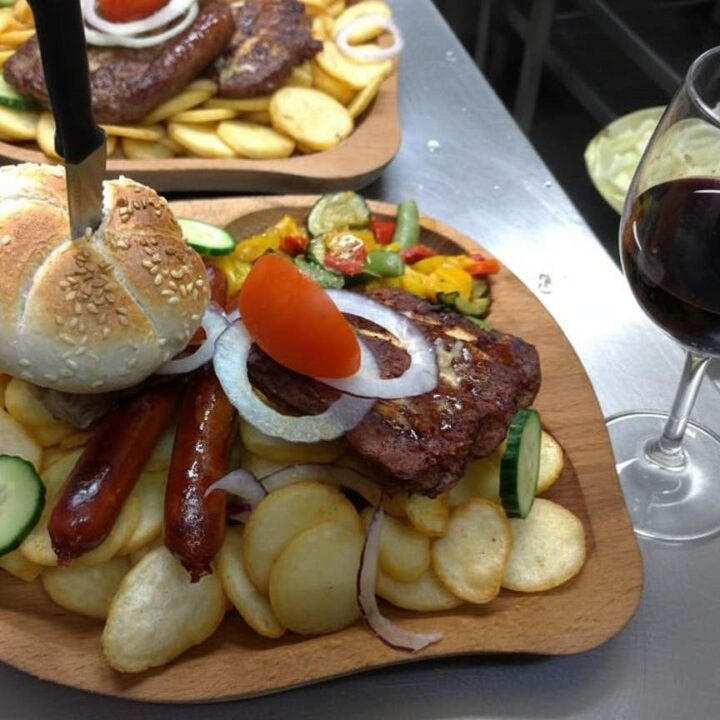
Hungarian Fatányerós Recipe
Image credit: Google Gemini
Ingredients
Meats (the stars of the show):
- Pork (ribs, chops)
- Beef (steak, tenderloin slices)
- Chicken (thighs or drumsticks for juiciness)
- Optional: smoked sausages, liver, or bacon strips for extra flavor
Vegetables & Sides:
- Bell peppers, onions, tomatoes, mushrooms (all grilled to perfection)
- Pickled vegetables for tang and texture
- Fresh bread or rustic rolls to soak up juices
Seasonings & Marinades:
- Sweet or smoked paprika (the Hungarian secret weapon)
- Salt and pepper
- Garlic, caraway seeds (optional)
- Olive oil or melted butter for brushing
Instructions
Preparing the Meat
- Trim excess fat and slice meats into manageable portions.
- Season generously with paprika, salt, pepper, and optional garlic.
- Let it marinate 30–60 minutes for deeper flavor.
- Pitmaster tip: don’t skip resting – even 15 minutes before grilling improves juiciness.
Prepping the Grill
- Light your charcoal and create two heat zones: high for searing, low for slower cooking.
- Oil the grates to prevent sticking.
- Quick tip: if fat drips and flames flare, move meat to the cooler zone – flame kisses are great, but charred black is not.
Grilling the Meats & Vegetables
- Start thick cuts first. Chicken, ribs, or steak benefit from slow cooking over indirect heat.
- Grilled vegetables go on the hotter side – they cook quickly and get a smoky char.
- Pitmaster insight: don’t flip the meat constantly. Let it sear and form a crust; that’s where the flavor lives.
Checking for Doneness
- Chicken: 165°F internal temperature
- Pork: 145°F (with a 3-minute rest)
- Beef: 130–140°F for medium-rare, adjust to taste
- Tip: visual cues help too – juices running clear, firmness to the touch, and grill marks all tell the story.
Featured image credit: Google Gemini
