
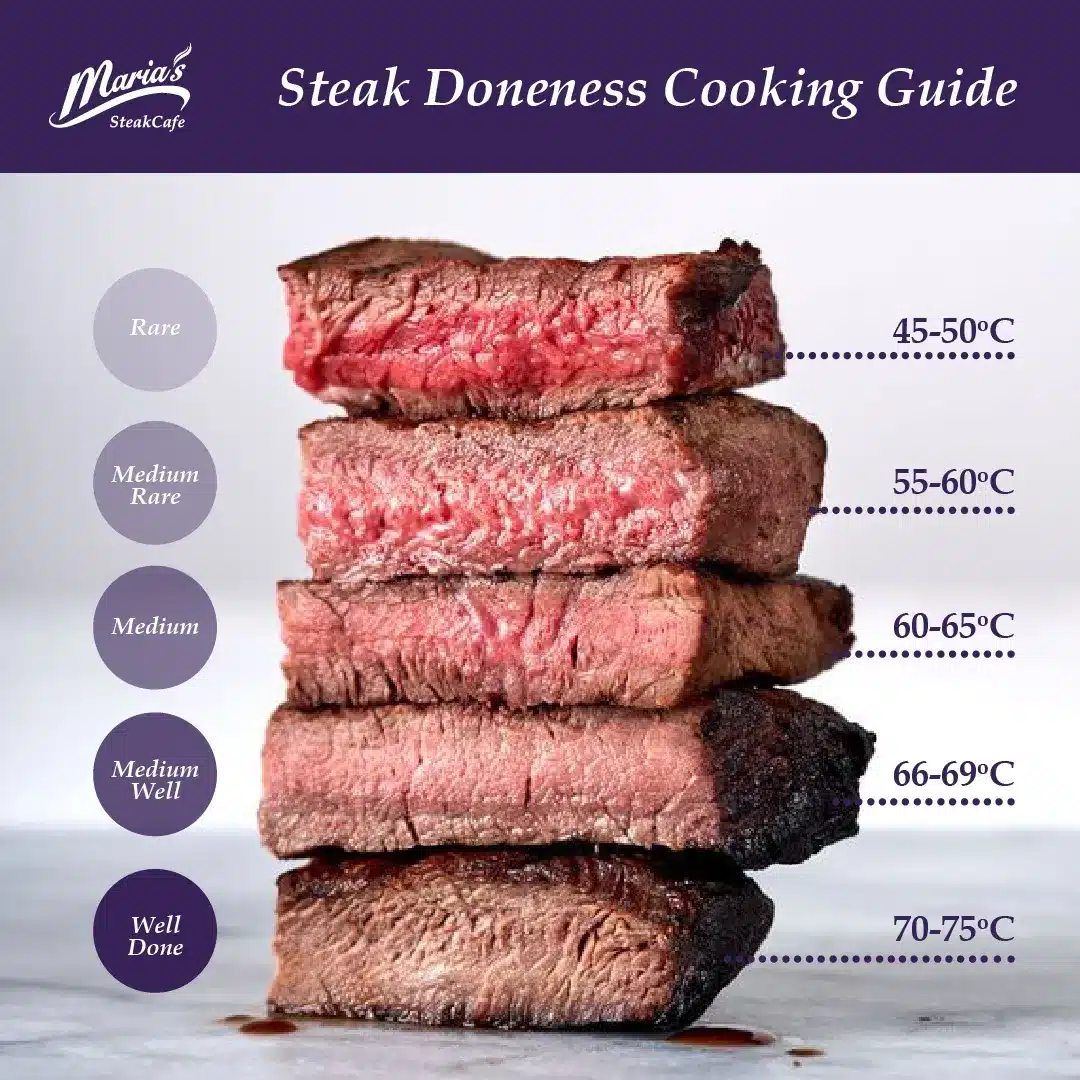
Everyone thinks they know how to cook steak… until they actually try it
I’ve seen it all – steaks boiled into sadness, grilled into charcoal souvenirs, and pan-seared pieces that look like they lost a fight with a frying pan.
I say this as a pitmaster who has burned more meat in my early days than I care to admit: steak is simple, but it is not forgiving.
The good news? There are multiple ways to cook it, and each one has its place. Today, we’re ranking 6 steak cooking methods from the absolute easiest to the undisputed best overall based on:
- Ease of execution
- Flavor payoff
- Texture (juiciness matters – always)
- Consistency
By the end, you won’t just know how to cook steak, you’ll know which method deserves your time and which deserves to be retired.
Let’s get into it.
Ranking Criteria (What Actually Matters)
Before we throw steaks into heat like it’s a culinary cage match, here’s what we’re judging:
- Ease – Can a beginner pull it off without panic?
- Flavor – Does it taste like steak… or disappointment?
- Texture – Juicy, tender, or chewing exercise?
- Control – Can you consistently hit medium-rare without guessing like it’s a slot machine?
Simple. No nonsense. Just steak truth.
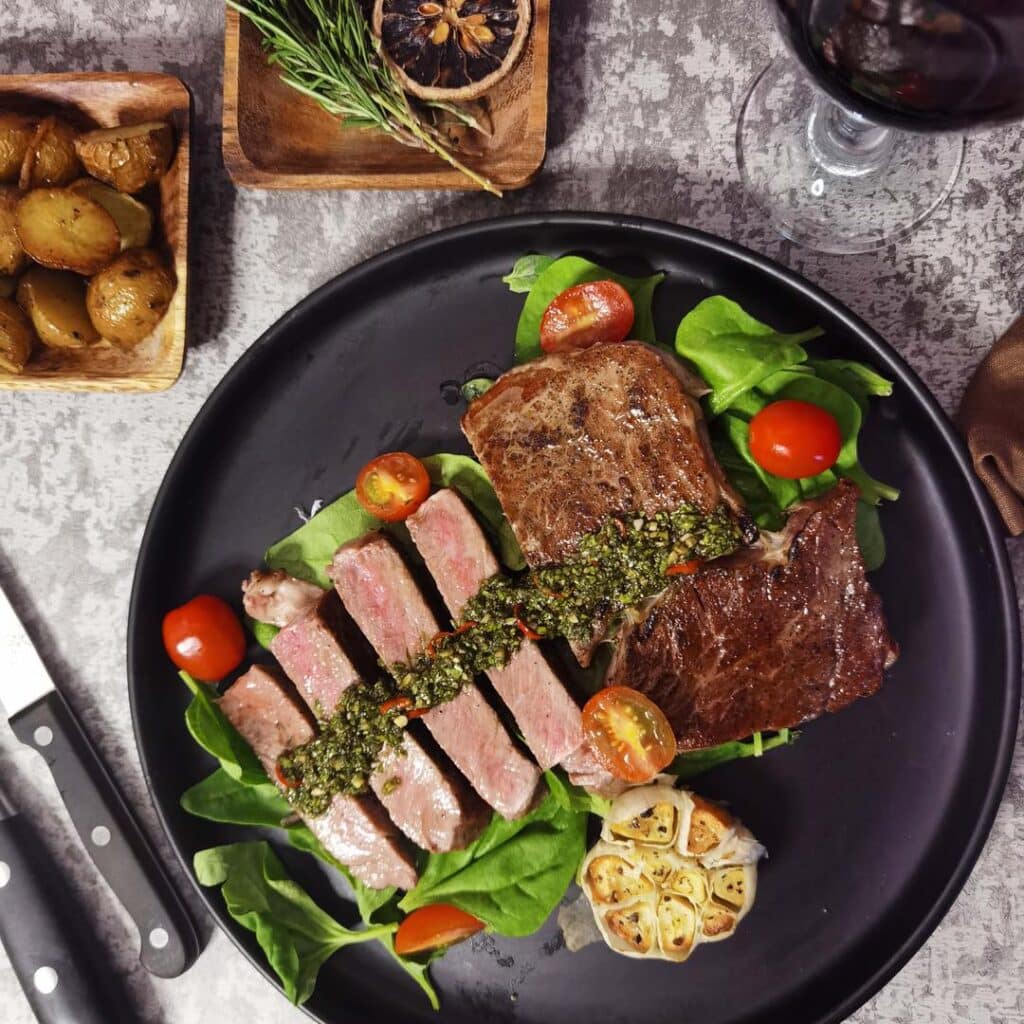
Number 6) Boiled Steak (Easiest… and also the saddest)
Let’s just say it: boiling is not how to cook steak… it’s how to confuse steak.
Technically, yes – it cooks the meat. But so does a dishwasher cycle if you’re brave enough.
What happens here:
You drop steak into water. You wait. You pray.
Pros:
- Extremely easy
- No equipment needed
- Impossible to burn (congrats?)
Cons:
- No crust. No caramelization. No joy.
- Flavor leaks into the water like it’s escaping prison
- Texture turns… suspiciously rubbery
I once tried boiled steak during a “what if?” experiment in my early cooking days. Let’s just say my dog refused it out of respect.
Verdict: Technically edible. Emotionally questionable.
What the recipe looks like:
Ingredients
- 1 steak (sirloin or cheap cut works best)
- Salt
- Black pepper
- Garlic (optional)
- 1–2 cups beef broth (better than plain water)
Method
- Season steak with salt and pepper.
- Bring broth (or water) to a gentle simmer.
- Add steak and simmer for 8–12 minutes (depending on thickness).
- Rest for 5 minutes before slicing thin.
Pro Tip
Add soy sauce or garlic to the broth to salvage flavor.
Result: Soft, edible steak – best used for shredded beef or rice bowls, not steak nights.
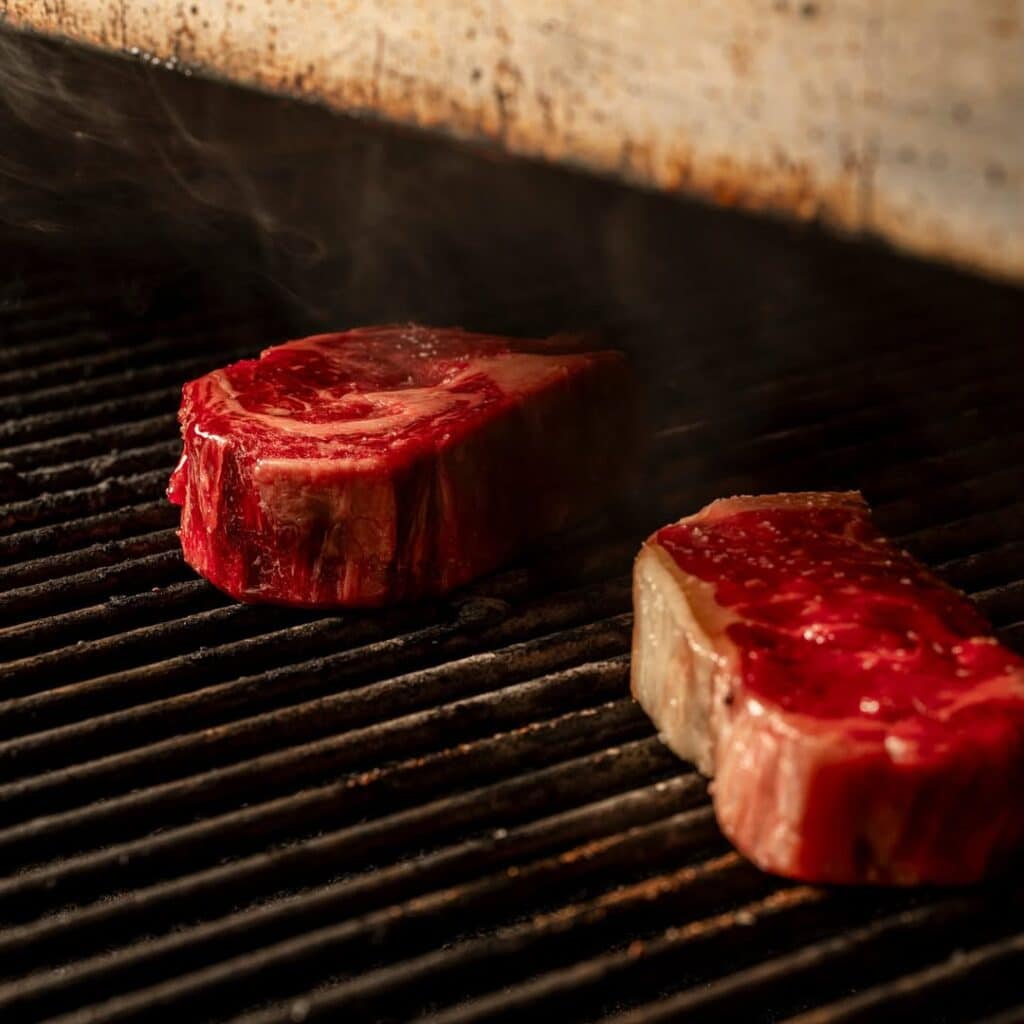
Number 5) Broiled Steak (The “Top Shelf Fire” Method)
Broiling is like grilling’s indoor cousin who forgot sunscreen.
Here, heat comes from above, blasting your steak like a kitchen sunlamp.
How it works:
You place steak in the oven under a high-heat broiler and hope physics behaves.
Pros:
- Fast cooking time
- No outdoor grill needed
- Decent crust if you don’t blink
Cons:
- Uneven heat zones
- Easy to overcook in seconds
- No smoky depth
Broiling teaches one lesson: the difference between medium-rare and medium-well is about 90 seconds and a broken heart.
Pro tip: Keep the oven rack high, but keep your eyes higher. Don’t walk away. Ever.
What the recipe looks like:
Ingredients
- 1 ribeye or strip steak
- Salt + pepper
- 1 tbsp oil
- Butter (optional finish)
Method
- Preheat broiler to high.
- Place steak on oven rack or tray.
- Broil 4–6 minutes per side (depending on thickness).
- Rest 5–10 minutes.
Pro Tip
Place steak 4–6 inches from heat source for better control.
Result: Fast, browned exterior, slightly uneven doneness if you’re careless (so don’t be).
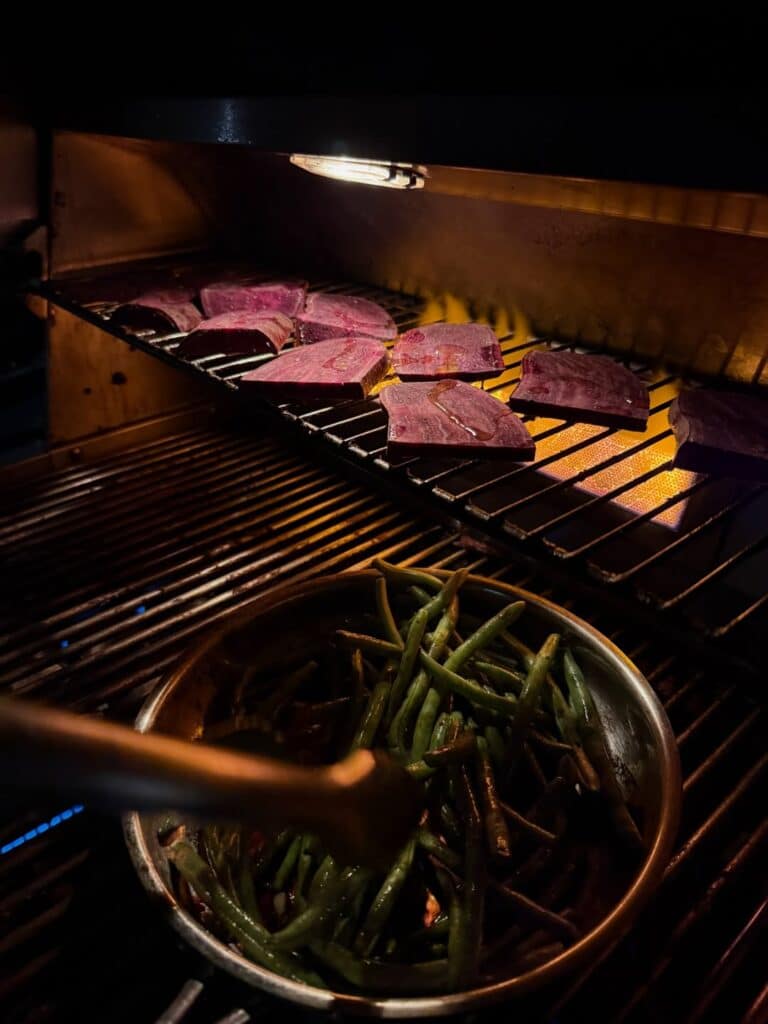
Number 4) Grilled Steak (The Backyard Hero)
Now we’re talking.
If the premise on how to cook steak had a personality contest, grilling would show up wearing sunglasses and smelling like smoke and confidence.
What makes it great:
Open flame, high heat, and that unmistakable smoky kiss.
Pros:
- Incredible flavor
- Beautiful sear marks (yes, they matter emotionally)
- Great for outdoor cooking and gatherings
Cons:
- Weather-dependent (rain ruins everything, including your pride)
- Requires heat control skill
- Flare-ups can turn dinner into drama
I once saw a man flip a steak too early on a grill and lose it into the flames. We held a small silence for it.
Key insight: Grilling rewards patience. Flip once. Not five times. You’re cooking steak, not DJing it.
What the recipe looks like:
Ingredients
- Ribeye, strip, or sirloin
- Salt + pepper
- 1 tbsp oil
Method
- Preheat grill to high heat (450–500°F / 230–260°C).
- Oil grates lightly.
- Grill steak:
o 3–5 min per side (medium-rare guide)
- Rest 5–10 minutes.
Pro Tip
Only flip once. If you’re flipping like pancakes, you’re doing it wrong.
Result: Smoky, bold, outdoor-flavored perfection.
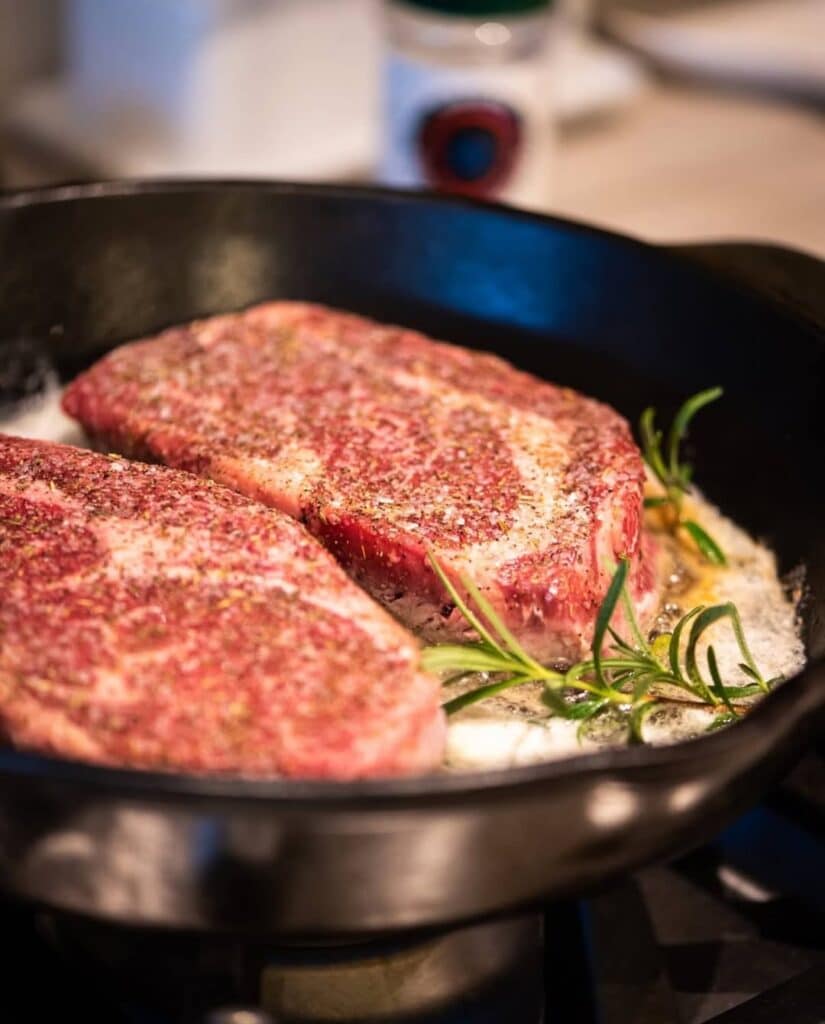
Number 3) Pan-Seared Steak (The Weeknight Champion)
If grilling is a party, pan-searing is a quiet genius working in the background.
This is one of the most reliable answers to how to cook steak at home.
Why it works:
A hot pan – especially cast iron – creates deep browning through the Maillard reaction (fancy word, simple result: flavor explosion).
Pros:
- Incredible crust
- Works indoors anytime
- Fast and satisfying
Cons:
- Your kitchen may smell like a steakhouse for hours
- Requires oil management and heat control
- Can smoke like a tiny food volcano
Chef secret (don’t skip this):
- Dry your steak aggressively before it hits the pan
- Add butter, garlic, and herbs at the end
- Spoon-baste like you’re an artist painting flavor
This method is where many cooks finally go, “Oh… THIS is how to cook steak.”
Verdict: Reliable, powerful, slightly chaotic in a good way.
What the recipe looks like:
Ingredients
- Ribeye or strip steak
- Salt + pepper
- 1–2 tbsp oil
- 2 tbsp butter
- Garlic + thyme (optional but elite)
Method
- Pat steak completely dry. Season well.
- Heat cast iron until smoking hot.
- Sear steak 2–4 min per side.
- Add butter + aromatics and baste for 1–2 min.
- Rest 5–10 minutes.
Pro Tip
Tilt pan and spoon butter over steak constantly – this is where flavor lives.
Result: Deep crust, juicy center, steakhouse vibes at home.
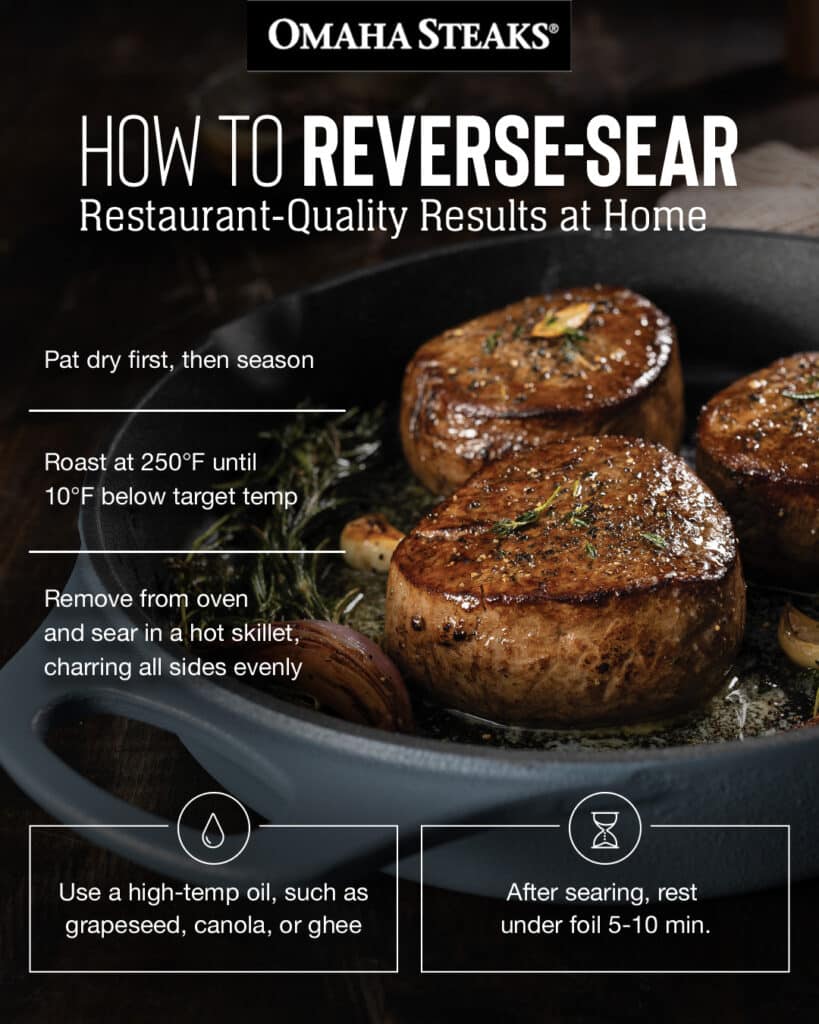
Number 2) Reverse Sear Steak (The Precision Play)
This is where things get serious.
Reverse searing is the method chefs use when they want control instead of guessing.
How it works:
- Slow-cook steak in the oven
- Finish with a screaming hot sear
Pros:
- Perfect edge-to-edge doneness
- Incredible consistency
- Less overcooking risk
Cons:
- Takes longer
- Requires a thermometer (no guessing allowed)
Think of it like this: grilling is jazz, pan-searing is rock, reverse sear is engineering.
I once served reverse-seared ribeye to a guest who said, “This tastes too perfect.” That’s when you know you’ve won.
Key insight: Low and slow first. Hot and fast at the end. That’s the magic formula.
What the recipe looks like:
Ingredients
- Thick-cut steak (best: ribeye or strip)
- Salt + pepper
- Oil for sear
Method
- Season steak generously.
- Bake at 120–135°C (250–275°F) until internal temp hits:
o 49–52°C (120–125°F) for medium-rare
- Rest 10 minutes.
- Sear in hot pan 1–2 min per side.
Pro Tip
Use a thermometer – guessing ruins this method.
Result: Even pink center, crisp crust, restaurant-level control.
Number 1) Sous Vide Steak (The Undisputed King)
If there is a “final boss” in how to cook steak, this is it.
Sous vide means cooking steak in a precisely controlled water bath before finishing it with a quick sear.
Yes, it sounds like something a scientist would do. And honestly… they should.
Pros:
- Perfect doneness from edge to edge
- Impossible to overcook (unless you try very hard)
- Restaurant-level consistency
Cons:
- Requires equipment
- Longer cook time
- Not exactly “spontaneous dinner” friendly
The process:
- Seal steak in a bag
- Cook in water at exact temperature
- Sear quickly in a hot pan for crust
This method feels like cheating… until you realize chefs use it for a reason.
One time, I served sous vide steak at a backyard cookout. Someone said, “Did you get this from a steakhouse?” I said, “No. Worse. My kitchen.”
Verdict: If perfection had a dial, sous vide would be it.
What the recipe looks like:
Ingredients
- Steak (any premium cut works)
- Salt + pepper
- Butter (optional in bag)
- Garlic/herbs (optional)
Method
- Season steak, seal in vacuum bag.
- Cook in water bath at:
o 54.5°C (130°F) for medium-rare
- Cook for 1–3 hours.
- Remove, dry thoroughly.
- Sear in hot pan 45–60 seconds per side.
Pro Tip
Drying the steak before searing is non-negotiable – wet steak = no crust.
Result: Perfect edge-to-edge doneness. Basically steak autopilot mode.
Comparison Snapshot (Quick Reality Check)
- Easiest: Boiling (don’t)
- Fastest decent result: Pan-searing
- Best outdoor flavor: Grilling
- Most precise: Reverse sear
- Most foolproof perfection: Sous vide
Best Cuts for Each Method
Because steak is not one-size-fits-all:
- Ribeye → Grill or pan-sear (fat = flavor fireworks)
- Filet mignon → Sous vide or reverse sear (lean needs precision)
- Sirloin → Broil or grill (budget-friendly hero)
- NY strip → Pan-sear or reverse sear (balanced perfection)
Pro Tips From a Pitmaster
After years of learning how to cook steak without ruining expensive meat, here’s what actually matters:
- Salt early (dry brining = flavor upgrade)
- Let it rest (cutting early is culinary sabotage)
- Use high heat for sear, not medium guessing heat
- Don’t overcrowd the pan (steaks need personal space too)
- Thermometer beats intuition every time
Common Mistakes (We’ve All Done Them)
- Cooking steak straight from the fridge
- Flipping too often like it owes you money
- Skipping rest time (biggest crime)
- Using low heat and hoping for crust (it won’t happen)
- Forgetting that steak continues cooking after heat
The Truth About Cooking Steak: Execution Beats Recipes
Learning how to cook steak isn’t about memorizing recipes – it’s about understanding heat, timing, and a little bit of respect for the meat in front of you.
If you want simplicity, start with pan-searing. If you want control, go reverse sear. If you want perfection with minimal risk, sous vide is your best friend.
And boiling steak? Let’s just say… that method belongs in history books, not kitchens.
At the end of the day, the best steak isn’t just about the method – it’s about how well you execute it. And now? You’ve got six ways to do it right.
Featured image credit: @marias.steakcafe
