
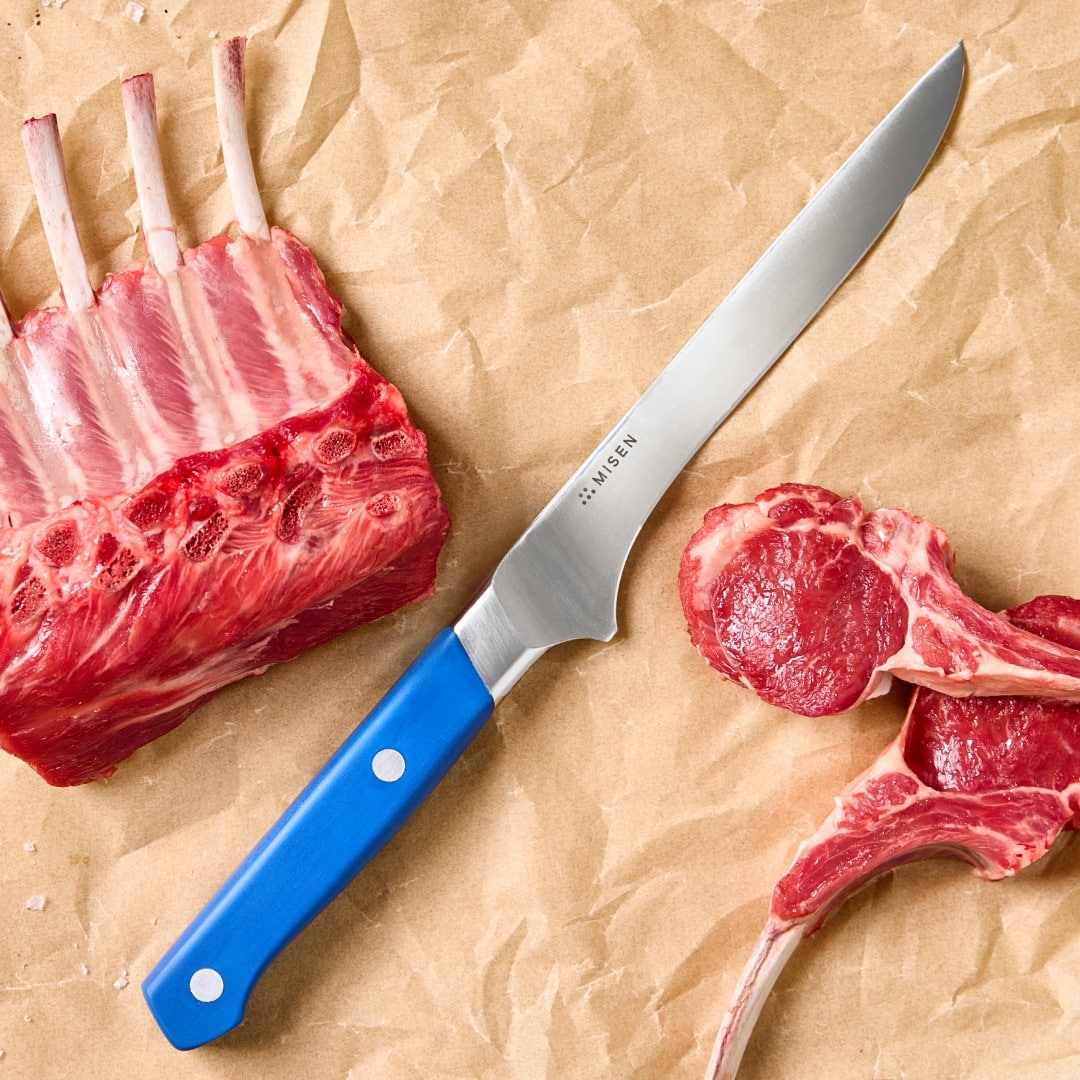
If you’ve ever wrestled a brisket or tried to separate ribs without the right tool, you know the value of a good boning knife. The wrong knife can turn a joyful prep session into a frustrating chore.
But the right one? That’s when meat prep becomes smooth, precise, and almost satisfying enough to make you grin.
I’ve been in BBQ pits and butcher blocks for years, and I can tell you: not all boning knives are created equal.
Picking the perfect one isn’t just about brand names or flashy handles – it’s about understanding what works for your style, your cuts, and your hands.
In this guide, I’ll break down what makes a boning knife great, how to choose one for both butchering and BBQ prep, and highlight the top knives worth your money.
What Is a Boning Knife?
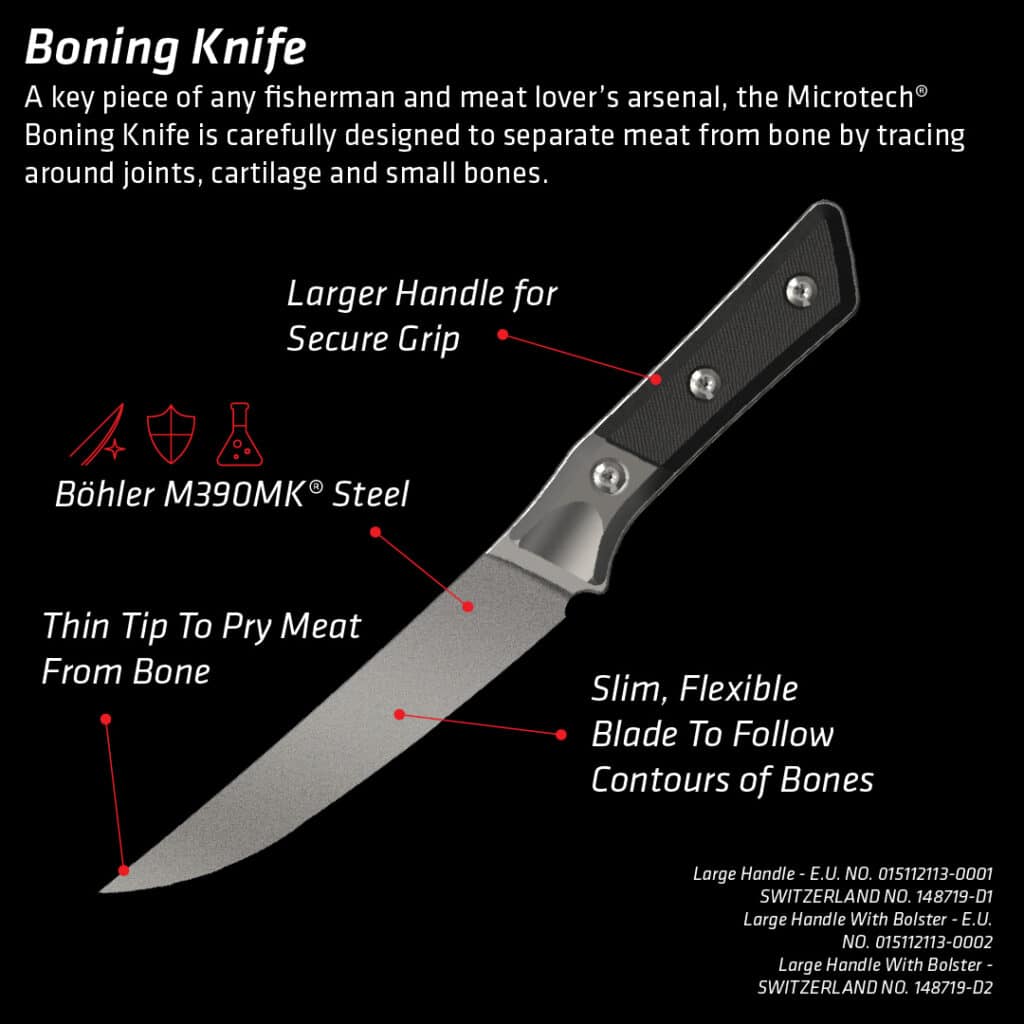
A boning knife is a specialized kitchen knife designed to get close to the bone, remove meat cleanly, and give you control over trimming fat and sinew. Think of it as the precision tool in a pitmaster’s arsenal.
Unlike a chef’s knife, which is broad and general-purpose, a boning knife has a narrow, tapered blade that lets you slip between meat and bone without tearing your cuts.
Flexibility is key – some knives are stiff for heavy meat, while others are flexible for delicate fish or poultry.
If you want perfectly trimmed ribs or brisket that looks like it came out of a pro smokehouse, the boning knife is non-negotiable. It’s not just a tool; it’s your secret weapon.
Key Factors to Consider When Choosing a Boning Knife
Choosing a boning knife is about more than looks. Here’s what you need to know:
Blade Flexibility: Stiff vs Semi-Flex vs Flexible
Blade flexibility defines what kind of meat you can work on and how precise your cuts are.
- Stiff blades are ideal for large cuts – think pork shoulder, brisket, or whole chickens. They give you power and control without bending into the bone.
- Semi-flex blades are versatile, balancing control and flexibility. Perfect for everyday BBQ prep where you’re trimming various cuts.
- Flexible blades excel at delicate work like filleting fish or poultry. They slip under meat easily, but they can be tricky for heavy-duty cutting.
I like a semi-flex blade for most BBQ work. It’s like having a knife that can dance around bones but still stand firm when you need it.
Blade Length: 5” vs 6” vs 7”
Length matters more than you might think. A blade that’s too short makes bigger cuts awkward; too long, and you lose precision.
- 5 inches: Great for poultry and small cuts, easy to maneuver.
- 6 inches: The sweet spot for most BBQ prep – long enough for briskets, short enough for ribs.
- 7 inches: Excellent for large butchering jobs like pork shoulders or beef roasts, but can be unwieldy for smaller tasks.
For backyard pitmasters, I recommend a 6-inch blade – it’s versatile and comfortable.
Blade Shape and Profile
The shape of your boning knife affects control. Narrow, tapered blades let you work close to bones. Curved spines give you a rocking motion for trimming, while straight spines are precise for slicing along bones.
Here’s a rule of thumb: narrow, slightly curved blades give you maximum control for trimming, while straight, stiff blades excel when you’re doing heavier cuts.
Steel Type: Carbon vs Stainless
Steel determines how your knife holds an edge and how much care it requires.
- Carbon steel holds an edge longer and is easier to sharpen, but it rusts if neglected. If you love maintenance and a sharp edge, carbon steel is rewarding.
- Stainless steel resists rust, perfect for BBQ setups where water, marinade, and smoke are unavoidable. It may need more frequent sharpening but is low-maintenance.
I’ve used both in my pit, and if your prep environment is humid or messy, go stainless. If you enjoy sharpening and want a knife that slices like butter, carbon steel is satisfying.
Handle Design and Grip
The best boning knives aren’t just about the blade – they’re about the feel in your hand. You’ll be trimming meat for hours, so ergonomics are essential.
- Comfortable handle: Reduce hand fatigue and allow precision.
- Slip-resistant materials: Rubber, polymer, or textured wood keeps your knife safe in greasy conditions.
- Balance and weight: A well-balanced knife feels like an extension of your arm, not a lever you’re fighting.
I’ve learned the hard way – never underestimate a poor handle. One BBQ session with a cheap, slippery grip and you’ll never go back.
Best Boning Knives for Butchering and BBQ Prep
I’ve tested dozens of knives over the years, and here are my top picks for different needs. Each one delivers precision, durability, and comfort.
Best Overall Boning Knife
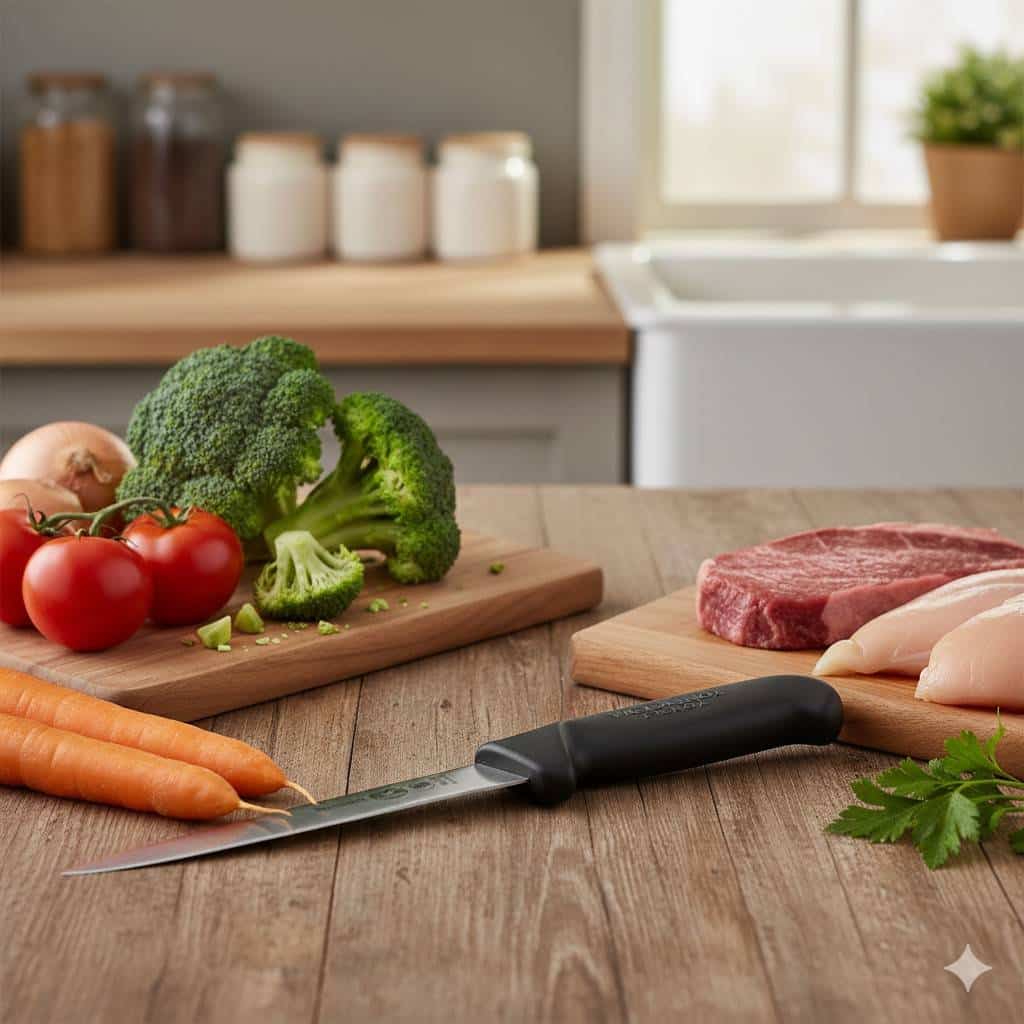
Victorinox Fibrox Pro Boning Knife
- Length: 6 inches
- Blade: Semi-flex stainless steel
- Why it stands out: Lightweight, sharp, and versatile. It handles everything from brisket to chicken with ease.
- Pros: Affordable, dishwasher-safe, great balance.
- Cons: Handle may feel too soft for some users.
This is the knife I reach for first in my pit. It’s simple, reliable, and won’t let you down during marathon prep sessions.
Best Boning Knife for BBQ Prep
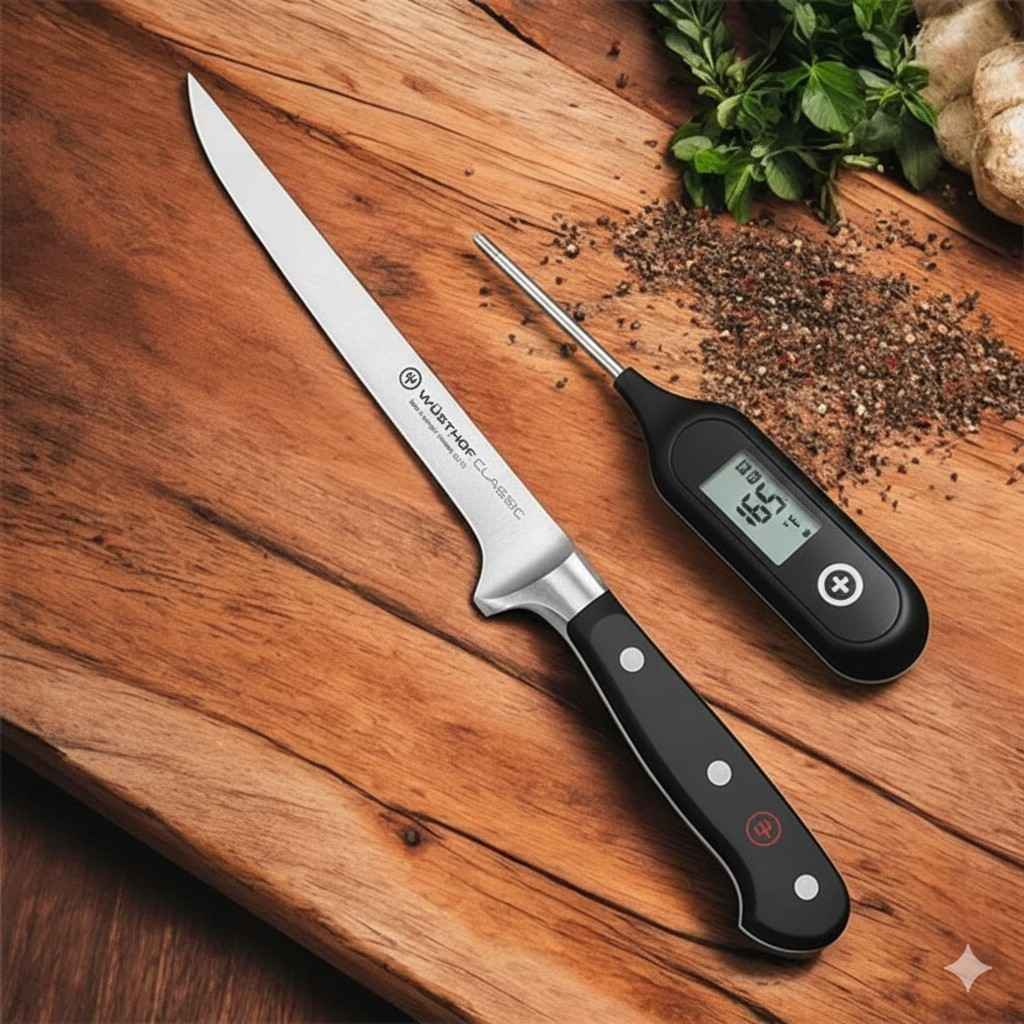
Wüsthof Classic 6-Inch Boning Knife
- Ideal for trimming brisket and ribs.
- Semi-flex blade provides the right balance between precision and power.
- Ergonomic handle keeps your hands comfortable when working for hours.
For BBQ enthusiasts who love perfect presentation, this knife makes every slice look professional.
Best Boning Knife for Whole-Animal Butchering
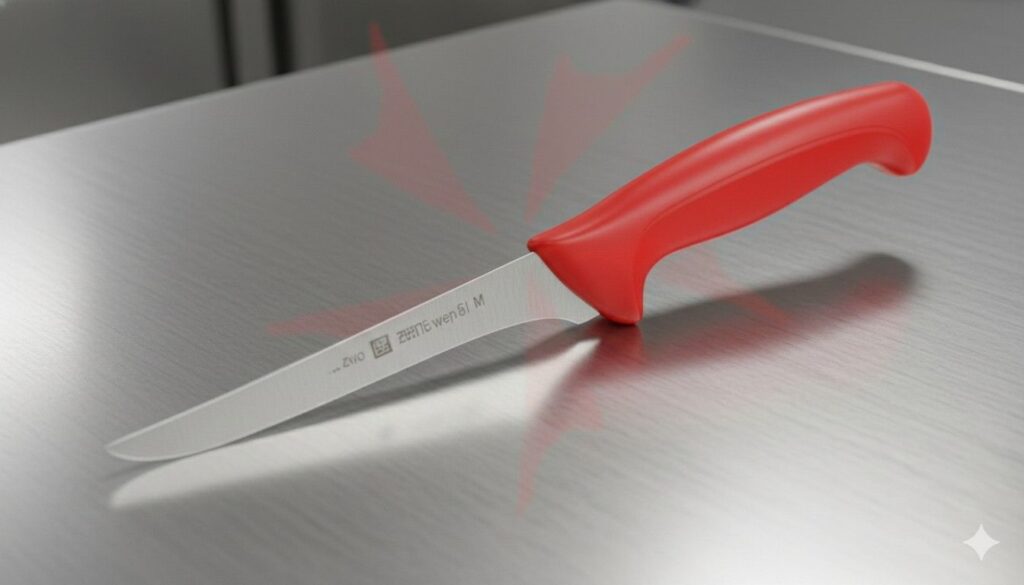
J.A. Henckels International 6-Inch Stiff Boning Knife
- Stiff blade cuts through larger cuts without bending.
- Durable stainless steel holds an edge through tough meat.
- Perfect for pork shoulders, beef roasts, or whole chickens.
If you’re breaking down a whole hog, this knife is your go-to. Trust me, a stiff blade beats a floppy one every time.
Best Budget Boning Knife
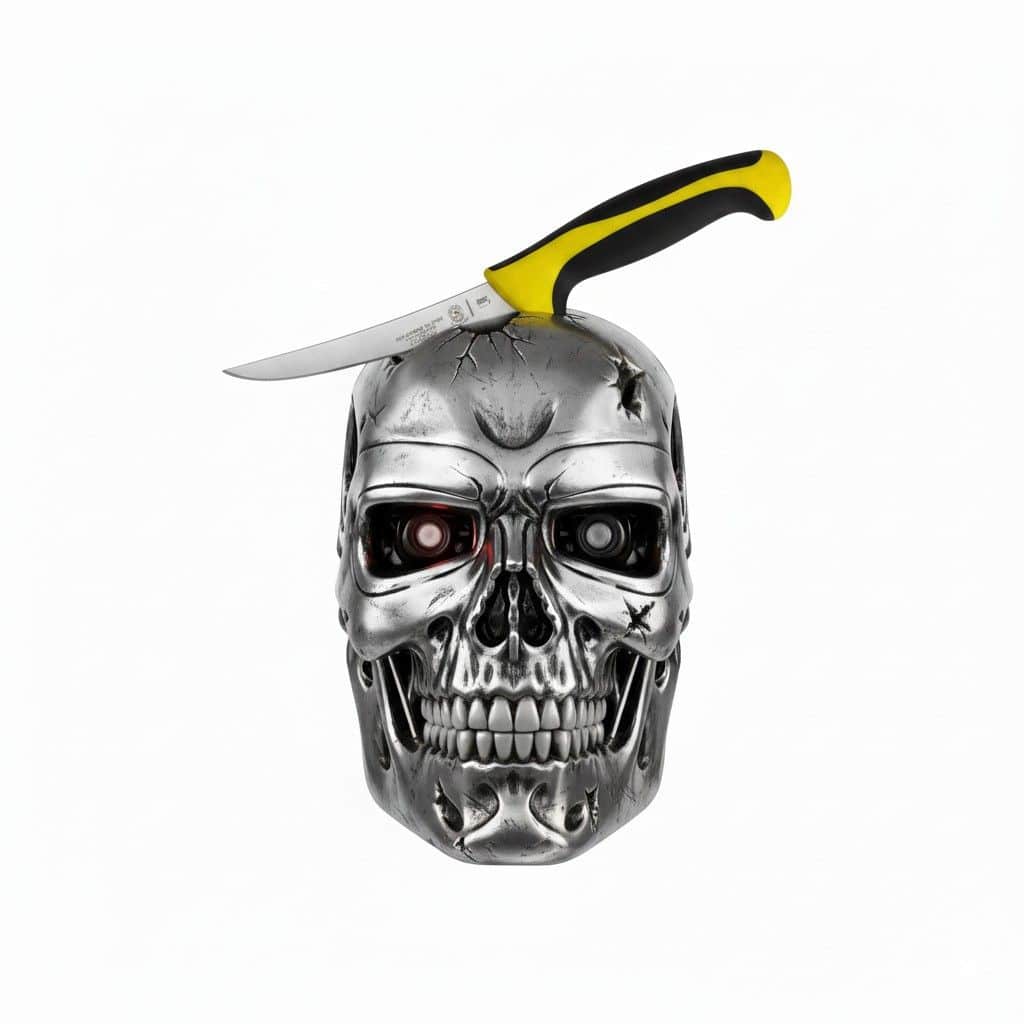
Mercer Culinary Millennia Boning Knife
- Affordable without compromising basic quality.
- Semi-flex stainless steel blade works well for most home prep.
- Simple, easy-to-clean handle.
Great for beginners who want solid performance without spending a fortune.
Best Premium / Professional Option

Shun Classic 6-Inch Boning Knife
- High-quality VG-MAX steel with excellent edge retention.
- D-shaped handle offers maximum comfort and balance.
- Feels like a luxury tool, but worth it for heavy use or pro kitchens.
This is a knife you’ll use for years, the kind that makes prep feel effortless and enjoyable.
Boning Knife vs Fillet Knife vs Chef’s Knife
Not all knives are interchangeable. A fillet knife is too thin and flexible for heavy meat prep. A chef’s knife is broad and clumsy around bones.
The boning knife hits the sweet spot – it’s narrow enough for precision, strong enough for larger cuts, and comfortable for long sessions. I’ve learned that even a great chef’s knife can’t replace a proper boning knife when trimming a brisket or separating ribs.
How Your Boning Knife Affects BBQ Presentation
A sharp boning knife doesn’t just make prep easier – it directly affects how your meat looks on the plate. Clean cuts separate ribs, brisket slices, and tenderloin without ragged edges. A dull knife tears the meat, leaving a messy presentation and uneven cooking edges.
Using a knife that matches your blade flexibility and length ensures every cut is precise, from trimming fat to removing silver skin. Presentation isn’t vanity – it’s about even cooking, flavor distribution, and bite consistency.
A well-handled knife can turn your backyard BBQ into a feast worthy of Instagram or a pitmaster competition. If you want your meat to look as good as it tastes, investing in the right boning knife is just as important as your smoker or rub.
How to Maintain Your Boning Knife
A sharp boning knife is a happy knife. Here’s how to keep it that way:
- Clean after every session: Wipe down with warm water, mild soap, and dry immediately.
- Rust prevention: Oil carbon steel blades lightly if storing for long periods.
- Sharpening: Use a honing rod regularly; a whetstone brings back the razor edge.
- Storage: Sheath, knife roll, or magnetic strip keeps edges protected.
A neglected knife is a dull knife – and nothing ruins prep faster than a blade that can’t slice.
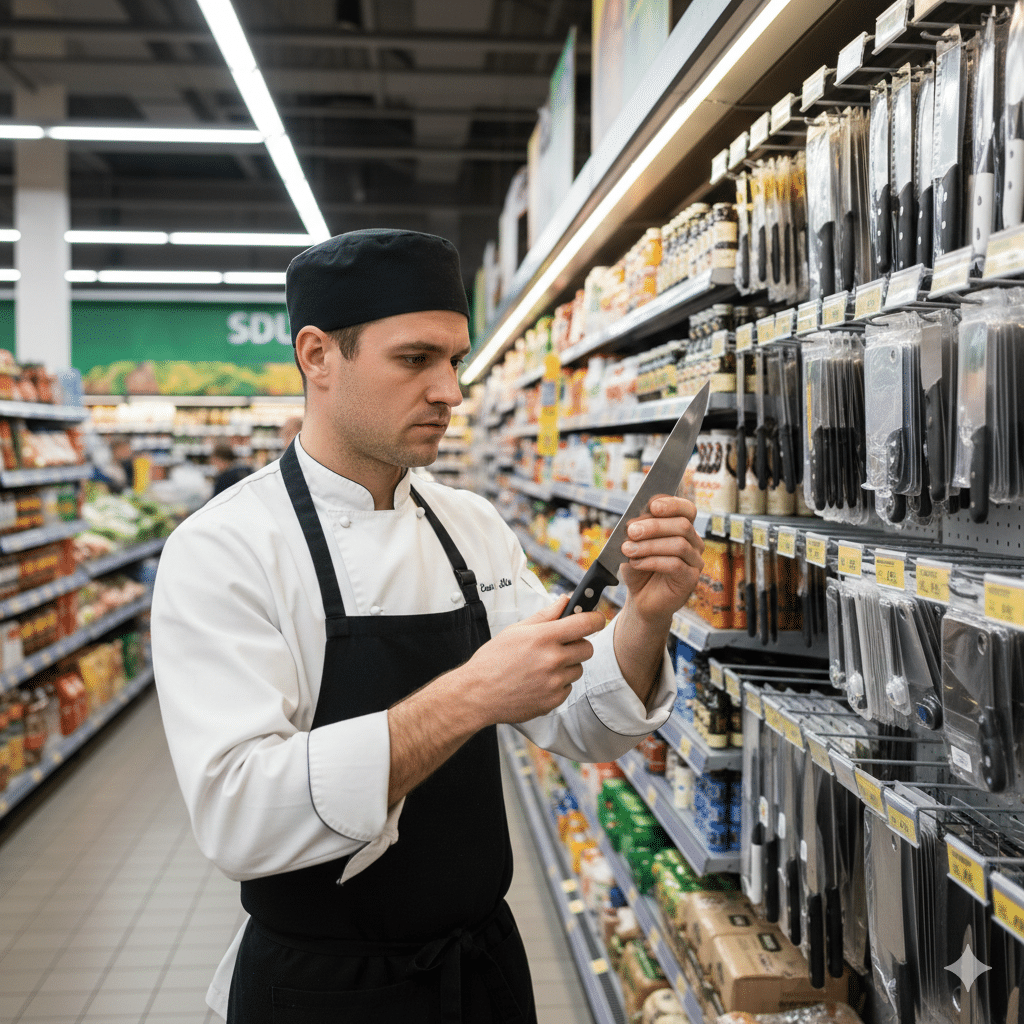
Common Mistakes When Choosing a Boning Knife
Even experienced pitmasters slip up:
- Buying a blade too flexible for heavy meat.
- Choosing a handle that feels awkward.
- Overlooking steel type and maintenance.
- Ignoring balance – weight matters more than you think.
Avoid these mistakes and your prep sessions become smoother, faster, and more enjoyable.
The Pitmaster’s Secret: Knife Angles and Technique
Even the best boning knife is useless without proper technique. How you angle the blade affects precision, speed, and waste reduction.
A slight tilt allows you to slide along the bone without gouging the meat, while a poor angle can tear and waste valuable cuts.
For ribs and brisket, keep the knife parallel to the bone, letting the edge do the work. Small, controlled strokes work better than brute force. Pitmasters learn early that control beats power, and a well-practiced technique with the right knife reduces prep time dramatically.
Mastering angles not only improves cut quality, but it also minimizes hand fatigue and keeps your prep area cleaner. This is the difference between a good backyard BBQ and a professional-quality spread.
Materials Matter: Blade Coatings and Handle Tech
Modern boning knives aren’t just steel and wood anymore. Some feature non-stick coatings to prevent sticky meats from clinging to the blade, while others use high-tech polymers or stabilized wood for handles that resist sweat, grease, and temperature changes.
These materials improve grip, comfort, and hygiene, which matters when you’re handling large cuts in a hot, smoky environment. Coatings can reduce friction for smoother slicing, and ergonomic handles prevent hand fatigue during long prep sessions.
Knowing which materials suit your BBQ style can save time and make the experience more enjoyable. A knife is only as good as how it performs in real conditions – so don’t overlook blade coatings and handle tech when shopping for your next boning knife.
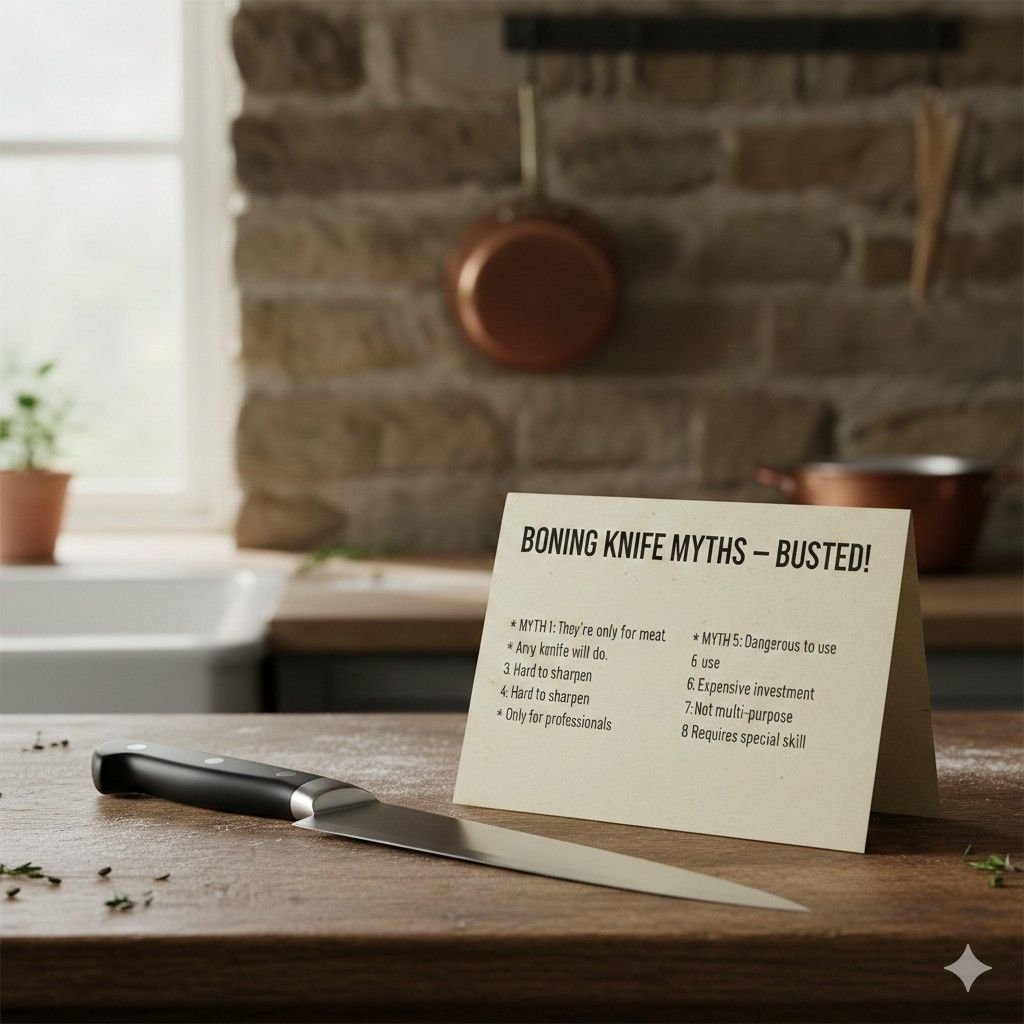
Debunking Boning Knife Myths
When it comes to boning knives, there’s no shortage of myths floating around – fall for them, and you could waste money, frustration, or both. Let’s separate fact from fiction so you can choose a knife that actually works for butchering and BBQ prep.
Myth 1: Stiffer blades are always better
Truth: A stiff blade may feel tough and durable, but it can make delicate cuts – like poultry, fish, or tender ribs – messy and uneven.
Too rigid, and you lose precision along bones and joints. The key is matching blade flexibility to the type of meat you handle most.
Myth 2: Longer blades are automatically more versatile
Truth: Longer doesn’t always mean better. While a 7-inch blade can handle big cuts, it’s harder to control when trimming smaller portions. A 6-inch blade often hits the sweet spot for versatility, comfort, and precision.
Myth 3: Any chef’s knife can replace a boning knife
Truth: Chef’s knives are broad and general-purpose. They simply don’t offer the narrow, tapered precision needed to separate meat from bone cleanly. Using the wrong knife can tear meat and slow prep.
Myth 4: Expensive knives are always worth it
Truth: Price doesn’t automatically equal performance. The right knife depends on blade flexibility, steel type, handle comfort, and length, not just the brand name.
Understanding the true purpose of a boning knife saves you trial-and-error and frustration.
Once you know how flexibility, blade length, and shape affect your cuts, you can select a knife that makes every task – trimming brisket, separating ribs, or prepping poultry – smooth, efficient, and even enjoyable.
Remember, busting these myths isn’t just about being informed – it’s about making your BBQ prep professional, precise, and stress-free.
Frequently Asked Questions
What is the best boning knife size for BBQ prep?
6 inches is versatile for most tasks, from brisket to ribs.
Do pitmasters need a flexible or stiff boning knife?
Semi-flex blades cover most BBQ prep, stiff blades for whole-animal butchery, and flexible blades for poultry or fish.
Is carbon steel worth the maintenance?
Yes, if you love a razor-sharp edge and don’t mind a little upkeep. Stainless is better for low-maintenance setups.
Can one boning knife do everything?
A good semi-flex 6-inch knife can handle most tasks, but having a stiff and flexible option improves precision for specialty cuts.
Final Verdict: How to Choose the Right Boning Knife for You
The right boning knife makes all the difference in butchering and BBQ prep. Focus on:
- Blade flexibility for your cuts
- Comfortable, slip-resistant handles
- Durable steel that matches your maintenance style
- Proper length for your typical tasks
Invest in a knife that fits your hands and your prep style, and you’ll notice the difference the first time you carve a perfectly trimmed brisket or separate ribs with ease.
A great boning knife doesn’t just make prep easier – it makes it enjoyable. And in the world of BBQ, that’s half the battle.
Featured image credit: @misenkitchen
