
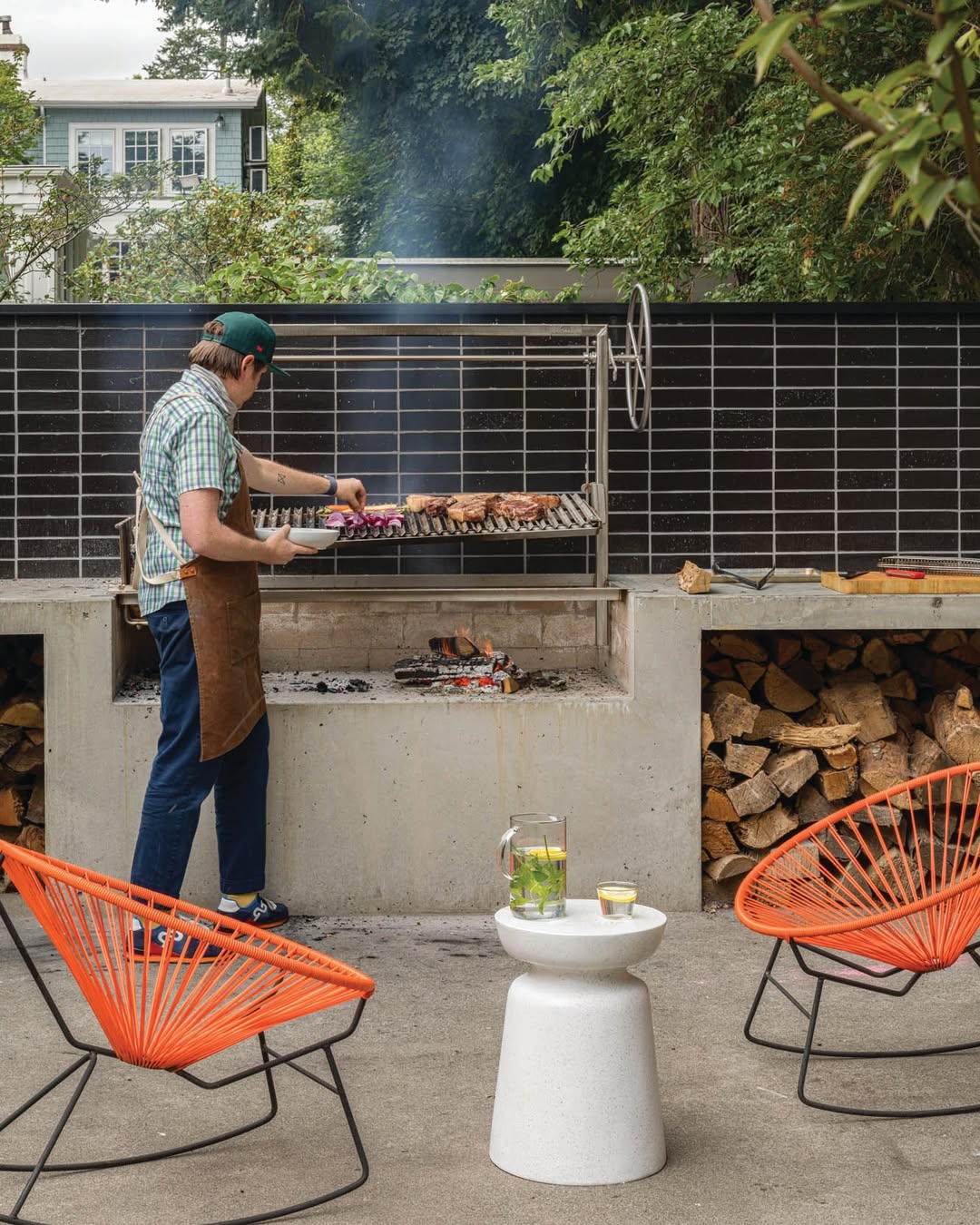
There is a persistent myth in the world of outdoor cooking that you need a sprawling ranch or a three-acre backyard to produce serious BBQ.
We’ve all seen the videos: a pitmaster standing next to an offset smoker the size of a mid-sized sedan, shoveling hickory logs into a firebox while a golden retriever frolics in the distance.
It’s a beautiful image, but for those of us living in the real world – with townhomes, urban patios, and backyards that are more “postage stamp” than “pasture” – it’s a bit discouraging.
I’m here to tell you that flavor doesn’t care about your property line.
Learning how to BBQ in tight spaces isn’t just about making do; it’s about mastering a specific craft.
In many ways, the small-space pitmaster has to be sharper, more organized, and more technically proficient than the guy with the football-field patio. When you’re working in a confined area, every BTU of heat and every ounce of thin blue smoke matters.
This is your masterclass in reclaiming your outdoor space. We are going to dive into the gear, the physics of heat, and the layout strategies that will turn your tiny patio into a high-output flavor factory.
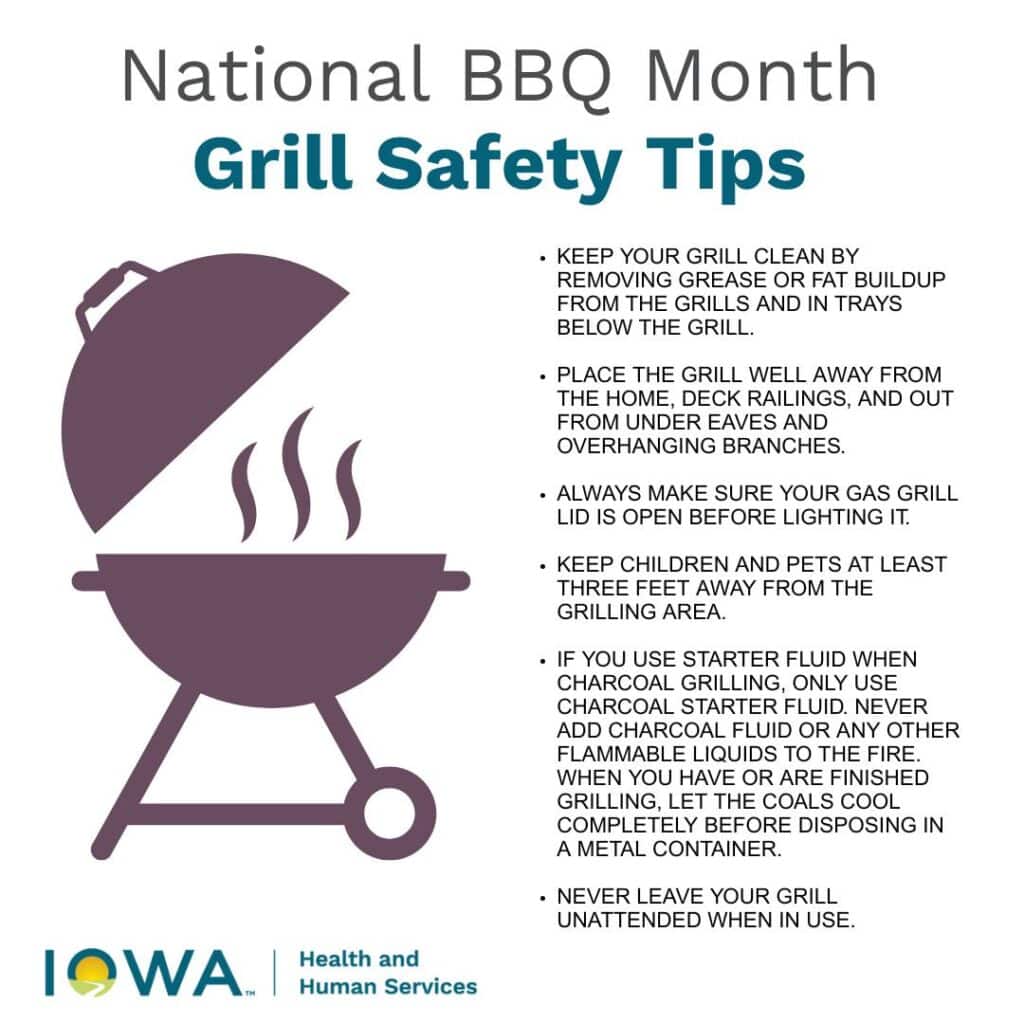
Safety First: The Golden Rules of Tight-Space BBQ
Before we talk about brisket, we have to talk about not burning down the neighborhood. When you are grilling in a small yard, you are likely closer to structures, fences, and overhanging trees than the average cook.
The most important metric in your life is now the 10-foot rule.
Most local fire codes require your grill to be at least ten feet away from any combustible structure, including your house, deck railings, and low-hanging eaves. In a tight space, this can feel like a puzzle, but it is a non-negotiable safety standard.
Ventilation is your next priority. In a large yard, smoke dissipates into the ether. In a small courtyard or a screened-in porch, smoke can linger and concentrate.
This isn’t just a nuisance for your laundry hanging nearby; it can actually choke out your fire by depriving it of fresh oxygen.
Always ensure you have a clear path for airflow. If you’re tucked into a corner, use a small outdoor-rated fan to keep the air moving – not directly at the grill, but across the area to prevent smoke “pooling.”
Finally, protect your floor. Whether it’s a wooden deck or expensive pavers, a heavy-duty grill mat is your best friend.
In tight quarters, you’re more likely to drop a hot coal or drip grease while transferring meat. A quality mat acts as a heat shield and a stain-preventer, saving you from a very awkward conversation with your landlord or spouse.
Choosing Your Weapon: The Best Grills for Small Yards
If you have limited real estate, you can’t afford to waste an inch on a grill that doesn’t pull its weight. In the world of compact BBQ, vertical is the new horizontal.
The Vertical Advantage
Think of a standard offset smoker like a ranch-style house; it takes up a lot of land.
A vertical smoker, like a “bullet” style or a drum smoker, is like a skyscraper. It offers a massive amount of cooking surface area while occupying a tiny footprint.
The Weber Smokey Mountain or a Pit Barrel Cooker are legends in this category. They use gravity and convection to move heat upward, allowing you to hang ribs or stack briskets without needing a six-foot-long rig.
High-Tech Solutions
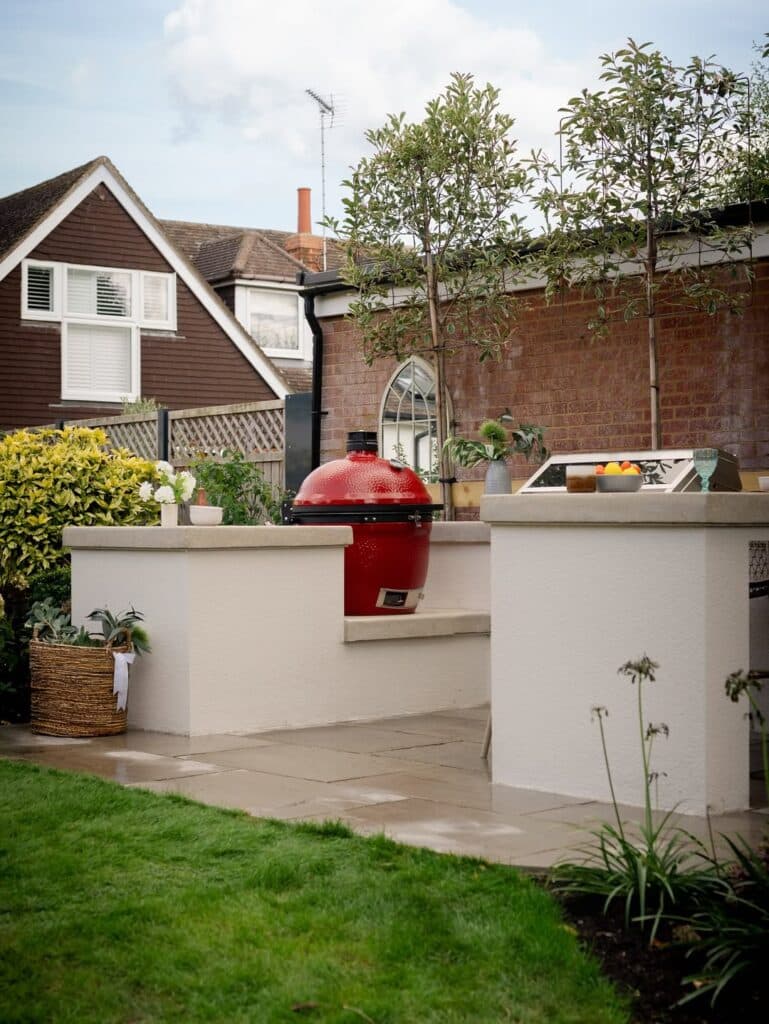
We are living in the golden age of portable power. The market is currently flooded with “tabletop” pellet grills and compact ceramic “minis.”
These units offer the same PID-controlled precision as their larger cousins but are designed to sit on a folding table or a small masonry shelf.
Don’t be fooled by the size; a high-quality ceramic mini can hold a steady 225°F for twelve hours on a single handful of charcoal.
Fuel Considerations
When space is tight, fuel storage becomes a logistical hurdle.
- Propane is incredibly efficient and the tanks are easy to swap, making it the king of the “quick weeknight cook.”
- Electric grills have come a long way. If you live in a condo where open flames are a legal “no-go,” a high-end electric smoker can still produce incredible results without the fire hazard.
- Charcoal remains the soul of BBQ, but in a small yard, you need to be mindful of the “spark factor.” Use a chimney starter instead of lighter fluid to keep your fire contained and predictable.
Space-Saving Layouts and Ergonomics
A messy pit is a dangerous pit, especially when you only have forty square feet to work with. To master how to BBQ in tight spaces, you need to think like a professional chef in a New York City galley kitchen.
Vertical storage is your secret weapon. Don’t let your tools clutter up your precious prep surfaces.
Install magnetic tool strips on the side of your grill or use wall-mounted racks for your tongs, spatulas, and cleaning brushes. If you can’t mount things to the wall, look for a rolling cart with a small footprint and multiple tiers.
The “Work Triangle” isn’t just for indoor kitchens.
You need a logical flow between your prep area (where the raw meat is), the “Hot Zone” (the grill), and the landing zone (where the finished meat goes). In a small yard, this often means using folding or modular gear.
A high-quality folding table that can be tucked away after the cook is worth its weight in gold. It gives you the surface area you need during the “chaos” of the sear but disappears when it’s time to eat.
The Science of Small-Scale Smoke
Physics changes when the cooking chamber gets smaller. In a massive smoker, the air has a lot of “thermal mass” – it takes a long time to heat up, but it stays steady once it gets there. In a small grill, the temperature can swing wildly if you aren’t careful.
Mastering the Heat Shield
To do real BBQ in a small space, you have to master indirect cooking. Most small grills are designed for high-heat searing. To turn them into smokers, you need a deflector plate or a “heat shield.”
This is usually a piece of ceramic or heavy steel that sits between the fire and the food. It forces the heat to wrap around the edges, turning your grill into a small convection oven.
This is the only way to get a tender brisket or pork shoulder without burning the bottom to a crisp.
The Maillard Reaction in Miniature
You’ve probably heard of the Maillard reaction – that magical chemical dance where amino acids and sugars react under heat to create a brown, savory crust. In a tight, efficient grill, this happens faster.
You don’t have the luxury of a massive airflow to dry out the meat’s surface, so you have to be intentional. Pat your meat dry before it hits the grates. Moisture is the enemy of the crust; if the surface is wet, the energy of the grill goes into evaporating water rather than browning the meat.
Wood Selection
In a small firebox, a little bit of wood goes a long way. If you toss a massive hickory log into a small kettle grill, you’re going to end up with “creosote flavor” – that bitter, tongue-numbing smoke that tastes like an ashtray.
For small-space BBQ, use wood chunks or even high-quality pellets. They ignite quickly and burn “clean,” giving you that beautiful thin blue smoke without overwhelming the small cooking chamber.
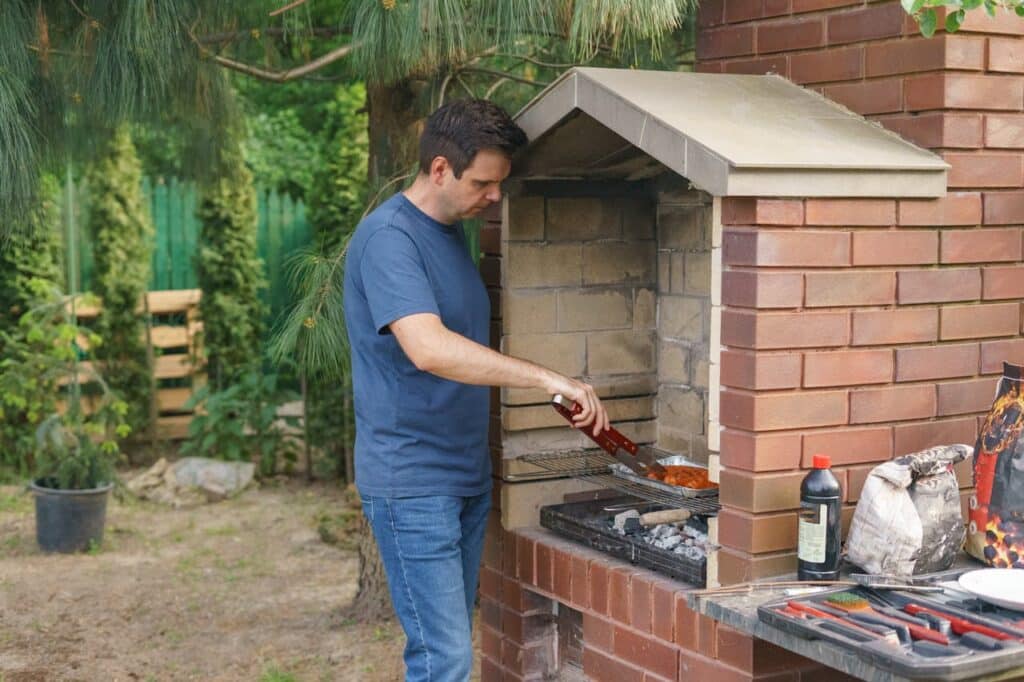
“Big Flavor” Techniques for Limited Real Estate
When you can’t cook more, you have to cook smarter. These techniques are specifically designed to maximize flavor when you’re short on square footage.
The Reverse Sear is the undisputed king of small-space moves. Instead of starting with a sear and hoping the middle cooks through, you do the opposite. You bring the meat up to temperature slowly (around 225°F) using your indirect setup.
Once the internal temperature is about fifteen degrees away from your target, you pull the meat, remove your heat deflector, and open the vents. Once the grill is screaming hot, you drop the meat back on for sixty seconds per side.
This gives you a perfect, edge-to-edge pink interior with a world-class crust.
Verticality isn’t just for the grill itself; it’s for the food.
If you’re trying to cook for a crowd in a small yard, use rib racks.
Instead of laying ribs flat and taking up the whole grate, a rack lets you stand them on their sides, allowing you to fit five or six slabs where you could previously only fit two.
Similarly, “beer can” chicken or vertical poultry roasters allow you to use the height of your grill lid to your advantage.
Brining and Injecting are your insurance policies. In a small, hot environment, meat can dry out quickly.
A simple salt-and-sugar brine – or using a meat injector to put moisture directly into the muscle fibers – adds a buffer. It makes the meat more forgiving, ensuring that even if your temperature spikes for a few minutes, the final result is still succulent.
Essential Gear for the Compact Pitmaster
You don’t need a hundred gadgets, but you do need the right ones. In a tight space, every item in your kit must earn its keep.
- High-Performance Monitoring: You cannot afford to keep opening the lid to check the meat. Every time you “peek,” you lose heat and moisture, which is harder to recover in a small unit. A multi-probe WiFi or Bluetooth thermometer is mandatory. It allows you to monitor the pit temp and the meat temp from your phone inside the house, keeping the “Hot Zone” sealed and steady.
- The Versatile Knife: You don’t need a bulky block of ten knives. A single, high-quality Santoku or a 6-inch boning knife can handle 95% of your BBQ tasks. It’s easier to clean, takes up less space on your prep table, and offers the precision you need for trimming fat caps in cramped quarters.
- Collapsible Accessories: Look for silicone or folding versions of common tools. Collapsible prep tubs, folding chimney starters, and even “nesting” spice containers will save you a massive amount of storage headache.
Reclaiming Your Backyard
At the end of the day, BBQ isn’t about the size of your yard; it’s about the quality of the cook. Some of the best meals I’ve ever eaten came off a small kettle grill on a third-story balcony, not a multi-thousand-dollar custom rig.
Mastering how to BBQ in tight spaces forces you to pay attention to the details.
It makes you a better fire manager, a more organized cook, and a more creative pitmaster. When you have less space, you have more focus. You learn to hear the sizzle, smell the smoke, and trust your tools.
Don’t let a small patio stop you from chasing the perfect bark or the ultimate smoke ring.
The neighborhood doesn’t care if your grill has wheels or if it’s tucked into a corner behind the patio chairs – they’ll be too busy smelling the brisket to notice.
Flavor is a choice, not a zip code. Grab your thermometer, fire up your compact rig, and show the world that big things really do come in small packages.
Happy grilling!
Featured image credit: @fireclaytile
