
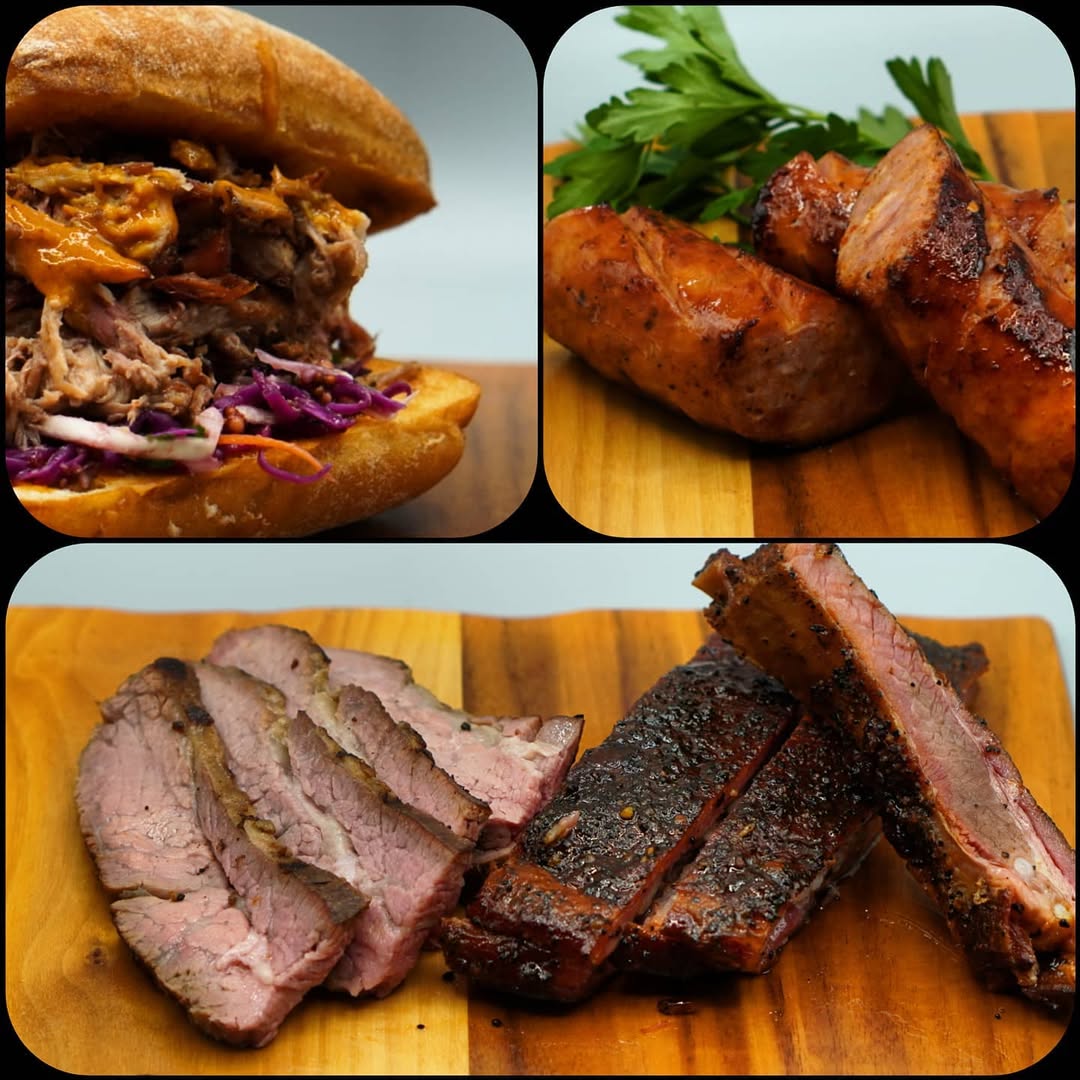
If you’ve ever stared at a brisket thinking, “You’re either going to melt in my mouth or chew like leather,” you know the struggle of tenderizing BBQ meat naturally.
We all want that perfect bite: juicy, flavorful, and tender enough to make your teeth do a happy dance. But here’s a little pitmaster secret: fermentation can take tough cuts and turn them into tender masterpieces.
Fermentation isn’t just some science lab trick – it’s a time-tested culinary technique. From kimchi to yogurt, humans have been using microbes for thousands of years to improve flavor, texture, and shelf life.
Applied to meat, fermentation gently breaks down proteins and connective tissues, creating BBQ that’s tender, juicy, and packed with depth.
In this article, I’ll walk you through the science, benefits, techniques, and practical steps for using fermentation to naturally tenderize BBQ meats.
Along the way, I’ll sprinkle in some pitmaster anecdotes, tips, and maybe even a few jokes to keep things juicy – pun intended.
By the end, you’ll know how to marry tradition and science to create next-level BBQ.
What Is Fermentation?
At its core, fermentation is a natural process where microbes – like lactic acid bacteria – feed on sugars and proteins in food, producing acids, enzymes, and other compounds. This not only preserves food but also transforms its flavor, texture, and sometimes even its digestibility.
There are a few key types of fermentation:
- Lactic acid fermentation – produces tangy flavors, like in kimchi, sauerkraut, and yogurt.
- Alcoholic fermentation – yeasts convert sugars into alcohol, seen in beer and wine.
- Acetic fermentation – produces vinegar, a byproduct of alcohol fermentation.
You probably encounter fermentation daily. That tang in a sourdough, the punchy bite of kimchi, or the creamy texture of yogurt? Yep, microbes at work.
So how does this apply to meat? When meat is exposed to beneficial microbes in a controlled environment, enzymes start breaking down proteins and connective tissue over time. This is the key to natural tenderization.
Think of it as a spa day for your brisket: enzymes and acids massage the meat fibers, slowly softening them, while adding subtle flavor notes.
Fun fact: some pitmasters swear by fermenting their rubs and sauces first, then letting the meat sit in that tangy bath. The result? Deep flavor and tenderness that can’t be faked with a chemical tenderizer.
The Science Behind Meat Tenderization
To understand why fermentation works, we need to peek inside the meat.
Meat is mostly muscle fibers, proteins, and connective tissue, primarily collagen. Tough cuts, like brisket or pork shoulder, are packed with collagen, which makes them chewy if not cooked or treated properly.
Traditional tenderization methods:
- Mechanical – pounding, scoring, or using a meat mallet to break fibers.
- Marinating – using acids like vinegar or citrus to soften the surface.
- Aging – slow enzymatic breakdown in dry-aged beef, for instance.
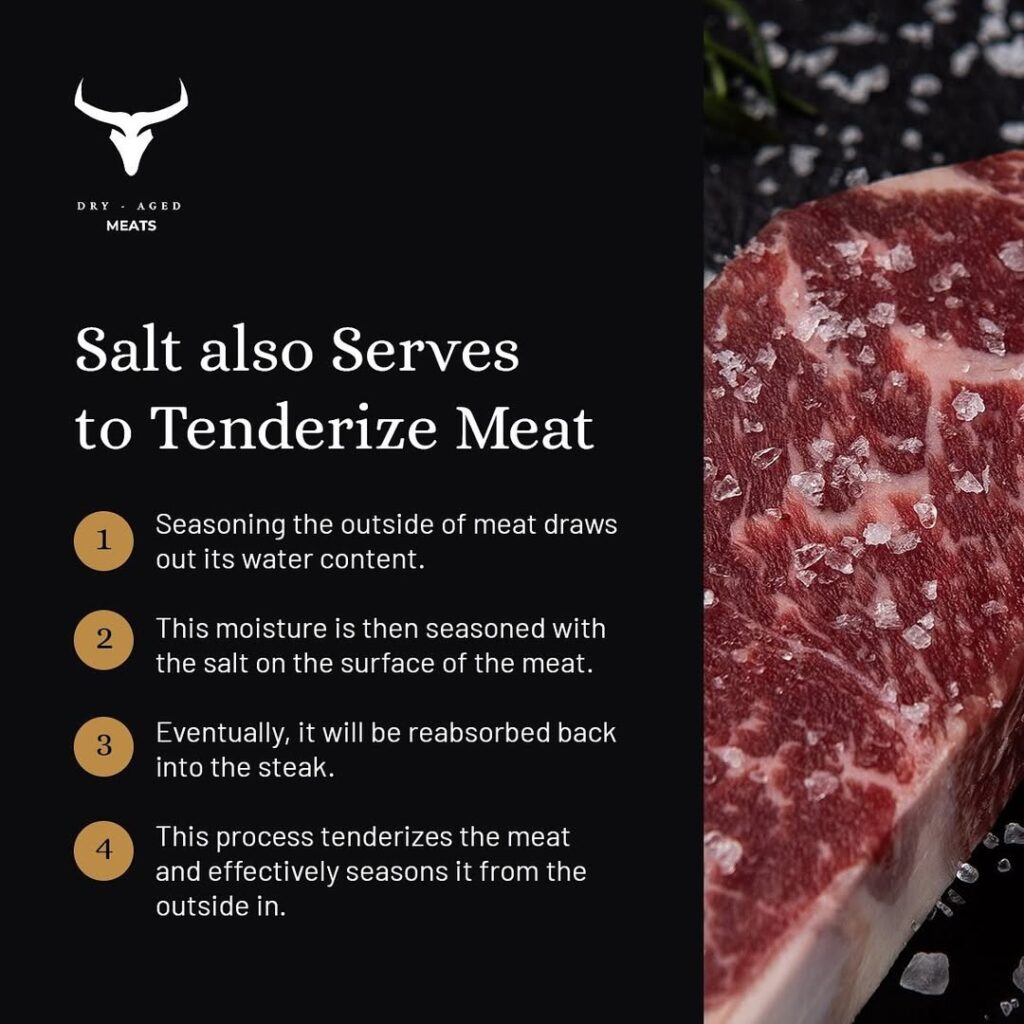
Here’s the difference with fermentation: it’s internal tenderization. While a marinade works mostly on the surface, fermentation enzymes penetrate deeply, breaking down proteins and collagen from the inside out.
This makes the meat uniformly tender, not just tender on the outside.
Imagine biting into a smoked brisket that’s been properly fermented: juicy, melt-in-your-mouth, with layers of umami flavor that a simple rub or marinade could never achieve. That’s the magic we’re talking about.
How Fermentation Works on BBQ Meats
So what actually happens when you ferment your meat? Let’s break it down.
Microbes Do the Heavy Lifting
Beneficial bacteria, like lactic acid bacteria, feed on sugars present in the meat or marinade. As they digest these sugars, they produce enzymes that start breaking down muscle proteins and collagen. This is what softens the meat from the inside out.
Natural Acids Help Too
The acids produced – mostly lactic acid – lower the meat’s pH. This is crucial because acidic environments loosen tough fibers and connective tissue while adding a subtle tang that enhances the meat’s flavor profile.
Time Is Key
Unlike a quick vinegar marinade, fermentation needs patience. Depending on the cut and method, it can take 2–7 days. Rushing it will yield no magic; the meat needs time to absorb the acids and allow enzymes to work.
Think of it as letting your brisket meditate in a warm microbial spa.
Cuts That Respond Well
- Brisket: Dense and collagen-rich, benefits hugely from fermentation.
- Pork shoulder: Softens beautifully and retains moisture.
- Short ribs: Tender, flavorful, and ready for slow smoking.
- Lean cuts like tenderloin: Skip it – fermentation isn’t needed, they’re already naturally tender.
When done right, fermentation doesn’t just tenderize; it enhances flavor, making even cheap cuts taste like premium meat.
Benefits of Fermentation for BBQ Meats
Why go through the extra steps? Because fermentation transforms BBQ in ways other methods can’t.
- Tenderness without chemicals – No need for powdered tenderizers; microbes do the work naturally.
- Flavor complexity – The subtle tang, enhanced umami, and depth you get from fermented meat is unmatched.
- Juiciness – By breaking down fibers, fermentation helps meat retain moisture during cooking.
- Shelf life and safety – The acid environment discourages harmful bacteria, giving you a safer product.
In short, fermentation elevates tough cuts, making your BBQ more memorable, more flavorful, and yes – much more tender.
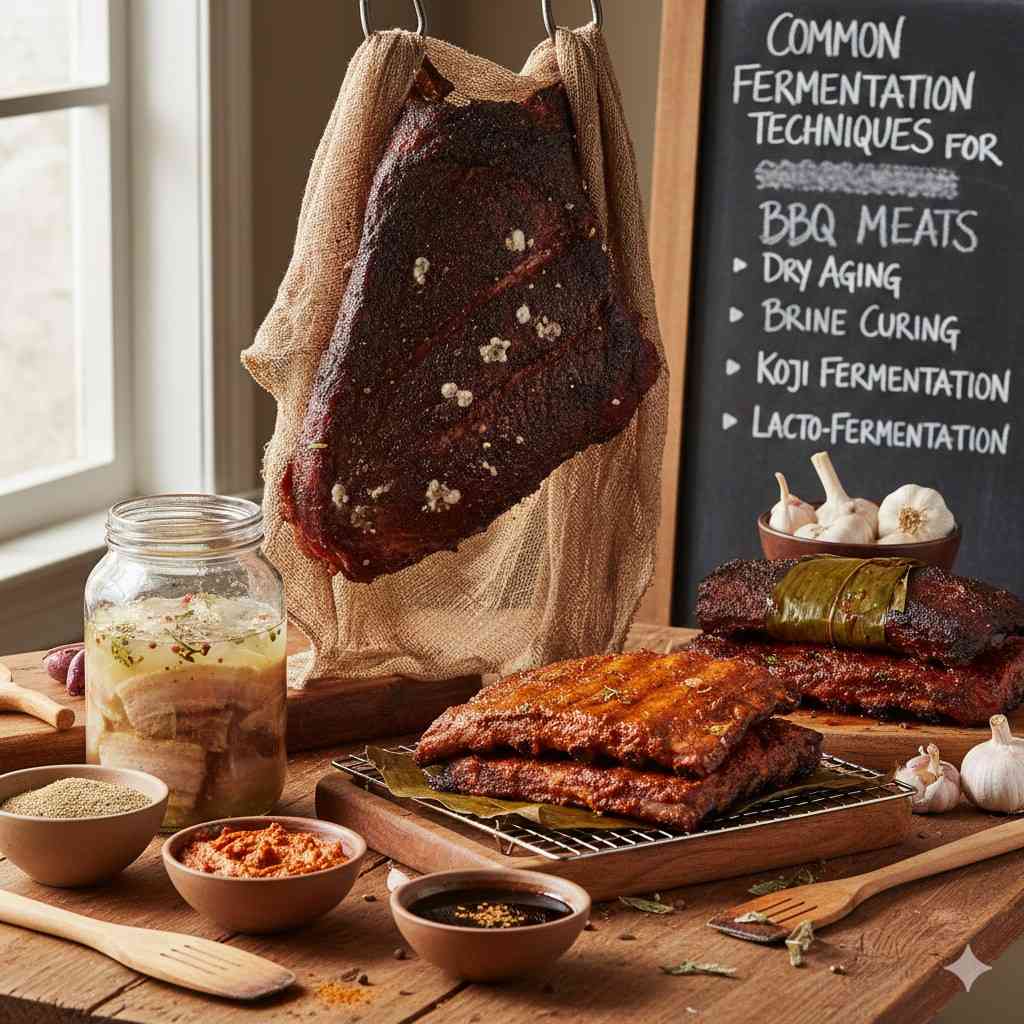
Common Fermentation Techniques for BBQ Meats
Here’s how pitmasters approach fermentation for meat:
Dry Fermentation
- Coat the meat with salt and spices, sometimes sugar.
- Salt draws out moisture and encourages the growth of beneficial bacteria.
- The meat rests in a cool environment while enzymes and acids slowly do their work.
Wet Fermentation
- Submerge the meat in a brine, yogurt, or fermented sauce.
- Liquids carry microbes deeper, ensuring uniform tenderization.
- Add herbs, smoked spices, or chili for flavor layers.
Starter Cultures vs. Wild Fermentation
- Starter cultures: predictable, reliable results.
- Wild fermentation: more adventurous, requires careful temperature and hygiene monitoring.
Safety Tips
- Keep meat cold (38–50°F / 3–10°C).
- Use clean tools and containers.
- Check the smell: properly fermented meat should smell tangy, never rotten.
Remember, fermentation is a slow, controlled process, not a free-for-all microbial party.
Step-by-Step Guide to Fermenting BBQ Meats
Here’s how to do it, pitmaster style:
- Choose the Right Cut
- Tough, collagen-rich cuts work best: brisket, pork shoulder, short ribs.
- Prepare the Fermentation Medium
- Dry: salt, spices, optional sugar
- Wet: brine, yogurt, fermented sauces
- Introduce Microbes
- Optional: starter culture
- Wild fermentation works, but keep it clean and cool
- Set Conditions
- Cool, stable temperature (38–50°F / 3–10°C)
- Time: 2–7 days, depending on cut and thickness
- Check Readiness
- Texture: slightly softer
- Smell: tangy, fresh
- Color: may darken slightly
- Cook Low and Slow
- Smoke or grill as usual
- Fermented meat retains moisture and flavor, giving you that signature melt-in-your-mouth experience
Think of this as giving your meat a pre-smoking makeover. Fermentation softens and flavors the meat, so when it hits your smoker, it’s already halfway to BBQ perfection.
Fermented Rubs and Marinades: Beyond the Meat
While most people think fermentation is just about the meat itself, fermented rubs and marinades can bring an extra layer of flavor. By fermenting spices, garlic, chilies, or fruits before applying them, you create a flavor bomb that penetrates deeper during cooking.
- Lactic acid bacteria in the rub/marinade break down natural sugars and proteins.
- This creates subtle tang and enhanced umami in every bite.
- Improved moisture retention ensures ribs or brisket stay juicy through smoking.
- Flavor maturation: fermenting rubs ahead of time allows spices and aromatics to harmonize, much like aging wine.
- Perfect for pitmasters who love experimentation and adding unique personality to their BBQ.
Think of it as a shortcut to deep flavor, without compromising tenderness or natural cooking techniques.
Fermentation and Smoke: How They Work Together
Smoking meat is an art – but combining it with fermentation takes it to another level. Fermented meat or marinades:
- Create a slightly acidic environment, enhancing smoke adhesion.
- Pre-tender meat fibers, so brisket or pork shoulder cooks faster and stays juicier.
- Produce deeper, more complex flavors that smoking alone can’t achieve.
Pitmaster tip:
- Lightly ferment a dry rub or brine.
- Smoke over fruitwood or hickory.
- The tang of fermentation + smoky aroma = flavor symphony.
Fermentation doesn’t compete with smoke; it amplifies it, creating a signature flavor punch your friends will beg to know.
The Role of Temperature in Meat Fermentation
Temperature control is critical in fermentation: it encourages beneficial microbes while discouraging harmful ones.
- Too cold → fermentation slows.
- Too warm → risk of spoilage.
- Ideal range: 38–50°F (3–10°C) for slow, steady results.
- Consistent temperature ensures uniform tenderness, flavor, and moisture.
- Temperature also regulates how quickly enzymes break down proteins.
Pitmaster tip:
- Use a dedicated fridge or cooler with ice packs for small batches.
- Monitoring temperature is where science meets art, letting you maximize taste safely.
Fermentation and Umami: Why Meat Tastes Better
Fermentation does more than tenderize – it boosts umami, the savory flavor that makes meat crave-worthy.
- Microbes break down proteins, releasing amino acids like glutamate.
- Meat like fermented pork shoulder or brisket tastes richer than non-fermented cuts.
- Fermentation pre-flavors meat from the inside, giving depth and complexity.
- Allows pitmasters to use less salt or sugar while maintaining bold flavor.
Think of fermentation as a flavor amplifier:
- Turns ordinary cuts into juicy, tender, umami-packed BBQ.
- Science you can taste – and your guests will definitely notice.
Fermentation as a Preservation Technique
Fermentation isn’t just for tenderness and flavor – it also extends shelf life.
- Acids lower pH, creating a hostile environment for harmful bacteria.
- Meat can be safely stored longer before cooking, ideal for batch prep or weekend BBQ sessions.
- Historically, BBQ and smoked meats were fermented to survive before refrigeration.
- Modern pitmasters gain safety, flavor, and tenderness in one step.
Key safety tips:
- Maintain consistent temperature
- Use clean equipment
- Monitor for off smells
Fermentation is a win-win: your meat stays safe, tasty, and tender.
Experimenting with Fermented Wood Chips and Smoke Infusions
Here’s a pitmaster trick: fermenting wood chips or smoke infusions.
- Soak wood chips in fermented liquids: brine, vinegar, or light fermented beer.
- Microbes and acids break down wood compounds, releasing more aromatic smoke particles.
- Pair with fermented meat or marinades for complex flavor layers: tangy, savory, and smoky.
- Adds a “secret sauce” feel without chemicals.
This technique shows that fermentation doesn’t just work on meat – it enhances the entire BBQ experience. Adventurous pitmasters can use this to create unique, memorable flavors that wow anyone at the table.
Common Mistakes and How to Avoid Them
Even seasoned pitmasters slip up. Watch out for:
- Over-fermentation: meat becomes mushy and overly sour. Track time and temperature carefully.
- Unsafe practices: improper temperature or hygiene can allow bad bacteria to grow. Clean equipment is essential.
- Flavor imbalance: not all acids and microbes are created equal. Start small and adjust gradually.
The rule of thumb: patience + vigilance = success. Let your meat relax, but don’t let it go rogue.
Flavor Pairings and BBQ Recipes Using Fermented Meats
Fermentation opens a whole new flavor playground:
- Marinades and rubs: garlic, smoked paprika, brown sugar, and light spice work beautifully.
- Example dishes:
o Fermented brisket: smoke low and slow for 12 hours
o Pulled pork: ferment overnight, then slow-cook
o Ribs: ferment 2–3 days, then grill for a tangy bite
- Cooking tip: Pair fermentation with low-and-slow smoking. High heat can overpower the delicate flavors that fermentation builds.
The result? Tender, flavorful meat that keeps people coming back for more.
FAQs
1. What is fermentation in BBQ, and how does it tenderize meat?
Fermentation uses beneficial microbes and natural acids to break down proteins and connective tissue in meat. Over time, this process softens tough cuts, enhances juiciness, and develops deeper, more complex flavors.
2. Which cuts of meat benefit most from fermentation?
Tough, collagen-rich cuts like brisket, pork shoulder, short ribs, and chuck respond best. Lean cuts like tenderloin are already naturally tender and don’t need fermentation.
3. How long should I ferment meat for BBQ?
It depends on the cut and method. Generally, 2–7 days in a controlled cool environment (38–50°F / 3–10°C) is ideal. Timing allows microbes and enzymes to tenderize evenly without overdoing it.
4. Can fermentation improve flavor as well as tenderness?
Absolutely. Fermentation boosts umami, adds subtle tang, and deepens flavor, essentially pre-flavoring meat from the inside. Paired with smoking, it creates rich, layered BBQ your guests will love.
5. Is fermented meat safe to eat, and how do I prevent spoilage?
Yes, when done correctly. Keep meat at the right temperature, use clean tools and containers, and monitor for off smells. Properly fermented meat is safe, tender, and full of flavor.
Consider Fermentation Next Time You Grill Food
Fermentation naturally tenderizes BBQ meats, enhances flavor, and transforms tough cuts into culinary delights. By combining time, microbes, and natural acids, you’re letting science and tradition do the heavy lifting.
Next time you fire up your smoker, give your meat a microbial spa day. Be patient, follow the steps, and you’ll enjoy BBQ that’s tender, juicy, and layered with flavor – without any chemical shortcuts.
In the end, fermentation is more than just a technique; it’s a pitmaster’s secret weapon, marrying tradition and science for the ultimate BBQ experience. Your taste buds – and your guests – will thank you.
Featured image credit: @fermlabsf
