
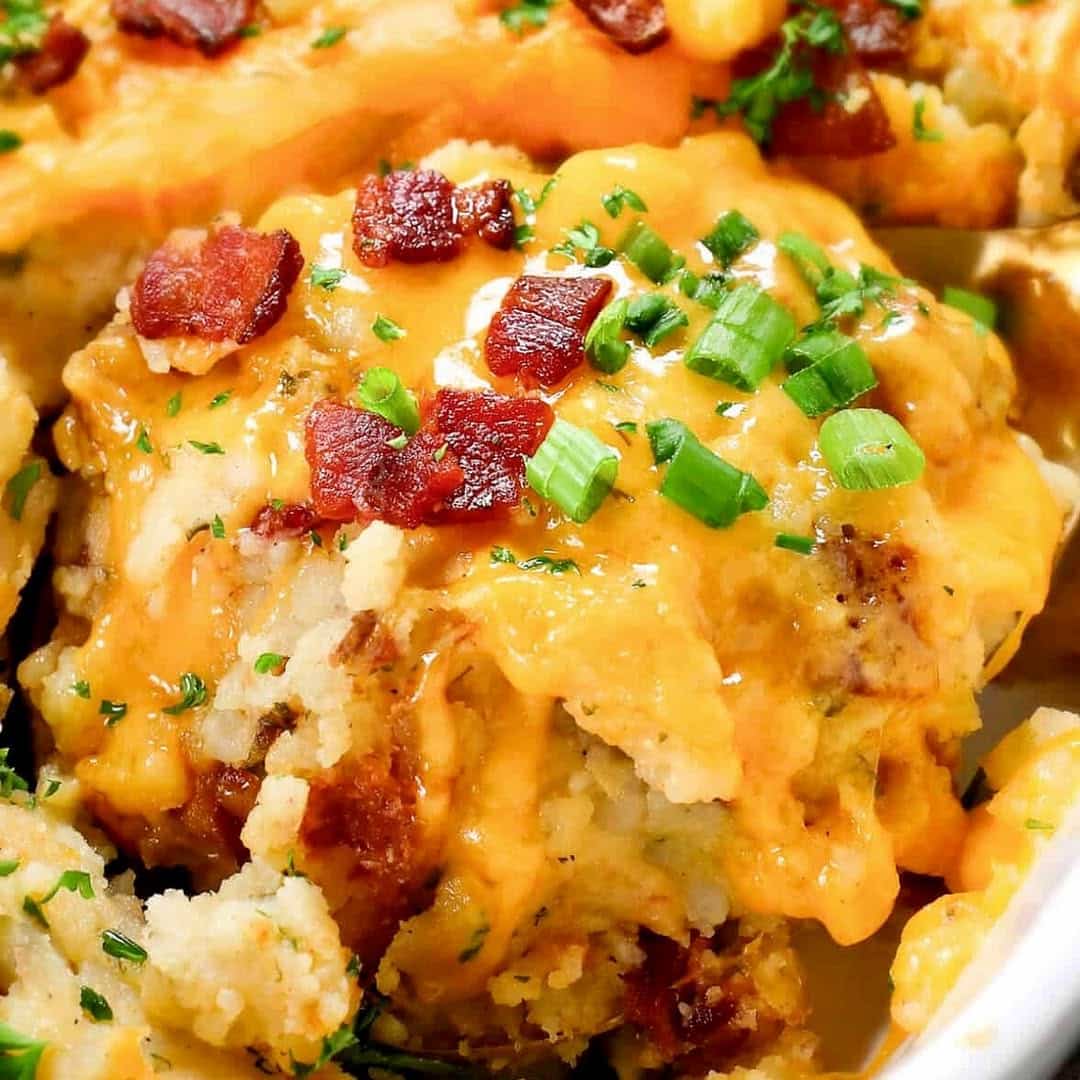
If you’ve ever watched a potato casserole disappear faster than a tray of ribs at a backyard cookout, you already know the power of humble spuds done right.
I’ve smoked briskets for 14 hours, reverse-seared steaks with military precision, and cooked for crowds that could intimidate a small catering company – but let me tell you something straight from a pitmaster’s heart:
Potato casserole wins friends faster than any protein on the table.
This isn’t the sad, gluey side dish that sits untouched while everyone goes back for meat. This is rich, creamy, bubbling, crispy-on-top potato casserole that people ask about before they even grab a plate. The kind that gets you voluntold to bring it again next time.
Let’s talk about why this one works – and how to make it perfectly every time.
What Makes This the Best Potato Casserole?
I judge food the same way I judge barbecue: texture, balance, and restraint. Too much of anything ruins the whole operation.
This potato casserole nails:
- Creamy interior without turning soupy
- Tender potatoes that still hold structure
- A golden, crackly top that makes noise when you tap it
- Rich flavor that doesn’t knock you out by bite three
Most casseroles fail because someone tries to flex too hard with cheese or dairy. This one keeps things tight, layered, and intentional.
Key point:This potato casserole tastes indulgent, not exhausting.
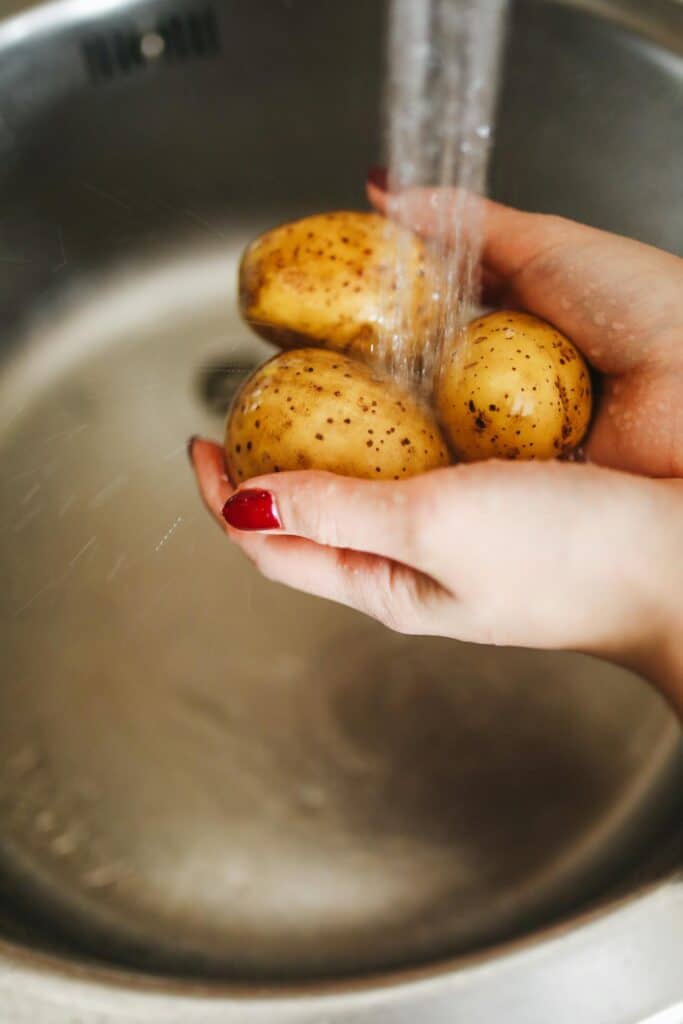
Choosing the Right Potatoes: The Unsung Hero of Potato Casserole
Every great potato casserole starts before the oven even preheats. It starts in the produce aisle. Pick the wrong potato, and you’re fighting texture the whole way – too crumbly, too watery, or worse, both. I’ve seen cooks blame their recipe when the real culprit was a bad spud decision.
Yukon Golds are the sweet spot. They have enough starch to go creamy but enough structure to stay intact. Russets? Flavor’s fine, but they break down fast and can turn your casserole into potato soup if you blink wrong.
Red potatoes hold shape well but don’t give you that luxurious mouthfeel people expect.
Key point:The best potato casserole doesn’t rely on cream alone – it lets the potato do half the work.
If you want consistency, richness, and repeatable results, start with the right potato. Everything else builds from there.
Why Layering Beats Mixing Every Single Time
Here’s a hard truth from years behind a cutting board: dump-and-stir casseroles are lazy cooking. Layering isn’t about being fancy – it’s about control. When you layer a potato casserole, you decide where the cream pools, where the cheese melts, and where the seasoning hits.
Think of it like building flavor the way you build bark on smoked meat. You don’t throw everything on at once and hope. You apply it with intent.
Layering ensures:
- Even seasoning from top to bottom
- Balanced cream distribution, so no dry pockets
- Better texture, with tender layers instead of mush
Key phrase:Structure creates comfort.
When someone says your potato casserole tastes “perfect all the way through,” this is why. It’s not magic – it’s method.
The Science of Creaminess Without the Grease Bomb
Let’s clear something up: more dairy does not equal better potato casserole. That’s a rookie mistake. Creaminess comes from the interaction between starch, fat, and heat – not from drowning potatoes like they owe you money.
As potatoes cook, they release starch. That starch naturally thickens the sauce, especially when paired with fat like butter and cream. Too much liquid, and the starch can’t do its job.
Too much cheese, and the fats separate, leaving you with an oily top and a broken sauce underneath.
The goal is emulsified richness, not heaviness.
Key point:Great potato casserole feels indulgent but finishes clean.
When the last bite makes you want another scoop instead of a nap, you’ve nailed it.
Common Potato Casserole Mistakes (And How to Dodge Them)
Even experienced cooks trip over the same issues. I’ve made every one of these mistakes so you don’t have to:
- Undersalting the potatoes – Potatoes need seasoning early, not just on top
- Slicing too thick – Thick slices cook unevenly and kill the texture
- Skipping the rest time – Cutting too soon makes the sauce run
- Overloading cheese – Melt ≠ emulsify
- Cranking the heat – Fast baking equals broken cream
Chef’s truth:Most potato casserole problems aren’t recipe failures – they’re timing failures.
Slow down, trust the process, and let the oven do its job.
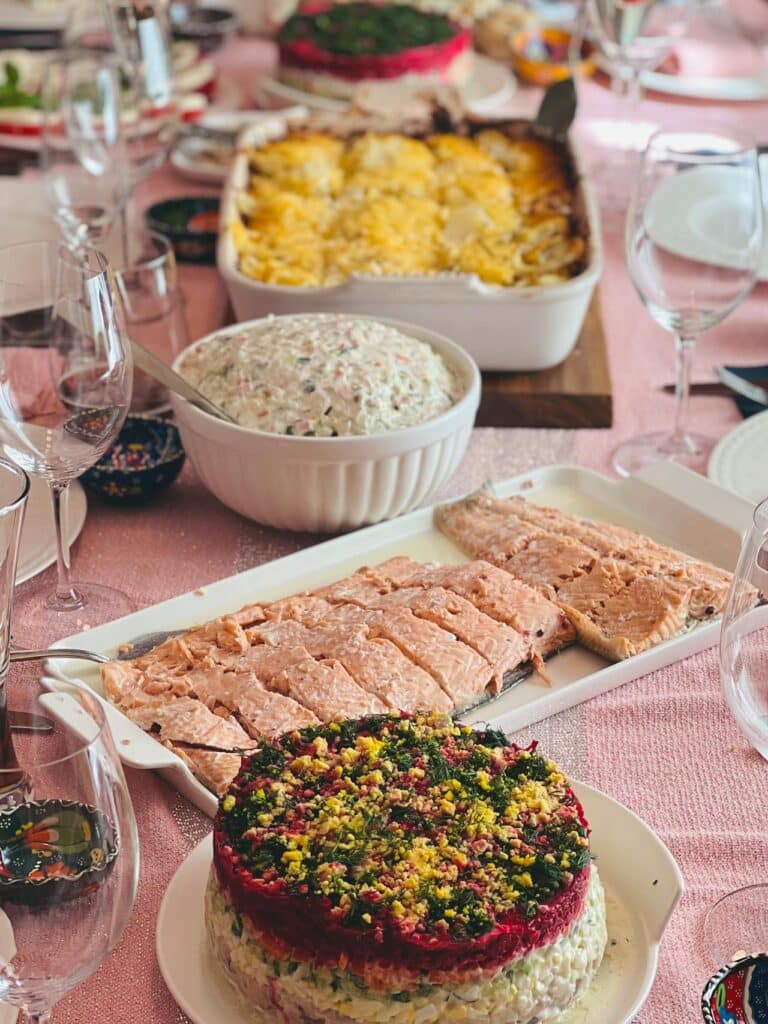
How Potato Casserole Became a Pitmaster’s Secret Weapon
You wouldn’t expect it, but potato casserole is one of the most strategic dishes in barbecue culture. Why? Because it balances smoke, salt, and fat better than almost anything else on the table.
Here’s why pitmasters lean on it:
- It softens aggressive smoke flavors
- It feeds a crowd cheaply and reliably
- It holds heat well for long serving windows
- It tastes even better next to meat
Key phrase:Potato casserole doesn’t compete – it completes.
When the brisket runs low and people are still hovering, guess what they’re scooping? That bubbling pan of potatoes. Every time.
Pro Tips From the Pit
- If it looks dry halfway through, don’t panic. The potatoes release moisture as they cook.
- For extra crunch: Broil the top for 2–3 minutes at the end.
- If your potatoes are still firm: Cover again and give it 10 more minutes. No shame.
Chef’s truth:Casseroles forgive patience, not rushing.
Variations (Don’t Get Weird, Just Get Smart)
I love creativity – but keep the soul intact.
- Loaded potato casserole: Add cooked bacon and green onions
- Garlic herb version: Double garlic, add rosemary and thyme
- Lighter version: Swap half the cream for evaporated milk
- Vegetarian crowd-pleaser: Add sautéed mushrooms for umami
Key phrase:Change the accent, not the language.
What to Serve With Potato Casserole
This dish plays well with:
- Smoked chicken or turkey
- Ham, pork loin, or beef roast
- Grilled sausages
- A crisp green salad to keep everyone honest
If there’s barbecue involved, this potato casserole becomes the silent co-headliner.
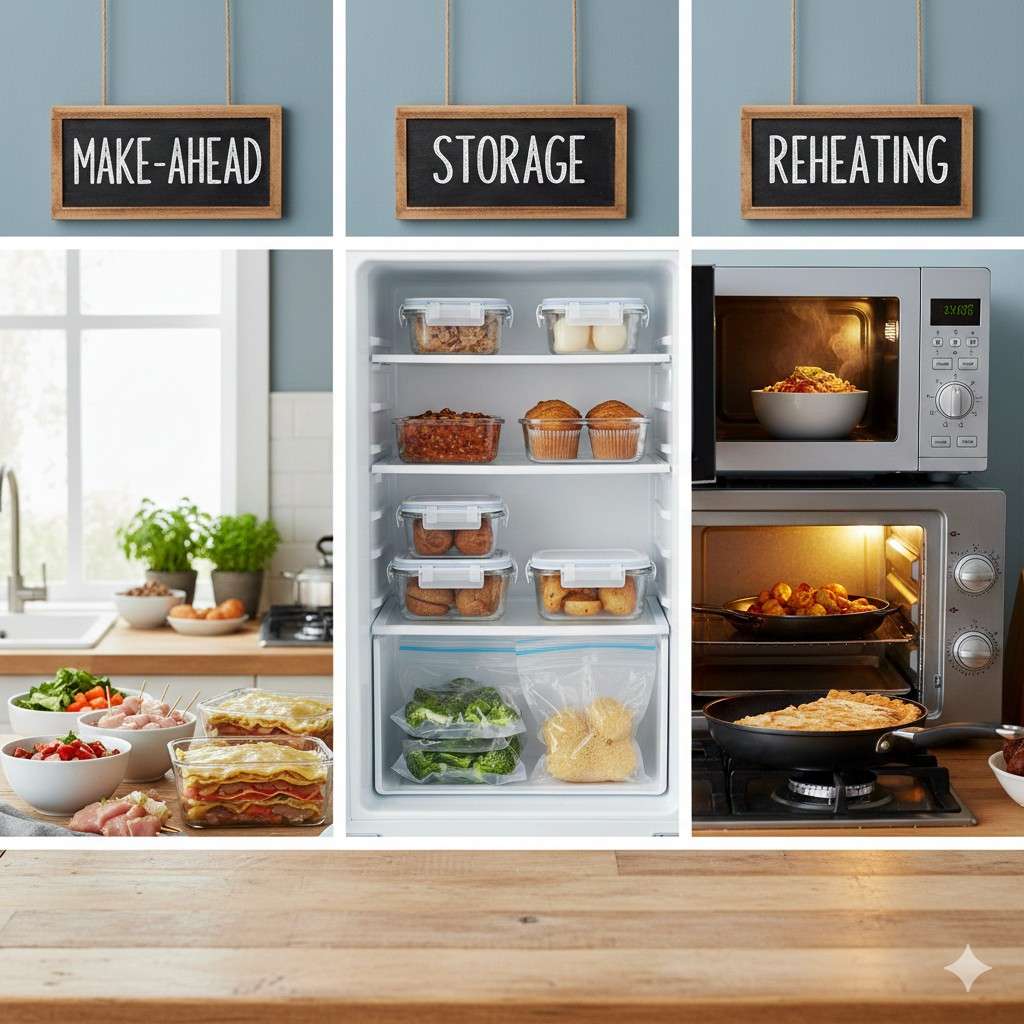
Make-Ahead, Storage & Reheating
- Assemble up to 24 hours ahead, keep covered in the fridge
- Bake fresh for best texture
- Leftovers keep 3–4 days
- Reheat in the oven at 325°F – not the microwave unless you like sadness
Key point:Oven heat brings the magic back.
Why This Potato Casserole Always Wins
After years of cooking for hungry people with strong opinions, I’ve learned one thing: simple food done right beats fancy food done poorly every time.
This potato casserole is:
- Reliable
- Crowd-approved
- Rich without regret
- Easy enough for weeknights, impressive enough for holidays
Make it once, and you’ll be known as “the potato person.” That’s a good reputation to have.
Now grab a spoon, listen for that crispy top crackle, and enjoy the sound of silence – because nobody’s talking once this hits the table.
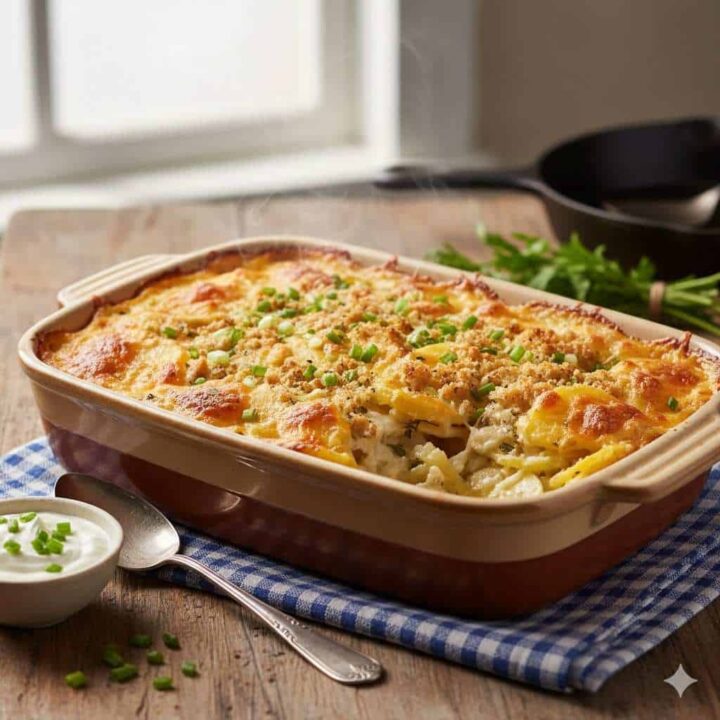
The Best Potato Casserole Recipe
Image credit: Google Gemini
Ingredients
- 2½ lbs Yukon Gold potatoes
- 1½ cups heavy cream
- ½ cup whole milk
- 3 tbsp unsalted butter, melted
- 2 cups shredded cheese (Gruyère + sharp cheddar)
- 1 small onion, finely diced
- 3 cloves garlic, minced
- 1 tsp kosher salt, plus more to taste
- ½ tsp black pepper
- ½ tsp smoked paprika
- Fresh thyme or chives (optional but encouraged)
- Key phrase: Every ingredient has a job. None are freeloading.
Instructions
Step 1: Prep the Potatoes
Wash and peel (or don’t—your call). Slice evenly. Toss them lightly with salt and let them sit while you prep the sauce. This draws out excess moisture.
Key point: Season early. Potatoes are sponges.
Step 2: Build the Creamy Base
In a bowl, whisk together:
- Cream
- Milk
- Melted butter
- Garlic
- Onion
- Salt, pepper, smoked paprika
This isn’t just liquid—it’s flavor delivery system #1.
Step 3: Assemble Like You Mean It
Butter the baking dish. Layer potatoes evenly, slightly overlapping. Pour some sauce. Sprinkle cheese. Repeat.
Finish with:
- Remaining sauce
- A generous cheese layer
- Fresh herbs if using
Key phrase: Layers matter. Dumping everything in does not count as cooking.
Step 4: Bake to Perfection
Cover tightly with foil
Bake at 375°F (190°C) for 45 minutes
Remove foil and bake another 25–30 minutes until golden and bubbling
Let it rest 10–15 minutes before serving. I know it’s hard. Trust me.
Key point: Resting lets the sauce set instead of running away.
Featured image credit: @carlsbadcravings
