
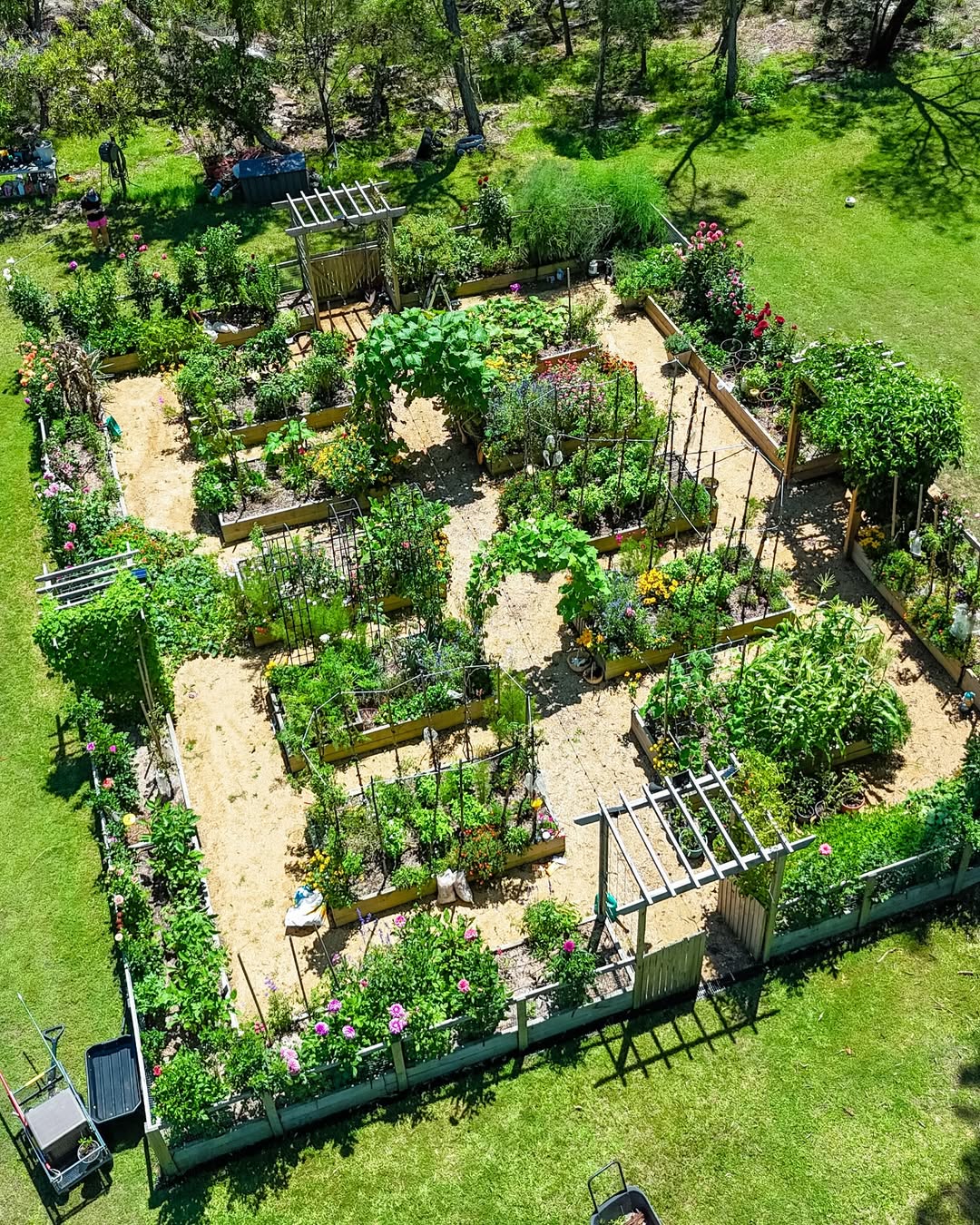
Pulling a rack of ribs off the smoker tastes even better when the rub comes straight from your backyard.
Not the store.
Not a plastic shaker bottle.
Not a mystery blend with anti-caking agents you can’t pronounce.
Your yard.
I’ve been cooking low and slow for years, and somewhere between my third brisket obsession and my fifth argument about wood choice, I realized something: if we pitmasters care this much about smoke and fire, why are we outsourcing the flavor?
That’s when I decided to grow your own BBQ ingredients.
And let me tell you – once you taste a sauce made from tomatoes you grew, sweetened with your own honey, spiked with peppers you dried yourself… you don’t go back.
This isn’t homesteading cosplay.
This is flavor independence.
Let’s dig in.
What It Means to Be a Self-Reliant Pitmaster
Being a pitmaster is already about control.
You control:
- The fire
- The airflow
- The timing
- The patience
So why not control the ingredients too?
At its core, being self-reliant means this:
You take ownership of your flavor.
Historically, barbecue was born out of necessity. People preserved meat with smoke because they had to. They grew what they ate. They used what was available.
Modern grocery stores are convenient. But they also disconnect us from flavor at its source.
When you grow your own BBQ ingredients, three big things happen:
- Flavor gets louder.
- Costs go down over time.
- You start thinking like a producer, not just a consumer.
And trust me – once you’ve tasted sun-ripened tomatoes cooked down into sauce the same day they’re picked, you’ll understand why grocery store sauce tastes… polite.
We don’t want polite.
We want bold.
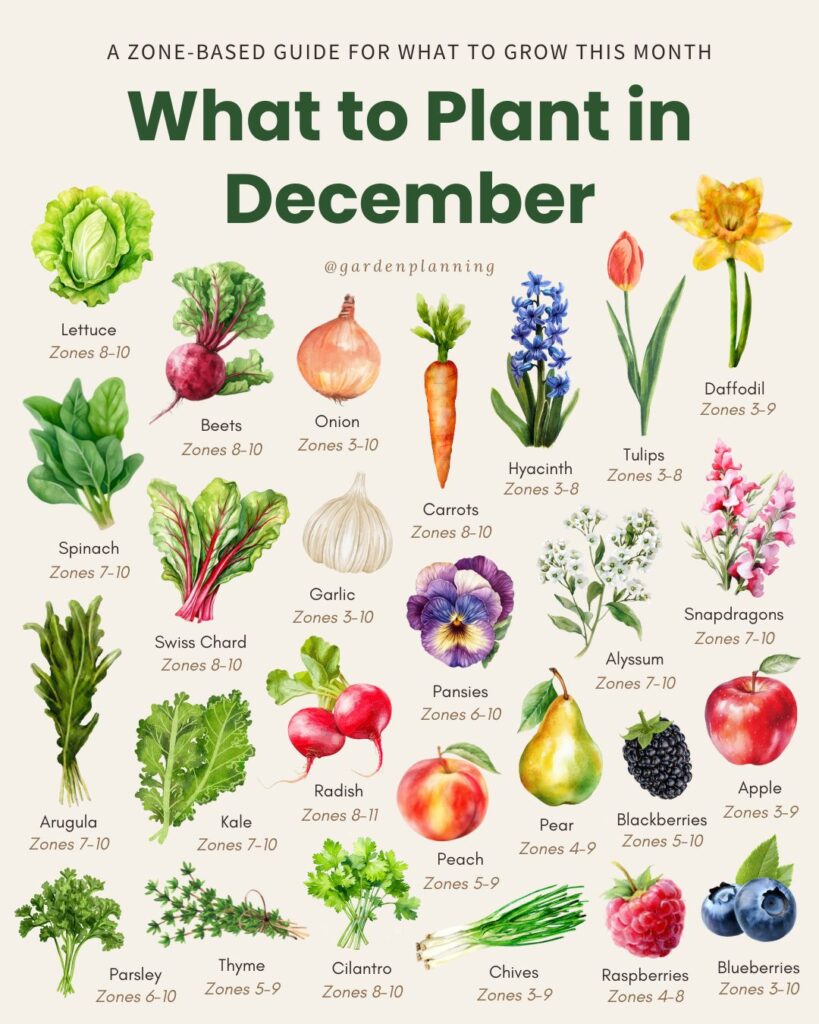
The Essential BBQ Ingredients You Can Grow at Home
Let’s start with the building blocks.
You don’t need 10 acres. You don’t need overalls. You don’t need to churn butter.
You need sunlight and intention.
Peppers: The Backbone of Heat
If you only grow one thing, grow peppers.
Peppers are:
- Easy
- Productive
- Flavor-packed
- Perfect for drying
Start with:
- Jalapeños
- Cayenne
- Bell peppers
- Thai chilies if you like danger
They need:
- 6–8 hours of sun
- Well-draining soil
- Consistent watering (not swamp conditions)
Here’s the magic part.
When you dry your own cayenne peppers and grind them into powder, the heat isn’t just hot. It’s complex. It has aroma. It smells alive.
Store-bought cayenne smells like dust.
Homegrown smells like a dare.
Dry them whole.
Hang them.
Or use a dehydrator.
Then grind them and make your own chili blend.
That’s when you realize you’re not just cooking.
You’re crafting.
Aromatic Herbs: The Rub Elevators
Herbs are where BBQ gets interesting.
Rosemary.
Thyme.
Oregano.
Sage.
Cilantro.
These are the notes behind the bassline.
And herbs are forgiving. They’ll grow in raised beds, pots, even old buckets if you drill drainage holes.
A few key tips:
- Harvest in the morning for strongest flavor.
- Dry them in bundles upside down.
- Store in airtight jars away from light.
When you grow your own BBQ ingredients, dried herbs become something else entirely.
They’re fresher.
Stronger.
Cleaner.
And when you crush dried thyme from your yard into a pork rub? The aroma hits like fresh-cut grass and wood smoke had a baby.
Garlic and Onions: The Flavor Foundation
If peppers are the fire, garlic and onions are the structure.
Garlic is surprisingly easy. Plant cloves in fall or early spring. Let them grow. Harvest when the tops dry out.
Cure them in a dry place for two weeks.
Then braid them if you’re feeling rustic and dramatic.
Onions need patience, but they store beautifully.
The payoff?
You can make a rub or sauce that is entirely yours from the ground up.
No powdered shortcuts.
No pre-minced jars.
Just real flavor.
Sweeteners: Nature’s Balance
BBQ needs balance.
Heat.
Smoke.
Acid.
Sweet.
Depending on your climate, you can experiment with:
- Sugarcane (tropical areas)
- Beekeeping for honey
- Maple (if you’re in the right region)
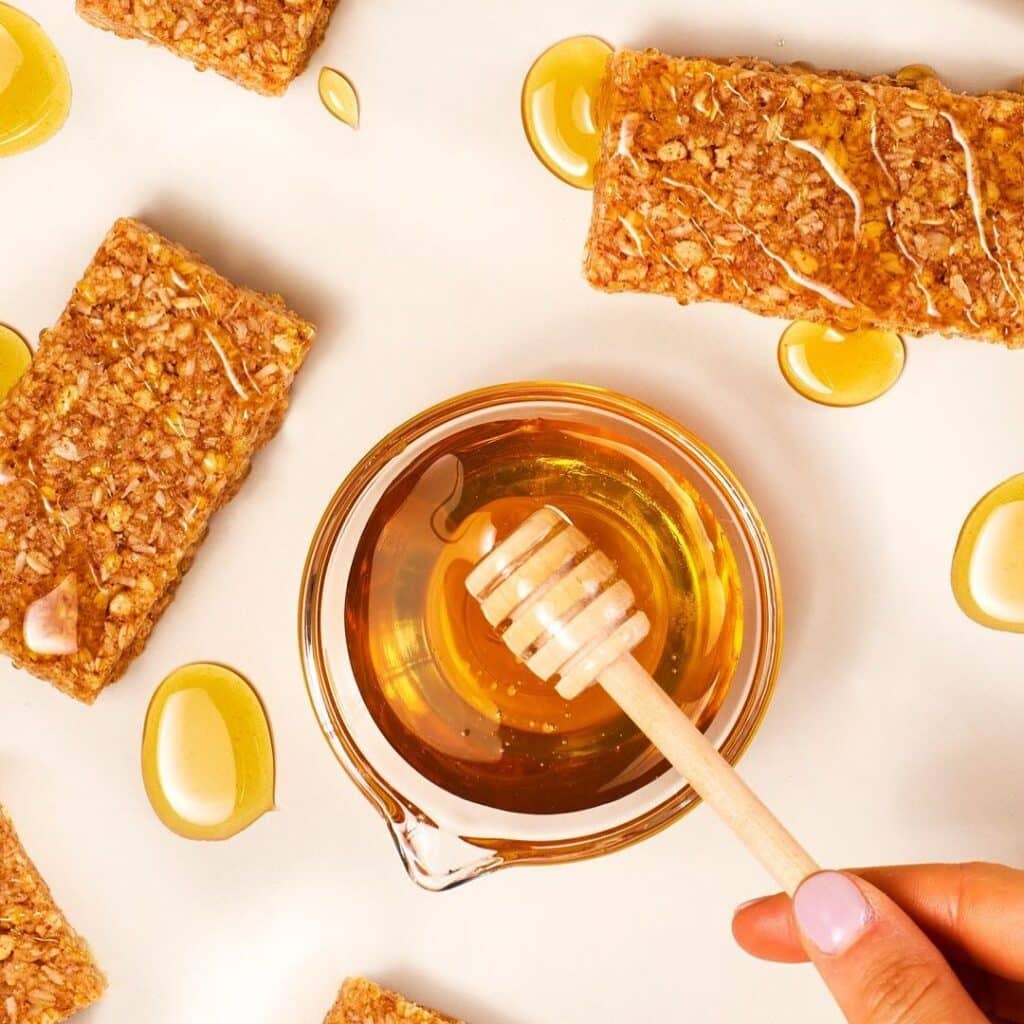
I added two hives a few years ago.
The first time I glazed ribs with my own honey, I stood there like I’d just invented fire.
Was it dramatic?
Yes.
Was it deserved?
Also yes.
Building a BBQ Sauce from the Soil Up
Let’s talk sauce.
Because sauce is personality.
Tomatoes: The Real MVP
If you want to grow your own BBQ ingredients, tomatoes are non-negotiable.
Go with:
- Roma for thick sauces
- San Marzano types
- Any paste tomato variety
They love sun.
They love warmth.
They hate soggy roots.
Stake them. Prune them. Talk to them if you want. I won’t judge.
When they ripen, don’t refrigerate them.
Cook them down immediately with:
- Garlic
- Onions
- Peppers
- Honey or sugar
Simmer low. Let it reduce. Taste as you go.
You’ll notice something wild.
It doesn’t need much adjustment.
Because it tastes like summer.
Fermented Heat: Next-Level Flavor
Want depth?
Ferment your peppers.
It’s simple:
- Chop peppers
- Submerge in saltwater brine
- Let sit 1–2 weeks
Natural bacteria do their thing.
The result?
Tangy. Funky. Complex heat.
Blend it into sauces or use it straight.
Now you’re not just grilling.
You’re experimenting.
Smoke Flavor Starts Before the Fire
Most people obsess over rubs and forget the smoke.
But here’s a truth bomb:
The smoke is the seasoning.
You can grow your own smoking wood.
Fruit trees like:
- Apple
- Cherry
- Peach
Prune branches. Let them season (dry) for 6–12 months.
Never use treated or painted wood.
Never use unknown scrap lumber.
Herbs like rosemary can also be bundled and tossed onto coals for aromatic bursts.
It adds layers.
And layers win championships.
Planning Your BBQ Garden Like a Pitmaster
Don’t just plant randomly.
Plan like you plan a cook.
Ask yourself:
- What do I use most?
- What grows well in my climate?
- What can I preserve easily?
Start small.
Peppers.
Tomatoes.
Garlic.
Two herbs.
That’s enough to drastically improve your BBQ.
Location Matters
Your garden needs:
- 6–8 hours of sunlight
- Good drainage
- Airflow
Raised beds are great. Containers work too.
If you’ve got a balcony, you’ve got a garden.
No excuses.
Harvesting and Preserving for Year-Round Flavor
Growing is step one.
Preserving is where self-reliance kicks in.
Drying
Perfect for:
- Herbs
- Peppers
Air dry or use a dehydrator.
Store in glass jars.
Freezing
Chop peppers and freeze flat in bags.
They’ll soften when thawed, but they’re perfect for sauces.
Canning
If you make large batches of sauce, learn proper canning safety.
It’s worth it.
When you open a jar of your own sauce in winter and brush it onto ribs?
That’s time travel.
The Cost and Sustainability Angle
Let’s be real.
Groceries are expensive.
Especially premium BBQ ingredients.
When you grow your own BBQ ingredients, you:
- Reduce packaging waste
- Avoid pesticide residues
- Lower long-term costs
- Gain food security
Initial investment might run a couple hundred bucks.
But after that?
Seeds are cheap.
Flavor is priceless.
Beginner Pitmaster Garden: 90-Day Plan
If you’re new, here’s your starting lineup:
- 2 pepper plants
- 2 tomato plants
- Garlic
- Rosemary
- Thyme
Month 1: Plant and establish.
Month 2: Maintain and fertilize lightly.
Month 3: Harvest early herbs and first peppers.
Keep it manageable.
Don’t plant 30 things and burn out.
BBQ is about patience.
So is gardening.
Companion Planting for a Thriving BBQ Garden
Growing your own BBQ ingredients isn’t just about planting seeds. Companion planting can:
- Boost flavor
- Repel pests naturally
- Increase yield
Some classic combinations:
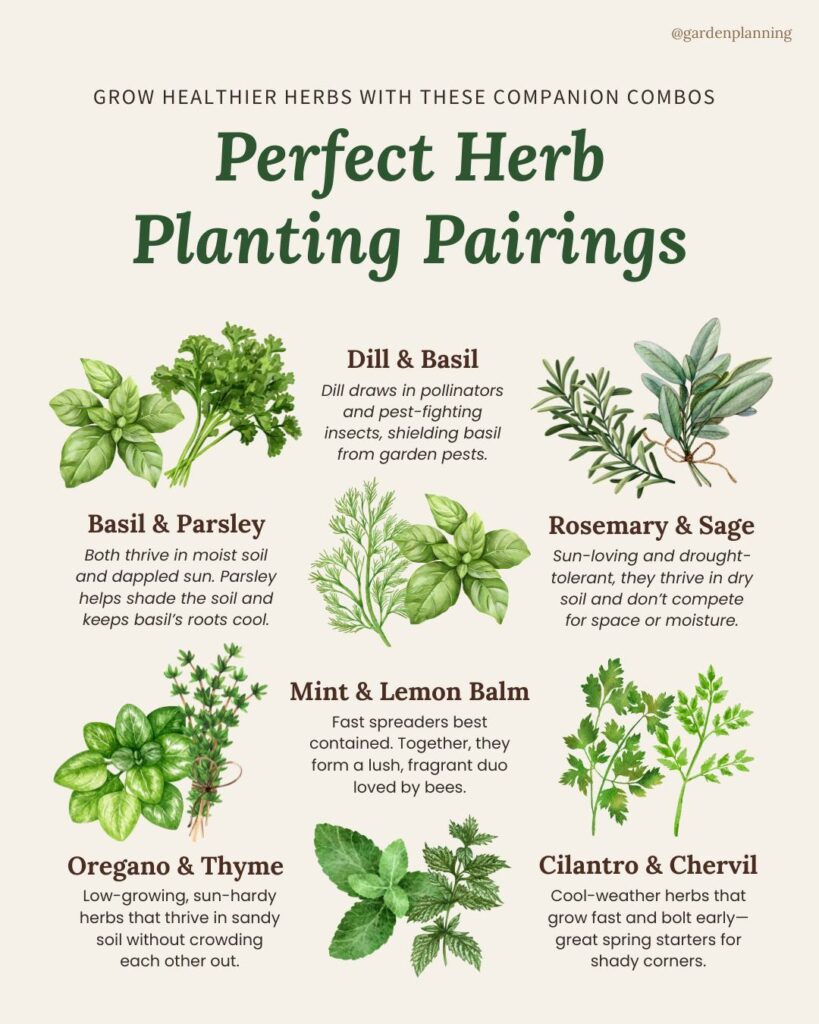
- Basil near tomatoes – enhances growth, adds flavor, and deters aphids
- Marigolds near peppers – keep unwanted insects away
- Chives around garlic – improves overall soil health
- Nasturtiums – attract beneficial insects
Think like a pitmaster: your garden should be a well-orchestrated flavor system. Each plant supports another, just like every layer of rub or sauce complements your meat.
The payoff is:
- More robust herbs
- Spicier peppers
- Healthier, tastier produce
Companion planting is basically seasoning your garden before the smoke even hits.
DIY BBQ Smoker Enhancements with Homegrown Ingredients
Once you grow your own BBQ ingredients, don’t stop at rubs and sauces. You can enhance smoke flavor directly in your smoker:
- Bundle herbs – rosemary, thyme, or sage for a herbal aromatic kick
- Dried peppers – add subtle heat while smoking meat
- Fruit peels – apples, peaches, citrus for sweet, tangy smoke
- Homemade wood chips infused with herbs – perfect for brisket or ribs
Using these DIY enhancements turns ordinary smoke into a complex, layered flavor profile.
When you combine:
- Homegrown wood
- Herbs
- Dried peppers
…it’s almost like your garden is cooking with you. Your smoker becomes a lab, and your ingredients are the secret experiments that elevate your BBQ to championship level.
Microgreens and Baby Leaves for Garnishing BBQ Plates
Not all BBQ ingredients have to go into rubs or sauces. Microgreens and baby leaves can elevate your plates:
- Tiny but mighty – intense flavor, color, and texture
- Fast-growing – harvest in 10–14 days
- Space-saving – perfect for urban gardens or balconies
- Indoor-friendly – keep your kitchen green during cooler months
Imagine:
- Smoked brisket garnished with baby basil, arugula, or cilantro sprouts
- Freshness contrasting beautifully with slow-cooked meat
Using microgreens shows attention to detail and turns BBQ from casual grilling into a visually stunning, flavor-rich dining experience.
Homemade BBQ Marinades with Garden Citrus and Herbs
Marinades are where your homegrown ingredients shine. Fresh produce creates layers of flavor that store-bought products can’t match:
- Citrus – lemons, limes, kumquats for fresh acidity
- Herbs – rosemary, thyme, oregano for depth
- Garlic & peppers – minced or diced from your garden for heat and aroma
- Fermented ingredients – homemade hot sauce or pickled jalapeños for tang
Why it works:
- Zesty oils from just-picked herbs and citrus interact differently with protein
- Gives your meat a vibrant, alive flavor
- Turns each bite into a story of your garden’s influence
Freshness isn’t just taste – it’s a signature only your garden can provide.
DIY Infused Oils and Vinegars for BBQ Brushing
Here’s a pitmaster secret: infused oils and vinegars amplify flavor beyond rubs and sauces.
How to use them:
- Oils – brush with rosemary, thyme, garlic, or dried peppers before and during cooking
- Vinegars – infuse with chilies, citrus zest, or herbs for a tangy mop on ribs or pulled pork
Why they’re worth it:
- Concentrated flavor and precise control
- Adjustable intensity, balance, and aroma
- Versatile – drizzle on grilled veggies or brush on fish
Making infused oils and vinegars extends your garden’s influence into every dish, giving every bite a subtle homegrown signature.
Growing Edible Flowers for Unique BBQ Flavor and Presentation
BBQ isn’t just meat and smoke. Edible flowers add both flavor and flair:
- Flowers like nasturtiums, marigolds, or calendula can grow alongside herbs
- Flavors range from peppery to citrusy
- Perfect for garnishing pulled pork, brisket, or smoked chicken
- Can be used in infused syrups, vinegars, or glazes
Imagine: a honey glaze infused with nasturtium petals from your own garden.
- Eye-catching, memorable, and entirely homegrown
- Pushes your BBQ beyond traditional flavor profiles
- Shows that a self-reliant pitmaster thinks about taste and presentation
Common Mistakes (I’ve Made Them All)
Overwatering.
Planting too much.
Ignoring soil quality.
Not preserving surplus.
Biggest mistake?
Thinking you need perfection.
You don’t.
You need effort.
Even imperfect homegrown ingredients beat store-bought blandness.
From Garden to Grill: The Full Circle Plate
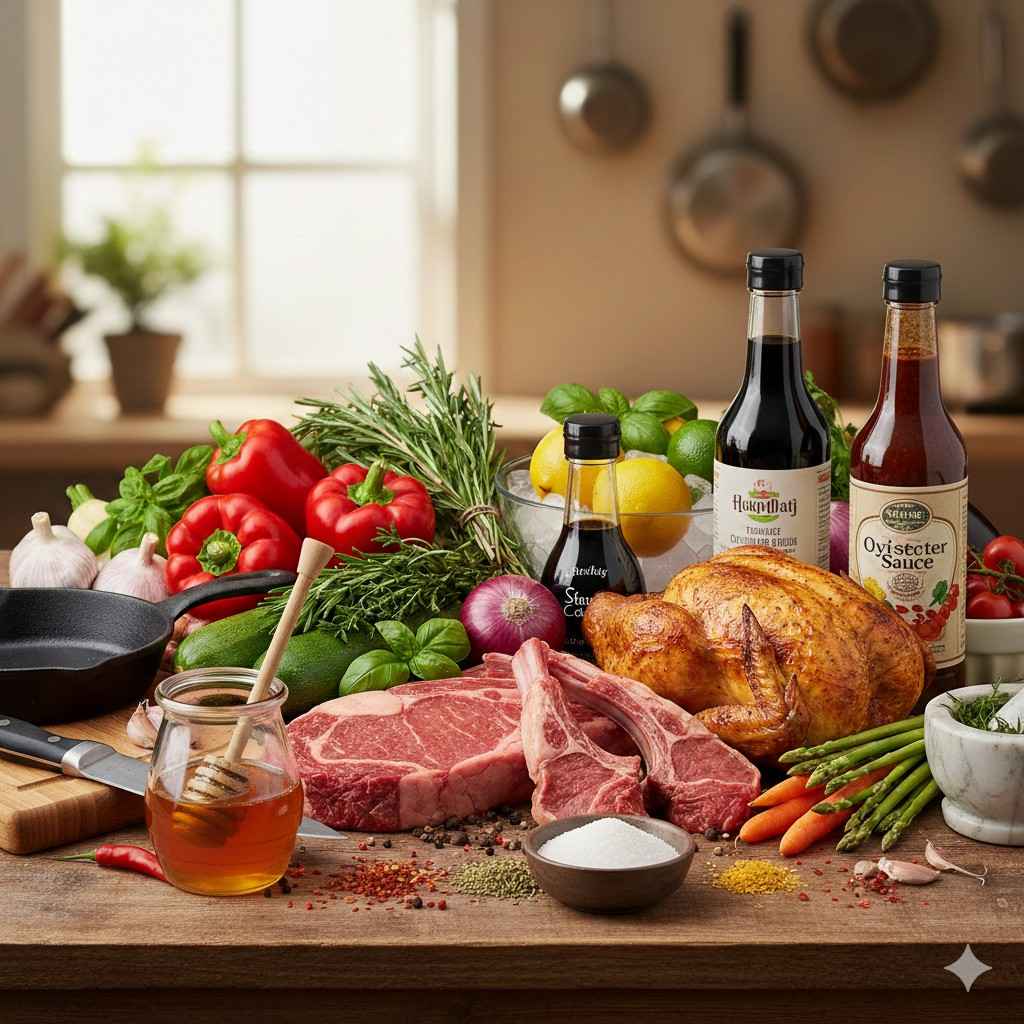
Imagine this:
- Pork ribs smoked over apple wood from your yard
- Rub made from dried thyme, cayenne, and garlic you grew
- Sauce built from your tomatoes and fermented peppers
- Honey glaze from your hive
That’s not just dinner.
That’s independence.
That’s craft.
That’s the evolution of a pitmaster.
FAQ: Grow Your Own BBQ Ingredients
1. What does it mean to be a self-reliant pitmaster?
Being a self-reliant pitmaster means taking control of more than just the fire. You grow your own herbs, peppers, and other ingredients, create your rubs and sauces from scratch, and even experiment with smoking techniques. It’s about flavor independence and knowing exactly what goes into every bite.
2. Which BBQ ingredients are easiest to grow at home?
Some of the easiest and most rewarding include:
- Peppers – jalapeños, cayenne, bell peppers
- Herbs – rosemary, thyme, oregano, basil
- Garlic and onions – simple to plant and store
- Tomatoes – ideal for homemade sauces
These thrive in pots, raised beds, or small garden plots, making them perfect for beginners.
3. Can I grow BBQ ingredients in a small space or urban garden?
Absolutely. Microgreens, herbs, peppers, and even some small tomato varieties work well in containers, balconies, or window boxes. You can also grow fast-harvest crops like baby leaves and edible flowers indoors during cooler months.
4. How do I preserve my homegrown ingredients for year-round BBQ?
Preservation options include:
- Drying – herbs and peppers
- Freezing – peppers, herbs, even small tomatoes
- Canning – sauces, fermented peppers, pickles
- Infused oils and vinegars – add long-lasting flavor
Proper storage keeps your ingredients fresh and ready to use anytime.
5. Can I use homegrown ingredients in my smoker directly?
Yes! Herbs like rosemary, thyme, and sage can be bundled and tossed onto hot coals. Dried peppers and fruit peels (apples, peaches, citrus) add unique smoke flavors. You can even create herb-infused wood chips to elevate your BBQ.
6. Are edible flowers really useful for BBQ?
Definitely. Edible flowers like nasturtiums, marigolds, and calendula add subtle flavors ranging from peppery to citrusy. They work as garnishes, glazes, or infused syrups. They make your plates visually stunning while boosting flavor layers.
7. Do I need special tools to grow my own BBQ ingredients?
Not really. Most of what you need is basic:
- Pots or raised beds
- Good soil and compost
- Sunlight (6–8 hours)
- Simple watering tools
Optional extras like a dehydrator or canning kit help with preservation but aren’t required to start.
8. How long does it take to see results from a backyard BBQ garden?
- Microgreens – 10–14 days
- Herbs – 30–60 days
- Peppers and tomatoes – 60–90 days
- Garlic – 6–8 months
Even small, early harvests can transform your BBQ flavor and motivate you to expand your garden.
9. Will homegrown ingredients really taste better than store-bought?
Absolutely. Freshly harvested herbs, peppers, and tomatoes have more vibrant aroma, flavor, and intensity than pre-packaged products. The difference is noticeable in rubs, marinades, and smoked meats – and it’s often the first thing your guests will comment on.
10. Can I make sauces, rubs, and marinades entirely from my garden?
Yes! By combining homegrown herbs, garlic, peppers, tomatoes, and even fermented ingredients, you can create rubs, marinades, and sauces entirely from scratch. It’s the ultimate step in becoming a self-reliant pitmaster.
Final Thoughts: One Harvest at a Time
You don’t become self-reliant overnight.
You start with one plant.
One harvest.
One homemade jar of sauce.
And suddenly you’re looking at your backyard differently.
Not as grass.
But as potential.
When you grow your own BBQ ingredients, you change your relationship with food.
You cook with more intention.
You waste less.
You taste more.
And most importantly?
You build something.
Not just flavor.
But skill.
Now fire up the smoker.
And plant something worth smoking for.
Featured image credit: @brecklyn_house
