
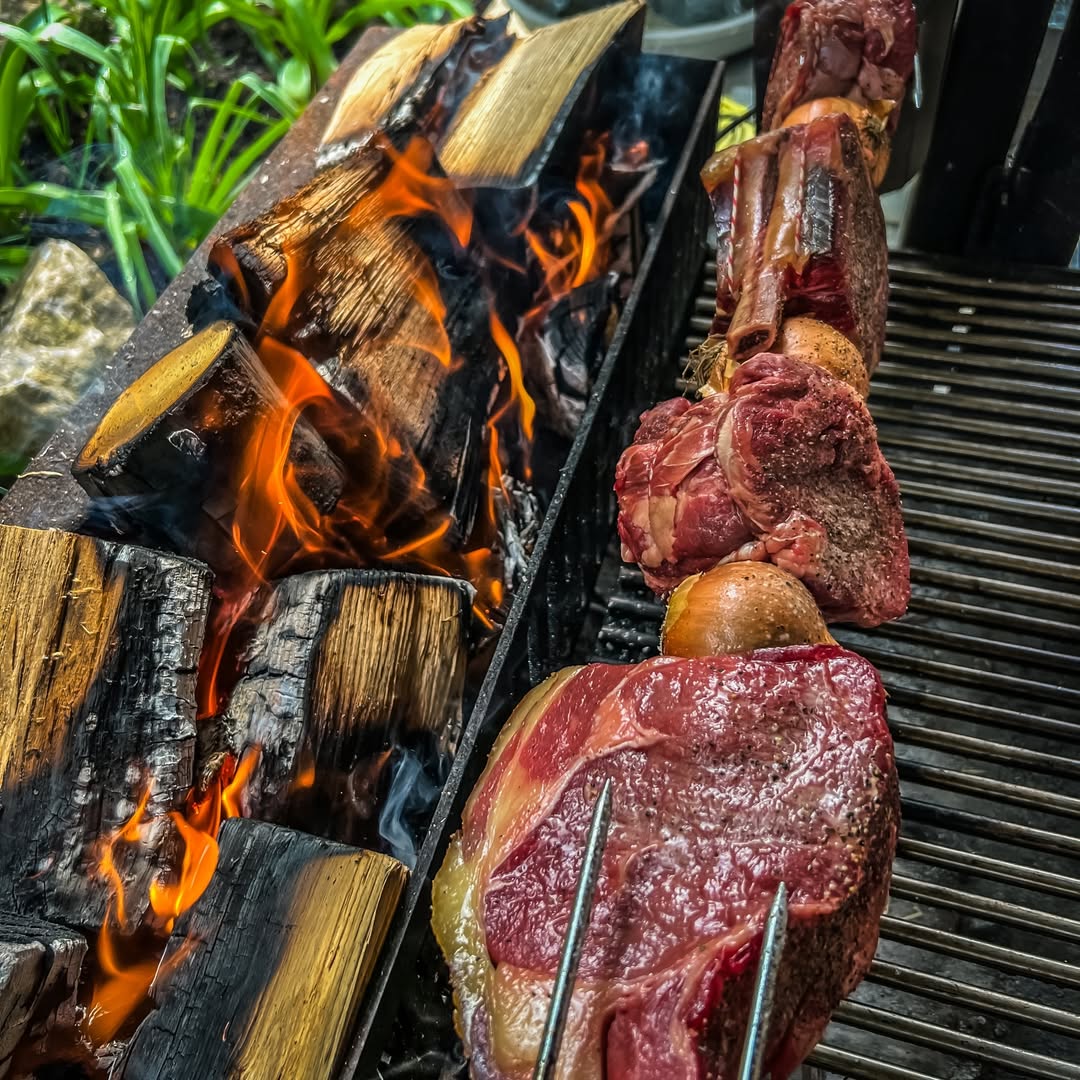
Grilling game meat is a special kind of culinary adventure. Unlike your everyday steak, venison, elk, and other wild game demand a little more attention, respect, and a touch of finesse.
They’re lean, flavorful, and sometimes temperamental – but when done right, they reward you with flavors that make your backyard grill feel like a five-star smokehouse.
As a pitmaster who’s spent years juggling charcoal, wood smoke, and the occasional stubborn venison loin, I’ve learned that grilling game meat is more science than luck, but it doesn’t have to be intimidating.
Here’s your complete guide to getting it right, from picking the right cut to serving it like a pro.
Understanding Game Meat
Before you even fire up the grill, it helps to know what makes game meat different from the usual grocery-store cuts.
Game meat is leaner. Wild deer, elk, bison, and boar carry less fat than farm-raised beef. Fat equals flavor and moisture, so when you grill game, you need to handle it gently – overcooking is your worst enemy.
It’s bolder in taste. Game meat has a rich, earthy flavor. Think “forest on a plate.” That’s fantastic if you love complex flavors, but it can intimidate a first-timer.
Types of game meat commonly grilled include:
- Venison – Sweet, tender, and versatile, but easy to overcook.
- Elk – Slightly sweeter than venison, big on protein, lean.
- Bison – Earthy, juicy, great for steaks and burgers.
- Wild boar – Rich, slightly gamey, needs slower cooking for tender results.
And don’t forget the health angle: game meat is high in protein, low in fat, and packed with minerals, making it not just tasty but nutritionally smart.
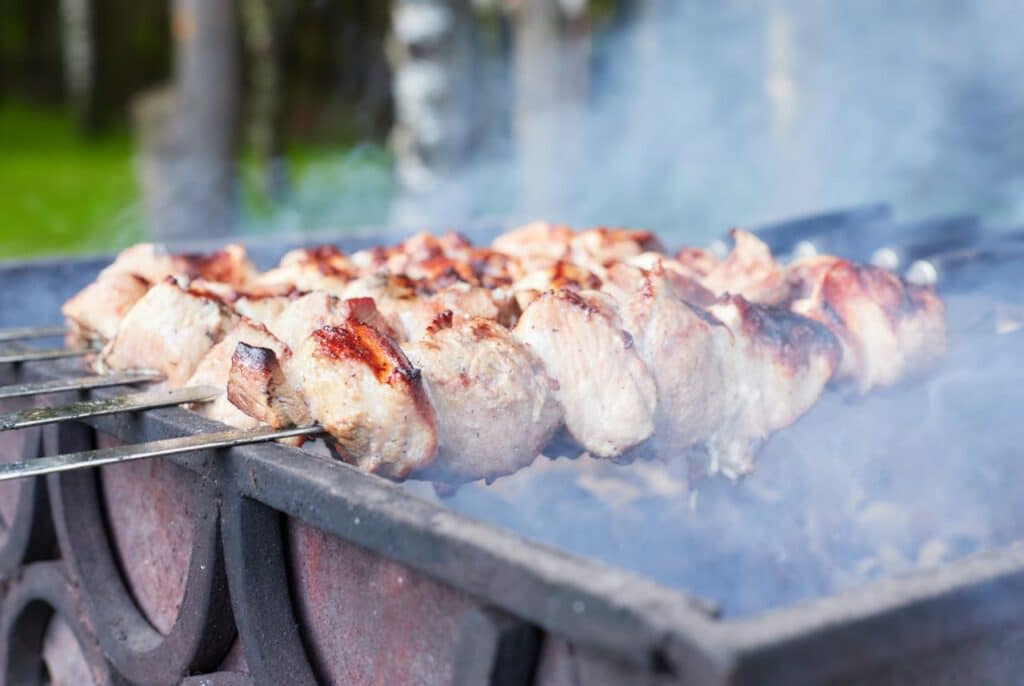
Preparing Game Meat for Grilling
Here’s where many people make mistakes. Game meat is like that talented friend who needs a little encouragement – you can’t just toss it on the grill and hope for the best.
1. Selecting Quality Cuts
Tender cuts like loin or tenderloin are perfect for fast grilling, while tougher sections like shoulder or shank are better for slow, smoky cooking. When choosing meat, look for even color, minimal connective tissue, and firm texture.
2. Trimming and Cleaning
Silver skin and sinew are the villains of game meat. Removing them is crucial – it prevents toughness and helps marinades penetrate. A sharp knife and a little patience go a long way.
3. Marinating vs. Dry Rubs
- Marinades help retain moisture and soften lean meats. A mix of olive oil, acid (vinegar or citrus), herbs, and spices works wonders.
- Dry rubs are all about flavor intensity. Salt, pepper, garlic, smoked paprika, and a hint of brown sugar can turn a venison steak into a backyard masterpiece.
Pro tip: even a short 2-hour marinade can elevate the flavor if you’re short on time.
Brining Game Meat for Maximum Juiciness
Brining is often overlooked in grilling venison, elk, and other game meat, but it’s a game-changer. Here’s how to make it work:
- Add moisture and flavor without masking the natural taste.
- Lean cuts like venison loin: 2–4 hour soak prevents dryness.
- Enhance flavor with sugar, herbs, and spices – juniper berries, rosemary, garlic.
- Balances the strong “gamey” taste, making it approachable for first-time diners.
- Rinse and pat dry before grilling to achieve a perfect sear crust.
Think of brining as a backstage pass – it gets the meat ready for the spotlight. Done right, every bite will be tender, juicy, and bursting with flavor.
Restoring Moisture in Overcooked Game Meat
Even experienced pitmasters sometimes overcook game meat. Don’t panic – there’s a fix:
- Slice thinly and serve with a moist sauce or gravy to mask dryness.
- Wrap in foil with broth or butter, and let sit on indirect heat for a few minutes to reabsorb moisture.
- Pair with juicy sides like grilled vegetables or fruit-based chutneys.
- Think of overcooked meat as a creative opportunity, not a failure.
Sometimes a small salvage operation leads to unexpected flavor pairings that become a signature dish.
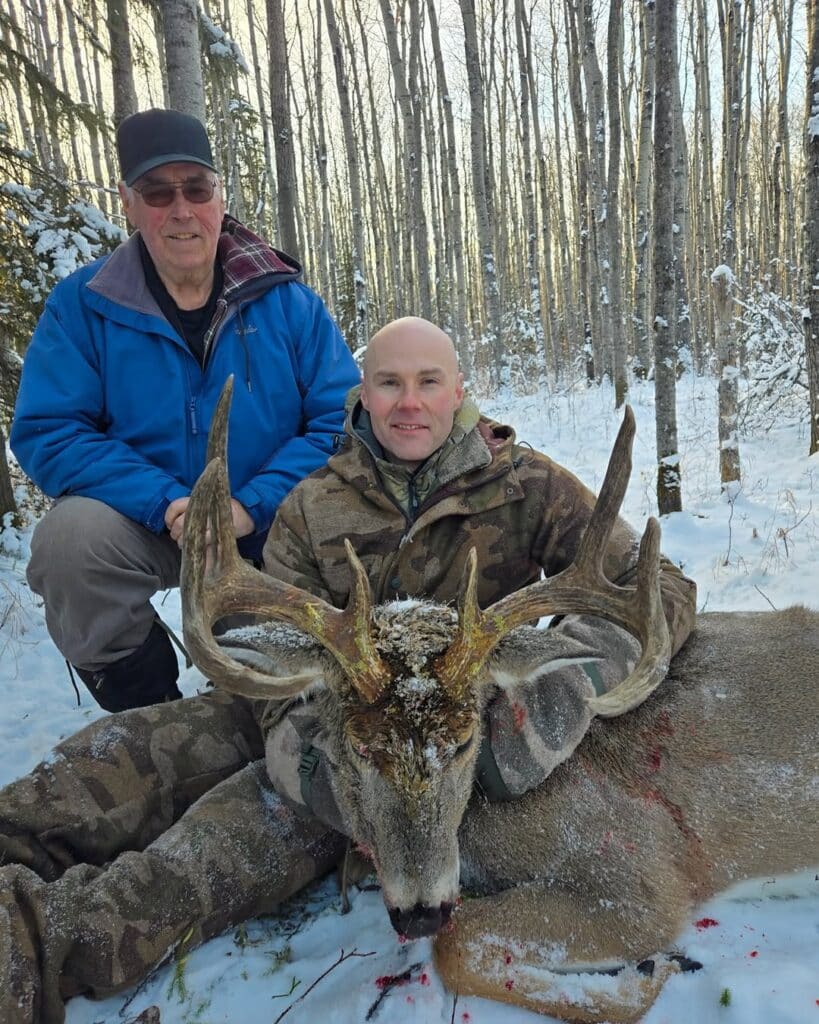
The Role of Fat in Game Meat Cooking
Game meat is naturally lean, so understanding fat is essential:
- Venison and elk have minimal intramuscular fat, which can dry out quickly.
- Add external fat: brush with olive oil or butter, or wrap lean cuts in bacon.
- Fat acts as a flavor carrier, enhancing herbs, spices, and smoke.
- Avoid relying solely on natural fat – think of it as a seasoning tool.
With the right approach, you can enhance tenderness, deepen flavor, and get a beautiful sear without overpowering the natural essence of your game meat.
Using Wood Smoke to Elevate Game Meat Flavor
Smoke is the secret weapon for wild game grilling:
- Hickory → rich, savory notes
- Applewood → subtle sweetness
- Mesquite → bold, earthy punch
- Lean game absorbs smoke intensely, so moderation is key.
- Short smoke sessions (20–30 minutes for venison) before searing avoid bitterness.
- Smoke adds visual appeal – a gorgeous dark edge signals pitmaster skill.
Treat smoke like seasoning: intentional, balanced, and experimental. It’s a quick way to turn simple cuts into something unforgettable.
Grilling Game Meat with a Reverse Sear
The reverse sear is a pitmaster favorite, especially for lean cuts:
- Slow-cook indirectly at low heat until almost done.
- Finish with a hot, direct sear for a caramelized crust.
- Perfect for venison tenderloin or elk steaks, staying juicy inside, crispy outside.
- Adding herbs, butter, or garlic during the sear amplifies flavor.
- Reduces the risk of overcooking lean meat.
Think of it as the best of both worlds: slow, gentle cooking for tenderness and high-heat finishing for a pitmaster-worthy presentation.
Pairing Game Meat with Fruits for Natural Sweetness
Game meat’s earthy flavor pairs beautifully with fruit:
- Berries, apples, citrus balance richness and add depth.
- Try a cranberry glaze on venison, apple reduction with elk, or grilled peaches with bison.
- Fruit acidity cuts through lean meat’s intensity, making it more approachable.
- Grilled fruit caramelizes, adding smoky sweetness and texture contrast.
This isn’t just flavor – it creates a dynamic taste experience, exciting for both novice and seasoned eaters.
Resting Time vs. Slicing Techniques
Resting and slicing make a huge difference in tenderness and juiciness:
- Rest for 5–10 minutes to allow juices to redistribute.
- Lean cuts like venison and elk benefit most.
- Always slice against the grain to shorten muscle fibers.
- Thicker cuts → consider cutting into medallions for even cooking and professional appearance.
Resting is more than a ritual – it’s the difference between dry bites and melt-in-your-mouth magic.
Grilling Game Meat for Beginners
If you’re new to venison or elk grilling, keep it simple:
- Use tender cuts, moderate heat, and short cook times.
- Avoid complex marinades at first; let natural flavor shine.
- Invest in a meat thermometer – your best friend.
- Start small, practice your sear, and taste as you go.
- Mistakes aren’t failures – they’re lessons for your next cook.
Lean game meat is forgiving if handled carefully, and practice builds grill confidence.
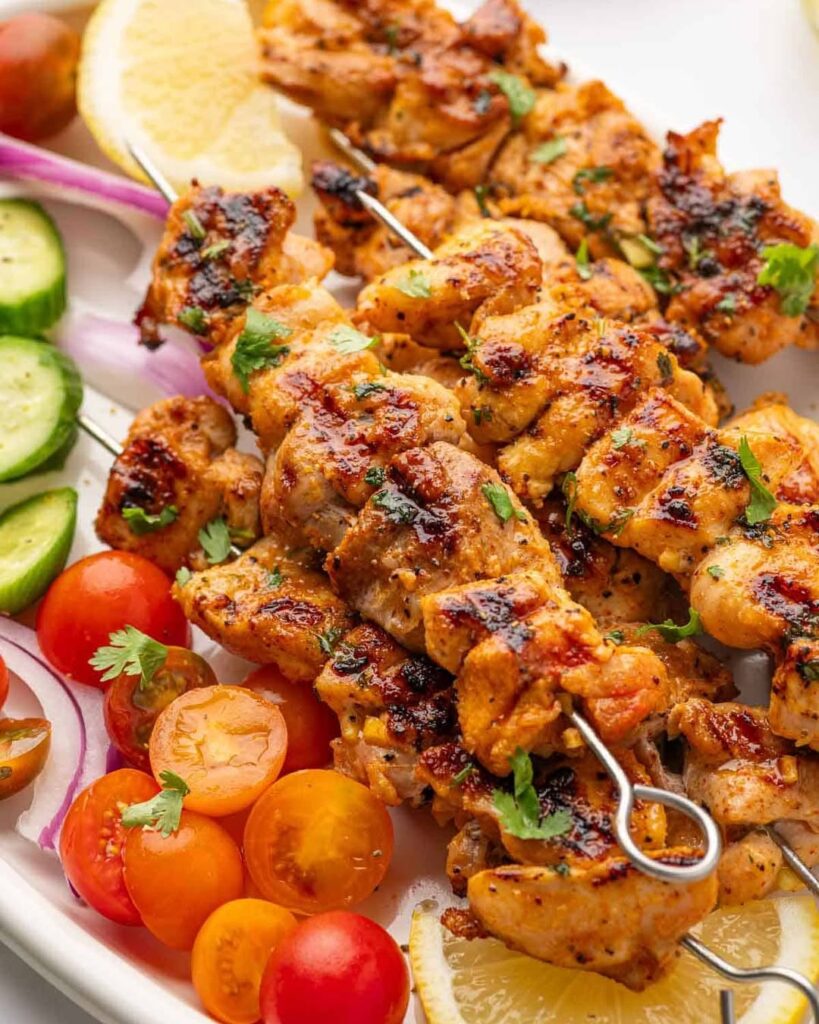
Creative Game Meat Skewers
Skewers are fun and visually appealing for game meat:
- Cut venison, elk, or bison into even cubes.
- Marinate briefly for flavor.
- Thread meat with vegetables or fruits.
- Grill over medium heat, turning frequently until edges char but meat remains tender.
- Great for introducing game meat to a crowd and controlling portion sizes.
Perfect for backyard gatherings, they’re as fun to eat as they are to serve.
Understanding the Gamey Flavor and How to Tame It
Not everyone loves wild meat’s punch, but it can be managed:
- Marinate in acidic solutions like vinegar, citrus, or wine.
- Pair with herbs, fruits, and smoke to balance intensity.
- Cooking methods matter: slow, indirect grilling yields milder flavor than quick, high-heat searing.
- Goal: enhance and harmonize, not mask natural flavor.
With the right approach, you can grill venison, elk, and bison that celebrates wild meat without scaring off guests.
Essential Grilling Techniques
Game meat is forgiving in some ways, terrifying in others. Treat it right, and it will sing. Cook it wrong, and you’ll be chewing leather.
Choosing the Right Grill and Fuel
- Charcoal brings that rustic smoke flavor.
- Wood chips or pellets add complexity – think hickory for venison, applewood for elk.
- Gas grills are convenient but can dry lean game; consider a smoke box to compensate.
Temperature Management
The lean nature of game meat means medium-high heat can be dangerous. A hot sear locks in juices, but prolonged exposure dries the meat quickly. Use indirect heat for thicker cuts and direct heat for quick sears.
Cooking Methods
- Searing is your friend. Hit the meat with high heat for a short time, then finish indirectly.
- Reverse sear is a pitmaster favorite: slow cook first, then finish with a hot sear to create a crust.
- Always use a meat thermometer: venison tenderloin should hit 125–130°F for medium-rare, elk slightly higher, wild boar closer to 145°F.
Avoiding Common Mistakes
- Overcooking is the classic pitfall. Remember: lean game = fast to dry out.
- Charring too aggressively can overpower natural flavors. Balance is key.
Flavor Pairings and Enhancements
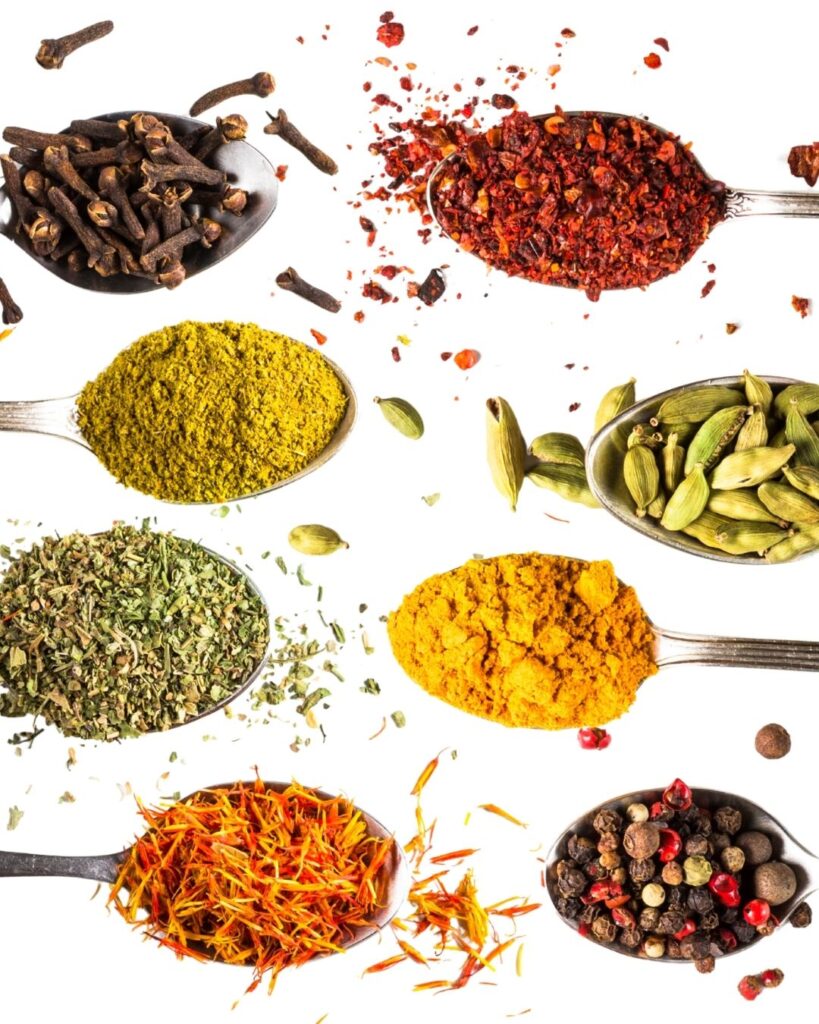
Game meat loves herbs, fruits, and smoke. The right combination can make even the most robust cuts sing.
Herbs and Spices
Rosemary, thyme, juniper, and garlic are your allies. They enhance without masking.
Sauces and Condiments
Berry sauces, wine reductions, and mustard-based glazes complement the natural flavors. Avoid anything too sugary or overpowering – it competes with the meat.
Side Dishes
Keep it earthy and simple: roasted root vegetables, wild rice, or grilled mushrooms. These flavors mirror the game’s forest-inspired taste.
Serving and Resting Game Meat
One of the most underrated steps: resting the meat. Let it sit for 5–10 minutes after grilling to allow juices to redistribute. Slice against the grain for tenderness.
Tip: thicker cuts like elk or venison medallions benefit from a gentle tent of foil while resting – keeps the heat without steaming.
Pair with a full-bodied red wine or a crisp craft beer to complete the experience.
Safety Tips When Grilling Game Meat
- Wash hands and surfaces thoroughly after handling raw game.
- Avoid cross-contamination with vegetables or ready-to-eat items.
- Always check internal temperatures: it’s easy to overcook but also dangerous to undercook wild boar or other game susceptible to parasites.
- Store leftovers in the fridge promptly. Game meat dries out faster than beef – wrap tightly.
Troubleshooting Common Issues
Even seasoned pitmasters have off days. Here’s how to fix common problems:
- Dry meat → brine beforehand or lower grill temperature.
- Tough texture → check for silver skin; slow cook if necessary.
- Overpowering “gamey” flavor → marinade in acidic base, pair with fruity sauces, or grill with wood smoke to mellow.
Remember, every animal is different. Treat the meat as a living story rather than a formula.
Frequently Asked Questions
1. What makes game meat different from beef or pork?
- Game meat is leaner and has less intramuscular fat, which makes it cook faster and more prone to drying out.
- It has a distinct, earthy flavor often described as “gamey,” which can be enhanced with herbs, smoke, or fruit.
- Nutritionally, game meat is high in protein, low in fat, and rich in minerals.
2. Should I marinate game meat?
- Yes! Lean cuts like venison or elk benefit from marinades to add moisture and tenderize the meat.
- Simple marinades include olive oil, vinegar or citrus, herbs, and spices.
- Even a short 2–4 hour soak can make a noticeable difference in tenderness and flavor.
3. How do I prevent game meat from drying out?
- Use a meat thermometer to monitor internal temperature.
- Brine lean cuts before grilling for extra moisture.
- Apply external fat, like olive oil or butter, or wrap in bacon.
- Avoid high heat for too long – lean game cooks quickly.
4. What is the ideal internal temperature for venison and elk?
- Venison tenderloin: 125–130°F for medium-rare
- Elk steaks: 130–135°F for medium-rare
- Wild boar or thicker cuts: 145°F minimum for safety
- Remember: rest meat after grilling to redistribute juices.
5. Can I use wood smoke with game meat?
- Absolutely! Smoke enhances flavor and adds visual appeal.
- Hickory = savory; applewood = subtle sweetness; mesquite = bold, earthy punch.
- Keep smoke sessions short for lean game to avoid bitterness (20–30 minutes is plenty for steaks).
6. What is the reverse sear method?
- Reverse sear = slow indirect cooking + hot direct sear
- Keeps lean cuts juicy inside while creating a caramelized crust outside.
- Perfect for venison tenderloin, elk steaks, and other delicate game cuts.
7. How do I make game meat less “gamey”?
- Marinate in acidic solutions like vinegar, citrus, or wine.
- Pair with fruits, herbs, or smoke to balance strong flavors.
- Slow, indirect grilling yields milder, more approachable flavors than quick, high-heat searing.
8. Can I grill tough cuts of game meat?
- Yes, but use slow, indirect cooking methods like roasting or low-and-slow smoking.
- Marinating or brining helps tenderize muscle fibers.
- For very tough cuts, slice thinly after resting or braise before grilling.
9. Are skewers a good way to grill game meat?
- Skewers are fun, fast, and visually appealing.
- Cube meat evenly, marinate briefly, and alternate with vegetables or fruit.
- Grill over medium heat, turning frequently until edges char but meat remains tender.
- Perfect for backyard gatherings or family meals.
10. Any tips for beginners grilling game meat?
- Start with tender cuts and moderate heat.
- Keep marinades simple to highlight natural flavor.
- Use a meat thermometer and practice resting and slicing.
- Lean game meat is forgiving if handled carefully—mistakes become lessons, not failures.
Hunting, Prepping and Grilling Game Meat is Fun Too!
Grilling venison, elk, and other game meat is part technique, part intuition, and part love for the craft.
Respect the lean nature, season intelligently, manage your heat, and give the meat its rest – it will reward you with deep, rich flavors that store-bought meat simply can’t match.
Every cut is a new adventure. Experiment, laugh at the occasional over-char, and savor every bite – you’re not just grilling meat, you’re bringing the wild to your plate.
Featured image credit: @huntergatherercooking
