
Every pitmaster has a moment of madness.
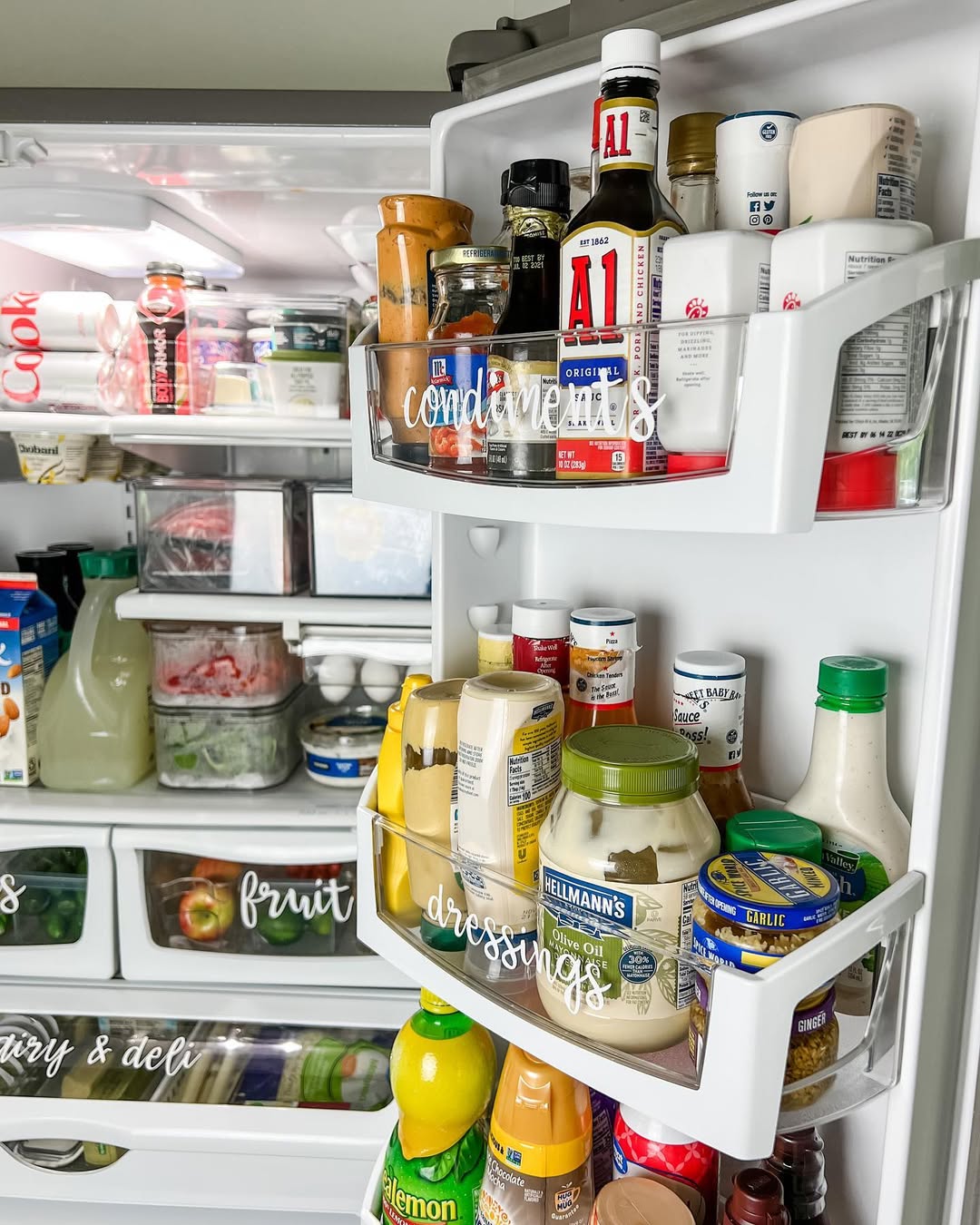
Mine started when I opened my fridge, stared at a pile of leftovers, half-used vegetables, and one questionable container of something I swore used to be pasta – and thought: What if I grilled all of this?
Not just the obvious stuff. I’m talking everything.
Veggies, fruits, cheese, leftovers, random odds and ends. If it lived in the fridge, it was fair game.
Now, grilling is usually treated like a meat-only club. Steak, burgers, ribs – great, sure. But fire doesn’t discriminate. Heat is heat. And when you understand it, you can turn almost anything into something better.
This wasn’t just a chaotic backyard experiment. It turned into a lesson in flavor, texture, and the surprising power of a grill.
Some foods came out incredible.
Some needed a little finesse.
And some… well, let’s just say the grill and I had disagreements.
Here’s what actually worked – and what absolutely didn’t.
The Rules of the Experiment
To keep things honest, I set a few ground rules.
First: if it came from the fridge, it went on the grill. No cherry-picking the “safe” options.
Second: no fancy prep. A little oil, maybe salt and pepper – but no full recipes. This wasn’t cooking. This was testing.
Third: everything had to face real grill conditions:
- Direct heat
- No babysitting like it’s a soufflé
- No hiding mistakes
And I judged each item on three things:
- Taste – Did it actually get better?
- Texture – Did the grill improve it or ruin it?
- Ease – Would a normal human try this again?
Also, quick note: I avoided anything unsafe. No raw flour experiments or mystery science projects. Even pitmasters have limits.
What Happens When You Grill Food?
Let’s talk about why grilling works in the first place.
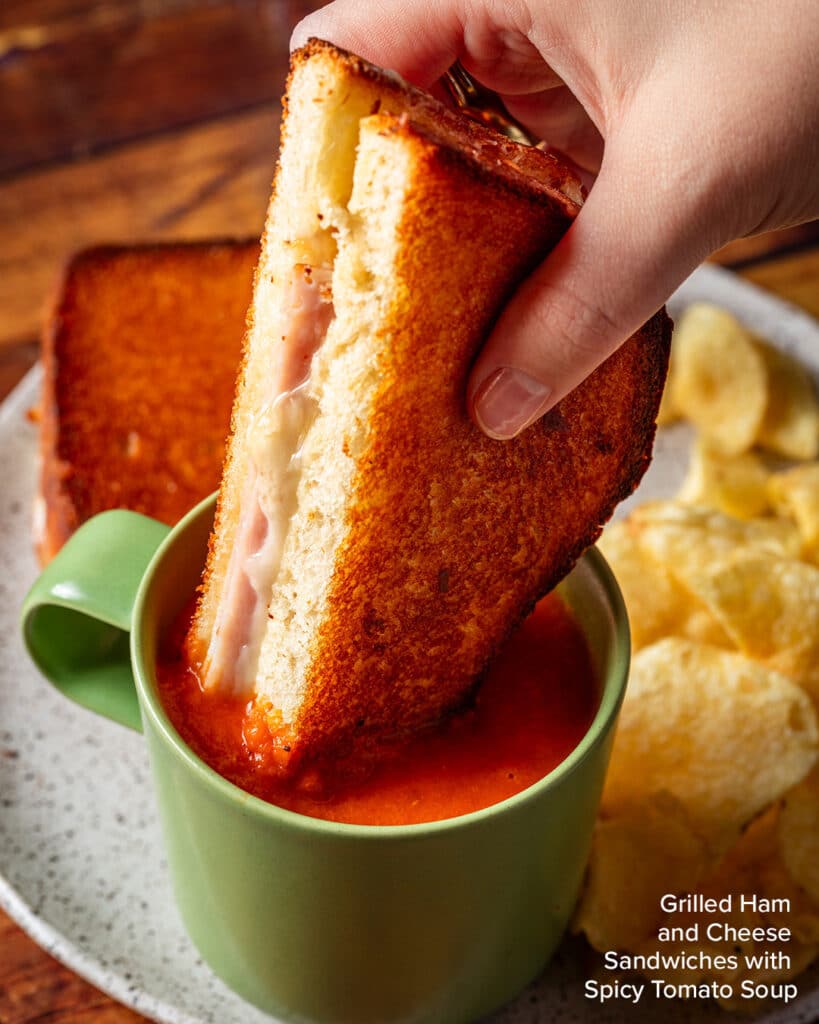
At high heat, food undergoes something called the Maillard reaction. That’s the magic behind the browning on steak, toasted bread, and those crispy edges on roasted vegetables. It creates deep, savory flavors that you just don’t get from boiling or microwaving.
Then there’s caramelization, which happens when sugars break down under heat. That’s why grilled pineapple tastes like dessert and onions turn sweet instead of sharp.
Here’s the simple version:
- Proteins (meat, eggs, cheese) firm up and develop crust
- Vegetables soften and sweeten
- Fruits intensify and caramelize
- Watery foods… struggle
The grill is basically a flavor amplifier. But it rewards structure. If a food can’t hold itself together, the grill will expose that weakness immediately.
The Categories of Foods Tested
I didn’t just toss random items blindly. I grouped them so I could compare results.
- Vegetables
- Fruits
- Dairy
- Leftovers
- “Why is this even in my fridge?” items
This made one thing clear: not all fridge foods are created equal when it comes to fire.
What Worked Surprisingly Well
Some foods didn’t just survive the grill—they leveled up.
Vegetables That Became Better
Let’s start with the obvious winners.
Bell peppers, zucchini, onions – these are grill classics for a reason. But what surprised me was how much better they got.
A plain bell pepper from the fridge is crisp and slightly sweet. Grill it, and suddenly:
- The edges char
- The sugars deepen
- The texture softens just enough
Same with onions. Raw onions can be sharp. Grilled onions? Sweet, smoky, almost jammy.
Key takeaway:
Dry surface + natural sugars = grilling success
Fruits That Turned Delicious
Now here’s where things got fun.
Pineapple? Expected win.
Bananas? Surprisingly great.
Apples? Shockingly good.
When fruit hits the grill:
- Sugars caramelize
- Water evaporates slightly
- Flavor concentrates
Grilled bananas tasted like dessert without trying. Apples picked up a subtle smokiness that made them feel… expensive. Like something you’d pay too much for at a restaurant.
Even fruit that was on its last leg in the fridge came back to life.
Bread and Carbs That Leveled Up
Bread might be the most underrated thing to throw on a grill.
Old sandwich bread from the fridge? A little sad.
Grilled? Crispy outside, warm inside, suddenly respectable again.
Tortillas puffed slightly and got that toasted flavor you can’t fake.
Even leftover rice worked – wrapped in foil, tossed on indirect heat. It developed a slight crisp at the edges, almost like a lazy version of fried rice.
Fire fixes carbs. That’s just science.
Leftovers That Got a Second Life
This might be the biggest win of the whole experiment.
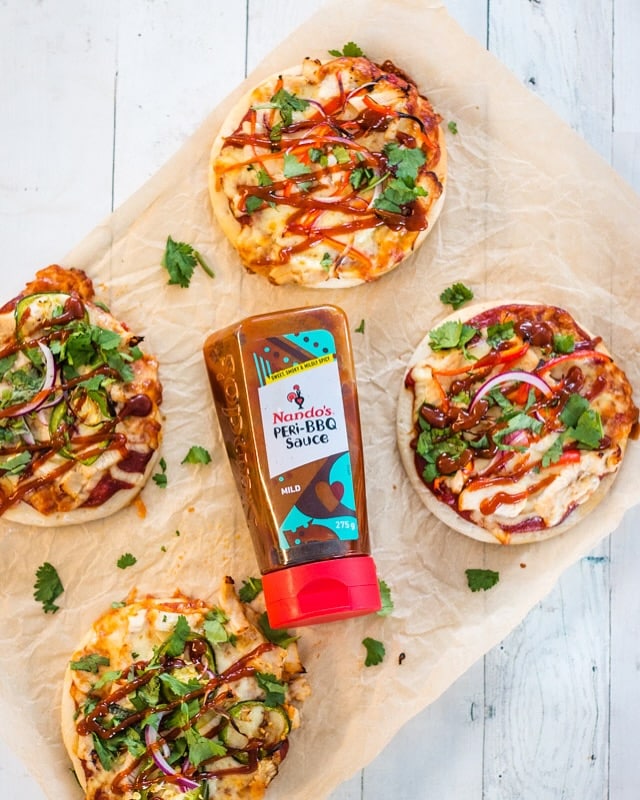
Leftover pizza? The crust crisped back up. Cheese melted evenly. Way better than microwaving.
Cooked chicken? A quick pass on the grill brought back moisture and added smoke.
Roasted vegetables? They got a second round of caramelization.
Your fridge leftovers aren’t dead. They just need fire.
What Worked… But Needed Tweaks
Not everything was a slam dunk. Some foods needed a little strategy.
Dairy (Cheese, etc.)
Cheese on a grill is risky business. Too hot, and it melts into a tragic puddle. Too cool, and nothing happens.
The solution:
- Use firmer cheeses
- Grill on foil or a pan
- Go indirect heat
When done right, you get crispy edges and a soft center. When done wrong, you get… regret.
Eggs
Eggs are not built for grills. Crack one directly on the grates and you’ll learn that immediately.
But with a little creativity – foil trays, keeping them in the shell – you can make it work. Still, this falls under: “possible, but why?”
Saucy or Marinated Foods
Anything with sugar-heavy sauces burned fast. Barbecue sauce, teriyaki – these caramelize quickly, then go straight to burnt if you’re not careful.
The trick:
- Grill first
- Sauce later
Simple fix, big difference.
Total Fails: What Not to Grill
Now let’s talk about the casualties.
Leafy Greens
Spinach. Lettuce. Anything delicate.
They hit the grill and immediately:
- Wilt
- Shrink
- Disappear into nothing
There’s no saving them. Move on.
Watery Foods
Cucumbers were the biggest disappointment.
They didn’t caramelize. They didn’t improve. They just got warm and sad.
High water content + low structure = failure.
Certain Leftovers
Anything soupy or mushy from the fridge had no chance.
Think:
- Stews
- Saucy pasta
- Anything that needs a spoon
The grill isn’t a miracle worker. It needs structure to build on.

Lessons from Failure
The pattern was clear.
Foods fail on the grill when they:
- Have too much water
- Lack structure
- Burn before they improve
The grill rewards strength. Weak foods don’t make it.
Key Lessons & Grilling Principles
After grilling half my fridge, a few rules became obvious.
1. Dry food grills better
Moisture is the enemy of browning.
2. Oil is your friend
It prevents sticking and helps with even cooking.
3. Structure matters
If it can’t hold shape, it won’t survive.
4. Sugar = fast results (and fast mistakes)
Great for caramelization, dangerous if ignored.
5. Heat control is everything
Direct heat for searing
Indirect heat for control
These aren’t just tips. They’re the difference between success and a burned mess.
Practical Tips for Grilling Random Fridge Foods
If you’re about to go full experiment mode with your fridge, keep this simple:
- Use foil when in doubt
- Cut food evenly so it cooks at the same rate
- Preheat the grill properly (don’t rush this)
- Don’t overcrowd – give food space
- Watch closely – things change fast
Grilling rewards attention. Look away too long, and your experiment turns into charcoal.
The “Fridge Smell Test” – When Fire Saves Questionable Food
Every pitmaster has faced it: you open the fridge, find something in a container, and ask yourself, “Is this still good… or am I about to regret this?”
Here’s the truth: grilling is not a rescue mission for spoiled food. If it smells off, it’s done. Fire doesn’t fix bad bacteria—it just gives it grill marks.
But – and this is important – grilling can revive food that’s just past its prime, not spoiled. Slightly limp vegetables? A little dry chicken? Bread that’s lost its charm? Fire can bring those back.
Heat dries excess moisture, intensifies flavor, and adds that signature char that tricks your brain into thinking, “Yeah, this is intentional.”
Key rule:
If it smells questionable, throw it out. If it’s just tired, throw it on the grill.
There’s a big difference – and your stomach will thank you for knowing it.

Cold vs Room Temperature – Why Your Fridge Timing Matters
Pulling food straight from the fridge and tossing it on the grill sounds efficient – but it can quietly ruin your results.
Cold food hits hot grates and creates a problem: uneven cooking. The outside cooks too fast while the inside lags behind. That’s how you end up with burnt edges and a cold center.
Letting food sit out for 10–20 minutes changes everything.
- It promotes even heat distribution
- Helps achieve a better sear
- Reduces sticking
This matters most for proteins and dense leftovers, but even vegetables benefit.
Now, don’t leave things out forever – this isn’t a science experiment. Just enough time to take the chill off.
Key idea:
“Room temp = better grill performance.”
It’s a small step that separates rushed cooking from intentional grilling.
The Texture Game – Why Crunch Beats Soft on the Grill
If there’s one thing the grill loves, it’s texture contrast.
Foods from the fridge tend to fall into two camps:
- Too soft
- Too wet
And the grill? It rewards foods that can develop a crust.
That’s why bread works. That’s why firm vegetables shine. That’s why leftovers with structure improve.
When food hits high heat, the goal is simple:
crispy outside, tender inside
Soft foods without structure don’t stand a chance. They collapse before they can build texture.
Want better results? Think like a pitmaster:
- Choose foods with natural firmness
- Cut pieces thick enough to hold up
- Avoid anything that turns mushy under pressure
Texture isn’t just a bonus – it’s the whole game.
If your food can’t crisp, it probably shouldn’t be on the grill.
The Secret Weapon: Smoke Flavor on Everyday Fridge Food
Here’s where things get interesting.
Even basic items from your fridge can taste restaurant-level with one upgrade: smoke.
You don’t need a fancy smoker. A handful of wood chips – or even just a charcoal grill – can add layers of flavor that transform ordinary food.
Grilled leftover chicken becomes smoky and complex.
Vegetables pick up a subtle earthiness.
Even bread gets a hint of something deeper.
Smoke works because it adds what your fridge food lacks: depth.
Most leftovers taste flat. Smoke fixes that.
Key insight:
“Smoke adds personality to otherwise boring food.”
Just don’t overdo it. Too much smoke turns everything bitter.
Used right, it’s the difference between reheated food… and something you’d actually serve to guests.
Grill Zones – The Trick That Saves Half Your Fridge
If you’re grilling random items from your fridge, one mistake will ruin everything: using only one heat level.
Different foods need different treatment.
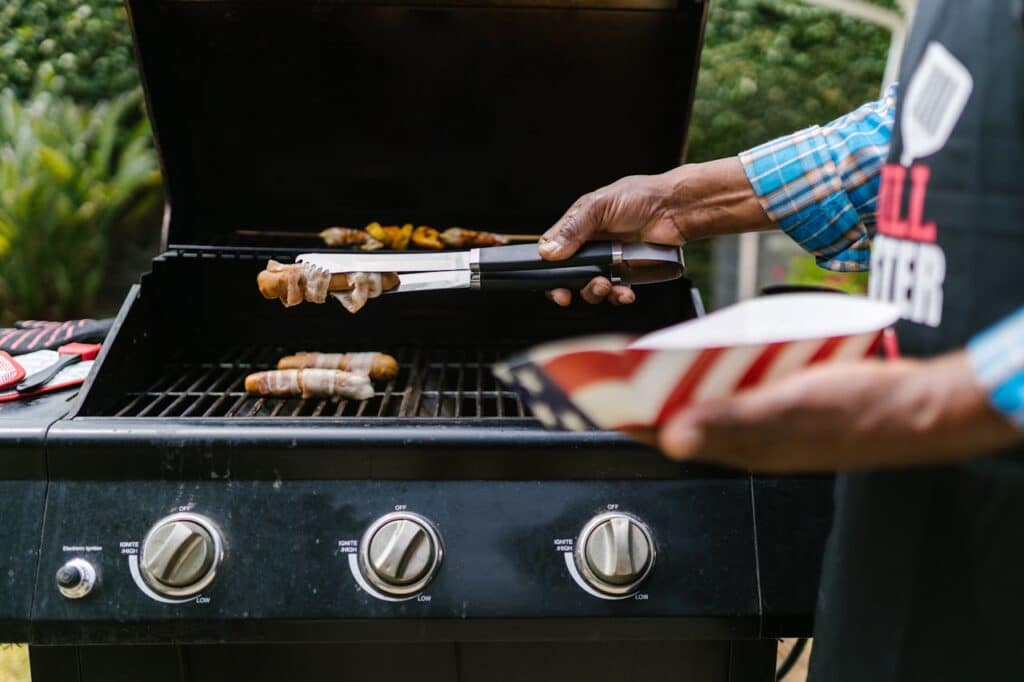
That’s where grill zones come in:
- Direct heat for searing
- Indirect heat for gentle cooking
Think of your grill like a stove with multiple burners.
Delicate foods? Keep them away from the flames.
Dense foods? Let them take the heat.
This setup gives you control:
- You can move food if it starts burning
- You can finish cooking without charring
- You avoid overcooking half your experiment
Key phrase:
“Control the heat, control the outcome.”
Without zones, you’re guessing. With zones, you’re cooking like a pro – even when your ingredients came from the back of the fridge.
The Oil Factor – Why a Little Fat Changes Everything
A dry piece of food from the fridge hitting a grill is asking for trouble.
It sticks. It tears. It cooks unevenly.
That’s where oil comes in – not as flavor, but as function.
A light coating of oil:
- Prevents sticking
- Promotes even browning
- Helps transfer heat efficiently
This is especially important for vegetables and leftovers.
But don’t drown your food. Too much oil causes flare-ups, and suddenly your experiment turns into a fire drill.
Key takeaway:
“Light oil = better contact, better crust.”
Think of oil as the bridge between your food and the grill.
Without it, things fall apart – literally.
The Psychology of Grilling – Why Everything Tastes Better Off Fire
Let’s be honest for a second.
Food from the fridge often feels… uninspired. It’s there, it’s edible, but it doesn’t excite you.
Then you throw it on the grill – and suddenly, it feels like a meal.
That’s not just flavor. That’s psychology.
Grilling adds:
- Aroma (smoke, char, heat)
- Sound (that sizzle matters more than you think)
- Visual appeal (grill marks = instant upgrade)
Your brain reads all of this as “fresh” and “intentional.”
Even leftovers feel new again.
Key idea:
“Fire doesn’t just cook food – it changes how we experience it.”
So yeah, maybe that grilled sandwich from your fridge isn’t technically gourmet.
But it feels like it is – and sometimes, that’s the whole point.
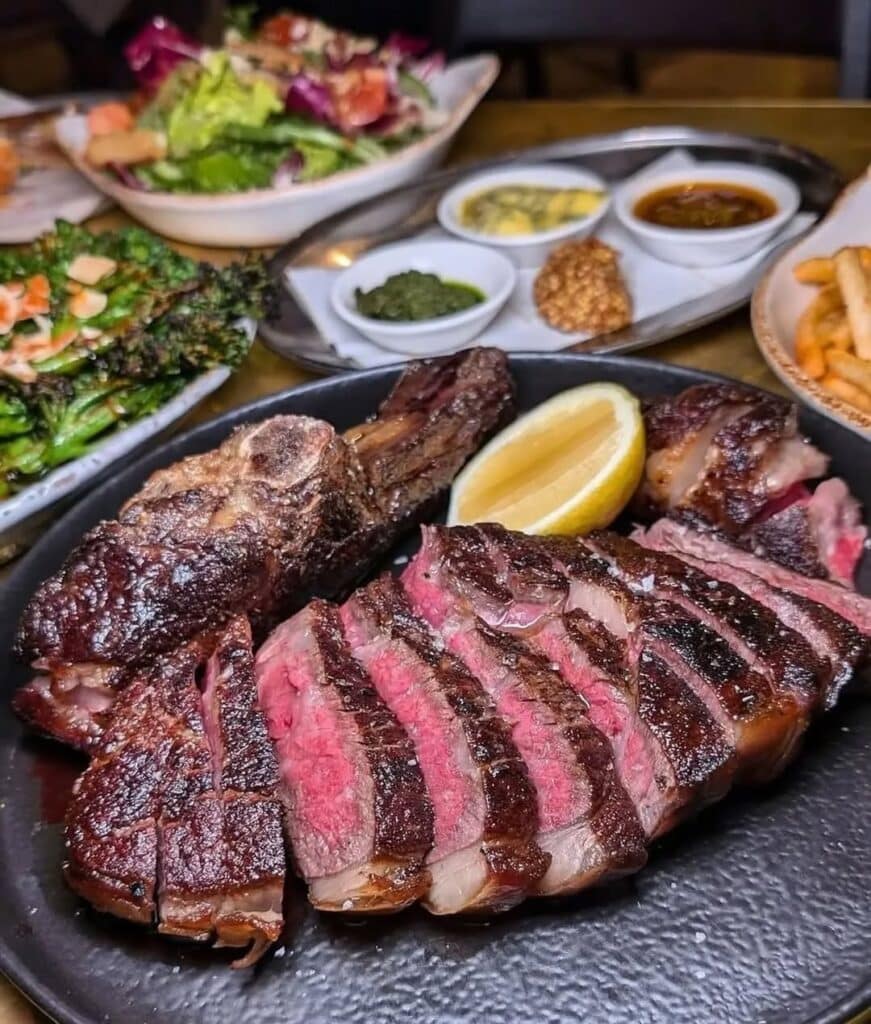
Sometimes the Fridge is the Best Source of Food for Grilling
What started as a random idea turned into something surprisingly useful.
Grilling everything in my fridge taught me that the grill isn’t just for steaks and burgers. It’s a tool – a powerful one – that can transform everyday food into something better.
Some foods became incredible.
Some needed a little finesse.
And some… should never go near a flame again.
But that’s the point.
Cooking, especially over fire, is about experimenting, learning, and occasionally failing in a spectacular way.
So next time you open your fridge and see a bunch of random ingredients staring back at you, don’t default to the microwave.
Fire up the grill.
You might be surprised what works.
Frequently Asked Questions (FAQ)
1. Can you really grill anything from your fridge?
Not everything – and this is where people get into trouble.
You can grill most solid foods from your fridge, especially anything with structure and low moisture. Think vegetables, meats, bread, and even some fruits.
But foods that are:
- Too watery
- Too soft
- Or fully liquid
…are not built for the grill.
Key takeaway:
If it can hold its shape, it can probably handle the grill.
2. What foods from the fridge should never go on the grill?
Some foods just don’t belong there.
Avoid grilling:
- Leafy greens (they burn instantly)
- Watery vegetables like cucumbers
- Soups, stews, or anything spoon-based
- Extremely soft leftovers
These items either fall apart or fail to develop flavor.
Rule of thumb:
No structure = no success on the grill.
3. Do I need to season everything before grilling?
Not necessarily.
Many foods from your fridge already have flavor – especially leftovers. In those cases, the grill is there to enhance, not mask.
A little oil and maybe salt is often enough.
That said, bland items (like plain vegetables) benefit from simple seasoning.
Key idea:
Let the grill do the heavy lifting.
4. Is it safe to grill leftovers from the fridge?
Yes – as long as they’re still safe to eat.
Grilling doesn’t magically fix spoiled food. If something smells off or looks questionable, don’t risk it.
However, properly stored leftovers can be safely reheated on the grill – and often taste better than microwaved versions.
Important:
When in doubt, throw it out – not on the grill.
5. Why does grilled food taste better than microwaved food?
Because the grill adds what the microwave can’t:
- Browning (Maillard reaction)
- Caramelization
- Smoke flavor
Microwaves heat food, but they don’t build flavor.
Grilling, on the other hand, creates depth, texture, and aroma – all the things your brain associates with “freshly cooked.”
Simple truth:
Heat cooks. Fire transforms.
6. Should I grill food straight from the fridge or let it sit out first?
Let it sit out – briefly.
Food straight from the fridge is cold and cooks unevenly. Letting it rest at room temperature for 10–20 minutes helps it cook more evenly and develop a better sear.
Just don’t leave it out too long.
Key phrase:
“Take the chill off, not the safety.”
7. What’s the easiest fridge item to start grilling with?
If you’re new to this, start simple.
Best beginner options:
- Bell peppers
- Onions
- Bread
- Leftover pizza
These are forgiving, flavorful, and hard to mess up.
They’ll give you quick wins – and confidence to try more.
8. Do I need special equipment to grill random fridge foods?
No – but a few tools help.
You can get great results with just a basic grill. But for more flexibility, consider:
- Foil (for delicate items)
- Grill baskets
- Tongs for easy handling
These make it easier to experiment without losing food through the grates.
Key takeaway:
Simple tools, better control.
9. How do I keep food from sticking to the grill?
Sticking is one of the most common frustrations.
To avoid it:
- Preheat the grill properly
- Lightly oil the food (not the grill)
- Don’t move food too early – let it release naturally
If it’s sticking, it’s usually not ready to flip yet.
Pro tip:
Patience prevents tearing.
10. What’s the biggest mistake people make when grilling fridge food?
Trying to treat everything the same.
Different foods from your fridge need different heat levels and timing. Throwing everything on high heat at once leads to burnt outsides and undercooked insides.
Big lesson:
Control your heat, and you control your results.
Featured image credit: @lelaburris
